Thread Update: The China Spy Scandal - 24-Hour Developments and Government Misdirection Tactics
As always views my own, facts can and should be checked and corrected if wrong.
Drafted whilst travelling so apologies for spelling, grammar and brevity.
1/25 Here is a (hopefully) detailed update on the UK China spy case involving Christopher Cash and Christopher Berry. Over the last 24 hours (13-14 October 2025), fresh revelations have emerged, including ministerial statements in Parliament, accusations of scapegoating career civil servants, and renewed opposition pressure. I’ll try and break it down step by step, highlighting how the government is employing tactics to mislead and misdirect public attention, such as blaming deputies, denying key roles, and potentially leveraging lobby groups to shift narratives onto unrelated issues. This comes amid ongoing efforts to downplay National Security Adviser Jonathan Powell’s membership in the 48 Group Club, a pro-China network accused of grooming UK elites. Remember, these tactics persist despite potential short-term damage to Labour, as the priority seems to be containing the fallout.
As always views my own, facts can and should be checked and corrected if wrong.
Drafted whilst travelling so apologies for spelling, grammar and brevity.
1/25 Here is a (hopefully) detailed update on the UK China spy case involving Christopher Cash and Christopher Berry. Over the last 24 hours (13-14 October 2025), fresh revelations have emerged, including ministerial statements in Parliament, accusations of scapegoating career civil servants, and renewed opposition pressure. I’ll try and break it down step by step, highlighting how the government is employing tactics to mislead and misdirect public attention, such as blaming deputies, denying key roles, and potentially leveraging lobby groups to shift narratives onto unrelated issues. This comes amid ongoing efforts to downplay National Security Adviser Jonathan Powell’s membership in the 48 Group Club, a pro-China network accused of grooming UK elites. Remember, these tactics persist despite potential short-term damage to Labour, as the priority seems to be containing the fallout.
Recap of the Core Case: From Arrests to Collapse
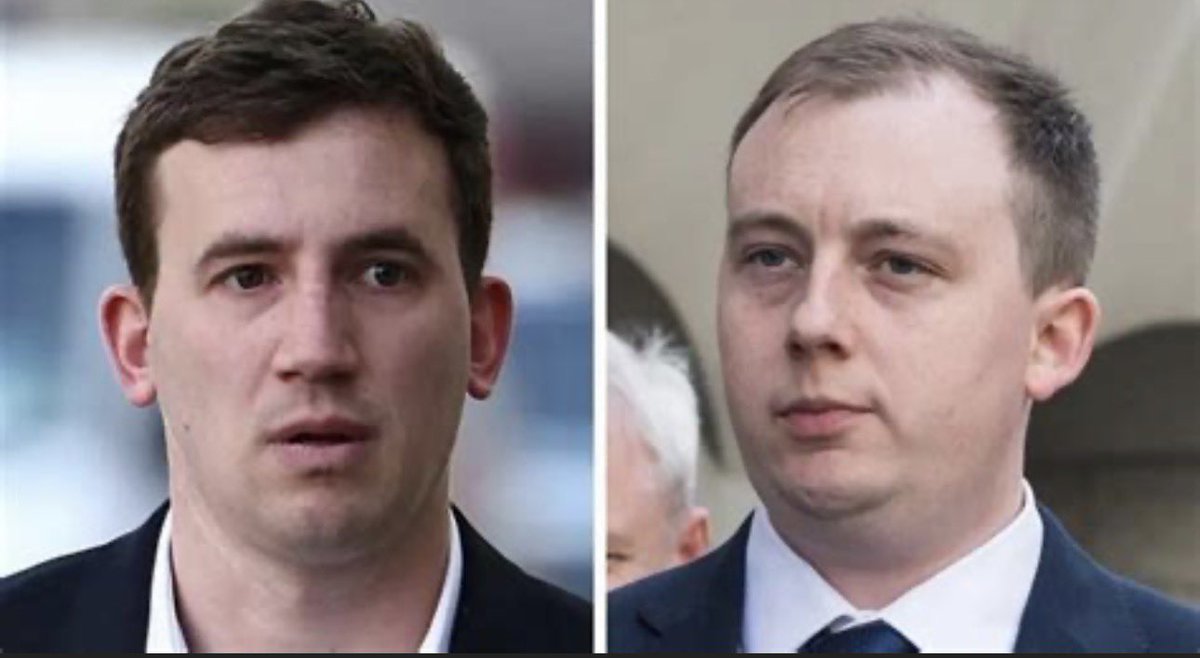
2/25 To try and set the scene, Cash (former researcher for Alicia Kearns MP) and Berry (Oxford academic with Chinese ties) were arrested in March 2023 and charged in April 2024 under the Official Secrets Act for allegedly passing sensitive info to China’s United Front Work Department, reaching Politburo member Cai Qi. MI5 called the evidence robust. But on 15 September 2025, charges were dropped due to lack of a government statement confirming China as a “threat” post a 2025 court precedent. In the last 24 hours, no new arrests or revivals, but the debate intensified in Commons, with ministers sticking to “procedural failure” lines while opposition calls it a cover-up.
2/25 To try and set the scene, Cash (former researcher for Alicia Kearns MP) and Berry (Oxford academic with Chinese ties) were arrested in March 2023 and charged in April 2024 under the Official Secrets Act for allegedly passing sensitive info to China’s United Front Work Department, reaching Politburo member Cai Qi. MI5 called the evidence robust. But on 15 September 2025, charges were dropped due to lack of a government statement confirming China as a “threat” post a 2025 court precedent. In the last 24 hours, no new arrests or revivals, but the debate intensified in Commons, with ministers sticking to “procedural failure” lines while opposition calls it a cover-up.

Key Change in Last 24 Hours: Jarvis Blames Collins in Parliament
3/25 Yesterday (13 October), Security Minister Dan Jarvis told the Commons the case collapsed because Deputy NSA Matthew Collins provided inadequate witness statements in December 2023, February 2025, and July 2025—spanning both governments. Jarvis claimed Collins had “full freedom” without interference. This marks a shift: previously, the government broadly blamed “legacy issues”; now, it’s pinpointing a civil servant. Critics like Tom Tugendhat accuse Labour of “throwing Collins under the bus” to protect Powell and ministers.
3/25 Yesterday (13 October), Security Minister Dan Jarvis told the Commons the case collapsed because Deputy NSA Matthew Collins provided inadequate witness statements in December 2023, February 2025, and July 2025—spanning both governments. Jarvis claimed Collins had “full freedom” without interference. This marks a shift: previously, the government broadly blamed “legacy issues”; now, it’s pinpointing a civil servant. Critics like Tom Tugendhat accuse Labour of “throwing Collins under the bus” to protect Powell and ministers.

Tactic Spotlight: Scapegoating Civil Servants to Misdirect Blame
4/25 This move exemplifies government misdirection: by isolating fault on a career bureaucrat like Collins, Labour diverts from executive responsibility. The Ministerial Code requires ministers to oversee officials and not mislead Parliament—yet Jarvis’s statement implies hands-off, despite Powell’s meeting chairing role. This tactic shields elected officials, eroding trust in civil service neutrality. In the last 24 hours, no defence from Collins, but opposition demands his testimony to clarify.
4/25 This move exemplifies government misdirection: by isolating fault on a career bureaucrat like Collins, Labour diverts from executive responsibility. The Ministerial Code requires ministers to oversee officials and not mislead Parliament—yet Jarvis’s statement implies hands-off, despite Powell’s meeting chairing role. This tactic shields elected officials, eroding trust in civil service neutrality. In the last 24 hours, no defence from Collins, but opposition demands his testimony to clarify.
Did Dan Jarvis Break the Ministerial Code?
5/25 The Ministerial Code mandates ministers uphold “the highest standards of propriety,” including truthfulness and not misleading Parliament (Section 1.3). Jarvis’s 13 October claim of no ministerial involvement contradicts earlier admissions of Powell’s advisory input. Tugendhat argues this misleads, as the executive bears ultimate accountability. No breach ruling yet, but select committees could investigate, similar to past cases. In the last day, Jarvis faced no direct challenge in Commons, but opposition vows to pursue.
5/25 The Ministerial Code mandates ministers uphold “the highest standards of propriety,” including truthfulness and not misleading Parliament (Section 1.3). Jarvis’s 13 October claim of no ministerial involvement contradicts earlier admissions of Powell’s advisory input. Tugendhat argues this misleads, as the executive bears ultimate accountability. No breach ruling yet, but select committees could investigate, similar to past cases. In the last day, Jarvis faced no direct challenge in Commons, but opposition vows to pursue.

Powell’s 48 Group Membership: Attempts to Cover and Downplay
6/25 Revealed on 12 October, Powell’s fellowship in the 48 Group Club—a pro-China lobby founded by British communists, accused of grooming elites—remains a flashpoint. In the last 24 hours, ministers like Phillipson denied Powell’s spy case role, avoiding his affiliations. Government briefings to MSM emphasise “procedural” aspects, misdirecting from Powell’s potential conflicts. This cover tactic ignores how such memberships could influence policy, like the case drop.
6/25 Revealed on 12 October, Powell’s fellowship in the 48 Group Club—a pro-China lobby founded by British communists, accused of grooming elites—remains a flashpoint. In the last 24 hours, ministers like Phillipson denied Powell’s spy case role, avoiding his affiliations. Government briefings to MSM emphasise “procedural” aspects, misdirecting from Powell’s potential conflicts. This cover tactic ignores how such memberships could influence policy, like the case drop.

Mandelson and Blair-Era Links to China Lobbies
7/25 Former Blair minister Peter Mandelson, sacked as US ambassador on 11 September over Epstein ties, has deep China connections: adviser to China International Capital Corporation and linked to pro-CCP networks. In the last 24 hours, Boris Johnson tied Mandelson to the spy row in a podcast, suggesting Blairite influences persist. Government misdirects by focusing on Mandelson’s Epstein scandal, not his China lobbies, protecting the “cabal” narrative.
7/25 Former Blair minister Peter Mandelson, sacked as US ambassador on 11 September over Epstein ties, has deep China connections: adviser to China International Capital Corporation and linked to pro-CCP networks. In the last 24 hours, Boris Johnson tied Mandelson to the spy row in a podcast, suggesting Blairite influences persist. Government misdirects by focusing on Mandelson’s Epstein scandal, not his China lobbies, protecting the “cabal” narrative.

Government Misdirection: Using Lobby Groups to Shift Narratives
8/25 Lobby groups like the 48 Group (and others, such as 411 Communications—a digitally native agency founded in September 2024 from Labour’s 2024 election digital team, specialising in progressive campaigns, disinformation countermeasures, and content creation) are used to direct MSM onto other subjects. 411, with 11-50 employees including alumni like Ned Milligan, focuses on social media amplification and AI tools, often for undisclosed progressive clients. In the last 24 hours, briefings pushed coverage towards “outdated laws” (BBC) or “Tory failures” (Guardian), away from Powell. These groups foster pro-engagement stories, misdirecting from security erosion to economic benefits, sustaining Labour’s narrative despite damage.
8/25 Lobby groups like the 48 Group (and others, such as 411 Communications—a digitally native agency founded in September 2024 from Labour’s 2024 election digital team, specialising in progressive campaigns, disinformation countermeasures, and content creation) are used to direct MSM onto other subjects. 411, with 11-50 employees including alumni like Ned Milligan, focuses on social media amplification and AI tools, often for undisclosed progressive clients. In the last 24 hours, briefings pushed coverage towards “outdated laws” (BBC) or “Tory failures” (Guardian), away from Powell. These groups foster pro-engagement stories, misdirecting from security erosion to economic benefits, sustaining Labour’s narrative despite damage.

Tactic: Denials and Contradictions in Ministerial Statements
9/25 Phillipson’s 13 October Sky News claim Powell had “no role” contradicts Jarvis’s Commons admission of his advice. This inconsistency misleads Parliament and public, breaching Code transparency. Last 24 hours saw no correction, with MSM (ITV) dismissing opposition as “nonsense,” possibly influenced by lobby ties like 411’s network of journalists and influencers, who have been involved in paid, undisclosed content.
9/25 Phillipson’s 13 October Sky News claim Powell had “no role” contradicts Jarvis’s Commons admission of his advice. This inconsistency misleads Parliament and public, breaching Code transparency. Last 24 hours saw no correction, with MSM (ITV) dismissing opposition as “nonsense,” possibly influenced by lobby ties like 411’s network of journalists and influencers, who have been involved in paid, undisclosed content.
New Revelations: FCDO “Chinese Mole” and Burner Phones
10/25 Updates from 13 October: reports of a “Chinese mole” in FCDO, prompting reviews. Berry’s burner phones with Beijing-exclusive apps strengthened original evidence. Government misdirects by blaming Collins, not addressing these, shifting narrative to procedural mishaps.
10/25 Updates from 13 October: reports of a “Chinese mole” in FCDO, prompting reviews. Berry’s burner phones with Beijing-exclusive apps strengthened original evidence. Government misdirects by blaming Collins, not addressing these, shifting narrative to procedural mishaps.
US Warnings and International Fallout
11/25 White House on 13 October warned Starmer the drop risks Five Eyes sharing; Trump aides doubt UK reliability. In last 24 hours, no government response, misdirecting focus to domestic “legacy” blames, eroding sovereignty in alliances.
11/25 White House on 13 October warned Starmer the drop risks Five Eyes sharing; Trump aides doubt UK reliability. In last 24 hours, no government response, misdirecting focus to domestic “legacy” blames, eroding sovereignty in alliances.
Opposition Pressure Ramps Up
12/25 Badenoch demanded answers on 13 October; Tugendhat accused scapegoating. Last 24 hours: calls for emergency debate, possible Code breach probe. Government tactics: dismiss as “baseless,” using MSM allies to portray as partisan attacks.
12/25 Badenoch demanded answers on 13 October; Tugendhat accused scapegoating. Last 24 hours: calls for emergency debate, possible Code breach probe. Government tactics: dismiss as “baseless,” using MSM allies to portray as partisan attacks.
Erosion of Sovereignty: No Longer Exclusive from Security
13/25 This government views sovereignty and security as intertwined excuses for erosion. Tactics include ceding control under “security” pretexts, misleading on implications.
13/25 This government views sovereignty and security as intertwined excuses for erosion. Tactics include ceding control under “security” pretexts, misleading on implications.
Example 1: Chagos Islands Cession
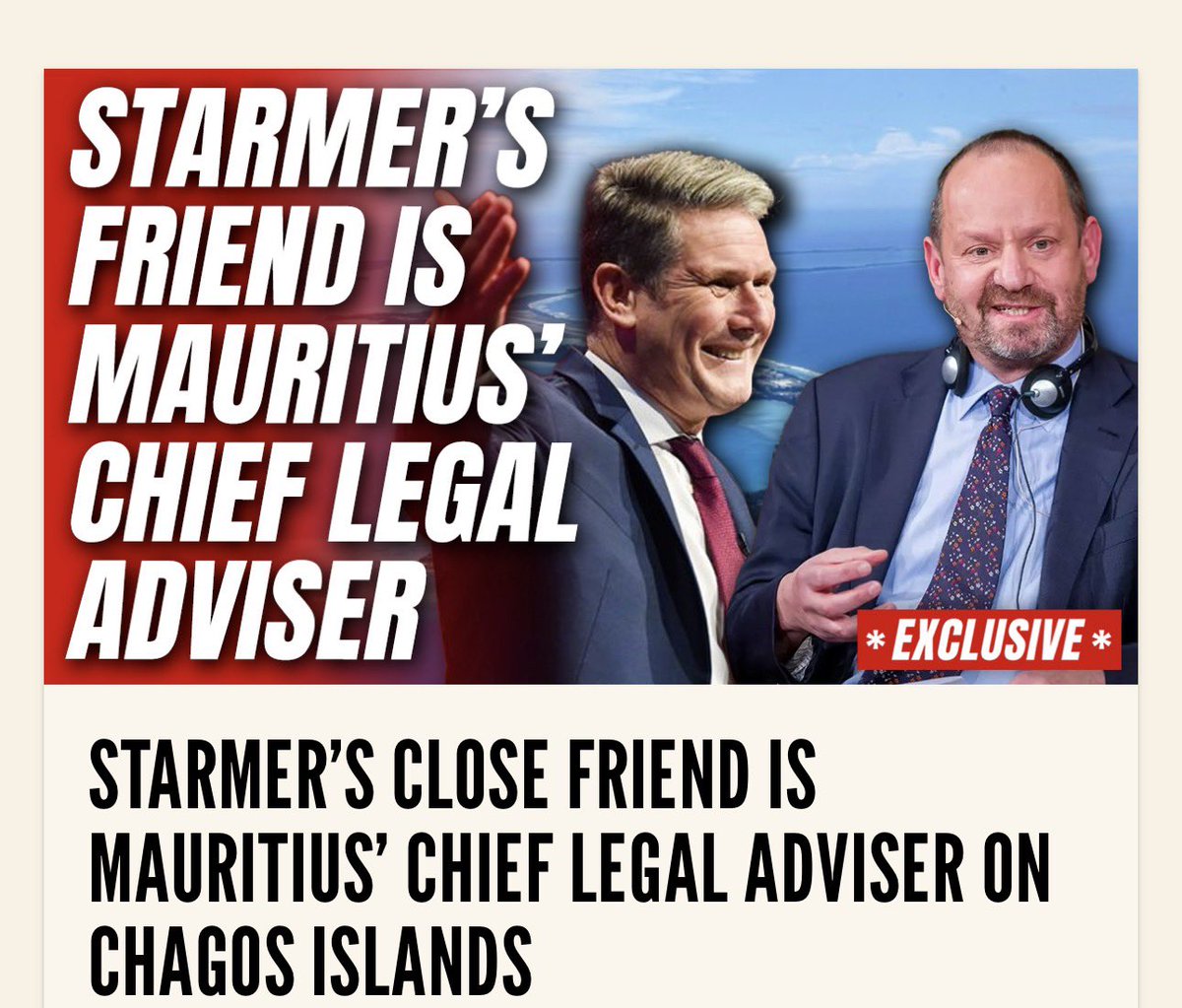
14/25 In October 2025, UK ceded Chagos sovereignty to Mauritius (PRC ally), retaining Diego Garcia base. Powell overruled advisors; government misdirects as “decolonisation,” but its sovereignty loss, using “security” (US base) as cover.
14/25 In October 2025, UK ceded Chagos sovereignty to Mauritius (PRC ally), retaining Diego Garcia base. Powell overruled advisors; government misdirects as “decolonisation,” but its sovereignty loss, using “security” (US base) as cover.
Chagos Misdirection Tactics
15/25 Lobby groups like 48 and 411 push “global cooperation” narratives in MSM, shifting from sovereignty erosion to “diplomatic win.” Last 24 hours: no new Chagos updates, but links to spy case via Powell highlight pattern.
15/25 Lobby groups like 48 and 411 push “global cooperation” narratives in MSM, shifting from sovereignty erosion to “diplomatic win.” Last 24 hours: no new Chagos updates, but links to spy case via Powell highlight pattern.
Example 2: Illegal Immigration and Border Sovereignty
16/25 Labour’s policies—scrapping Rwanda scheme, increasing removals but not stemming Channel crossings—erode border sovereignty. Over 20,000 arrivals in 2025; government uses “security threats” from migrants as excuse for EU deals ceding control.
16/25 Labour’s policies—scrapping Rwanda scheme, increasing removals but not stemming Channel crossings—erode border sovereignty. Over 20,000 arrivals in 2025; government uses “security threats” from migrants as excuse for EU deals ceding control.
Immigration Misdirection
17/25 Using lobbies like 411—which offers disinformation training and influencer outreach—to redirect MSM to “humanitarian” angles, away from sovereignty loss. Last 24 hours: no direct spy-immigration link, but overall tactic sustains narrative of “managed migration” despite erosion.
17/25 Using lobbies like 411—which offers disinformation training and influencer outreach—to redirect MSM to “humanitarian” angles, away from sovereignty loss. Last 24 hours: no direct spy-immigration link, but overall tactic sustains narrative of “managed migration” despite erosion.
Broader Tactics: Mislead via Selective Briefings
18/25 Government briefs MSM on “efforts made” (Guardian, 13 Oct), misleading on full involvement. Lobbies like 411 amplify, directing to “Tory failures,” with their expertise in social listening and content under NDAs helping craft undisclosed favourable posts.
18/25 Government briefs MSM on “efforts made” (Guardian, 13 Oct), misleading on full involvement. Lobbies like 411 amplify, directing to “Tory failures,” with their expertise in social listening and content under NDAs helping craft undisclosed favourable posts.
Covering Powell’s 48 Group Ties
19/25 Ministers avoid mentioning; MSM (BBC, 13 Oct) focuses on “no decisions” by Powell, misdirecting from conflicts. Mandelson’s similar links ignored in briefings.
19/25 Ministers avoid mentioning; MSM (BBC, 13 Oct) focuses on “no decisions” by Powell, misdirecting from conflicts. Mandelson’s similar links ignored in briefings.
Mandelson’s China Lobbies: Pattern of Blairite Influence
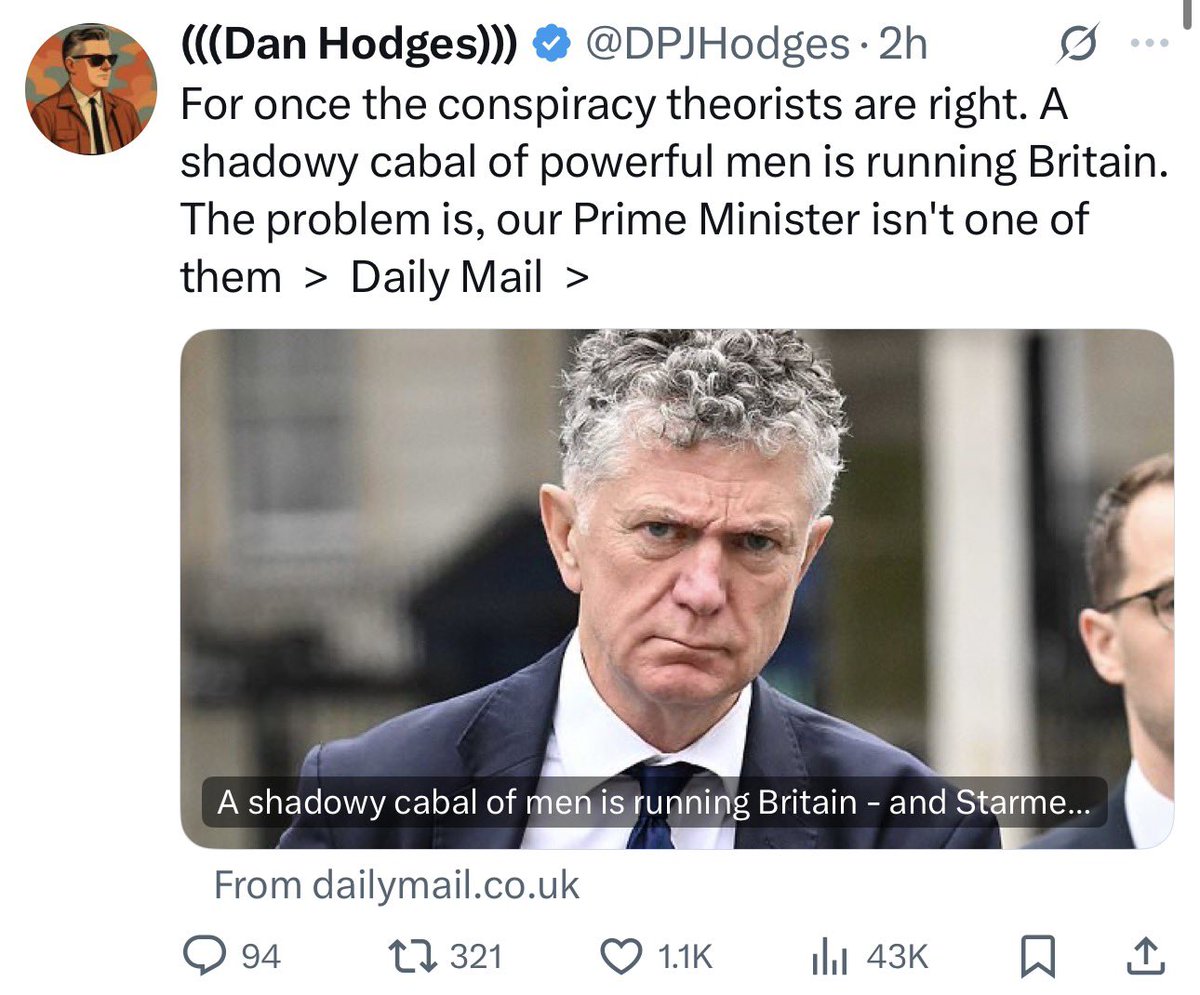
20/25 Mandelson advised China International Capital; lobbies like 48 connect him. Government misdirects to Epstein, not China ties, protecting network.
20/25 Mandelson advised China International Capital; lobbies like 48 connect him. Government misdirects to Epstein, not China ties, protecting network.
Sovereignty Erosion: Security as Excuse
21/25 Government erodes sovereignty under “security” guise—Chagos for base “security,” immigration deals for “border security”—misleading on long-term loss.
21/25 Government erodes sovereignty under “security” guise—Chagos for base “security,” immigration deals for “border security”—misleading on long-term loss.
Last 24 Hours: Jarvis’s Statement and Backlash
22/25 Jarvis’s 13 Oct Commons blame on Collins sparked Tugendhat’s “under the bus” accusation. Tactic: isolate blame, but opposition calls for probe.
22/25 Jarvis’s 13 Oct Commons blame on Collins sparked Tugendhat’s “under the bus” accusation. Tactic: isolate blame, but opposition calls for probe.

Potential Code Breach by Jarvis
23/25 Code requires truthfulness; Jarvis’s denials may mislead. Last 24 hours: no admission, but scrutiny grows.
23/25 Code requires truthfulness; Jarvis’s denials may mislead. Last 24 hours: no admission, but scrutiny grows.
Lobby Role in Narrative Shift
24/25 Groups like 48 and 411—founded from Labour’s digital team, specialising in campaigns and paying journalists under NDAs—direct MSM to “semantics muddle” (Guardian, 13 Oct), away from cover-up.
24/25 Groups like 48 and 411—founded from Labour’s digital team, specialising in campaigns and paying journalists under NDAs—direct MSM to “semantics muddle” (Guardian, 13 Oct), away from cover-up.

Conclusion: Damage Despite Tactics
25/25 Despite misdirection, last 24 hours’ revelations—scapegoating, Code questions, US warnings—intensify damage. Sovereignty erosion continues unchecked, demanding scrutiny.
So much going on, which in itself is a tactic. You’ll have Miliband announcing the UK’s largest solar farm next….
A good day to bury bad news as someone once said
25/25 Despite misdirection, last 24 hours’ revelations—scapegoating, Code questions, US warnings—intensify damage. Sovereignty erosion continues unchecked, demanding scrutiny.
So much going on, which in itself is a tactic. You’ll have Miliband announcing the UK’s largest solar farm next….
A good day to bury bad news as someone once said

• • •
Missing some Tweet in this thread? You can try to
force a refresh