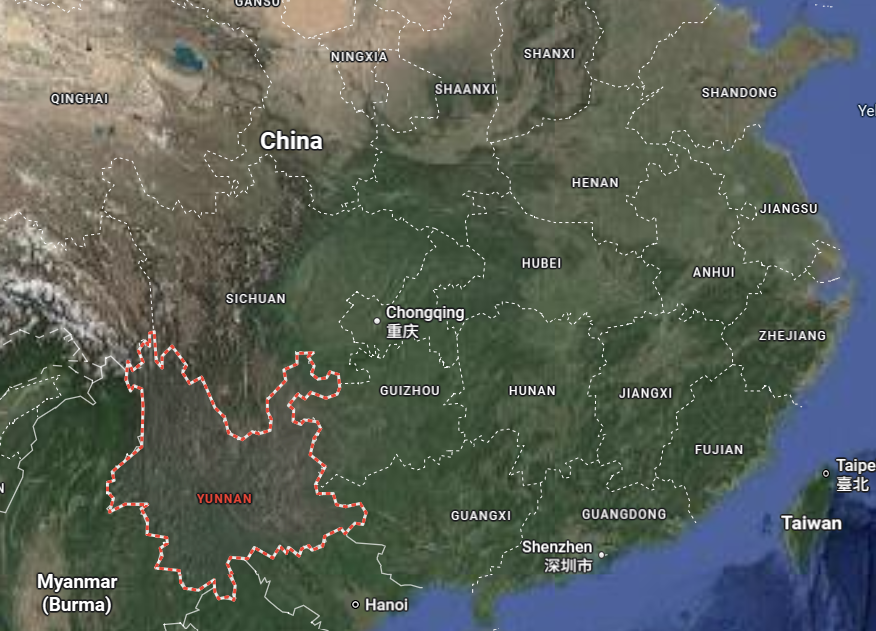
I've just wrapped a 10 days on the North Yunnan loop route, hitting Dali, Lijiang, Diqing/Shangri-la, and Nujiang. Some of the most beautiful places I've seen in China.
Lots of essay content from the trip coming soon, but here's a summary of the route first, 1 tweet per city.🧵
Lots of essay content from the trip coming soon, but here's a summary of the route first, 1 tweet per city.🧵
...oh, and I'm writing this partly as a travel report/guide for others who might like to do a similar tour in the future, and partly as a foundation for the essay content that's coming next.
So I'll try to provide both travel details and some background info for each spot...
So I'll try to provide both travel details and some background info for each spot...

Dali: Dali was the only city on this trip that I'd visited before. It was the last stop on my loop tour but it could have been the first too, as it has many flights from everywhere and high-speed rail from Kunming.
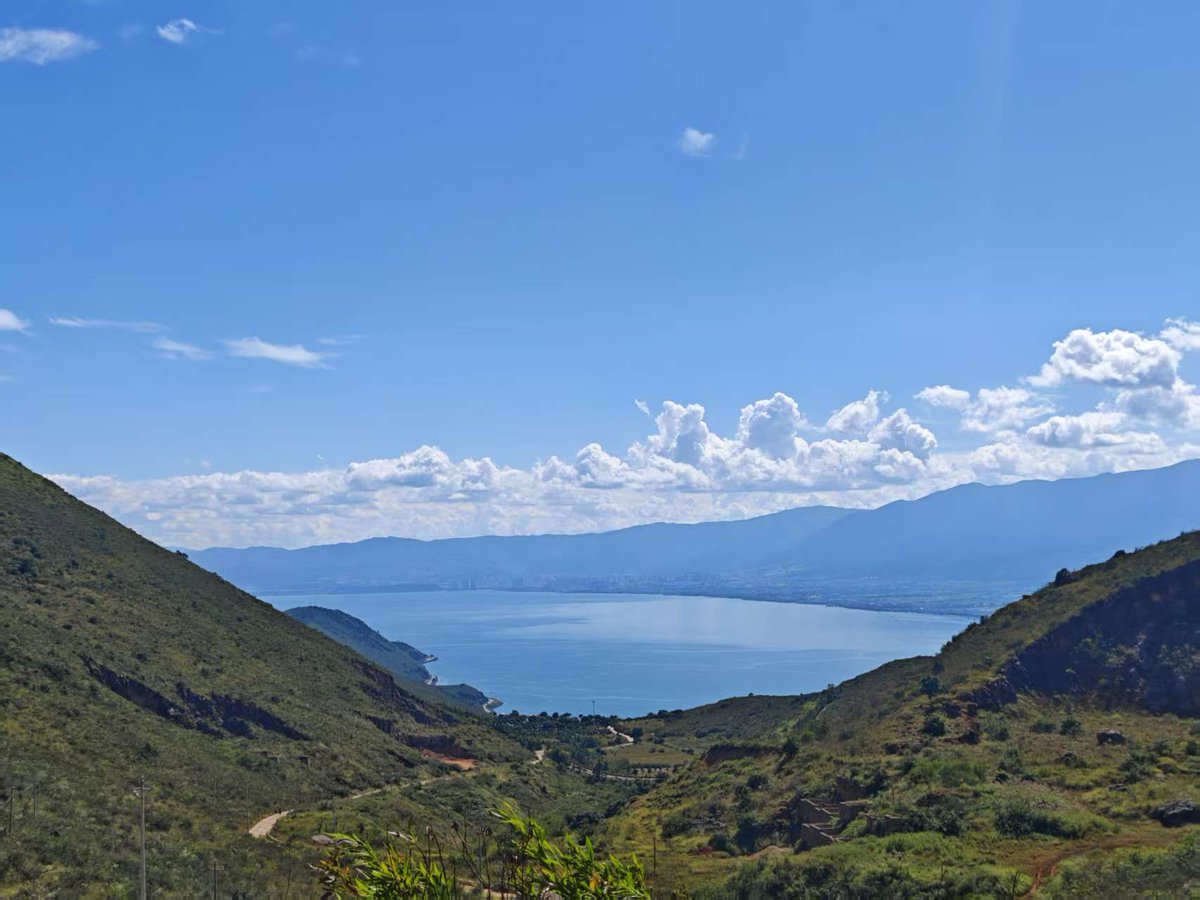
Dali City has just 660k people (versus the greater Dali Prefecture with 3.2m). Like most Chinese cities of its size, it has both a busy, loud, crowded old city section, but also a clean, tidy, comfortable modern city section. The modern city has skyscrapers, shopping malls, a university, some manufacturing industry, AND a flourishing tourism sector based around Erhai Lake with its great views of Cangshan and Jizushan (mountains). It also boasts several train stations, an airport, and good highway connectivity.
Dali is a T4 city in Yicai's city rankings, coming in at #179, which is actually very close to the median (169). If it werent for the lake and the tourism, it would be just another moderately-developed medium-sized city. But it has that lake...
I feel like I'm supposed to be a snob and say I don't like Dali because it's too touristy, but I actually think it's still a good vibe, especially in the evenings when the tourists go back to their hotels and stop clogging up the roads with their rented convertibles. It IS very commercialized, and I don't recommend staying near the ancient city or even on that side of Erhai Lake (the west side), but I'd still love to own a vacation home here someday, halfway up one of the mountains with a view of the lake and the rolling hills.
Dali City has just 660k people (versus the greater Dali Prefecture with 3.2m). Like most Chinese cities of its size, it has both a busy, loud, crowded old city section, but also a clean, tidy, comfortable modern city section. The modern city has skyscrapers, shopping malls, a university, some manufacturing industry, AND a flourishing tourism sector based around Erhai Lake with its great views of Cangshan and Jizushan (mountains). It also boasts several train stations, an airport, and good highway connectivity.
Dali is a T4 city in Yicai's city rankings, coming in at #179, which is actually very close to the median (169). If it werent for the lake and the tourism, it would be just another moderately-developed medium-sized city. But it has that lake...
I feel like I'm supposed to be a snob and say I don't like Dali because it's too touristy, but I actually think it's still a good vibe, especially in the evenings when the tourists go back to their hotels and stop clogging up the roads with their rented convertibles. It IS very commercialized, and I don't recommend staying near the ancient city or even on that side of Erhai Lake (the west side), but I'd still love to own a vacation home here someday, halfway up one of the mountains with a view of the lake and the rolling hills.

Lijiang. This trip started by flying into Lijiang and heading north. I've always categorized Dali and Lijiang as being the same in my head. But Lijiang, just a two hours' drive north of Dali, turned out to be a much smaller city, with only 300k in its metro area and 1.2m across the entire prefecture, and it feels like it too.
Lijiang doesn't have much industry to speak of - just tourism - so the air is cleaner and the views crisper. It's also a bit colder than Dali, thanks to its higher elevation at 2400m. Tourists will often get altitude-related headaches, nausea, and dizziness arriving directly in Lijiang. I had a bit of a dull headache for the first day, but it went away quickly.
Like Dali, its tourism is built around ancient towns (three of them actually) but unlike Dali, some of them are actually worth visiting. The downtown one is very crowded and miserable, but the other two out in the suburbs are much nicer, and not even very crowded, plus they have a lot of authentically old and non-refurbished buildings. They're good for a day of tourism before heading out to the nearby scenic areas. Yulong Mountain is substantially larger than anything you'll see in Dali, and gives you a real signal that you're on the threshhold of some REAL mountains as you're entering Tibetan Yunnan.
Lijiang is a Tier 5 city in Yicai's city rankings, about 60 ranks lower than the median, very close to Xishuangbanna (another tourist destination in souther Yunnan). I could still imagine living here too, or at least coming here for a while in the summer to escape the Shanghai heat and humidity, which is generally not going to be true for cities in the lower half of T5.
I liked Lijiang more than I expectedI would. Though I was there at the very start of my trip, overlapping with the last few days of the October holiday, it was much quieter than Dali at the end of my trip, ten days later.
Lijiang doesn't have much industry to speak of - just tourism - so the air is cleaner and the views crisper. It's also a bit colder than Dali, thanks to its higher elevation at 2400m. Tourists will often get altitude-related headaches, nausea, and dizziness arriving directly in Lijiang. I had a bit of a dull headache for the first day, but it went away quickly.
Like Dali, its tourism is built around ancient towns (three of them actually) but unlike Dali, some of them are actually worth visiting. The downtown one is very crowded and miserable, but the other two out in the suburbs are much nicer, and not even very crowded, plus they have a lot of authentically old and non-refurbished buildings. They're good for a day of tourism before heading out to the nearby scenic areas. Yulong Mountain is substantially larger than anything you'll see in Dali, and gives you a real signal that you're on the threshhold of some REAL mountains as you're entering Tibetan Yunnan.
Lijiang is a Tier 5 city in Yicai's city rankings, about 60 ranks lower than the median, very close to Xishuangbanna (another tourist destination in souther Yunnan). I could still imagine living here too, or at least coming here for a while in the summer to escape the Shanghai heat and humidity, which is generally not going to be true for cities in the lower half of T5.
I liked Lijiang more than I expectedI would. Though I was there at the very start of my trip, overlapping with the last few days of the October holiday, it was much quieter than Dali at the end of my trip, ten days later.
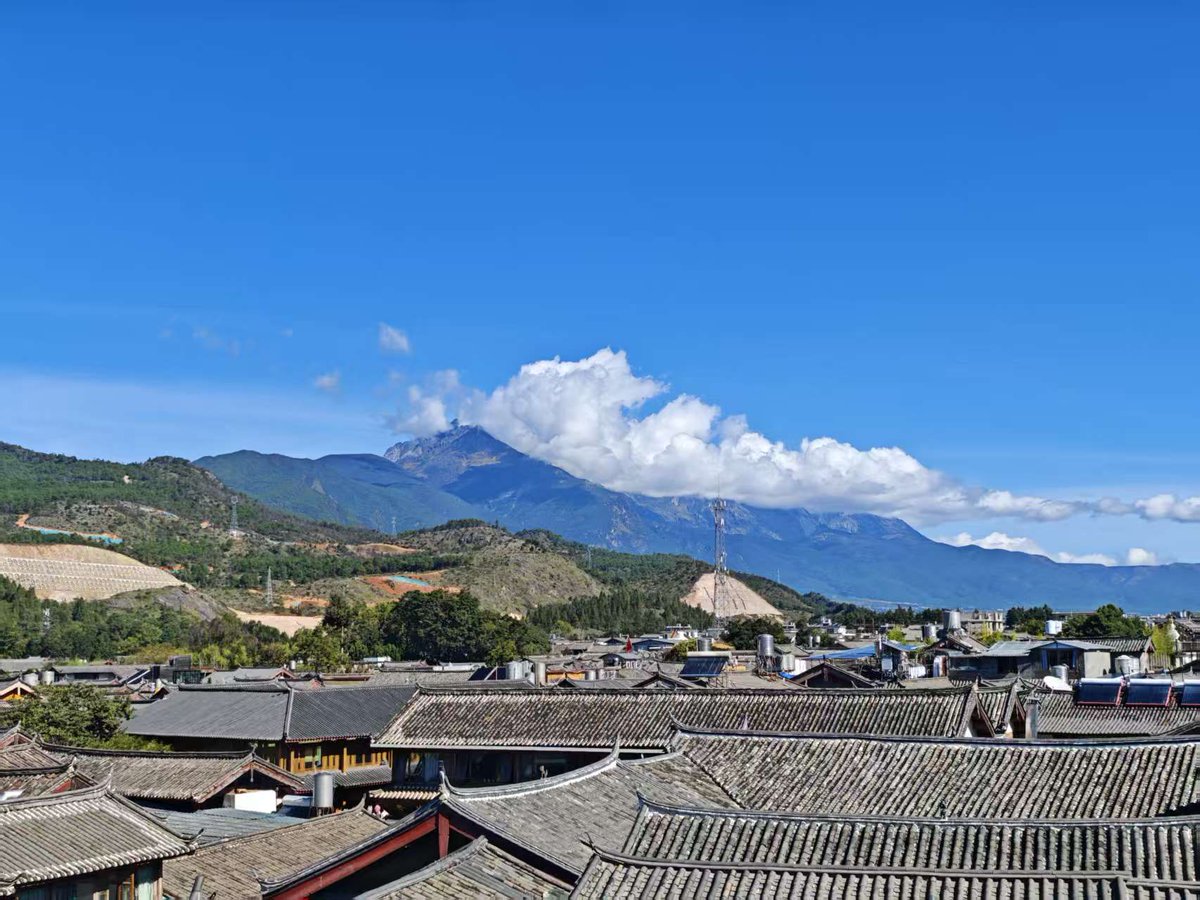
Diqing/Shangri-la: Shangri-la is a grubby little city with just 186k people that has been elevated to national travel wonderland status, but IMO has fairly limited merits on its own. Shangri-la is the capital of the Diqing Tibetan Autonomous Prefecture, total population 391k (which includes Shangri-la).
The main thing to do in the city is visit the ancient town, which is annoying to navigate, full of repetitive shops and restaurants, and swarmed with tourists dressed up in Tibetan princess costumes doing photo shoots. Not my vibe. Like many popular tourist destinations in China, Shangri-la is developing too rapidly for its own good. I'd prefer to visit almost any part of the prefecture besides the ancient town.
Although I didn't like the city much at all, the nearby natural attractions are stunning. Shangri-la is a good jumping-off point for truly nice natural attractions like Potatso National Park, Haba Mountain, Tiger Leaping Gorge, and Shika Mountain. Watch out for the altitude if hiking though - 3200m is no joke for the unprepared.
Shangri-la is extremely accessible these days, with newly-built rail and national expressway connections down to Lijiang. Hopefully, that helps with Diqing's economic performance, which is overall still weak, despite the substantial tourism boost. Diqing Prefecture is at the bottom of Tier 5 according to Yicai, ranking 324/337 nationwide. It feels it. It's beautiful and nice to visit, but I wouldn't enjoy living here.
The main thing to do in the city is visit the ancient town, which is annoying to navigate, full of repetitive shops and restaurants, and swarmed with tourists dressed up in Tibetan princess costumes doing photo shoots. Not my vibe. Like many popular tourist destinations in China, Shangri-la is developing too rapidly for its own good. I'd prefer to visit almost any part of the prefecture besides the ancient town.
Although I didn't like the city much at all, the nearby natural attractions are stunning. Shangri-la is a good jumping-off point for truly nice natural attractions like Potatso National Park, Haba Mountain, Tiger Leaping Gorge, and Shika Mountain. Watch out for the altitude if hiking though - 3200m is no joke for the unprepared.
Shangri-la is extremely accessible these days, with newly-built rail and national expressway connections down to Lijiang. Hopefully, that helps with Diqing's economic performance, which is overall still weak, despite the substantial tourism boost. Diqing Prefecture is at the bottom of Tier 5 according to Yicai, ranking 324/337 nationwide. It feels it. It's beautiful and nice to visit, but I wouldn't enjoy living here.

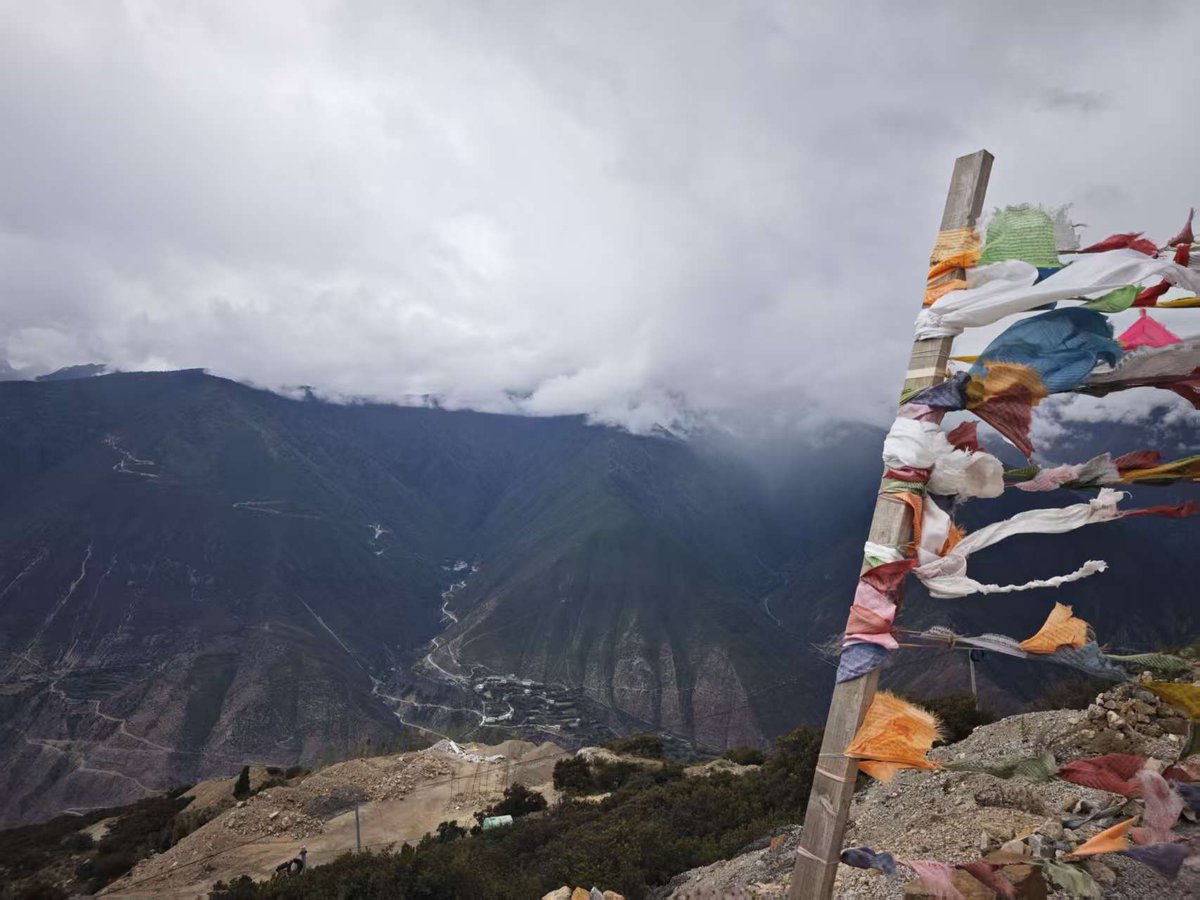
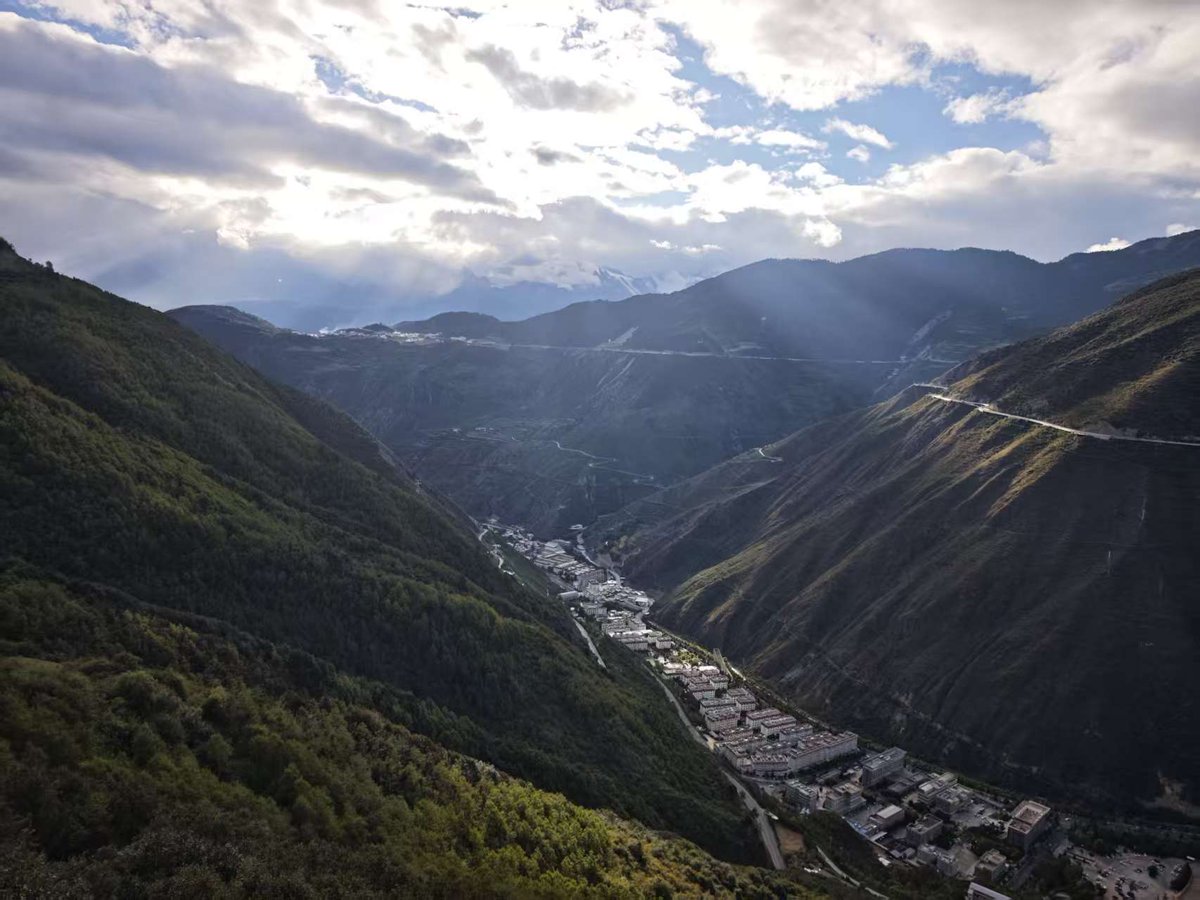
Deqen County: Is administratively part of Diqing Prefecture, but is a 3.5 hour drive to the north, placing you right on the border with Tibet and Sichuan. This is squarely within Tibetan Yunnan, and it feels it, from the altitude (3400 meters) to the landscapes (snowcapped mountains, glaciers, and gorges) to the herds of cows, yak, and goats blocking the roads.
It is only accessible from Shangri-la via the famous #214 National Road - one of the many outdoor enthusiast self-driving "meccas" of Western China.
The county seat lies within a deep mountain gorge with sheer cliffs on both sides. Due to persistent earthquake and landslide risk, the provincial authorities have begun the long-planned operation of relocating the entire county town of 70k people to another location some 100km south - an operation that is about 50% finished right now. More about this in future posts.
Deqen is remote and hard to get in and out of, but super worth visiting, with amazing scenery and accessible high-quality hiking. The centerpiece of the area is the 6740-meter Mt. Kawagarbo, (梅里雪山) the tallest mountain in Yunnan.
But... wouldn't want to live here. It's very inconvenient and there's not much for resturants except yak hot pot. Actually, soon no one will "live" there, except people in the tourism industry operating restaurants, hotels, and touring experiences.
It is only accessible from Shangri-la via the famous #214 National Road - one of the many outdoor enthusiast self-driving "meccas" of Western China.
The county seat lies within a deep mountain gorge with sheer cliffs on both sides. Due to persistent earthquake and landslide risk, the provincial authorities have begun the long-planned operation of relocating the entire county town of 70k people to another location some 100km south - an operation that is about 50% finished right now. More about this in future posts.
Deqen is remote and hard to get in and out of, but super worth visiting, with amazing scenery and accessible high-quality hiking. The centerpiece of the area is the 6740-meter Mt. Kawagarbo, (梅里雪山) the tallest mountain in Yunnan.
But... wouldn't want to live here. It's very inconvenient and there's not much for resturants except yak hot pot. Actually, soon no one will "live" there, except people in the tourism industry operating restaurants, hotels, and touring experiences.
Nujiang Prefecture:
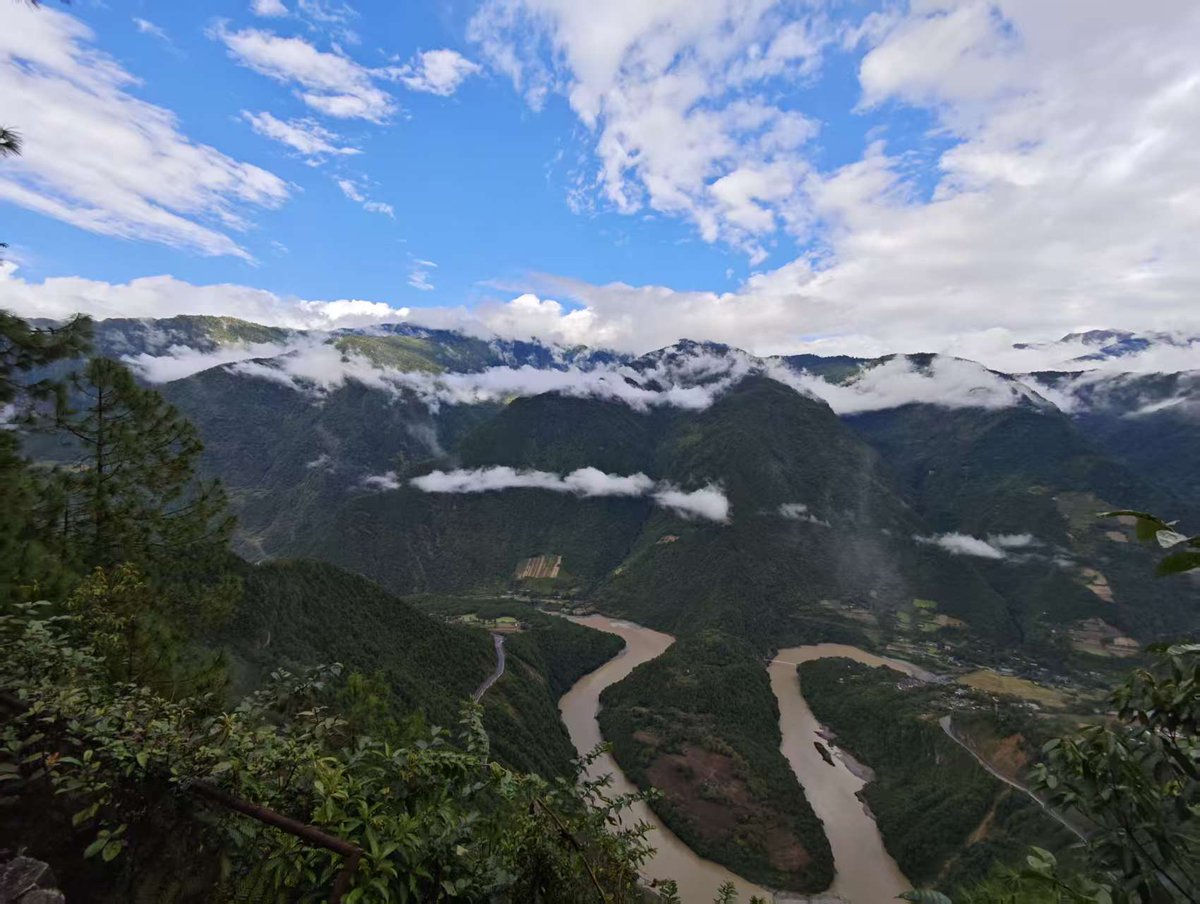
Northern Yunnan is defined by its rivers and mountain ranges that all run north-to-south, with the main roads running north-south as well, following the river gorges between the mountains. Any time you're traveling east-west, you're going to have to cross the mountains on a sketchy, low-quality road. That's the only way to get to Nujiang...
To reach Nujiang's Gongshan County from Deqen, I had to drive west across the Hengduan Mountain range, which was a miserable 5-hour drive in the rain over the Peacock Mountain pass (孔雀山垭口) through rockslides and mudslides. It was unpleasant, to say the least.
Nujiang Prefecture borders Tibet to the north, Myanmar to the west, and the Hengduan Mountains to the east, making it highly isolated, with no airports or train stations in the whole prefecture. Its only connection to the highway system is at the capital city of Lushui in the far south of the prefecture, some 5 hours away from Gongshan. The prefecture IS served by a famous National Road: #219 aka the 丙察察.
Before the national poverty alleviation campaign, Nujiang was one of the most impoverished places in the country, with extreme poverty rates over 50% as recently as 2010. While the signs of government spending are everywhere, and the poverty alleviation campaign has been declared a success, it's still one of the least-developed places in the country. According to the Yicai tier list, Nujiang is a Tier 5, ranking even lower than Diqing - #326 out of 337.
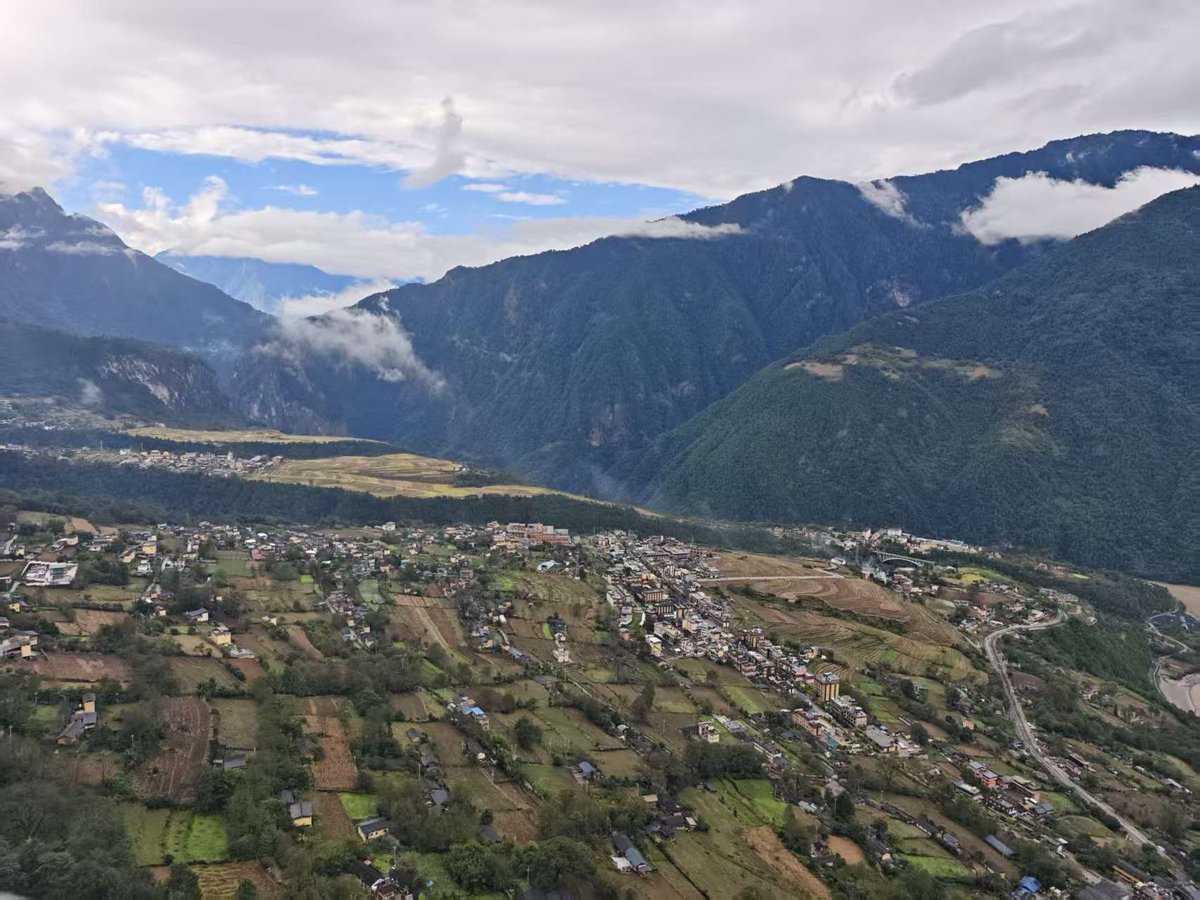
In Nujiang, I stayed in Gongshan County and Fugong County, and drove through Lushui City on my way out to complete the loop back to Dali. The gorgeous and remote scenery and villages of Nujiang were a highlight of the trip for me and I expect to write several pieces about this region (which I also hope to revisit, considering how many places I wanted to visit and couldn't!)
Northern Yunnan is defined by its rivers and mountain ranges that all run north-to-south, with the main roads running north-south as well, following the river gorges between the mountains. Any time you're traveling east-west, you're going to have to cross the mountains on a sketchy, low-quality road. That's the only way to get to Nujiang...
To reach Nujiang's Gongshan County from Deqen, I had to drive west across the Hengduan Mountain range, which was a miserable 5-hour drive in the rain over the Peacock Mountain pass (孔雀山垭口) through rockslides and mudslides. It was unpleasant, to say the least.
Nujiang Prefecture borders Tibet to the north, Myanmar to the west, and the Hengduan Mountains to the east, making it highly isolated, with no airports or train stations in the whole prefecture. Its only connection to the highway system is at the capital city of Lushui in the far south of the prefecture, some 5 hours away from Gongshan. The prefecture IS served by a famous National Road: #219 aka the 丙察察.
Before the national poverty alleviation campaign, Nujiang was one of the most impoverished places in the country, with extreme poverty rates over 50% as recently as 2010. While the signs of government spending are everywhere, and the poverty alleviation campaign has been declared a success, it's still one of the least-developed places in the country. According to the Yicai tier list, Nujiang is a Tier 5, ranking even lower than Diqing - #326 out of 337.
In Nujiang, I stayed in Gongshan County and Fugong County, and drove through Lushui City on my way out to complete the loop back to Dali. The gorgeous and remote scenery and villages of Nujiang were a highlight of the trip for me and I expect to write several pieces about this region (which I also hope to revisit, considering how many places I wanted to visit and couldn't!)
Some further general comments:
Yunnan offpeak travel is incredibly affordable. A great destination - not just for someone with Shanghai or Beijing spending power, but for a median Chinese family on a median salary with median spending power. Northern Yunnan is a pretty accessible region for outdoor camping/hiking/mountaineering enthusiasts, which is a rapidly growing community in China.
Even though I departed on the 5th (which was still within the last few days of the holiday) I was able to get direct flights into Lijiang from Shanghai for just 500 CNY. The car rental cost just 100 CNY (15 USD) per day, and highway tolls were waived for the first 3 days because of the holiday.
Guesthouses were 200-400 a night (I never booked online, just arrived and asked if they had rooms, which always yielded a discount). More basic accomodations can be had or as little as 80-120 CNY per night. Our meals were mostly 100-150 CNY for two people, but simpler meals were also available for ess.
Yunnan offpeak travel is incredibly affordable. A great destination - not just for someone with Shanghai or Beijing spending power, but for a median Chinese family on a median salary with median spending power. Northern Yunnan is a pretty accessible region for outdoor camping/hiking/mountaineering enthusiasts, which is a rapidly growing community in China.
Even though I departed on the 5th (which was still within the last few days of the holiday) I was able to get direct flights into Lijiang from Shanghai for just 500 CNY. The car rental cost just 100 CNY (15 USD) per day, and highway tolls were waived for the first 3 days because of the holiday.
Guesthouses were 200-400 a night (I never booked online, just arrived and asked if they had rooms, which always yielded a discount). More basic accomodations can be had or as little as 80-120 CNY per night. Our meals were mostly 100-150 CNY for two people, but simpler meals were also available for ess.


Once again, I drove for this trip, renting a PHEV for the first time (a Fengshen L7).
The regenerative braking to recharge the battery on the mountain downgrades was a game changer and I highly recommend it if planning a mountainous trip. I couldn't believe how many daily sections of the drives concluded with the vehicle telling me I had MORE range than when I started driving earlier in the day, thanks to the regenerative charging.
I ended up spending just ~500 CNY in gas over the 10 days, plus <100 CNY on charging fees. I never had any problem finding chargers, even in very remote areas. Sinopec has done a great job of rolling out EV charger coverage to their gas stations.
The regenerative braking to recharge the battery on the mountain downgrades was a game changer and I highly recommend it if planning a mountainous trip. I couldn't believe how many daily sections of the drives concluded with the vehicle telling me I had MORE range than when I started driving earlier in the day, thanks to the regenerative charging.
I ended up spending just ~500 CNY in gas over the 10 days, plus <100 CNY on charging fees. I never had any problem finding chargers, even in very remote areas. Sinopec has done a great job of rolling out EV charger coverage to their gas stations.

That's it for now. I need to get writing now...I have much content to generate. 😅
Amazing destination though - highly recommended everyone get some northern Yunnan travel in. Especially Nujiang - which I've been trying to visit for 2 years now and was truly a sleeper hit.
Amazing destination though - highly recommended everyone get some northern Yunnan travel in. Especially Nujiang - which I've been trying to visit for 2 years now and was truly a sleeper hit.
• • •
Missing some Tweet in this thread? You can try to
force a refresh