Seven new books reveal how Russia thinks, fights, and fails — from Putin’s personal paranoia to the Kremlin’s hybrid wars against the West.
Reviewed by Edward Lucas for FP, they show similar things: Russia’s aggression is built on fear, resentment, and control.
1/
Reviewed by Edward Lucas for FP, they show similar things: Russia’s aggression is built on fear, resentment, and control.
1/
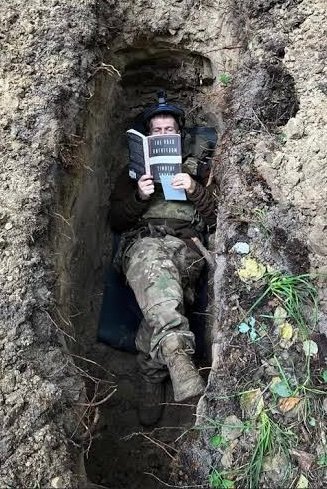
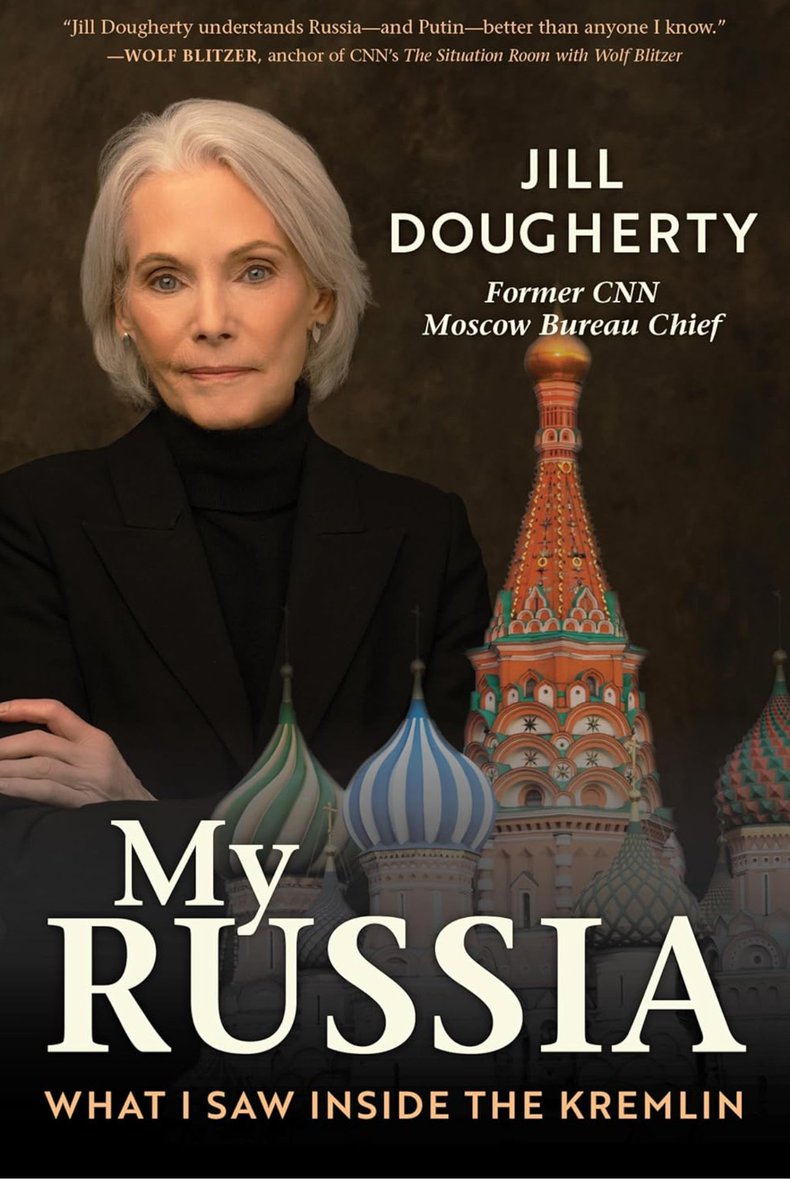
Jill Dougherty’s My Russia mixes memoir and frontline reporting.
She portrays Putin as “both arsonist and firefighter” — a ruler who ignites crises to later pose as savior.
Conclusion: Russia’s insecurity and resentment make conflict with the West inevitable, not accidental. 2/
She portrays Putin as “both arsonist and firefighter” — a ruler who ignites crises to later pose as savior.
Conclusion: Russia’s insecurity and resentment make conflict with the West inevitable, not accidental. 2/
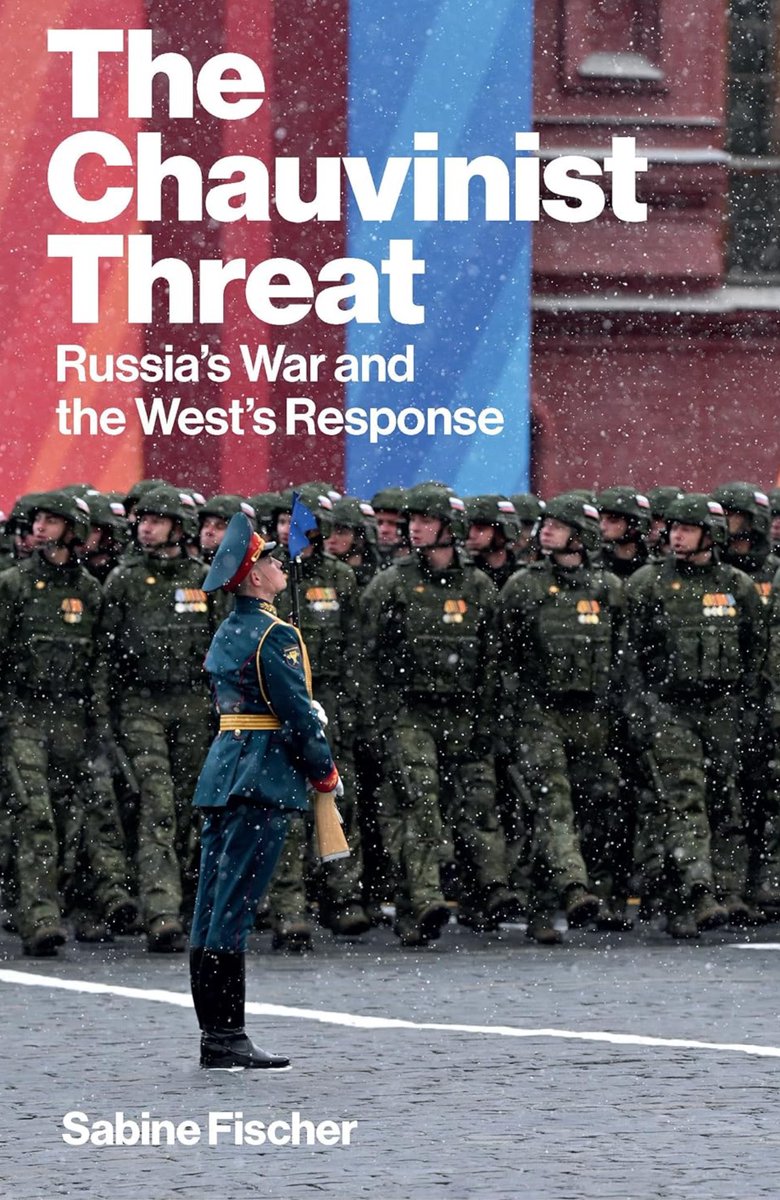
Sabine Fischer’s The Chauvinist Threat argues that Europe, not the U.S., must stop Russian imperialism. A former insider at Putin’s Valdai Club, Fischer admits Berlin’s “strategic patience” was delusion.
Her message: only European unity can defeat Moscow’s empire mindset. 3/
Her message: only European unity can defeat Moscow’s empire mindset. 3/
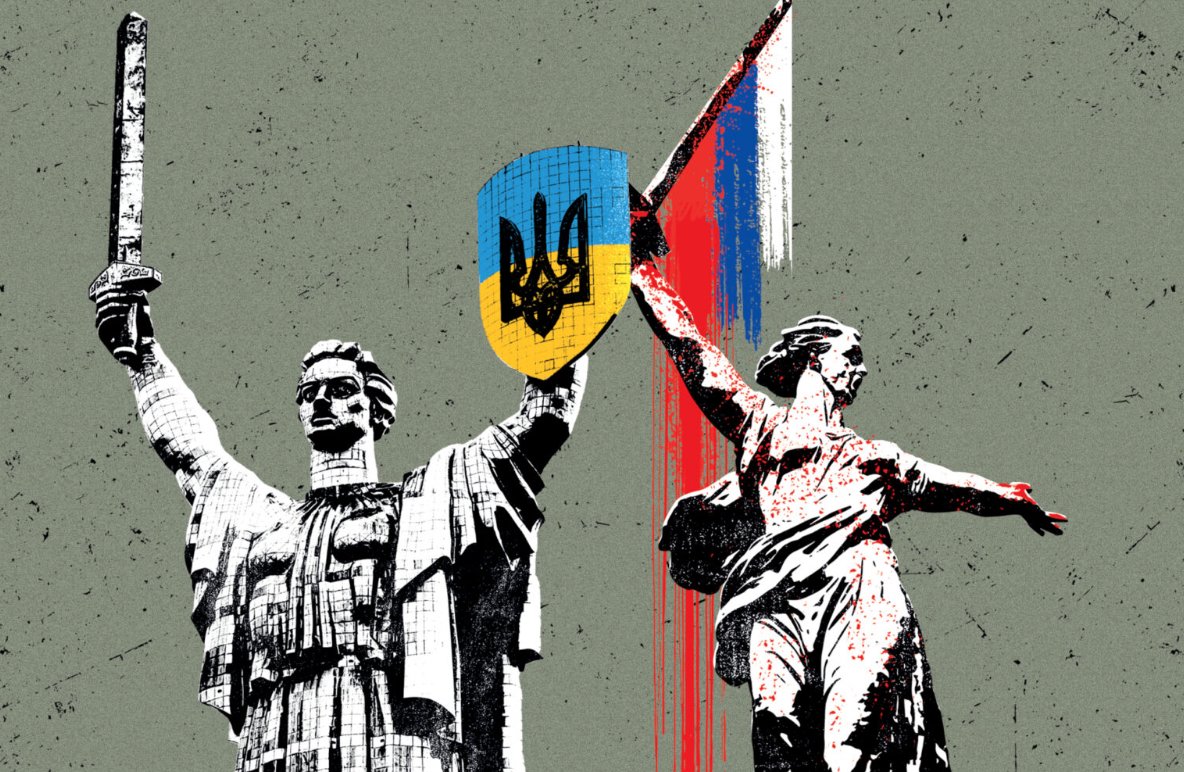
Russia Against Ukraine, edited by Anton Shekhovtsov, exposes the ideological core of the war.
Essays by Galia Ackerman, Alexander Etkind, and Andrew Wilson trace how myths of “Ukrainian Nazism” and the cult of the “Z” became moral fuel for invasion.
4/
Essays by Galia Ackerman, Alexander Etkind, and Andrew Wilson trace how myths of “Ukrainian Nazism” and the cult of the “Z” became moral fuel for invasion.
4/
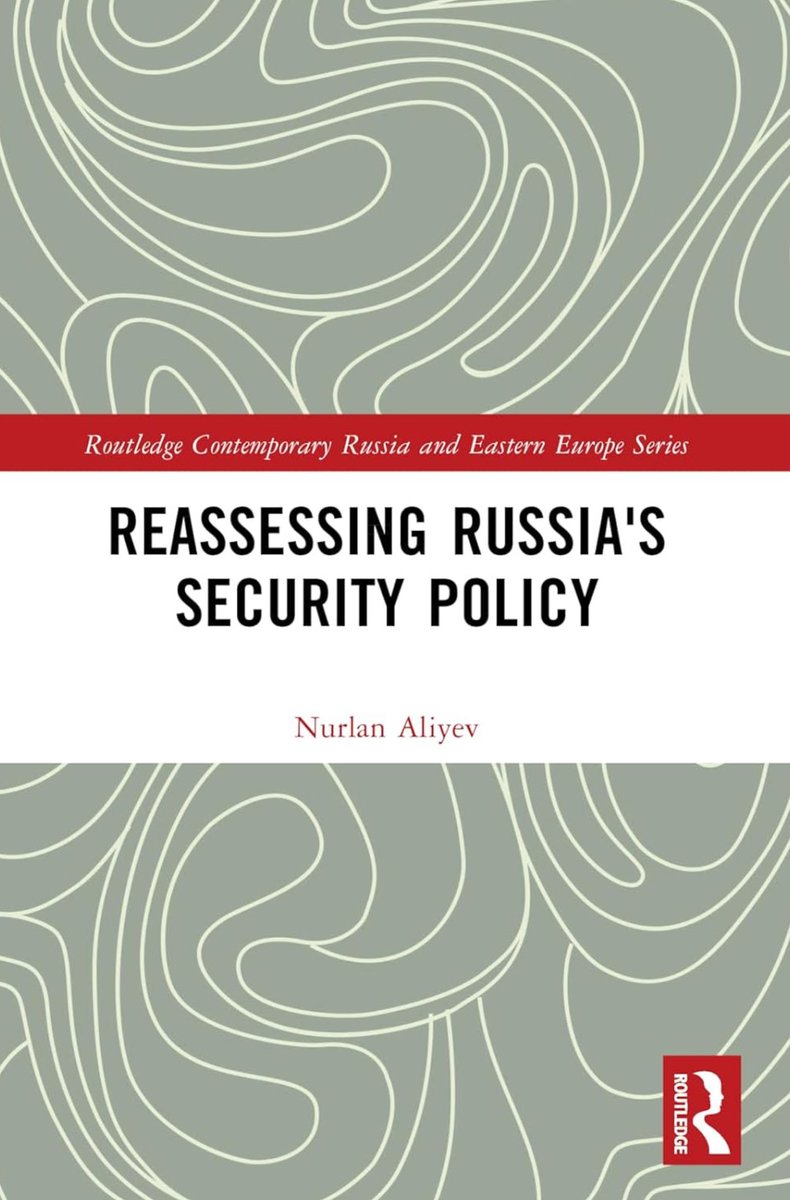
Nurlan Aliyev’s Reassessing Russia’s Security Policy uncovers how weakness drives aggression.
He links today’s hybrid warfare — sabotage, cyberattacks, propaganda — to tsarist and émigré theorists who saw chaos as the best weapon against stronger enemies.
5/
He links today’s hybrid warfare — sabotage, cyberattacks, propaganda — to tsarist and émigré theorists who saw chaos as the best weapon against stronger enemies.
5/
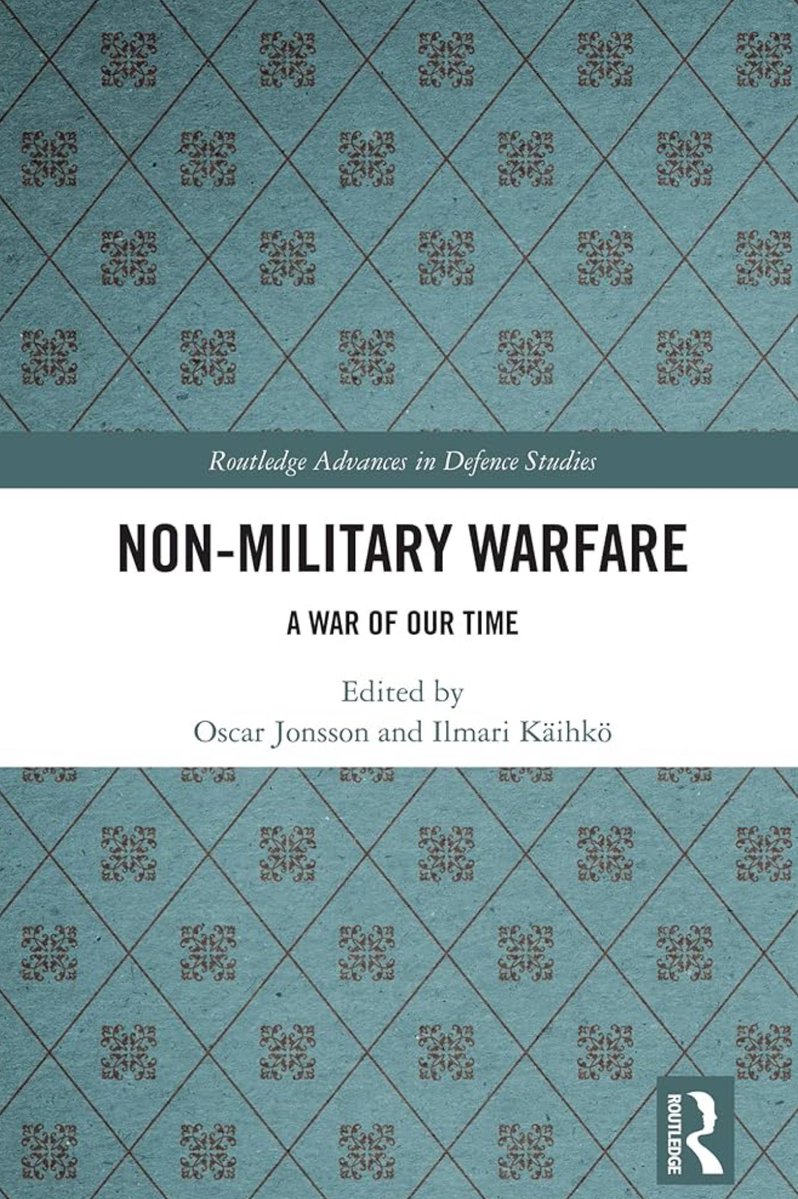
Oscar Jonsson and Ilmari Kaihko’s Non-Military Warfare maps how Russia fights without bullets: through disinformation, diaspora networks. Their warning to democracies: don't “fight Putinism by Putinizing” yourselves. The real battleground is moral restraint, not brute force.
6/
6/
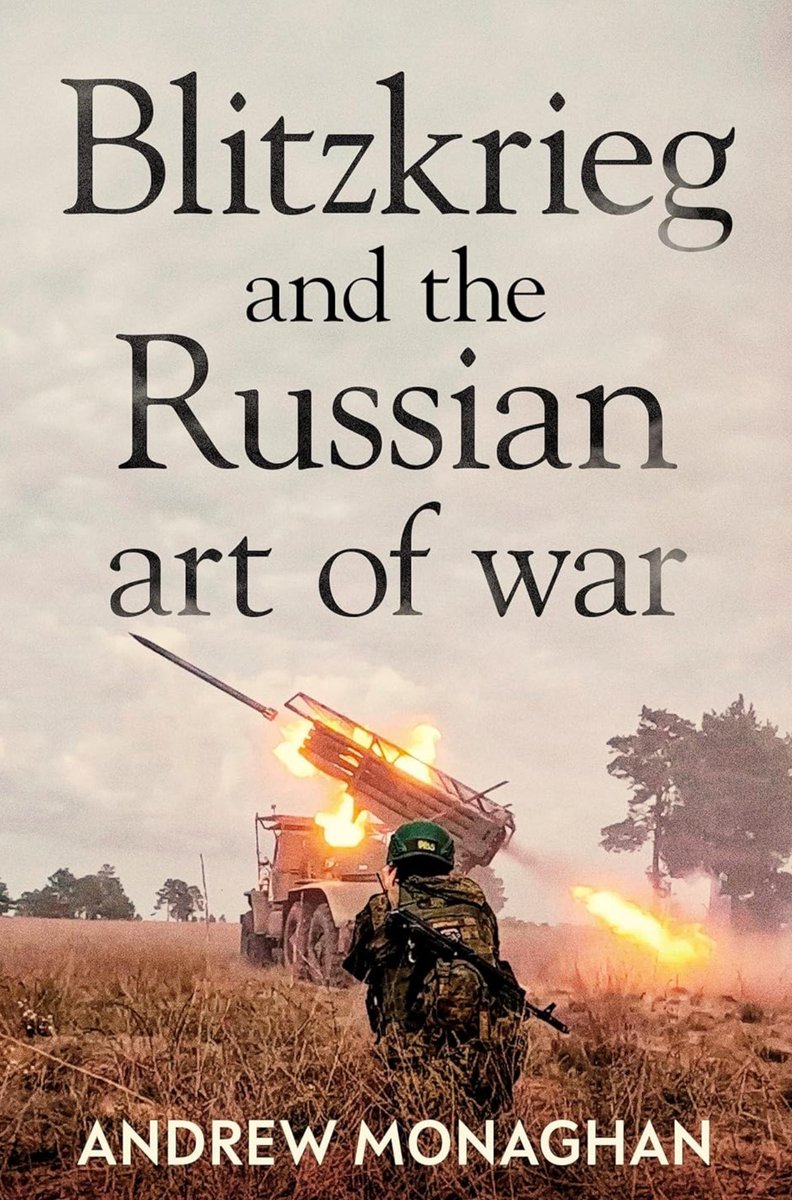
Andrew Monaghan’s Blitzkrieg and the Russian Art of War shows how the West keeps misreading Moscow.
Russia plans for lightning victories but easily shifts to wars of attrition — ready to mobilize the entire economy and society if quick conquest fails.
7/
Russia plans for lightning victories but easily shifts to wars of attrition — ready to mobilize the entire economy and society if quick conquest fails.
7/
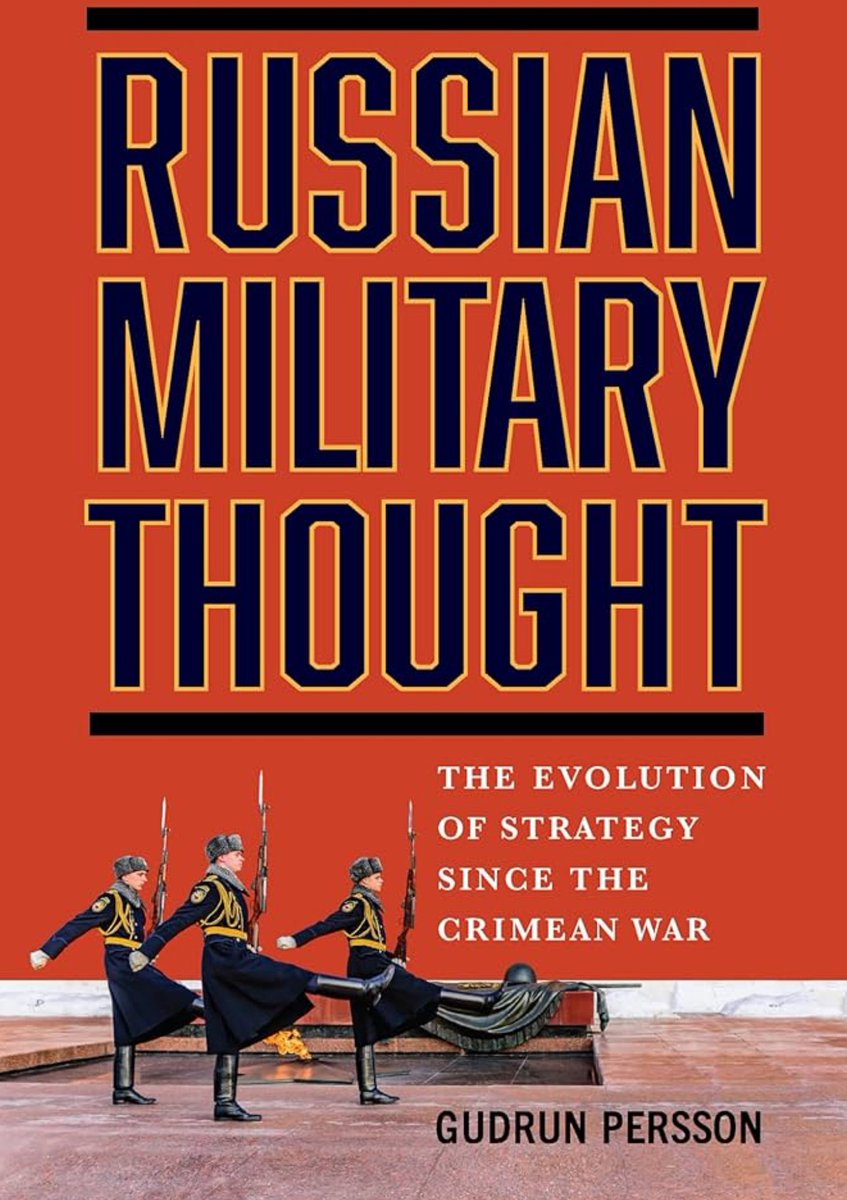
Gudrun Persson’s Russian Military Thought looks inside the Kremlin’s logic.
She rejects the idea that Moscow reacts to NATO; instead, it acts on its own distorted fears.
To Russia’s generals, everything — energy, history, education are part of the battlefield.
8Х
She rejects the idea that Moscow reacts to NATO; instead, it acts on its own distorted fears.
To Russia’s generals, everything — energy, history, education are part of the battlefield.
8Х
• • •
Missing some Tweet in this thread? You can try to
force a refresh