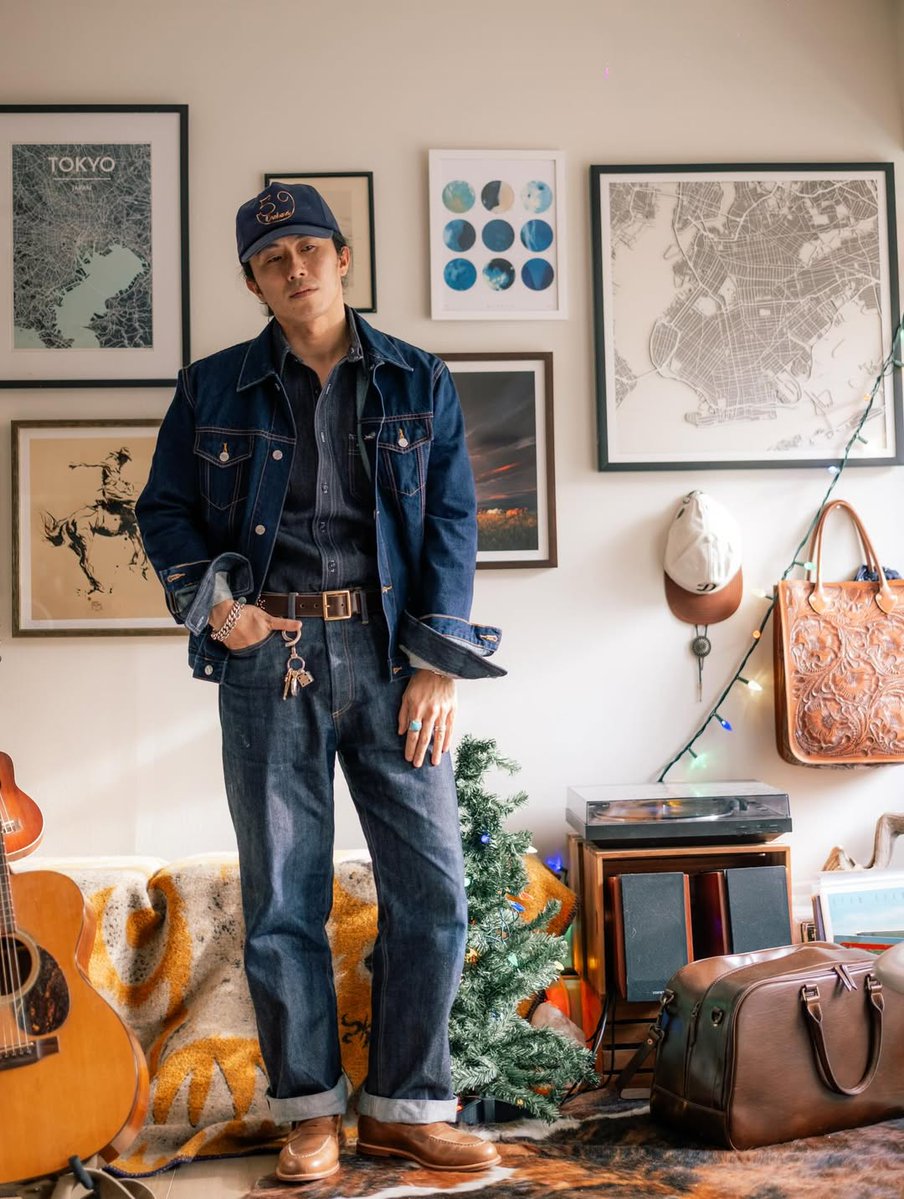
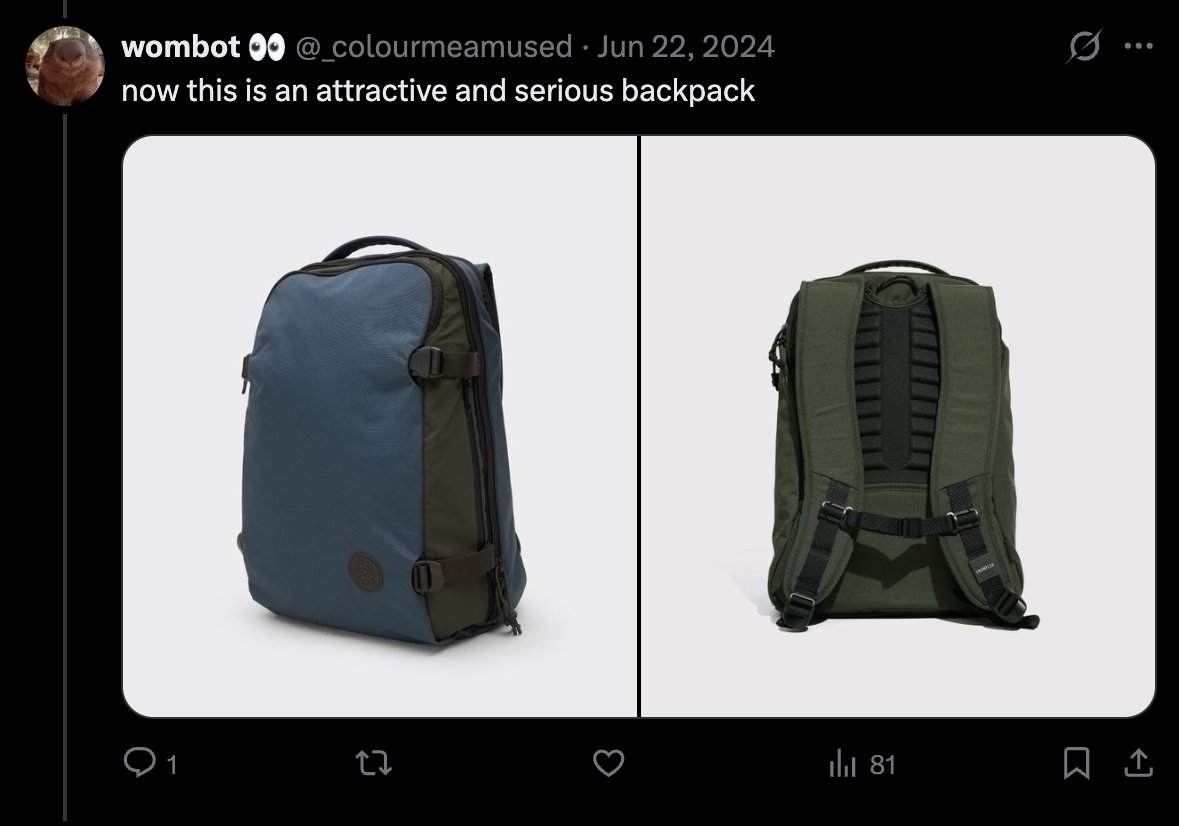
Fall is upon us and soon it will be time for waxed cotton jackets. Let me suggest ways to wear one.
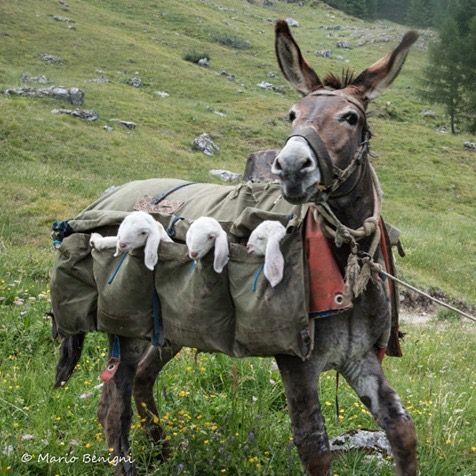
But first, which outfit do you think is more stylish? Choose before opening this thread. 🧵

If you choose the right outfit, then we have the same taste. But why do we like it better? To understand, we must go back to the invention of this fabric itself.
In the 18th century, English sailors repurposed the linseed oil-soaked canvas they used for sails.
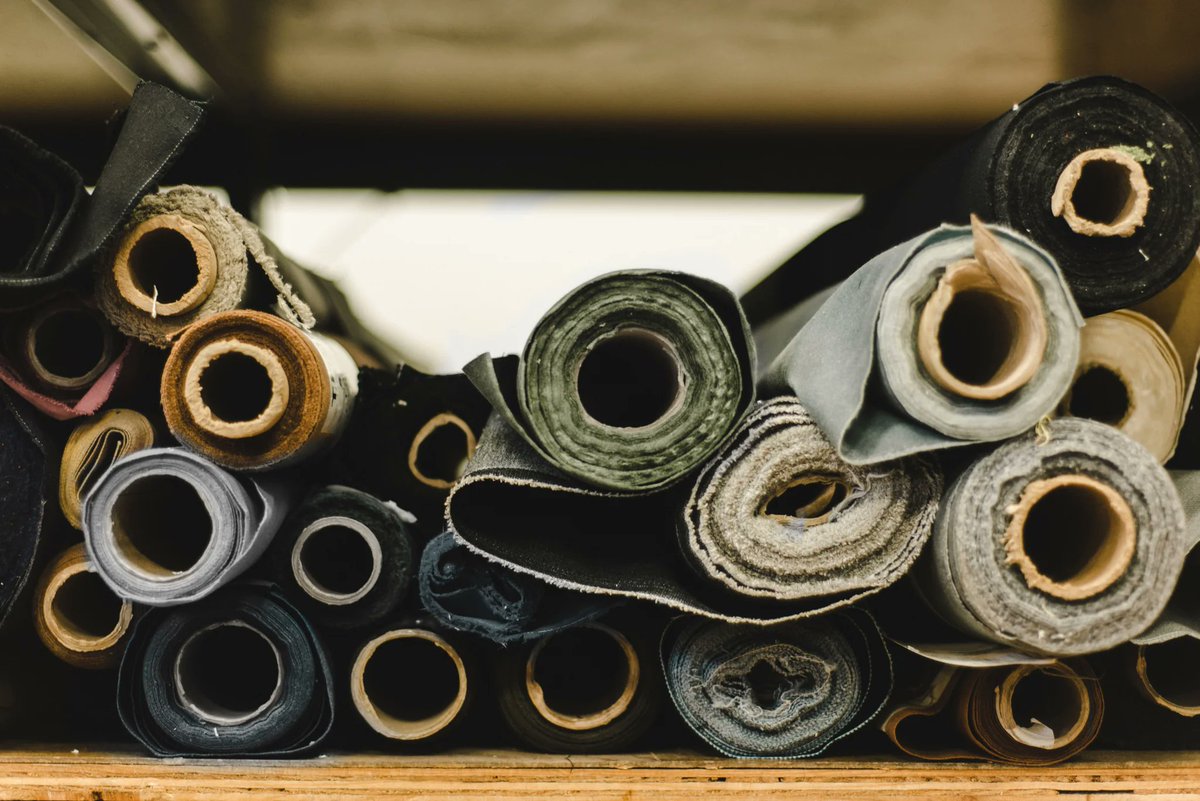
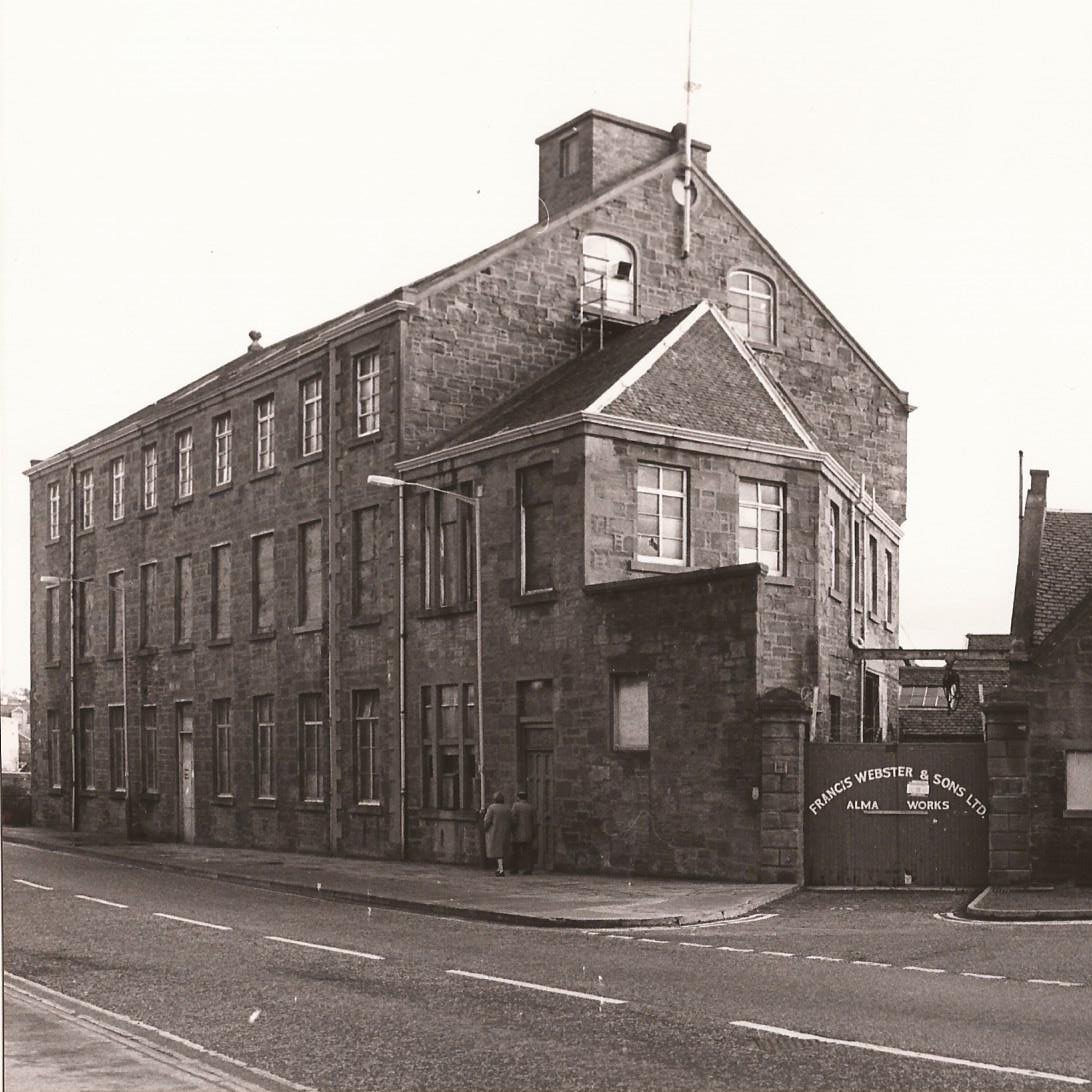
These "oilcloths," as they were known, repelled rain and blocked wind, so sailors made them into capes and smocks for sailing on the high sea. But the material was stiff, heavy, and prone to cracking, so the British maritime company Francis Webster & Sons refined the process.

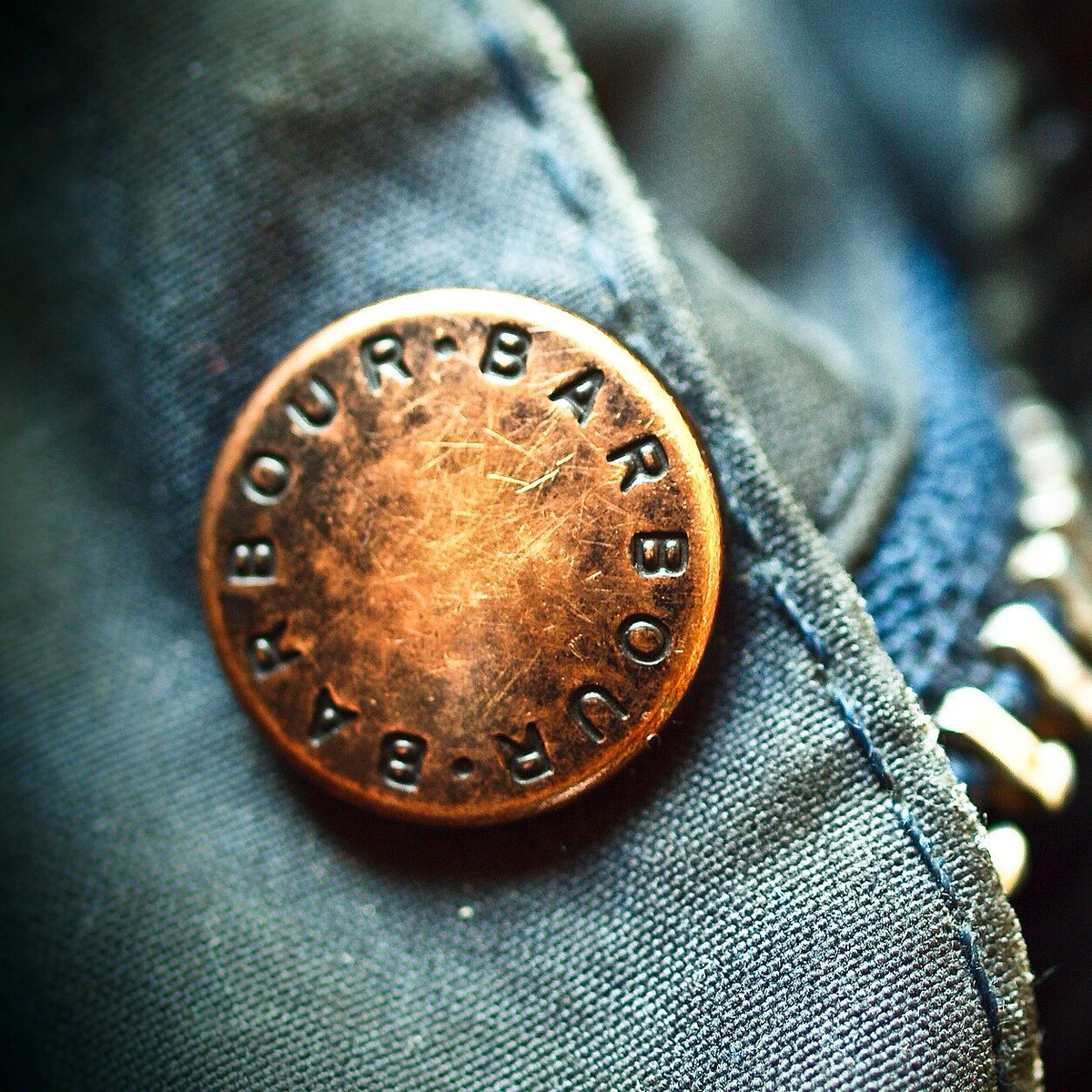
Instead of spreading linseed oil over canvas, they used beeswax or paraffin wax, which resulted in a lighter, more stable, and less rancid fabric. Francis Webster & Sons unfortunately went out of business, but their technology was picked up the South Shields company Barbour.
By the mid-20th century, Barbour because the go-to jacket for British outdoorsmen and some motorcyclists, particularly among the well-to-do. In fact, there's a scene in the Netflix show The Crown, where Margaret Thatcher arrives to see the Queen at Balmoral Estate.
Thatcher, who was raised in the small market town of Grantham and worked in politics in London, was wholly unprepared for country living. To meet the royal family for an elk hunt, she wore a bright blue dress. The royals looked at her confused, wondering where's her Barbour.

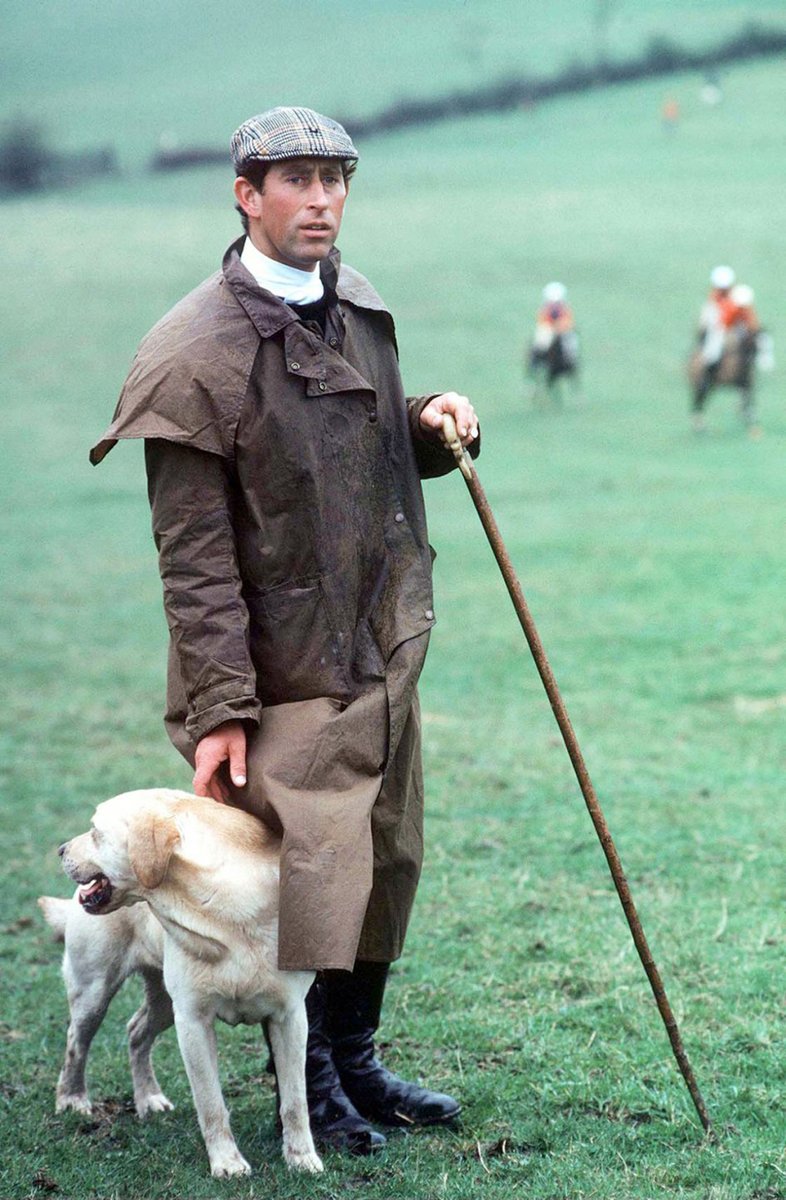
This was not wholly fiction. Queen Elizabeth often wore a Barbour jacket while out in the countryside, as did style icon Princess Diana. And of course, so does King Charles.
It's through this history that Barbour — and to a lesser degree, waxed cotton — gained it's three most important meanings. Waxed cotton stands for rugged utility, but in the right forms, can also give a whiff of upper class lifestyle. It's also associated with the countryside.
This is why Steve Bannon never looks quite right in his Barbour. He teams it with "city clothes," such as black Dickies work shirts and navy cargo pants. Waxed cotton looks more at home next to rustic colors like brown, taupe, and umber.

Of course, given the historical usage of Barbour in prep, it also sits comfortably alongside more refined things, such as gray turtleneck or even the right suit. But black Dickies work shirt — layered over a black t-shirt — makes no sense, as it's neither country nor prep.

If you want to soften the look, consider something in a cream wool, such as a cream colored Shetland or Aran. Such sweaters can help fill up the space in a waxed cotton jacket and give you a sense of rare refinement.
Understanding the history of clothes in this way can help you create more sensible outfits. For waxed cotton, consider color, texture, material, and styling. Lean towards country clothes — cream fleeces, checked tweeds, and taupe whipcord trousers.
• • •
Missing some Tweet in this thread? You can try to
force a refresh

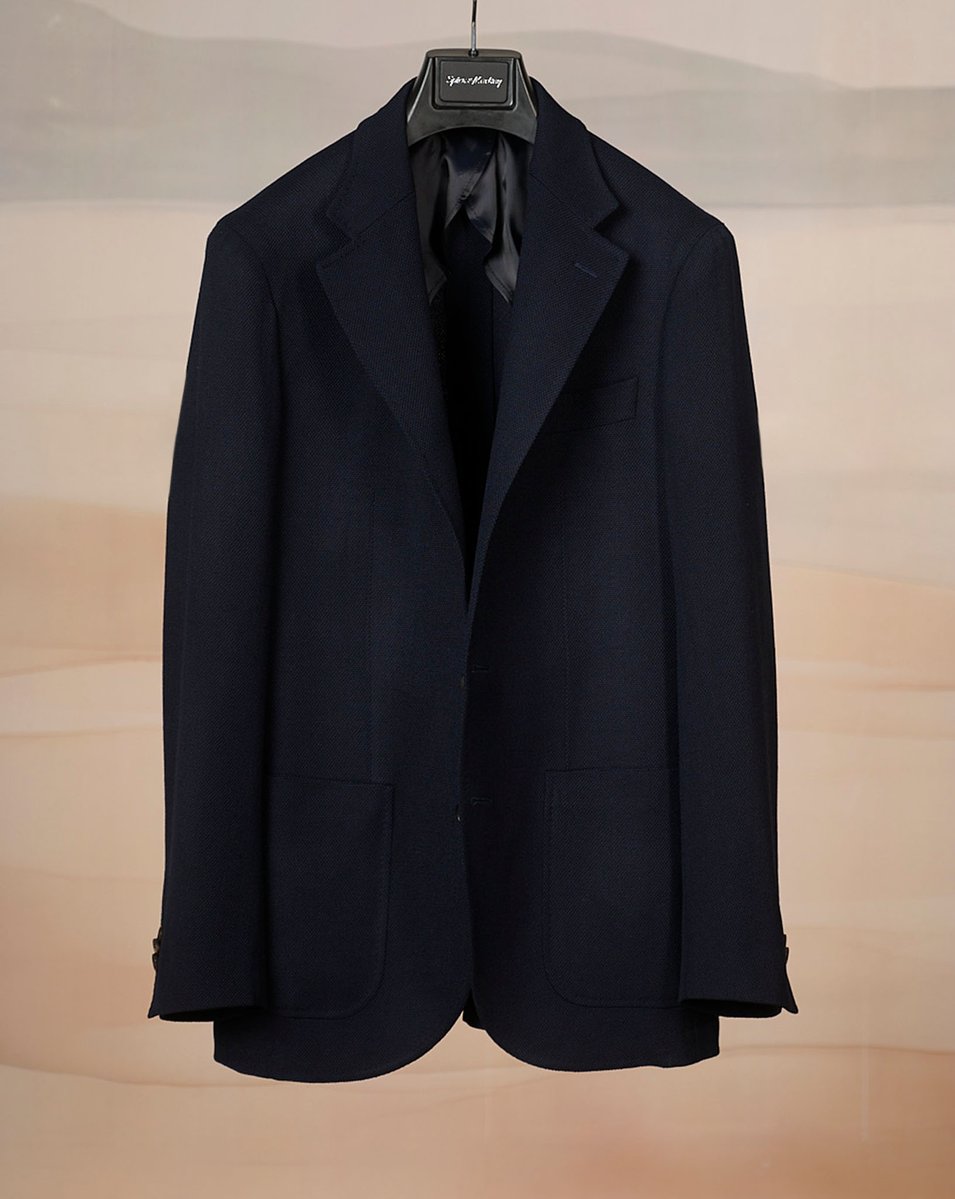
If you're just dipping your toes into tailored clothing, start with a navy sport coat. This is something you can wear with a button-up shirt and pair of trousers, or something as casual as a t-shirt and some jeans. It's easily the most versatile jacket.
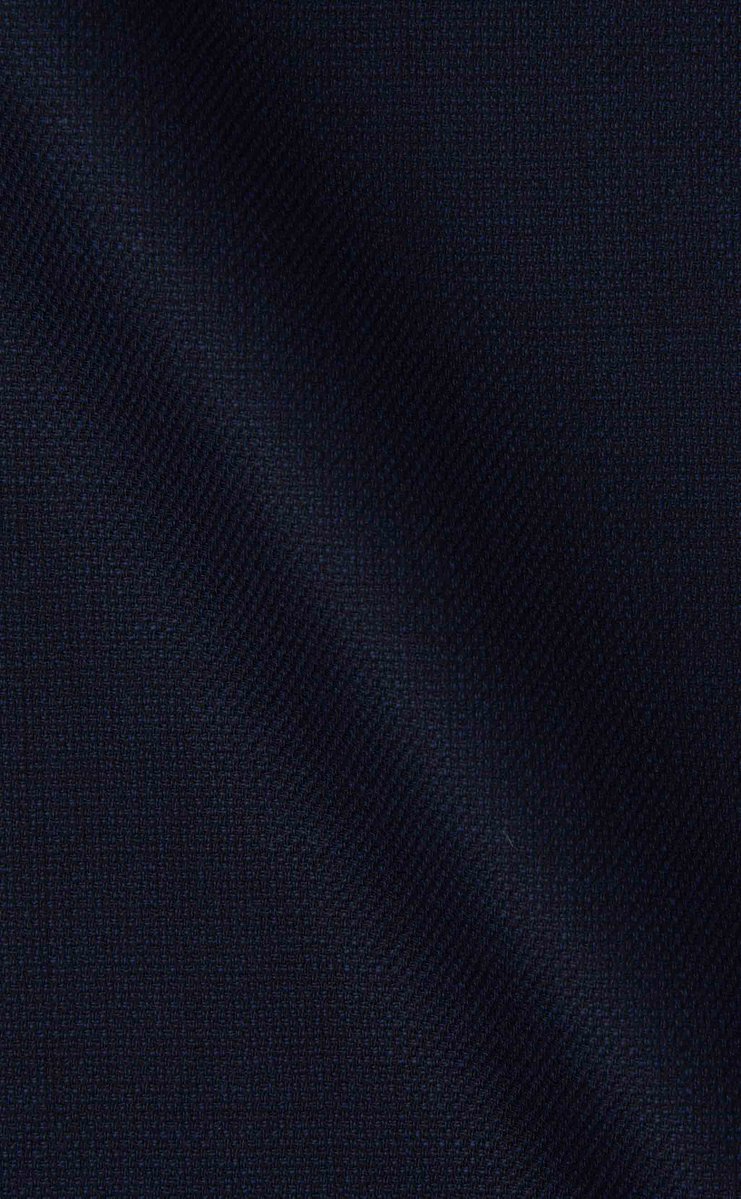
Key is to get something with texture so it doesn't look like an orphaned suit jacket. Spier & Mackay has great semi-affordable tailoring. Their navy hopsack Moro is made from pure wool and a half-canvas to give it shape. Classic proportions and soft natural shoulder
There's a pervasive belief that we no longer produce clothes in the United States. This is not true. In this thread, I will tell you about some great made-in-USA brands — some that run their own factories, while others are US brands contracting with US factories. 🧵
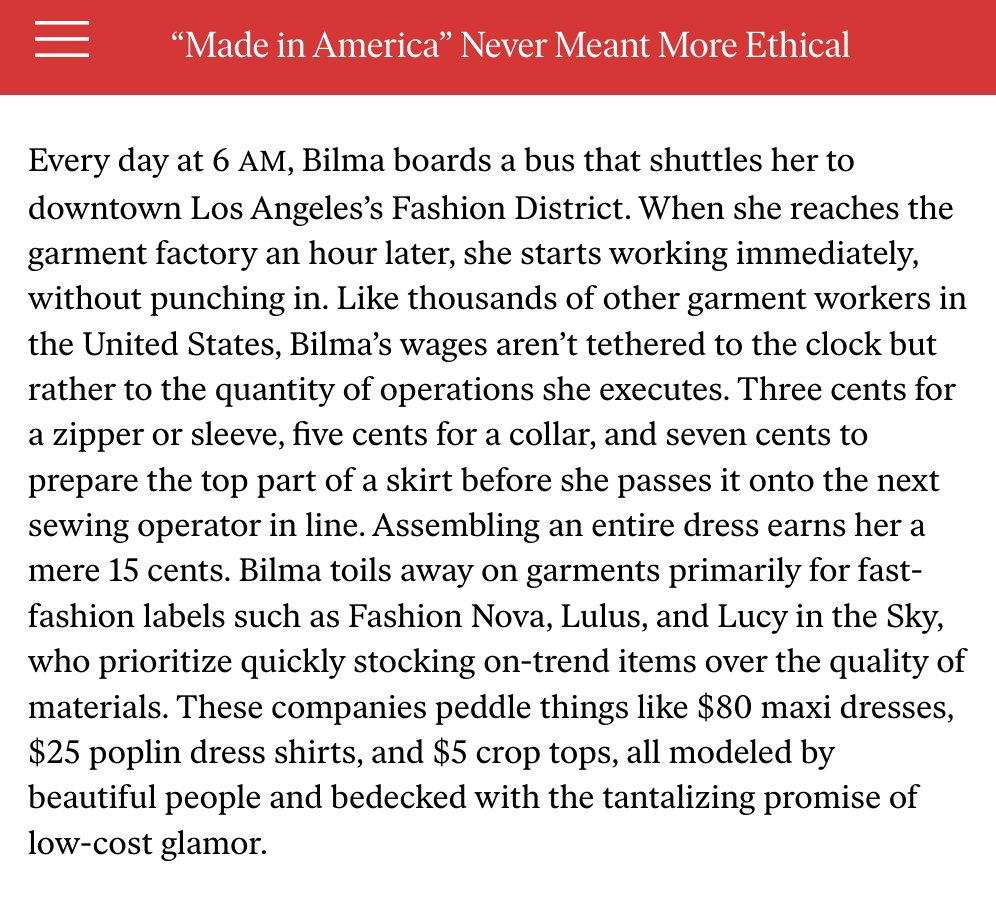
I should first note this thread focuses on well-made, stylish clothes produced in ethical conditions. For me, producing in the US is not enough. It means nothing if the clothes are ugly, crappy, or produced in sweatshop conditions. My article for The Nation below.
JEANS
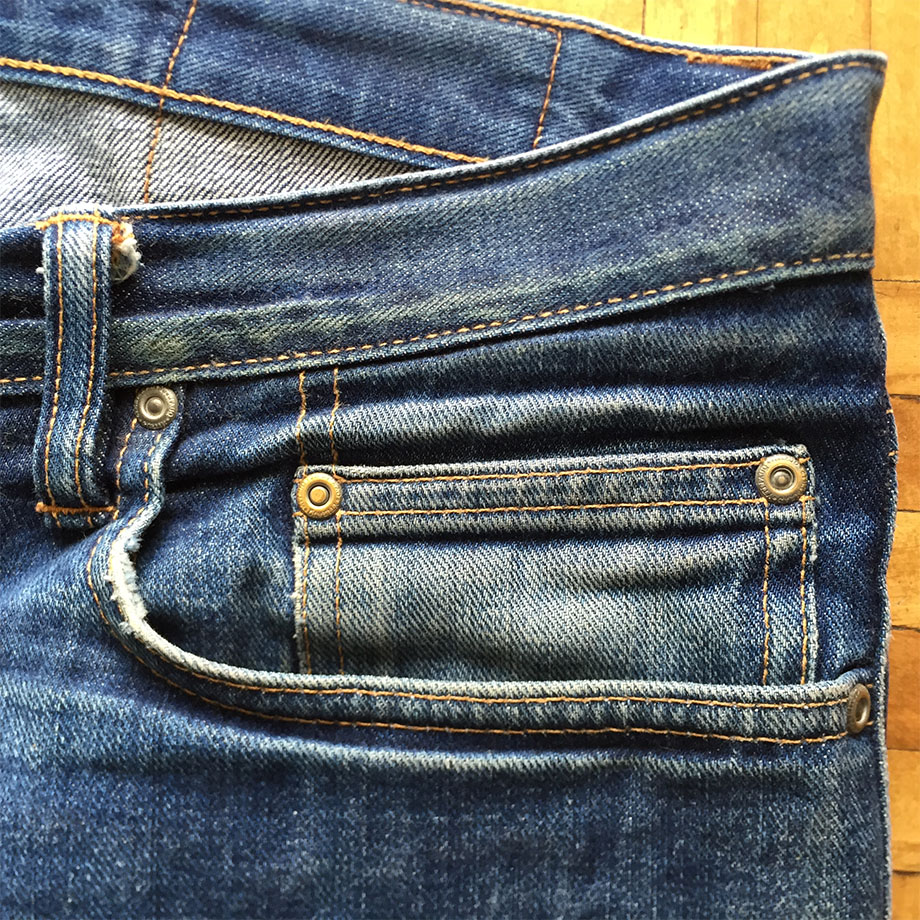
Gustin produces MiUSA jeans using raw Japanese denim. "Raw" means the fabric hasn't been pre-distressed, allowing it to naturally fade with use, reflecting your actual body and lifestyle. I like their fuller 1968 Vintage Straight fit. They also do lots of other stuff.
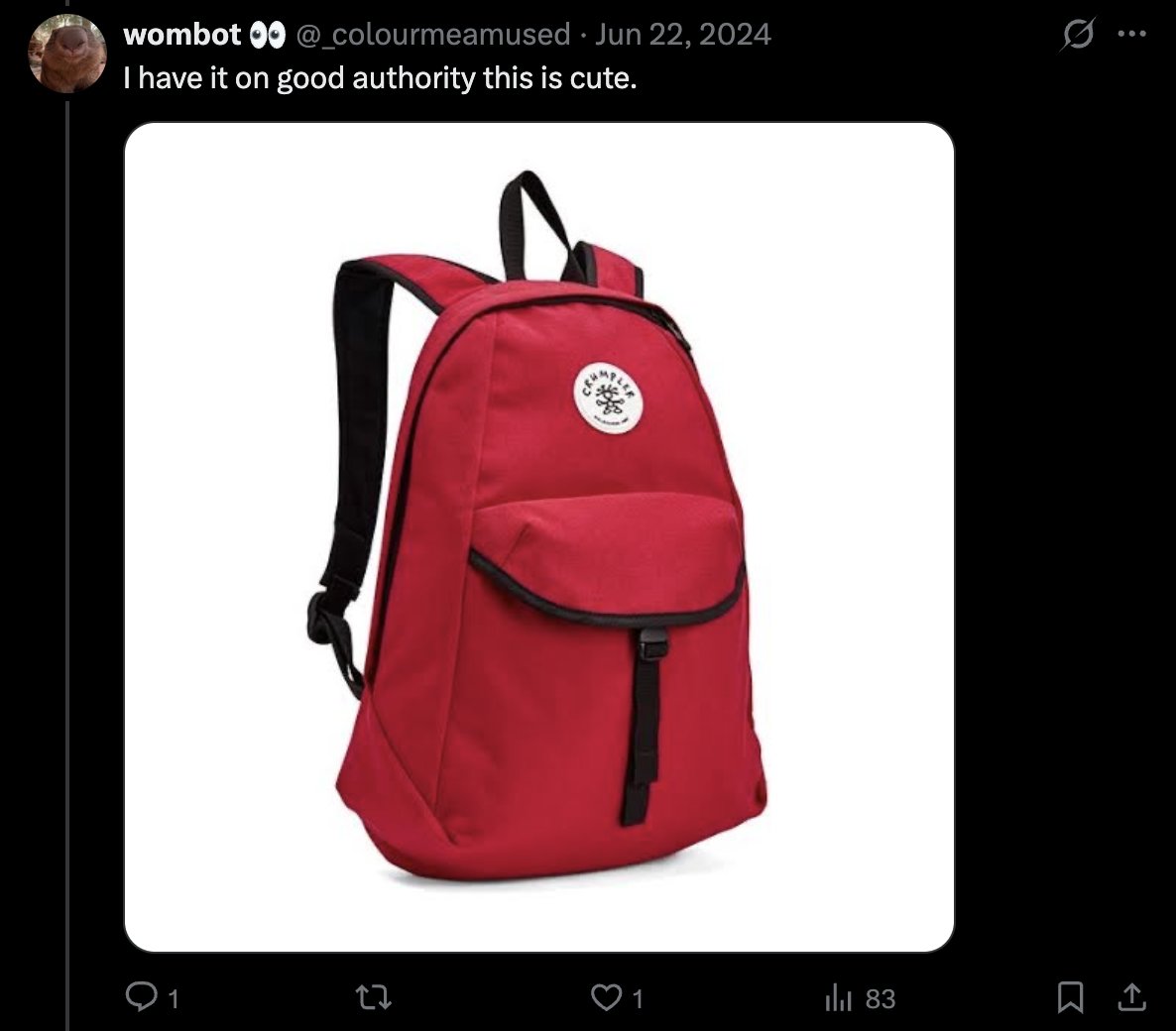
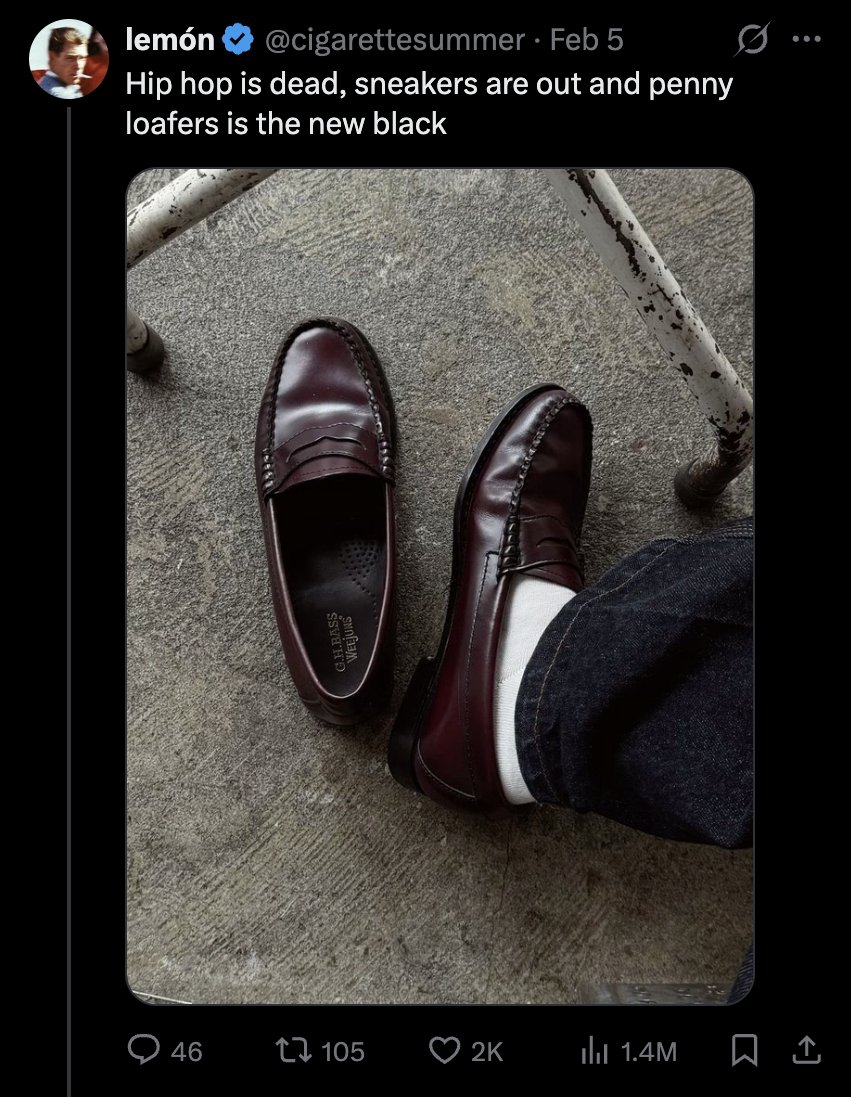
Let's first establish good vs bad ways to think about style. The first pic is correct — style is a kind of social language and you have to figure out what type of person you are. The second pic is stupid bc it takes style as disconnected objects ("this is in" vs "this is out").
I should also note here that I'm only talking about style. I'm not here to argue with you about ergonomics, water bottle holders, or whether something accommodates your Dell laptop. I'm am talking about aesthetics.
Watch these two videos. Then answer these two questions:
— Which of the two men is better dressed?
— How does each come off?
I think Carney is better dressed, partly because his clothes fit better. Notice that his jacket collar always hugs his neck, while Pierre Poilievre's jacket collar never touches him.
The level of craftsmanship that goes into a lot of Japanese menswear simply doesn't exist in the United States. You can do this for many categories — suits, jeans, hats, etc.
In this thread, I will show you just one category: men's shoes 🧵
For this comparison, I will focus on Japanese bespoke shoemaking vs. US ready-to-wear. The level of bespoke craftsmanship shown here simply doesn't exist in the US, so a Japanese bespoke vs. US bespoke comparison would be unfair. US bespoke is mostly about orthopedic work.
So instead, I will focus on the best that the US has to offer: ready-to-wear Alden.
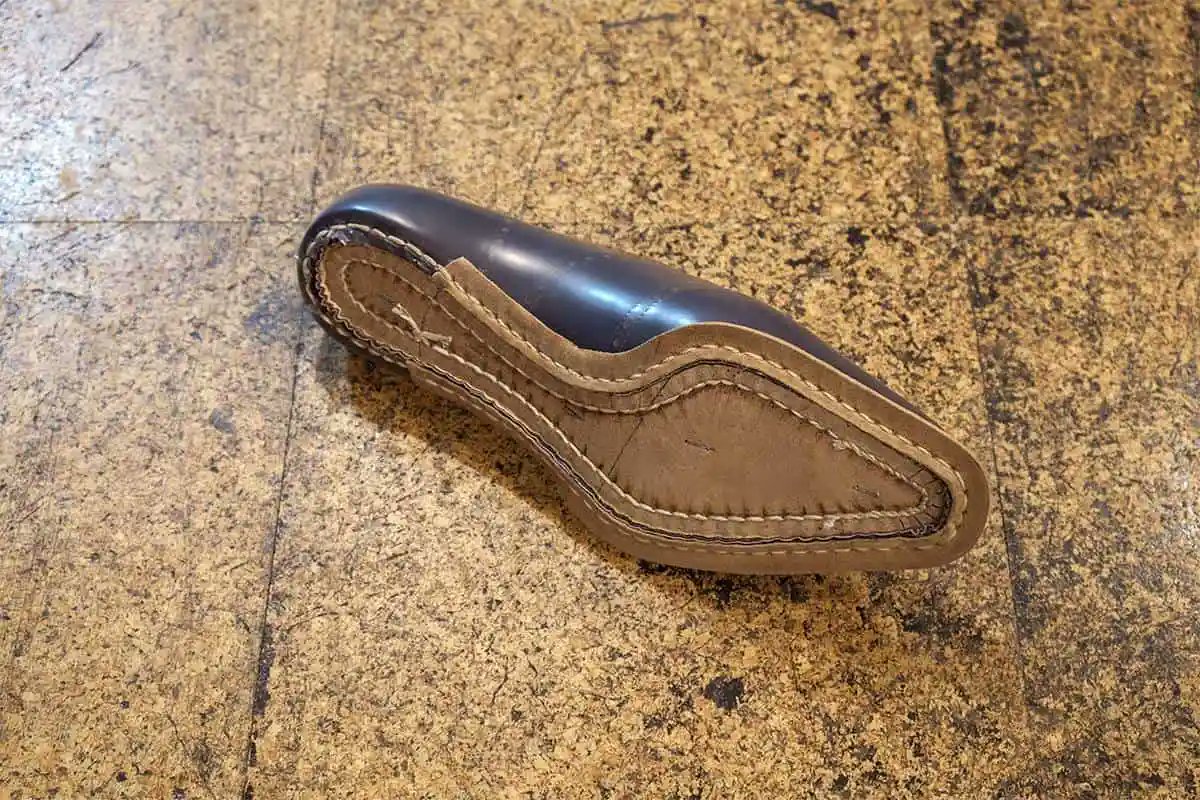
On a basic level, top-end Japanese shoes are better because they are handwelted, whereas Alden shoes are Goodyear welted. The first involves more handwork and can be resoled more often.
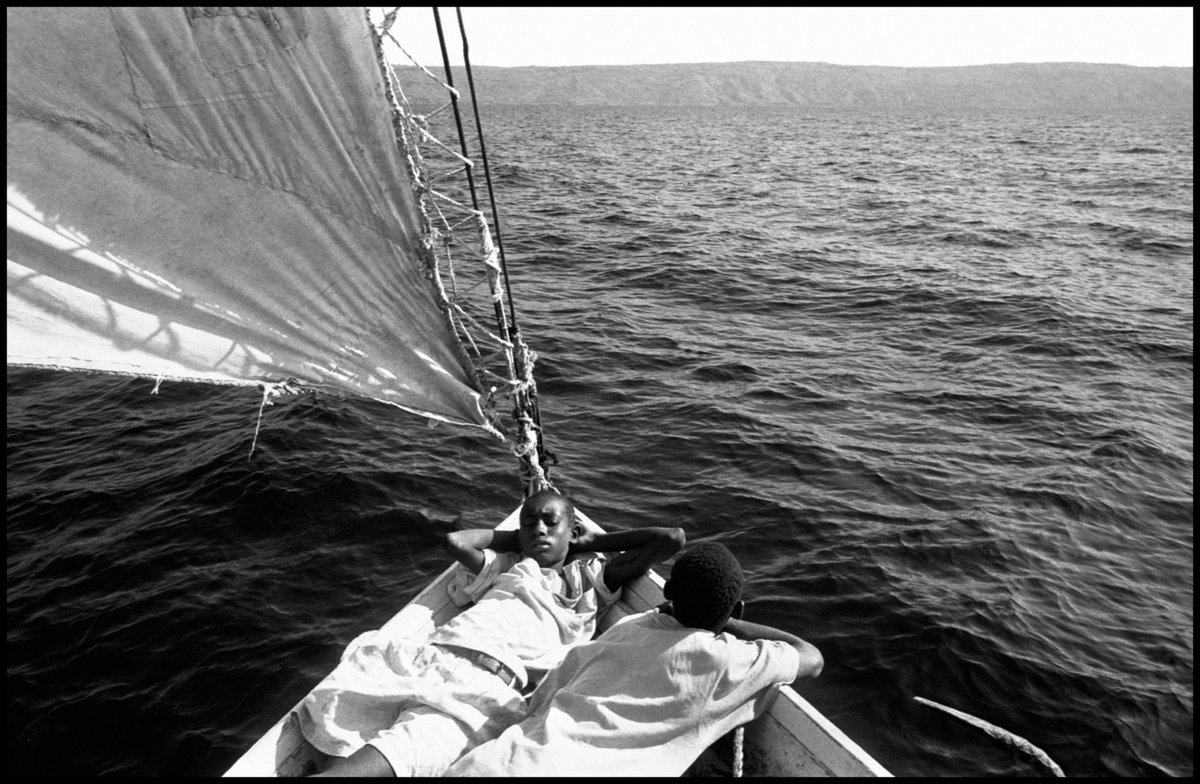
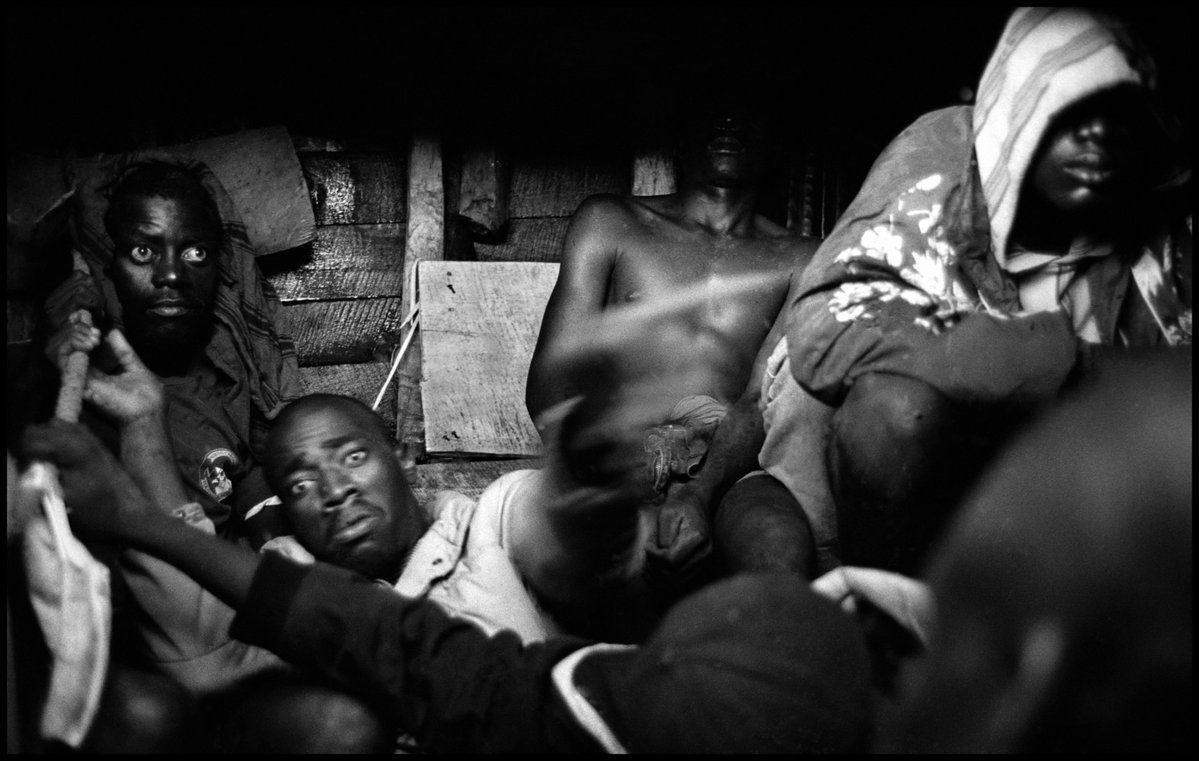
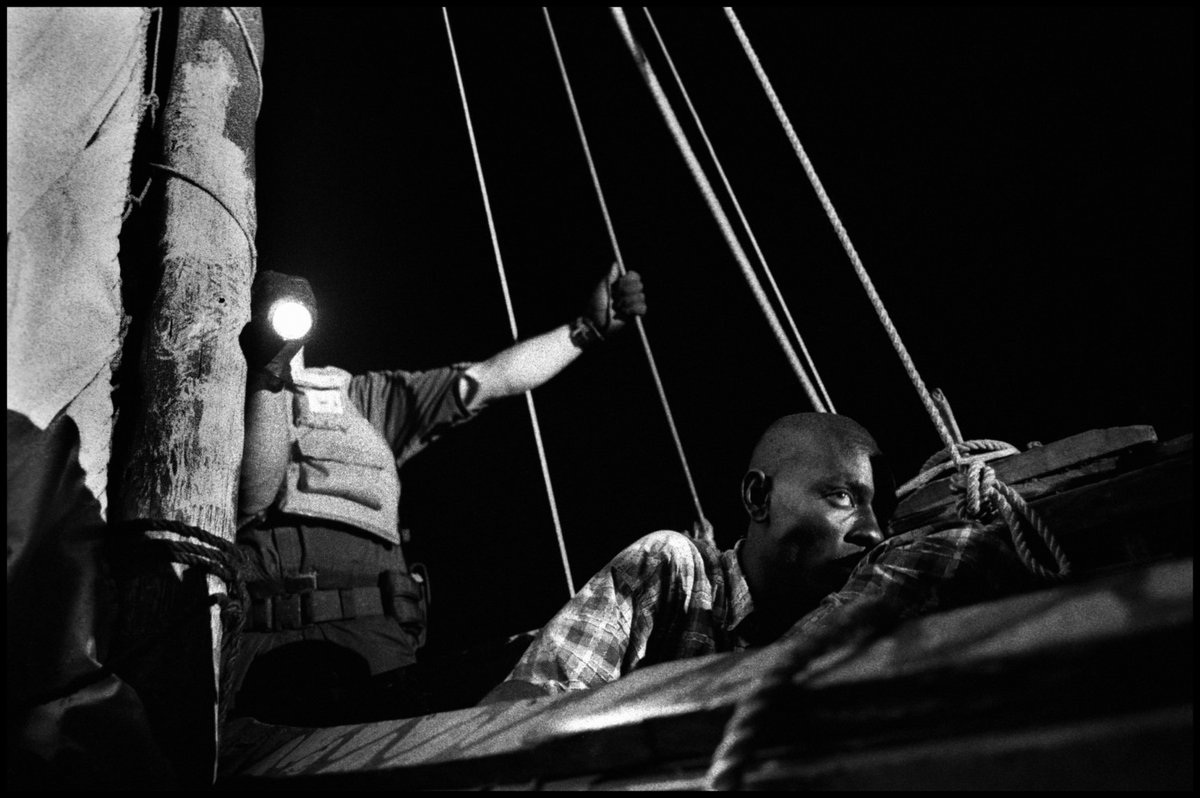
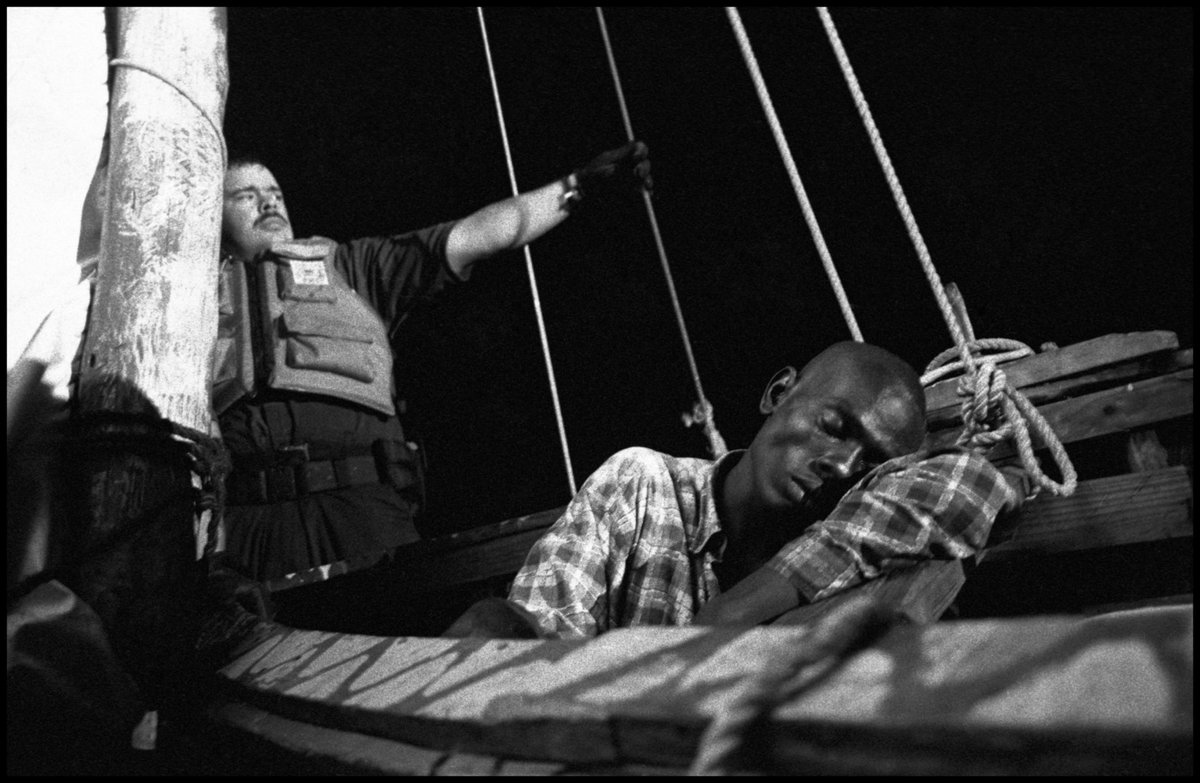
In 1999, a group of Haitians were tired of political disorder and dreamed of a better life in the United States. So they built a small, 23-foot boat by hand using pine trees, scrap wood, and used nails. They called the boat "Believe in God." 🧵
In a boat powered by nothing but a sail, they somehow made it from Tortuga Island to the Bahamas (about a 90 mile distance). Then from the Bahamas, they set sail again. But a few days and some hundred miles later, their makeshift boat began to sink.
The men on the boat were so dehydrated this point, one slipped in and out of consciousness, unable to stand. They were all resigned to their death.
Luckily, they were rescued at the last minute by the US Coast Guard.