Fall is upon us and soon it will be time for waxed cotton jackets. Let me suggest ways to wear one.
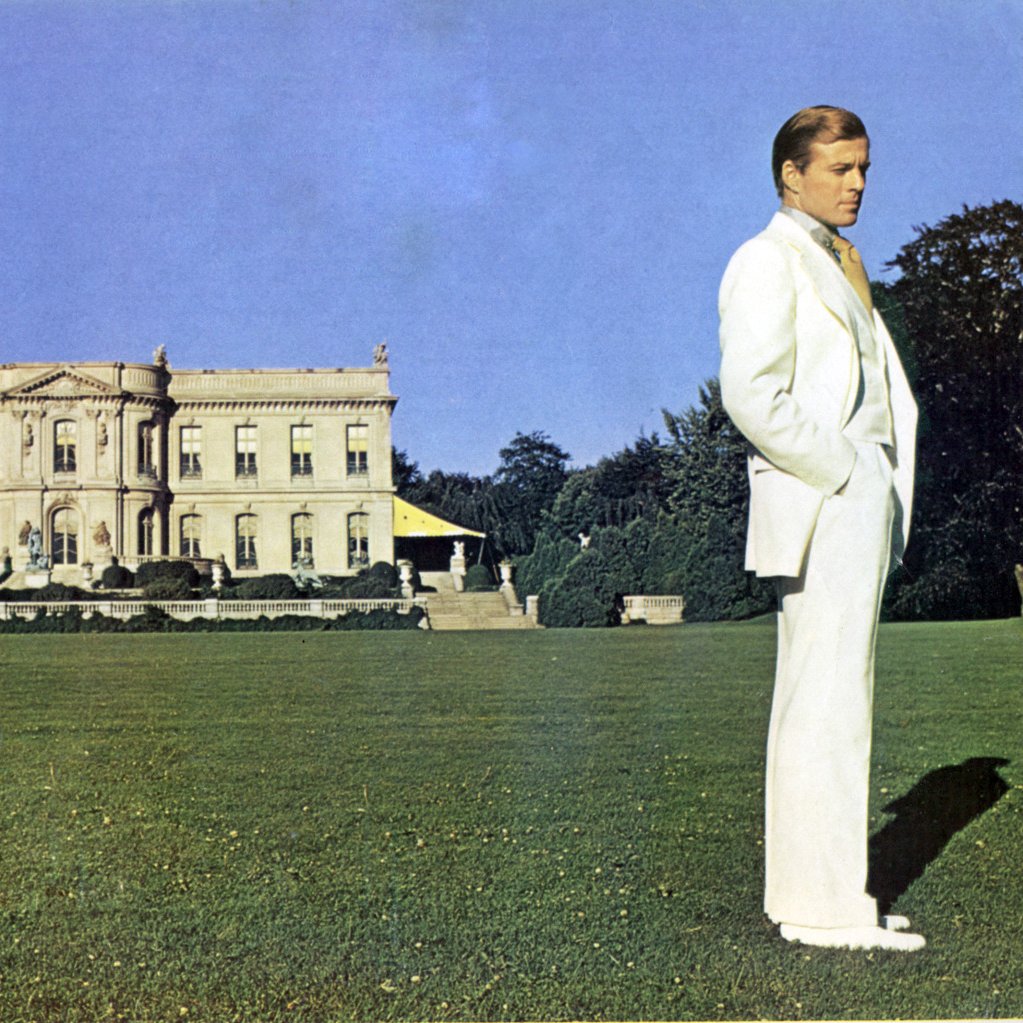
But first, which outfit do you think is more stylish? Choose before opening this thread. 🧵
But first, which outfit do you think is more stylish? Choose before opening this thread. 🧵

If you choose the right outfit, then we have the same taste. But why do we like it better? To understand, we must go back to the invention of this fabric itself.
In the 18th century, English sailors repurposed the linseed oil-soaked canvas they used for sails.
In the 18th century, English sailors repurposed the linseed oil-soaked canvas they used for sails.
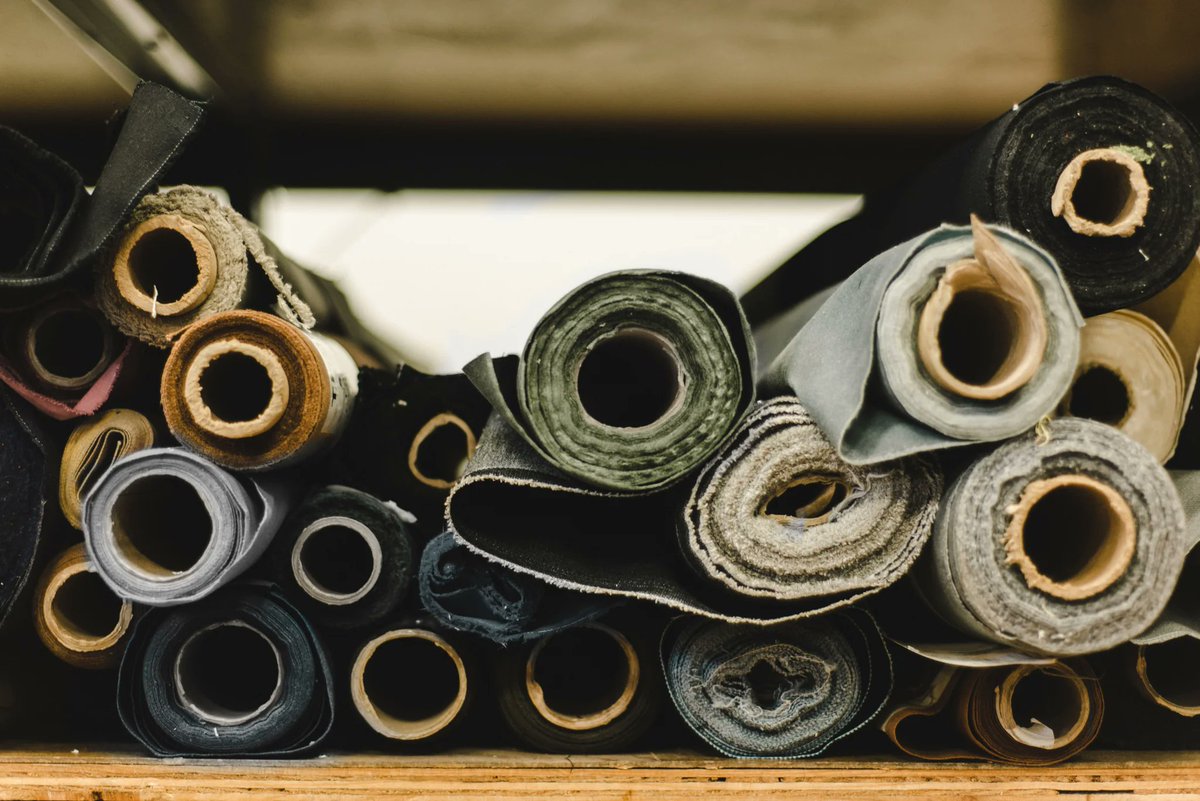
These "oilcloths," as they were known, repelled rain and blocked wind, so sailors made them into capes and smocks for sailing on the high sea. But the material was stiff, heavy, and prone to cracking, so the British maritime company Francis Webster & Sons refined the process.


Instead of spreading linseed oil over canvas, they used beeswax or paraffin wax, which resulted in a lighter, more stable, and less rancid fabric. Francis Webster & Sons unfortunately went out of business, but their technology was picked up the South Shields company Barbour.

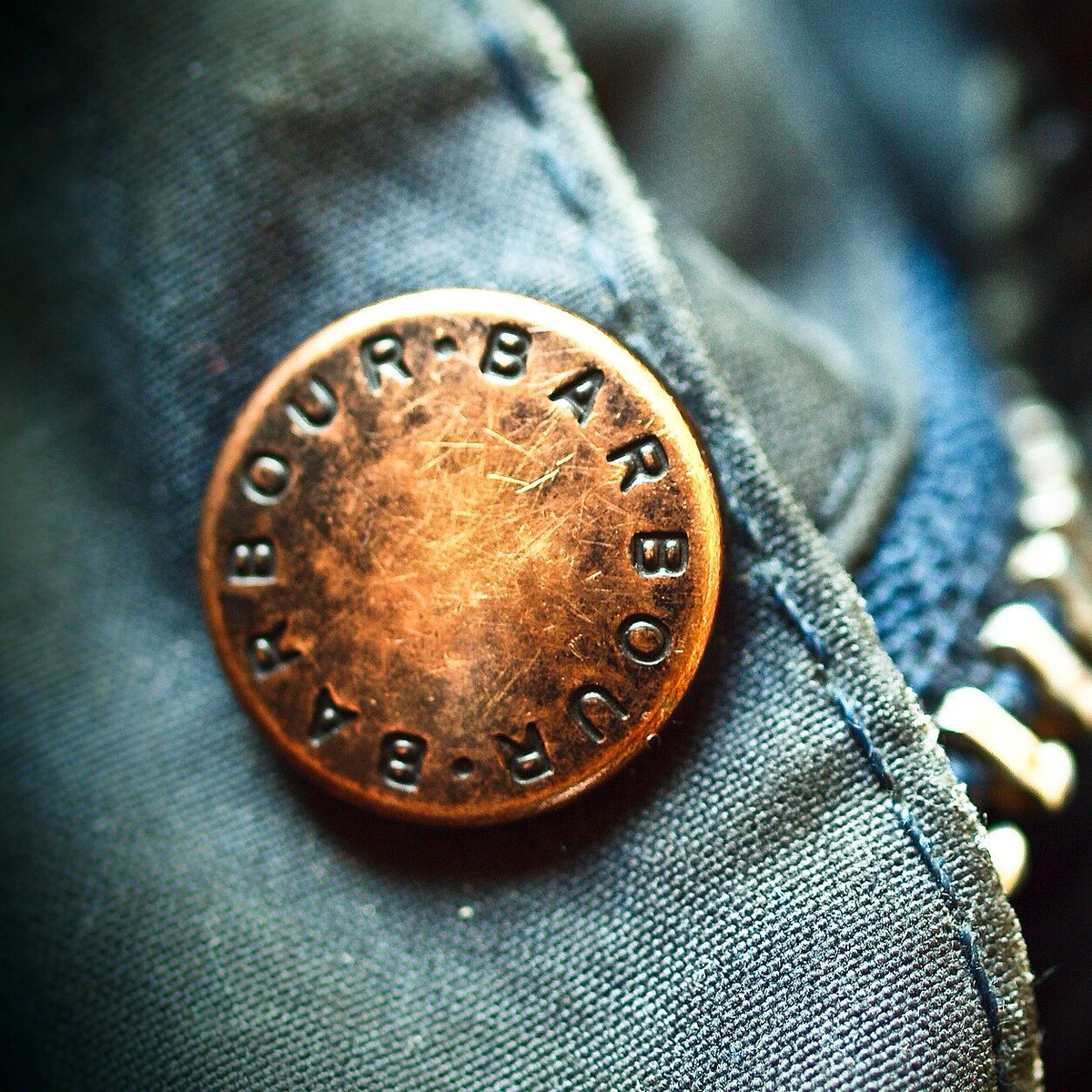
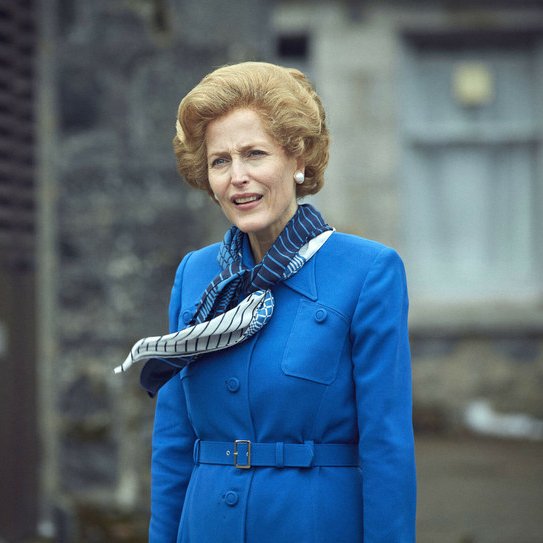
By the mid-20th century, Barbour because the go-to jacket for British outdoorsmen and some motorcyclists, particularly among the well-to-do. In fact, there's a scene in the Netflix show The Crown, where Margaret Thatcher arrives to see the Queen at Balmoral Estate.

Thatcher, who was raised in the small market town of Grantham and worked in politics in London, was wholly unprepared for country living. To meet the royal family for an elk hunt, she wore a bright blue dress. The royals looked at her confused, wondering where's her Barbour.

This was not wholly fiction. Queen Elizabeth often wore a Barbour jacket while out in the countryside, as did style icon Princess Diana. And of course, so does King Charles.


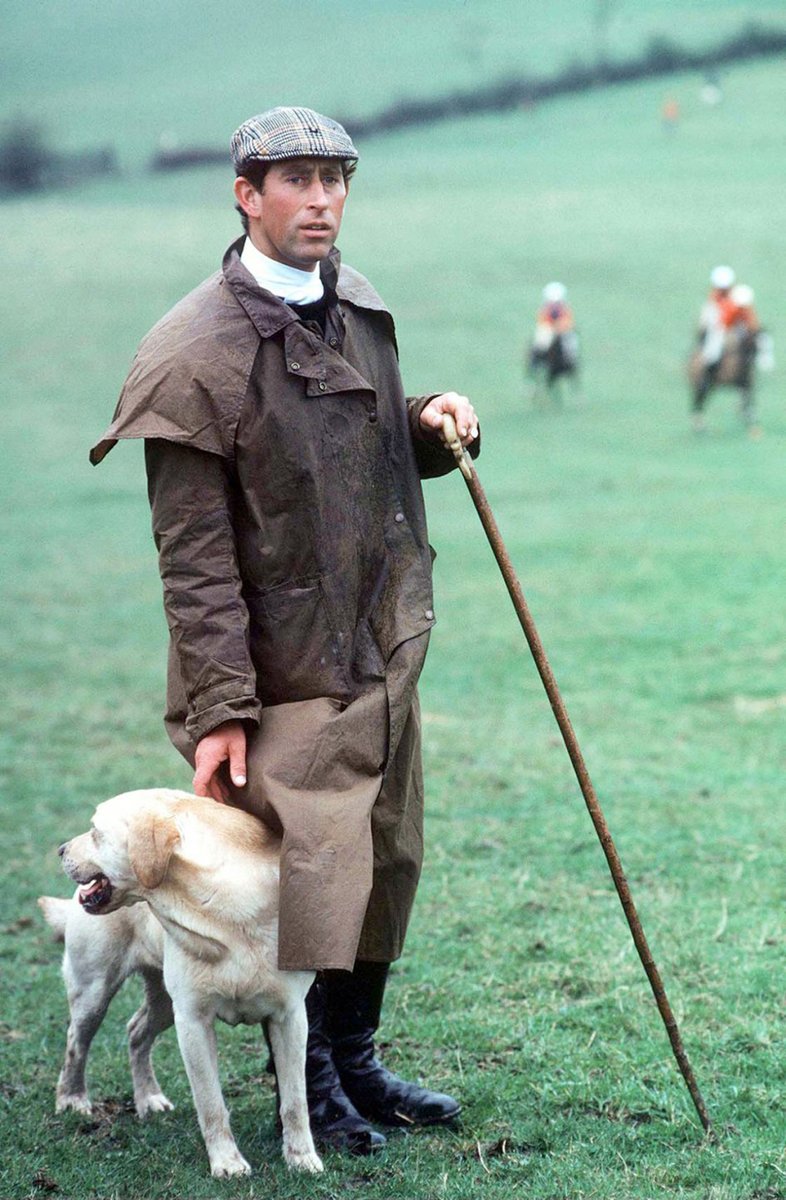

It's through this history that Barbour — and to a lesser degree, waxed cotton — gained it's three most important meanings. Waxed cotton stands for rugged utility, but in the right forms, can also give a whiff of upper class lifestyle. It's also associated with the countryside.


This is why Steve Bannon never looks quite right in his Barbour. He teams it with "city clothes," such as black Dickies work shirts and navy cargo pants. Waxed cotton looks more at home next to rustic colors like brown, taupe, and umber.


Of course, given the historical usage of Barbour in prep, it also sits comfortably alongside more refined things, such as gray turtleneck or even the right suit. But black Dickies work shirt — layered over a black t-shirt — makes no sense, as it's neither country nor prep.


If you want to soften the look, consider something in a cream wool, such as a cream colored Shetland or Aran. Such sweaters can help fill up the space in a waxed cotton jacket and give you a sense of rare refinement.

Understanding the history of clothes in this way can help you create more sensible outfits. For waxed cotton, consider color, texture, material, and styling. Lean towards country clothes — cream fleeces, checked tweeds, and taupe whipcord trousers.

• • •
Missing some Tweet in this thread? You can try to
force a refresh