If you are Covid Aware you have probably been avoiding the dentist. Well, the dental studies have come to you.
This edition? #CovidAwareSoReducingDentalVisits - Water flossing (WF) edition.
Or, as I like to think of it, the Gum Salon.
Thread.
This edition? #CovidAwareSoReducingDentalVisits - Water flossing (WF) edition.
Or, as I like to think of it, the Gum Salon.
Thread.
https://twitter.com/LazarusLong13/status/1979516056898293912
Flossing is necessary for those super tight contact points as you see in the above thread, and is great to remove plaque down 1 mm deep in the gum line (gently).
InterDental Brushes are fantastic and go down 2-3 mm into the gum line to remove plaque.
InterDental Brushes are fantastic and go down 2-3 mm into the gum line to remove plaque.
https://x.com/LazarusLong13/status/1975879913908691160
And WFs in general, are, well, amazing!!
They basically go back and forth with InterDental Brushes on which is better as far as being the top of the food chain for overall cleaning of the space between your teeth.
But.
If you have gum recession, you may have this
They basically go back and forth with InterDental Brushes on which is better as far as being the top of the food chain for overall cleaning of the space between your teeth.
But.
If you have gum recession, you may have this
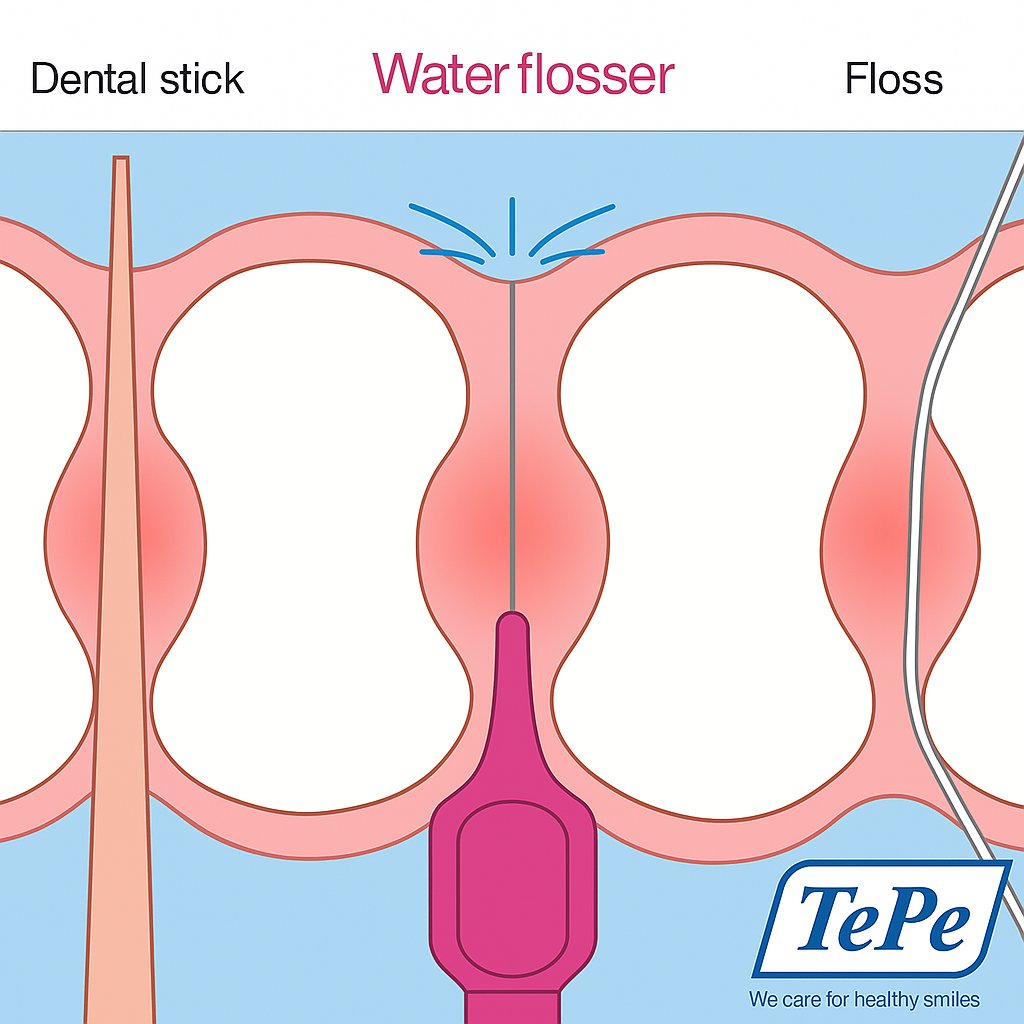
going on. The water flosser would never be inserted that deep, but it still shows that like floss, it could be a problem with straight versus the curve-out that bristles can do.
But, there is one thing that water flossing does that is magic.
But, there is one thing that water flossing does that is magic.
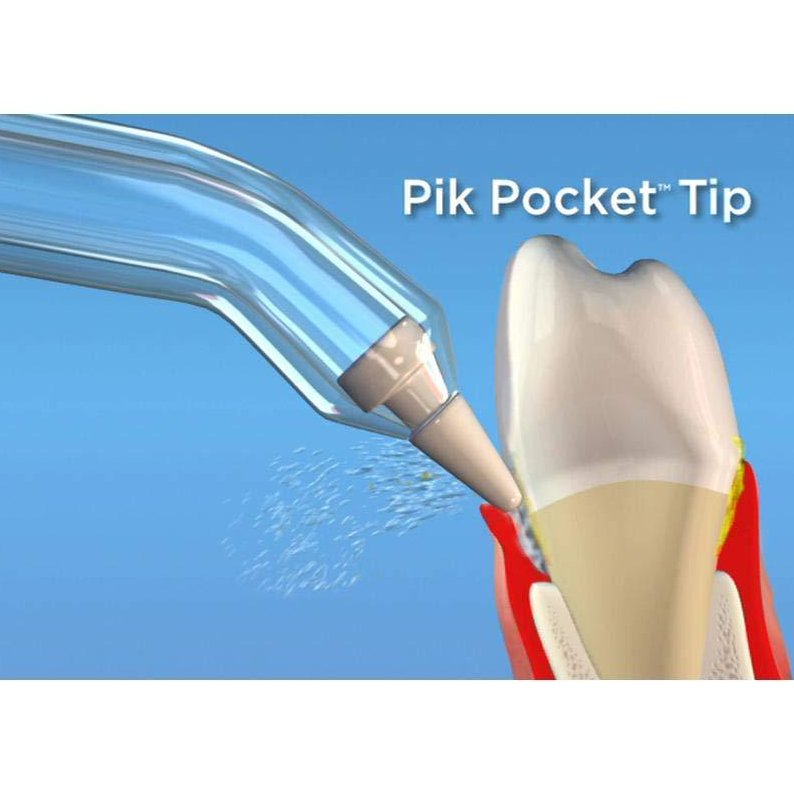
A Pik Pocket Tip (for the WaterPik brand. You basically put the setting as low as possible, and put the tip in the groove - or even down in the pocket if it will let you (always gently).
Have that water flush out those pockets? Sheer bliss.
Video
Have that water flush out those pockets? Sheer bliss.
Video
A couple of studies:
Better than floss:
pmc.ncbi.nlm.nih.gov/articles/PMC10…
Better than IDB:
onlinelibrary.wiley.com/doi/full/10.11…
IDBs better than WF:
pmc.ncbi.nlm.nih.gov/articles/PMC59…
Better than floss:
pmc.ncbi.nlm.nih.gov/articles/PMC10…
Better than IDB:
onlinelibrary.wiley.com/doi/full/10.11…
IDBs better than WF:
pmc.ncbi.nlm.nih.gov/articles/PMC59…

Below you can see the subgingival tip (Pik Pocket tip, coming into play, and cleaning up.
onlinelibrary.wiley.com/doi/10.1002/cr…
onlinelibrary.wiley.com/doi/10.1002/cr…
I have used this water flosser - but it died on me. Twice.
amazon.com/dp/B0BG52SJ5N?…
I just upgraded to this one:
walmart.com/ip/Waterpik-Ul…
Sub $50 and I am very happy.
amazon.com/dp/B0BG52SJ5N?…
I just upgraded to this one:
walmart.com/ip/Waterpik-Ul…
Sub $50 and I am very happy.
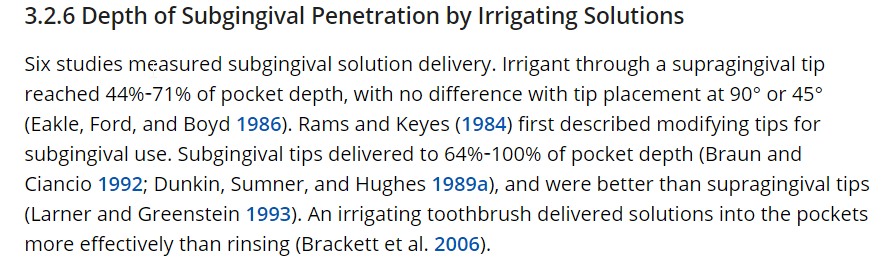
With the Pik Pocket Tip, you you can potentially reach up to about 90% of the depth of a ~6 mm pocket, and perhaps ~60-70% or more of deeper pockets (>7 mm).
These tips for periodontal pockets called subgingival, pocket, or perio tips.
This is an amazing tool.
These tips for periodontal pockets called subgingival, pocket, or perio tips.
This is an amazing tool.
If you insert it 3 mm into the pocket? You can clean any size pocket.
This next part is very, very important.
"Periodontal disease causing bacteria cause an increase in cytokine levels, which leads to bone resorption."
Got that?
rdhmag.com/pathology/publ…
This next part is very, very important.
"Periodontal disease causing bacteria cause an increase in cytokine levels, which leads to bone resorption."
Got that?
rdhmag.com/pathology/publ…
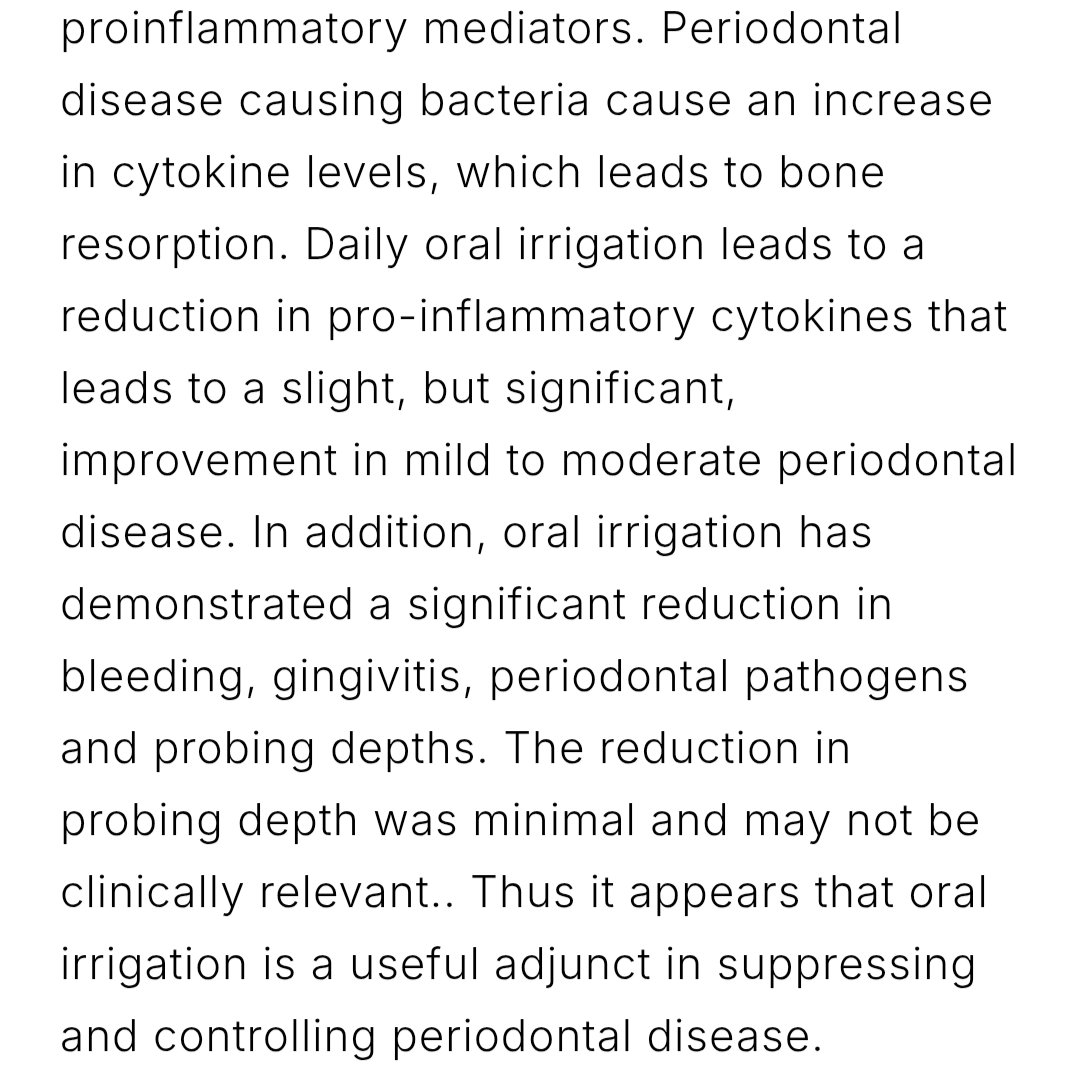
"Daily oral irrigation leads to a reduction in pro-inflammatory cytokines that leads to a slight, but significant, improvement in mild to moderate periodontal disease"
You will be getting rid of cytokines. How cool is that!?
You will be getting rid of cytokines. How cool is that!?
"Most of the active periodontal disease process occurs subgingivally...". Under the gum line.
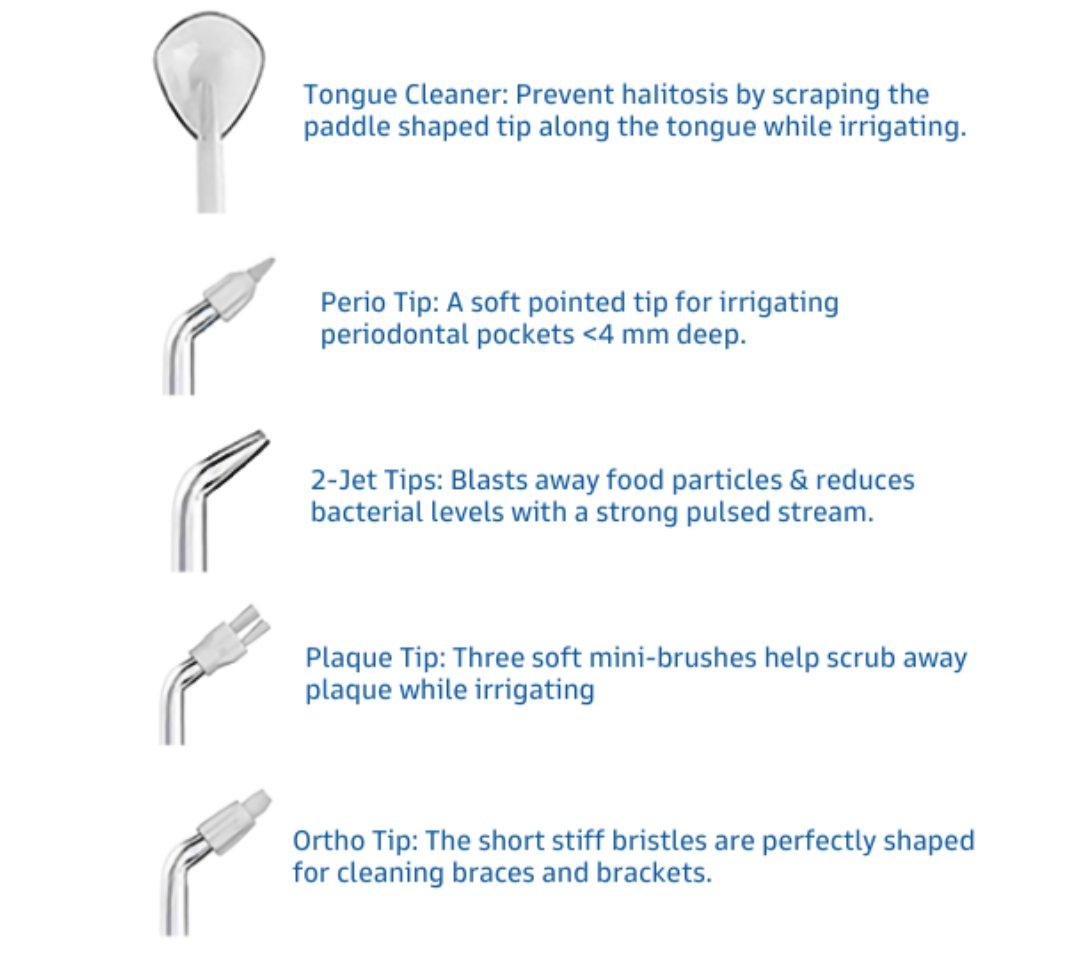
Here are the tips. Just the jet and the perio tip are the ones I am using.
Here are the tips. Just the jet and the perio tip are the ones I am using.
In this sample, it's possible this person occasionally had bleeding gums.
Here are all the things associated with gingivitis.
It includes Alzheimer's.
It includes Alzheimer's.

And now you know the WHY, here is the HOW-to.
The flossing thread is over, but there's a reasonable chance you have not read the thread that will change your life.
Stephan's Curve.
Once I understood what was going on, it immediately became easy to make a few changes, and begin healing.
Stephan's Curve.
Once I understood what was going on, it immediately became easy to make a few changes, and begin healing.
https://x.com/LazarusLong13/status/1961312359672152279
. Very important details on the water flosser.
Specifically, the Waterpik has a dial numbered 1-10. 1= 10 psi, 2 = 20 psi, etc.
Eventually, you should be using it at 6 or 7 with the regular jet tip. The perio tip should be at 1-2.
The Waterpik is optimized at 1400
Specifically, the Waterpik has a dial numbered 1-10. 1= 10 psi, 2 = 20 psi, etc.
Eventually, you should be using it at 6 or 7 with the regular jet tip. The perio tip should be at 1-2.
The Waterpik is optimized at 1400
pulses per minute. That is EVERY setting is at 1400 ppm. Which is good, as 1200-1400 ppm is the sweet spot in terms of removing the bacteria.
By setting it to 6 or 7, you are setting it at 60/ 70 -perfect for inflamed gum tissues.
/+
rdhmag.com/patient-care/h…
By setting it to 6 or 7, you are setting it at 60/ 70 -perfect for inflamed gum tissues.
/+
rdhmag.com/patient-care/h…
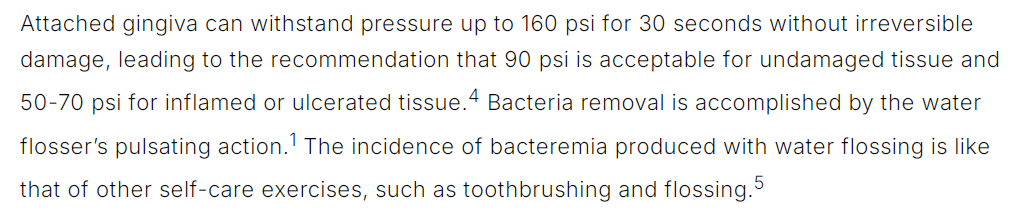
Important - IF you have healthy gums, studies support setting it to 9/ 10 and safely removing plaque.
In fact, once you have healthy gums, and you can tolerate it, go up higher.
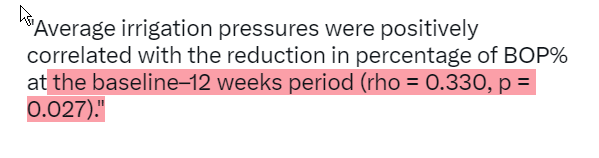
In this one - setting it on 80 psi, or level 8, was CORRELATED with
mdpi.com/1660-4601/20/4…
In fact, once you have healthy gums, and you can tolerate it, go up higher.
In this one - setting it on 80 psi, or level 8, was CORRELATED with
mdpi.com/1660-4601/20/4…
• • •
Missing some Tweet in this thread? You can try to
force a refresh