THE ERIE CANAL, PART II
CARVING THE BACKBONE (1817–1825)
They built it by hand.
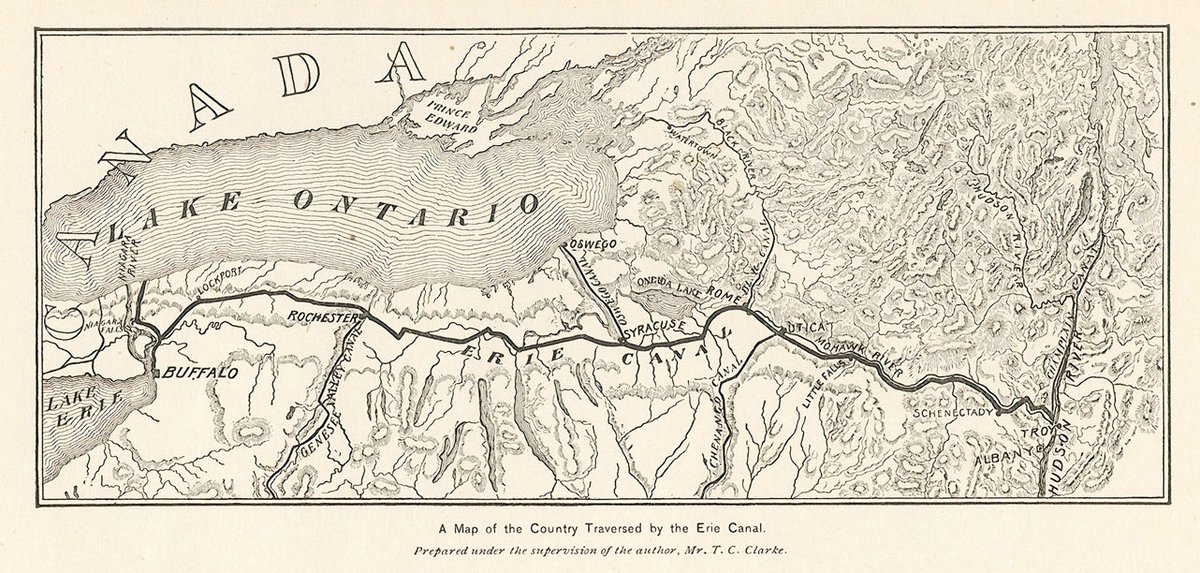
363 miles through wilderness and rock.
🧵
CARVING THE BACKBONE (1817–1825)
They built it by hand.
363 miles through wilderness and rock.
🧵
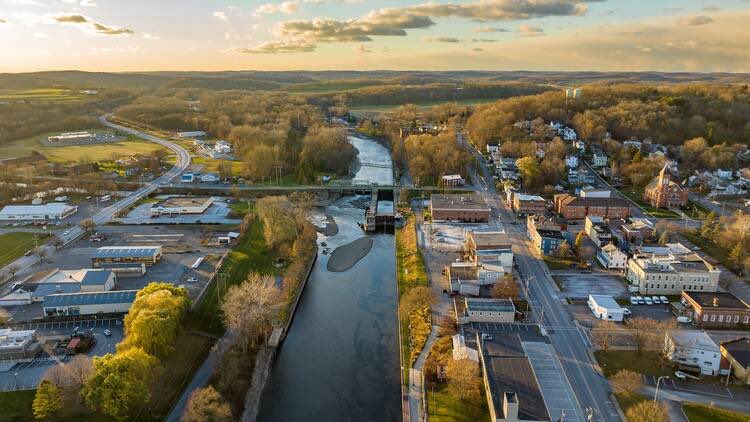
The Erie Canal wasn’t born of machines.
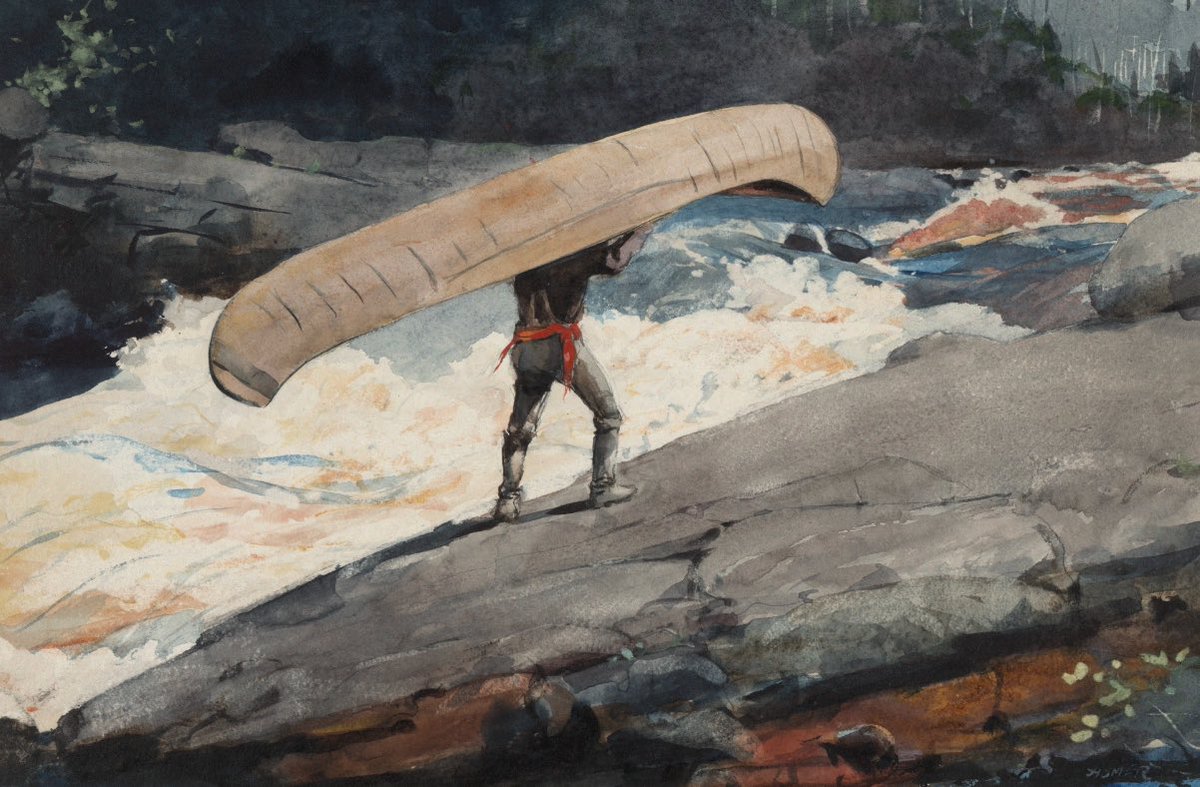
It was carved by men with shovels, picks, and wheelbarrows…Irish immigrants, farmhands, veterans, drifters.
For eight years they dug a river through the bones of New York.
It was carved by men with shovels, picks, and wheelbarrows…Irish immigrants, farmhands, veterans, drifters.
For eight years they dug a river through the bones of New York.
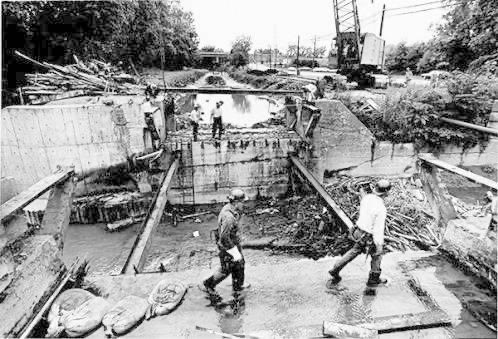
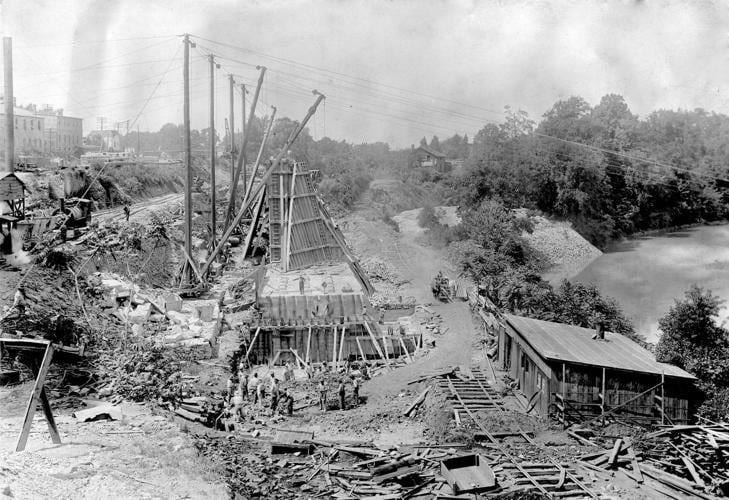
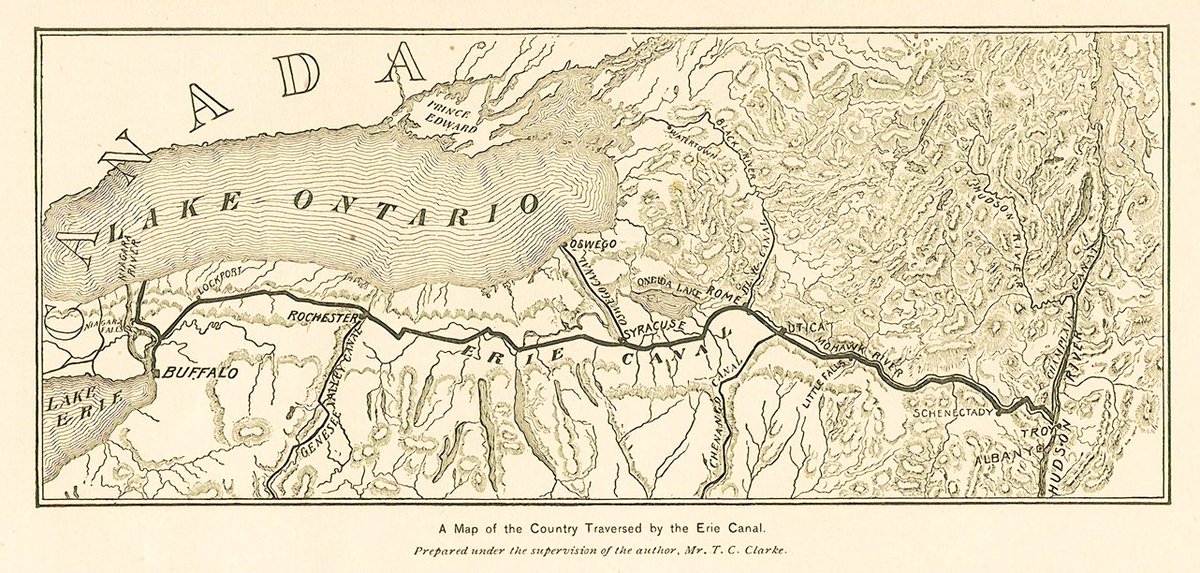
From Albany to Buffalo: 83 locks, 18 aqueducts, 363 miles.
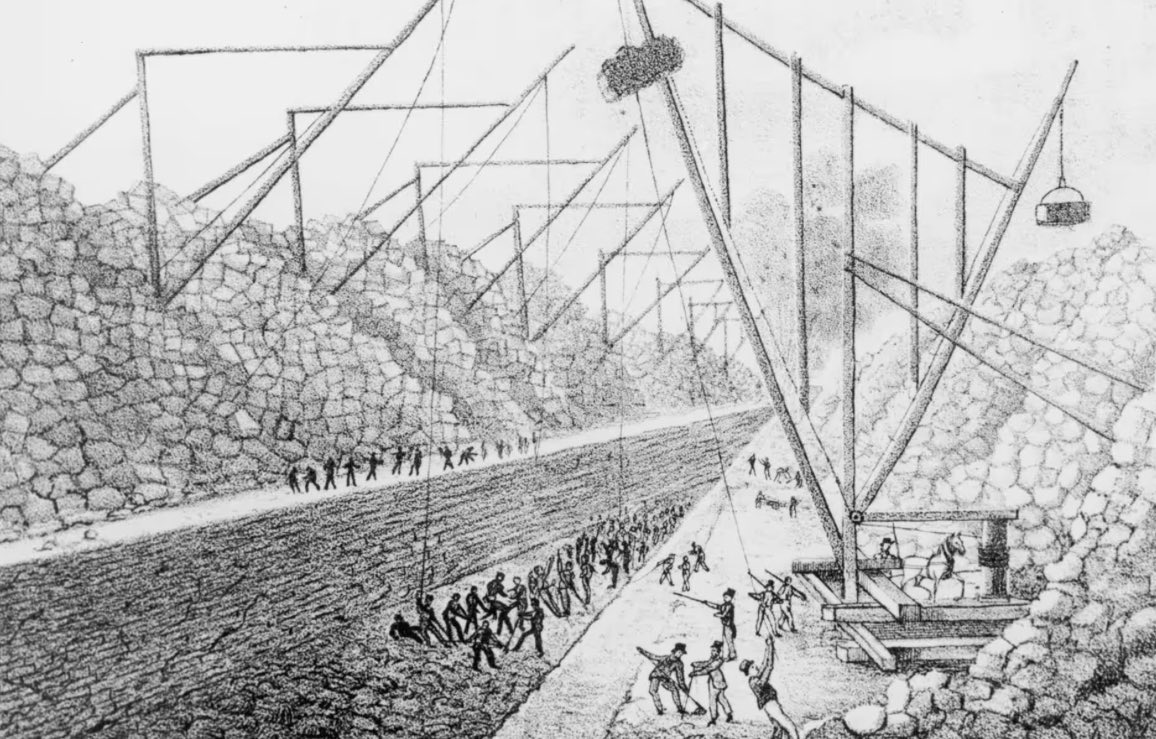
They cut through swamps that swallowed tools and blasted limestone with black powder.
When the charges fired, thunder rolled west across the forest.
America was teaching itself to build.
They cut through swamps that swallowed tools and blasted limestone with black powder.
When the charges fired, thunder rolled west across the forest.
America was teaching itself to build.
Most earned less than a dollar a day.
They slept in shanty towns, fought cholera, froze in winter, and vanished in cave-ins.
There were no names in the papers….just graves beside the towpath.
The canal’s foundation wasn’t stone.
It was labor.
They slept in shanty towns, fought cholera, froze in winter, and vanished in cave-ins.
There were no names in the papers….just graves beside the towpath.
The canal’s foundation wasn’t stone.
It was labor.
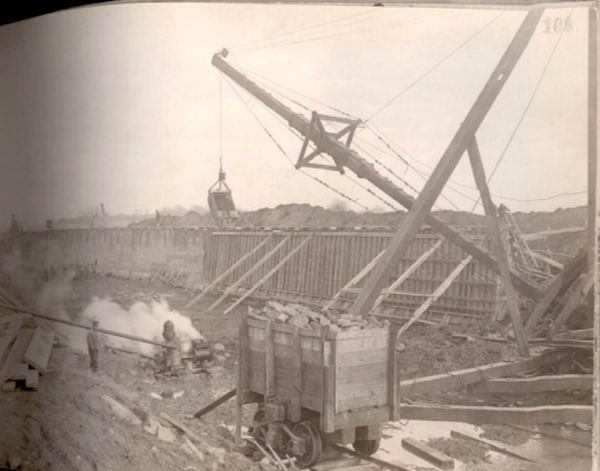
Out of that mud came invention.
American engineers….denied European help and created hydraulic cement, a mortar that hardened underwater.
It would go on to build bridges, dams, and ports worldwide.
The Erie wasn’t only a canal; it was a classroom.
American engineers….denied European help and created hydraulic cement, a mortar that hardened underwater.
It would go on to build bridges, dams, and ports worldwide.
The Erie wasn’t only a canal; it was a classroom.
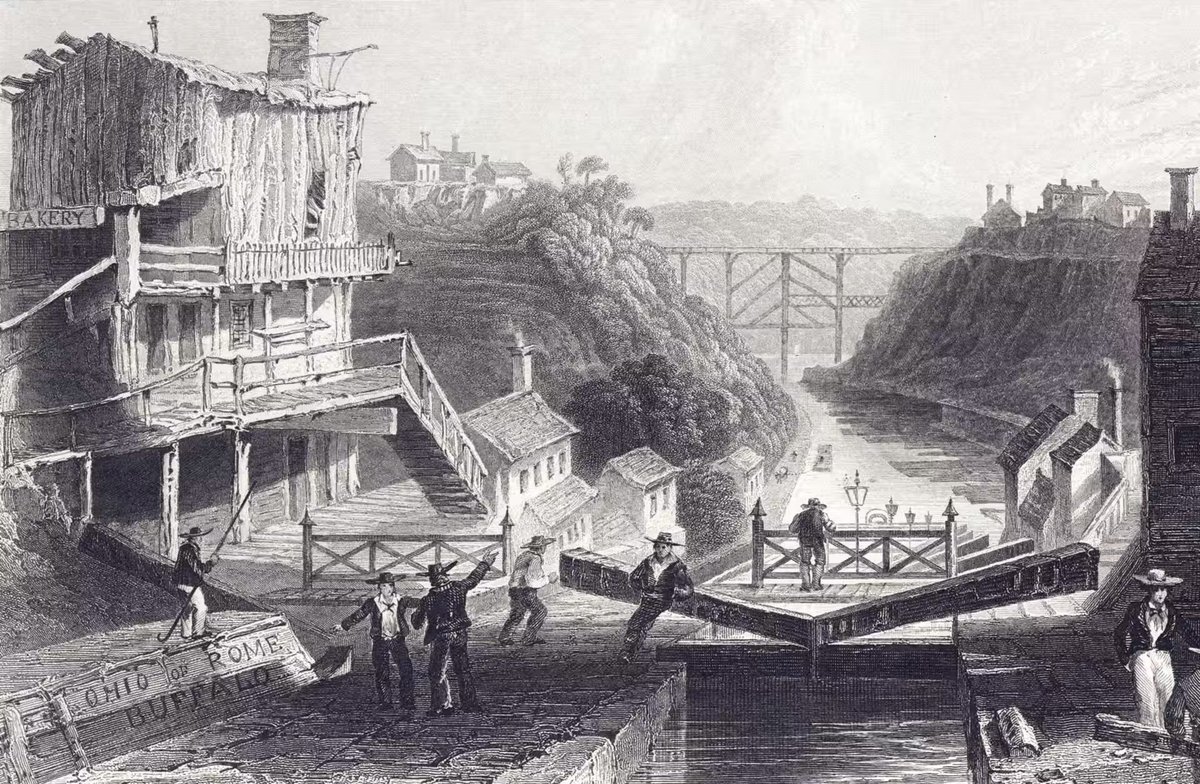
The waterway climbed 565 feet from the Hudson to Lake Erie.
Locks lifted barges like elevators of stone and water, each gate balanced by hand-cut timber.
Every drop measured, every hinge exact.
They got it right on the first try.
Locks lifted barges like elevators of stone and water, each gate balanced by hand-cut timber.
Every drop measured, every hinge exact.
They got it right on the first try.
By 1823, towns bloomed along the route.
Utica, Syracuse, Rochester.
Mule teams hauled freight by day; fiddles and whiskey filled the taverns by night.
People said you could walk the length of New York without ever losing the sound of picks in the earth.
Utica, Syracuse, Rochester.
Mule teams hauled freight by day; fiddles and whiskey filled the taverns by night.
People said you could walk the length of New York without ever losing the sound of picks in the earth.
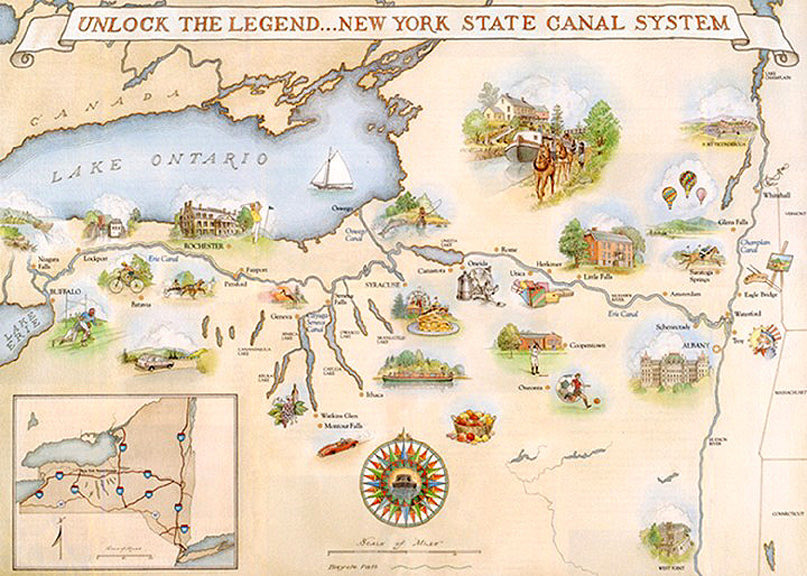
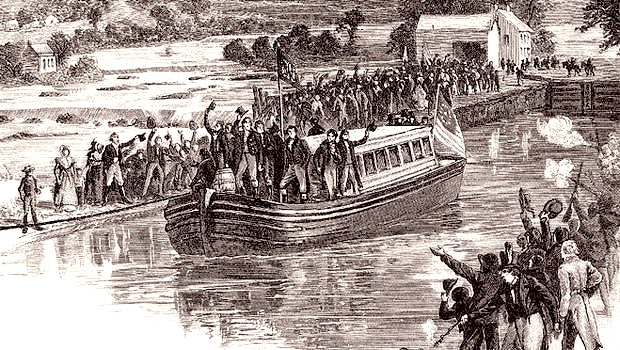
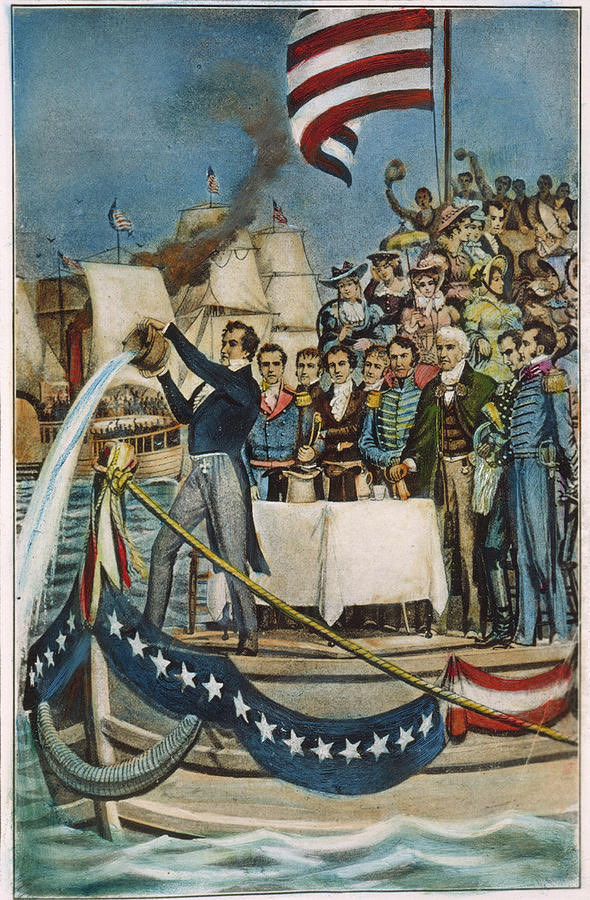
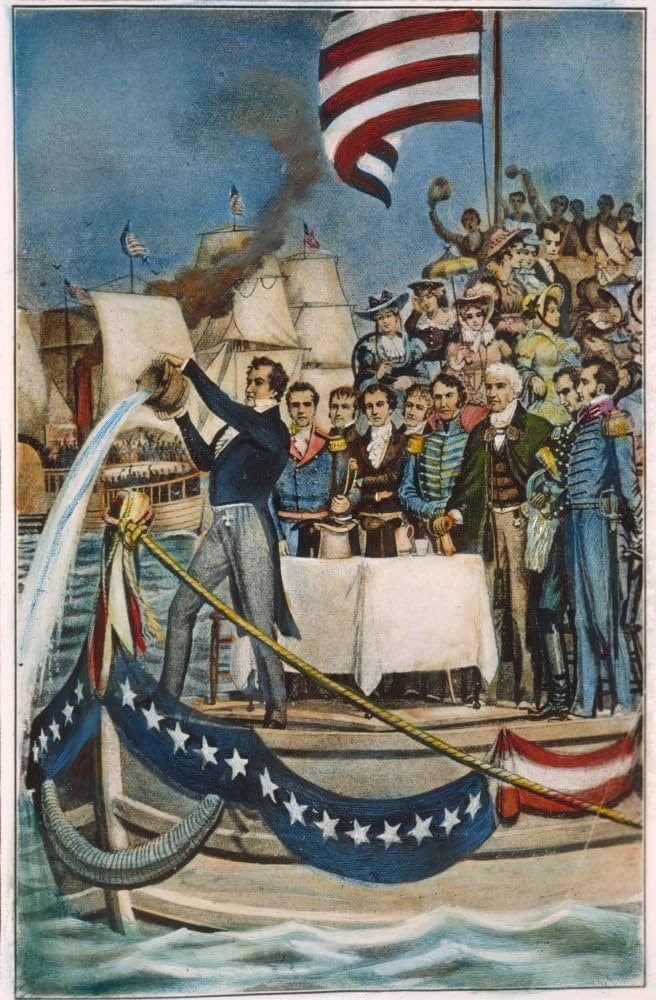
In 1825, the last cut met the water at Buffalo.
Governor DeWitt Clinton poured Lake Erie into the Atlantic…the “marriage of the waters.”
The wilderness was connected.
Commerce had a spine.
And America began to move.
Next: “The Empire Awakens (1825–1840)” how a hand-dug ditch turned New York City into the capital of the modern world.
Governor DeWitt Clinton poured Lake Erie into the Atlantic…the “marriage of the waters.”
The wilderness was connected.
Commerce had a spine.
And America began to move.
Next: “The Empire Awakens (1825–1840)” how a hand-dug ditch turned New York City into the capital of the modern world.
• • •
Missing some Tweet in this thread? You can try to
force a refresh