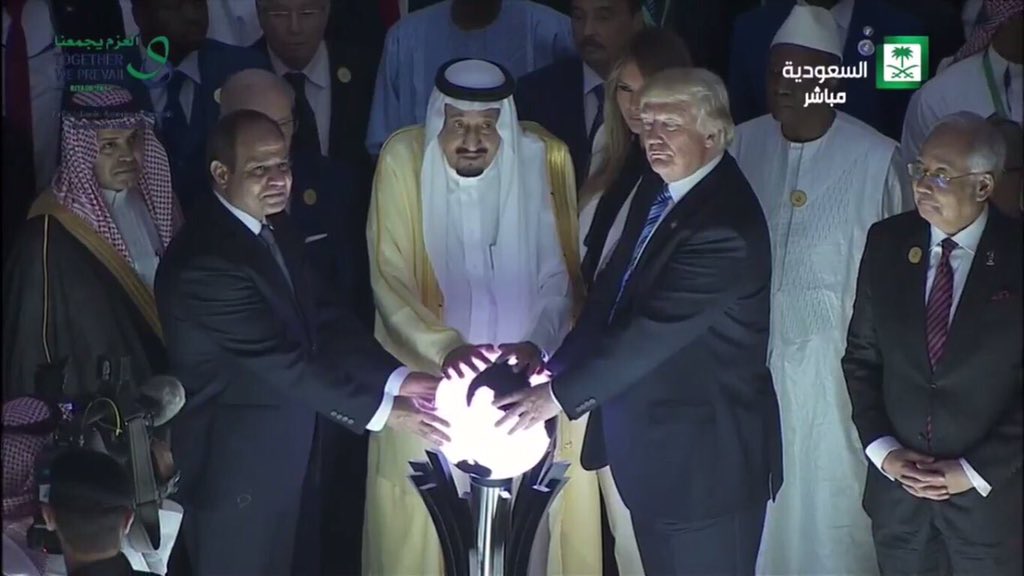
1. Dear @jkenney, to understand President Trump’s position on Canada, you have to go back to the 2016 election and President Trump’s position on the NAFTA renegotiation.
If you did not follow the subsequent USMCA process, this might be the ah-ha moment you need to understand Trump’s strategy.
🧵 begins....
If you did not follow the subsequent USMCA process, this might be the ah-ha moment you need to understand Trump’s strategy.
🧵 begins....
2. During the 2016 election President Trump repeatedly said he wanted to renegotiate NAFTA, the North American Free Trade Agreement. Both Canada and Mexico were reluctant to open the trade agreement to revision, but ultimately President Trump had the authority and support from an election victory to do exactly that.
In order to understand the issue, you must remember President Trump, Commerce Secretary Wilbur Ross and U.S. Trade Representative Robert Lighthizer each agreed the NAFTA agreement was fraught with problems and was best addressed by scrapping it and creating two seperate bilateral trade agreements. One between the USA and Mexico, and one between the USA and Canada.
In the decades that preceded the 2017 push to redo the trade pact, Canada had restructured their economy to: (1) align with progressive climate change; and (2) take advantage of the NAFTA loophole. The Canadian government did not want to reengage in a new trade agreement.
Canada has deindustrialized much of their manufacturing base to support the ‘environmental’ aspirations of their progressive politicians. Instead, Canada became an importer of component goods where companies then assembled those imports into finished products to enter the U.S. market without tariffs. Working with Chinese manufacturing companies, Canada exploited the NAFTA loophole.
Justin Trudeau was strongly against renegotiating NAFTA, and stated he and Chrystia Freeland would not support reopening the trade agreement.
President Trump didn’t care about the position of Canada and was going forward. Trudeau said he would not support it. Trump focused on the first bilateral trade agreement with Mexico.
In order to understand the issue, you must remember President Trump, Commerce Secretary Wilbur Ross and U.S. Trade Representative Robert Lighthizer each agreed the NAFTA agreement was fraught with problems and was best addressed by scrapping it and creating two seperate bilateral trade agreements. One between the USA and Mexico, and one between the USA and Canada.
In the decades that preceded the 2017 push to redo the trade pact, Canada had restructured their economy to: (1) align with progressive climate change; and (2) take advantage of the NAFTA loophole. The Canadian government did not want to reengage in a new trade agreement.
Canada has deindustrialized much of their manufacturing base to support the ‘environmental’ aspirations of their progressive politicians. Instead, Canada became an importer of component goods where companies then assembled those imports into finished products to enter the U.S. market without tariffs. Working with Chinese manufacturing companies, Canada exploited the NAFTA loophole.
Justin Trudeau was strongly against renegotiating NAFTA, and stated he and Chrystia Freeland would not support reopening the trade agreement.
President Trump didn’t care about the position of Canada and was going forward. Trudeau said he would not support it. Trump focused on the first bilateral trade agreement with Mexico.
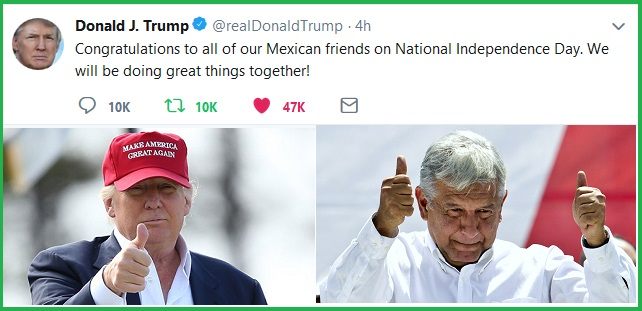
3. When the U.S. and Mexico had agreed to terms of the new trade deal and 80% of the agreement was finished, representatives from the U.S. Chamber of Commerce informed Trudeau that his position was weak and if the U.S. and Mexico inked their deal, Canada would be shut out.
The U.S Chamber of Commerce was upset because they were kept out of all the details of the agreement between the U.S. and Mexico. In actuality the U.S CoC was effectively blocked from any participation.
When they went to talk to the Canadians the CoC was warning them about what was likely to happen. NAFTA would end, the U.S. and Mexico would have a bilateral free trade agreement (FTA), and then Trump was likely to turn to Trudeau and say NAFTA is dead, now we need to negotiate a separate deal for U.S-Canada.
Trudeau was told a direct bilateral trade agreement between the U.S and Canada was the worst possible scenario for the Canadian government. Canada would lose access to the NAFTA loophole and Canada’s entire economy was no longer in a position to negotiate against the size of the USA. Trump would win every demand.
Following the warning, Trudeau went to visit Nancy Pelosi to find out if congress was likely to ratify a new bilateral trade agreement between the U.S and Mexico. Pelosi warned Trudeau there was enough political support for the NAFTA elimination from both parties. Yes, the bilateral trade agreement was likely to find support.
The U.S Chamber of Commerce was upset because they were kept out of all the details of the agreement between the U.S. and Mexico. In actuality the U.S CoC was effectively blocked from any participation.
When they went to talk to the Canadians the CoC was warning them about what was likely to happen. NAFTA would end, the U.S. and Mexico would have a bilateral free trade agreement (FTA), and then Trump was likely to turn to Trudeau and say NAFTA is dead, now we need to negotiate a separate deal for U.S-Canada.
Trudeau was told a direct bilateral trade agreement between the U.S and Canada was the worst possible scenario for the Canadian government. Canada would lose access to the NAFTA loophole and Canada’s entire economy was no longer in a position to negotiate against the size of the USA. Trump would win every demand.
Following the warning, Trudeau went to visit Nancy Pelosi to find out if congress was likely to ratify a new bilateral trade agreement between the U.S and Mexico. Pelosi warned Trudeau there was enough political support for the NAFTA elimination from both parties. Yes, the bilateral trade agreement was likely to find support.
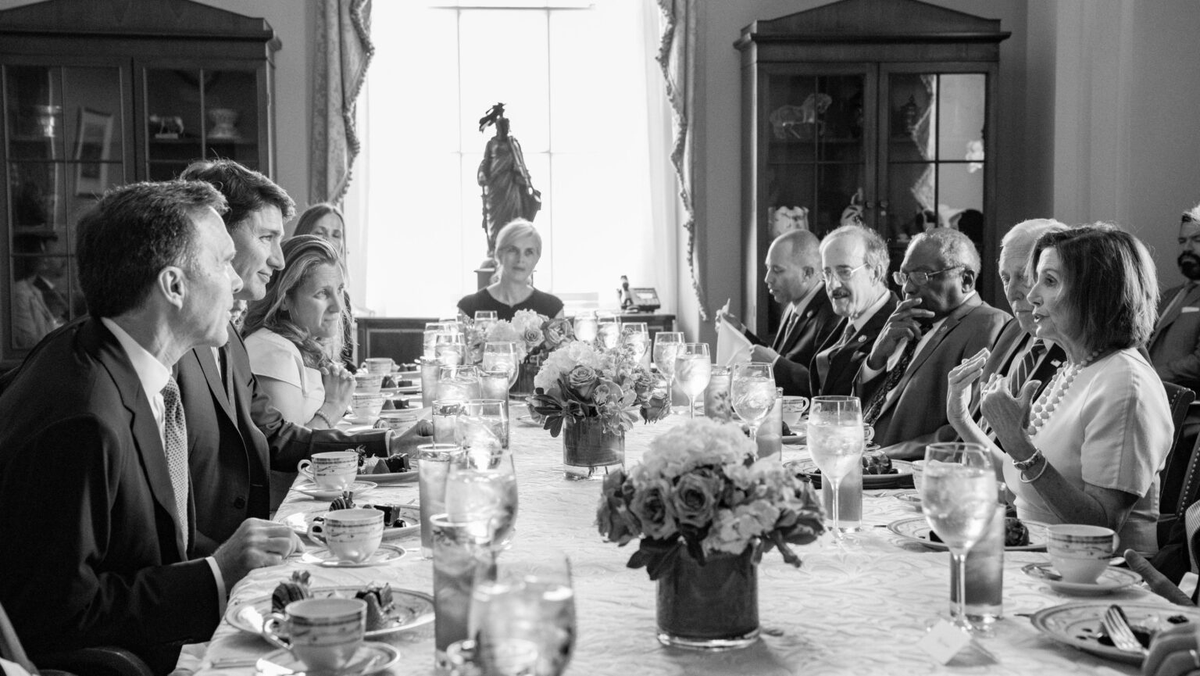
4. Realizing what was about to happen, Prime Minister Trudeau and Chrystia Freeland quickly changed approach and began to request discussions and meetings with USTR Robert Lighthizer. Keep in mind more than 80 to 90% of the agreement was already done by the U.S. and Mexico teams. Both President Andres Manuel Lopez Obrador and President Trump were now openly talking about when it would be finalized and signed.
Nancy Pelosi stepped in to help Canada get back into the agreement by leveraging her Democrats. Trump agreed to let Canada engage, and Lighthizer agreed to hold discussions with Chrystia Freeland on a tri-lateral trade agreement that ultimately became the USMCA.
The key points to remember are: (1) Trump, Ross and Lighthizer would prefer two separate bilateral trade agreements because the U.S. import/export dynamic was entirely different between Mexico and Canada. And because of the loophole issue, (2) a five-year review was put into the finished USMCA trade agreement. The USMCA was signed on November 30, 2018, and came into effect on July 1, 2020.
TIMELINE: The USMCA is now up for review (2025) and renegotiation in 2026!
This timeline is the key to understanding where President Donald Trump stands today. The review and renegotiation is his goal.
President Trump said openly he was going to renegotiate the USMCA, leveraging border security (Mexico) and reciprocity (Canada) within it.
stratego-st.com/newsletters/re…
Nancy Pelosi stepped in to help Canada get back into the agreement by leveraging her Democrats. Trump agreed to let Canada engage, and Lighthizer agreed to hold discussions with Chrystia Freeland on a tri-lateral trade agreement that ultimately became the USMCA.
The key points to remember are: (1) Trump, Ross and Lighthizer would prefer two separate bilateral trade agreements because the U.S. import/export dynamic was entirely different between Mexico and Canada. And because of the loophole issue, (2) a five-year review was put into the finished USMCA trade agreement. The USMCA was signed on November 30, 2018, and came into effect on July 1, 2020.
TIMELINE: The USMCA is now up for review (2025) and renegotiation in 2026!
This timeline is the key to understanding where President Donald Trump stands today. The review and renegotiation is his goal.
President Trump said openly he was going to renegotiate the USMCA, leveraging border security (Mexico) and reciprocity (Canada) within it.
stratego-st.com/newsletters/re…
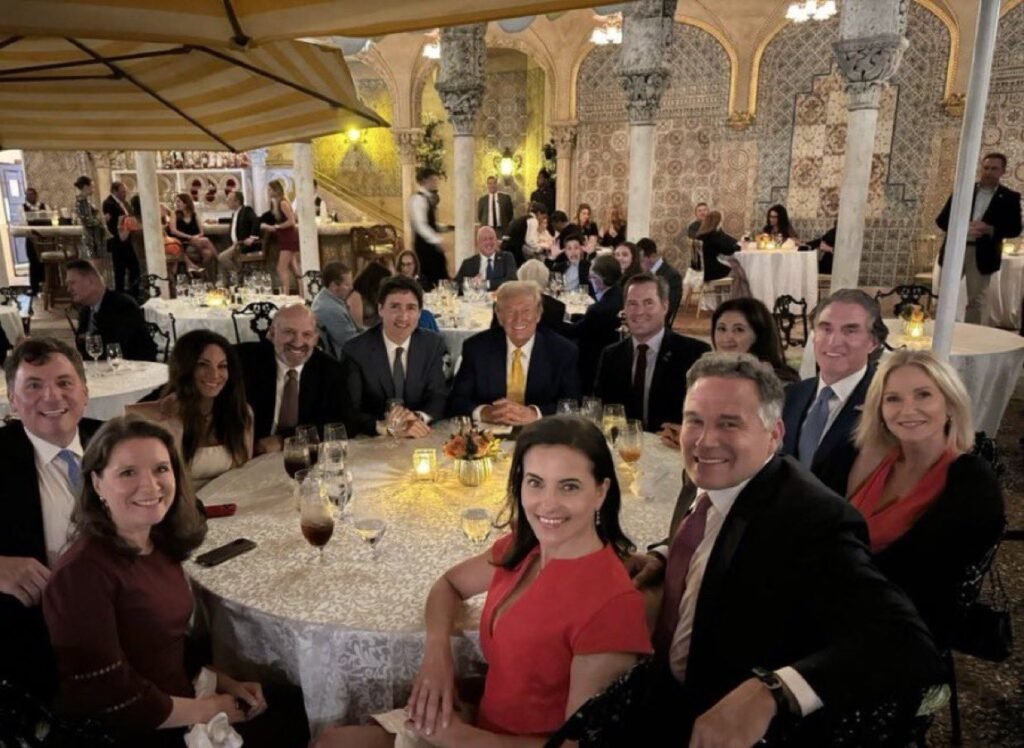
5. Following the 2024 presidential election, Prime Minister Justin Trudeau traveled to Mar-a-Lago and said if President Trump was to make the Canadian government face reciprocal tariffs, open the USMCA trade agreements to force reciprocity, and/or balance economic relations on non-tariff issues, then Canada would collapse upon itself economically and cease to exist.
In essence, according to Trudeau, Canada cannot survive as a free and independent north American nation, without receiving all the one-way benefits from the U.S. economy.
To wit, President Trump then said, if Canada cannot survive in a balanced rules environment, including putting together their own military and defenses (which it cannot), then Canada should become the 51st U.S state. It was following this meeting that President Trump started emphasizing this point and shocking everyone in the process.
However, what everyone missed was the strategy Trump began outlining when contrast against the USMCA review and renegotiation window.
Again, Trump doesn’t like the tri-lateral trade agreement. President Trump would rather have two separate bilateral agreements; one for Mexico and one for Canada. Multilateral trade agreements are difficult to manage and police.
How was President Trump going to get Canada to (a) willingly exit the USMCA; and (b) enter a bilateral trade agreement?
The answer was through trade and tariff provocations, while simultaneously hitting Canada with the shock and awe aspect of the 51st state.
The Canadian government and the Canadian people fell for it hook, line and sinker.
Trump’s position on the Canadian election outcome had nothing to do with geopolitical friendships and everything to do with America-First economics. When asked about the election in Canada President Trump said, “I don’t care. I think it’s easier to deal, actually, with a liberal and maybe they’re going to win, but I don’t really care.”
By voting emotionally, the Canadian electorate have fallen into President Trump’s USMCA exit trap. Prime Minister Carney will make the exit much easier. Carney now becomes the target of increased punitive coercion until such a time as the USMCA review is begun, and Canada is forced to a position of renegotiation.
Trump never wanted Canada as a 51st state.
Trump always wanted a U.S-Canada bilateral trade agreement.
Mark Carney said the era of U.S-Canadian economic ties “are officially declared severed.”
Canada positioned themselves to willingly exit the USMCA trade agreement at the perfect time for President Trump.
Why do you think Mexico stayed quiet?
In essence, according to Trudeau, Canada cannot survive as a free and independent north American nation, without receiving all the one-way benefits from the U.S. economy.
To wit, President Trump then said, if Canada cannot survive in a balanced rules environment, including putting together their own military and defenses (which it cannot), then Canada should become the 51st U.S state. It was following this meeting that President Trump started emphasizing this point and shocking everyone in the process.
However, what everyone missed was the strategy Trump began outlining when contrast against the USMCA review and renegotiation window.
Again, Trump doesn’t like the tri-lateral trade agreement. President Trump would rather have two separate bilateral agreements; one for Mexico and one for Canada. Multilateral trade agreements are difficult to manage and police.
How was President Trump going to get Canada to (a) willingly exit the USMCA; and (b) enter a bilateral trade agreement?
The answer was through trade and tariff provocations, while simultaneously hitting Canada with the shock and awe aspect of the 51st state.
The Canadian government and the Canadian people fell for it hook, line and sinker.
Trump’s position on the Canadian election outcome had nothing to do with geopolitical friendships and everything to do with America-First economics. When asked about the election in Canada President Trump said, “I don’t care. I think it’s easier to deal, actually, with a liberal and maybe they’re going to win, but I don’t really care.”
By voting emotionally, the Canadian electorate have fallen into President Trump’s USMCA exit trap. Prime Minister Carney will make the exit much easier. Carney now becomes the target of increased punitive coercion until such a time as the USMCA review is begun, and Canada is forced to a position of renegotiation.
Trump never wanted Canada as a 51st state.
Trump always wanted a U.S-Canada bilateral trade agreement.
Mark Carney said the era of U.S-Canadian economic ties “are officially declared severed.”
Canada positioned themselves to willingly exit the USMCA trade agreement at the perfect time for President Trump.
Why do you think Mexico stayed quiet?
6. Canada is taking actions to replace their U.S. trade relationship by aligning more with the EU and China. This is a very dangerous approach for the Canadian people, because in the short-term there may be benefits; however, in the longer term the downsides are quite severe.
Remember, Xi Jinping wanted Mark Carney to win the parliamentary election.
The reality of the U.S-Canada economic relationship and the position of President Donald Trump is not that difficult to understand if you take all the disparate datapoints and quotes from Trump and put them into context.
During a May 2025, White House meeting with Mark Carney, President Trump essentially told the Canadian Prime Minister why he was in no hurry to get to a deal with Canada. The 35% tariffs on non-USMCA goods triggered August 1st because the main priority of Trump -looking toward Canada- is to dissolve the USMCA.
During the May 6th oval office meeting with Carney, President Trump was discussing the USMCA and said:
“As you know it terminates fairly shortly. It gets renegotiated fairly shortly.” … “This was a transitional deal, and we’ll see what happens, we’re going to start renegotiating that” … “I don’t know if it serves a purpose anymore.” …. “And the biggest purpose it served was, we got rid of NAFTA.”
[theconservativetreehouse.com/blog/2025/05/0…]
Currently, approximately 60% of the traded goods and services between the U.S. and Canada are covered by the USMCA; the remaining 40% was hit by tariffs on August 1st at a 35% rate.
When the USMCA is renegotiated, predictably dissolved in favor of two bilateral trade agreements – one for Mexico and one for Canada, all of the U.S-Canada trade sectors will be part of the enlarged free trade negotiation. As a result, there is absolutely no motive to engage in trade discussions now.
President Trump’s position is essentially to talk about the details when the USMCA is dissolved; hence, the ambivalence.
The certainty the Canadians are looking for can be found easily if they stop pretending.
(1) U.S. tariffs against non-USMCA products from Canada went into effect on August 1st. (2) As soon as the USMCA is reopened, it will be dissolved. (3) After the USMCA dissolution, a bilateral free trade agreement between the USA and Canada will be negotiated.
Every current effort by Canada to change the nature of the trade system, between now and the reopening of the USMCA (to dissolve it), is futile.
Remember, Xi Jinping wanted Mark Carney to win the parliamentary election.
The reality of the U.S-Canada economic relationship and the position of President Donald Trump is not that difficult to understand if you take all the disparate datapoints and quotes from Trump and put them into context.
During a May 2025, White House meeting with Mark Carney, President Trump essentially told the Canadian Prime Minister why he was in no hurry to get to a deal with Canada. The 35% tariffs on non-USMCA goods triggered August 1st because the main priority of Trump -looking toward Canada- is to dissolve the USMCA.
During the May 6th oval office meeting with Carney, President Trump was discussing the USMCA and said:
“As you know it terminates fairly shortly. It gets renegotiated fairly shortly.” … “This was a transitional deal, and we’ll see what happens, we’re going to start renegotiating that” … “I don’t know if it serves a purpose anymore.” …. “And the biggest purpose it served was, we got rid of NAFTA.”
[theconservativetreehouse.com/blog/2025/05/0…]
Currently, approximately 60% of the traded goods and services between the U.S. and Canada are covered by the USMCA; the remaining 40% was hit by tariffs on August 1st at a 35% rate.
When the USMCA is renegotiated, predictably dissolved in favor of two bilateral trade agreements – one for Mexico and one for Canada, all of the U.S-Canada trade sectors will be part of the enlarged free trade negotiation. As a result, there is absolutely no motive to engage in trade discussions now.
President Trump’s position is essentially to talk about the details when the USMCA is dissolved; hence, the ambivalence.
The certainty the Canadians are looking for can be found easily if they stop pretending.
(1) U.S. tariffs against non-USMCA products from Canada went into effect on August 1st. (2) As soon as the USMCA is reopened, it will be dissolved. (3) After the USMCA dissolution, a bilateral free trade agreement between the USA and Canada will be negotiated.
Every current effort by Canada to change the nature of the trade system, between now and the reopening of the USMCA (to dissolve it), is futile.
7. This is where it becomes important to understand the core reason why Trump, Ross and Lighthizer (2017) did not structurally want to replace the NAFTA agreement with another trilateral trade deal. Mexico and Canada are completely different as it pertains to trade with the USA. President Trump would rather have two separate bilateral agreements; one for Mexico and one for Canada.
♦ Firstly, Canada is a NATO partner, Mexico is not. As President Trump affirmed to Justin Trudeau during the meeting, it would be unfair of President Trump to discuss NATO funding with the European Union, while Canada is one of the worst offenders. Trump is leveraging favorable trade terms and tariff relief with the EU member states, as a carrot to get them into compliance with the 2.0 to 2.5% spending requirement for their military.
If the NATO member states contribute more to their own defense, the U.S. can pull back spending and save Americans money. However, Canada is currently 26th in NATO funding, spending only 1.37% of their GDP on defense (link).
Canada would have to spend at least another $15 billion/yr on their defense programs in order to reach 2.0%. Justin Trudeau told President Trump that was an impossible goal given the nature of the Canadian political system, and the current size of their economy ($2.25 trillion).
♦ Secondly, over the last 40 years Canada has deindustrialized their economy, Mexico has not. As the progressive political ideology of their politicians took control of Canada policy, the ‘climate change’ agenda and ‘green’ economy became their focus. The dirty industrialized systems were not compliant with the goals of the Canadian policy makers.
The dirty mining sector (coal, coking coal, ore) no longer exists at scale to support self-sufficient manufacturing. The dirty oil refineries do not exist to refine the crude oil they extract. Large industrial heavy industry no longer exists at a scale needed to be self-sufficient. Instead, Canada purchases forged and rolled steel component parts from overseas (mostly China). Making the issue more challenging, Canada doesn’t even have enough people skilled to do the dirty jobs within the heavy manufacturing; they would need a national apprenticeship program. Again, all points raised by Trudeau to explain why bilateral trade compliance was impossible.
♦ Thirdly, the trade between Canada/U. S and Mexico/U. S is entirely different. The main imports from Canada are energy, lumber and raw materials. The main imports from Mexico are agriculture, cars and finished industrial goods. Mexico refines its own oil; Canada ships their oil to the USA for refining. There are obviously some similar products from Mexico and Canada, but for the most part there is a big difference.
♦ Forth, USA banks are allowed to operate in Mexico, but USA banks are not allowed to operate in Canada. USA media organizations are allowed to broadcast in Mexico, but USA media organizations are regulated and not permitted to broadcast in Canada. The Canadian government has strong regulations and restrictions on information and Intellectual Property.
All of these points of difference highlight why a trilateral trade agreement like NAFTA and the USMCA (CUSMA) just don’t work out for the USA.
Additionally, if President Trump levies a tariff on Chinese imports, it hits Canada much harder than Mexico because Canada has deindustrialized and now imports from China to assemble into finished goods destined to the USA. In a very direct way Canada is a passthrough for Chinese products. Canada is now more of an assembly economy, not a dirty job manufacturing economy.
Because the Canadian government became so dependent on their role as an assembly economy, they enmeshed with China in a way that made them dependent. The political issues of Chinese influence within Canada are a direct result of this dynamic. In fact, China was the big winner from the outcome of the recent election because all of their investments into Canada are grounded on retaining Liberal government dependency.
If Trump targets China with punitive tariffs, the Canadian economy will be collaterally damaged. Canada will end up paying a tariff rate because they use cheap Chinese component parts in their finished goods. Canada has structurally designed their economy to do this over multiple years.
Understanding the unique nature of the Canadian economic conundrum, the only way to address the issue is to break out the USMCA into two separate bilateral trade agreements. One set of trade terms for Mexico that leverages border security, and one set of trade terms for Canada that leverages NATO security and border security. The only substantive similarity between them will be in the auto and agriculture sector.
cnbc.com/2024/04/09/can…
washingtonexaminer.com/restoring-amer…
mp.weixin.qq.com/s/iWUH-qg2IlHm…
♦ Firstly, Canada is a NATO partner, Mexico is not. As President Trump affirmed to Justin Trudeau during the meeting, it would be unfair of President Trump to discuss NATO funding with the European Union, while Canada is one of the worst offenders. Trump is leveraging favorable trade terms and tariff relief with the EU member states, as a carrot to get them into compliance with the 2.0 to 2.5% spending requirement for their military.
If the NATO member states contribute more to their own defense, the U.S. can pull back spending and save Americans money. However, Canada is currently 26th in NATO funding, spending only 1.37% of their GDP on defense (link).
Canada would have to spend at least another $15 billion/yr on their defense programs in order to reach 2.0%. Justin Trudeau told President Trump that was an impossible goal given the nature of the Canadian political system, and the current size of their economy ($2.25 trillion).
♦ Secondly, over the last 40 years Canada has deindustrialized their economy, Mexico has not. As the progressive political ideology of their politicians took control of Canada policy, the ‘climate change’ agenda and ‘green’ economy became their focus. The dirty industrialized systems were not compliant with the goals of the Canadian policy makers.
The dirty mining sector (coal, coking coal, ore) no longer exists at scale to support self-sufficient manufacturing. The dirty oil refineries do not exist to refine the crude oil they extract. Large industrial heavy industry no longer exists at a scale needed to be self-sufficient. Instead, Canada purchases forged and rolled steel component parts from overseas (mostly China). Making the issue more challenging, Canada doesn’t even have enough people skilled to do the dirty jobs within the heavy manufacturing; they would need a national apprenticeship program. Again, all points raised by Trudeau to explain why bilateral trade compliance was impossible.
♦ Thirdly, the trade between Canada/U. S and Mexico/U. S is entirely different. The main imports from Canada are energy, lumber and raw materials. The main imports from Mexico are agriculture, cars and finished industrial goods. Mexico refines its own oil; Canada ships their oil to the USA for refining. There are obviously some similar products from Mexico and Canada, but for the most part there is a big difference.
♦ Forth, USA banks are allowed to operate in Mexico, but USA banks are not allowed to operate in Canada. USA media organizations are allowed to broadcast in Mexico, but USA media organizations are regulated and not permitted to broadcast in Canada. The Canadian government has strong regulations and restrictions on information and Intellectual Property.
All of these points of difference highlight why a trilateral trade agreement like NAFTA and the USMCA (CUSMA) just don’t work out for the USA.
Additionally, if President Trump levies a tariff on Chinese imports, it hits Canada much harder than Mexico because Canada has deindustrialized and now imports from China to assemble into finished goods destined to the USA. In a very direct way Canada is a passthrough for Chinese products. Canada is now more of an assembly economy, not a dirty job manufacturing economy.
Because the Canadian government became so dependent on their role as an assembly economy, they enmeshed with China in a way that made them dependent. The political issues of Chinese influence within Canada are a direct result of this dynamic. In fact, China was the big winner from the outcome of the recent election because all of their investments into Canada are grounded on retaining Liberal government dependency.
If Trump targets China with punitive tariffs, the Canadian economy will be collaterally damaged. Canada will end up paying a tariff rate because they use cheap Chinese component parts in their finished goods. Canada has structurally designed their economy to do this over multiple years.
Understanding the unique nature of the Canadian economic conundrum, the only way to address the issue is to break out the USMCA into two separate bilateral trade agreements. One set of trade terms for Mexico that leverages border security, and one set of trade terms for Canada that leverages NATO security and border security. The only substantive similarity between them will be in the auto and agriculture sector.
cnbc.com/2024/04/09/can…
washingtonexaminer.com/restoring-amer…
mp.weixin.qq.com/s/iWUH-qg2IlHm…
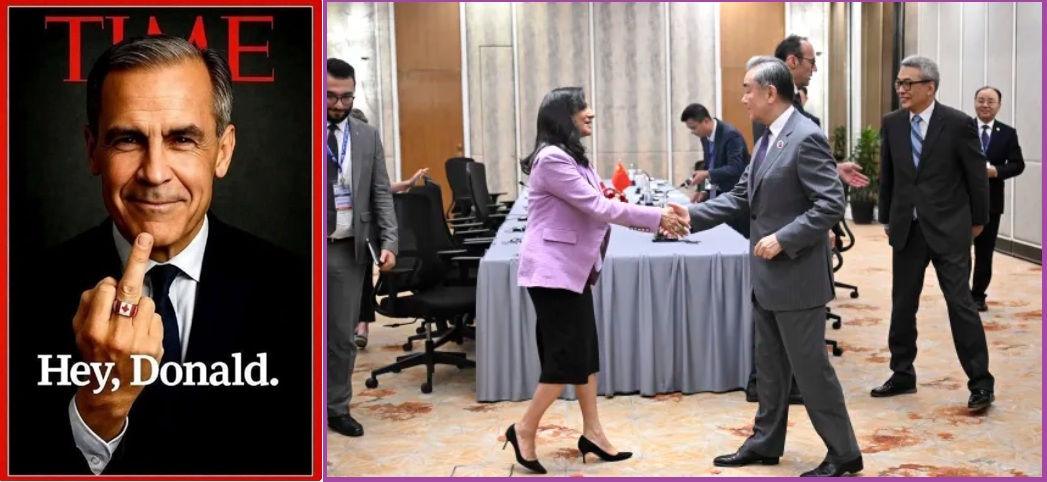
8. Choosing to embrace China in lieu of modifying bilateral trade agreements with the USA is a short-sighted fool’s errand. But with political calculations each entity, Canada and/or the EU collective, are pandering to their base out of an unwillingness to change trade behavior as demanded by Trump.
Yes, Canada may end up exporting more goods to China to replace the USA losses, but at what cost long-term.
Think about the EU auto-sector as an example.
To avoid paying their own climate change fines, the EU automakers are purchasing carbon credits from Chinese EV automakers. In the short term, that trick may diminish the auto company fines to Brussels but think about the longer-term problem.
China takes the revenue from the EU companies and uses it to subsidize their EV exports making their EVs cost substantially less than EU electric vehicles in the EU.
Geely, BYD, etc. can lower the price of an EV in Europe because EU car companies are giving them money. The EU is paying China to destroy the EU auto industry. You cannot make this stuff up.
In the Canadian model, Mark Carney may end up selling more stuff to China but he’s going to end up selling less to the USA because Chinese components are subject to larger USA trade tariffs.
Canada is betting they can export more $$ to Beijing than they will lose in diminished export $$ to the USA. Fine, that’s the bet (political calculation). However, the reality of the end result is increased dependency on China. That never ends well.
Beijing keeps the panda mask on while the dependency is created, see belt and road; however, as soon as it is in Beijing’s interest to drop the panda mask, Canada will see the dragon face behind it.
/END
Yes, Canada may end up exporting more goods to China to replace the USA losses, but at what cost long-term.
Think about the EU auto-sector as an example.
To avoid paying their own climate change fines, the EU automakers are purchasing carbon credits from Chinese EV automakers. In the short term, that trick may diminish the auto company fines to Brussels but think about the longer-term problem.
China takes the revenue from the EU companies and uses it to subsidize their EV exports making their EVs cost substantially less than EU electric vehicles in the EU.
Geely, BYD, etc. can lower the price of an EV in Europe because EU car companies are giving them money. The EU is paying China to destroy the EU auto industry. You cannot make this stuff up.
In the Canadian model, Mark Carney may end up selling more stuff to China but he’s going to end up selling less to the USA because Chinese components are subject to larger USA trade tariffs.
Canada is betting they can export more $$ to Beijing than they will lose in diminished export $$ to the USA. Fine, that’s the bet (political calculation). However, the reality of the end result is increased dependency on China. That never ends well.
Beijing keeps the panda mask on while the dependency is created, see belt and road; however, as soon as it is in Beijing’s interest to drop the panda mask, Canada will see the dragon face behind it.
/END

• • •
Missing some Tweet in this thread? You can try to
force a refresh