MoundLore Profile picture
Oct 24, 2025 9 tweets 6 min read Read on X
The Erie Canal Part III:
The Empire Awakens (1825 – 1840)

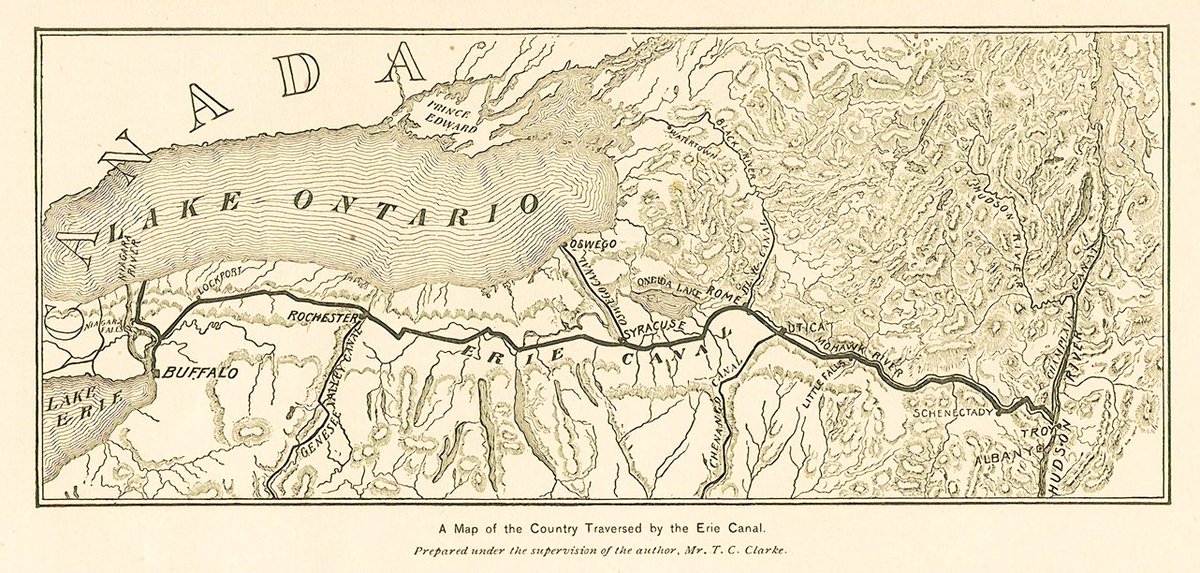
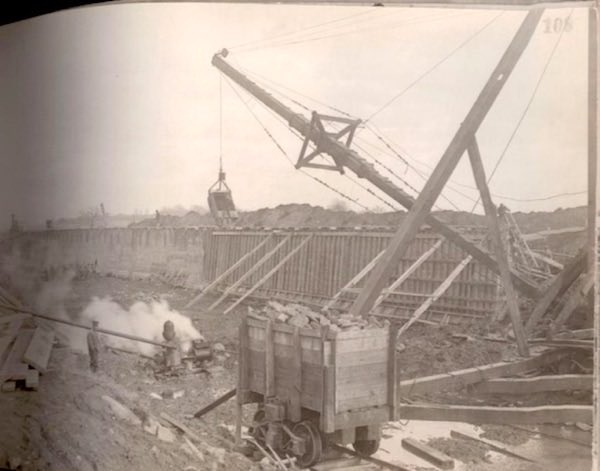
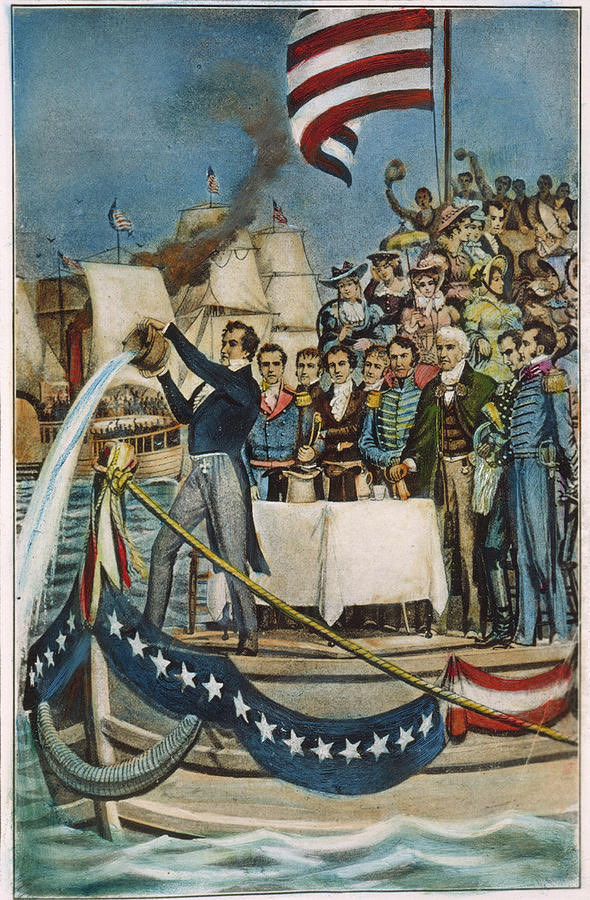
In 1825, a boat named Seneca Chief left Buffalo carrying two kegs of Lake Erie water. 🧵 Image
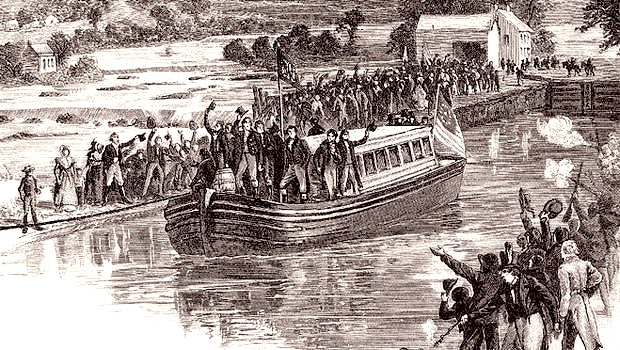
When it reached New York Harbor, that water was poured into the Atlantic.

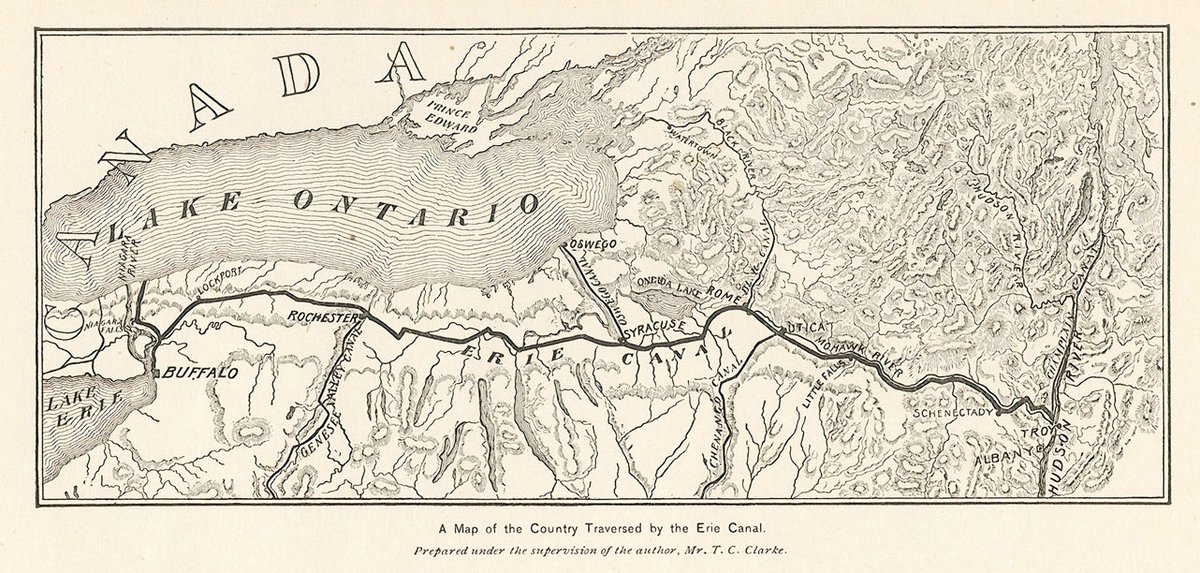
Cannon fire answered every fifteen minutes from Buffalo to the sea….a chain of thunder across 363 miles of handmade earth.

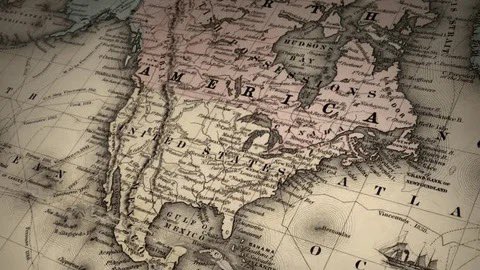
A young republic proved it could reshape its continent. Image
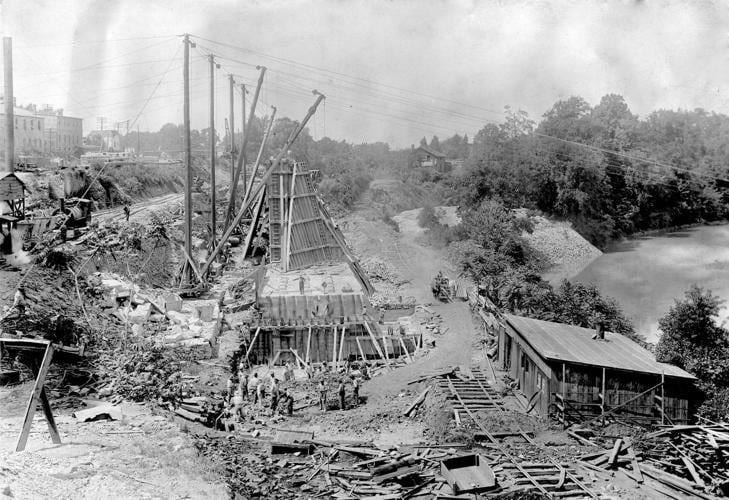
The canal crushed distance.

A barrel of flour that once cost $100 to move now cost $5.
What took three weeks took five days.

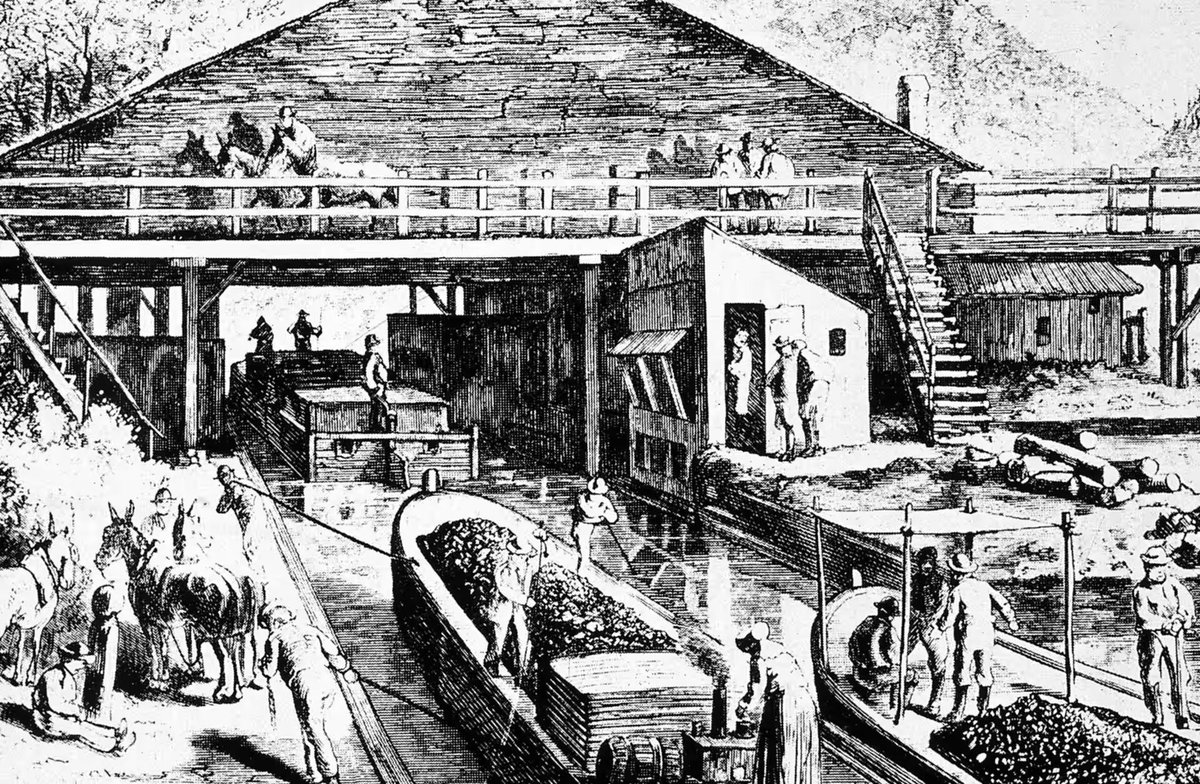
By 1830, more than 3,000 boats a year glided between the Great Lakes and the Hudson….carrying grain, iron, salt, and hope.

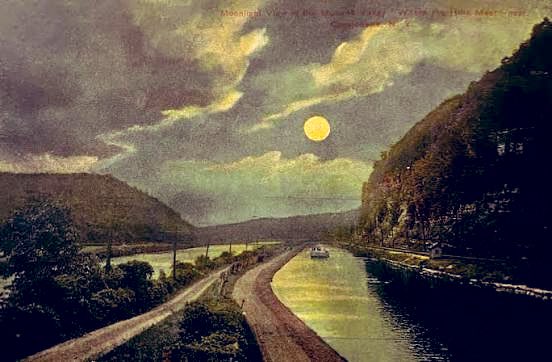
The interior and the coast finally breathed the same rhythm.Image
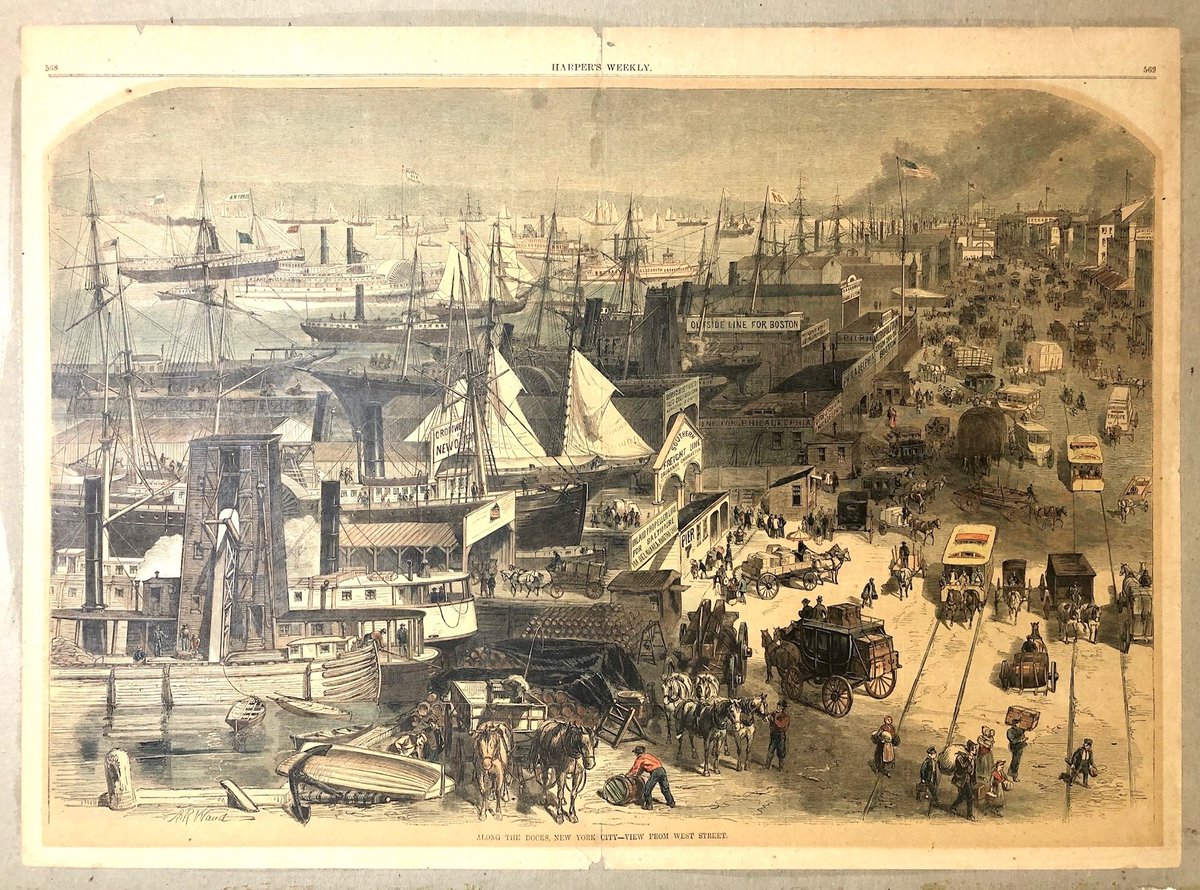
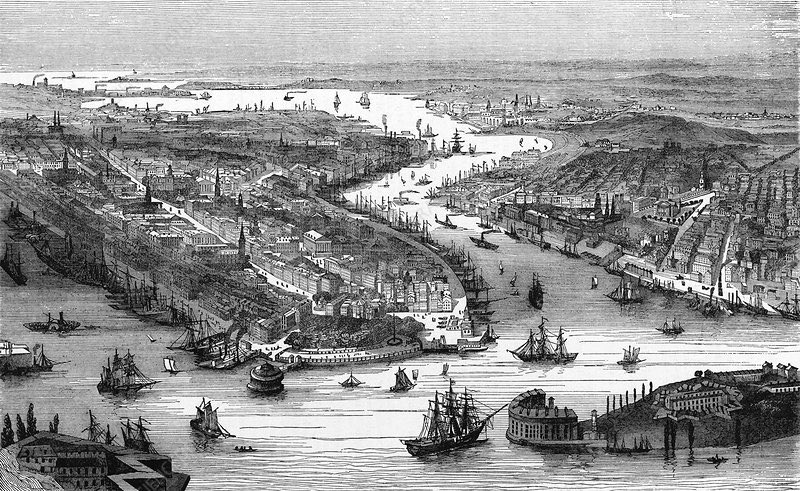
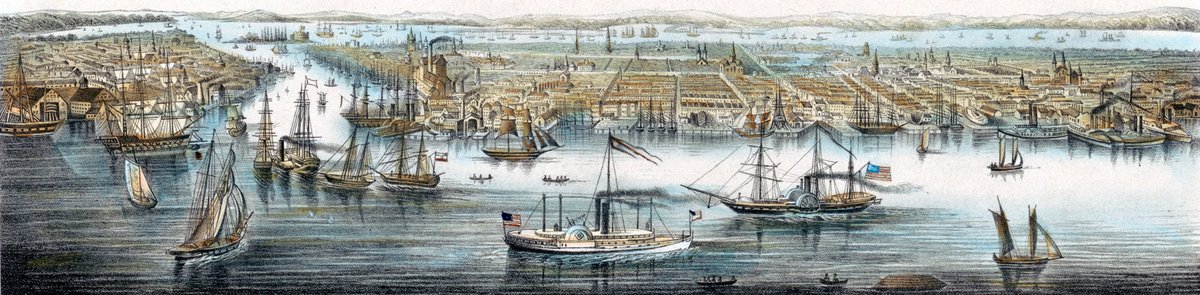
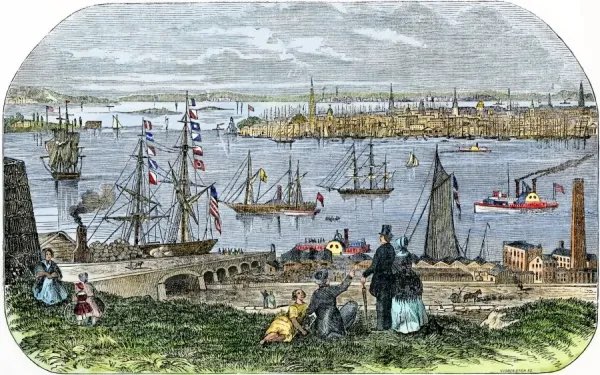
New York City erupted.
Ships crowded its piers; warehouses climbed skyward; banks spread like fire along Wall Street.

By 1835, it handled more trade than Boston, Philadelphia, and Baltimore combined.

Immigrants from Ireland, Germany, and Poland filled the docks….chasing the hum of fortune.

The Erie didn’t just move goods.
It moved gravity.Image
Image
Image
Image
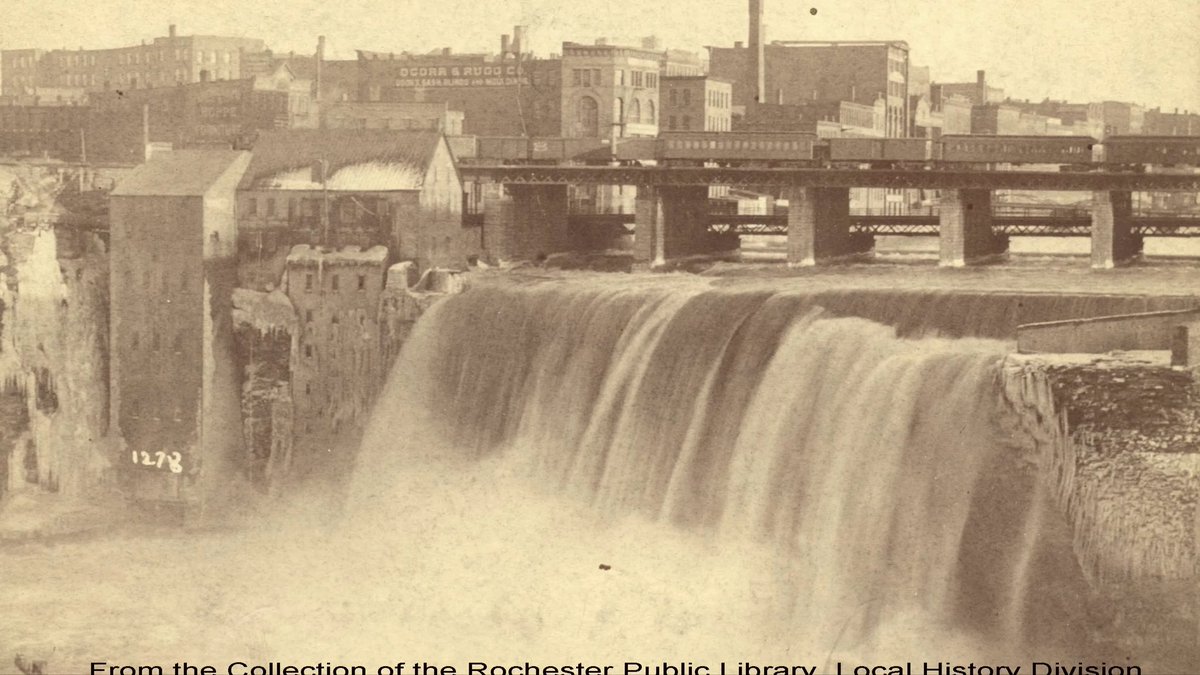
Upstate towns transformed.

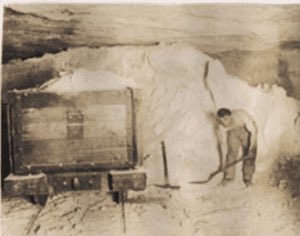
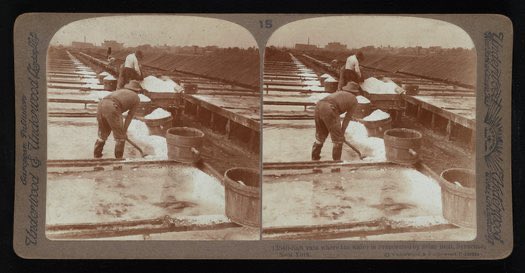
Syracuse shimmered with salt; Rochester roared with mills; Utica’s forges burned red through the night.
The towpath stitched them together like a living vein of industry.

Each dawn began with mule bells; each dusk with tavern fiddles.

The wilderness had become machinery.Image
Image
Image
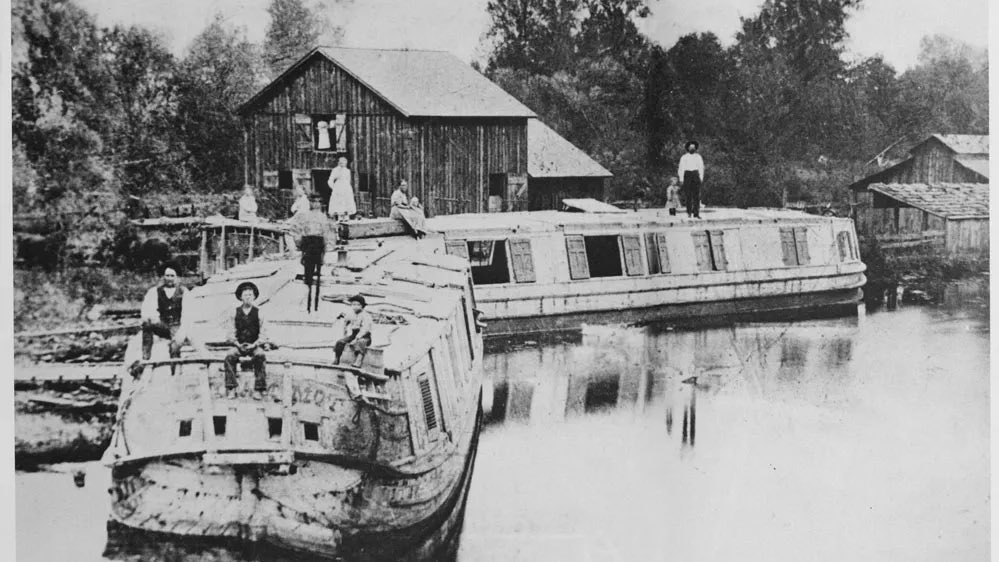
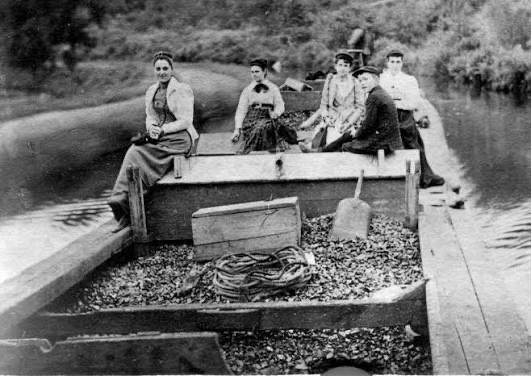
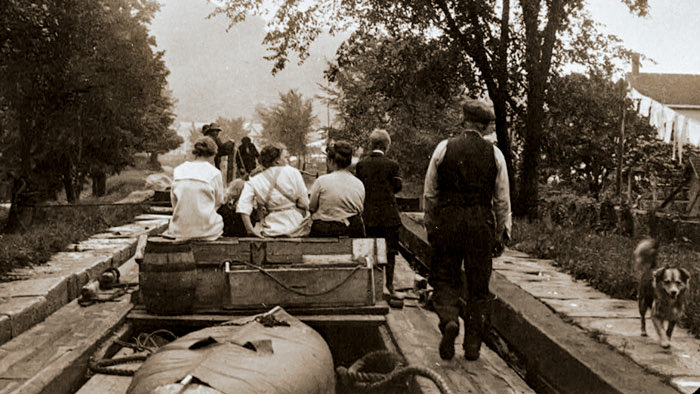
Life along the canal became its own small nation.

Families lived on boats…children sleeping beside cargo, mothers cooking by lanternlight.

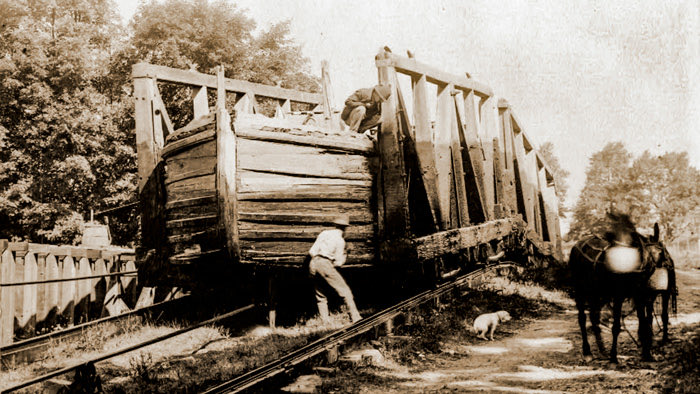
Mules clopped through morning fog, their bells soft as breath.
Boatmen sang across the water at dusk.

They called it “the ditch.”
To them, it was the world.Image
Image
Image
Image
The canal trained America to think in systems.
Every lock demanded timing, trust, and invention.

Machinists, coopers, and carpenters found steady work; repair yards and foundries rose along the banks.

Here, the idea of a middle class took form…people who built prosperity with their hands.Image
Image
Image
But progress carries memory and loss.

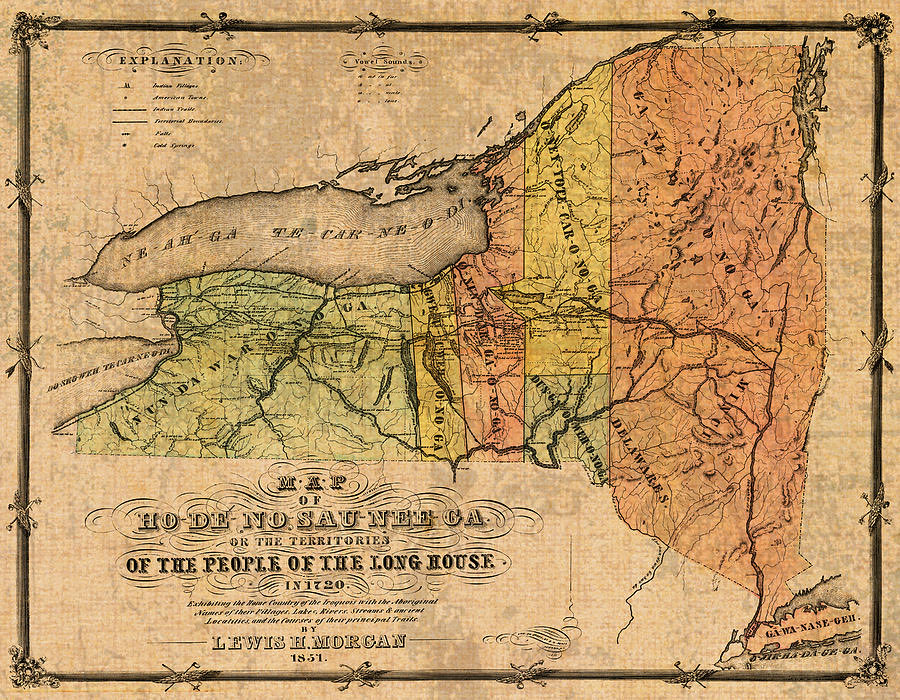
Haudenosaunee trade trails vanished beneath the new waterway.
Wetlands drained; sacred crossings drowned.

The same current that carried fortune also carried forgetting. Image
By 1840, the Erie Canal had redrawn America’s mind.

Frontier became network. Isolation became connection.
The land itself seemed answerable to will.

From its waters rose a conviction that building was destiny.
The Empire had awakened and its echo still moves through every river we try to control.

Next: Part IV Life on the Canal.
A moving frontier of barges, mules, fiddles, and folk heroes.Image

• • •

Missing some Tweet in this thread? You can try to force a refresh

 

Keep Current with MoundLore

MoundLore Profile picture

Stay in touch and get notified when new unrolls are available from this author!

Read all threads

This Thread may be Removed Anytime!

PDF

Twitter may remove this content at anytime! Save it as PDF for later use!

Try unrolling a thread yourself!

how to unroll video
  1. Follow @ThreadReaderApp to mention us!

  2. From a Twitter thread mention us with a keyword "unroll"
@threadreaderapp unroll

Practice here first or read more on our help page!

More from @MoundLore

Dec 12, 2025
Erase every American city from the map for a moment.
Leave only the rivers and the land underneath.

You know what happens? The same cities grow back in the same spots.
Louisville. Cincinnati. St. Louis. Pittsburgh.

Because those places weren’t chosen by architects or settlers🧵 Image
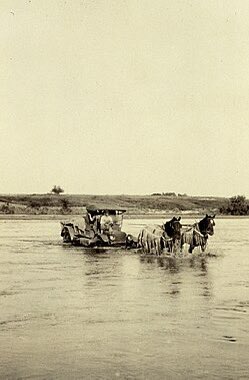
A river ford.
A place where the water runs shallow enough to walk.
They were more than a crossing. It was a continent’s nervous system.

Animals moved through it. Hunters watched it. Nations met there.

Across the East and Midwest, these fords created natural funnels where every trail, migration route, and trade path eventually converged.Image
Image
Image
Image
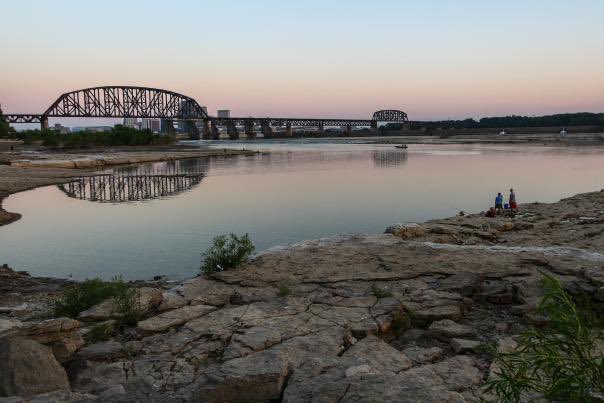
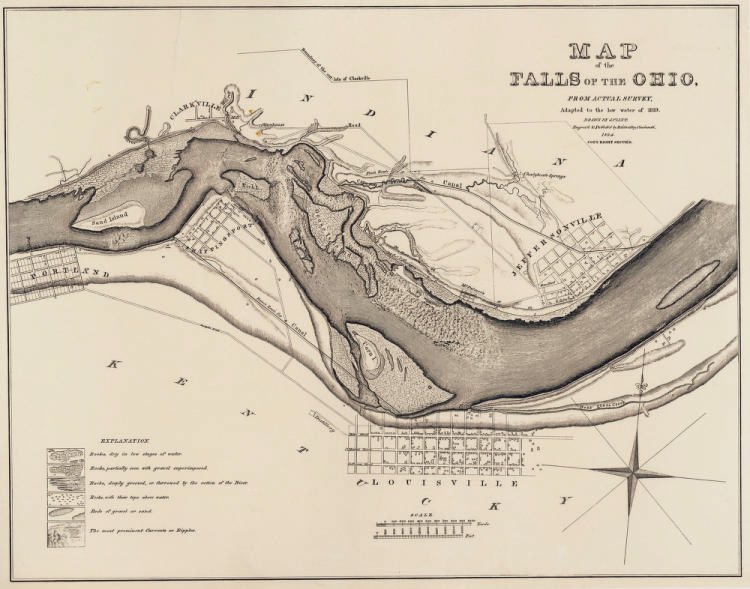
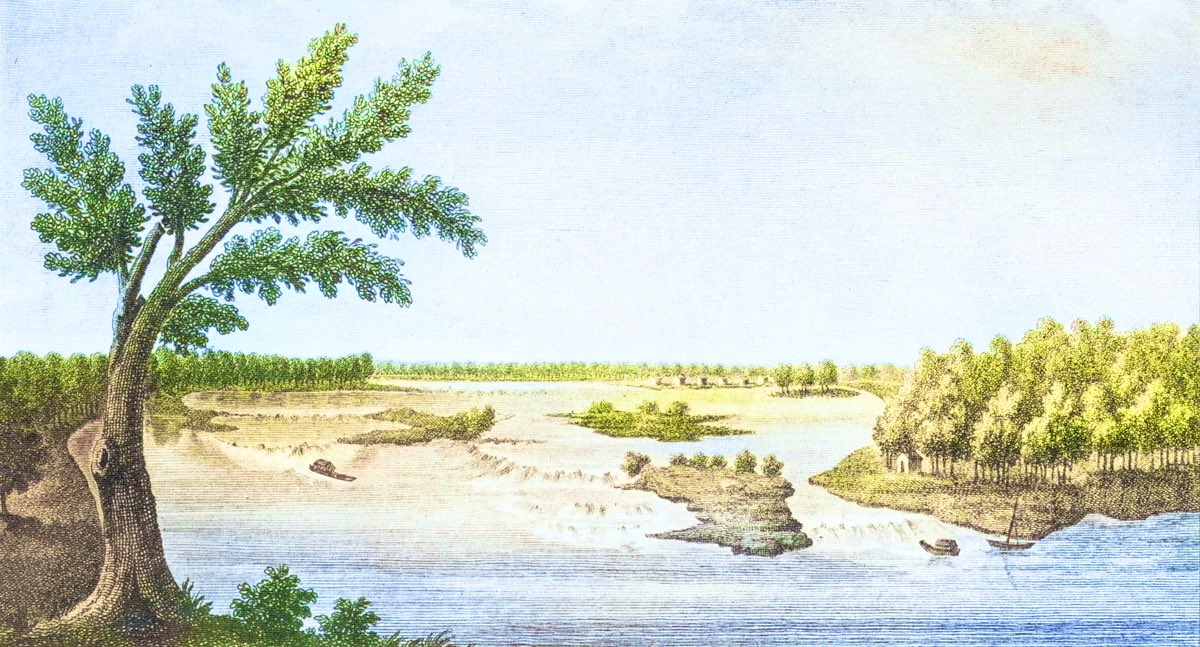
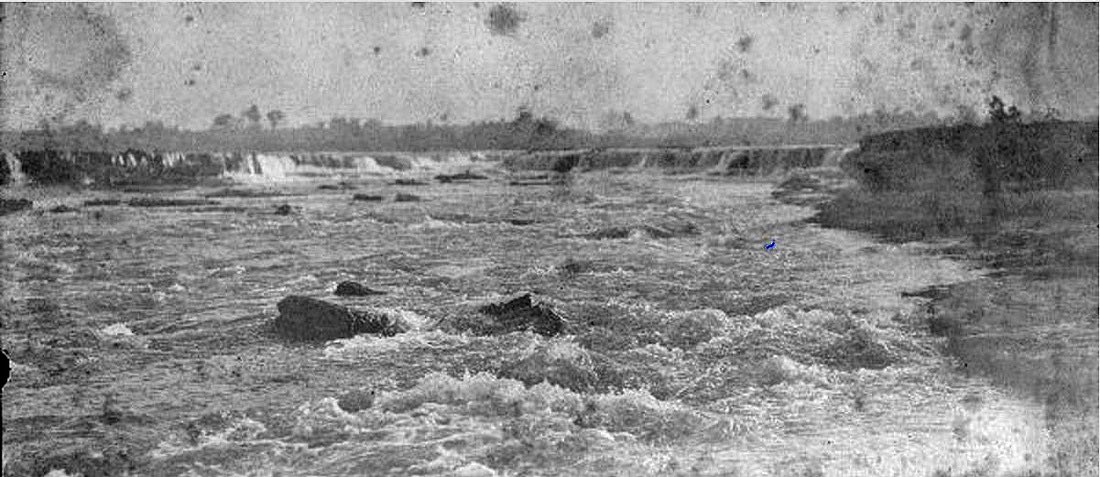
Take Louisville: the Falls of the Ohio was the only place for hundreds of miles where the river forced you to stop.

You couldn’t just drift past… you had to portage. That choke point made it a gathering spot for thousands of years.

Indigenous nations camped there. Traders waited there. Wildlife tracked the banks there.

By the time European settlers arrived, the land had already made the decision:
“Build here.”Image
Image
Image
Image
Read 8 tweets
Dec 11, 2025
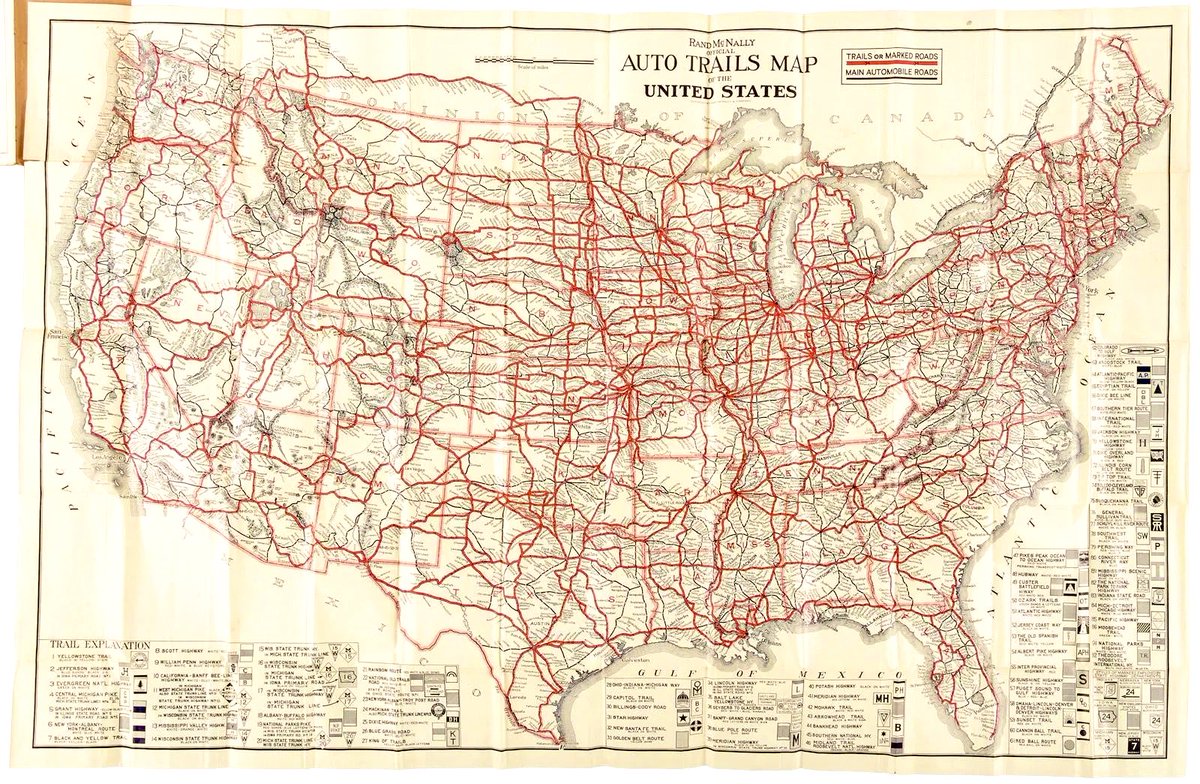
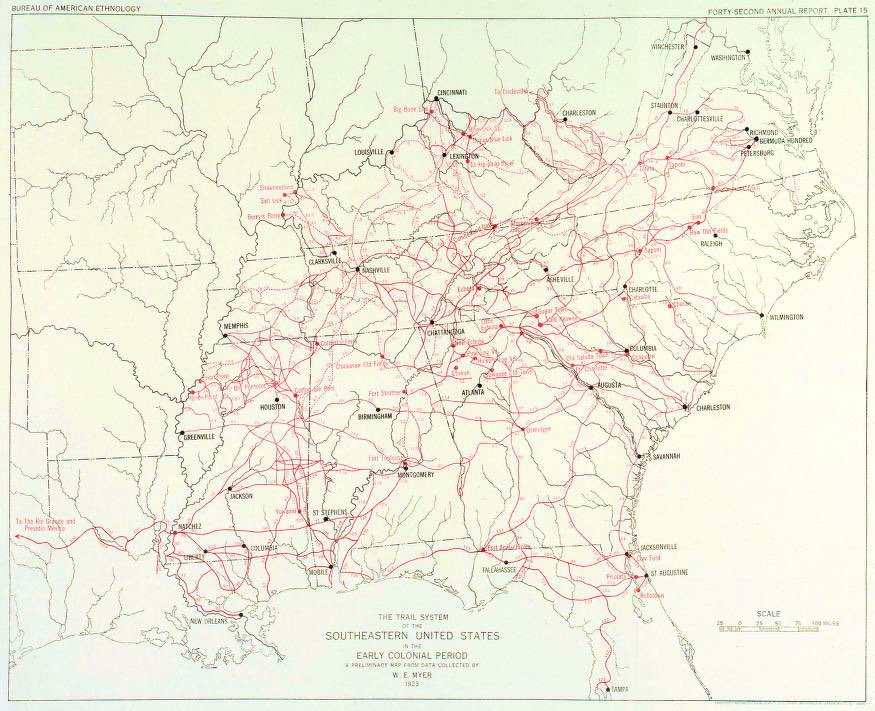
Most Americans don’t realize it, but many of our highways follow routes far older than the country itself.

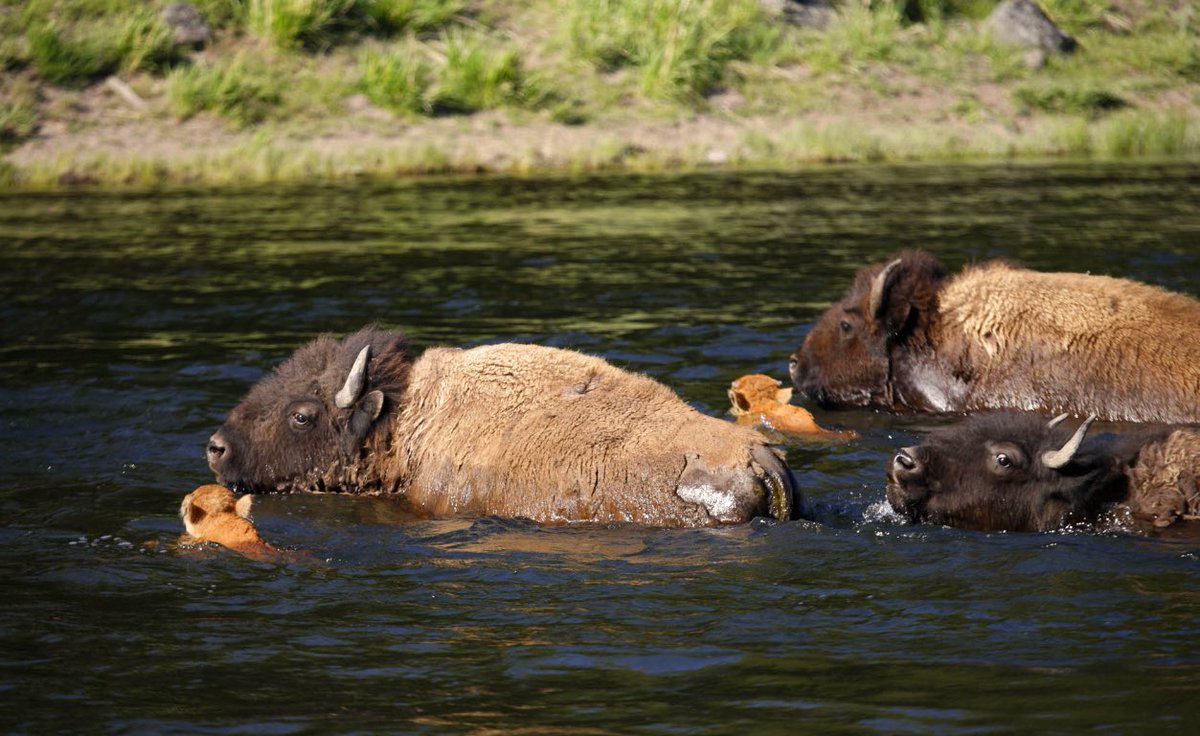
Originally corridors carved by geology, crafted by bison migrations, and turned into continental road systems by Indigenous nations.

Let’s peel back the asphalt.🧵 Image
Bison weren’t just wandering the continent.
They were reading it.

They followed the logic of the land:

• ridge spines avoiding deep valleys
• wind gaps cut by ancient rivers
• river terraces high enough to stay dry
• limestone benches that drain clean
• the shallowest possible fords
• salt and mineral lines that shaped migration

Then they pounded that wisdom into the ground for thousands of years, turning soft forest into hardened corridors that could handle tens of thousands of animals in motion.

The first paths.Image
Indigenous nations recognized these corridors for what they were:
pre-built highways laid down by the land itself.

The Shawnee, Cherokee, Miami, Haudenosaunee, Chickasaw, Catawba, Yuchi, Delaware, and dozens more expanded these traces into continental road systems.

They widened choke points.
Cut back brush.
Marked turns with bent trees.
Carved steps into steep bluffs.
Built causeways over seasonal wetlands.
Created rest sites, shrines, trading stations, and war camps along the routes.

This wasn’t “primitive travel.”
A buffalo trace became a diplomatic road, then a trade artery, then a military highway.Image
Read 8 tweets
Oct 25, 2025
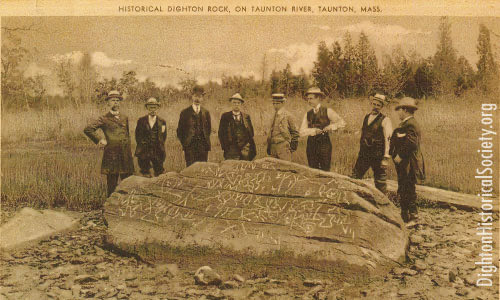
Beneath the brown water of a New England river sits a 40-ton sandstone mystery….etched long before a European map ever touched this coast.

Figures. Spirals. Hands.
Symbols no outsider could read.

They called it Dighton Rock.
And it rewrites what “history” looks like. Image
When colonists found it in the 1600s, they couldn’t believe it was Native.
They blamed Vikings, Phoenicians….even a lost Portuguese explorer.

But the Wampanoag already knew the river, the stone, and its stories.

They didn’t need to “discover” it.
They remembered it. Image
The boulder sat half-drowned in the Taunton River, catching light with every tide.

To early archaeologists it looked chaotic but to those who lived here, it mirrored the flow of water, stars, and spirit.

Each line carried rhythm.
Each tide polished memory. Image
Read 7 tweets
Oct 22, 2025
THE ERIE CANAL, PART II
CARVING THE BACKBONE (1817–1825)

They built it by hand.
363 miles through wilderness and rock.
🧵 Image
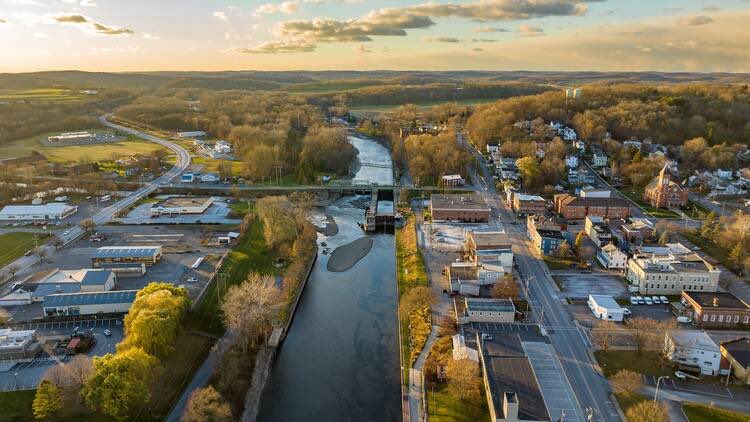
The Erie Canal wasn’t born of machines.

It was carved by men with shovels, picks, and wheelbarrows…Irish immigrants, farmhands, veterans, drifters.

For eight years they dug a river through the bones of New York. Image
Image
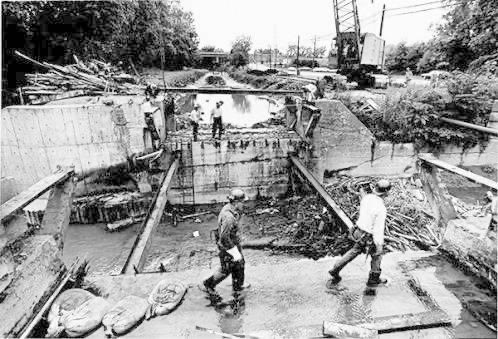
From Albany to Buffalo: 83 locks, 18 aqueducts, 363 miles.

They cut through swamps that swallowed tools and blasted limestone with black powder.

When the charges fired, thunder rolled west across the forest.
America was teaching itself to build. Image
Read 8 tweets
Oct 20, 2025
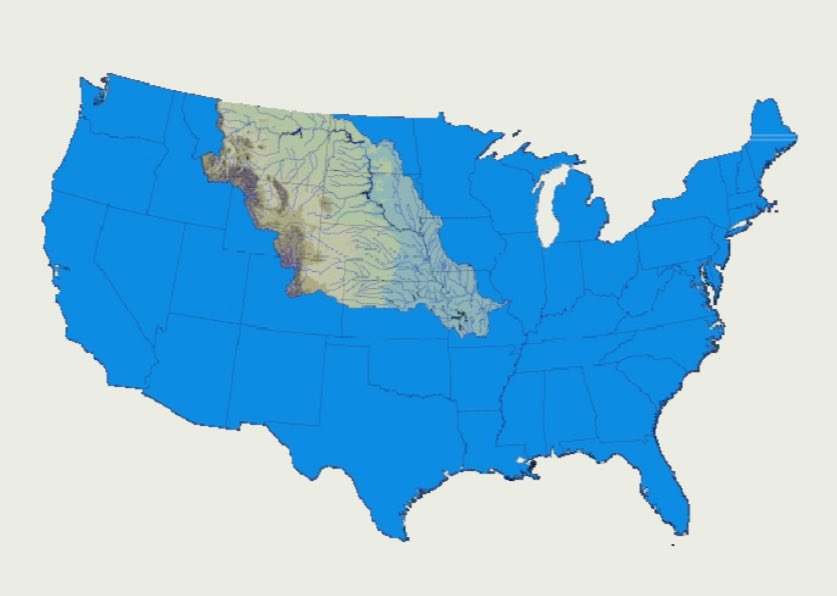
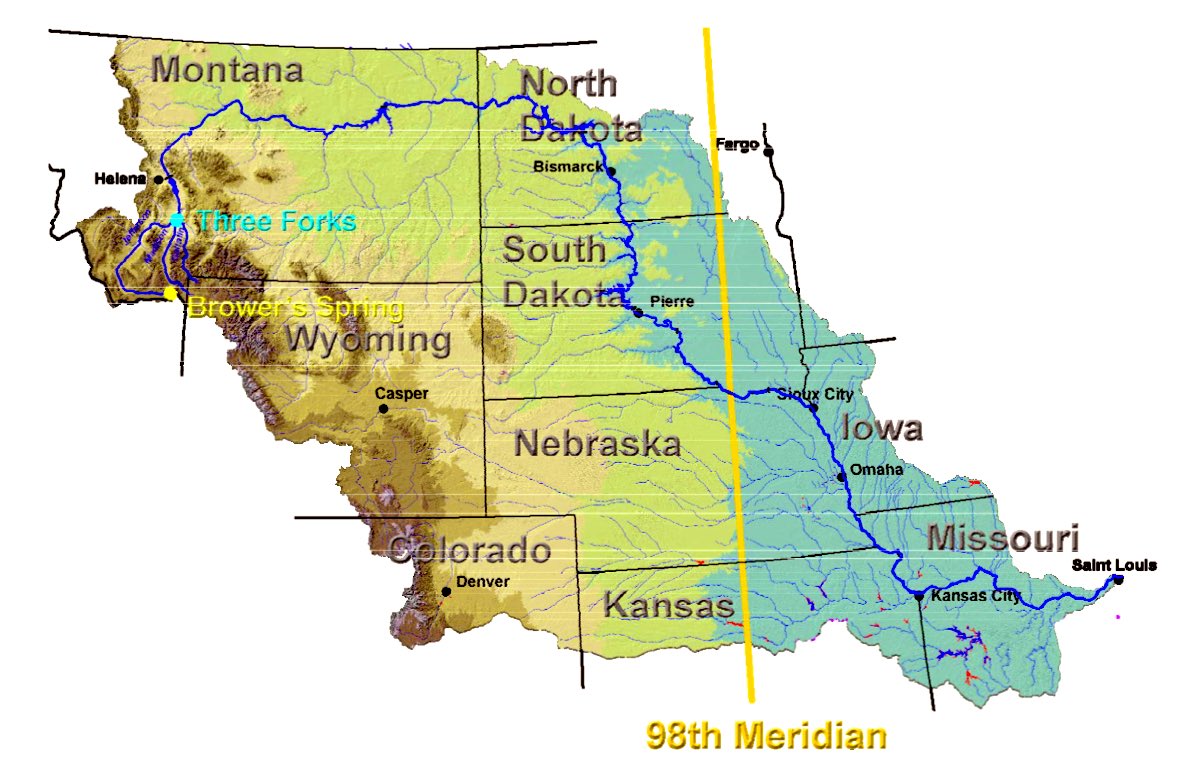
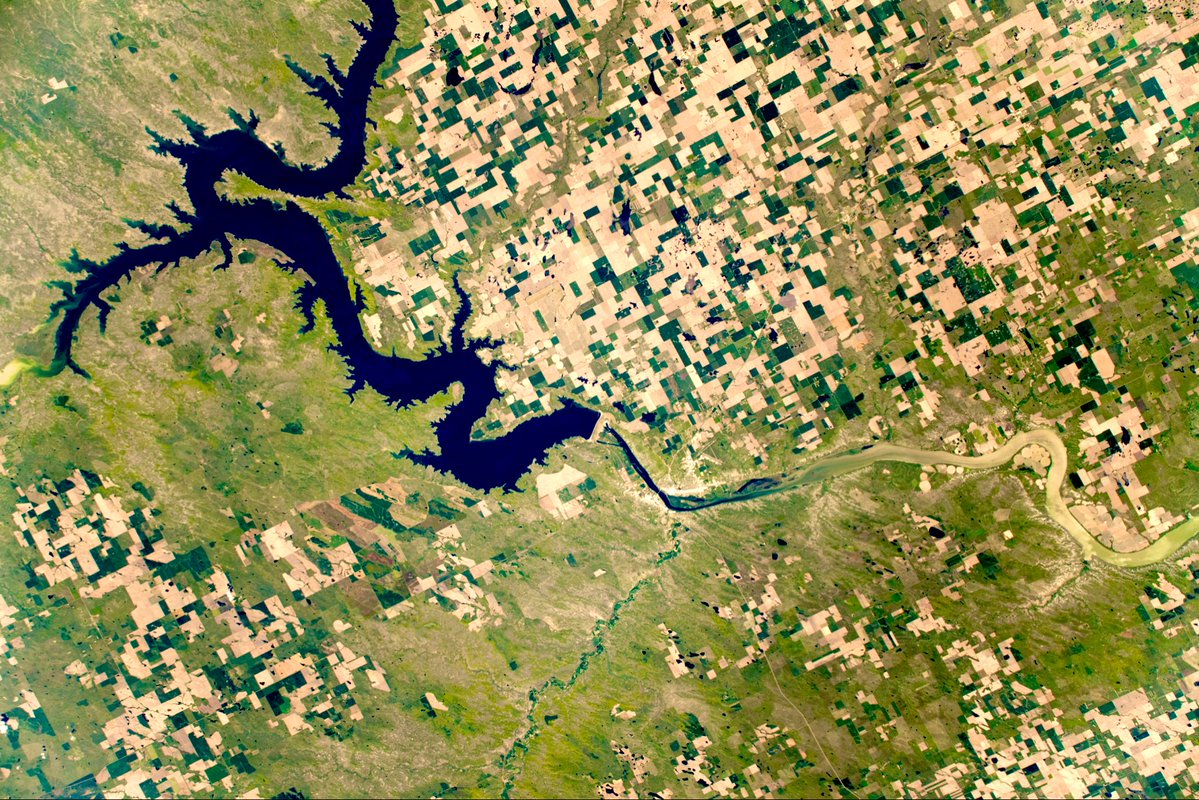
When the Missouri River was dammed, the water didn’t rush…it crept.

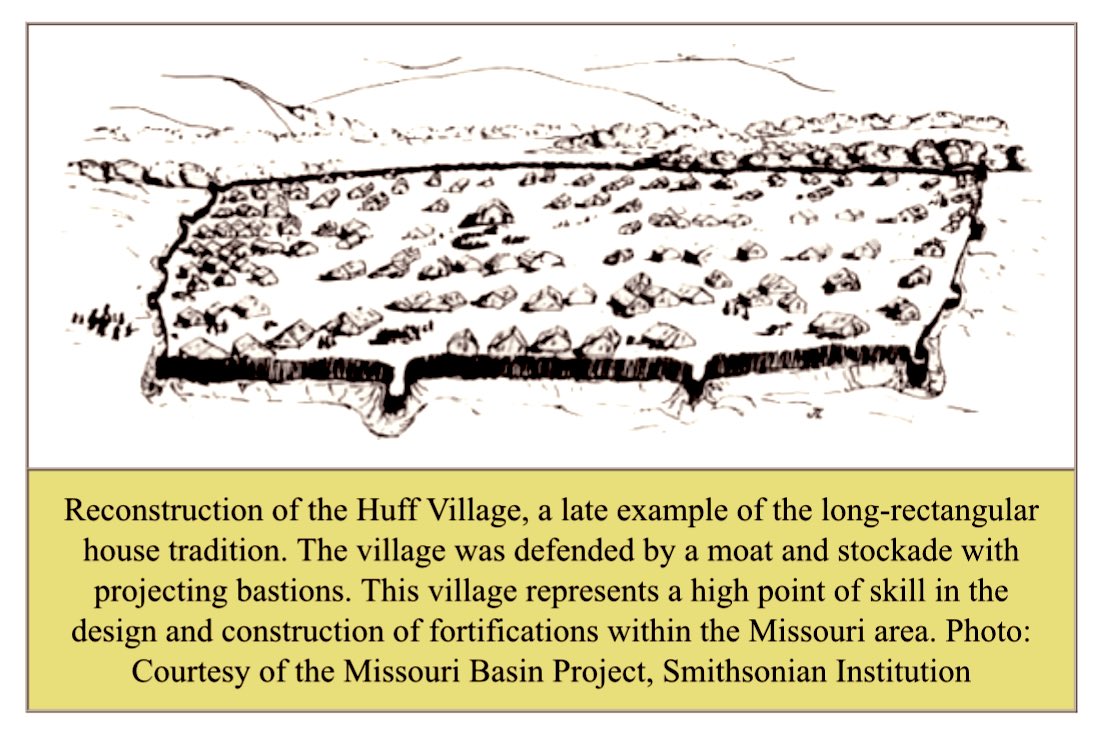
By 1962, it had swallowed whole Lakota and Mandan worlds.

Homes. Graves. Schools. Churches.
All gone beneath a reservoir called Lake Oahe.

They said it would bring light and power.
It brought silence. Image
Lake Oahe came from the Pick–Sloan Plan…a postwar promise to “tame” the Missouri.

Six great dams.
Billions in federal money.
Flood control. Irrigation. Hydropower.

But under that progress lay the fine print: Over 200,000 acres of tribal land flooded.

No consent. No repair. No return.Image
Image
Image
Image
Oahe drowned 26 Native communities across Standing Rock, Cheyenne River, and Crow Creek.

Families watched from the bluffs as the water took their homes.

Cemeteries. Gardens. Sacred trees.

One elder called it “the second Trail of Tears….but slower.”
The river rose inch by inch until the past disappeared.Image
Image
Image
Read 7 tweets
Oct 12, 2025
“They handed the keys of the White House and abandoned Black America.”

In 1877, the U.S. elite made a secret deal. What followed was a century of suffering.

This is the story of the Compromise of 1877…..but also, a warning from history. 🧵👇 Image
The Civil War was over, but peace wasn’t.

The South was burning with resentment.
The North was tired of fighting.
And Black Americans were building real power for the first time.

Then came the election of 1876….the dirtiest in U.S. history. Image
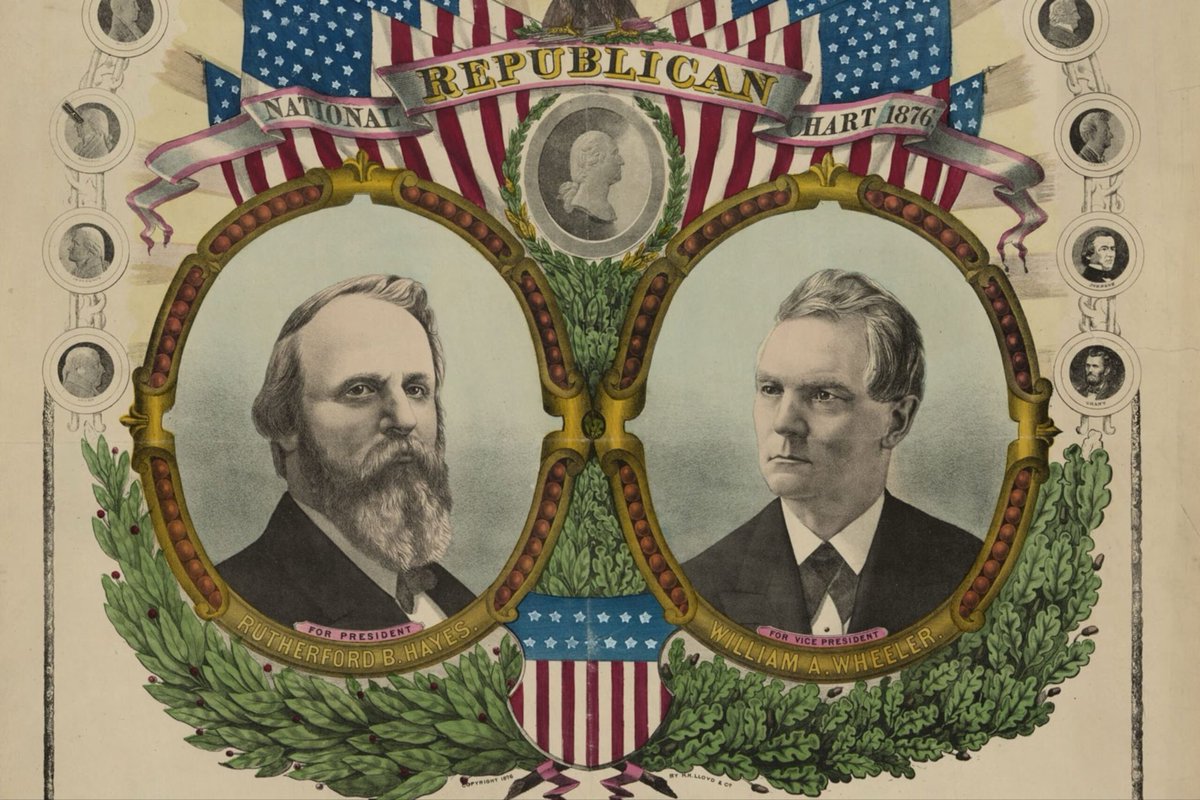
Democrat Samuel Tilden won the popular vote.
Republican Rutherford B. Hayes claimed fraud.

20 electoral votes were disputed…enough to swing the presidency.

Armed militias gathered.
Rumors of a second civil war spread.
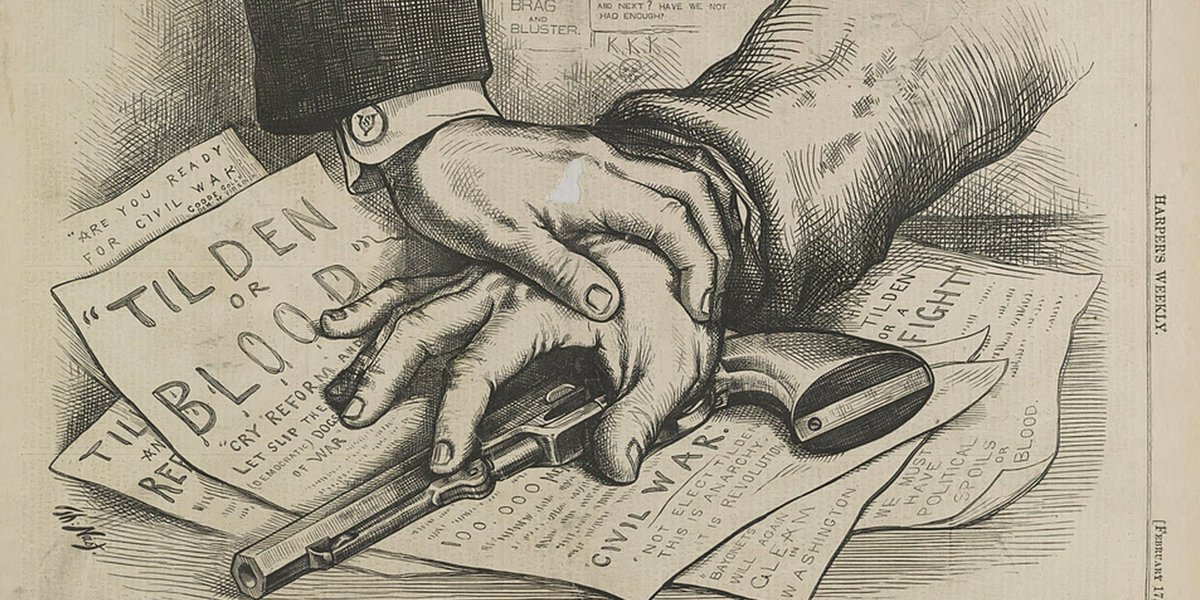
The Union was about to crack again. Image
Read 9 tweets

Did Thread Reader help you today?

Support us! We are indie developers!


This site is made by just two indie developers on a laptop doing marketing, support and development! Read more about the story.

Become a Premium Member ($3/month or $30/year) and get exclusive features!

Become Premium

Don't want to be a Premium member but still want to support us?

Make a small donation by buying us coffee ($5) or help with server cost ($10)

Donate via Paypal

Or Donate anonymously using crypto!

Ethereum

0xfe58350B80634f60Fa6Dc149a72b4DFbc17D341E copy

Bitcoin

3ATGMxNzCUFzxpMCHL5sWSt4DVtS8UqXpi copy

Thank you for your support!

Follow Us!

:(