🧵 During the antebellum period in the United States, free Black people were required to carry official documents known as Certificates of Freedom, or “Freedom papers". (cont)
These documents verified their status. The documents were typically issued by local courts and included identifying details such as name, age, physical description, and the date of emancipation or birth into freedom. Free Black individuals had to (cont)
register with county courts and often renew their papers every few years. For example, Joseph Trammell, a free Black man in Virginia, registered in 1852 and continued to do so once every two years until 1865- when enslaved Black people were (cont)
emancipated. To safeguard these documents from damage or loss, many used handmade containers, such as tin canisters or wallets, to carry their papers. Trammell, for instance, used a small tin box to protect his freedom papers (below). This was very (cont)
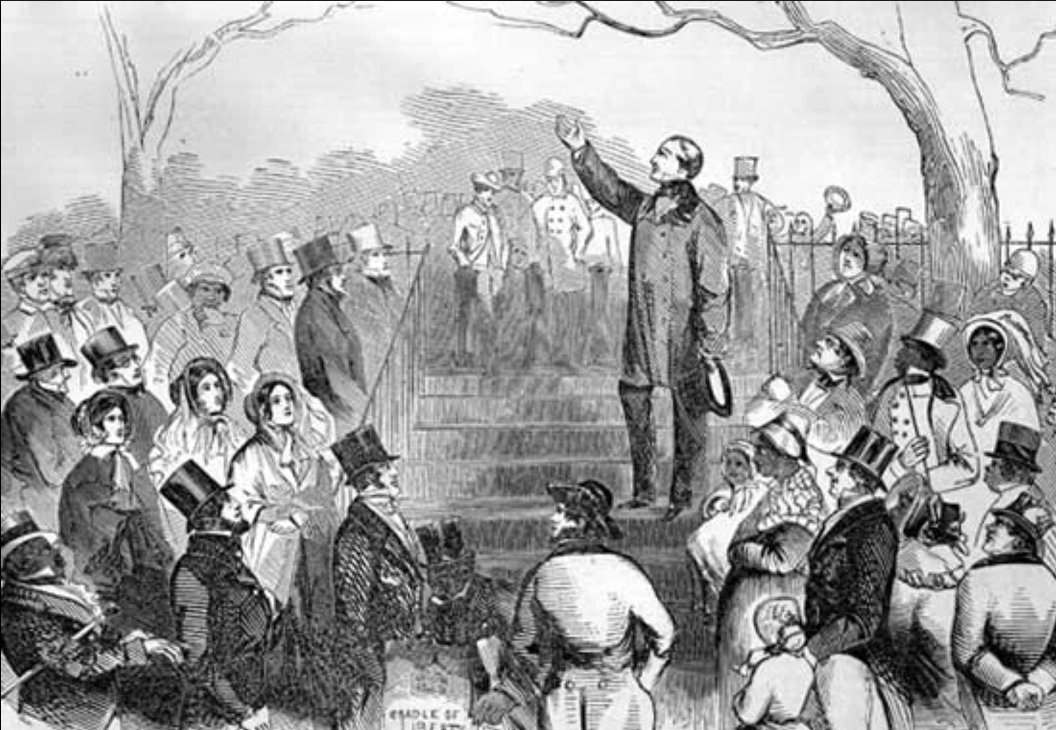
important, as free Black people had to prove their legal status to avoid being mistaken for enslaved individuals. During that period in history, many free Black people were kidnapped and placed into slavery. One such person was Solomon Northup, (below) a free Black man (cont)
who spent 12 years as a slave until his family enlisted the aid of the Governor of New York, Washington Hunt. He regained his freedom on January 3, 1853.
The burden of proof was on the individual. Free Black people had to be ready to present their papers at any time, (cont)
especially when traveling or encountering law enforcement or slave catchers. This practice underscores the precarious nature of freedom for Black people in a society that often refused to recognize their rights. Even with documentation, their liberty was never fully secure.(cont)
America in 2025: Latinos are being detained by ICE and other federal law enforcement agencies. Many are now carrying proof of status; just like free Black once people did.
"The past is prologue"~ William Shakespeare.
Never dismiss history.
#KeepItWoke
#DedicatedToTam✡️🕊
• • •
Missing some Tweet in this thread? You can try to
force a refresh

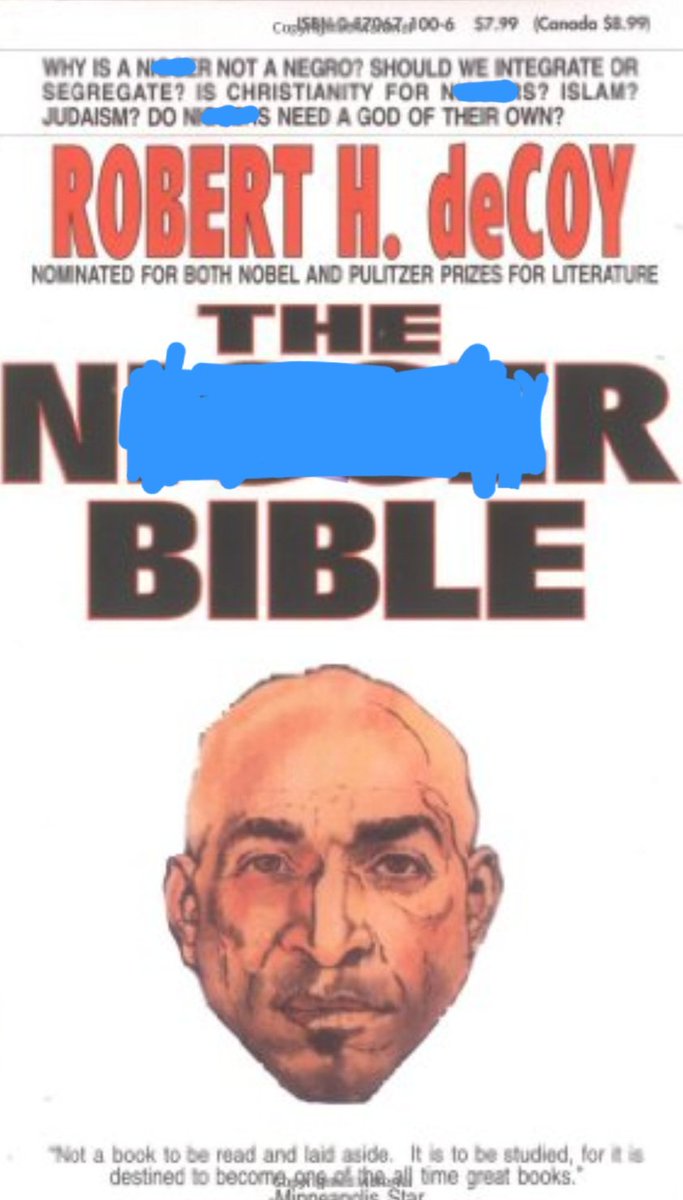
🧵 This book is one of the most profound pieces of literature I've ever read. I held off on posting a thread about it due to the title—but as they say, never judge a book by its cover.
Pull up a🪑.(cont)
#ProudBlue
#ResistanceRoots
#USDemocracy
#Voices4Victory
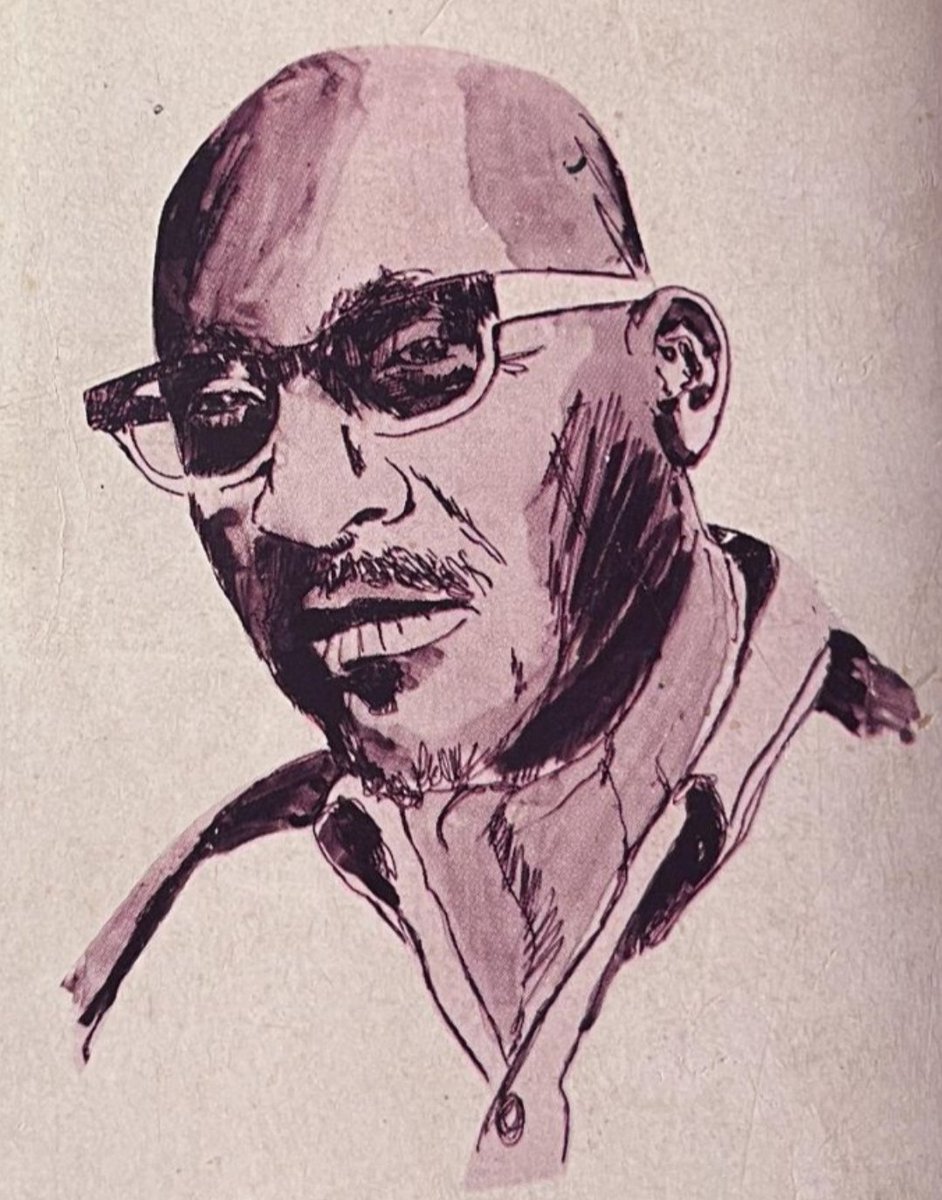
In 1967, Robert H. deCoy (below) dropped "The N****r Bible"—a raw, controversial "testament" that challenged everything Black Americans were told about their identity. It wasn't just a book; it was a psychological grenade intended to shatter "mental slavery." (cont)
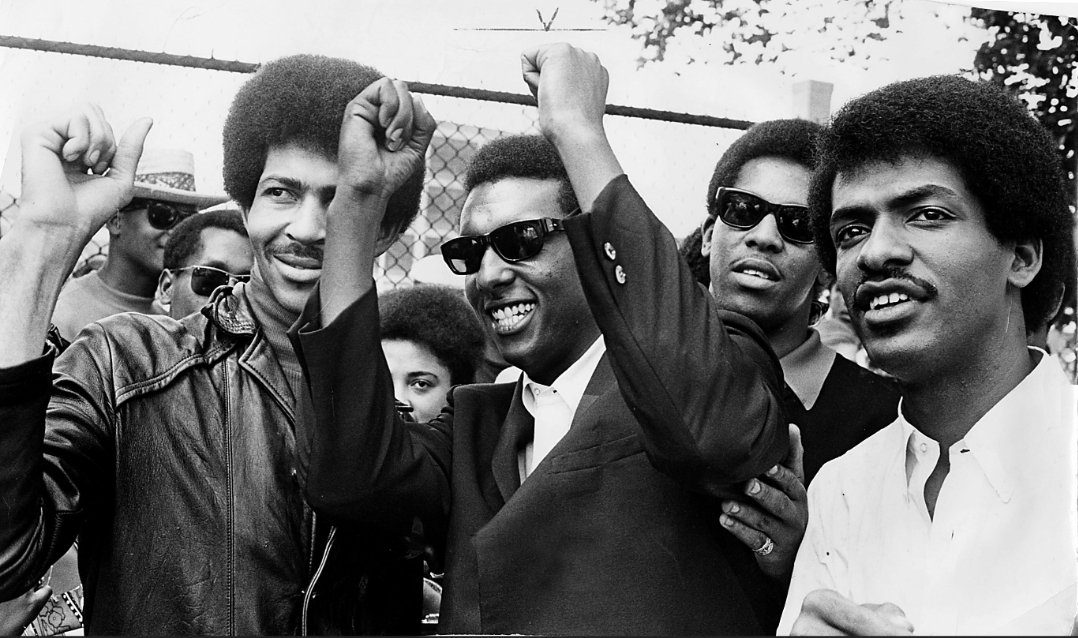
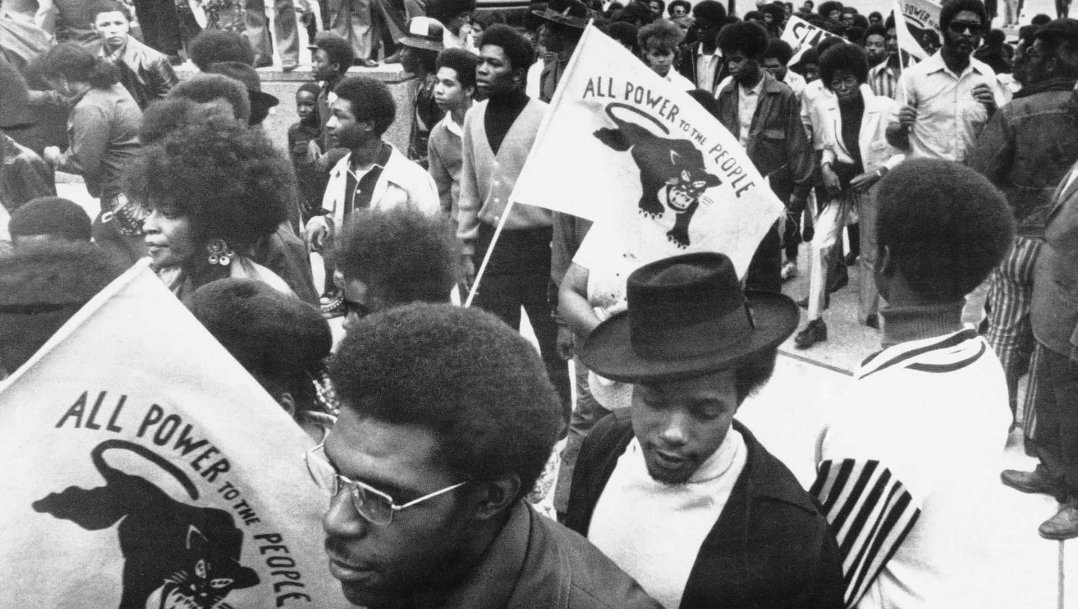
To understand why Robert H. deCoy used such jarring language, we have to look at the environment in which he was writing. Published in 1967, The N****r Bible arrived at a major turning point in American history—the rise of the Black Power movement. He joined other thinkers (cont)
🧵 As we celebrate #MLKDay2026, there are plans for a Jan 23, 2026 general strike. The problem is that today's protesters don't know how to shut shyt down.
Pull up a 🪑 and learn how it was done.(cont)
#ProudBlue
#ResistanceRoots
#USDemocracy
#Voices4Victory
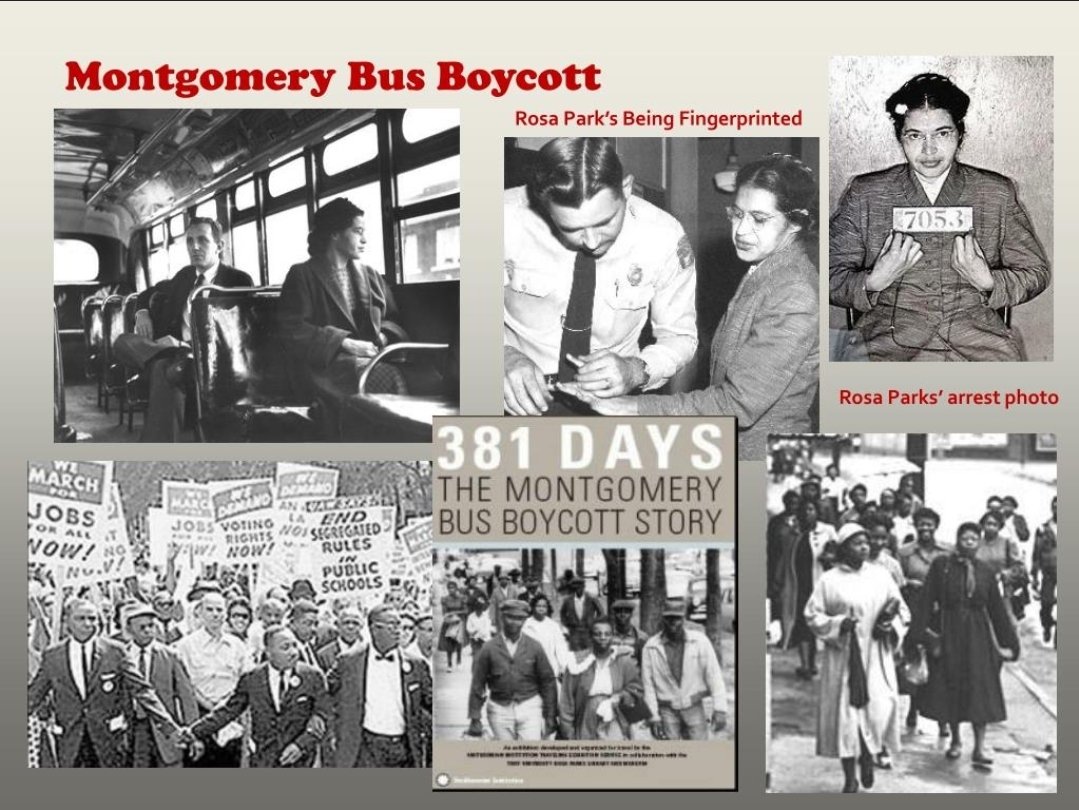
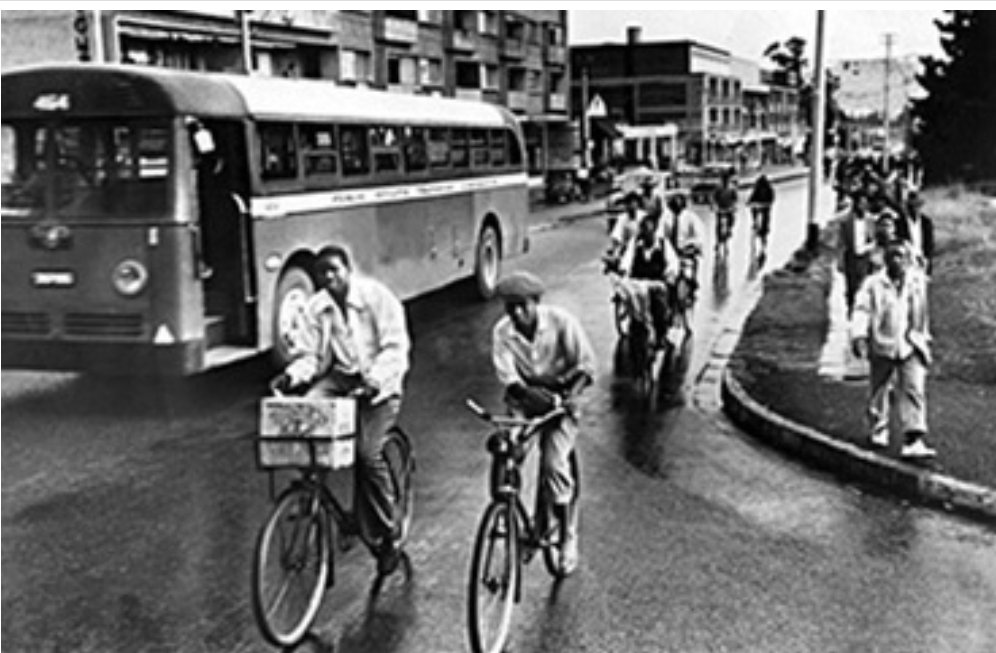
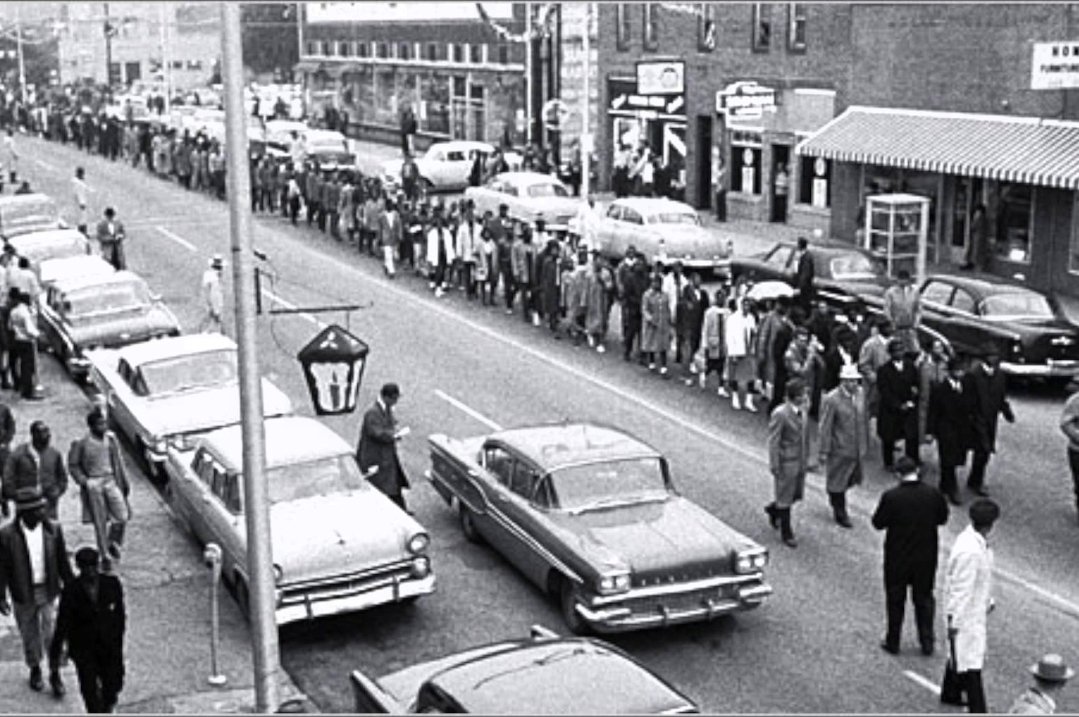
381 days. That’s how long the Black community in Montgomery walked, carpooled, and biked to dismantle bus segregation. It wasn't just a moment—it was one of the most organized acts of nonviolent resistance in history. And, one of the longest. (cont)
We all know Rosa Parks’ brave "No," but the logistics were a masterpiece. To make the boycott work, the MIA (Montgomery Improvement Association) organized a fleet of 300+ private cars to act as a DIY transit system. They out-managed the city’s own infrastructure. (cont)
🧵 On July 20, 1969 — the night America celebrated the moon landing — Camp Lejeune exploded in one of the most serious racial clashes in Marine Corps history. Pull up a 🪑. (cont)
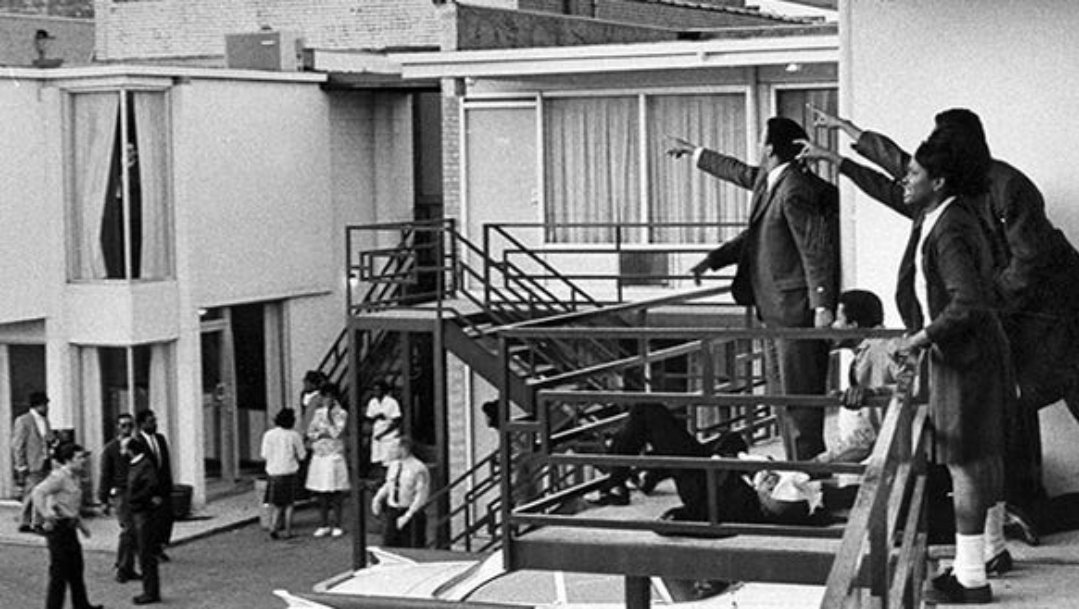
What happened wasn’t random. It was the result of a year of rising tension, especially after the assassination of Dr. Martin Luther King Jr. When King was killed in April 1968, Black servicemen across the armed forces reacted with grief, anger, and a sense of betrayal. (cont)
Many saw the military’s response as dismissive or openly hostile. Bases went on lockdown. Commanders emphasized “discipline,” not mourning. At Camp Lejeune, Black Marines held vigils, demanded space to grieve, and asked for recognition of King’s legacy. Instead, many were (cont)
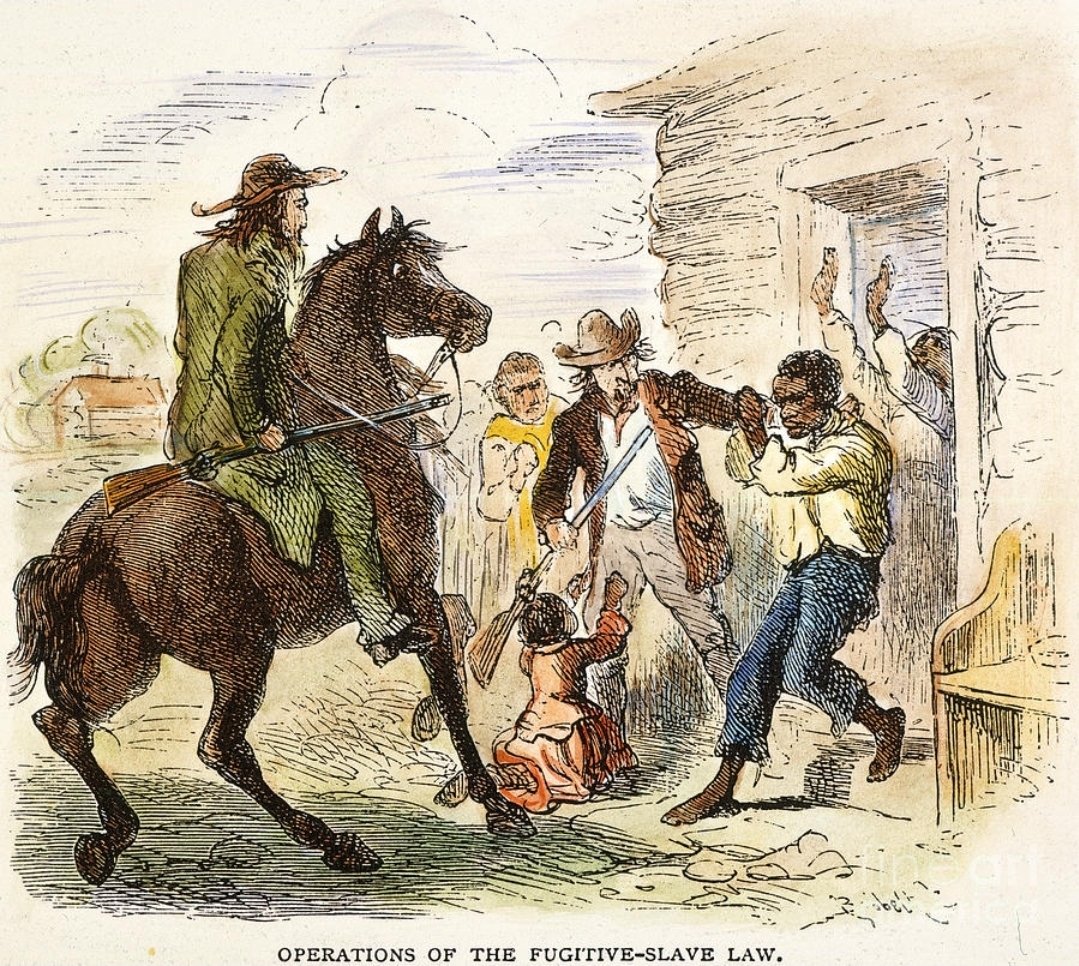
🧵 The Fugitive Slave Act of 1850 was supposed to end the problem of runaway slaves once and for all—but it didn't. There's a lot of moving parts here. Pull up a seat.🪑 (cont)
The Fugitive Slave Act of 1850 wasn't just a law; it was a federal endorsement of kidnapping. It turned the North into a hunting ground and forced every citizen to become a participant in the machinery of slavery. It led to the rise of abolitionists.(cont) britannica.com/topic/abolitio…
Enter the slave catchers. Armed with federal warrants, these bounty hunters didn't need a jury. A simple affidavit from a slaveholder was enough to drag someone South–true story! Black people were legally barred from testifying in their own defense.(cont) encyclopedia.com/humanities/app…
In 1941, as the U.S. prepared for WWII, the American Red Cross launched a national blood program for the military. What most people don’t know: the program initially banned Black Americans from donating at all. This was Jim Crow in a lab coat. (cont)
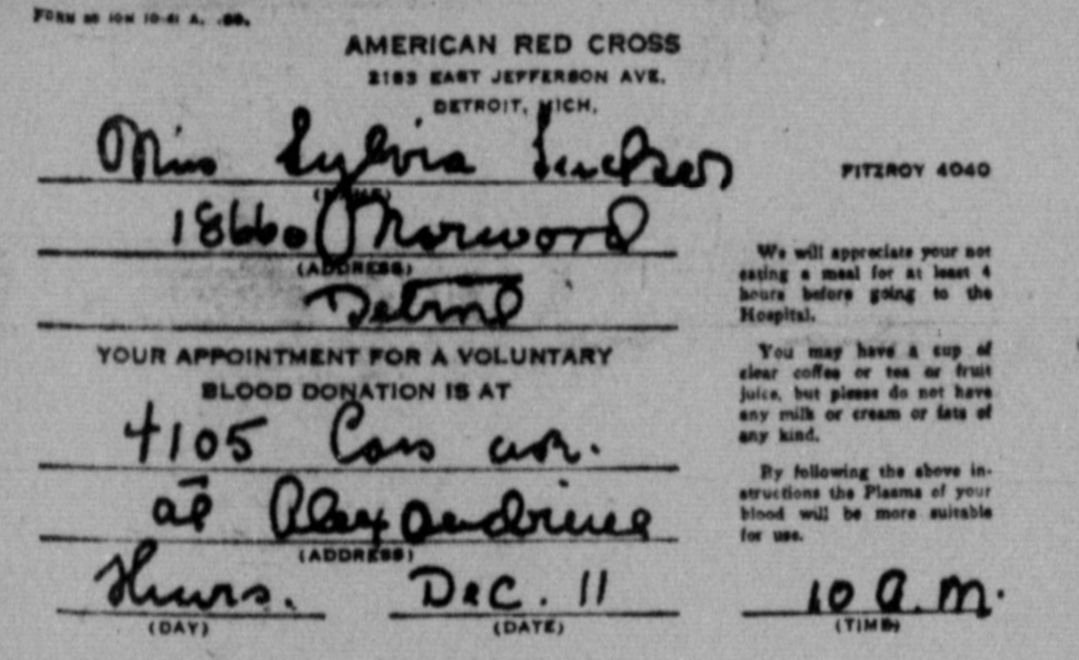
In December 1941, a Detroit Black woman named Sylvia Tucker voluntarily made an appointment (below)with the Red Cross. She was turned away from donating blood because “orders from the National Offices barred Negro blood donors”. The ban leaked to the press, sparking public (cont)
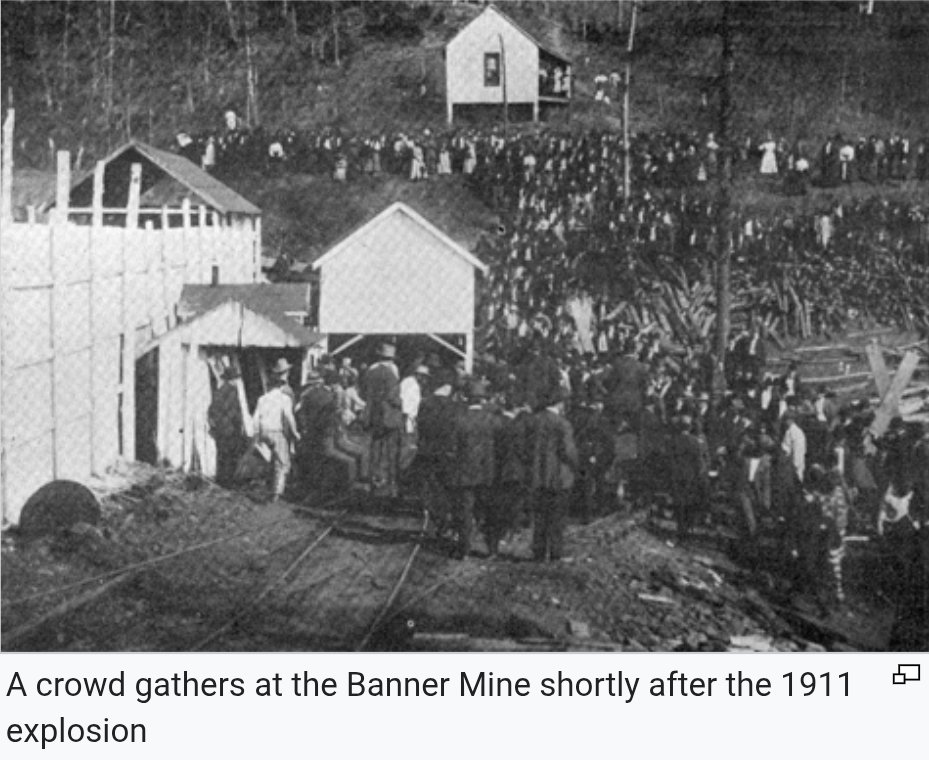
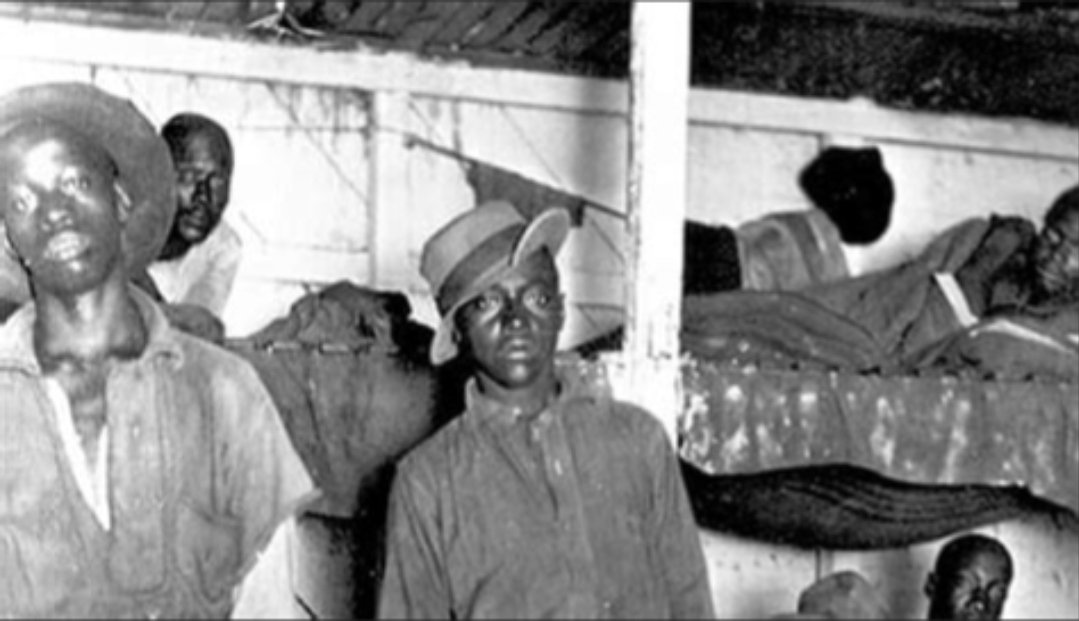
🧵 On April 8, 1911, one of the deadliest industrial disasters in U.S. history struck the Banner Coal Mine near Littleton, Alabama.
128 men were killed in an explosion. Most of them were Black. (cont)
It was a disaster built on the convict‑lease system. The tragic event was not taught in schools for obvious reasons. But, the real story is about race, labor, and the state. The blast hit around 6:30 a.m. A spark ignited trapped gas, destroying the (cont)
ventilation system. Only a handful died in the explosion itself. Most of the men suffocated in the dark, trapped behind collapsed tunnels. The majority of the dead were Black men; most of them were convicts leased to the mine by Alabama’s state and county governments.(cont)