Lea Alhilali, MD Profile picture
Nov 4, 2025 13 tweets 5 min read Read on X
1/The 90s called & wants its carotid imaging back!

It’s been 30 years--are you still on NASCET?

Feeling vulnerable about plaque vulnerability?

This month’s @theAJNR SCANtastic has what you need to know about carotid plaque

ajnr.org/content/46/10/…Image
2/Everyone knows the NASCET criteria:

If the patient is symptomatic & the greatest stenosis from the plaque is >70% of the diameter of normal distal lumen, patient will likely benefit from carotid endarterectomy

But that doesn’t mean the remaining patients are just fine! Image
3/Yes, carotid plaques resulting in high-grade stenosis are high risk

But assuming that stenosis is the only mechanism by which a carotid plaque is high risk is like assuming that the only way to kill someone is by strangulation. Image
4/Carotid disease not only harms by strangulation (stenosis), but also by serving as a source of emboli

A gun isn’t less dangerous bc it shoots from a distance—similarly, a plaque without stenosis is still dangerous if it causes emboli, even if the harm is from a distance Image
5/So how can we tell which plaques are high risk for emboli stroke and which are stable?

Well, we need to need to leave NASCET behind and look at the plaque itself for clues Image
6/We can use carotid plaque-RADS, which has been adapted for CTA, bc that is the modality we are most often evaluating carotid plaques on! Image
7/Type 1 = no plaque.

This is easy to remember bc the number 1 looks like a smooth straight vessel with no plaque! Image
8/Type 2 = plaque thickness < 3mm & no signs of vulnerability (ulceration)

You can remember this bc 2 is less than 3 & the curve of the number 2 mimics a smooth, non ulcerated plaque. Image
9/Type 3 = plaque thickness >3mm or ulceration

Remember 3 is greater than 3!

And the scooped out part of the number 3 looks like scooped out ulceration! Image
10/Type 4 = plaque hemorrhage or intraluminal thrombus

You can remember this bc the pointy part of the number 4 looks like pointy thrombus pointing into the lumen Image
11/You can also remember that type 4 is for plaque hemorrhage bc the number four has a hole in the middle—just like the hole blasted in a plaque by intraplaque hemorrhage Image
12/In this month’s @theAJNR, Saba et al. found that this scoring system was highly reproducible among intermediate & experienced readers.

But like all things radiology—there was a learning curve for inexperienced readers. Image
13/So go beyond NASCET!

Hopefully, now you’ll never feel vulnerable about vulnerable carotid plaque!

Follow @theAJNR and check it out for yourself:

ajnr.org/content/46/10/…Image

• • •

Missing some Tweet in this thread? You can try to force a refresh

 

Keep Current with Lea Alhilali, MD

Lea Alhilali, MD Profile picture

Stay in touch and get notified when new unrolls are available from this author!

Read all threads

This Thread may be Removed Anytime!

PDF

Twitter may remove this content at anytime! Save it as PDF for later use!

Try unrolling a thread yourself!

how to unroll video
  1. Follow @ThreadReaderApp to mention us!

  2. From a Twitter thread mention us with a keyword "unroll"
@threadreaderapp unroll

Practice here first or read more on our help page!

More from @teachplaygrub

Jan 27
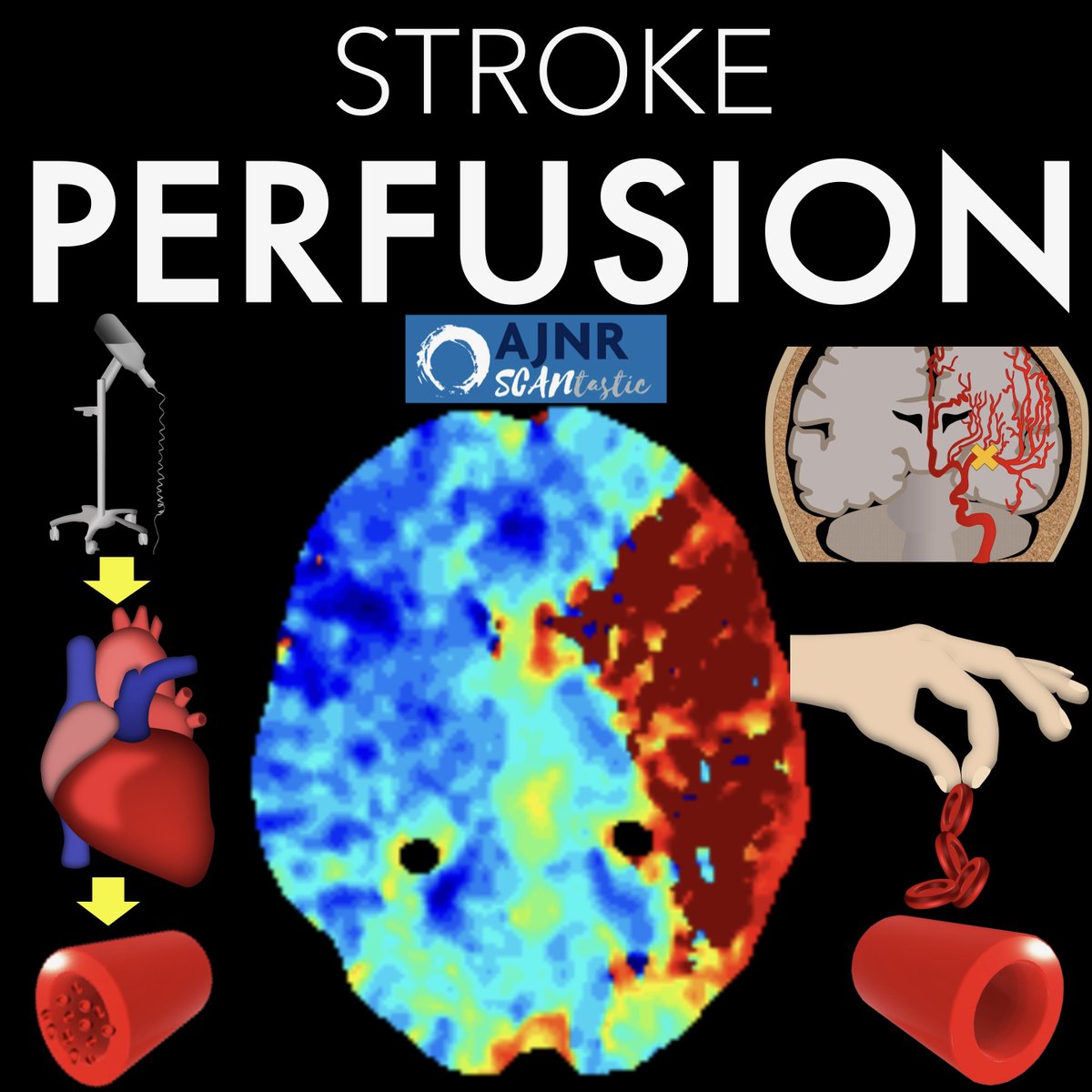
1/The hardest thread yet! Are you up for the challenge?

How stroke perfusion imaging works!

Ever wonder why it’s Tmax & not Tmin?

Here’s what to know from @theAJNR SCANtastic!

ajnr.org/content/47/1/28Image
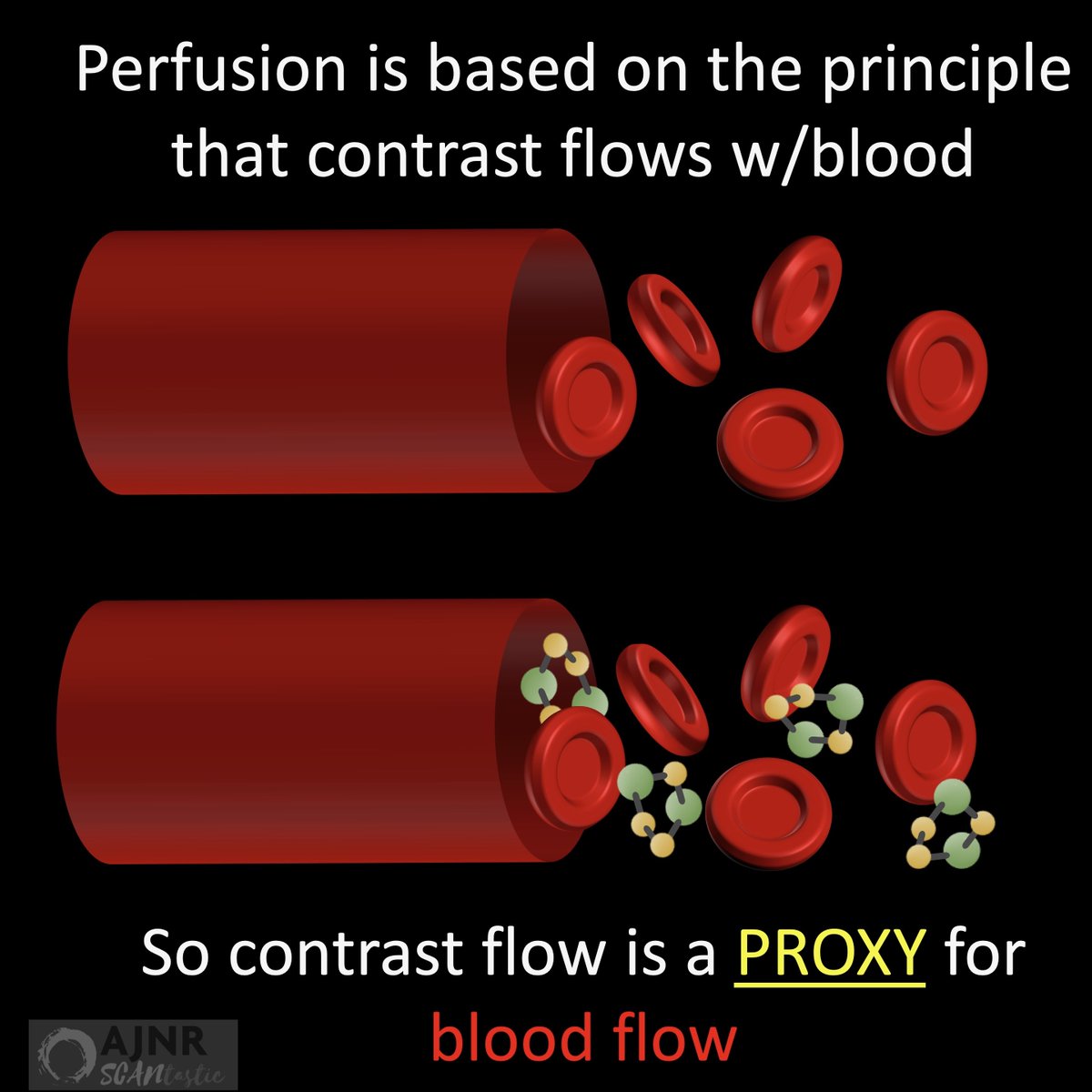
@TheAJNR 2/Perfusion imaging is based on one principle: When you inject CT or MR intravenous contrast, the contrast flows w/blood & so contrast can be a surrogate marker for blood.

This is key, b/c we can track contrast—it changes CT density or MR signal so we can see where it goes. Image
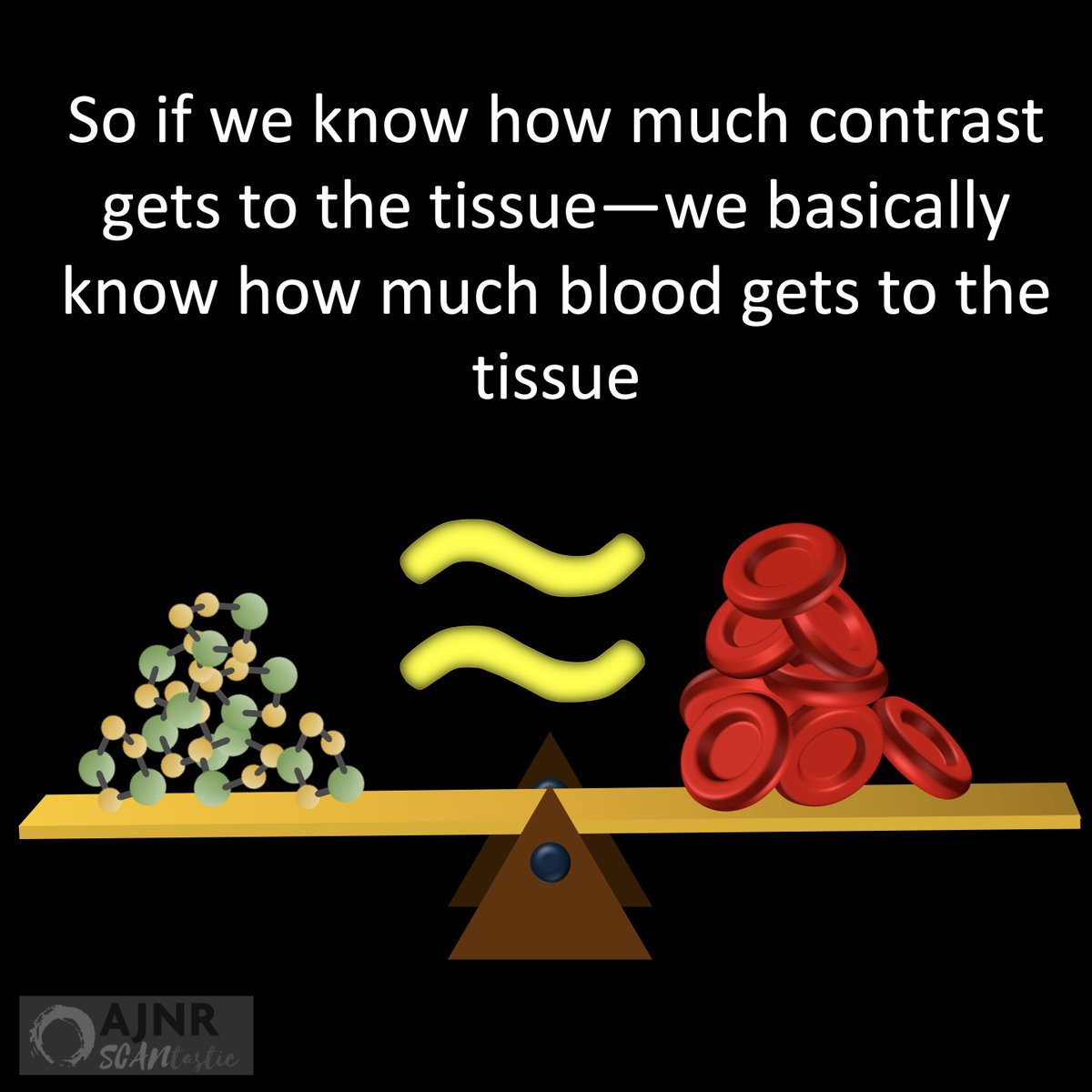
@TheAJNR 3/So if we can track how contrast gets to the tissue (by changes in CT density or MR signal), then we can approximate how BLOOD is getting to the tissue.

And how much blood is getting to the tissue is what perfusion imaging is all about. Image
Read 19 tweets
Jan 19
1/Do you get a Broca’s aphasia trying remember the location of Broca's area?

Does trying to remember inferior frontal gyrus anatomy leave you speechless?

Don't be at a loss for words when it comes to Broca's area

Here’s a 🧵to help you remember the anatomy of this key region! Image
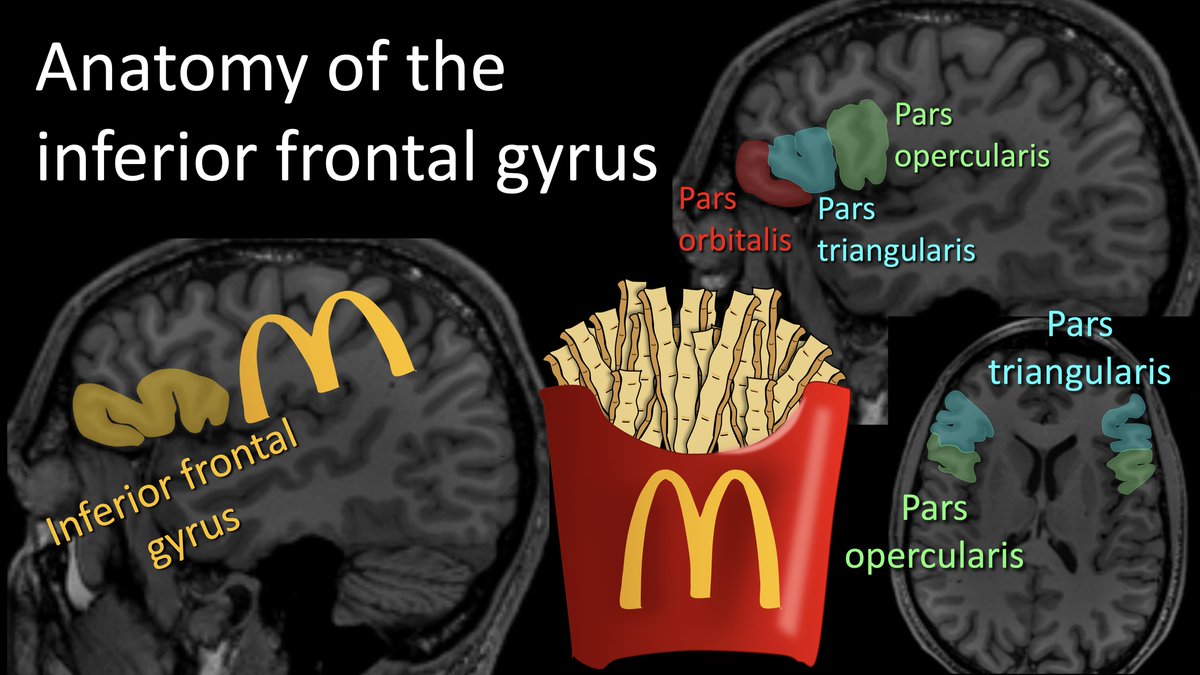
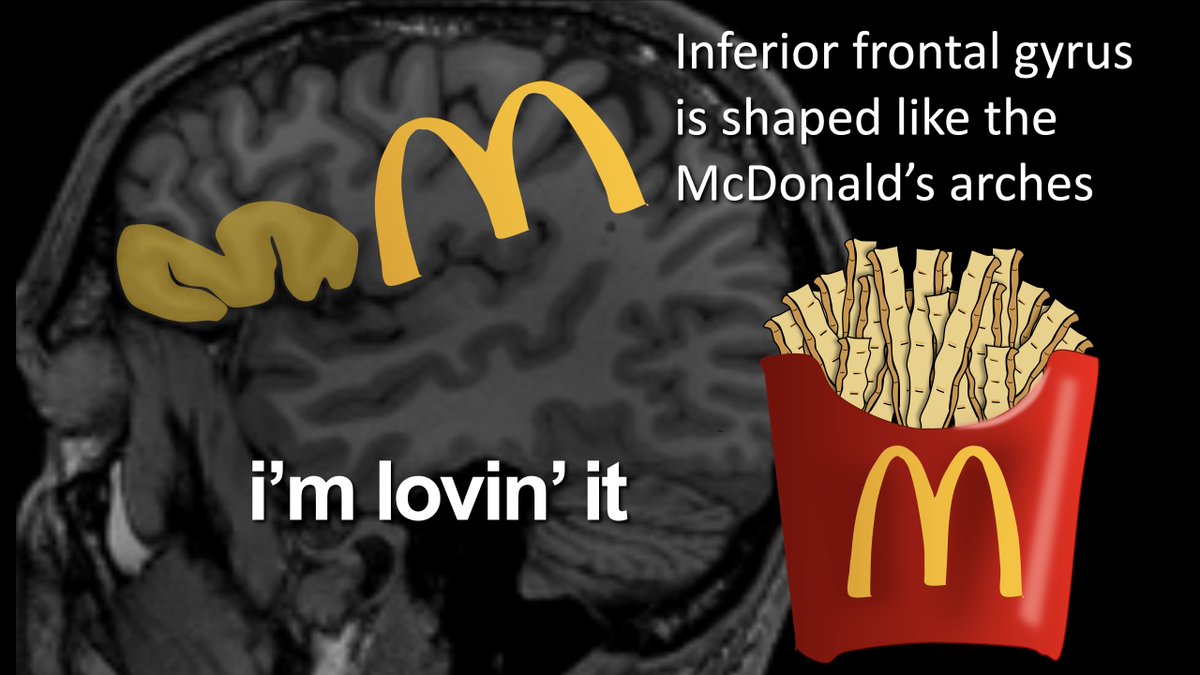
2/Anatomy of the inferior frontal gyrus (IFG) is best seen on the sagittal images, where it looks like the McDonald’s arches.

So, to find this area on MR, I open the sagittal images & scroll until I see the arches. When it comes to this method of finding the IFG, i’m lovin it. Image
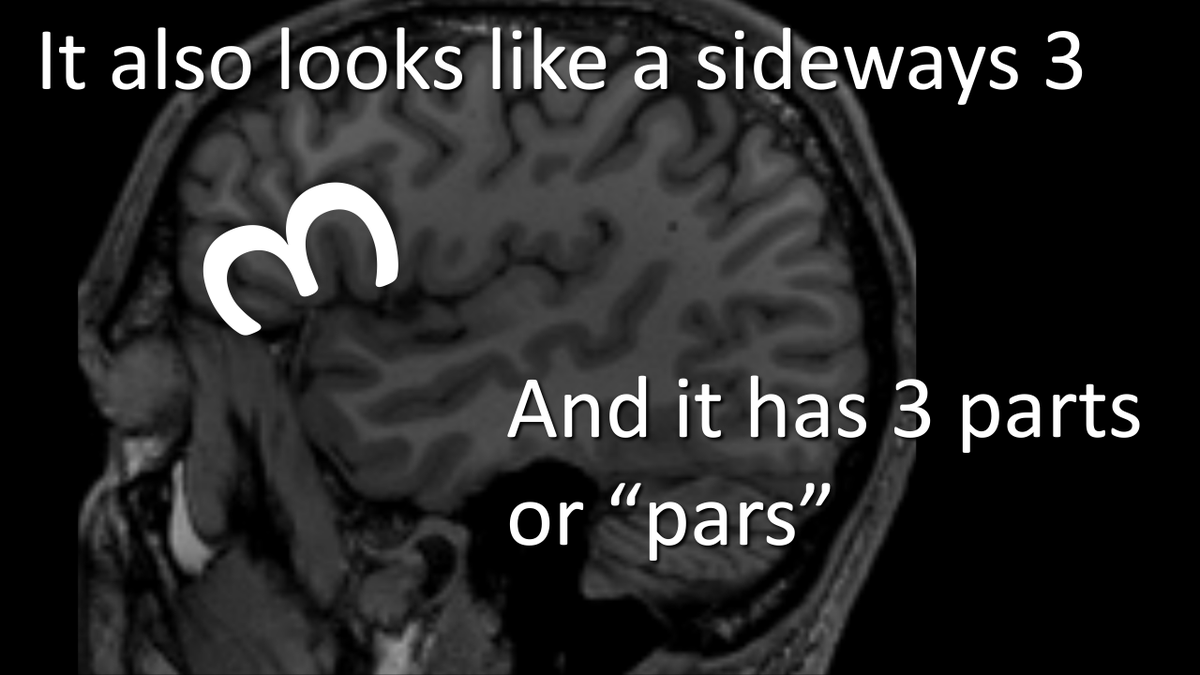
3/Inferior frontal gyrus also looks like a sideways 3, if you prefer. This 3 is helpful bc the inferior frontal gyrus has 3 parts—called pars Image
Read 13 tweets
Dec 5, 2025
1/They say form follows function!

Brain MRI anatomy is best understood in terms of both form & function.

Here’s a short thread to help you to remember important functional brain anatomy--so you truly can clinically correlate! Image
2/Let’s start at the top. At the vertex is the superior frontal gyrus. This is easy to remember, bc it’s at the top—and being at the top is superior. It’s like the superior king at the top of the vertex. Image
3/It is also easy to recognize on imaging. It looks like a big thumb pointing straight up out of the brain. I always look for that thumbs up when I am looking for the superior frontal gyrus (SFG) Image
Read 12 tweets
Dec 1, 2025
1/To call it or not to call it? That is the question!

Do you feel a bit wacky & wobbly when it comes to calling normal pressure hydrocephalus on imaging?

You don’t want to overcall it, but you don’t want to miss it either!

Let me help you out w/a thread about imaging in NPH! Image
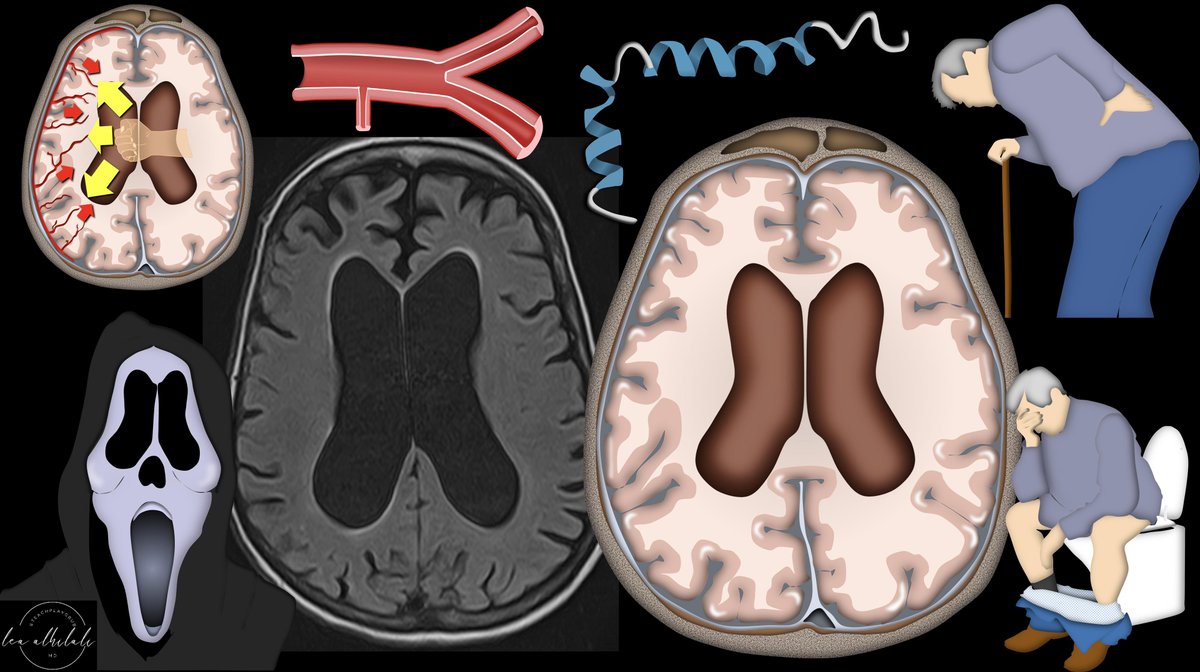
2/First, you must understand the pathophysiology of “idiopathic” or iNPH.

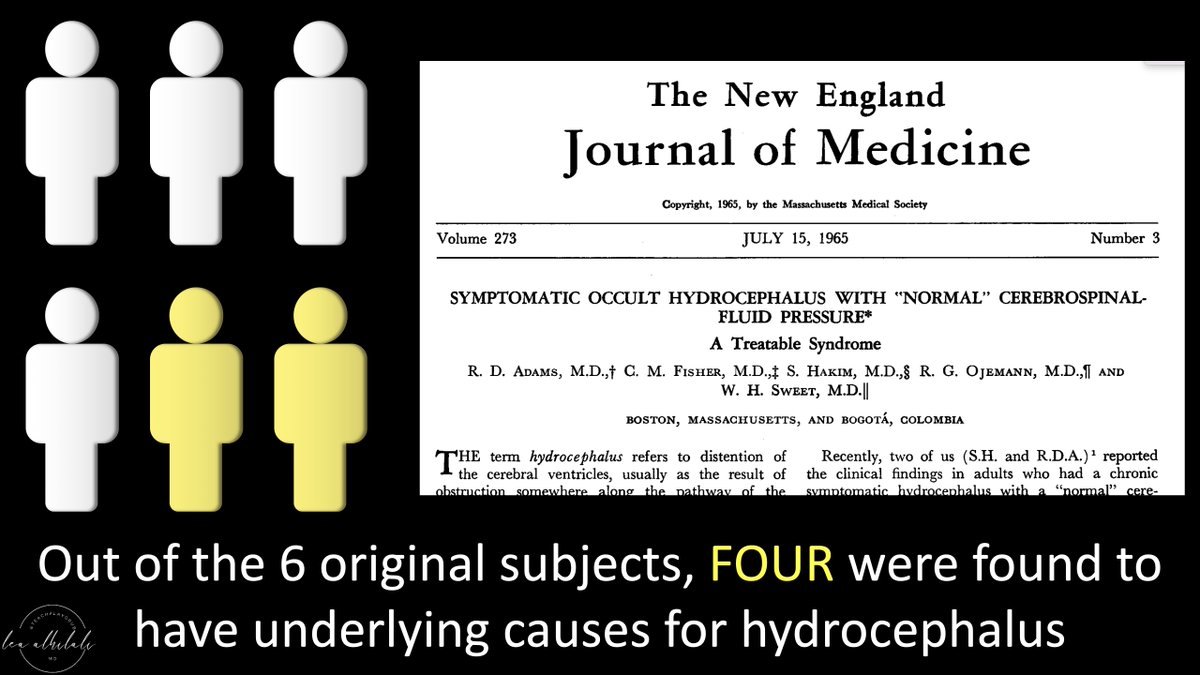
It was first described in 1965—but, of the original six in the 1965 cohort, 4 were found to have underlying causes for hydrocephalus.

This begs the question—when do you stop looking & call it idiopathic? Image
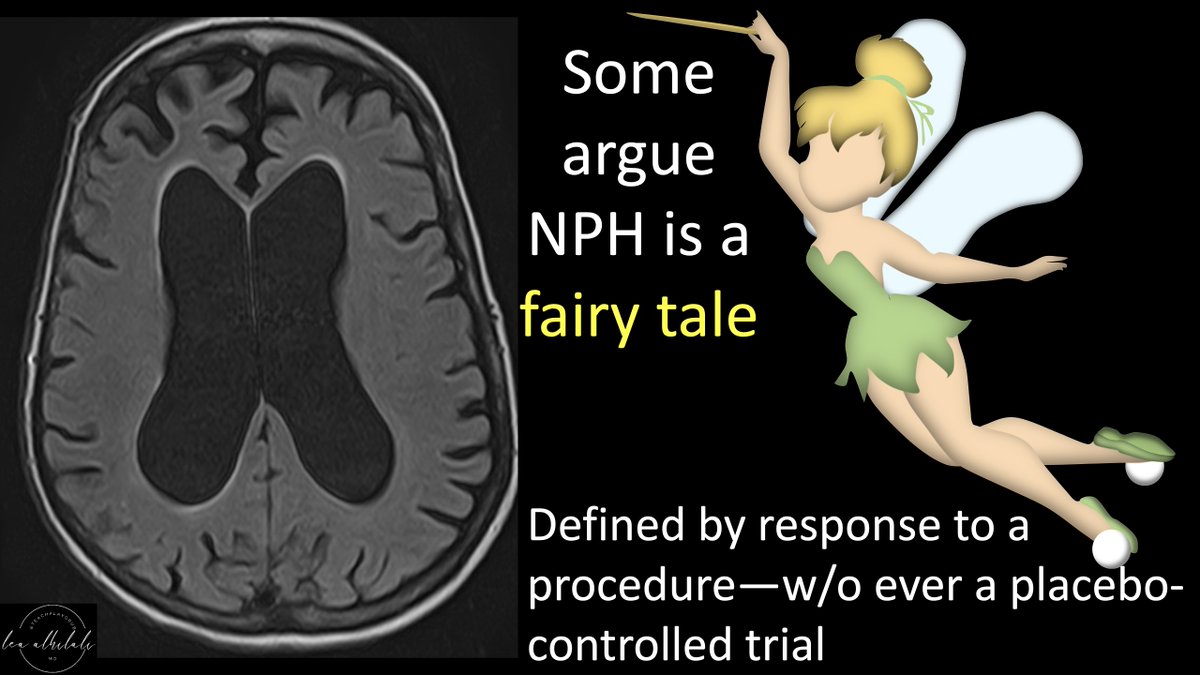
3/Thus, some don’t believe true idiopathic NPH exists.

After all, it’s a syndrome defined essentially only by response to a treatment w/o ever a placebo-controlled trial.

However, most believe iNPH does exist--but its underlying etiology is controversial. Several theories exist Image
Read 19 tweets
Nov 21, 2025
1/Time to go with the flow!

Hoping no one notices you don’t know the anatomy of internal carotid (ICA)?

Do you say “carotid siphon” & hope no one asks for more detail?

Here’s a thread to help you siphon off some information about ICA anatomy! Image
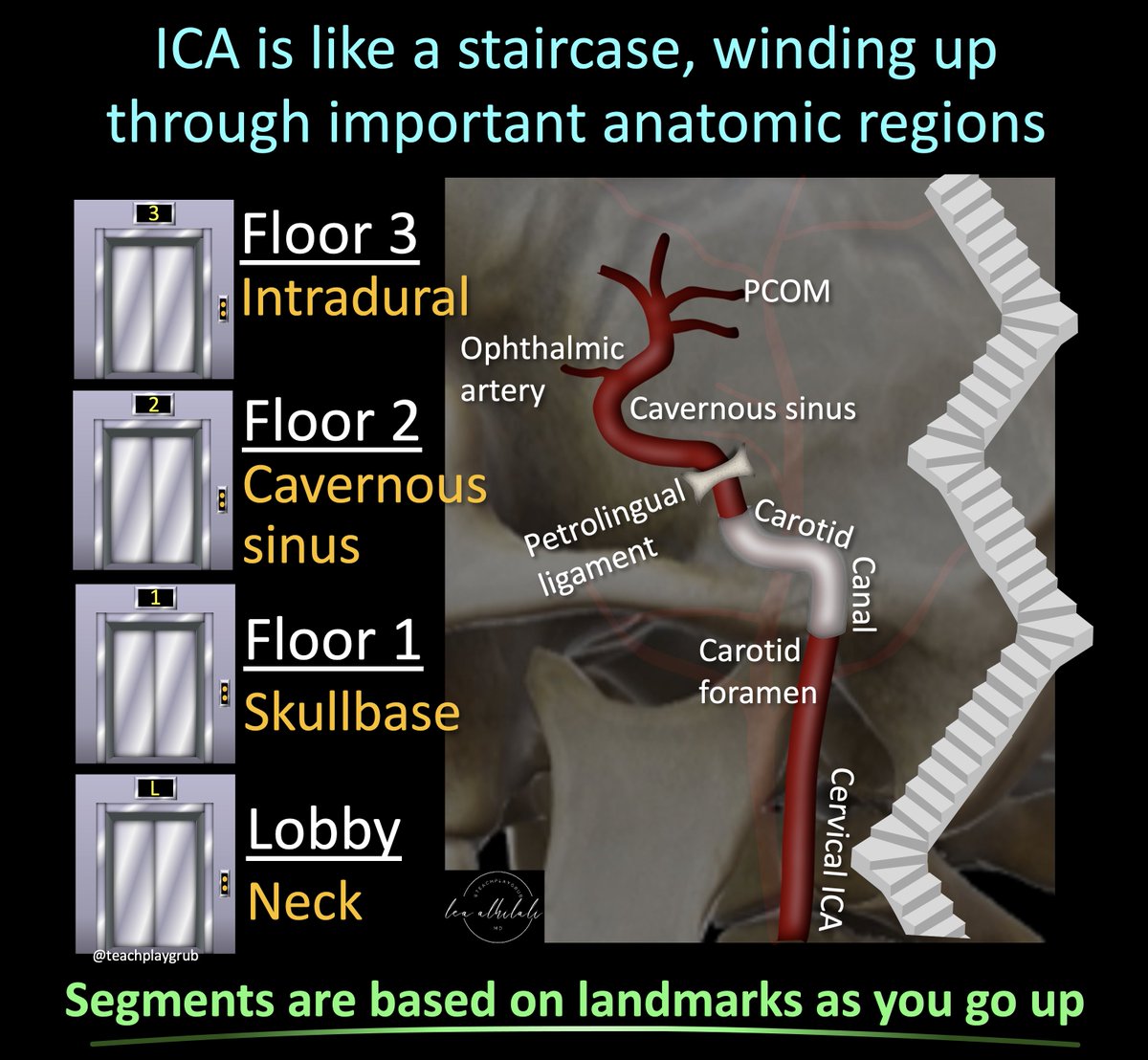
2/ICA is like a staircase—winding up through important anatomic regions like a staircase winding up to each floor Lobby is the neck.

First floor is skullbase/carotid canal. Next it stops at the cavernous sinus, before finally reaching the rooftop balcony of the intradural space.Image
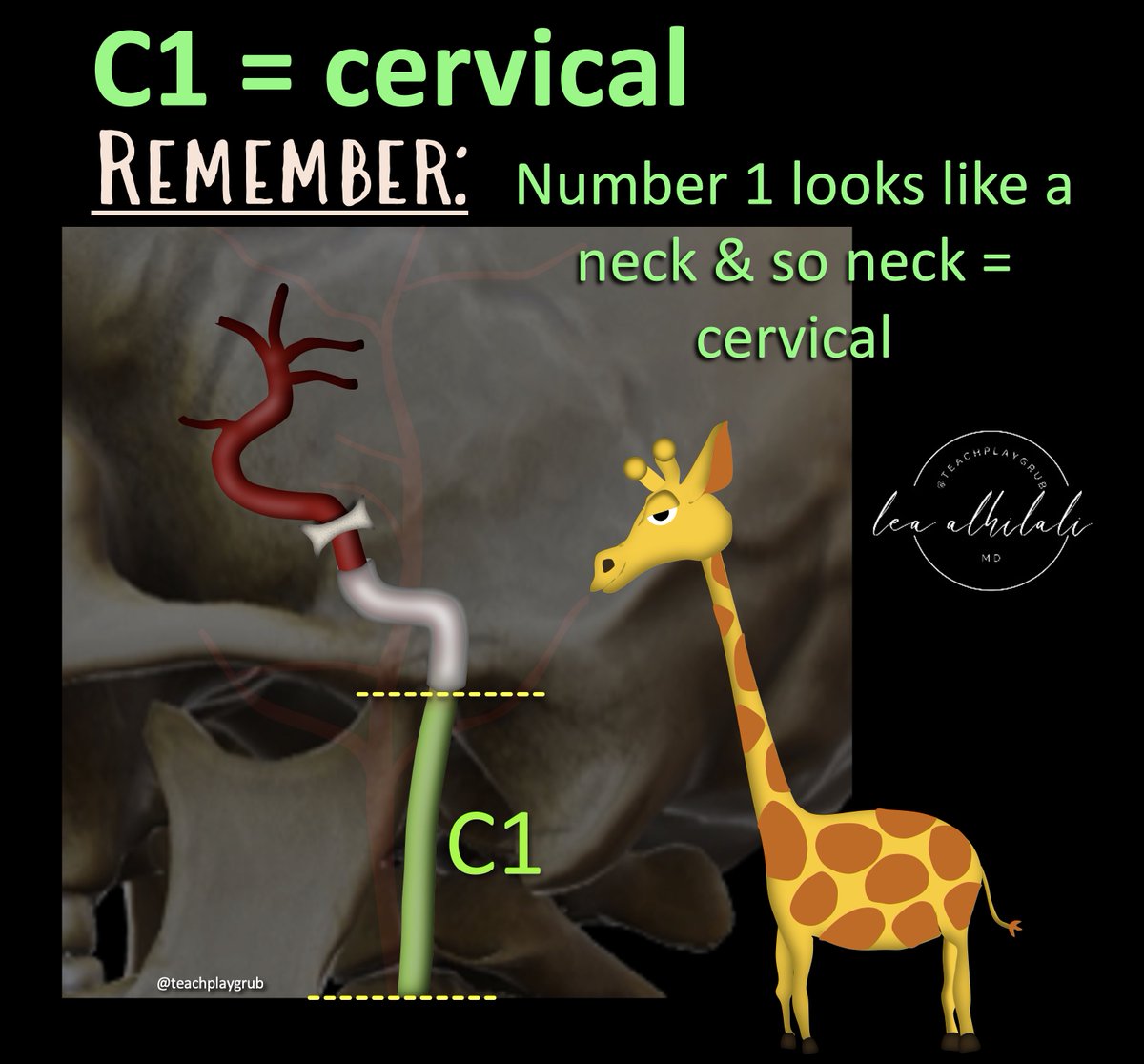
3/ICA is divided into numbered segments based on landmarks that denote transitions on its way up the floors.

C1 is in the lobby or neck.

You can remember this b/c the number 1 looks elongated & straight like a neck. Image
Read 10 tweets
Oct 24, 2025
1/Having trouble remembering how to differentiate dementias on imaging?

Is looking at dementia PET scans one of your PET peeves?

Here’s a thread to show you how to remember the imaging findings in dementia & never forget! Image
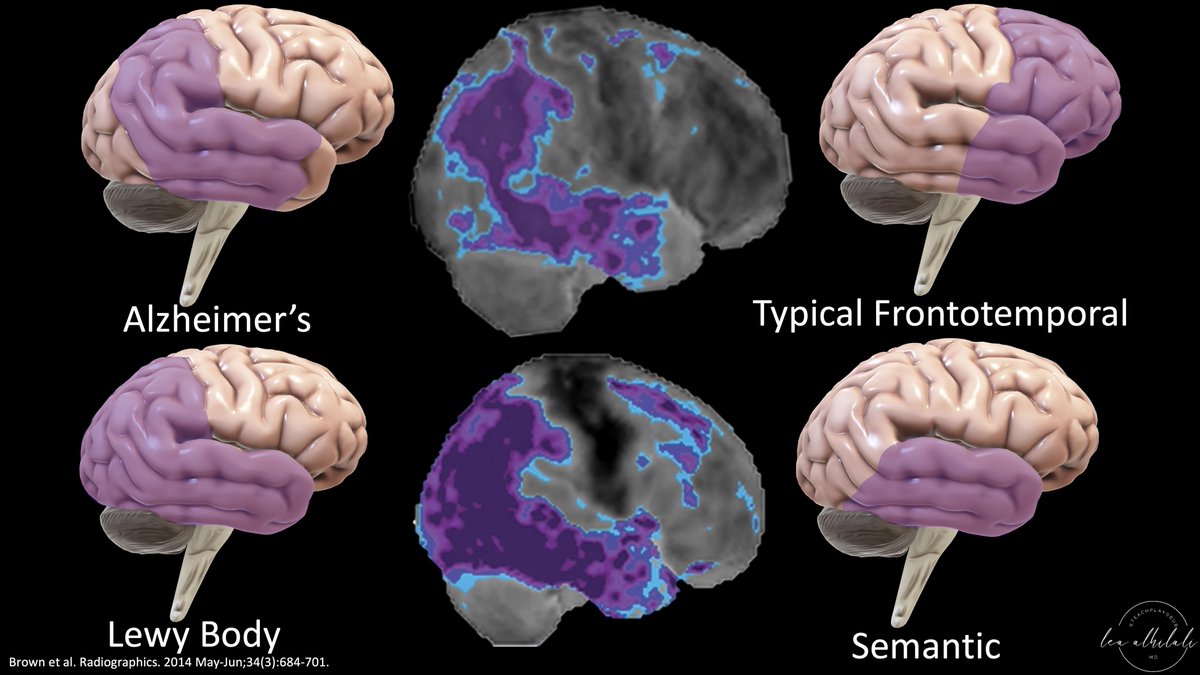
2/The most common functional imaging used in dementia is FDG PET. And the most common dementia is Alzheimer’s disease (AD).

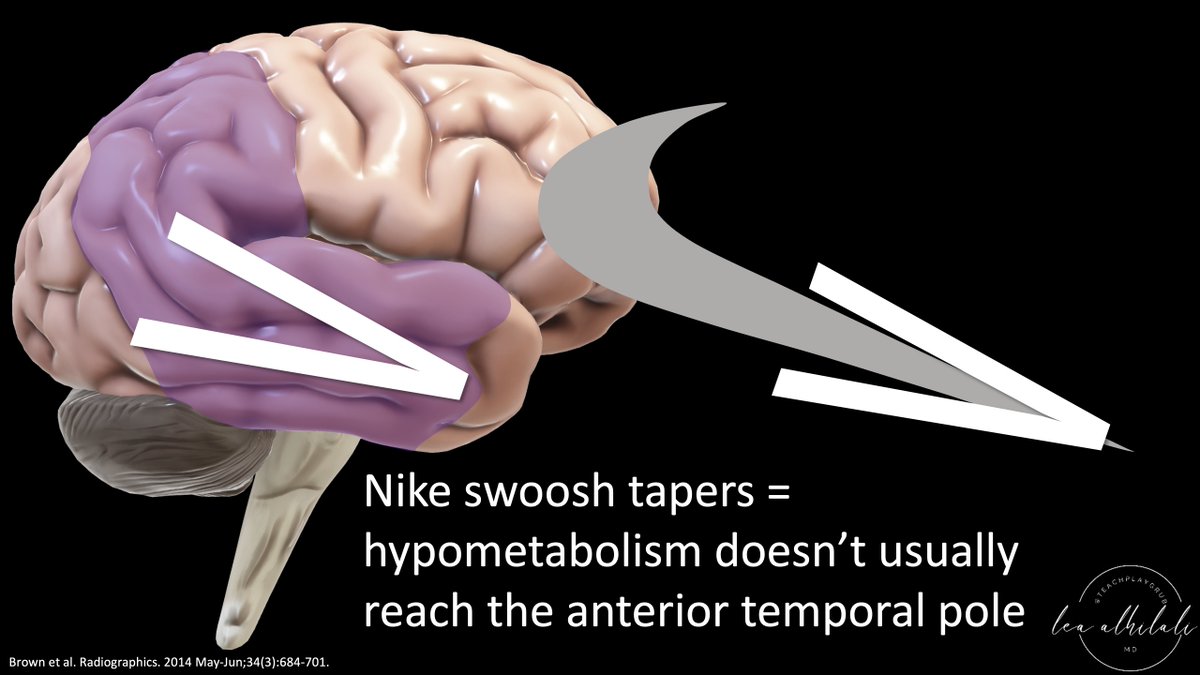
On PET, AD demonstrates a typical Nike swoosh pattern—with decreased metabolism in the parietal & temporal regions Image
3/The swoosh rapidly tapers anteriorly—& so does hypometabolism in AD in the temporal lobe. It usually spares the anterior temporal poles.

So in AD look for a rapidly tapering Nike swoosh, w/hypometabolism in the parietal/temporal regions—sparing the anterior temporal pole Image
Read 16 tweets

Did Thread Reader help you today?

Support us! We are indie developers!


This site is made by just two indie developers on a laptop doing marketing, support and development! Read more about the story.

Become a Premium Member ($3/month or $30/year) and get exclusive features!

Become Premium

Don't want to be a Premium member but still want to support us?

Make a small donation by buying us coffee ($5) or help with server cost ($10)

Donate via Paypal

Or Donate anonymously using crypto!

Ethereum

0xfe58350B80634f60Fa6Dc149a72b4DFbc17D341E copy

Bitcoin

3ATGMxNzCUFzxpMCHL5sWSt4DVtS8UqXpi copy

Thank you for your support!

Follow Us!

:(