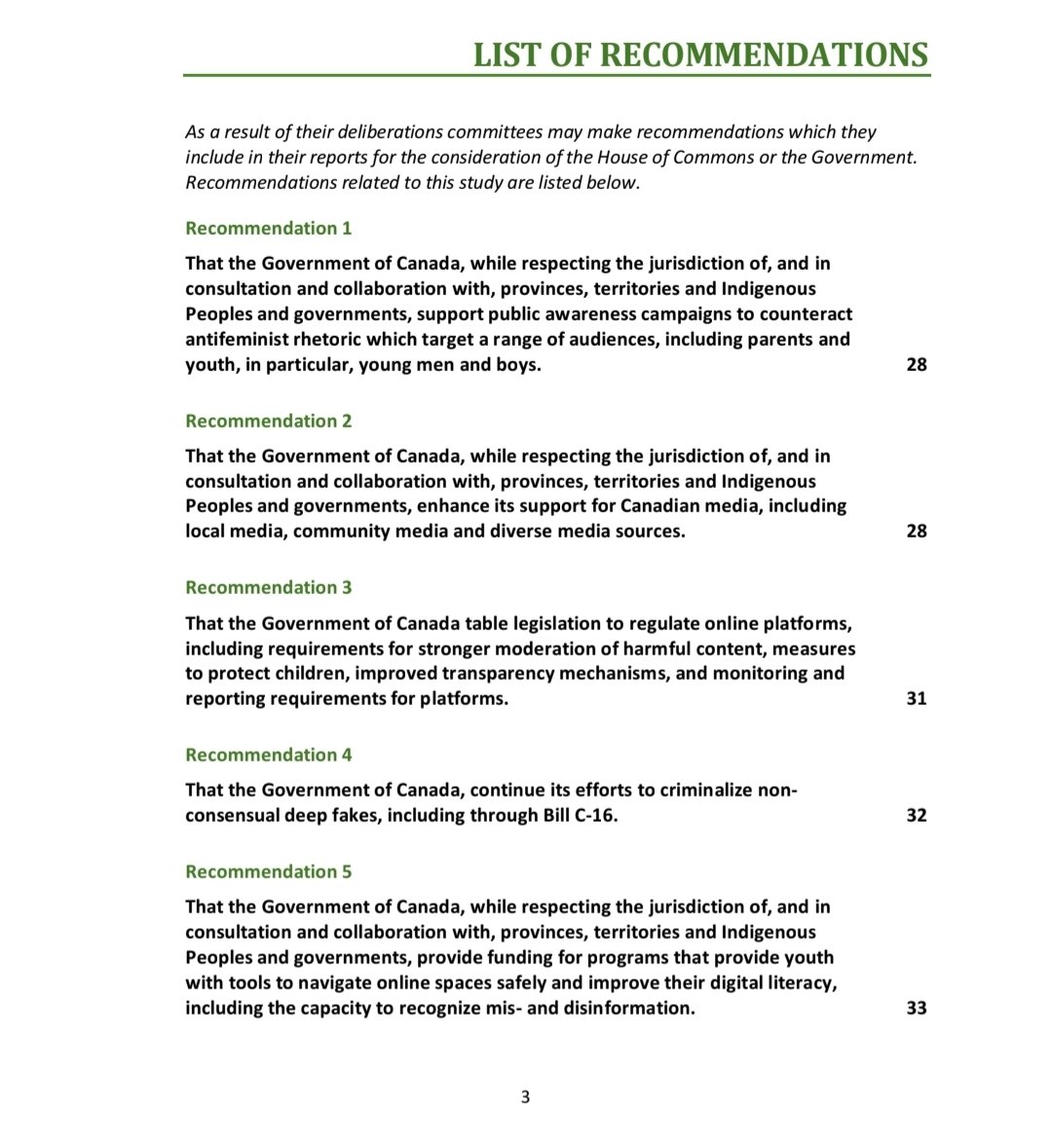
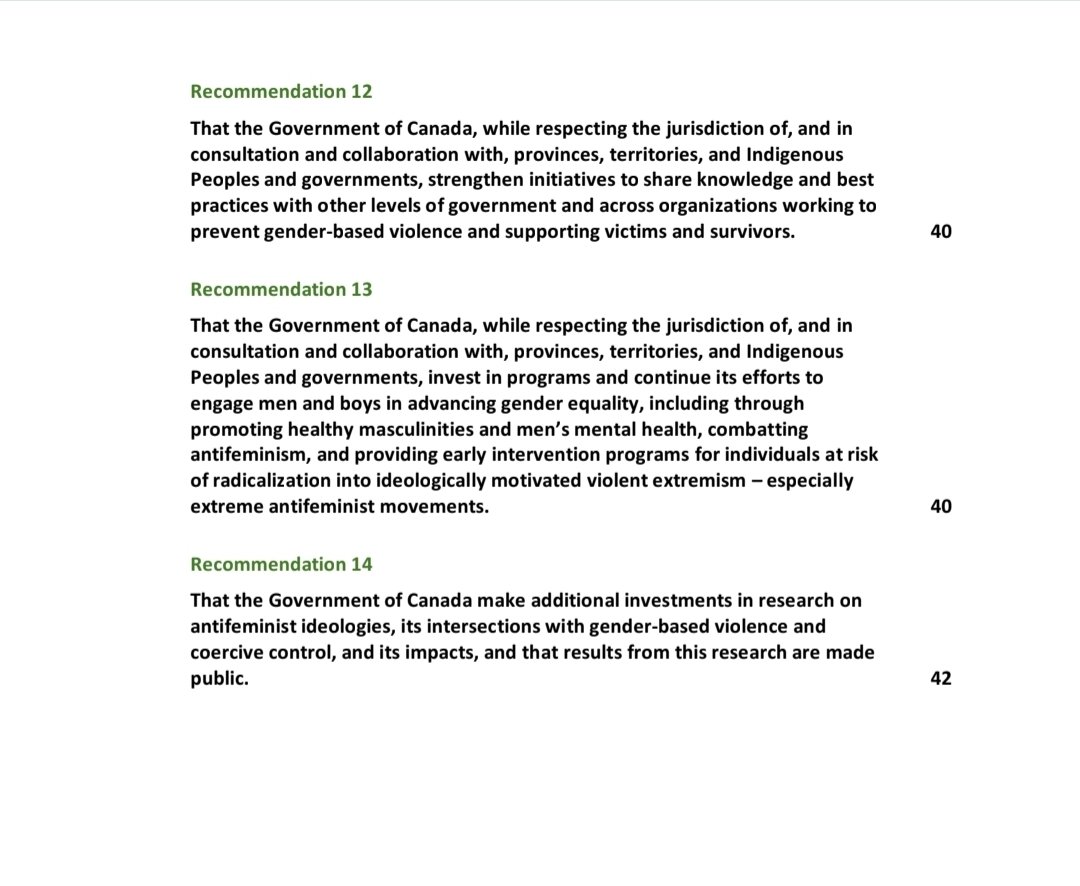
The conventional wisdom, which is wisdom, is that the main reason you don't want to expand government power is because of how your political opponents (and even enemies) will use those expansions of power. There's a deeper reason too, though, which Vance's arguments for big government power aligned to his values can't touch.
Incentives are in some sense the ultimate rulers of worldly affairs. Warren Buffet's investing partner, Charlie Munger, in fact, said, "show me the incentive, and I'll show you the outcome." The fact is that government does not have the right incentives to be able to do the kinds of things that create and expand prosperity and abundance.
It isn't just that the private sector produces and the public sector redistributes. In fact, that's facile. The government COULD (and HAS) own(ed) and run industries, and it has gone some way in solving the problem of "unleashing the productive forces," as Lenin would have phrased it.
The People's Republic of China, a Communist state-run command economy running a Fascist-Communist (Stakeholder) hybrid command-economy model, for example, clearly produces and wields its economy for its own national interests. Yeah, they're super tyrannical too, but maybe it's worth it, some think?
The real and better argument is deeper and more important. It's that governments do not have the right incentive structures to produce abundance and prosperity. Period.
This problem is intractable to government because they're third-person economic entities in every regard all the time everywhere always, so they have third-person incentive structures that cannot produce prosperity and abundance.
First-person participants in an economic situation have to balance a lot of variables directly for themselves. They want solutions to their problems that are efficient, effective, adequate, innovative, economical, and, when the profit motive is enabled, scalable (because other people have similar problems and will buy solutions at a profit to the seller). As buyers, they're also balancing cost and quality (multi-variable term) using their own appraisals of the situations they're actually in: their problems, not someone else's problems.
Third-person participants in economic situations are using other people's money (indirect buyers) to solve other people's problems (not solving their own problems). The only incentives they have for efficiency, effectiveness, adequacy, innovation, and economy are by policy. They have no incentives for scalability because the profit motive is non-existent.
The magic of first-person--centered economic situations (private sector with minimal government interference and application) is that the profit motive allows people to want to solve problems for other people whose problems they don't care about. There's no policy saying we have to go fix x, y, z, problem in the world (as with the government). There's simply the situation that you can benefit A LOT by figuring out a way to solve problems lots of people have and coming up with innovative, adequate, efficient, economical, and scalable solutions to other people's problems even without caring about those problems or the people who have them (though you can care and get extra benefit too).
Government doesn't have the capacity to make people care about other people's problems or even to act like they care about other people's problems, and this applies reflexively to the government itself.
Profit doesn't make people care about other people's problems, but it allows for an incentive mechanism (self-interest) that incentivizes people to want to solve other people's problems whether they care about those people or their problems in any respect at all. Thus you unlock society.
This set of incentives is crazy magical because it encourages people to create surpluses (abundance) but not excessive (stupid) surpluses. People are incentivized to scale their solutions to other people's problems only to the degree that the demand (arising from other people's problems that need solutions) indicates. Thus we end up with efficient surplus production being incentivized strongly by independent actors who are free to remain ignorant and disinterested of all the varieties of experience for which their surpluses solve problems. We call this situation "wealth" and "prosperity."
Again, government doesn't have any of these incentives AT ALL. Even a benevolent dictator or king doesn't have these incentives, so it will always devolve, even if it doesn't go bad (which it always will because power is inherently corrupting to the fallen human spirit too).
Vance, therefore, isn't just wrong here; he's deeply wrong in the fundamentally un-American way. I hope this little essay helps you understand that.
Incentives are in some sense the ultimate rulers of worldly affairs. Warren Buffet's investing partner, Charlie Munger, in fact, said, "show me the incentive, and I'll show you the outcome." The fact is that government does not have the right incentives to be able to do the kinds of things that create and expand prosperity and abundance.
It isn't just that the private sector produces and the public sector redistributes. In fact, that's facile. The government COULD (and HAS) own(ed) and run industries, and it has gone some way in solving the problem of "unleashing the productive forces," as Lenin would have phrased it.
The People's Republic of China, a Communist state-run command economy running a Fascist-Communist (Stakeholder) hybrid command-economy model, for example, clearly produces and wields its economy for its own national interests. Yeah, they're super tyrannical too, but maybe it's worth it, some think?
The real and better argument is deeper and more important. It's that governments do not have the right incentive structures to produce abundance and prosperity. Period.
This problem is intractable to government because they're third-person economic entities in every regard all the time everywhere always, so they have third-person incentive structures that cannot produce prosperity and abundance.
First-person participants in an economic situation have to balance a lot of variables directly for themselves. They want solutions to their problems that are efficient, effective, adequate, innovative, economical, and, when the profit motive is enabled, scalable (because other people have similar problems and will buy solutions at a profit to the seller). As buyers, they're also balancing cost and quality (multi-variable term) using their own appraisals of the situations they're actually in: their problems, not someone else's problems.
Third-person participants in economic situations are using other people's money (indirect buyers) to solve other people's problems (not solving their own problems). The only incentives they have for efficiency, effectiveness, adequacy, innovation, and economy are by policy. They have no incentives for scalability because the profit motive is non-existent.
The magic of first-person--centered economic situations (private sector with minimal government interference and application) is that the profit motive allows people to want to solve problems for other people whose problems they don't care about. There's no policy saying we have to go fix x, y, z, problem in the world (as with the government). There's simply the situation that you can benefit A LOT by figuring out a way to solve problems lots of people have and coming up with innovative, adequate, efficient, economical, and scalable solutions to other people's problems even without caring about those problems or the people who have them (though you can care and get extra benefit too).
Government doesn't have the capacity to make people care about other people's problems or even to act like they care about other people's problems, and this applies reflexively to the government itself.
Profit doesn't make people care about other people's problems, but it allows for an incentive mechanism (self-interest) that incentivizes people to want to solve other people's problems whether they care about those people or their problems in any respect at all. Thus you unlock society.
This set of incentives is crazy magical because it encourages people to create surpluses (abundance) but not excessive (stupid) surpluses. People are incentivized to scale their solutions to other people's problems only to the degree that the demand (arising from other people's problems that need solutions) indicates. Thus we end up with efficient surplus production being incentivized strongly by independent actors who are free to remain ignorant and disinterested of all the varieties of experience for which their surpluses solve problems. We call this situation "wealth" and "prosperity."
Again, government doesn't have any of these incentives AT ALL. Even a benevolent dictator or king doesn't have these incentives, so it will always devolve, even if it doesn't go bad (which it always will because power is inherently corrupting to the fallen human spirit too).
Vance, therefore, isn't just wrong here; he's deeply wrong in the fundamentally un-American way. I hope this little essay helps you understand that.
https://x.com/ConceptualJames/status/1980273045651529810
• • •
Missing some Tweet in this thread? You can try to
force a refresh