The Economist takes a look at Taiwan this week -- and its peculiar combination of a weak currency and a massive external surplus;
"[Taiwan has] the world’s most undervalued currency and one of its biggest trade surpluses."
1/
economist.com/briefing/2025/…
"[Taiwan has] the world’s most undervalued currency and one of its biggest trade surpluses."
1/
economist.com/briefing/2025/…
The explanation for Taiwan's exceptionally weak currency (on the big Mac index & pretty much any other indicator) is Taiwan's central bank "as Taiwan has exported its way to prosperity, the CBC has tried to avoid such a fate by suppressing the value of the local currency"
2/
2/
Agreed --
3/
3/

And a bit of support for the trade wars are class wars thesis: "Taiwanese workers have good reason to feel aggrieved. Labour productivity has doubled since 1998, yet unlike in most rich countries or even in wage-suppressed China, pay has not risen in tandem"
4/
4/
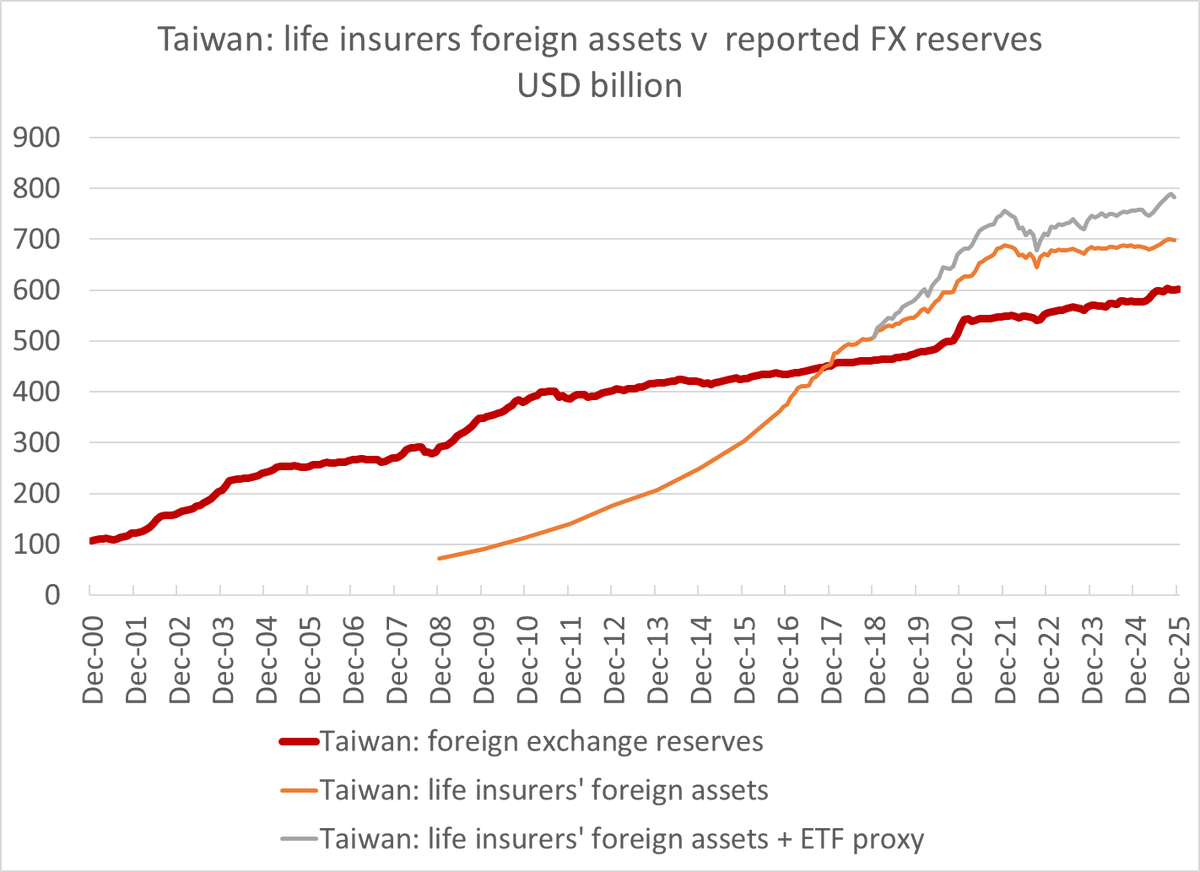
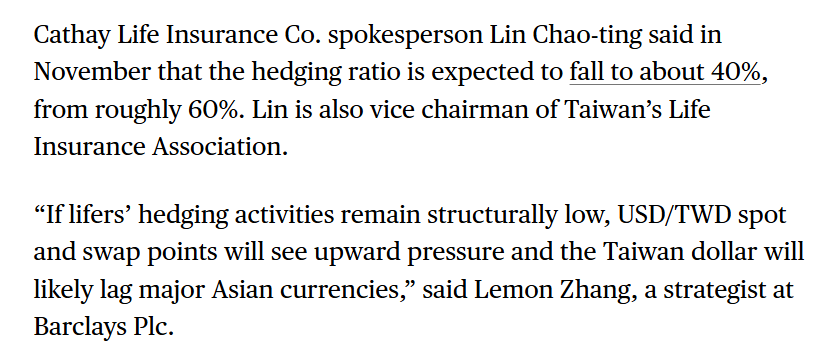
And holding the currency down while avoiding too much scrutiny from the currency cops effectively meant the creation of a massive fx mismatch that threatens the long-run solvency of the lifers
5/
5/

"Taiwanese insurers have made $960bn of promises to savers, which are backed by $700bn in higher-return foreign (principally American) assets. The industry thus suffers from an alarming mismatch, backing Taiwan-dollar promises with American-dollar holdings."
6/
6/

And it seems like the CBC (Central Bank of China, Taipei) doesn't like criticism or scrutiny
"“Many colleagues within the CBC are also critical” says Chen Nan-Kuang, who was its deputy governor from 2018 to 2023. “But the CBC has many means of intimidation.”
7/
"“Many colleagues within the CBC are also critical” says Chen Nan-Kuang, who was its deputy governor from 2018 to 2023. “But the CBC has many means of intimidation.”
7/

That maps to my experience; I was on the receiving end of several strongly worded letters from the then Deputy Governor back in 2018 and 2019 --
8/
8/
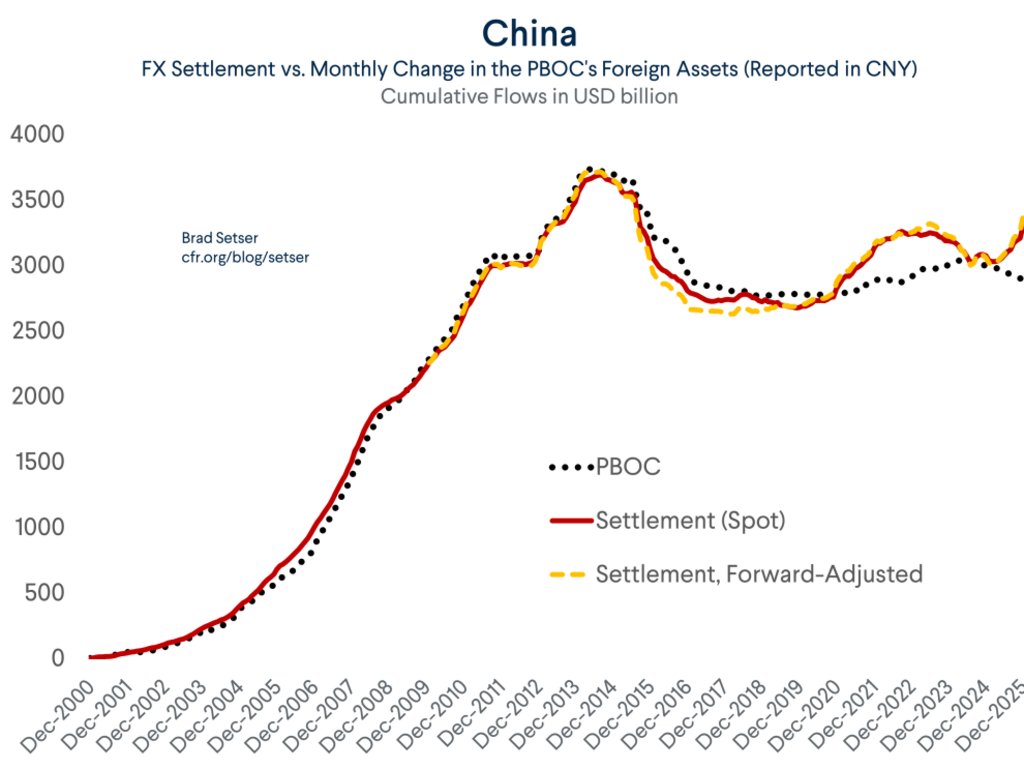
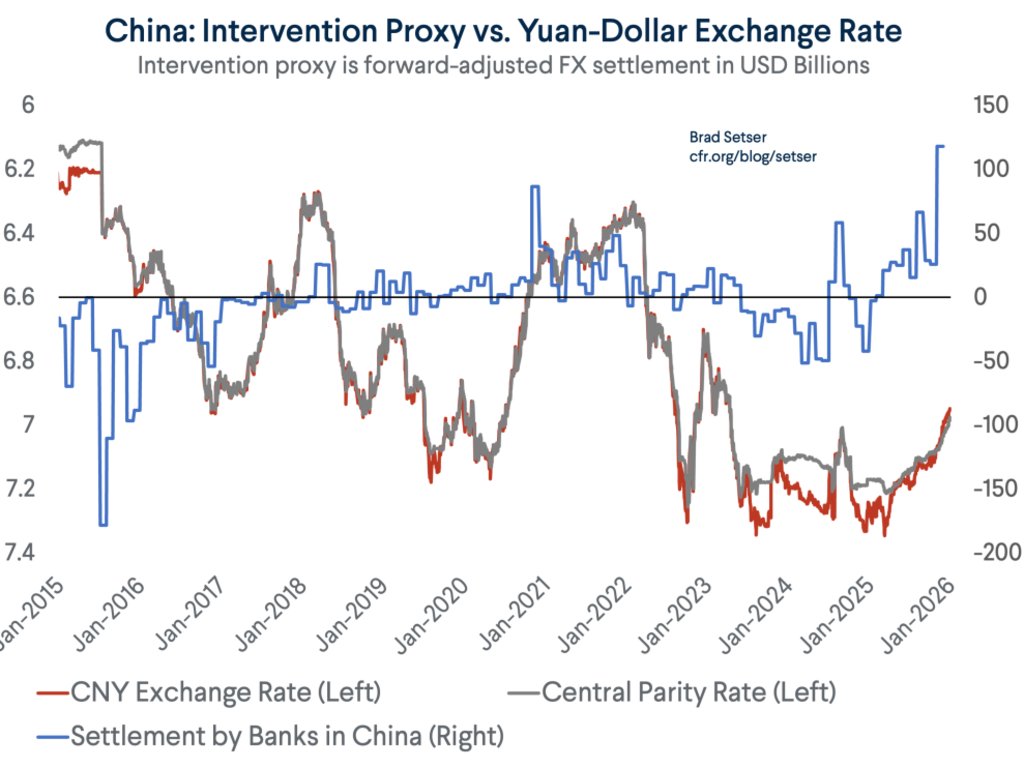
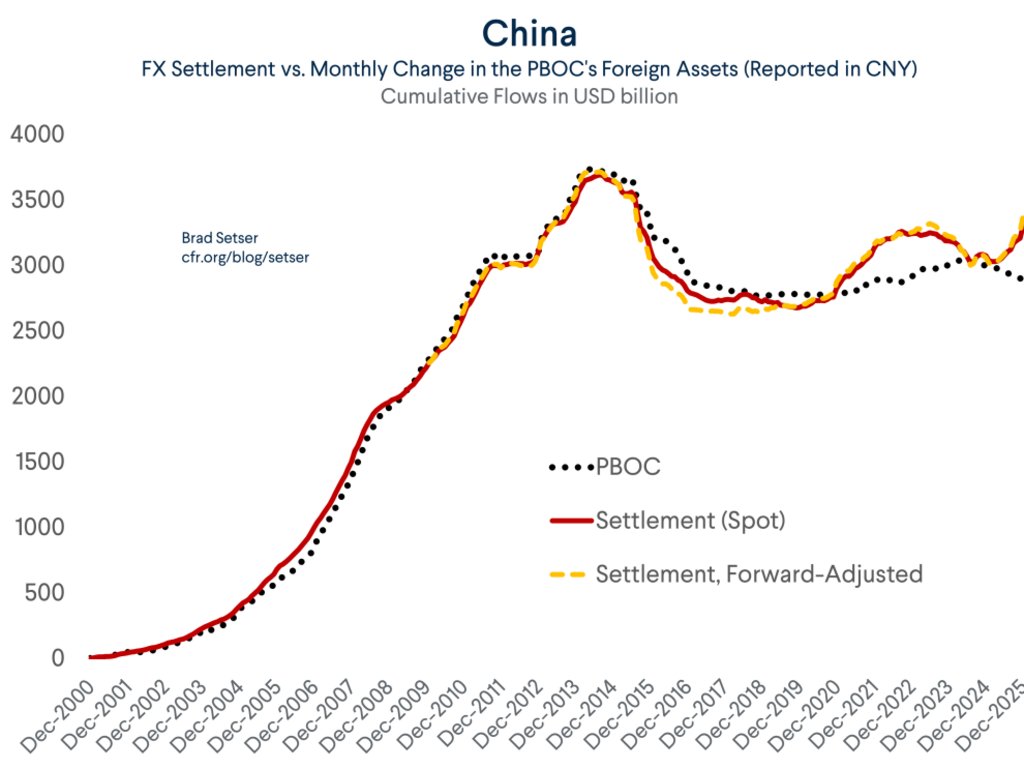
Luckily, STW and I had a strong rebuttal to the CBC -- namely we were right, they were in fact hiding their forward book (and some dollars on deposit in the local banks) at the time
9/
cfr.org/sites/default/…
9/
cfr.org/sites/default/…
Recommend the Economist story on the downsides of maintaining a structurally undervalued currency over time -- and the policy dilemmas it now creates
10/
economist.com/briefing/2025/…
10/
economist.com/briefing/2025/…
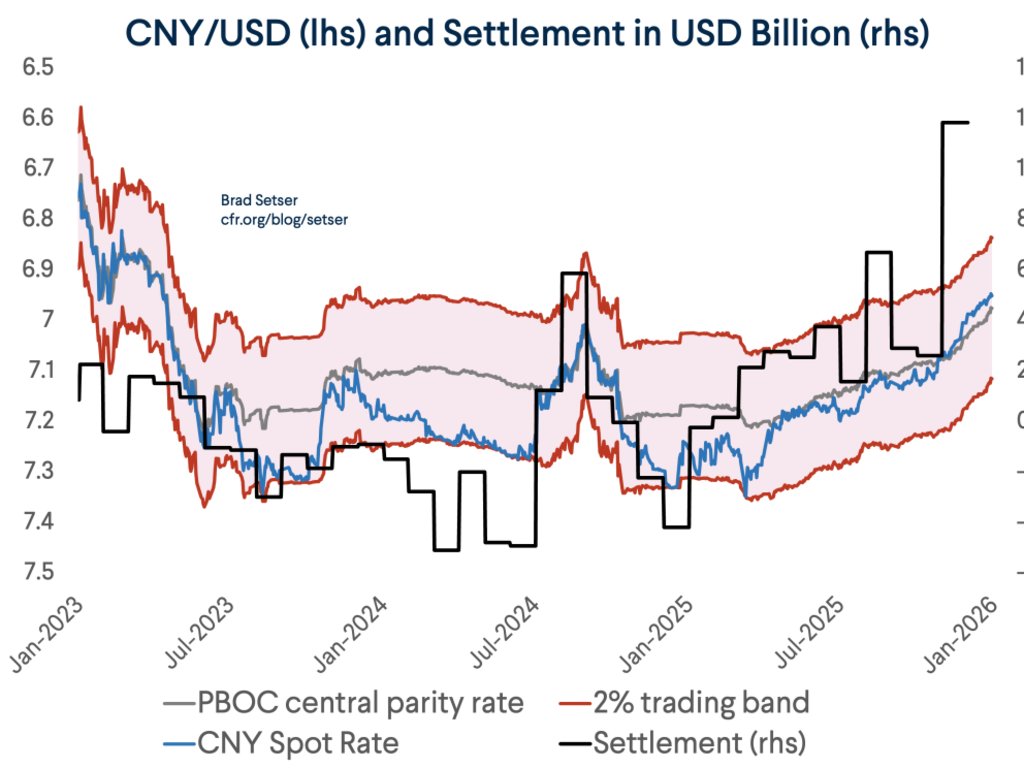
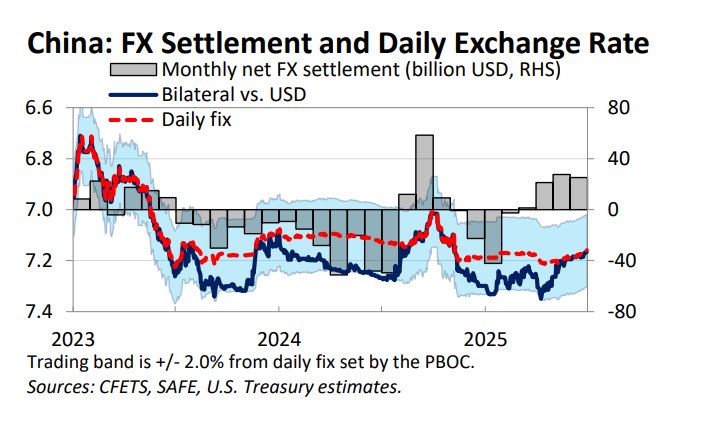
And I note that the CBC hasn't stopped intervening in the fx market -- their defense of 29 in some way set the stage for the dollar's broader recovery, as it showed that Asian central banks could still fight appreciation w/o any real pushback from Trump&co
11/
11/

And the insurance against appreciation that the CBC provides seems to have induced the already in over their heads lifers to add to their enormous fx overweight (and open position) in the third quarter ...
12/
12/

above all, this is a story about how a country's politics can coalesce around a policy, namely a massive currency undervaluation, with very substantial, but largely hidden costs --
economist.com/briefing/2025/…
economist.com/briefing/2025/…

• • •
Missing some Tweet in this thread? You can try to
force a refresh