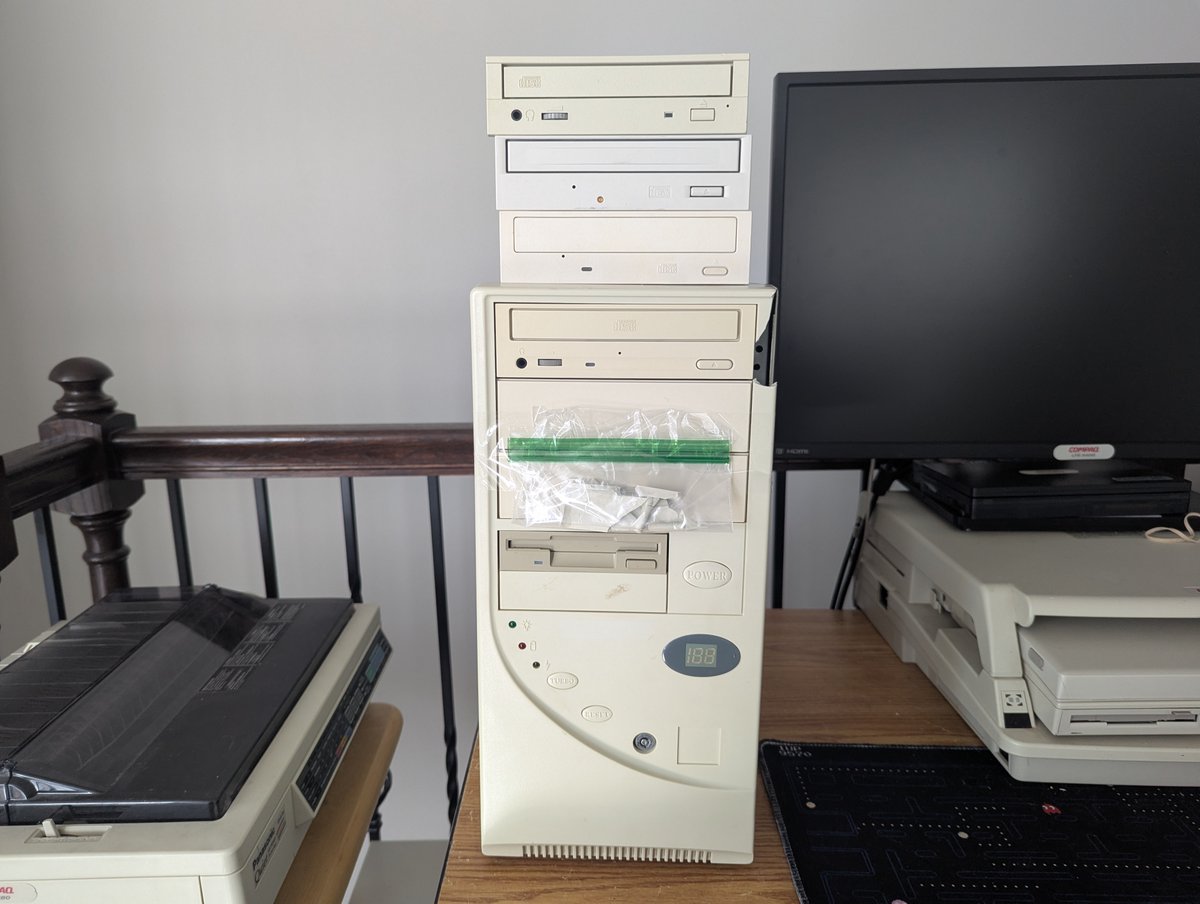
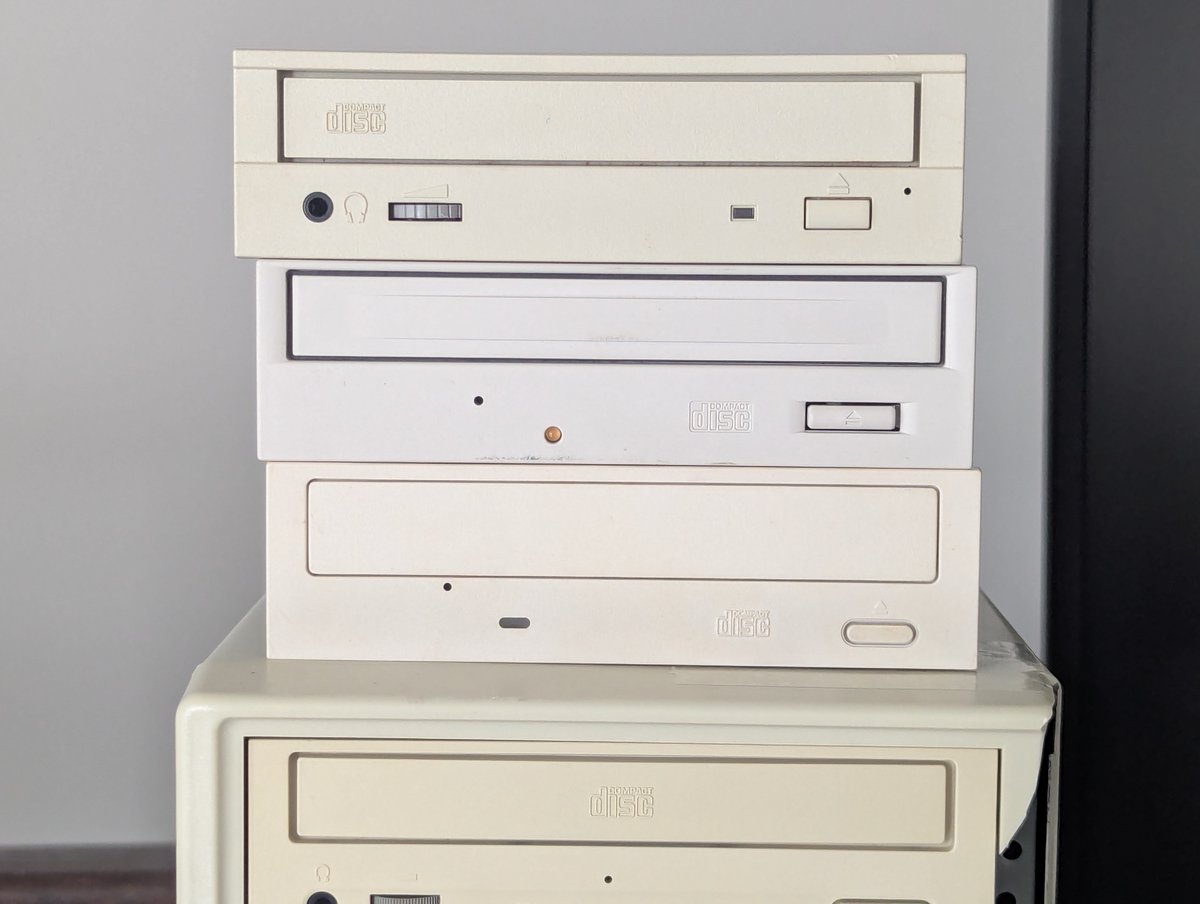
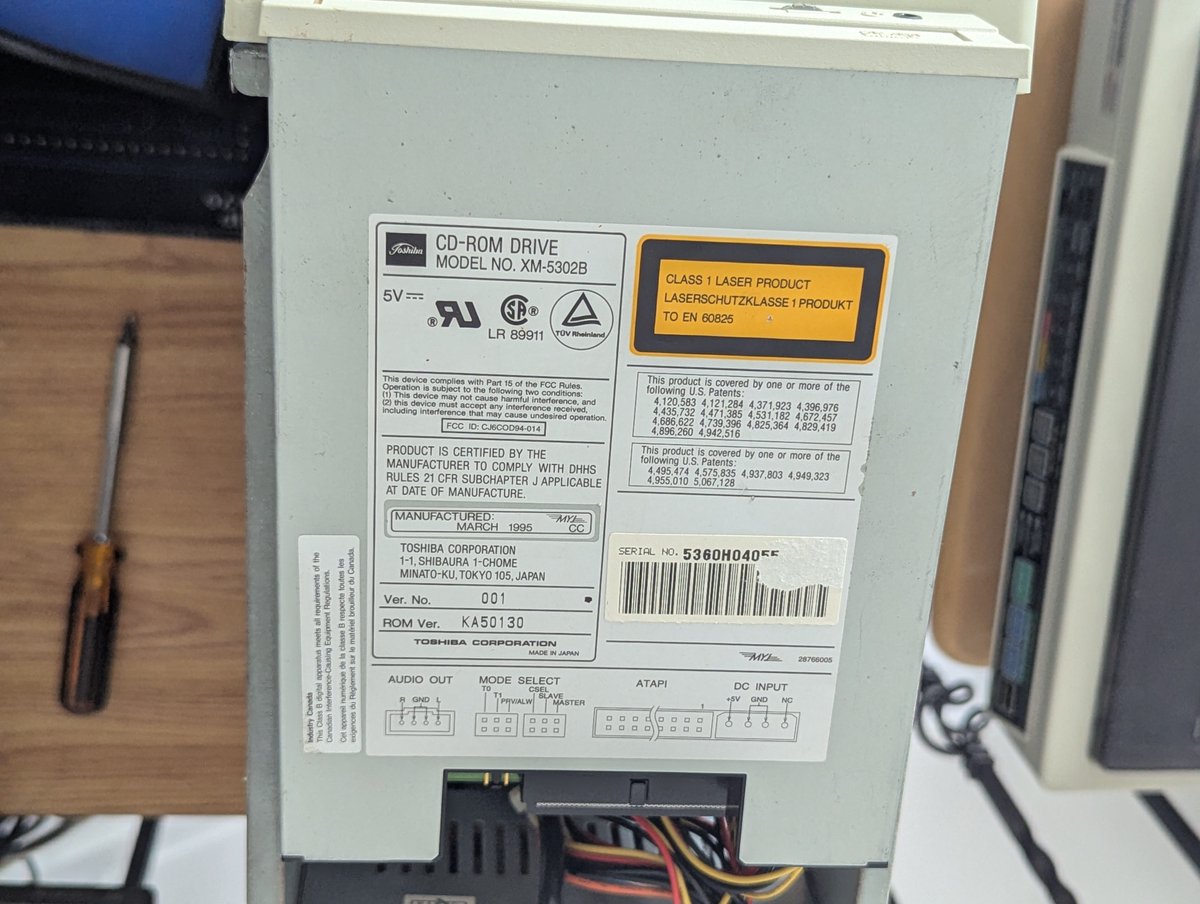
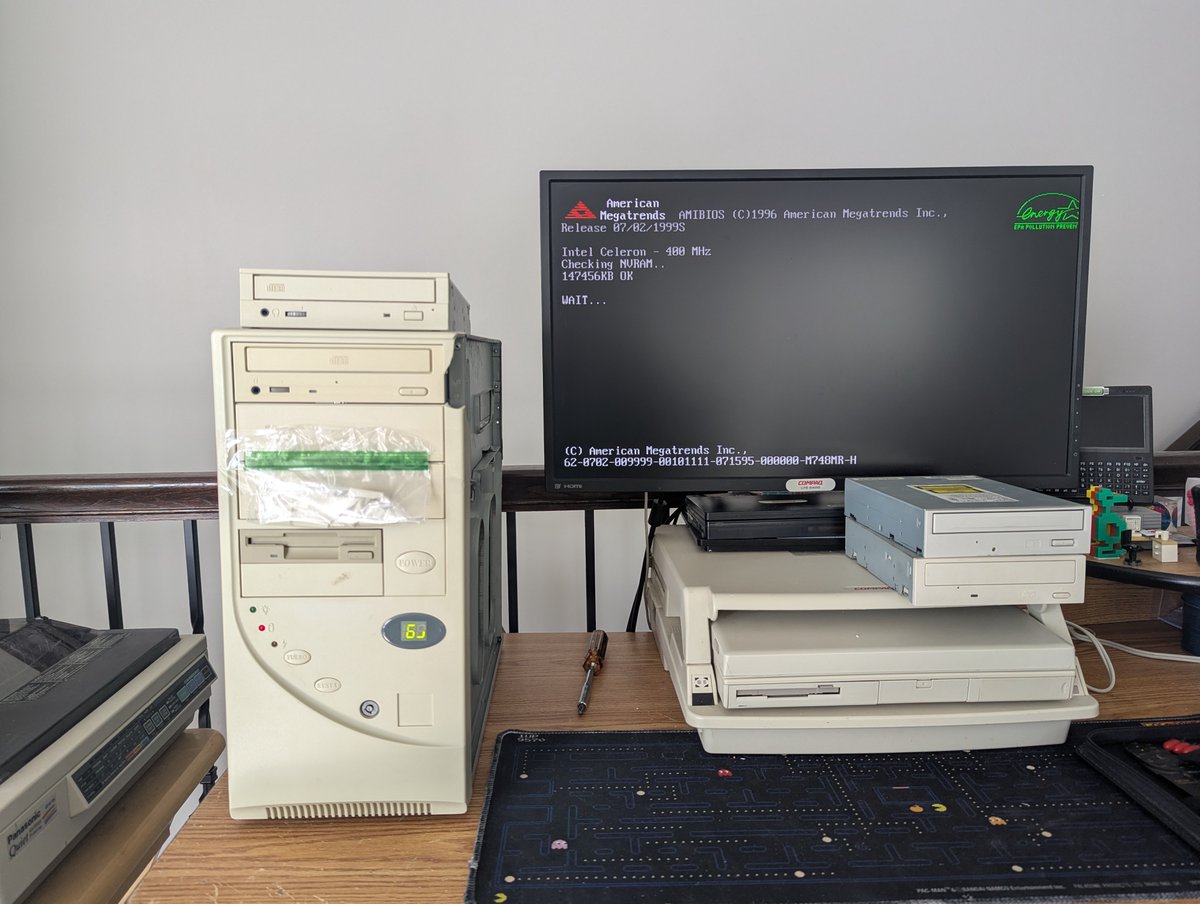
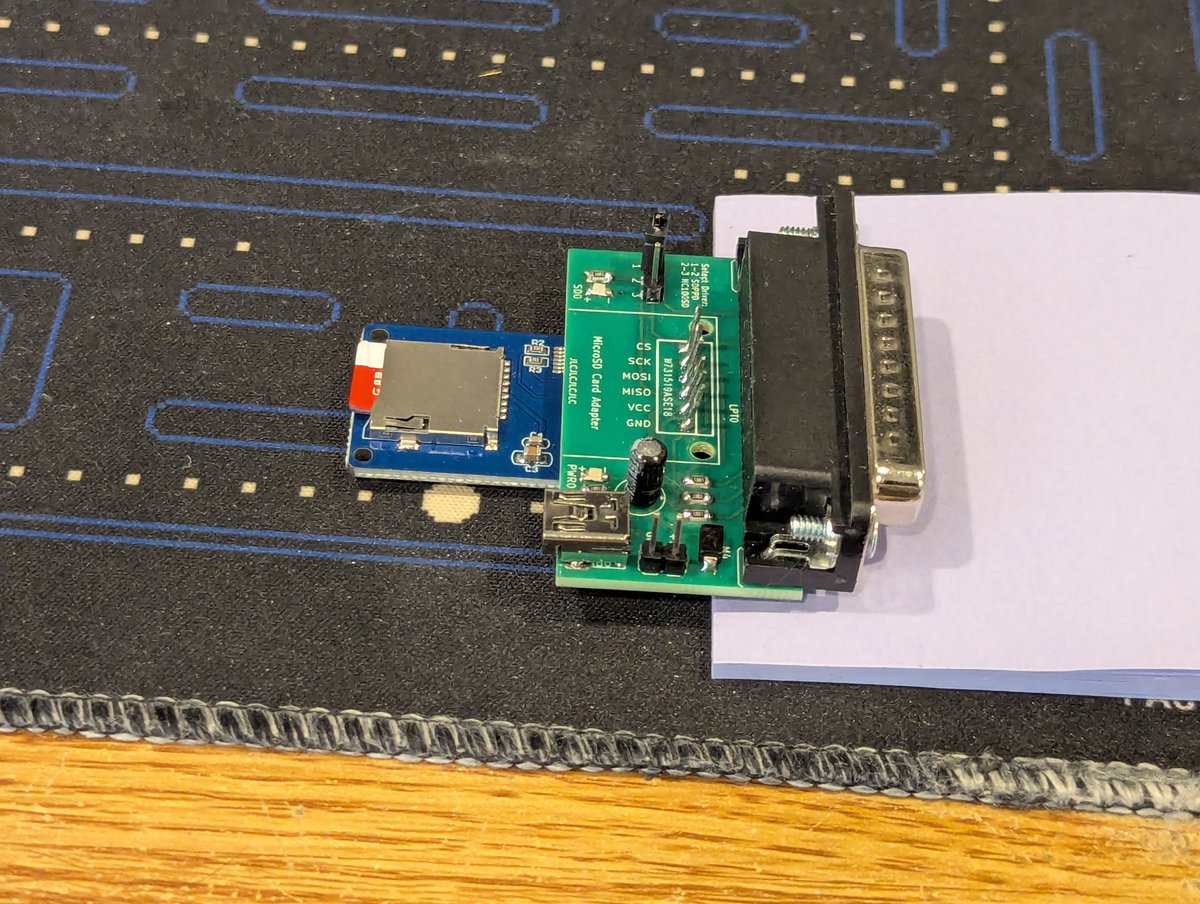
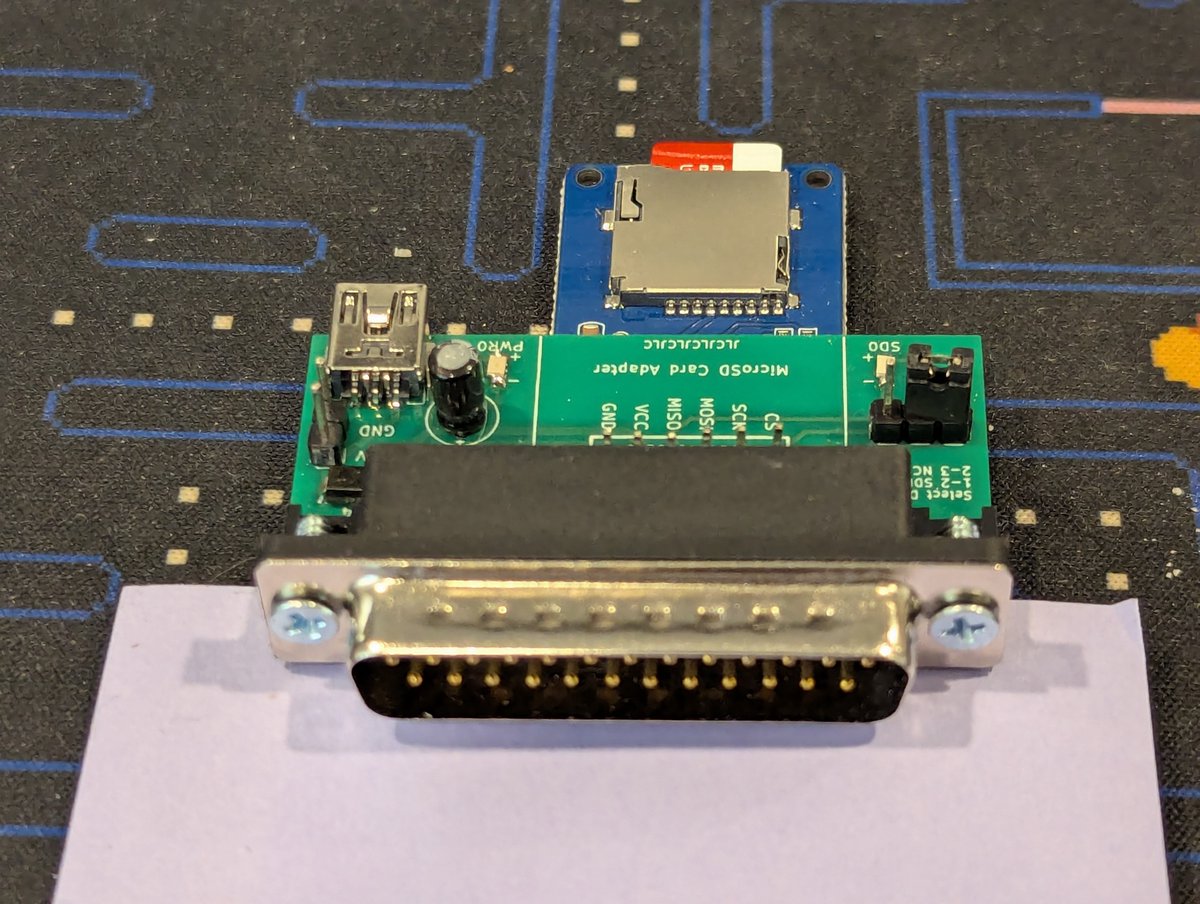
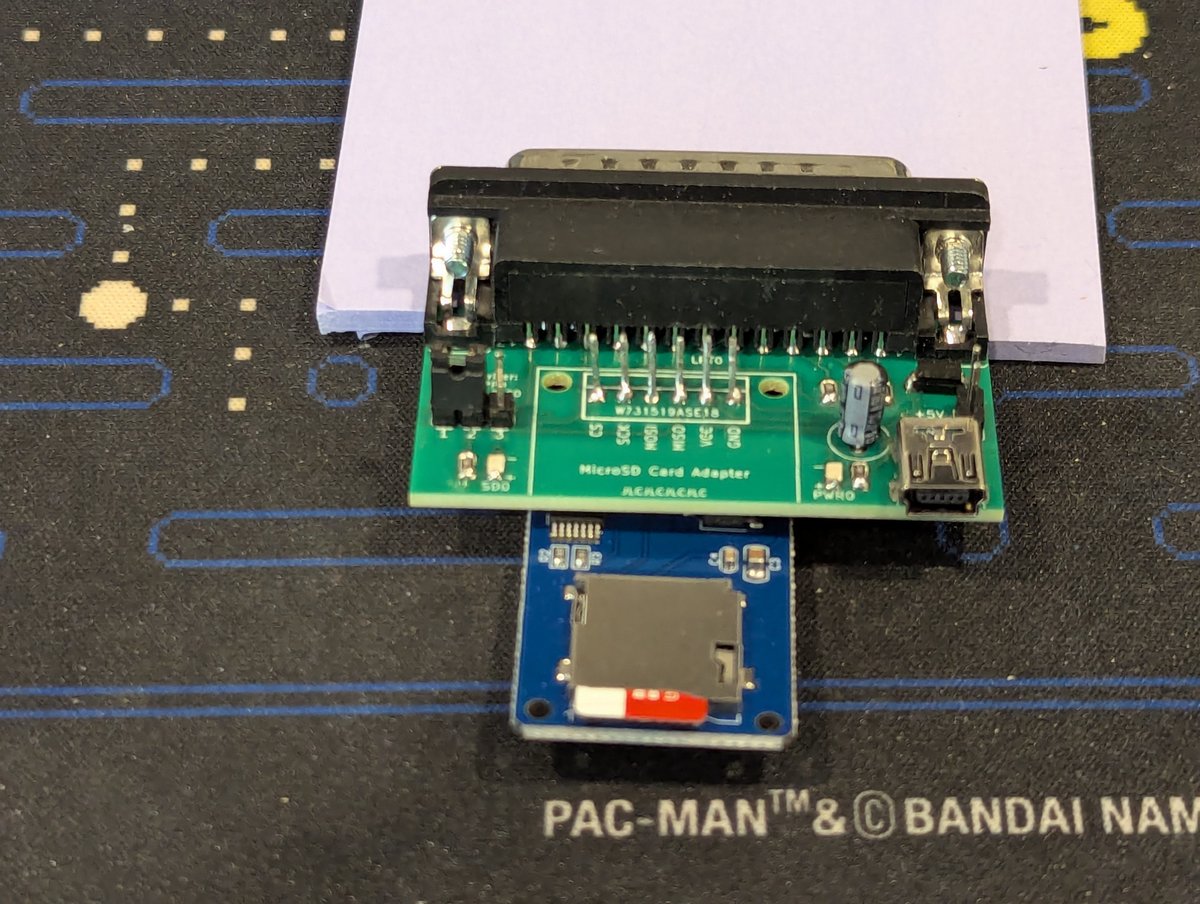
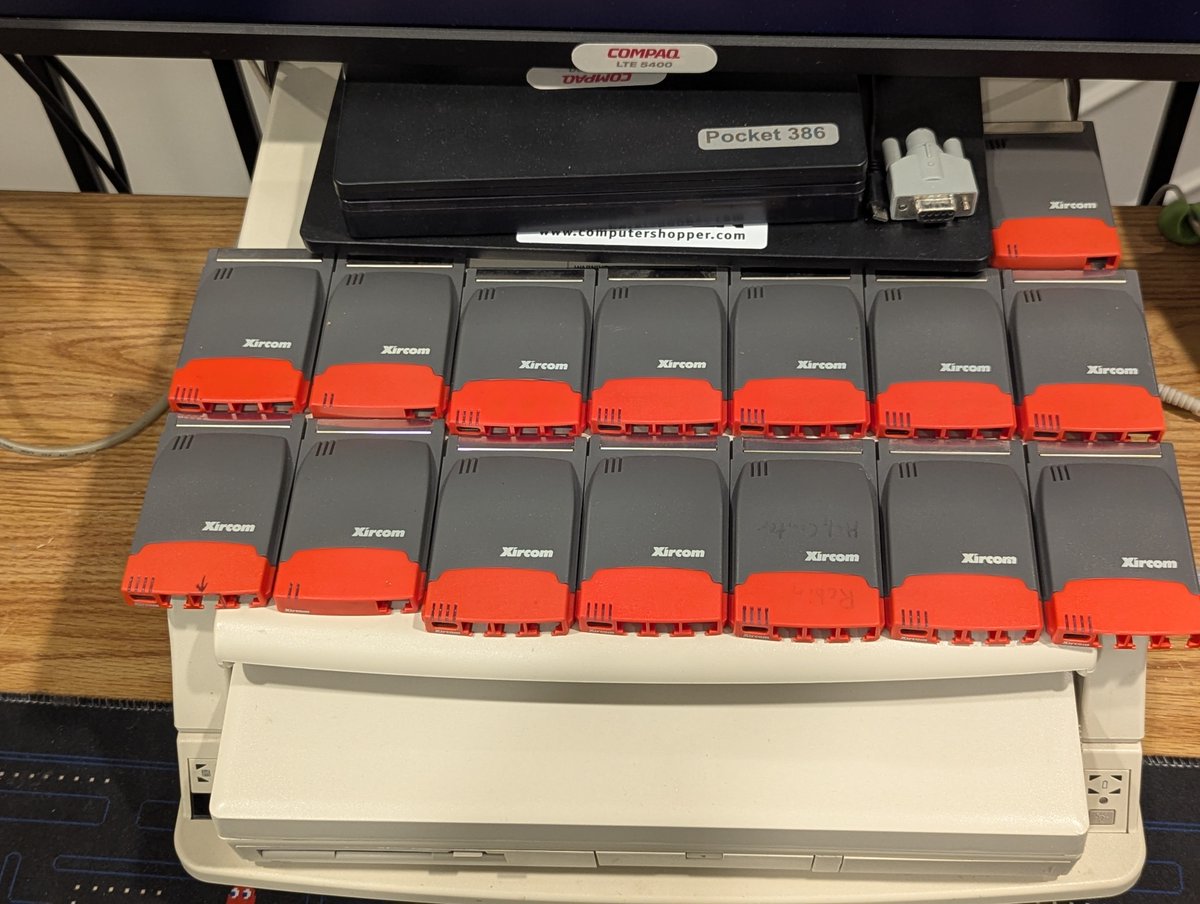
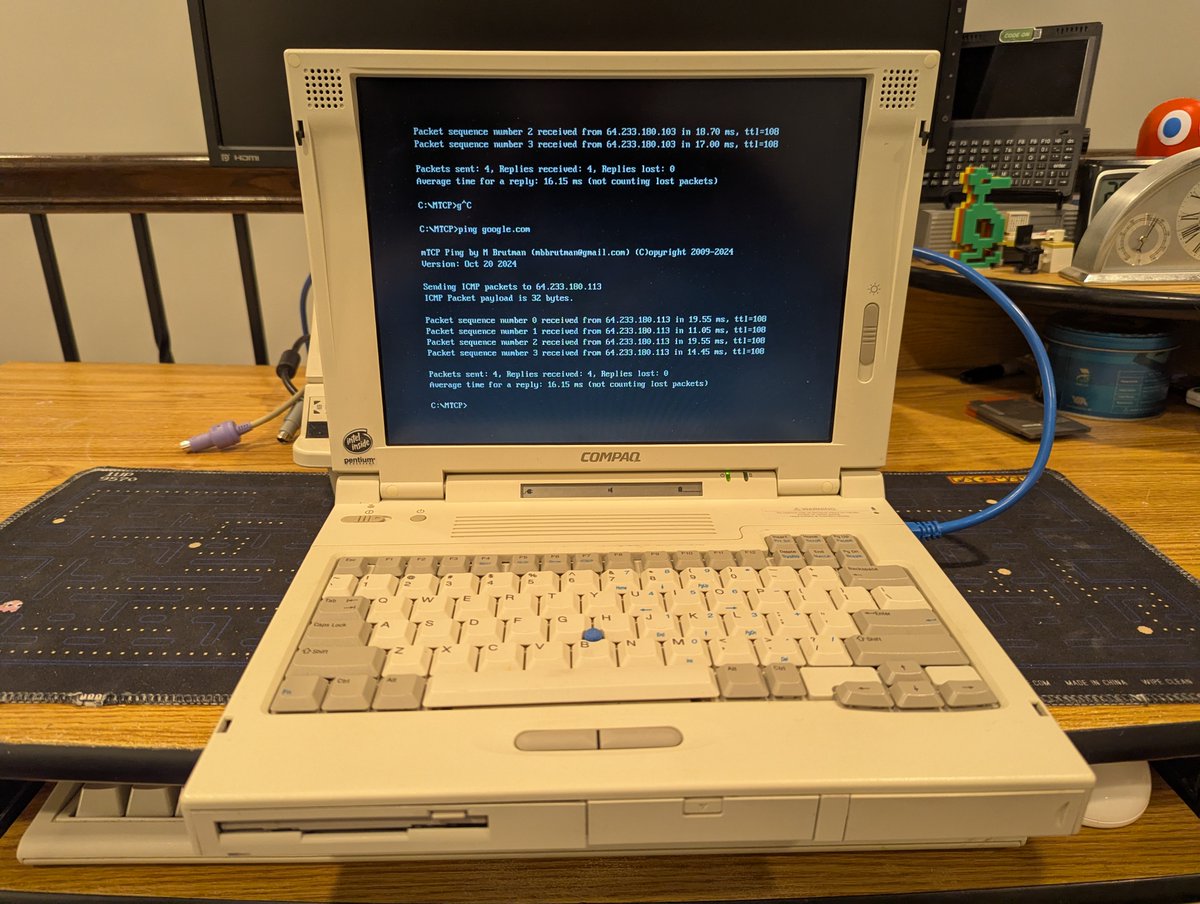
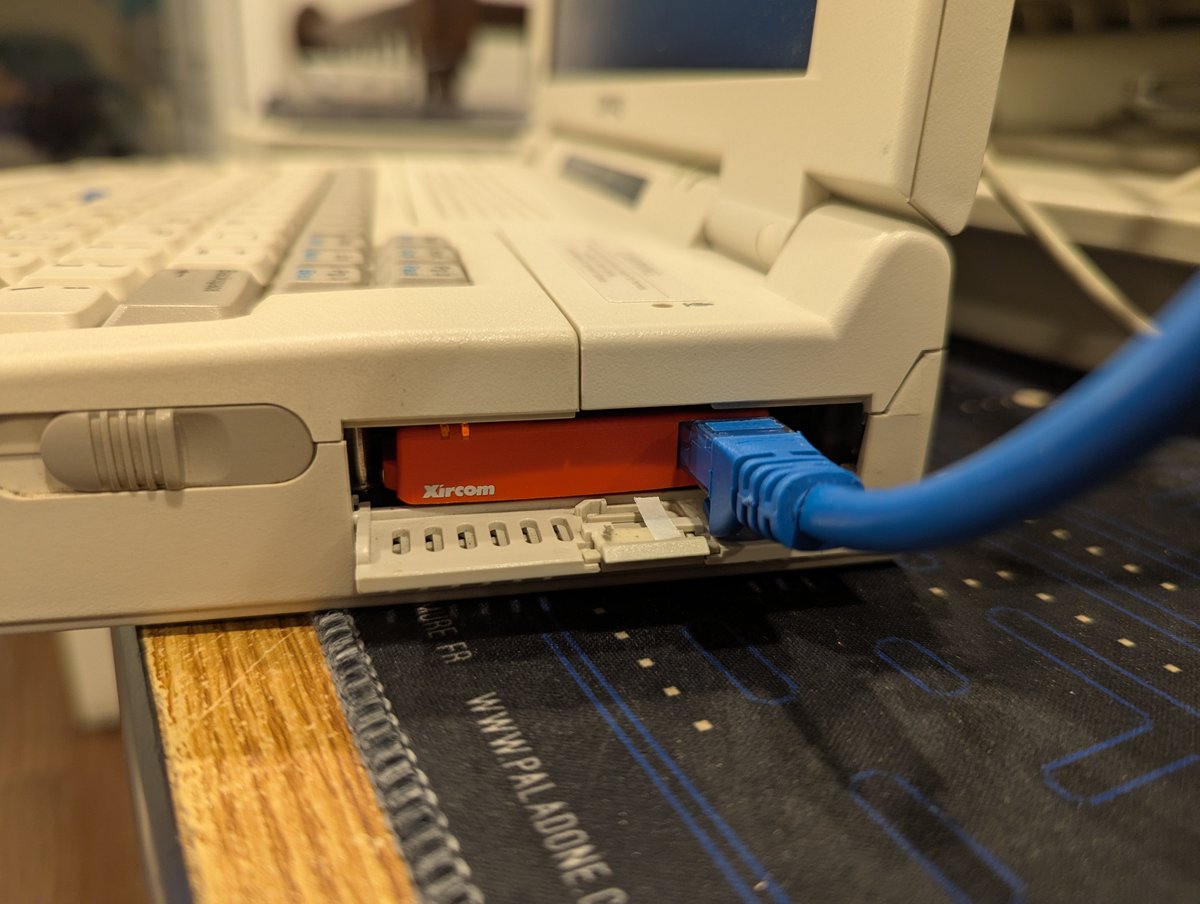
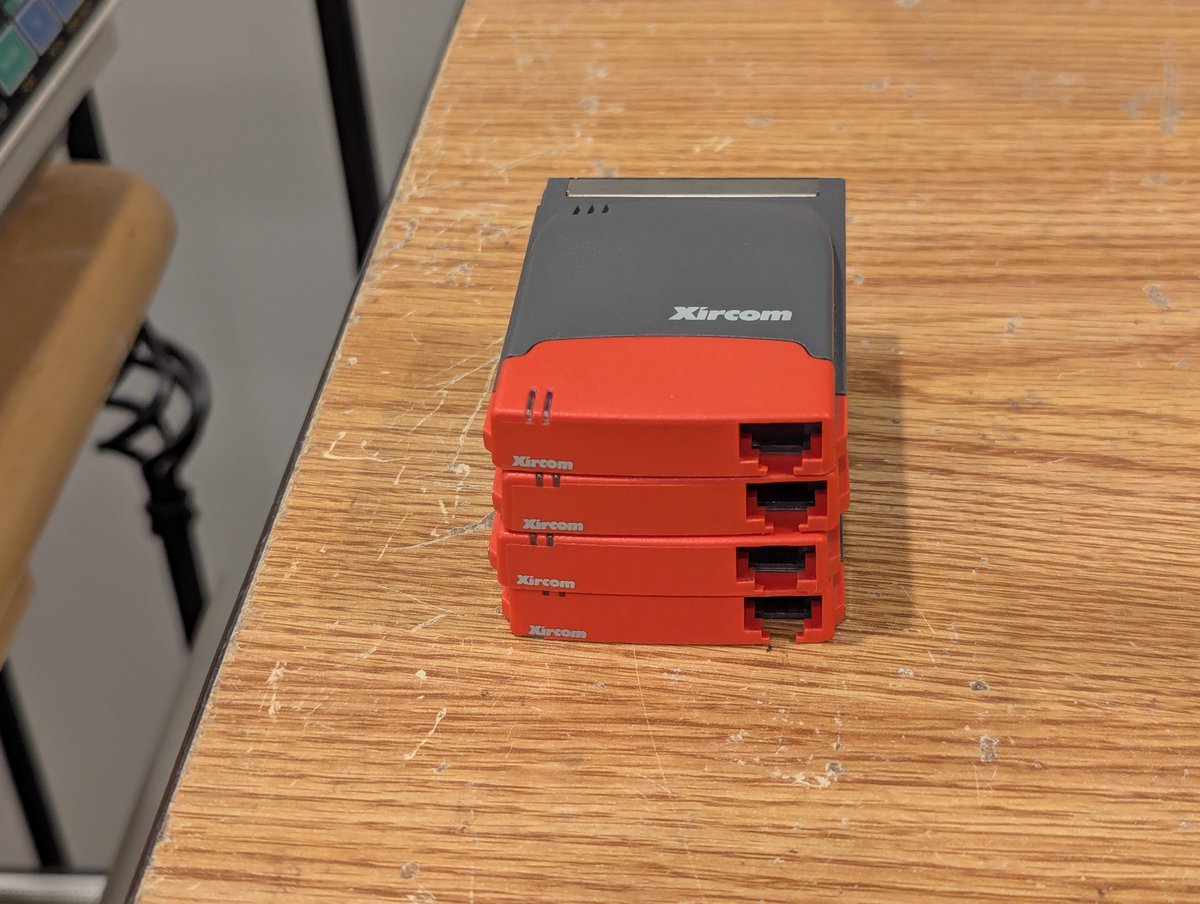
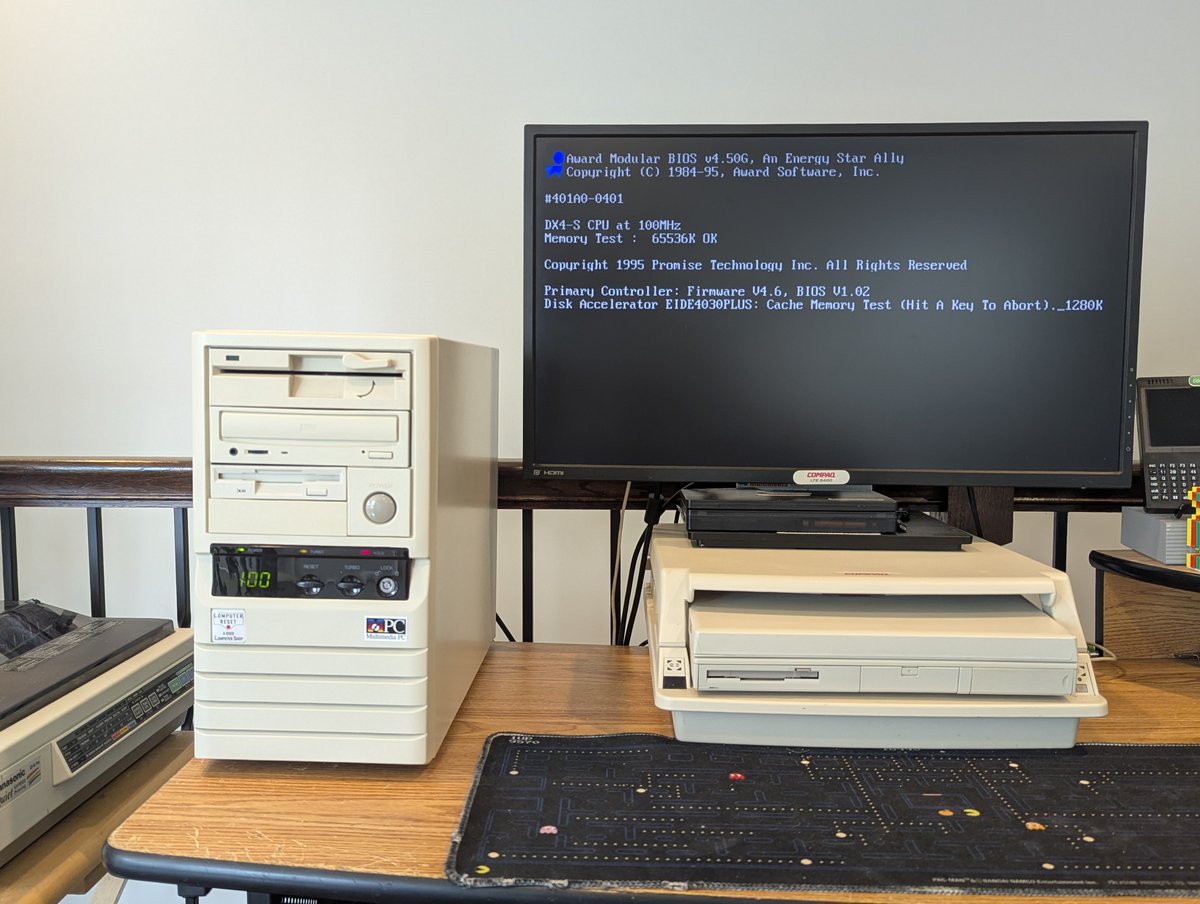
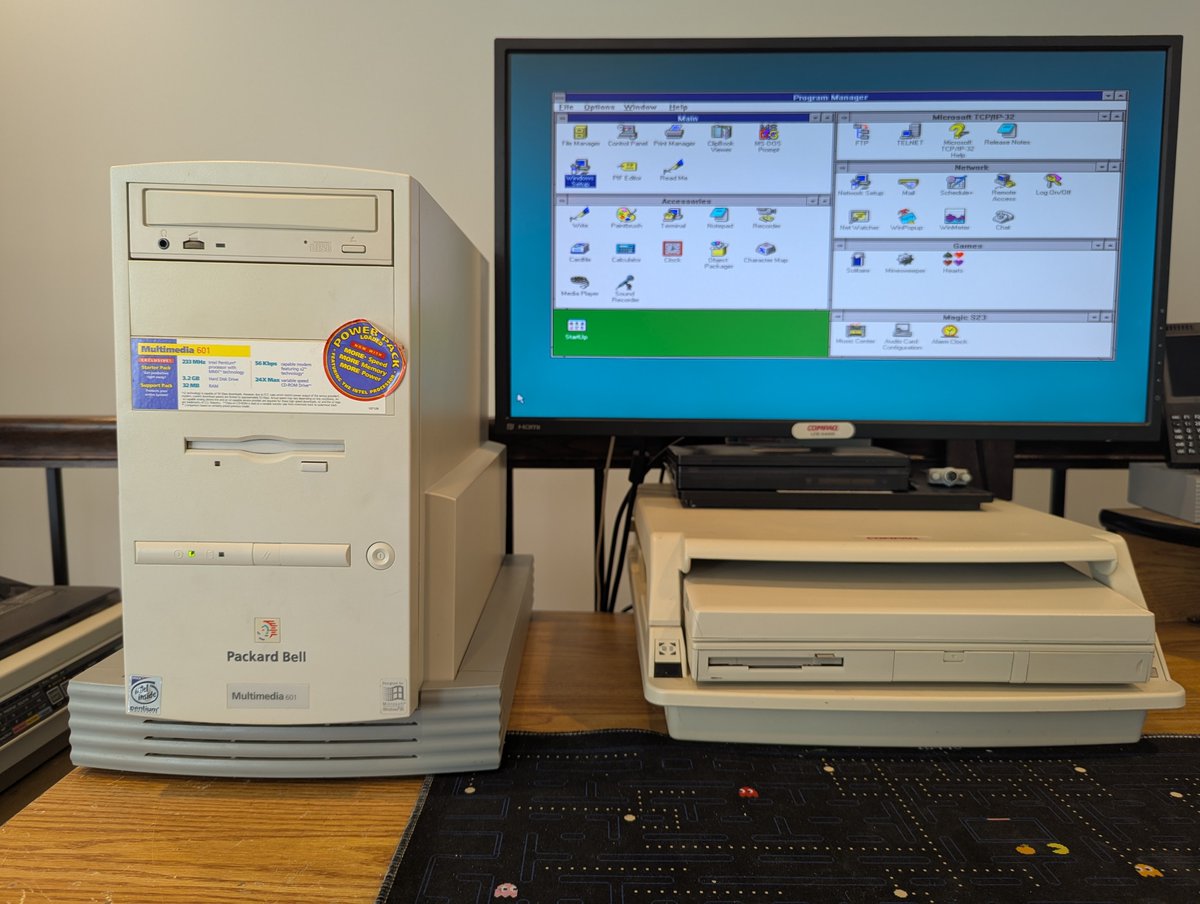
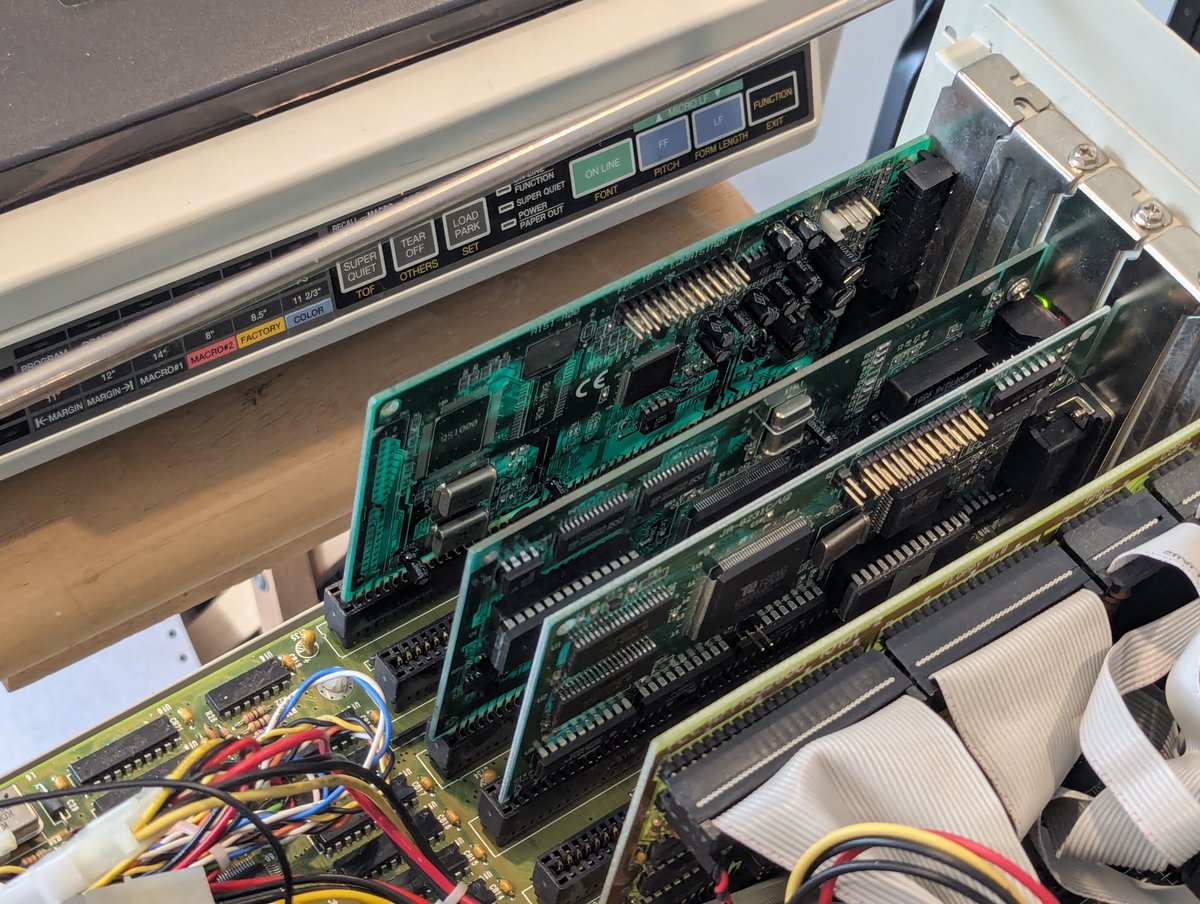
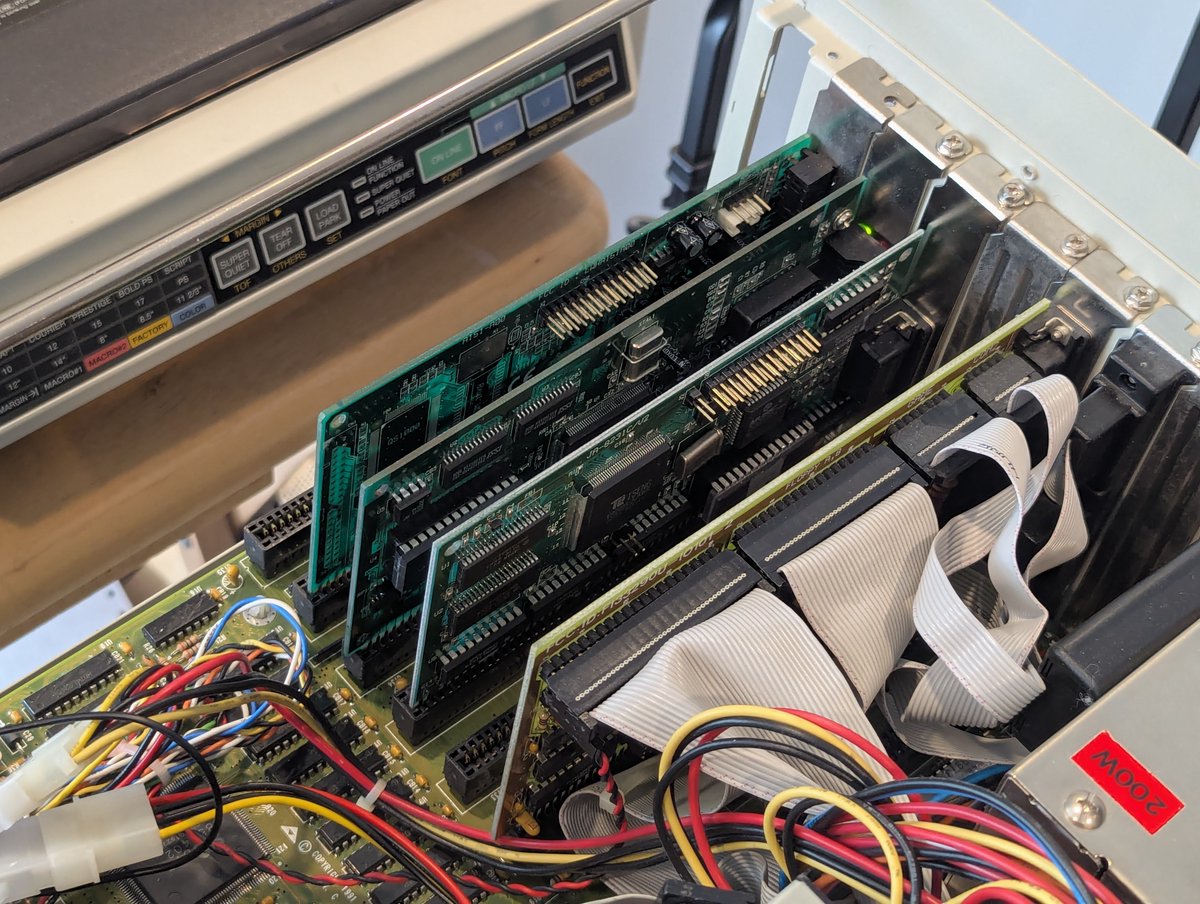
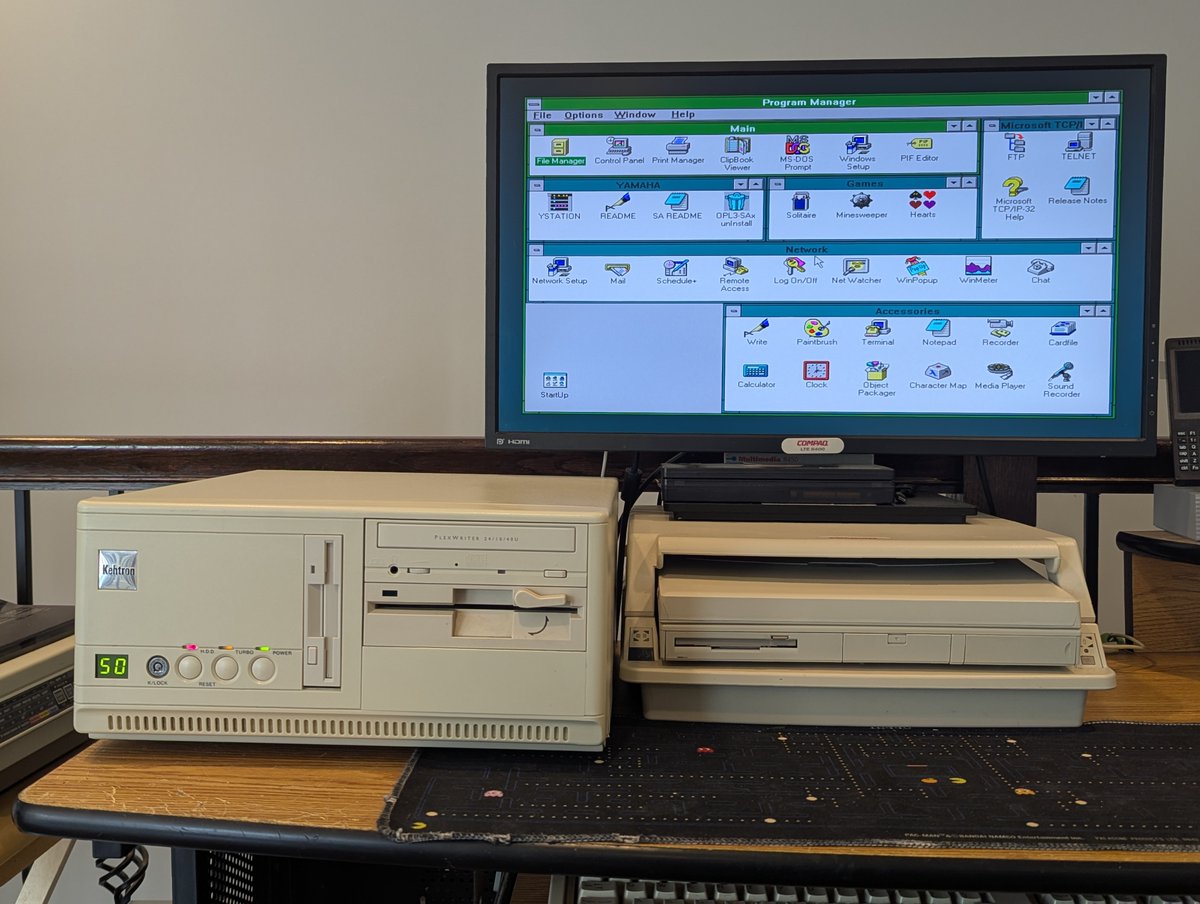
Last week, at the System Source swap meet, I picked up a bunch of interface cards! Additionally, I have this Microchannel network card that arrived in the mail. Let's test these cards out on the Pacman PC! Time for a long 🧵 


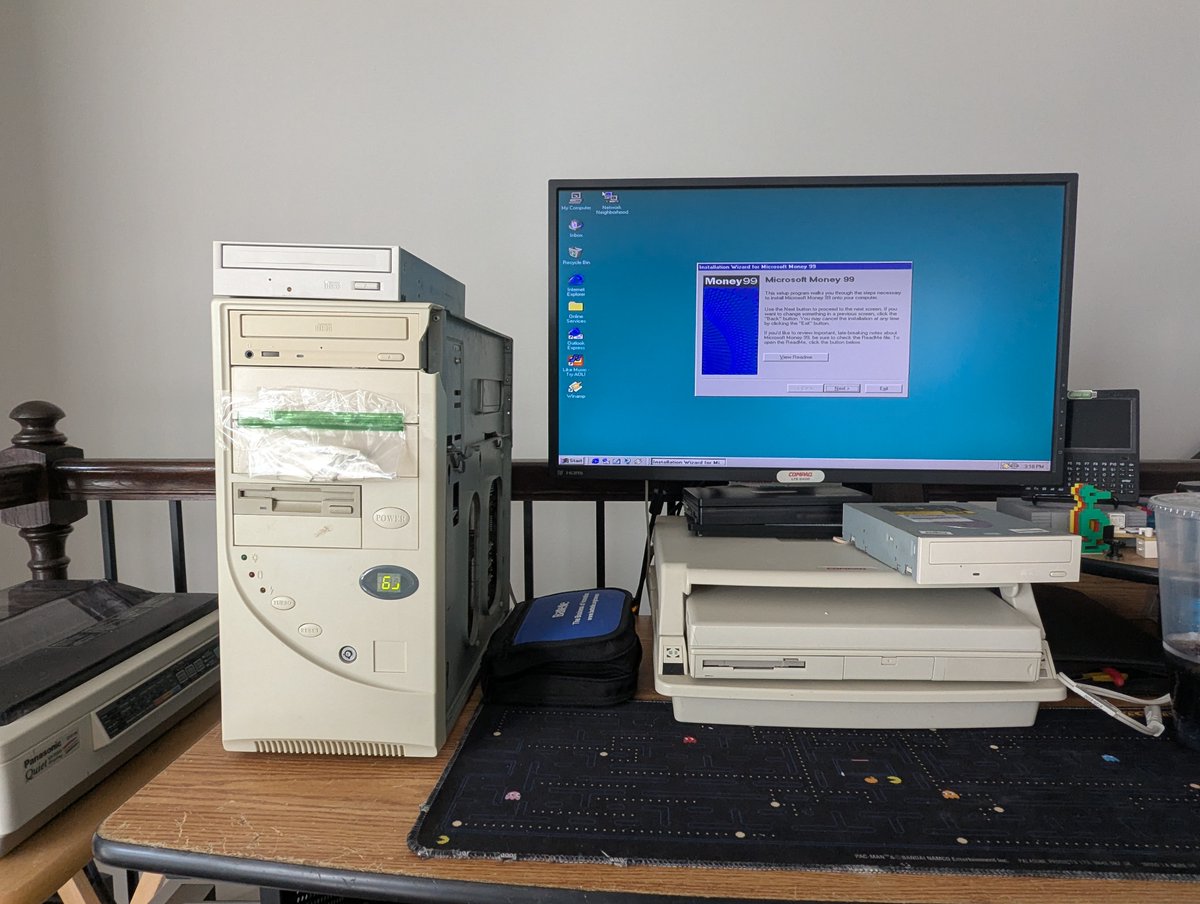
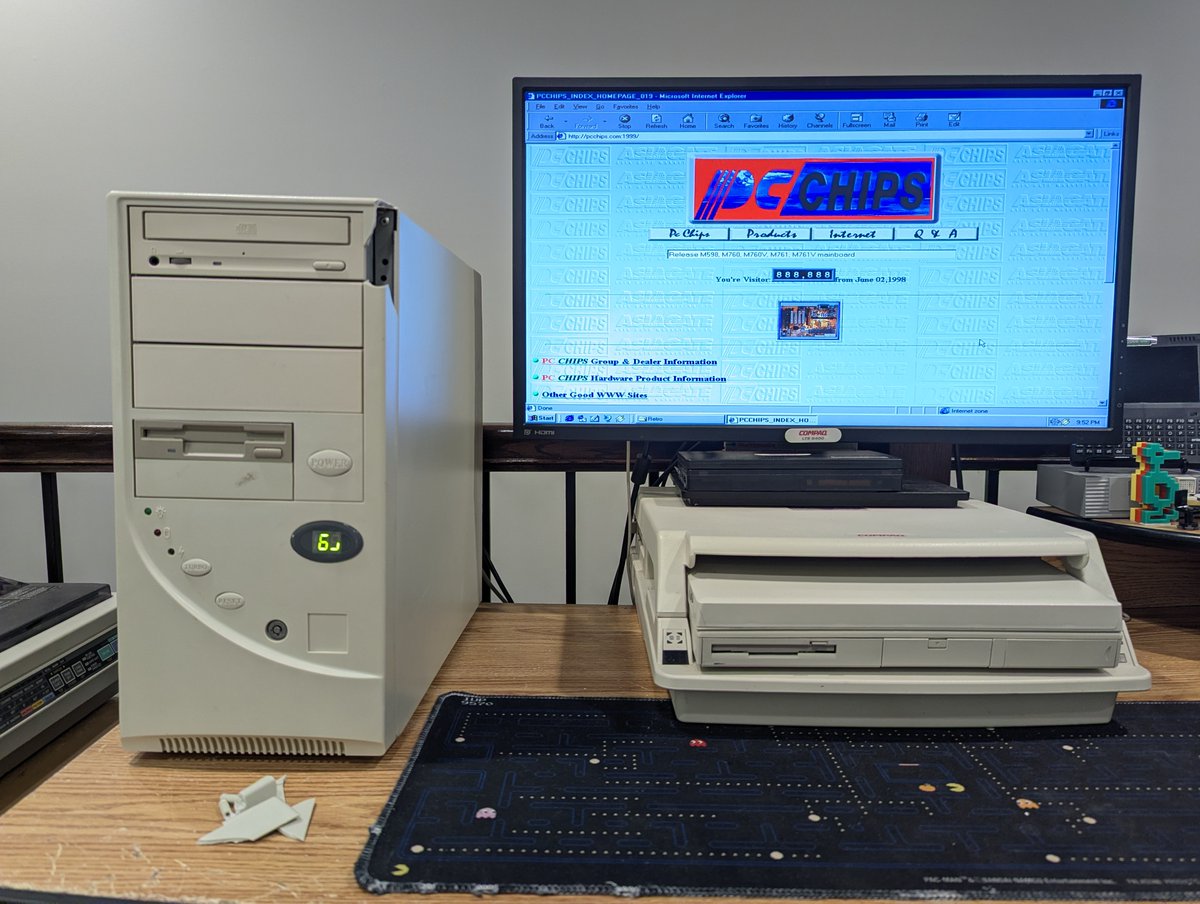
As I was thinking about which PC to use to test these, the Pacman PC ended up being ideal. Its motherboard has ISA, PCI, and AGP support! Some of you might remember this CYS Tech CYSMBD-694X motherboard that I picked up from Ali Express a little while back:
https://x.com/RetroTechChris/status/1892443768466407545


We're going to use Windows 98 SE to test. To ensure that I don't clutter my install with a bunch of driver install fun, I am going to make a backup copy of Win98SE that we will use for our purposes today.

First up, we will test this 3Com Fast EtherLink XL PCI card, and this S3 Trio64V+ card. The video card got detected right away! Perfect! I set the resolution to 1024x768x256, and set the refresh rate to 60Hz since it seemed to perform best at those settings.


As for the network card, it got detected as well, and we are able to browse the web. Excellent.


Time for the second batch of cards. I put the network card in a different PCI slot, and it got angry. Moving it to the same slot as the first round of testing fixed things right up!


As for the video card, I wasn't 100% sure what it was, so I fired up Unknown Devices. It's an ATI Rage 128 Pro. I hunted down drivers on The Retro Web, but looks like we are going to need to install DirectX first.


So, I installed DirectX, installed the drivers, set the resolution, and we are looking good!


Okay, time for the third batch. We'll test a Realtek RTL8139D card, and this ATI 3D Rage Pro AGP card. The video card detected right up and I was able to set the video mode and refresh rate to my liking!


As for network, I needed to find drivers, so I headed over to The Retro Web. Smooth sailing, and we are now online!


Time for the fourth batch. We have a Cirrus Logic CL-GD5440 video card and another Realtek RTL8139D network card. The video card detected right up, but on reboot, it went out of video range. Ugh. Guess we better head to safe mode.


While in safe mode, I thought I would see which video card drivers are now installed, and it is becoming quite the list 😂. I tweaked the refresh rate setting, which then prompted me to start up with 640x480x16 in "regular mode", which is exactly what we want.


Okay, so back in "regular mode", I was able to set the resolution to 1024x768x256. Good enough.. I bet higher modes and depths are interlaced, hence the "out of range" earlier. Also, the network card is working great!


Alright, next batch. We have this Trident TVGA 8900D ISA card, which totally doesn't belong in a Pentium III, and a Smart Modular Technologies 90079 "riptide" card. I had to run the "Add New Hardware Wizard" since I don't think this card is Plug and Pray. And... oh, this again?


Well, you know the drill. Safe mode. Tweak some setting. 640x480x16. Boot back in and adjust. This card kept getting ticked off with more than 16 colors, so 800x600x16 it is. It is a nice card though with 1MB of memory, it's just better for a DOS system.


Okay, time for that riptide card. It was a royal pain to find drivers for it. The drivers listed on The Retro Web didn't work, at least for Win98. But I eventually found something that did, geared for an HP Pavilion! This card is a combo modem/audio card!


So, I went one by one on the yellow question marks in device manager, and we got things to work! Looking good, and this card doesn't sound half bad either!


Let's fire up Retro SHOUTcast to have a quick listen. Gotta love the crappy video mode we are in still 😂
Ookay, we're almost done. I have one other Smart Modular Technologies 90079 card to test (different revision). It was a bit flaky at first, but got detected on reseat. I launched a terminal program so that we could see some information about the modem! Yes, it's a soft modem.


So, with this, we're left with the one Microchannel card to test, but honestly, I don't feel like getting the PS/2 out right now, so we might look at that a little later. I hope you enjoyed this testing session, thx for following along!
@threadreaderapp unroll
@threadreaderapp unroll

• • •
Missing some Tweet in this thread? You can try to
force a refresh