"Good companies stay good. Bad companies stay bad."
Chris Hohn's entire investment philosophy rests on this observation that everyone knows but nobody follows.
His recent conversation breaks down why simplicity beats complexity:
Chris Hohn's entire investment philosophy rests on this observation that everyone knows but nobody follows.
His recent conversation breaks down why simplicity beats complexity:

1. Risk Before Returns
Most investors obsess over returns. Hohn inverts this completely - risk comes first.
His definition isn't volatility or beta. It's about understanding what actually matters in a business.
Most investors obsess over returns. Hohn inverts this completely - risk comes first.
His definition isn't volatility or beta. It's about understanding what actually matters in a business.

2. The 30-Year Question
While everyone's looking at next quarter's earnings, Hohn asks: Will this company dominate in 30 years?
This isn't about predicting the future - it's about finding the obvious.
While everyone's looking at next quarter's earnings, Hohn asks: Will this company dominate in 30 years?
This isn't about predicting the future - it's about finding the obvious.

3. Good Companies Stay Good
The persistence of quality is perhaps Hohn's most underappreciated insight.
There aren't many great companies. When you find them, why would you sell?
The persistence of quality is perhaps Hohn's most underappreciated insight.
There aren't many great companies. When you find them, why would you sell?

4. Multiple Barriers or Nothing
One moat isn't enough. Hohn wants five: IP, brands, hard assets, contracts, network effects.
His aerospace investments exemplify this - regulatory barriers, installed base, IP, contracts all protecting the same business.
One moat isn't enough. Hohn wants five: IP, brands, hard assets, contracts, network effects.
His aerospace investments exemplify this - regulatory barriers, installed base, IP, contracts all protecting the same business.

5. The Obviousness Test
If the competitive advantage isn't obvious, it's probably not sustainable.
Spanish airports? Obviously irreplaceable. Toll roads? Obviously essential for 100 years. Complex technology thesis? Pass.
If the competitive advantage isn't obvious, it's probably not sustainable.
Spanish airports? Obviously irreplaceable. Toll roads? Obviously essential for 100 years. Complex technology thesis? Pass.

6. Pricing Power - The Ultimate Test
Most companies don't even mention it. But real pricing power above inflation is what separates great businesses from good ones.
Every 1% of real pricing is pure margin expansion.
Most companies don't even mention it. But real pricing power above inflation is what separates great businesses from good ones.
Every 1% of real pricing is pure margin expansion.

7. Why "New" is Usually Wrong
The market loves what's new and hot. Hohn's response is brutal: "Do you need to change your wife every year?"
Finding the right investment is like finding the right partner - rare and worth keeping.
The market loves what's new and hot. Hohn's response is brutal: "Do you need to change your wife every year?"
Finding the right investment is like finding the right partner - rare and worth keeping.

8. The Peloton Principle
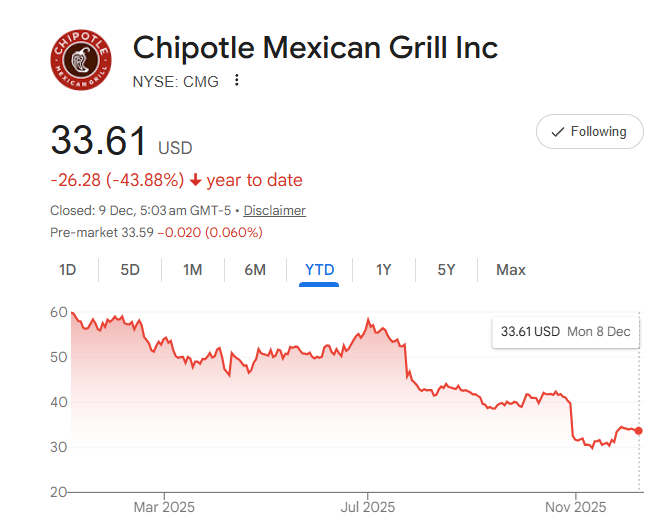
$50 billion to nearly zero. The perfect example of why Hohn avoids the hot and new.
The question isn't "what's exciting?" It's "what will still be essential in 30 years?"
$50 billion to nearly zero. The perfect example of why Hohn avoids the hot and new.
The question isn't "what's exciting?" It's "what will still be essential in 30 years?"

Hohn's philosophy is deceptively simple: Find companies with obvious, multiple barriers to entry in essential industries. Hold them for decades.
But simple doesn't mean easy. It requires ignoring the market's voting machine for its weighing machine.
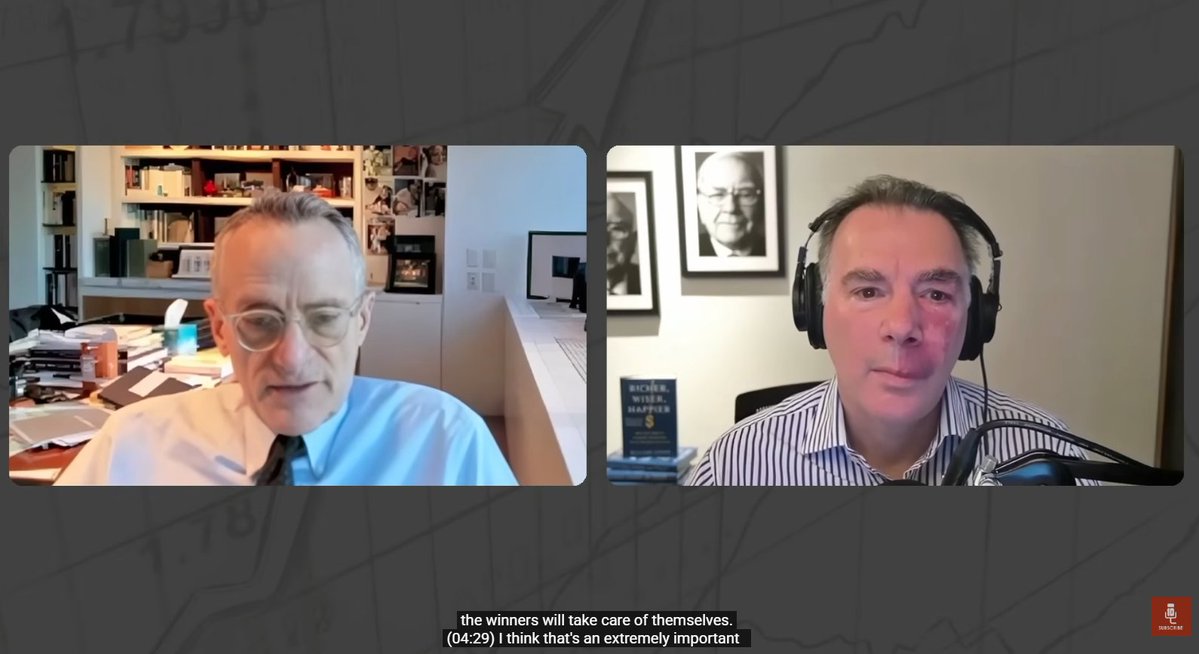
As he puts it: "In the short term the market is a voting machine—what's hot, what's new—but in the long term it's a weighing machine."
Watch the interview here: youtube.com/watch?v=wPNs8D…
But simple doesn't mean easy. It requires ignoring the market's voting machine for its weighing machine.
As he puts it: "In the short term the market is a voting machine—what's hot, what's new—but in the long term it's a weighing machine."
Watch the interview here: youtube.com/watch?v=wPNs8D…
Hohn's philosophy aligns with how I analyze companies - focusing on durability over growth.
I break down real examples weekly in my newsletter:
For more threads like this, follow me @SteadyCompoundsteadycompounding.com
I break down real examples weekly in my newsletter:
For more threads like this, follow me @SteadyCompoundsteadycompounding.com
Chris Hohn's current portfolio:

• • •
Missing some Tweet in this thread? You can try to
force a refresh