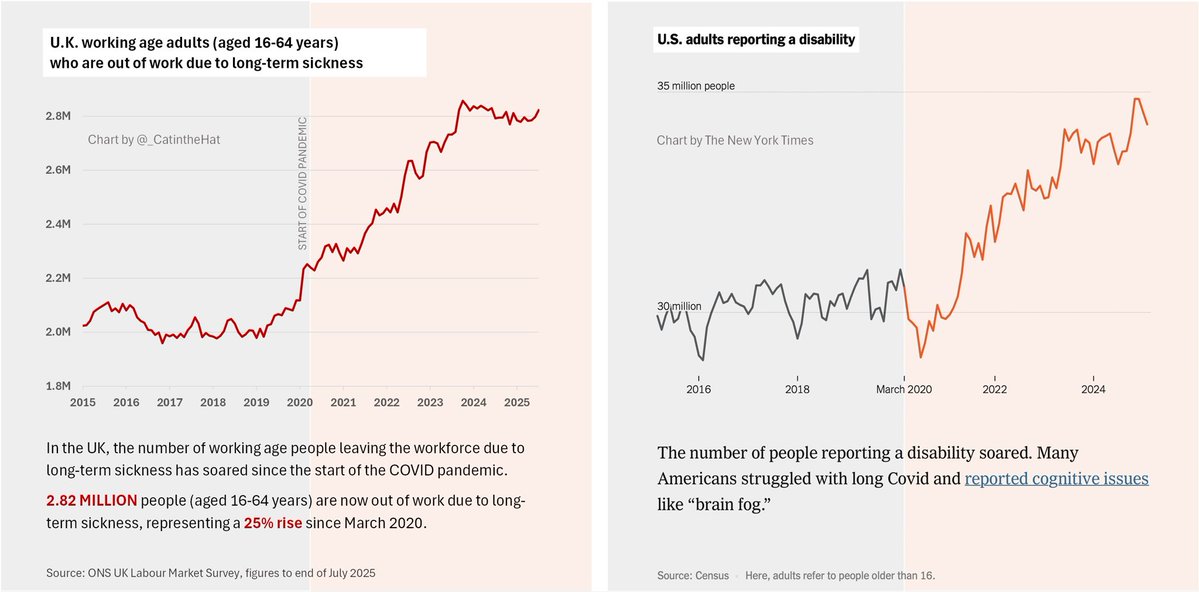
Two countries.
Two charts.
A very similar (and concerning) trend.
…………..
Can you think of anything that happened in 2020 which is still affecting huge swathes of people on an ongoing basis and which may help explain this worrying trend?
/1
Two charts.
A very similar (and concerning) trend.
…………..
Can you think of anything that happened in 2020 which is still affecting huge swathes of people on an ongoing basis and which may help explain this worrying trend?
/1
If you haven’t figured it out yet, here’s a little clue… 🔎
/2
/2
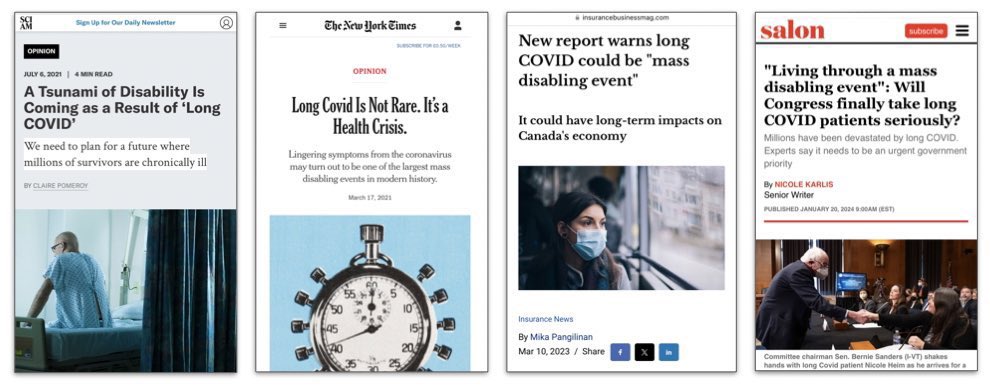
Still not worked it out?
Here’s another clue from Jim Reed, the BBC’s health reporter… 
/3
Here’s another clue from Jim Reed, the BBC’s health reporter… 
/3
The government say they want to fix the benefits crisis…
…but to fix the benefits crisis, they’re going to have to fix the long-term sickness crisis…
…and to fix the long-term sickness crisis, they’re going to have to fix the Long Covid crisis…
/4
…but to fix the benefits crisis, they’re going to have to fix the long-term sickness crisis…
…and to fix the long-term sickness crisis, they’re going to have to fix the Long Covid crisis…
/4
…and to fix the Long Covid crisis, they’re going to have to stop ignoring the highly infectious disease which causes it…
ie. COVID.
Every reinfection increases the risk of Long Covid.
And the best way to prevent Long Covid is to prevent Covid infections & reinfections.
/5
ie. COVID.
Every reinfection increases the risk of Long Covid.
And the best way to prevent Long Covid is to prevent Covid infections & reinfections.
/5
https://twitter.com/zalaly/status/1821858327871062207
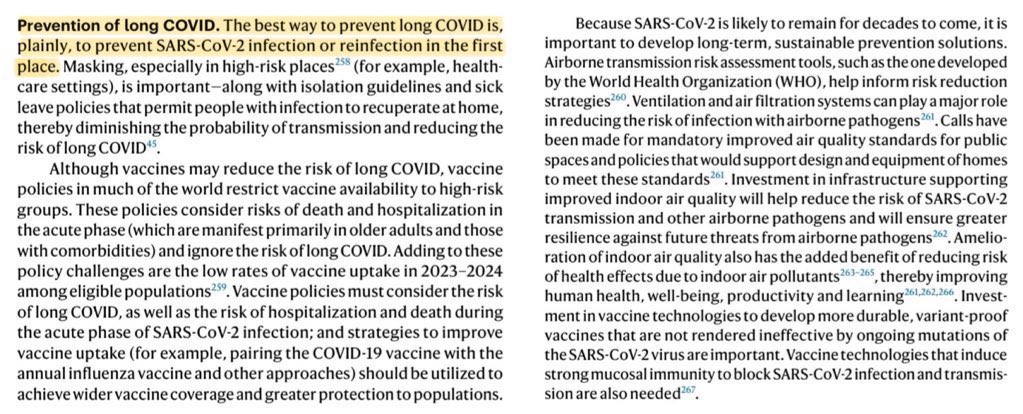
Since Covid is predominantly spread via airborne aerosols which spread through a room like smoke and can linger in the air even after the infectious person has left the room, the best way to prevent Covid infections is to use mitigations against AIRBORNE transmission.
/6
/6
https://twitter.com/_catinthehat/status/1881071646259433709
Airborne mitigations which would help to reduce Covid transmission include:
1️⃣ Wearing high quality FFP2/3 masks, particularly in HEALTHCARE SETTINGS where the risk of coming into contact with an infected person is high.
/7
1️⃣ Wearing high quality FFP2/3 masks, particularly in HEALTHCARE SETTINGS where the risk of coming into contact with an infected person is high.
/7
https://twitter.com/_catinthehat/status/1900886663460503826

2️⃣ Improving indoor air quality through ventilation and air filtration.
Again, this is particularly important in HEALTHCARE SETTINGS where the risk of airborne transmission is very high…
/8
Again, this is particularly important in HEALTHCARE SETTINGS where the risk of airborne transmission is very high…
/8
https://twitter.com/_catinthehat/status/1861435771481162135
…and also in SCHOOLS where children are crammed into poorly-ventilated classrooms, sitting shoulder-to-shoulder with up to 29 other kids for around 6 hours a day, 5 days a week…
…where parents are told it’s perfectly ok to send their kids in with obvious Covid symptoms.
/9
…where parents are told it’s perfectly ok to send their kids in with obvious Covid symptoms.
/9
https://twitter.com/_catinthehat/status/1977760825021542566
We have the tools to reduce the spread of COVID…
…which, in turn, would reduce the number of people developing Long Covid.
Many recommendations have been voiced by experts at the Covid Inquiry about reducing airborne transmission.
So why aren’t we DOING it?!
/End
…which, in turn, would reduce the number of people developing Long Covid.
Many recommendations have been voiced by experts at the Covid Inquiry about reducing airborne transmission.
So why aren’t we DOING it?!
/End
• • •
Missing some Tweet in this thread? You can try to
force a refresh