After this post went viral, I called Caroline Groves, a world-class bespoke shoemaker, to discuss how women's shoes are made. I normally don't talk about womenswear, but I found the information interesting, so I thought I would share what I learned here. 🧵
https://twitter.com/languidreamer/status/1993032400851648970
First, who is Caroline Groves?
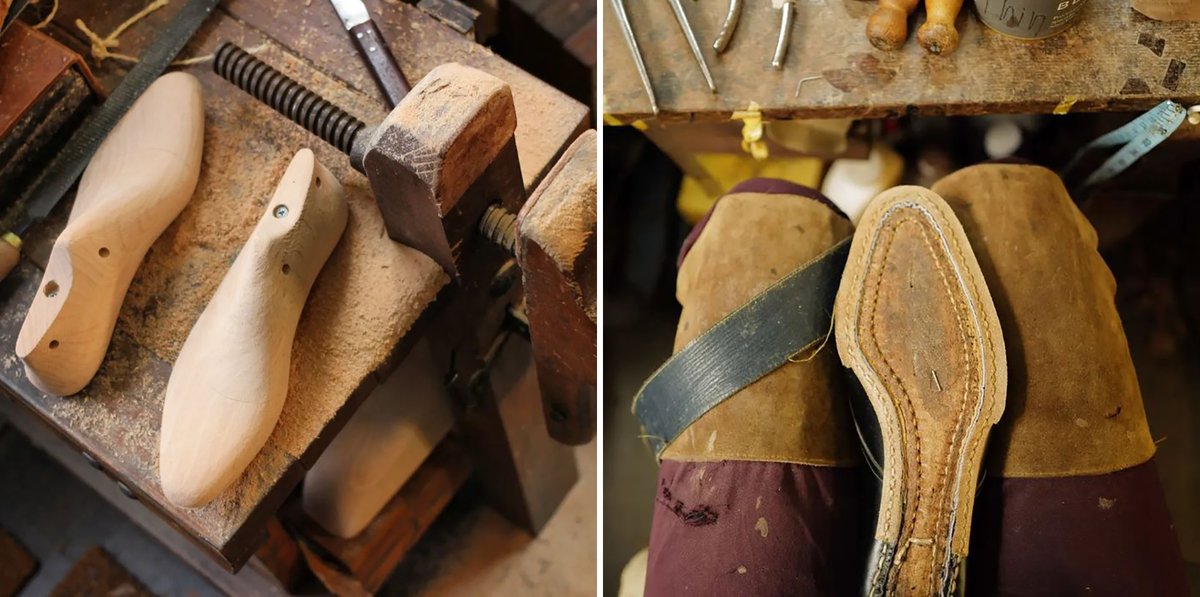
Footwear is broadly broken into two categories: bespoke and ready-to-wear. In London, bespoke makers, including those for women, are largely focused on traditional styles, such as wingtip derbies and loafers. Emiko Matsuda is great for this.
Footwear is broadly broken into two categories: bespoke and ready-to-wear. In London, bespoke makers, including those for women, are largely focused on traditional styles, such as wingtip derbies and loafers. Emiko Matsuda is great for this.
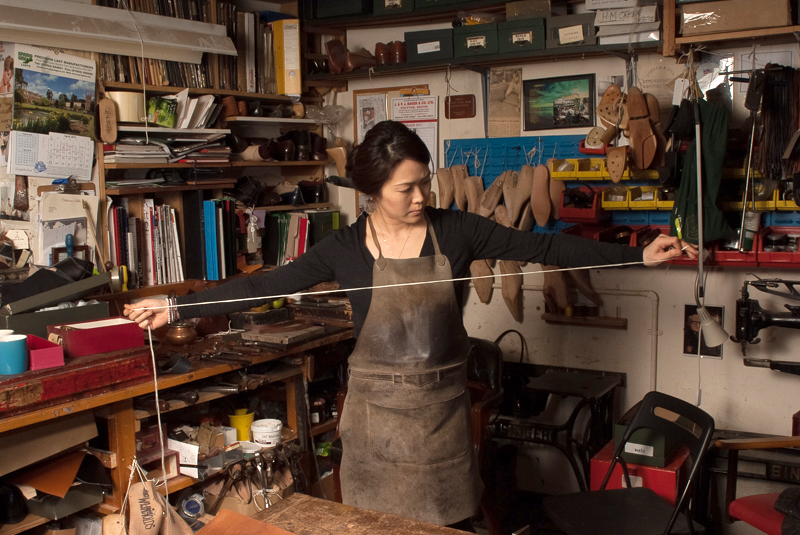
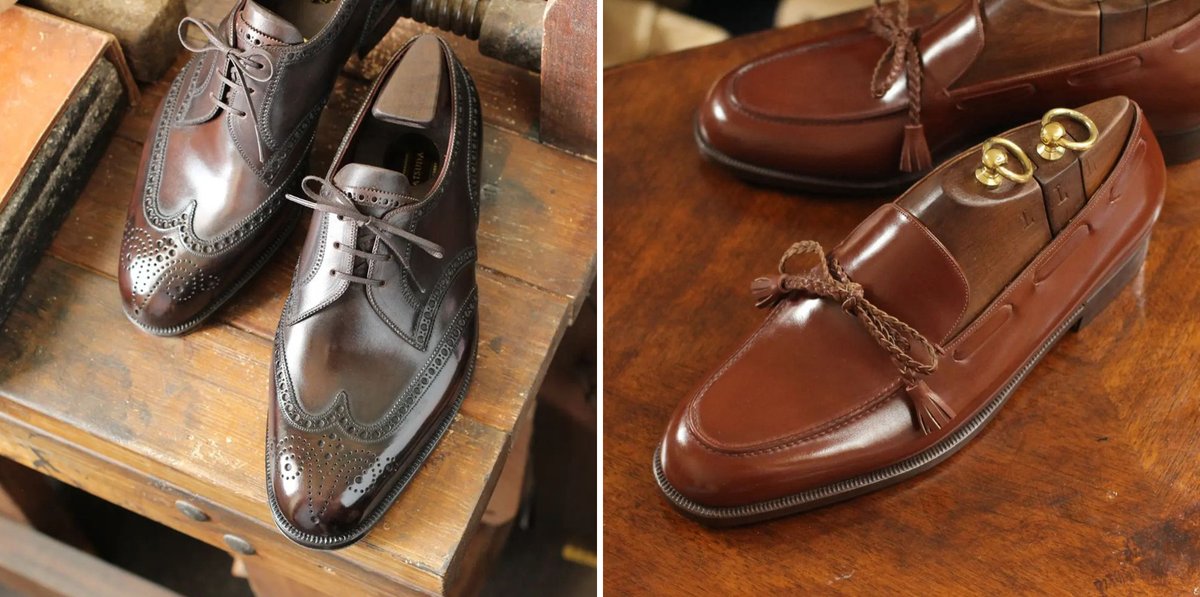
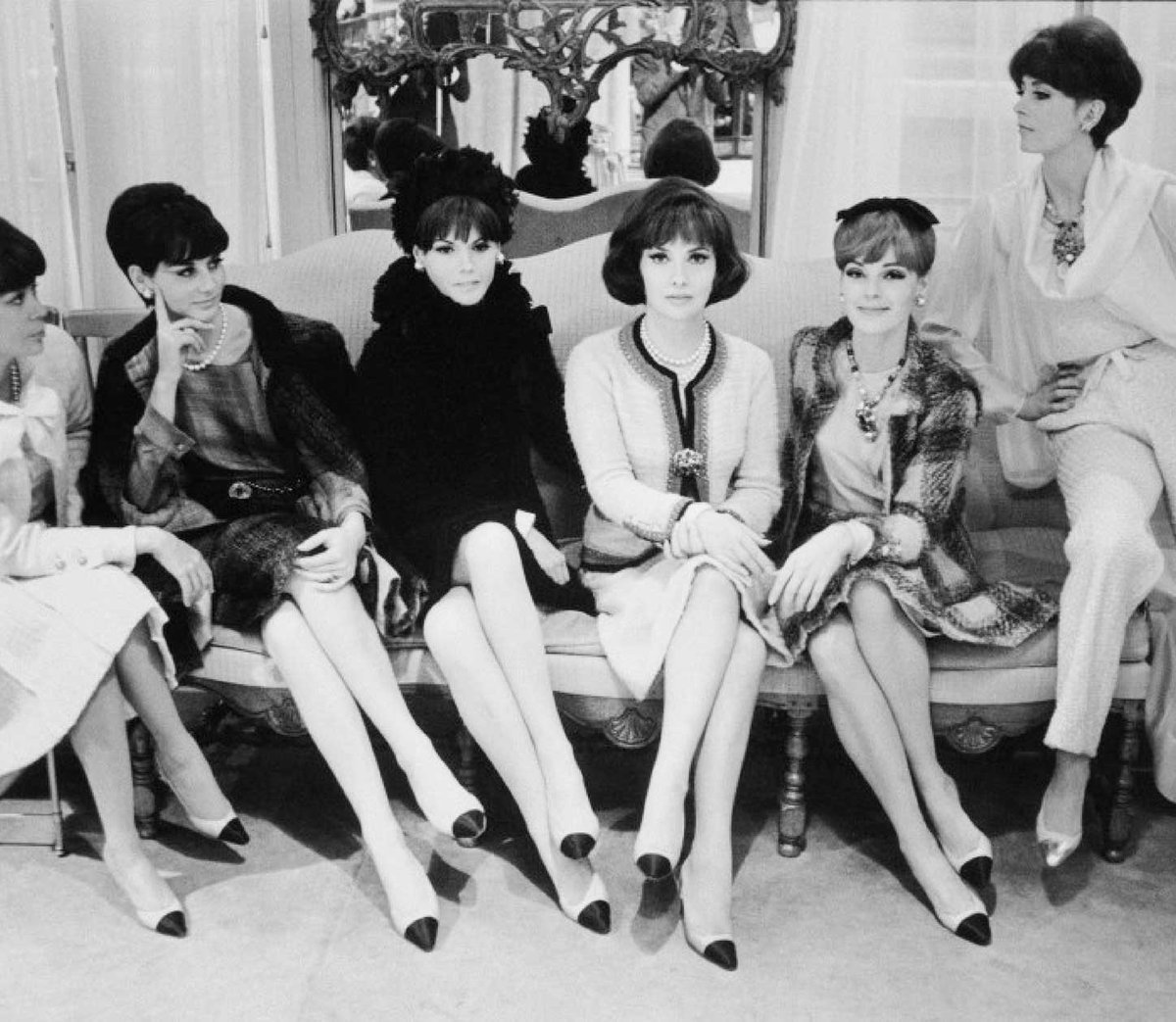
In Paris, there's Massaro, a historic firm that has been operating since 1894, now owned by Chanel. Their designs are less about creating the women's equivalent of traditional men's footwear and more about things such as heels or creative styles. Aesthetic is still "traditional."
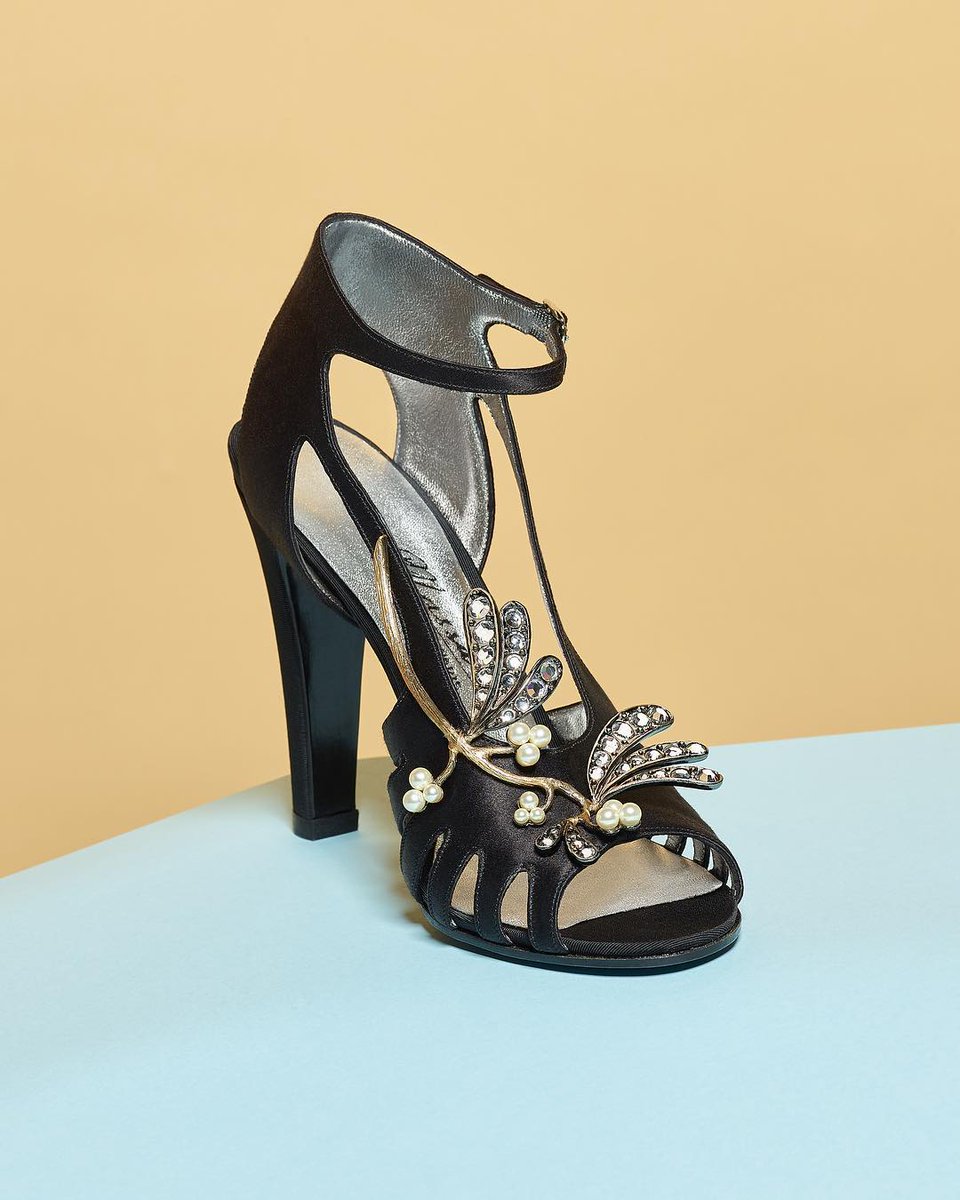
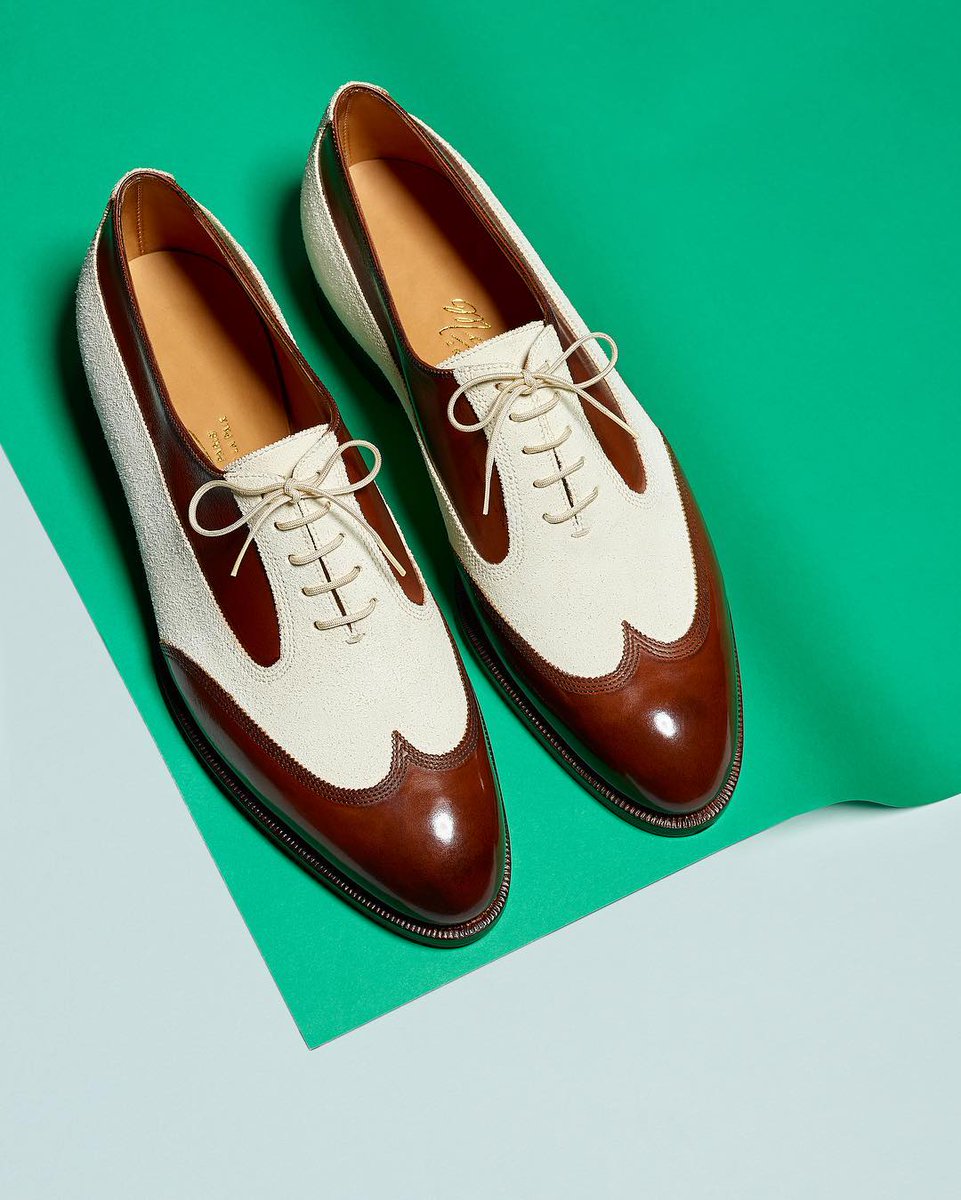
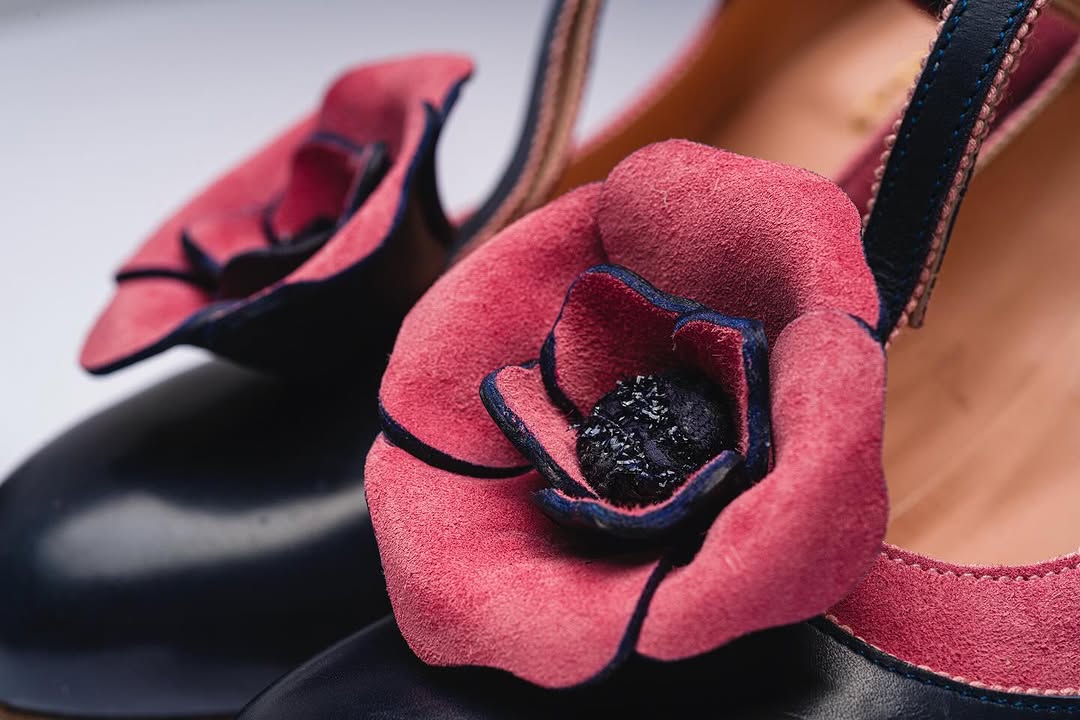
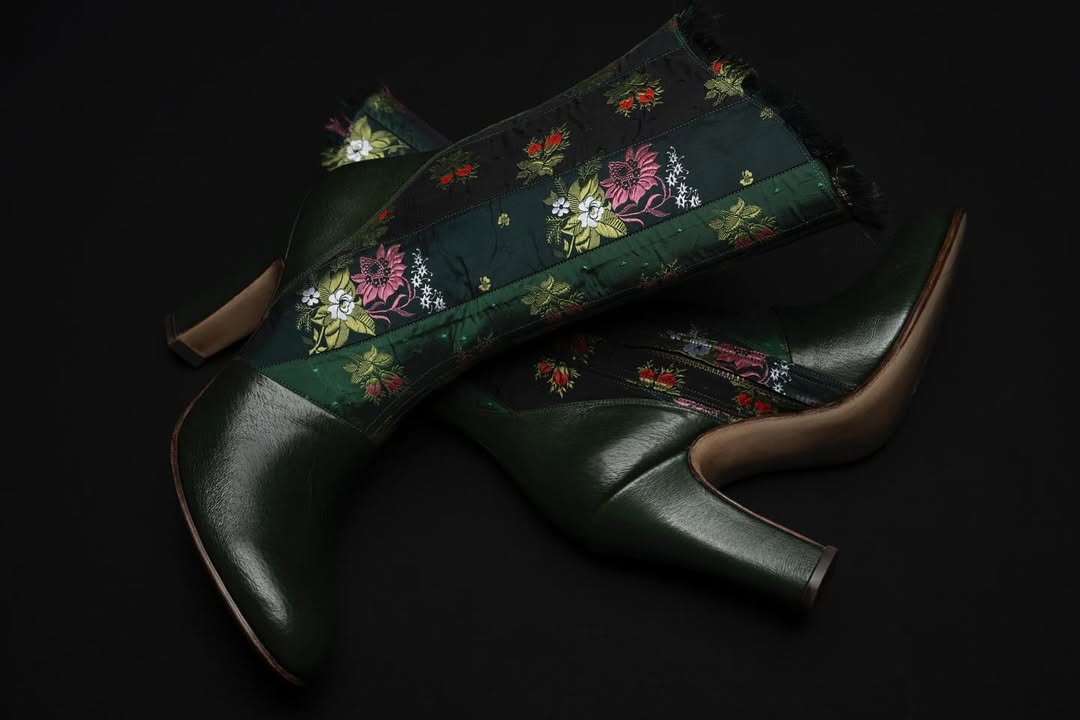
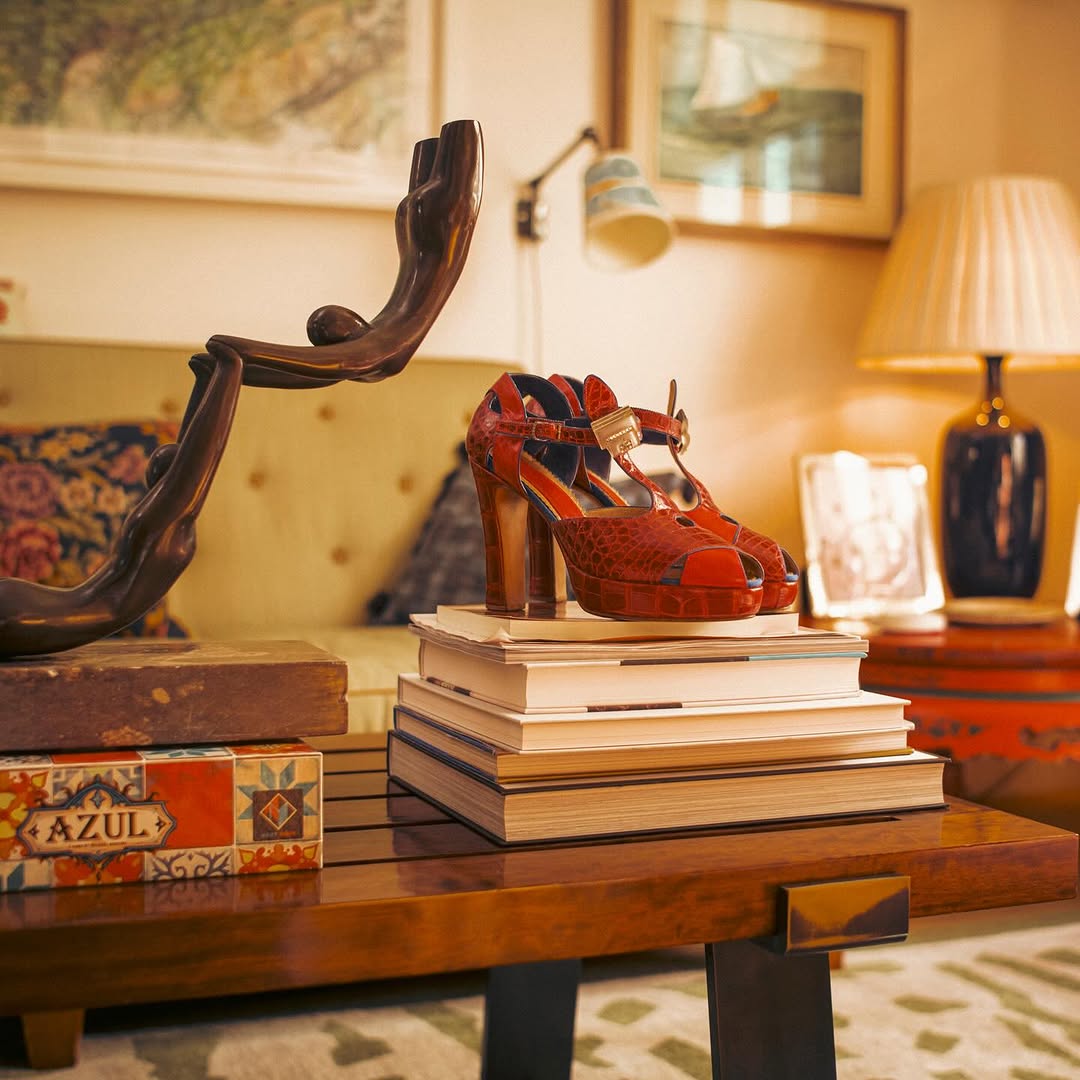
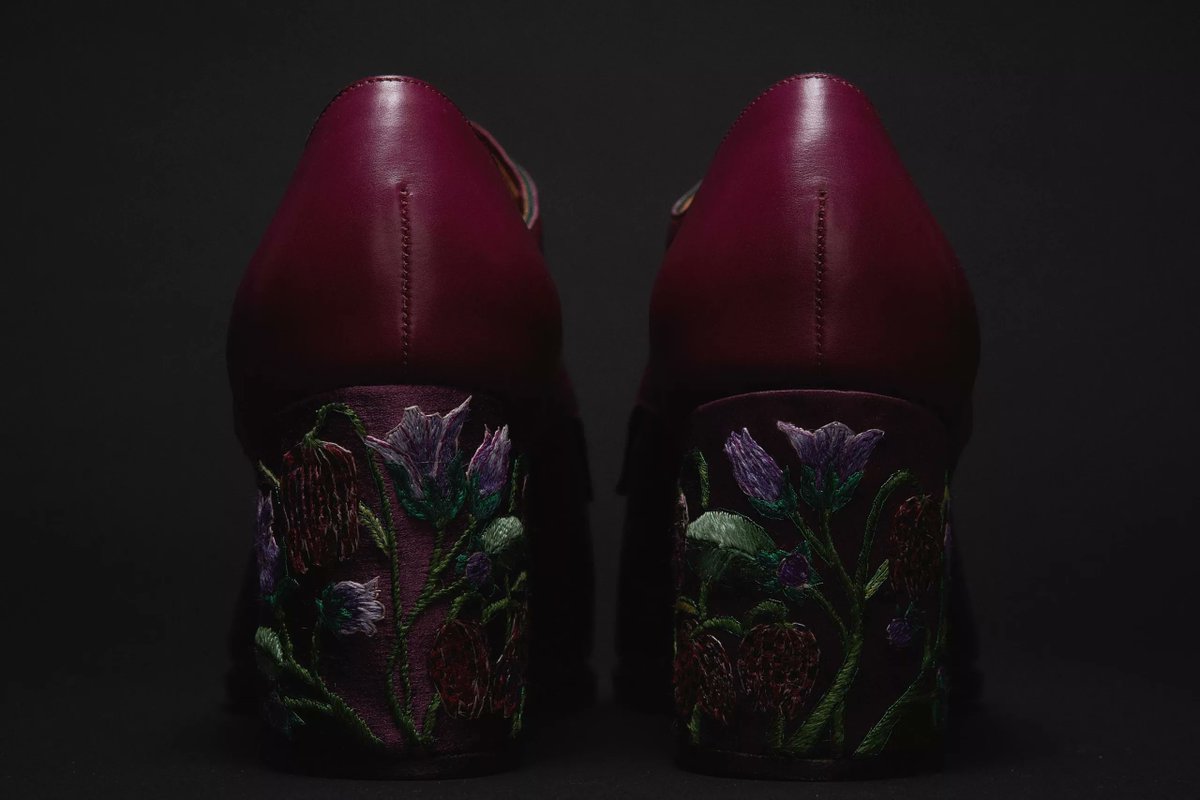
All of these are great, but they may not be right for you if you're into high fashion. And this is where Caroline Groves comes in. She sits between the world traditional bespoke craft and designer fashion. Aside from the laws of physics, there's no limit on her designs.
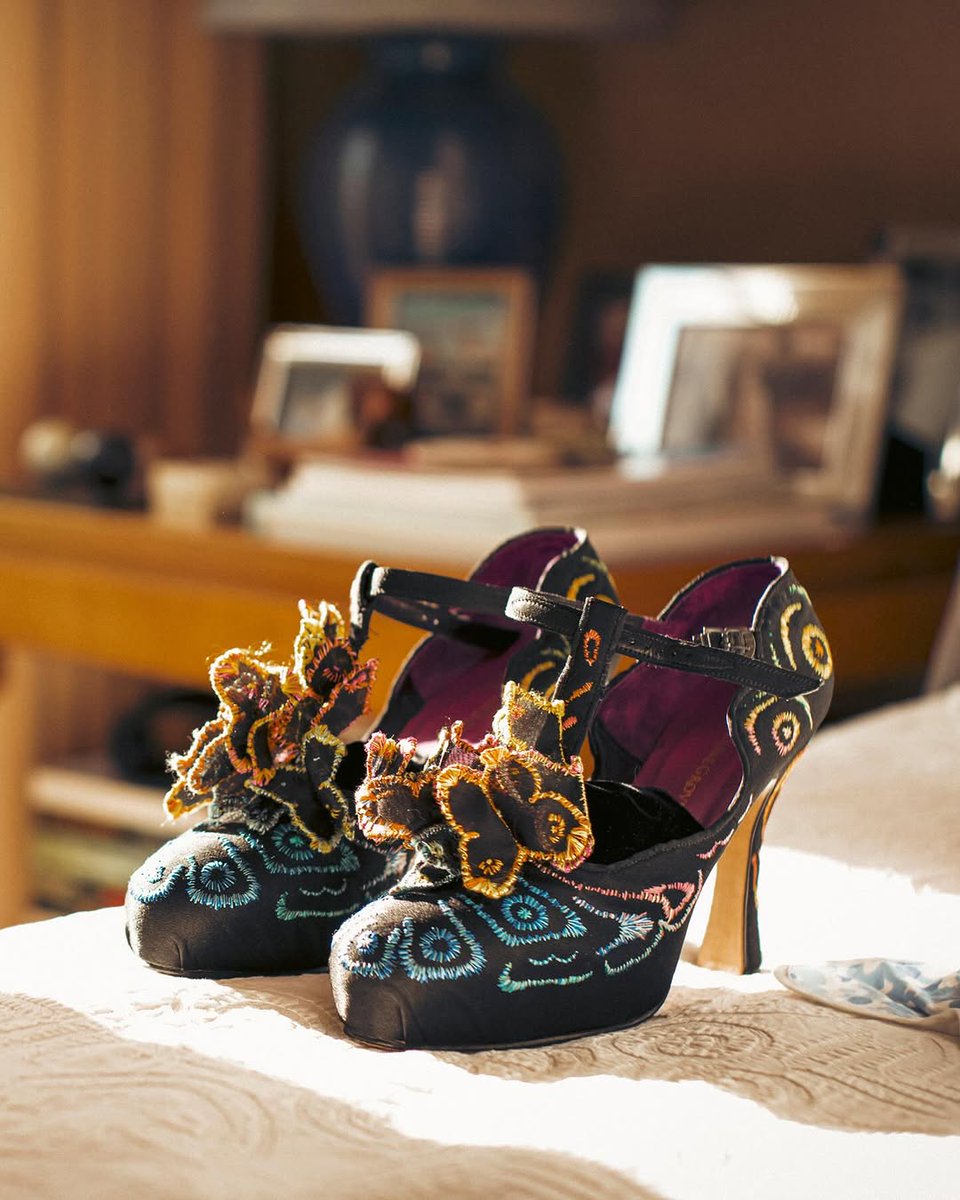
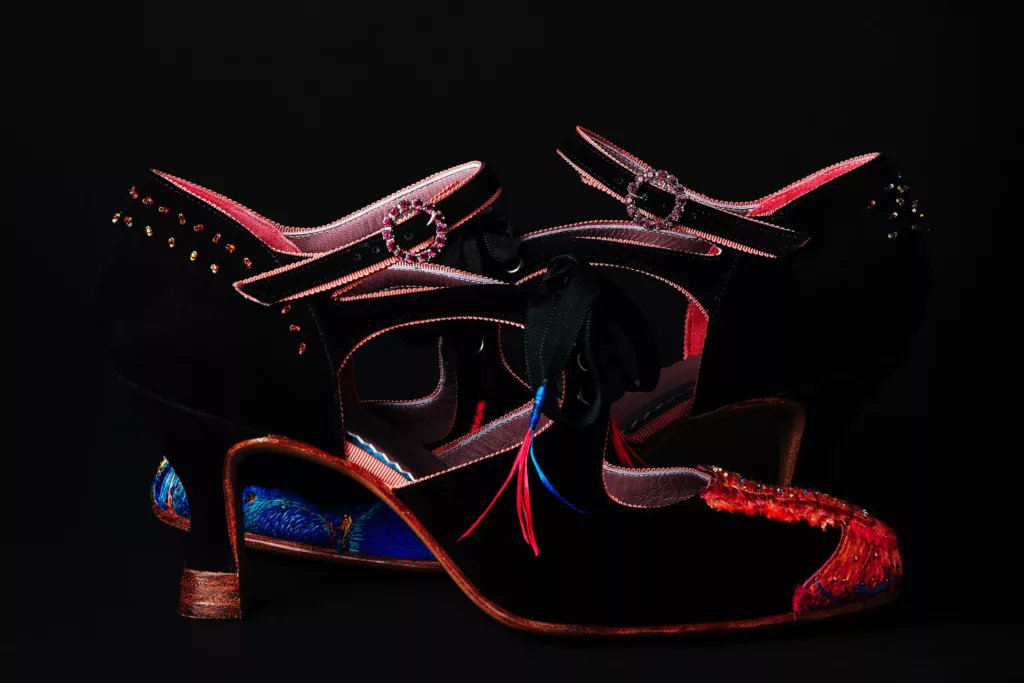
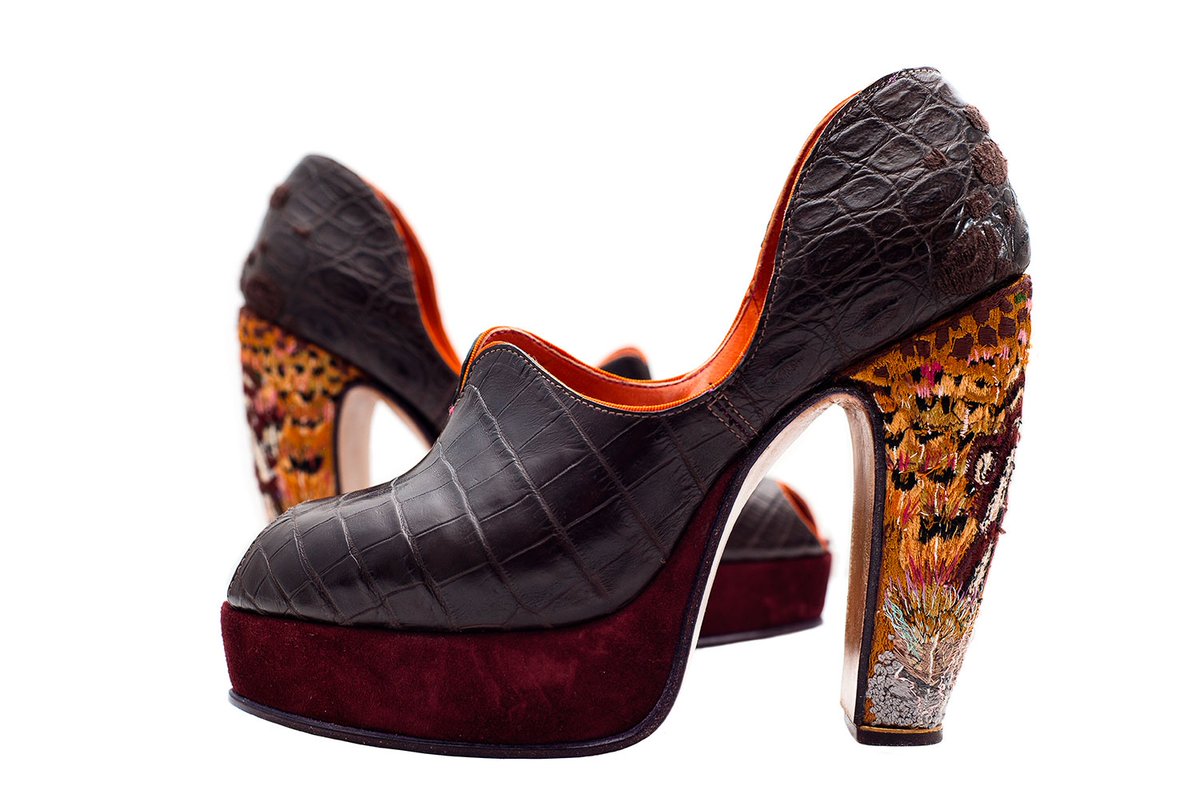
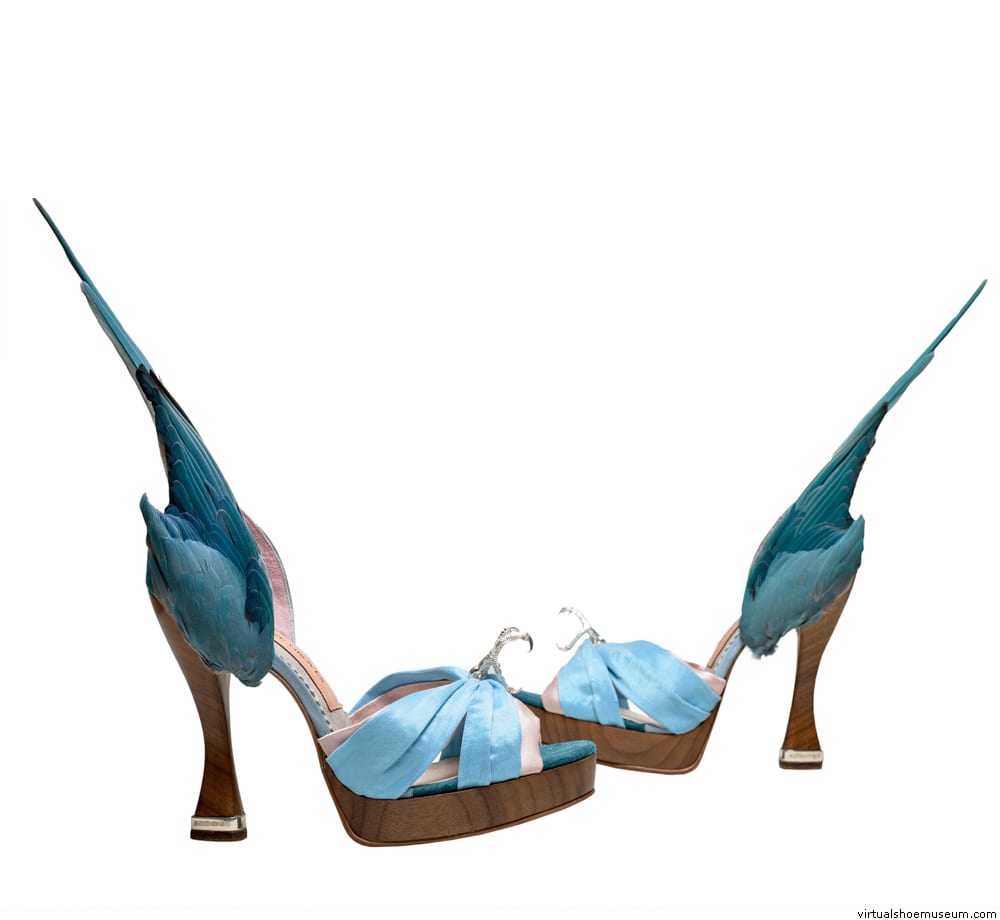
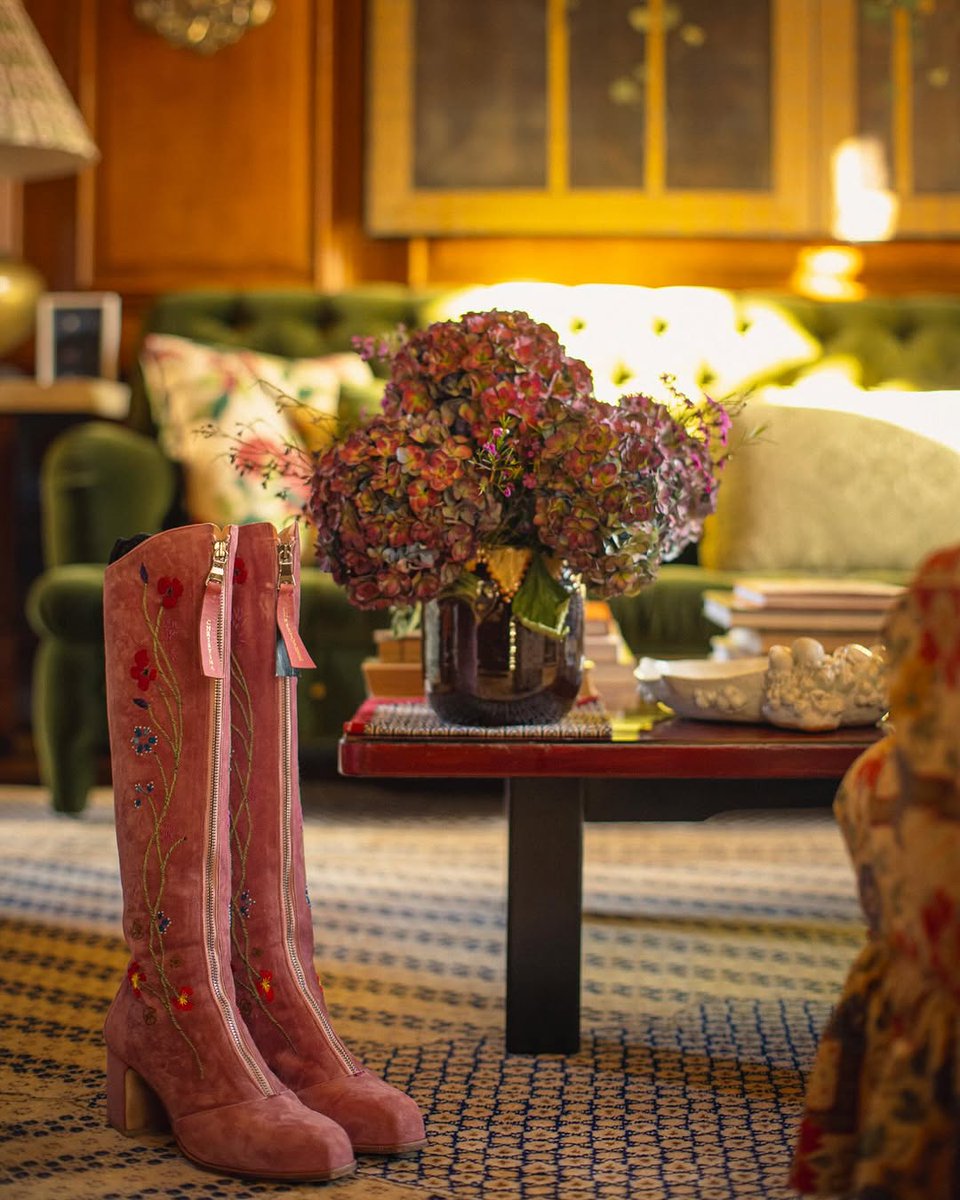
She uses silks, velvets, leather, and even feathers, incorporating techniques such as handwelting and embroidery. I think of her work as haute couture.
Thus, it seemed natural to ask her: "If someone were to make Margiela Tabis to the highest quality, how would it be done?"
Thus, it seemed natural to ask her: "If someone were to make Margiela Tabis to the highest quality, how would it be done?"
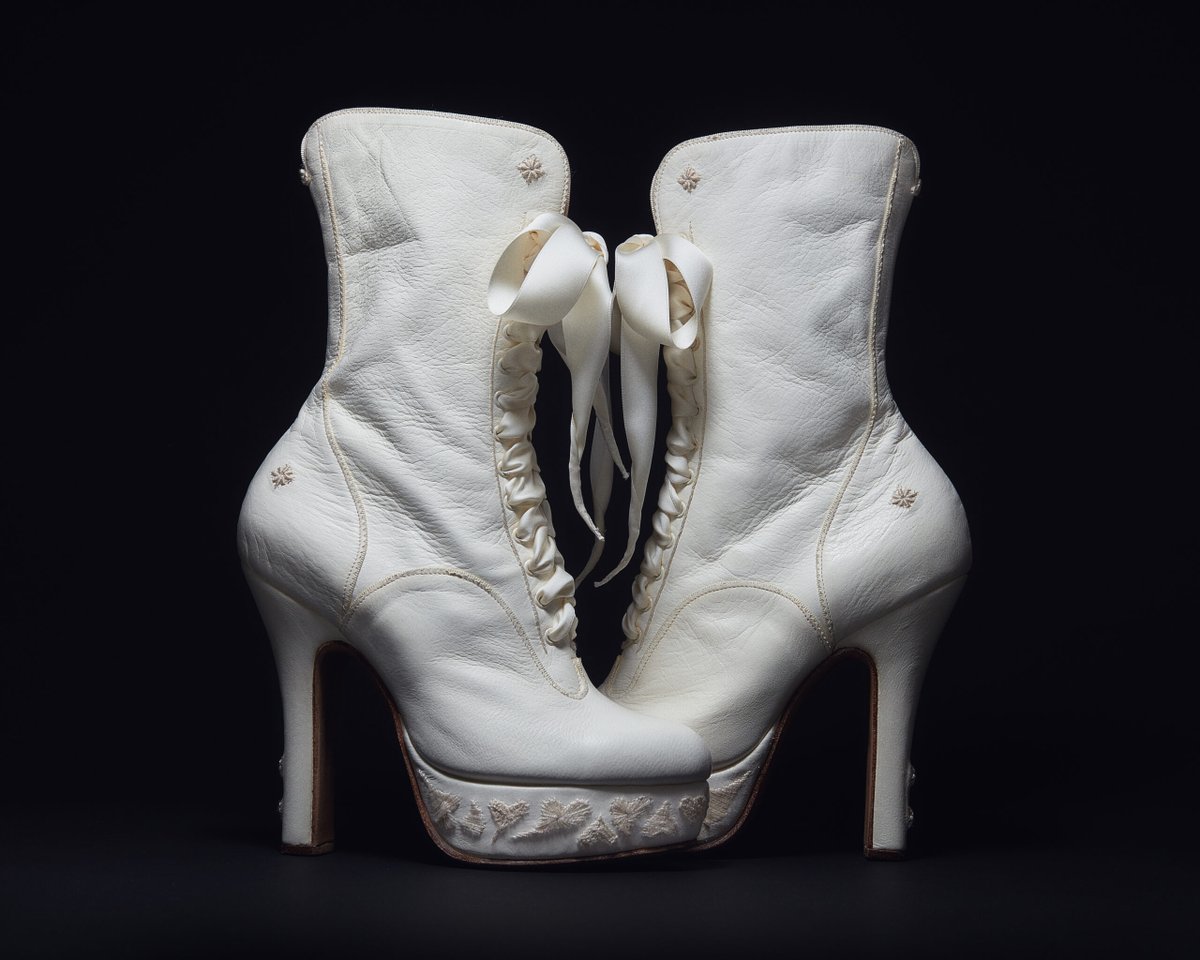
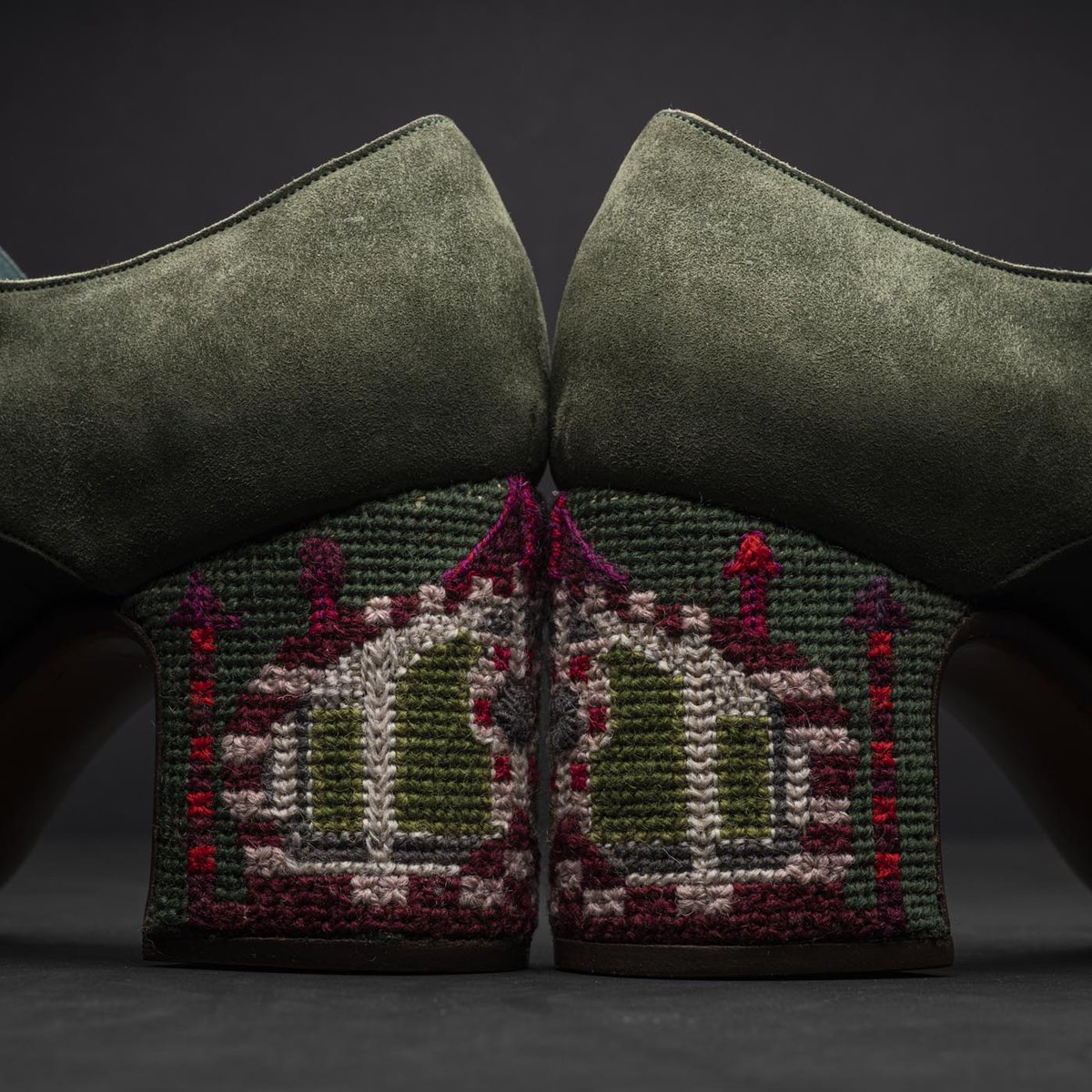
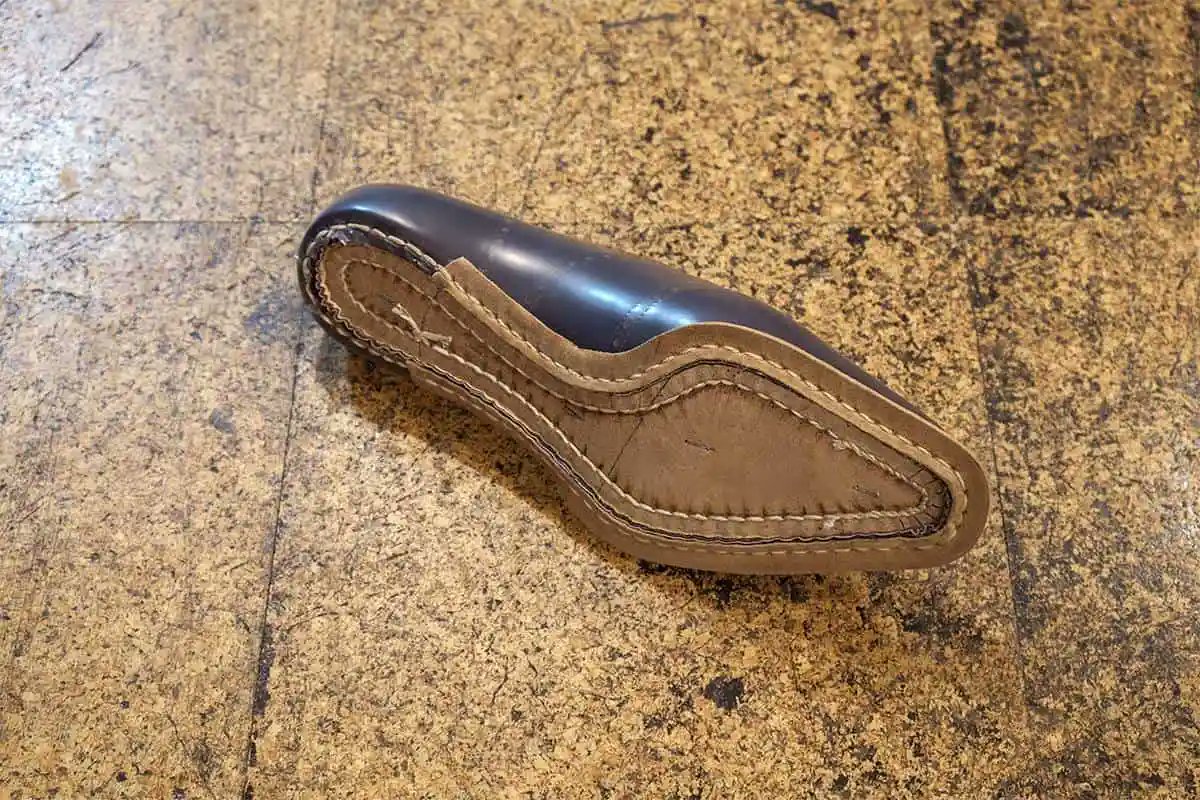
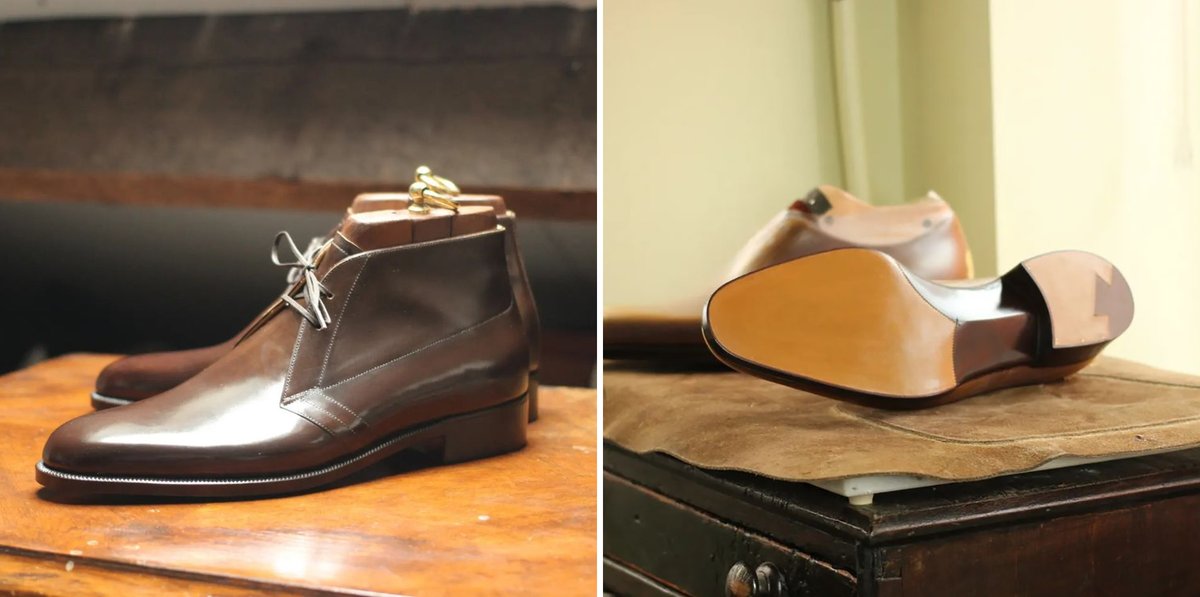
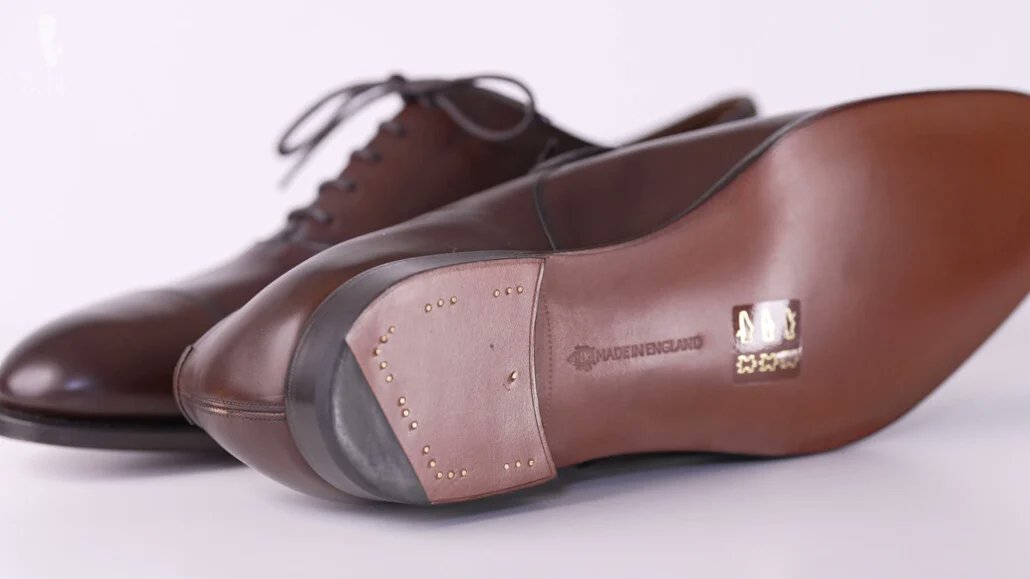
In traditional bespoke shoemaking for men, the heel is typically built up from many layers of leather, often oak bark tanned leather, which is very hardwearing. These thick sheets are carved out, glued together, and then finished along the side to give a smooth, even appearance.
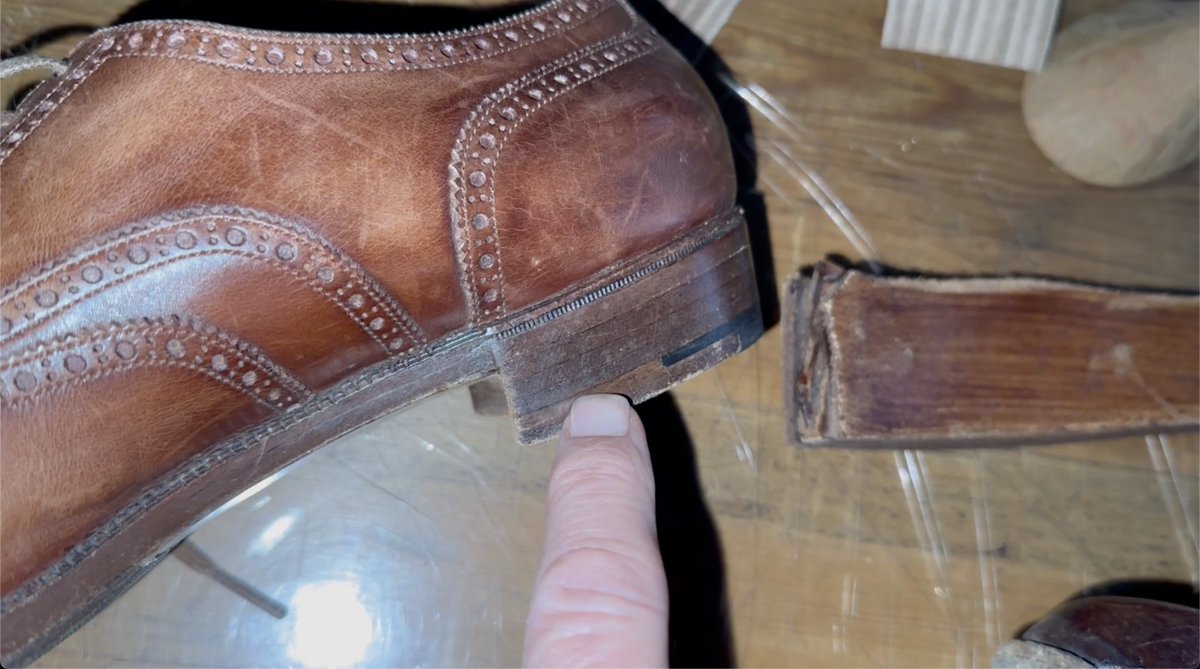
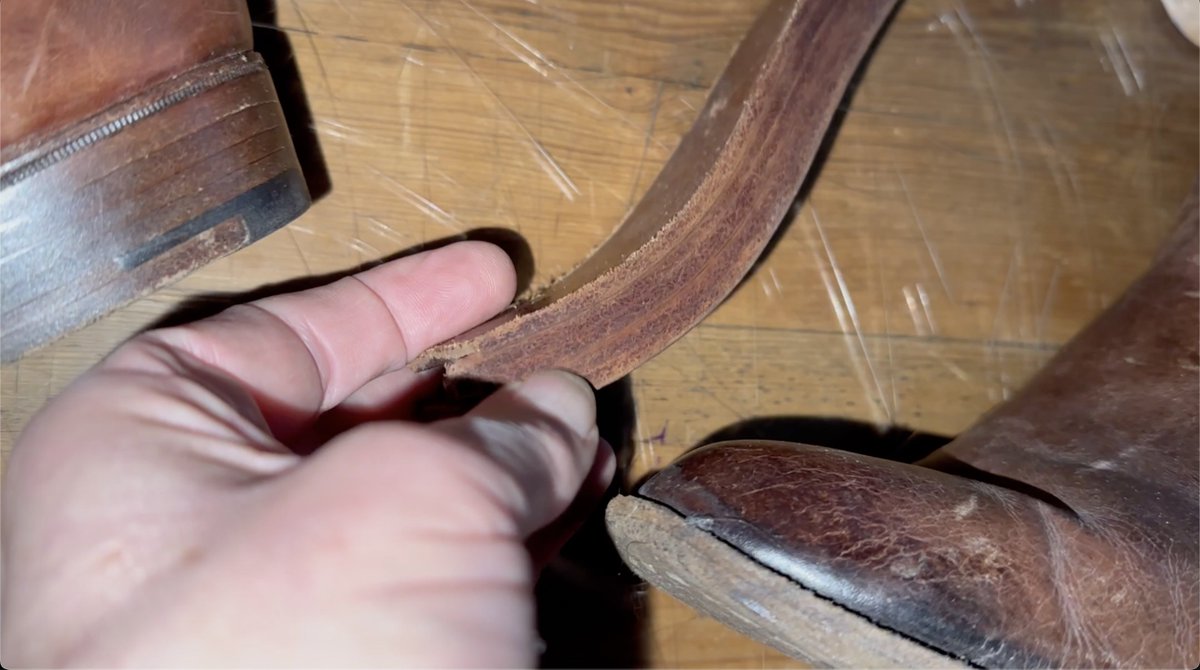
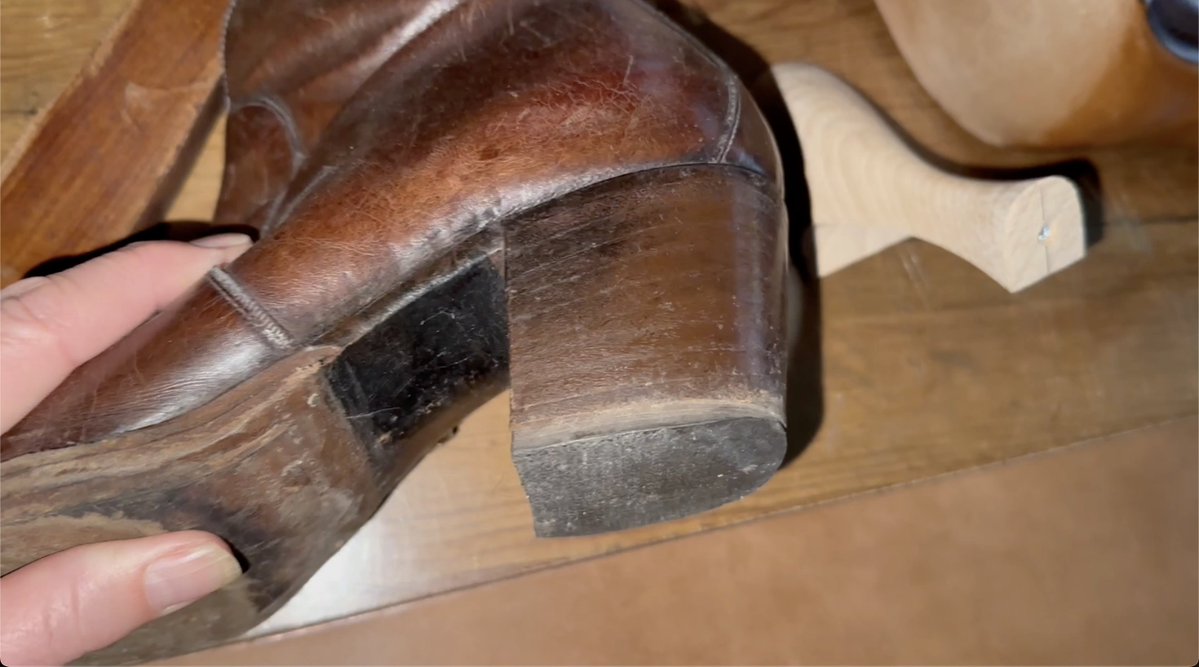
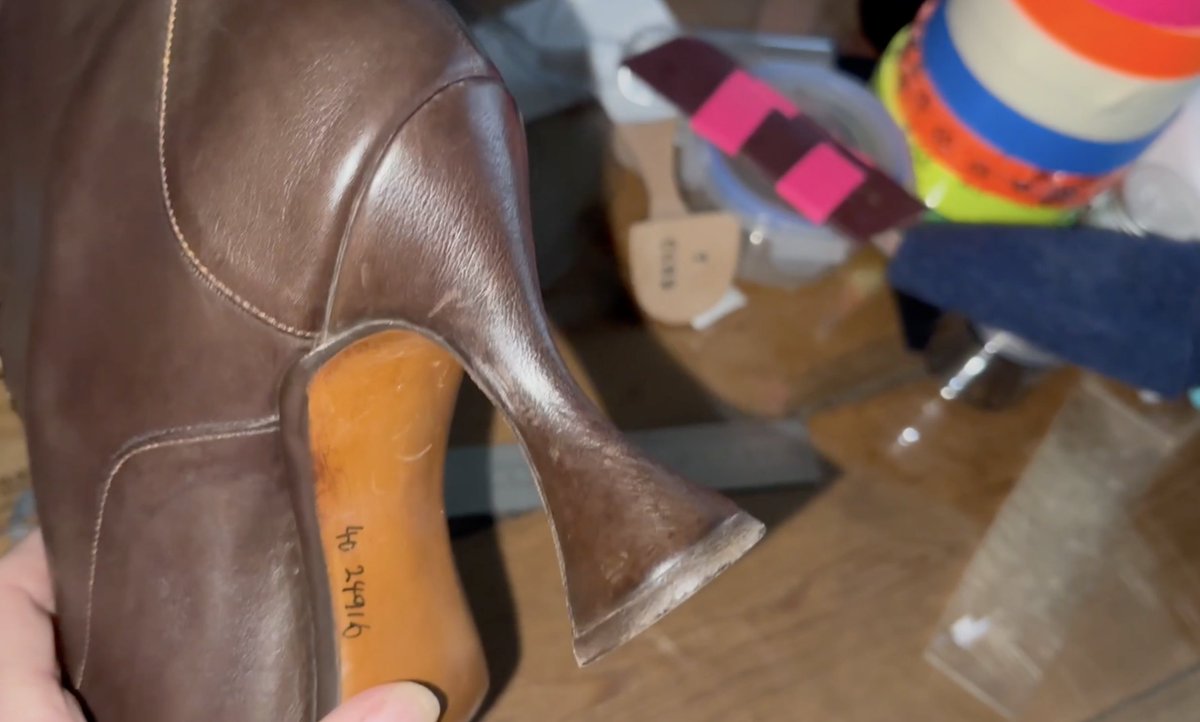
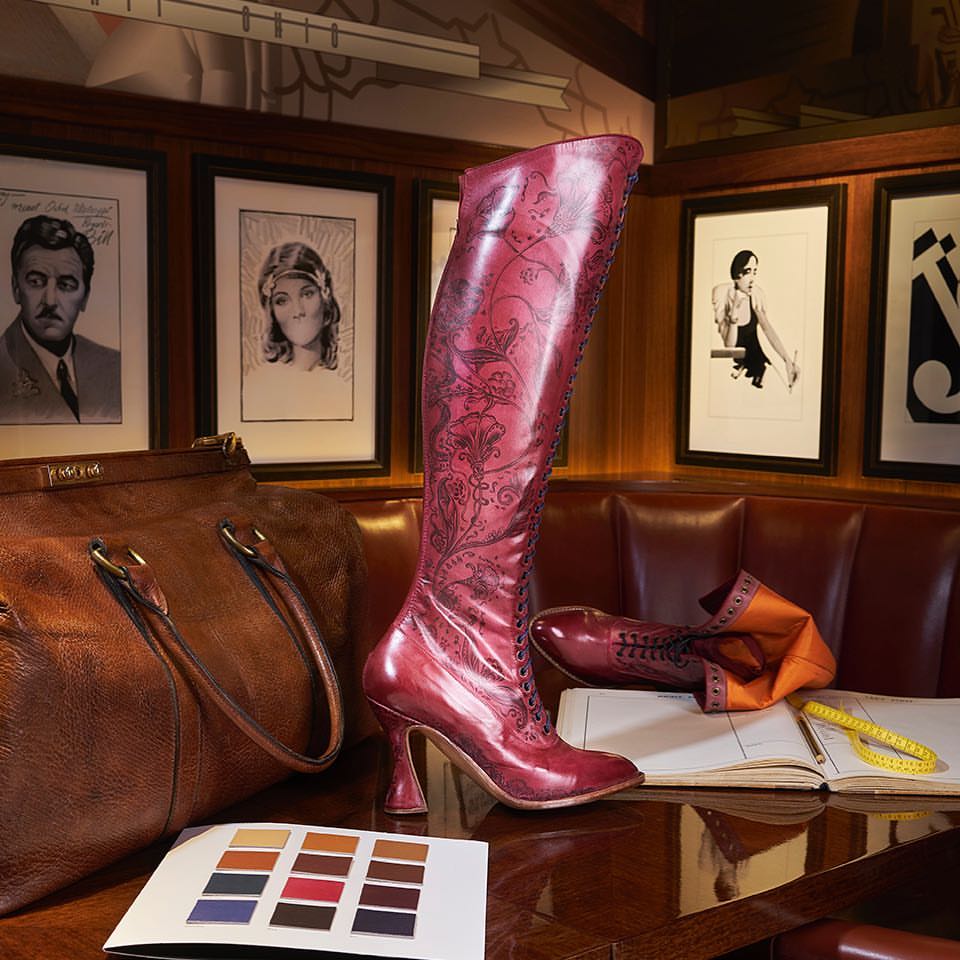
This technique is also used to make high-end women's shoes, such as the boots you see in the first photo. But the taller the heel, the more skilled labor is required. In slides 2 through 4, you can see the wedge used to create a shaped heel. This heel alone took hours to make.
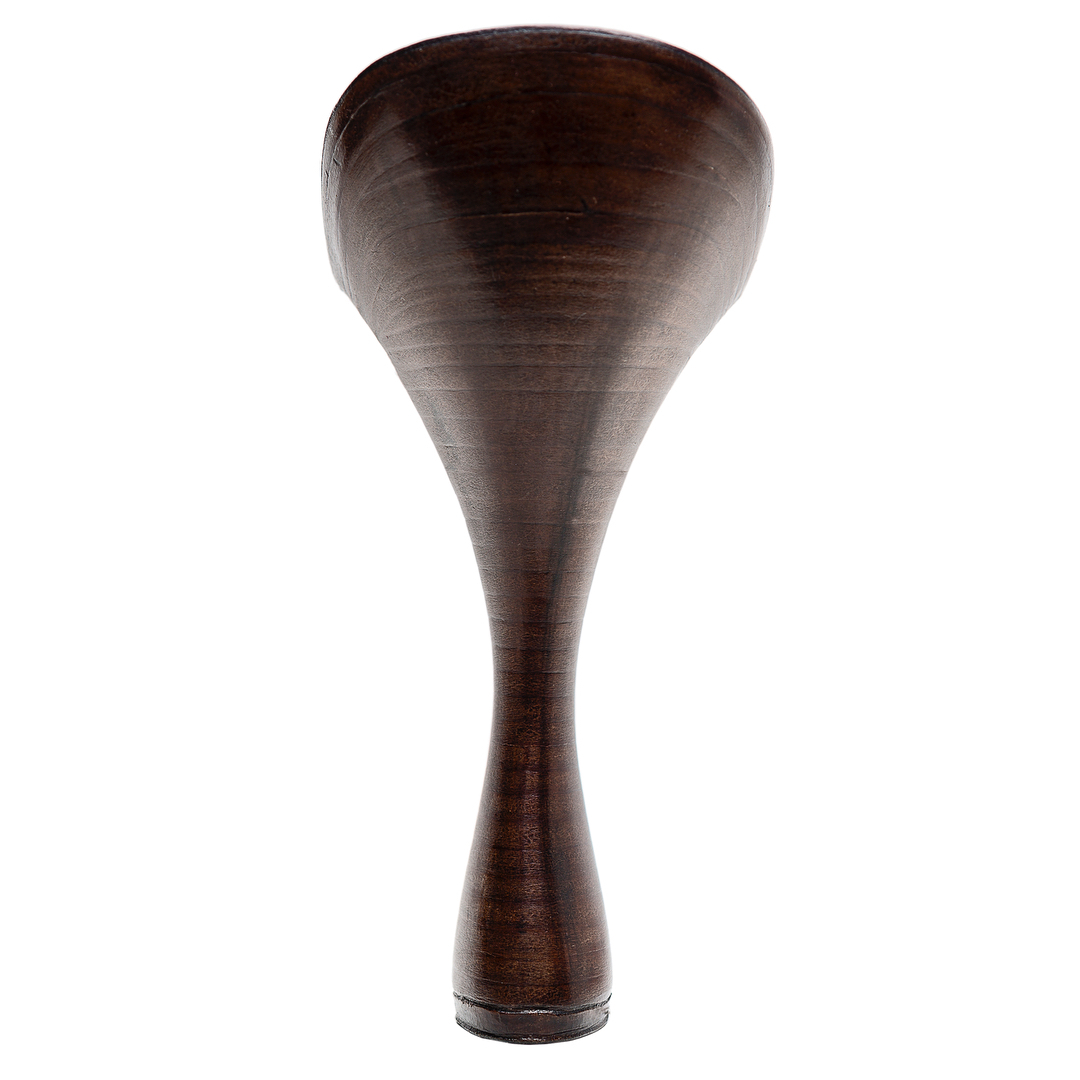
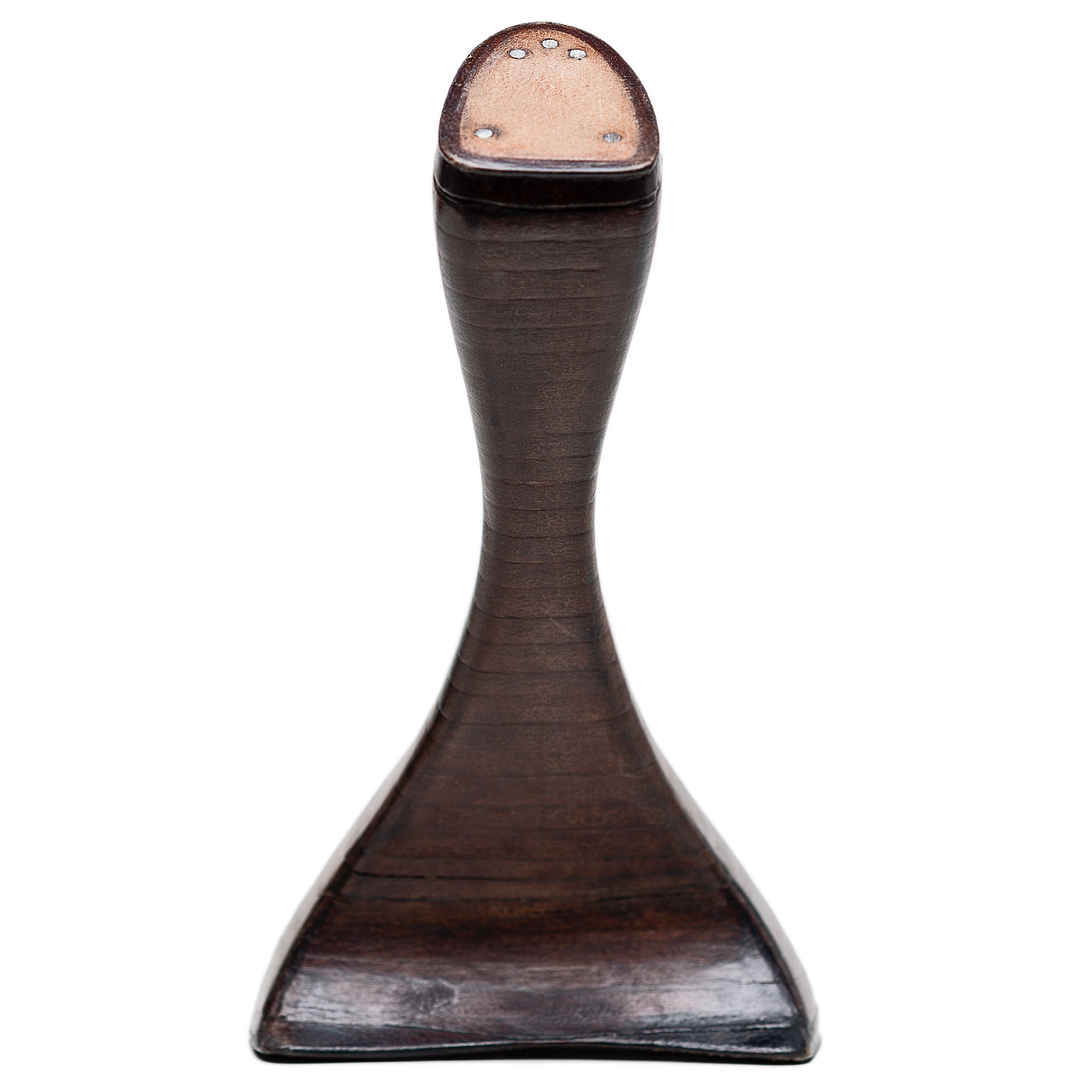
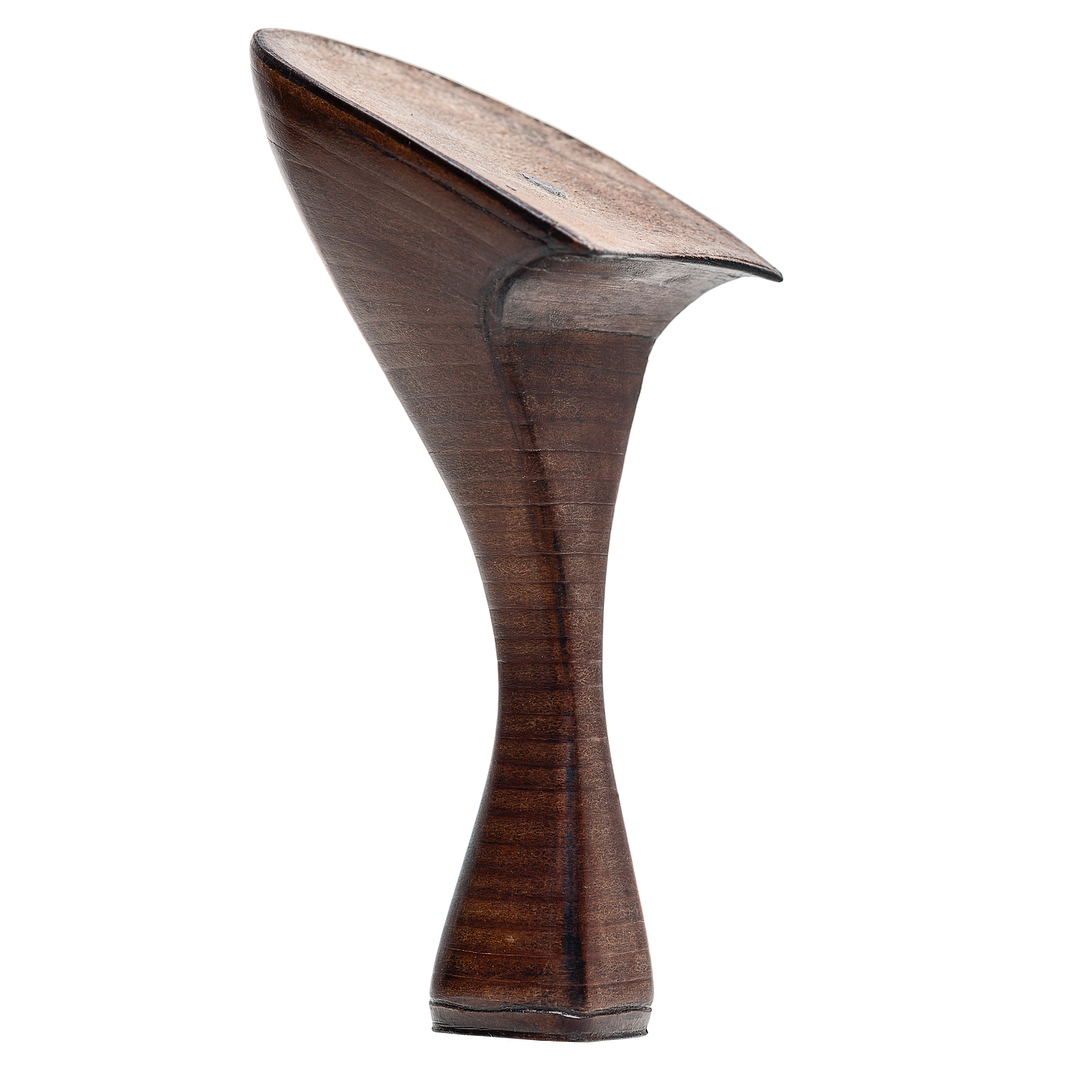
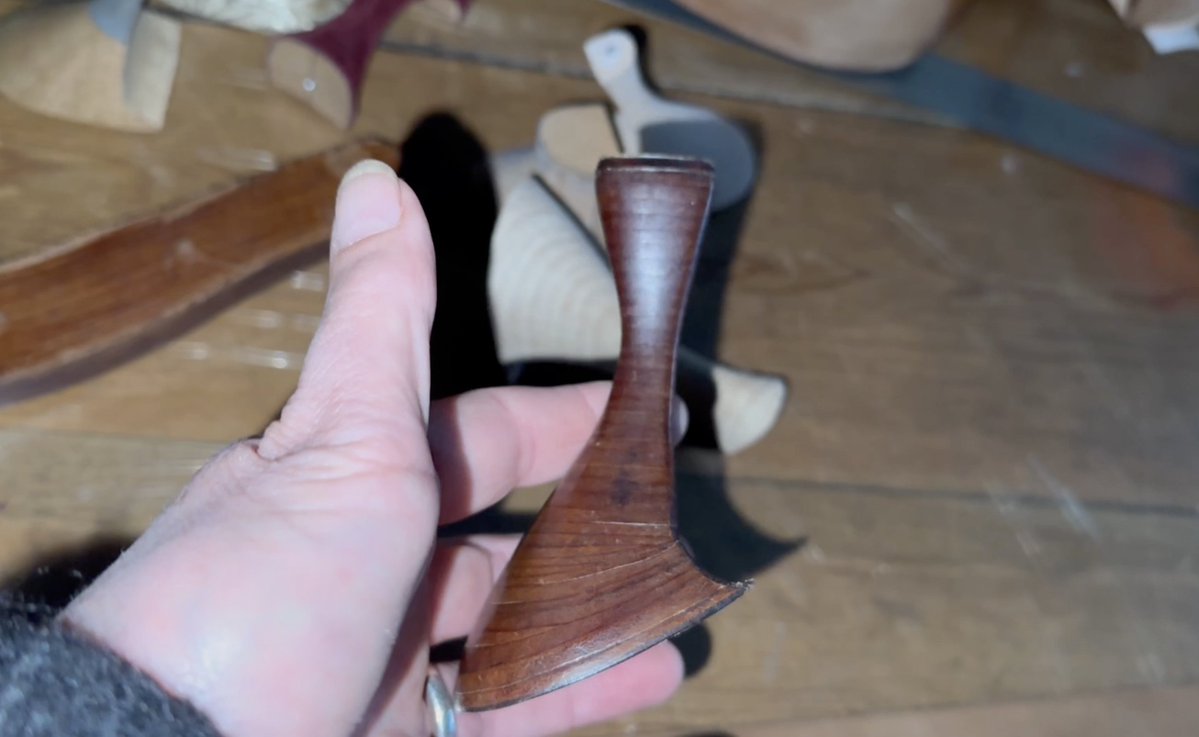
Adding stacks and stacks of leather also adds weight. So after a certain height, it's more common to create a wooden core. These wood pieces are carved by hand to create the desired shape, then a steel bar (called a split pin) is inserted into the center to give it strength.
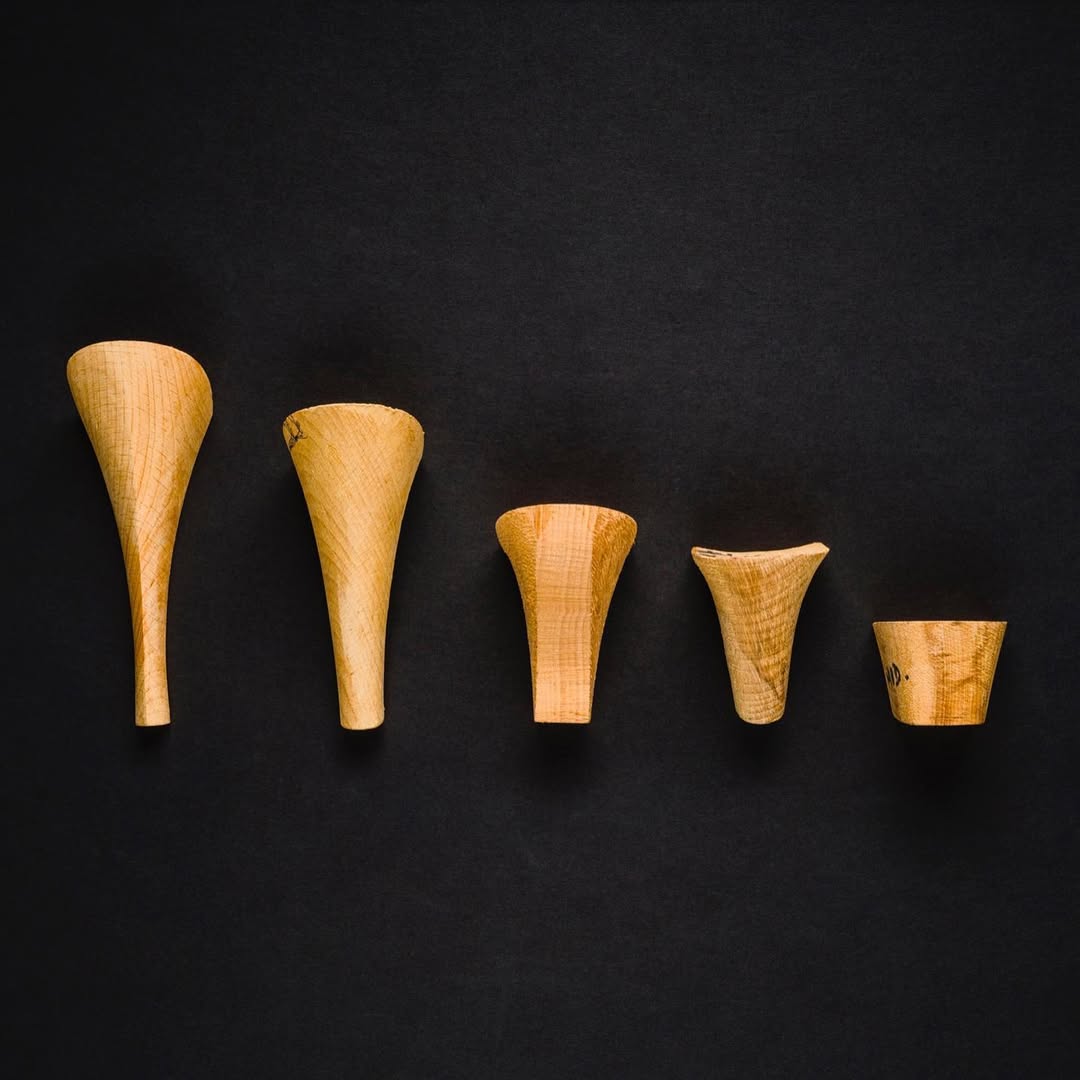
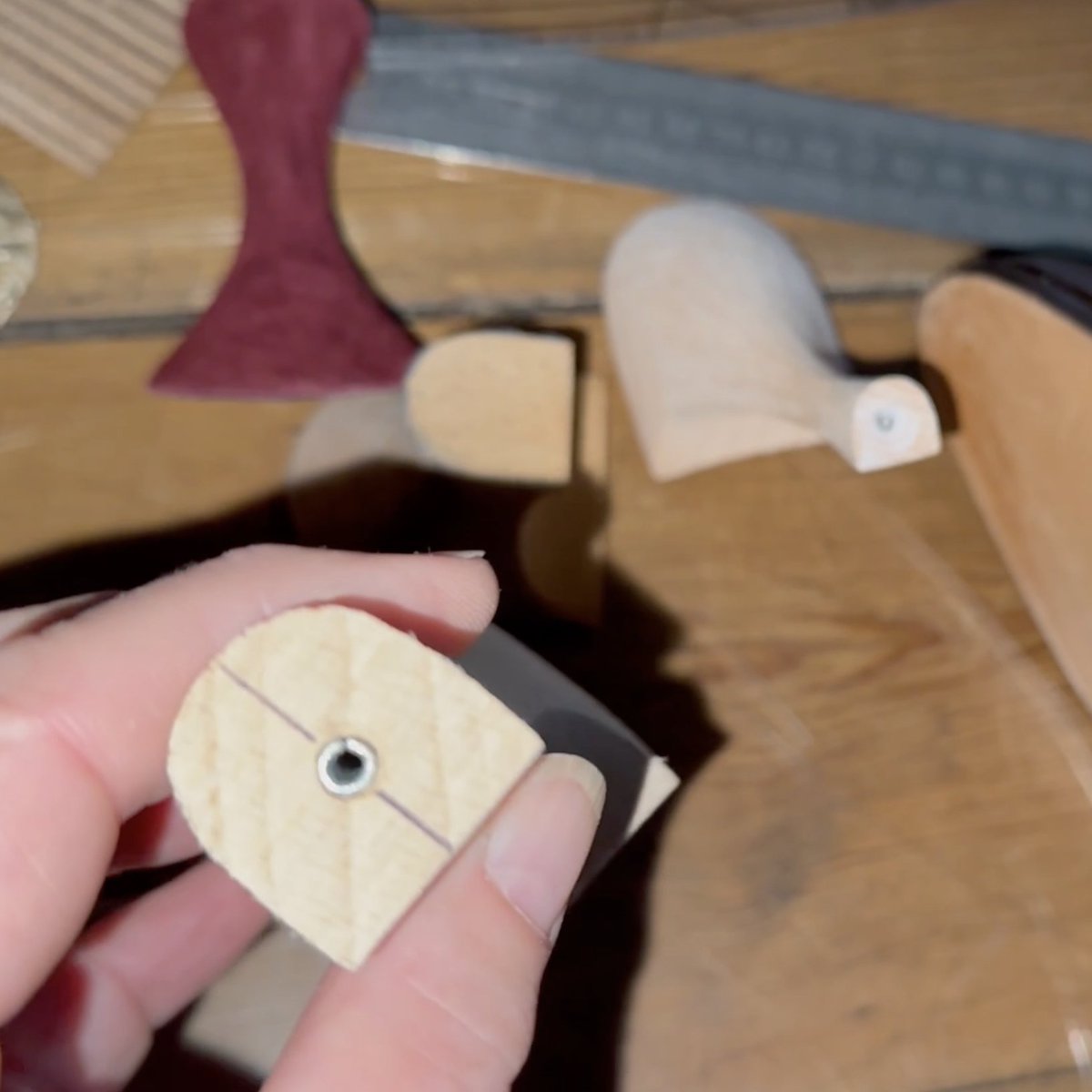
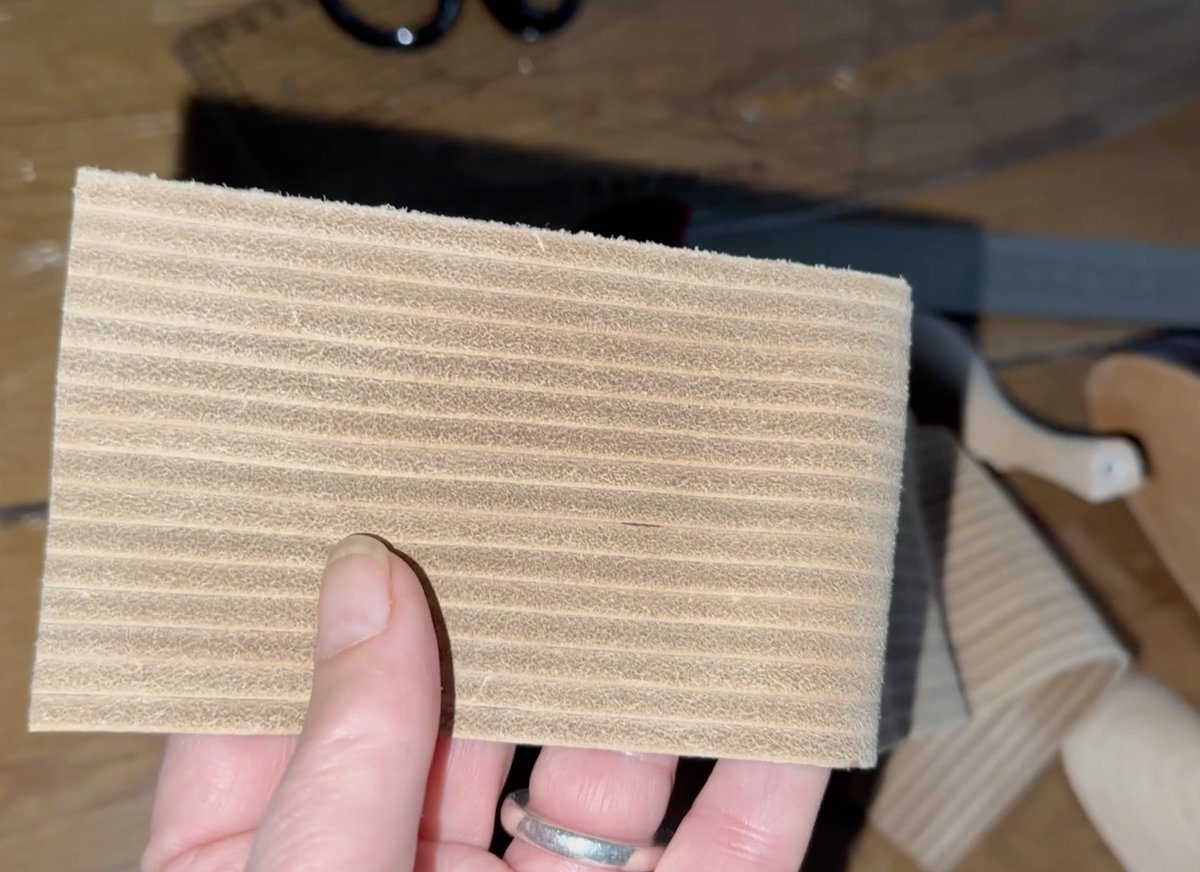
After that, some material is used to wrap the outside. This is often fiberboard leather — ground-up bits of leather that have been mixed with glue — which has been shaved down to a thin sheet. This is wrapped around the wooden heel to give the appearance of stacked leather.
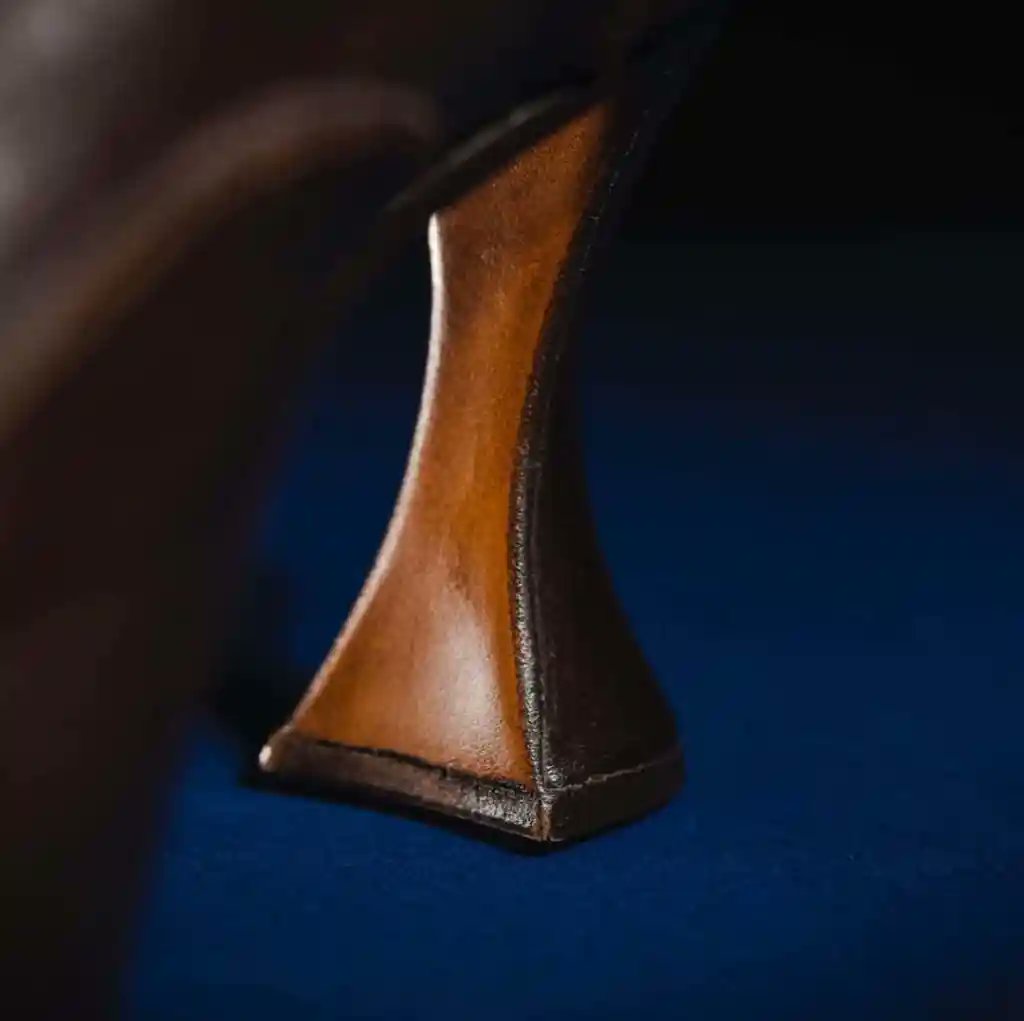
And finally, a little rubber bit is added to the end of the heel. This is called the top piece (true of both men's and women's shoes) because handmade shoes are typically built upside down on the maker's lap with the last inside the shoe. The rubber bit is then at the "top."
All of this is too laborious for most designer fashion. A couple of years ago, John Galliano approached Groves about collaborating on his 2024 "Artisan collection." But he wanted 70 pairs of shoes made in six weeks for his runway show. Groves barely produces 50 pairs *per year.*


Each pair of shoes can take anywhere from 60 - 110 hours of work. The heel alone can take hours, which means it's not possible on a mass scale unless you have a huge team of craftspeople, who are in short supply nowadays.
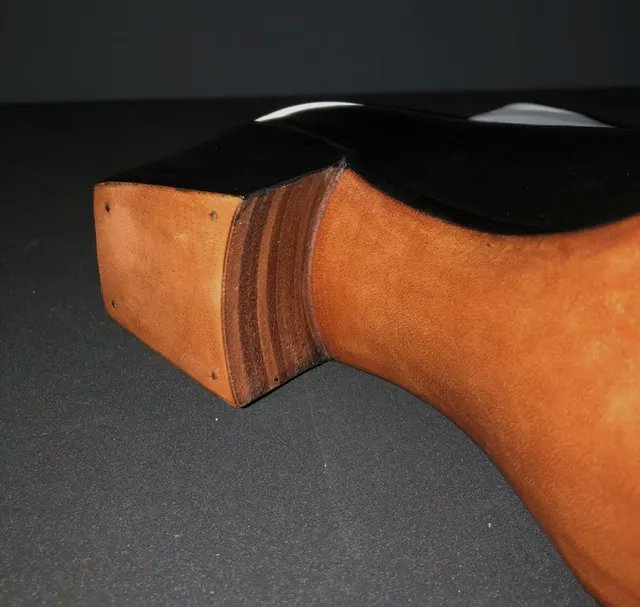
Instead, ready-to-wear shoes typically use a hollowed out plastic core, which is covered with a rubber top piece. Groves says this is true whether you're buying $1,300 Margiela Tabis or $30 shoes off Amazon.
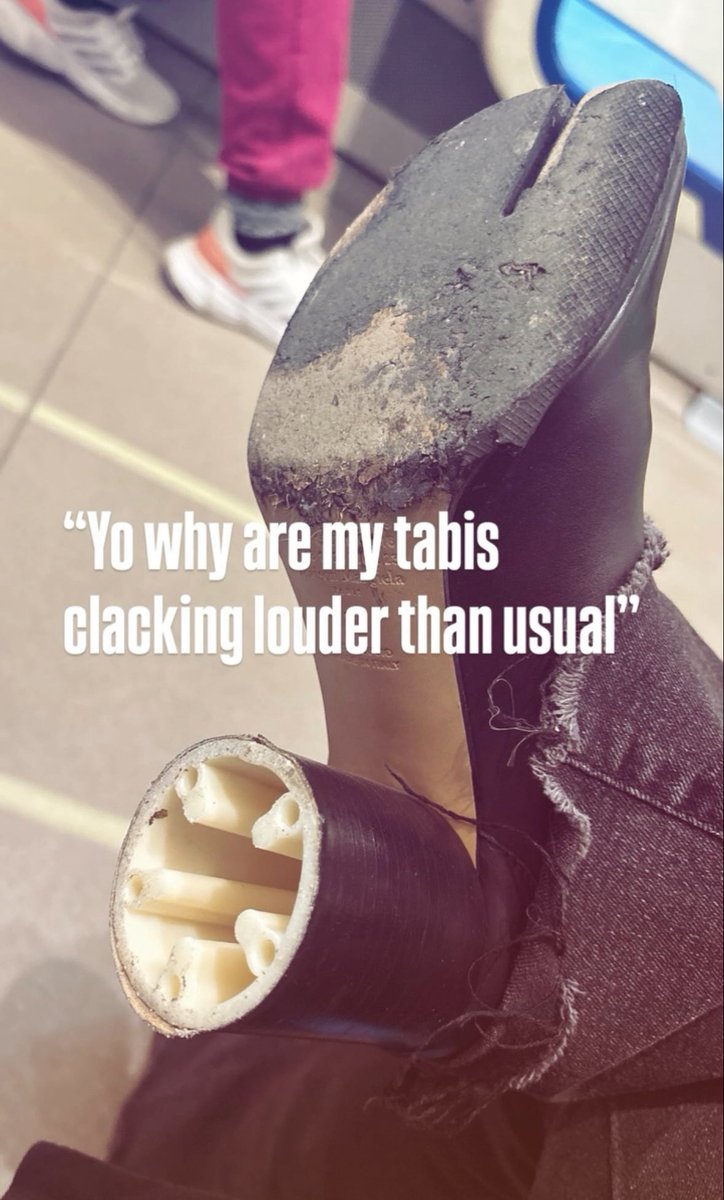
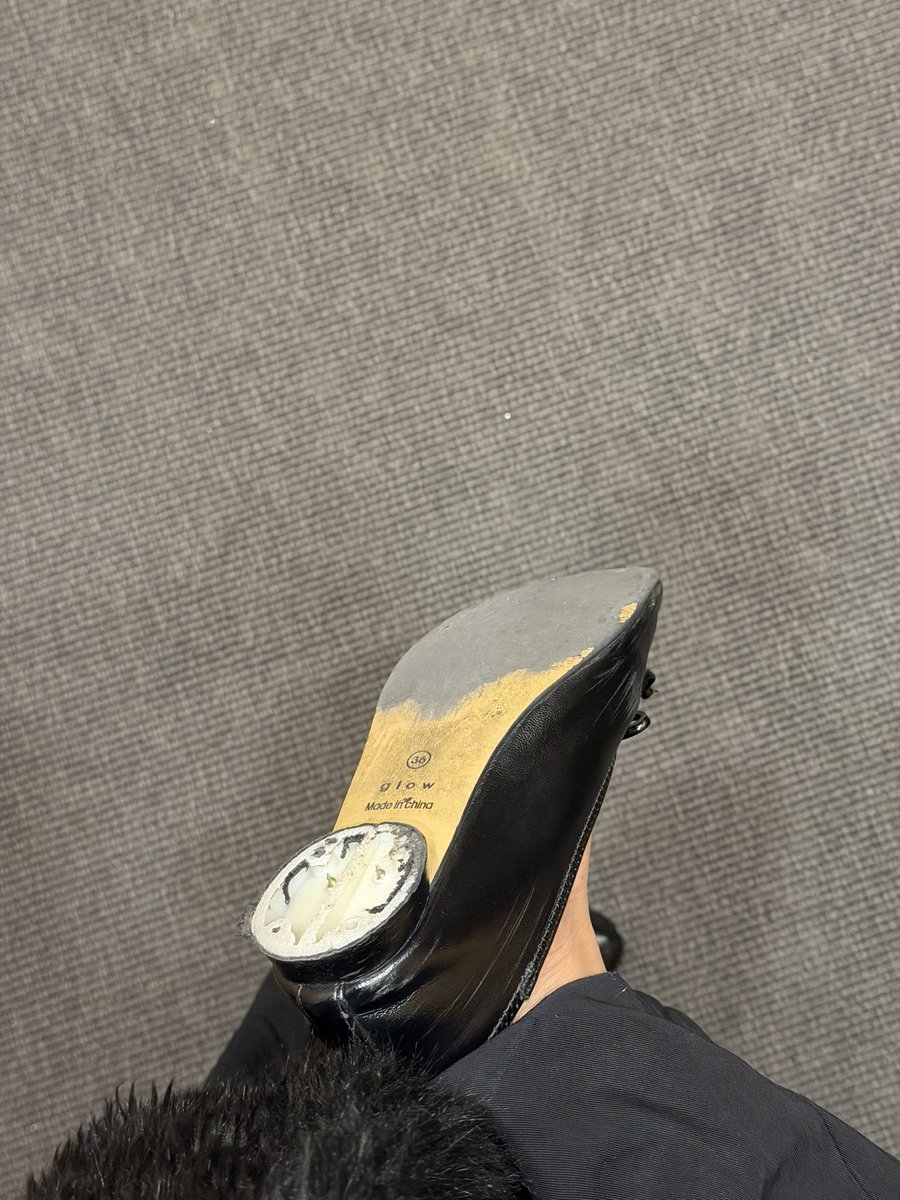
The hollow core leaves less surface area for the top piece to be glued, she surmises. But this is the most efficient way of making shoes in a factory setting, as the company can bang out an infinite number of standardized heels in a short period. There's also no leather waste.
I asked Groves if she believes stacked leather heels were more common in the past (say, pre-war). She said she's seen them on vintage shoes, but they were made for an exhibition, where a shoemaker shows off their skills. She believes plastic heels have been popular for 50+ years.
Grove says she feels for Margiela as a company, as they're being called out for something that's standard practice, even in the luxury ready-to-wear industry. That said, she thinks the plastic material should be disclosed on Margiela's product page.
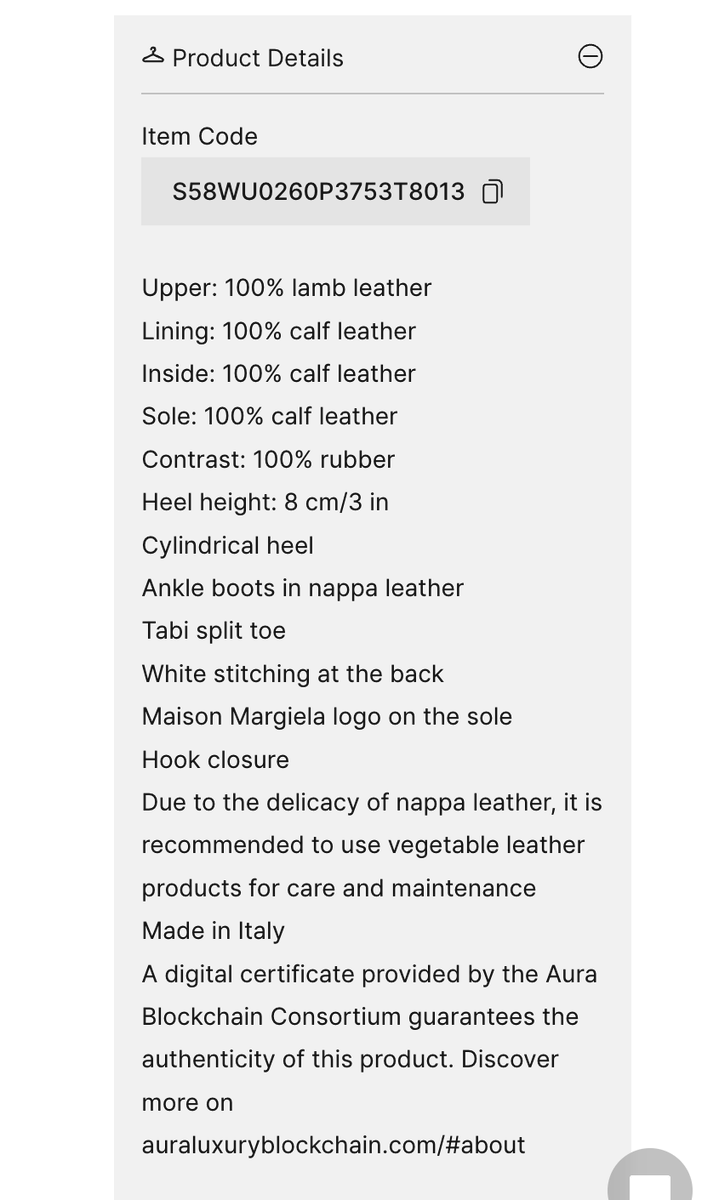
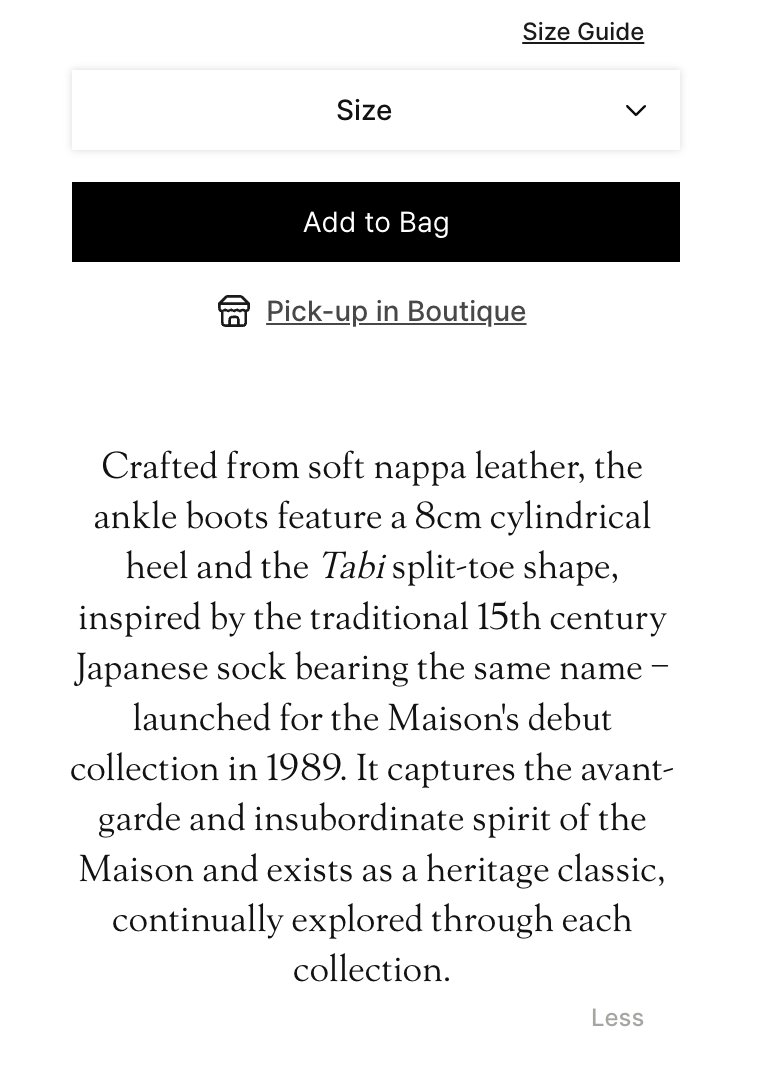
Ultimately, she says, it's not possible to do a stacked leather heel on shoes that retail for $1k. There's a conflict between the world of craft and the commercial nature of fashion.
Stacked heels are more common on high-end men's shoes bc they're lower, thus require less labor.
Stacked heels are more common on high-end men's shoes bc they're lower, thus require less labor.
If you want to follow Caroline Grove's work, you can find her on Instagram under the name carolinegrovesoeuvre. She meets clients in the UK and across the US. Unlike most other makers, she's not limited to certain cities, as she's willing to fly to meet you.
• • •
Missing some Tweet in this thread? You can try to
force a refresh