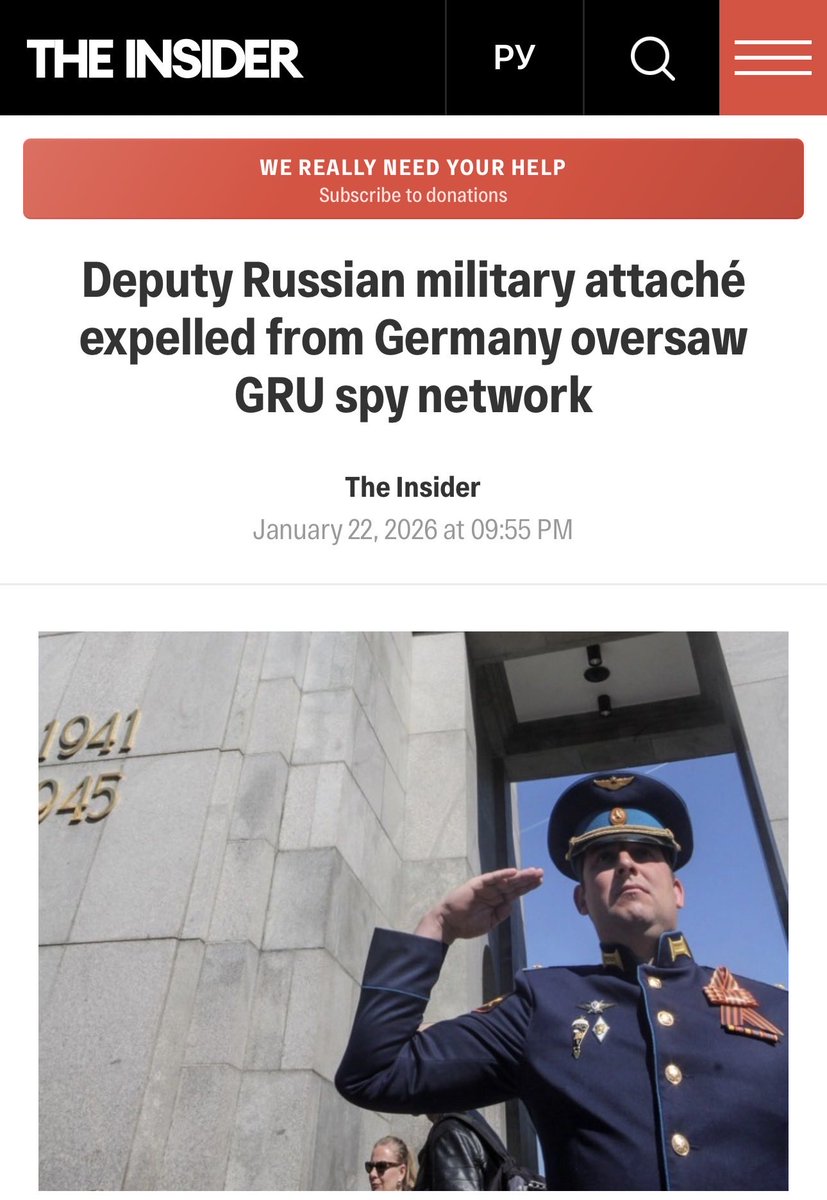
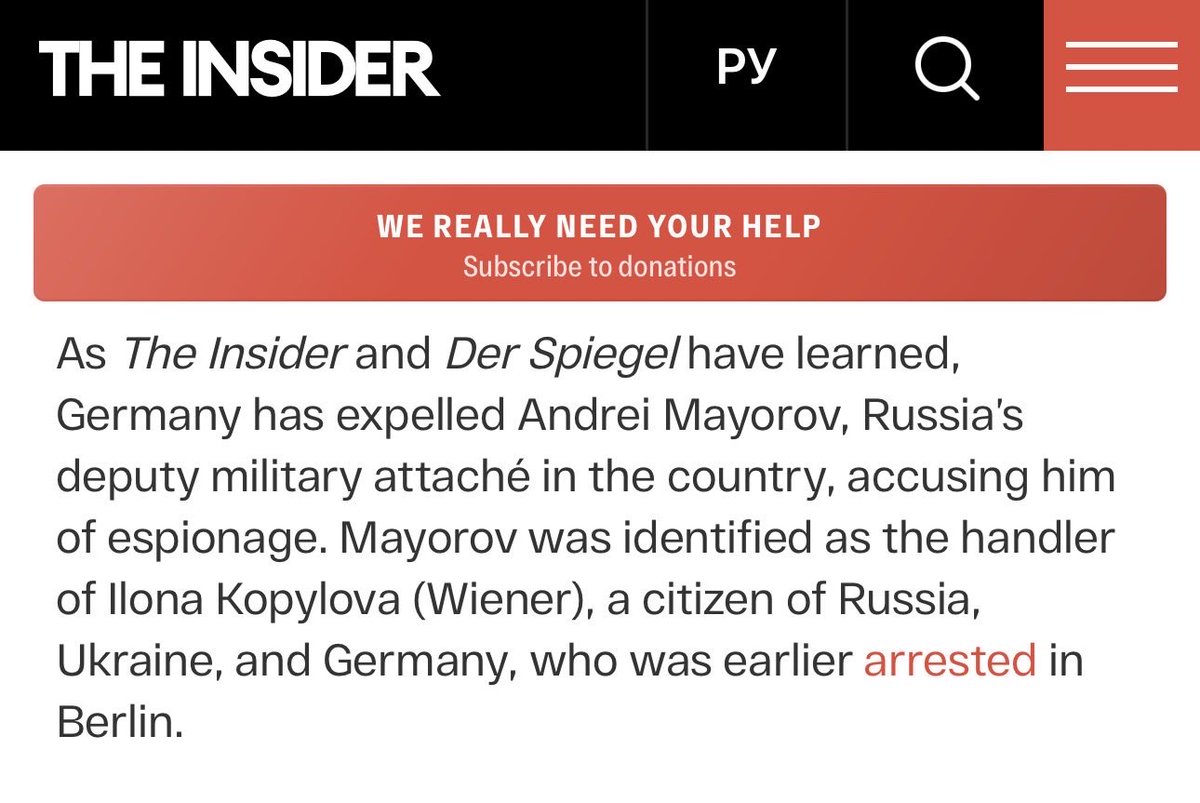
Bart De Wever’s trips to Russia are now paying off for the Kremlin: He protects its interests and blocks billions in aid for Ukraine.
🧵1/23
🧵1/23
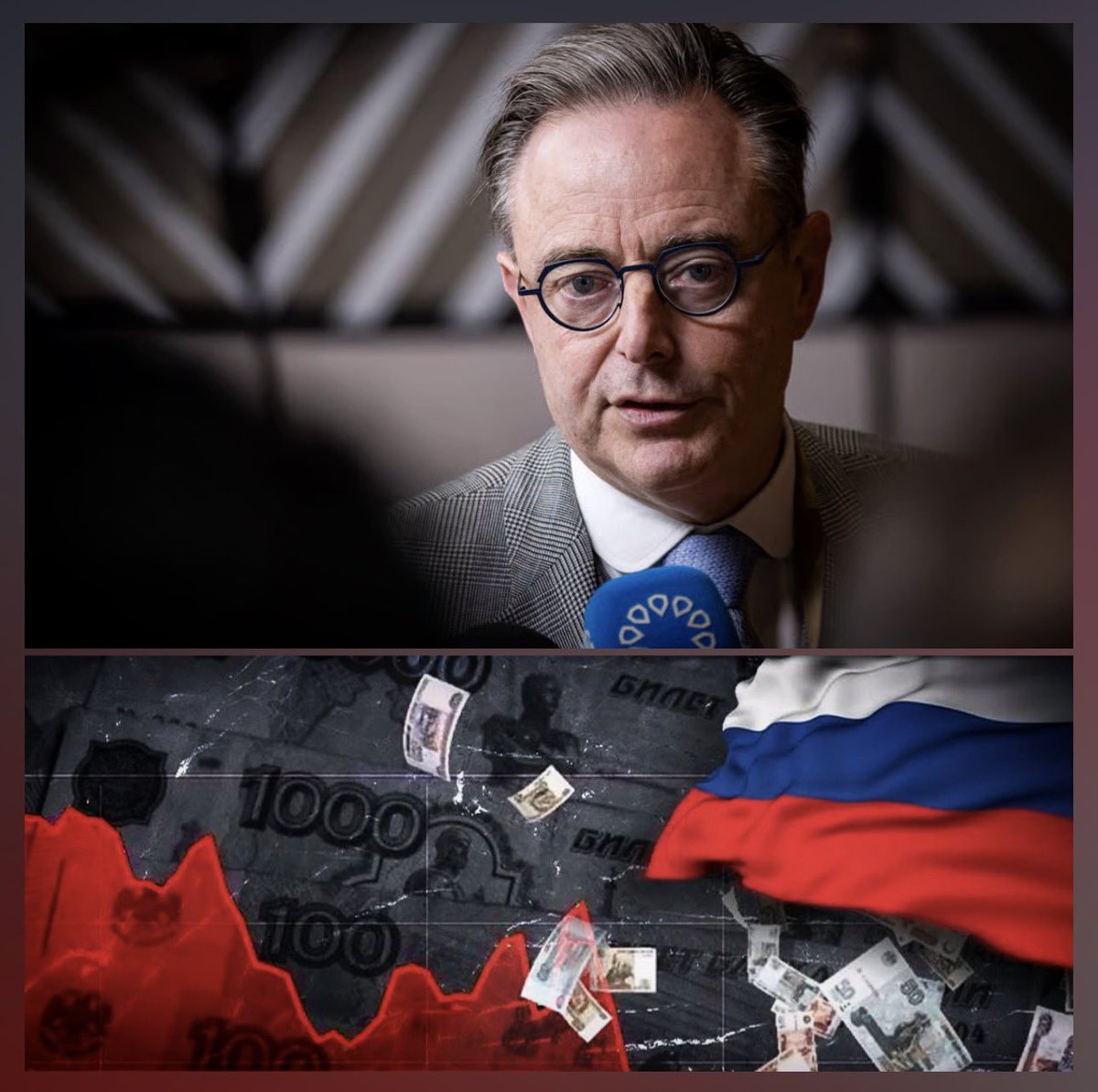
The Prime Minister of Belgium, Bart De Wever, plays a central role in the debate over the use of frozen Russian central bank assets, as the majority of these funds are held at Euroclear, the central securities depository based in Belgium. It is estimated that Belgium holds between 185 and 210 billion euros of these assets.
🧵2/23
🧵2/23
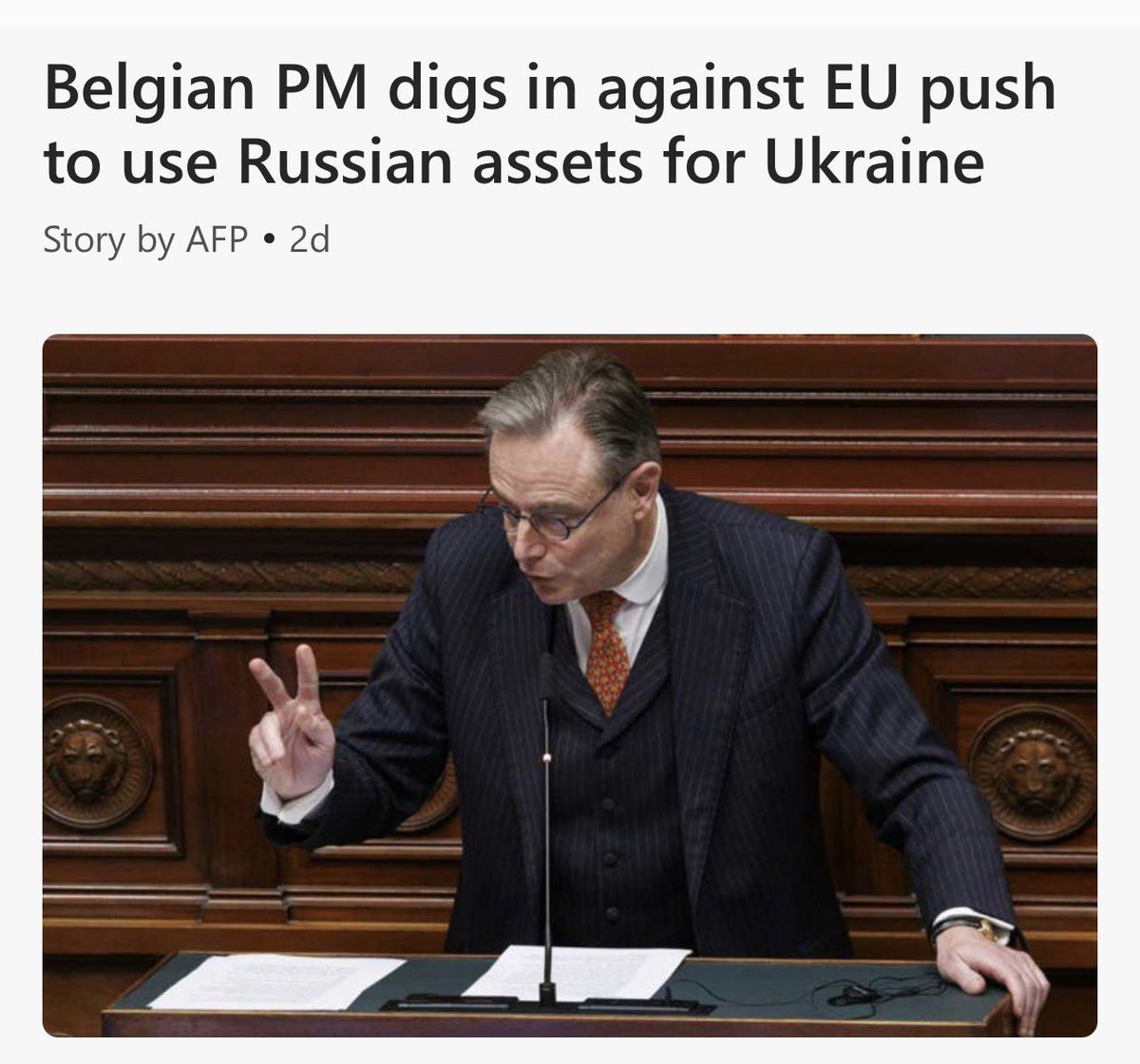

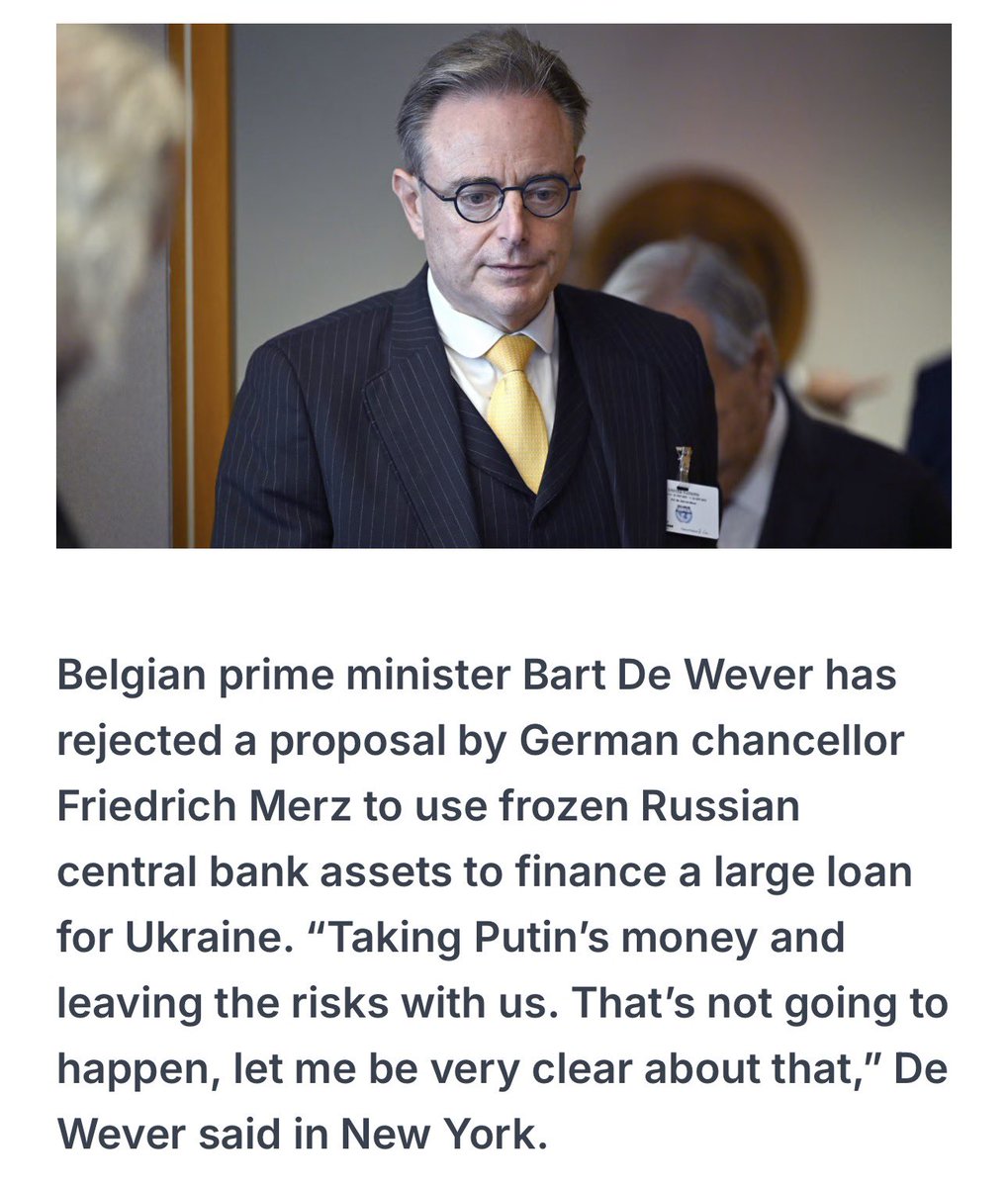

Bart De Wever, who is currently blocking the use of Russian funds for Ukraine, maintained close relations with high-ranking Russian officials before and long after the 2014 annexation of Crimea.
De Wever himself emphasized that he had been visiting St. Petersburg since 1988 as a tourist, professionally, and with his family, as he explained during a meeting in Russia.
🧵3/23
De Wever himself emphasized that he had been visiting St. Petersburg since 1988 as a tourist, professionally, and with his family, as he explained during a meeting in Russia.
🧵3/23

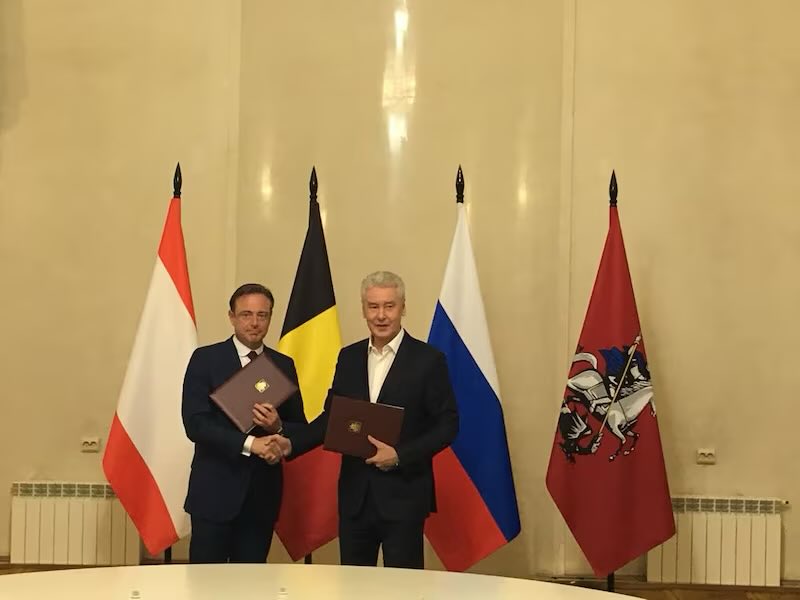
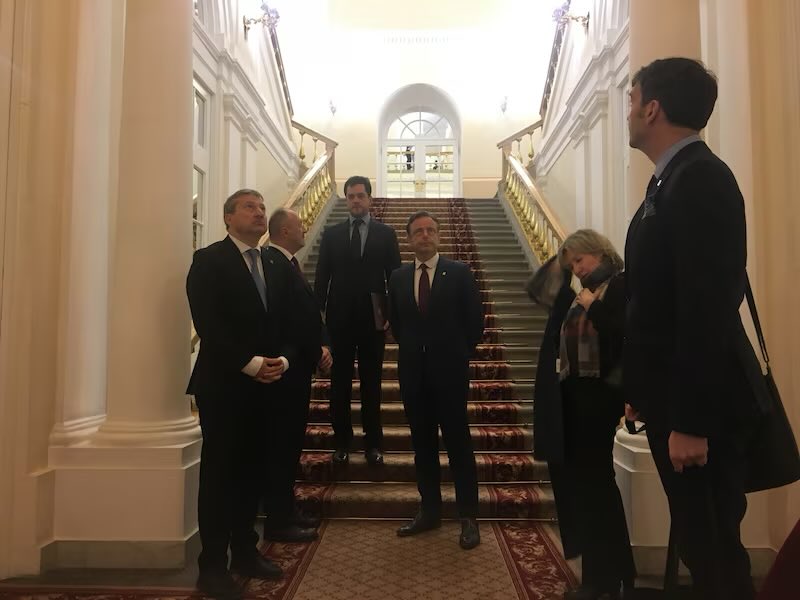
In April 2018, in the midst of increasing sanctions, Antwerp politician Bart De Wever visited Moscow. During this visit, De Wever and Mayor Sergey Sobyanin signed a comprehensive cooperation program. He also brought a large delegation of around 100 business representatives and organizations to deepen exchanges with their Russian counterparts.
🧵4/23
🧵4/23
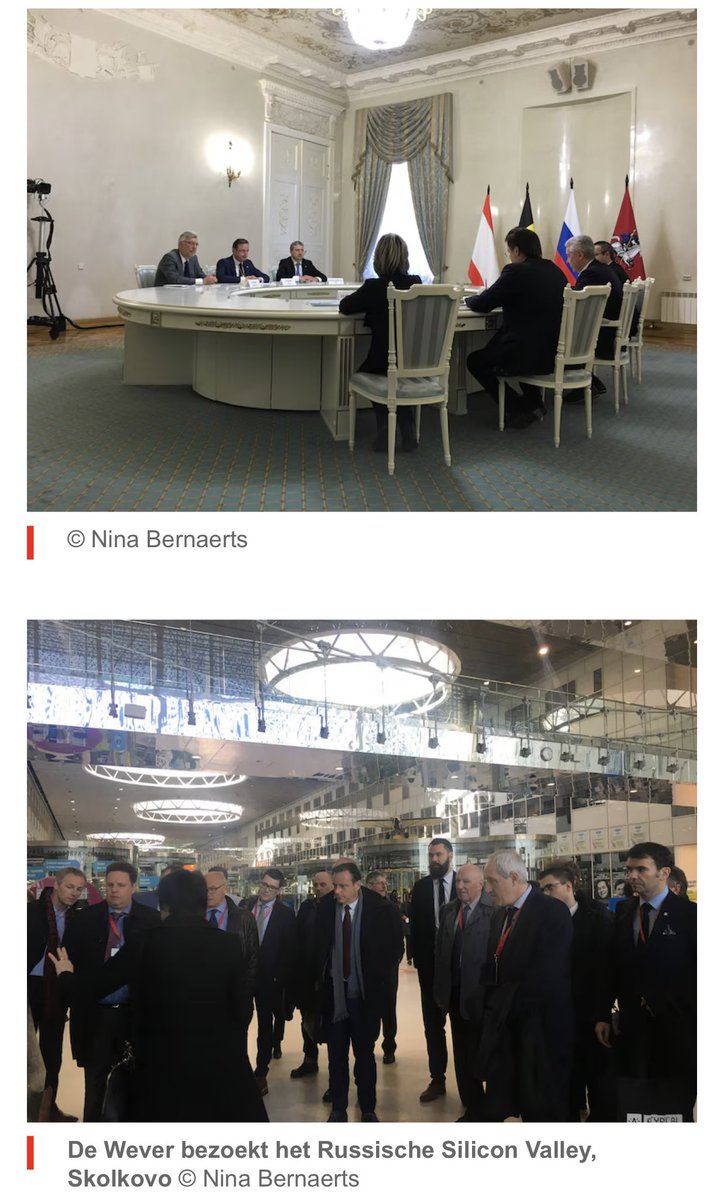
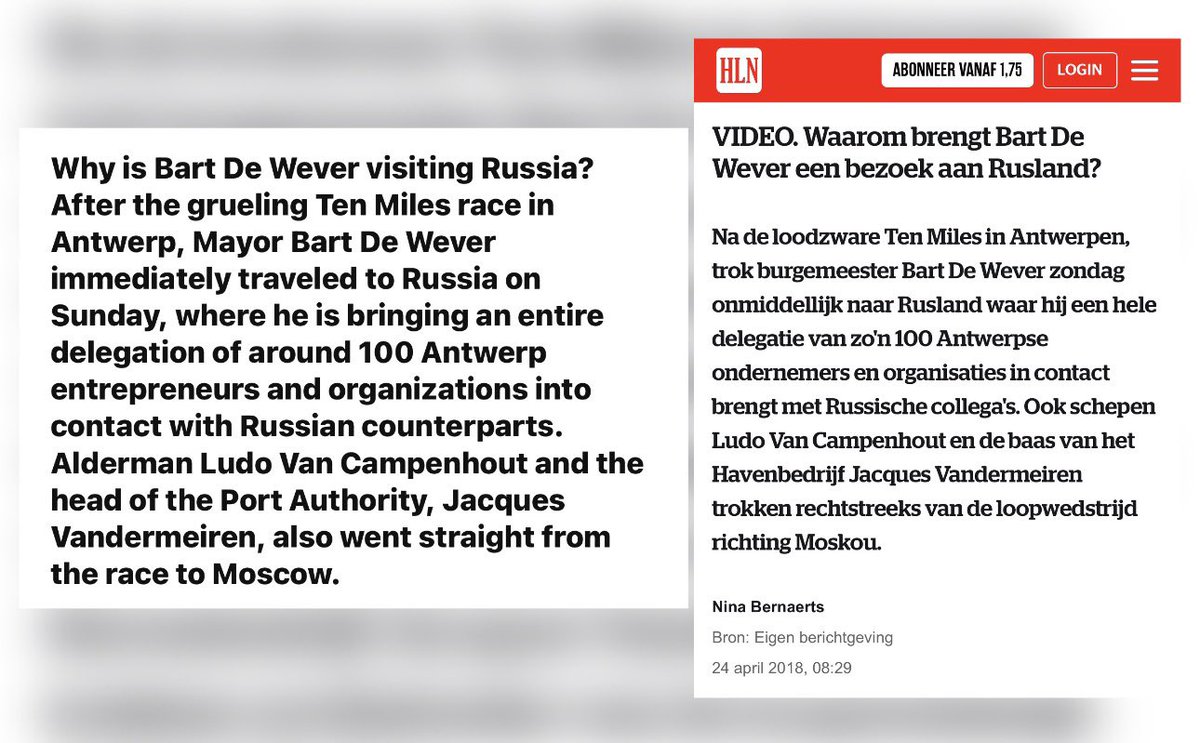
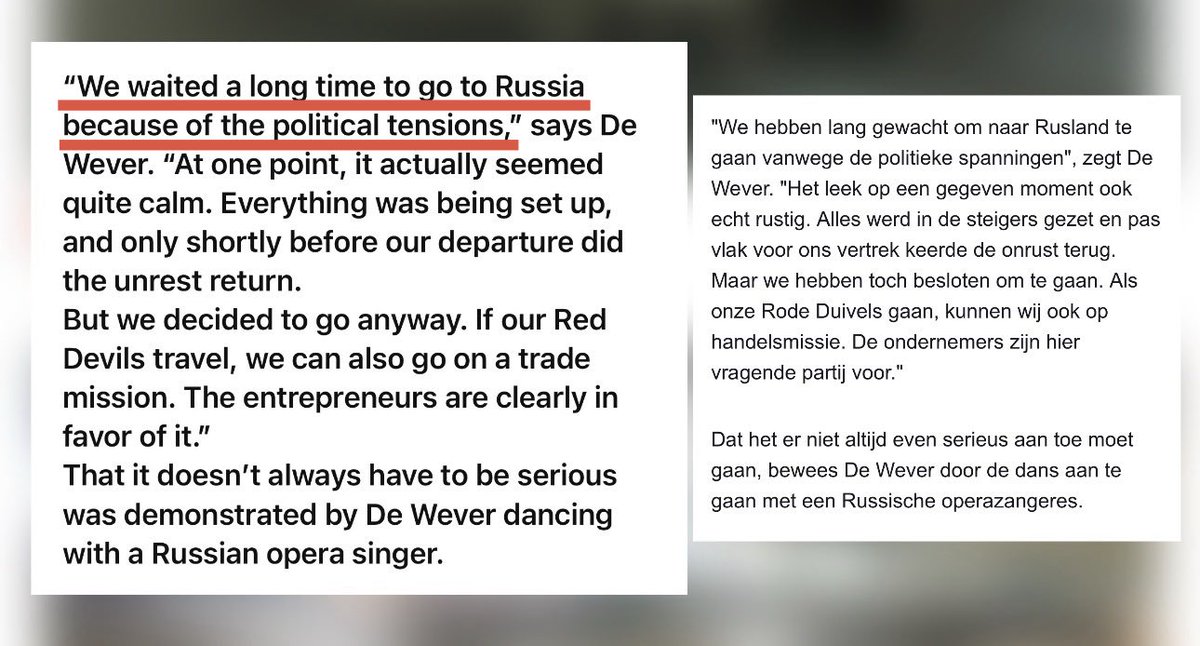
The main goal of the trip and the meeting with Sergey Sobyanin was to expand cooperation in the economy and port activities.
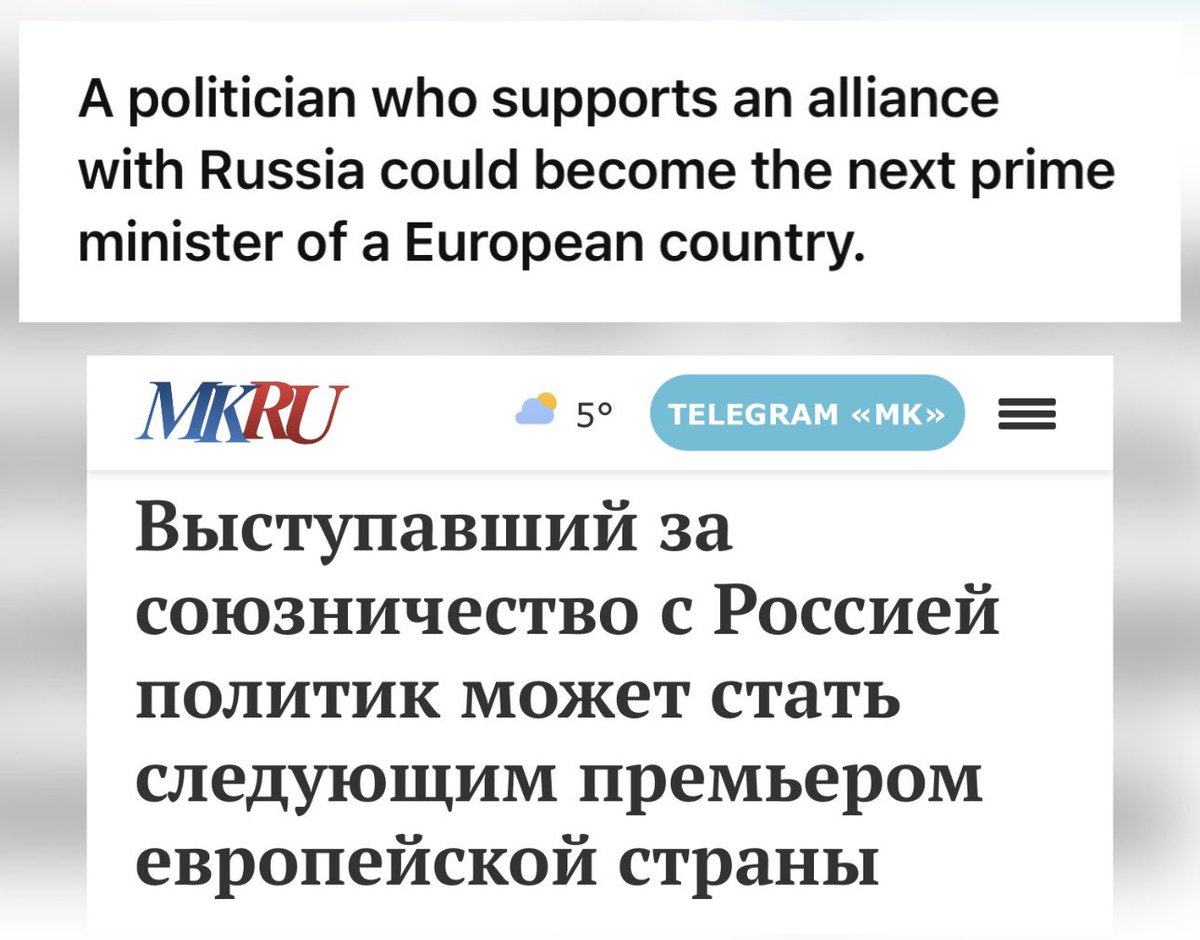
In 2018, Russian media noted that Bart De Wever supported an alliance with Russia. The pro-Russian stance of European populists already provided the Kremlin with the much-needed political legitimacy at that time.
🧵5/23
In 2018, Russian media noted that Bart De Wever supported an alliance with Russia. The pro-Russian stance of European populists already provided the Kremlin with the much-needed political legitimacy at that time.
🧵5/23
Sergey Sobyanin:
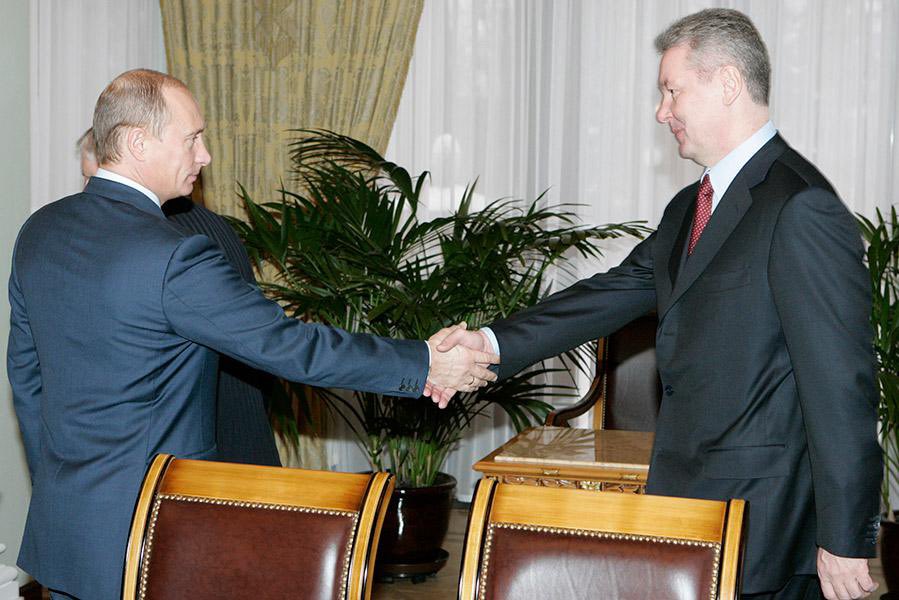
His rise is based on unconditional loyalty to Vladimir Putin, whose chief of staff he once was.
The work of Moscow’s mayor has been marked by scandals involving corruption schemes and ineffective projects. Yet he remains firmly in office despite numerous allegations of fraud and cover-ups linked to him and his circle.
🧵6/23
His rise is based on unconditional loyalty to Vladimir Putin, whose chief of staff he once was.
The work of Moscow’s mayor has been marked by scandals involving corruption schemes and ineffective projects. Yet he remains firmly in office despite numerous allegations of fraud and cover-ups linked to him and his circle.
🧵6/23
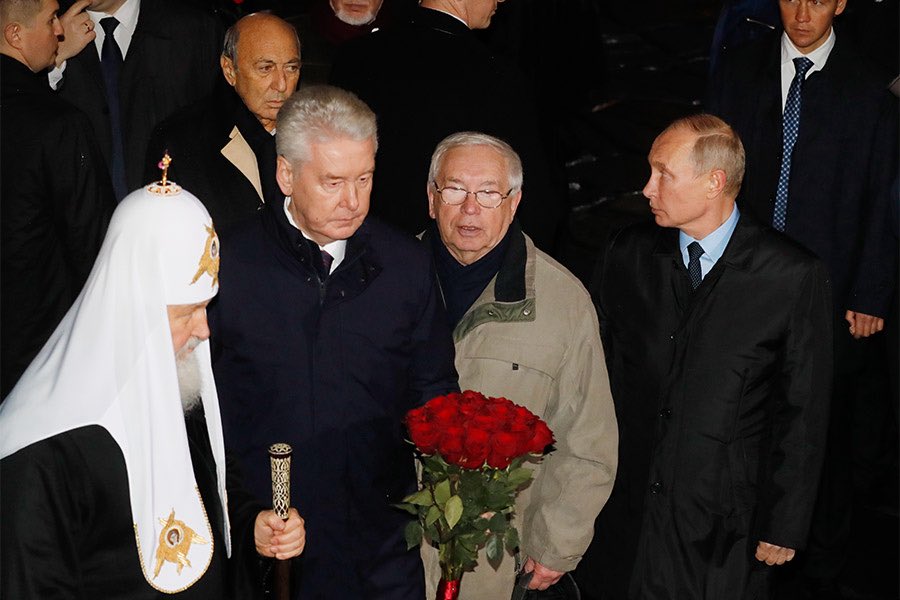
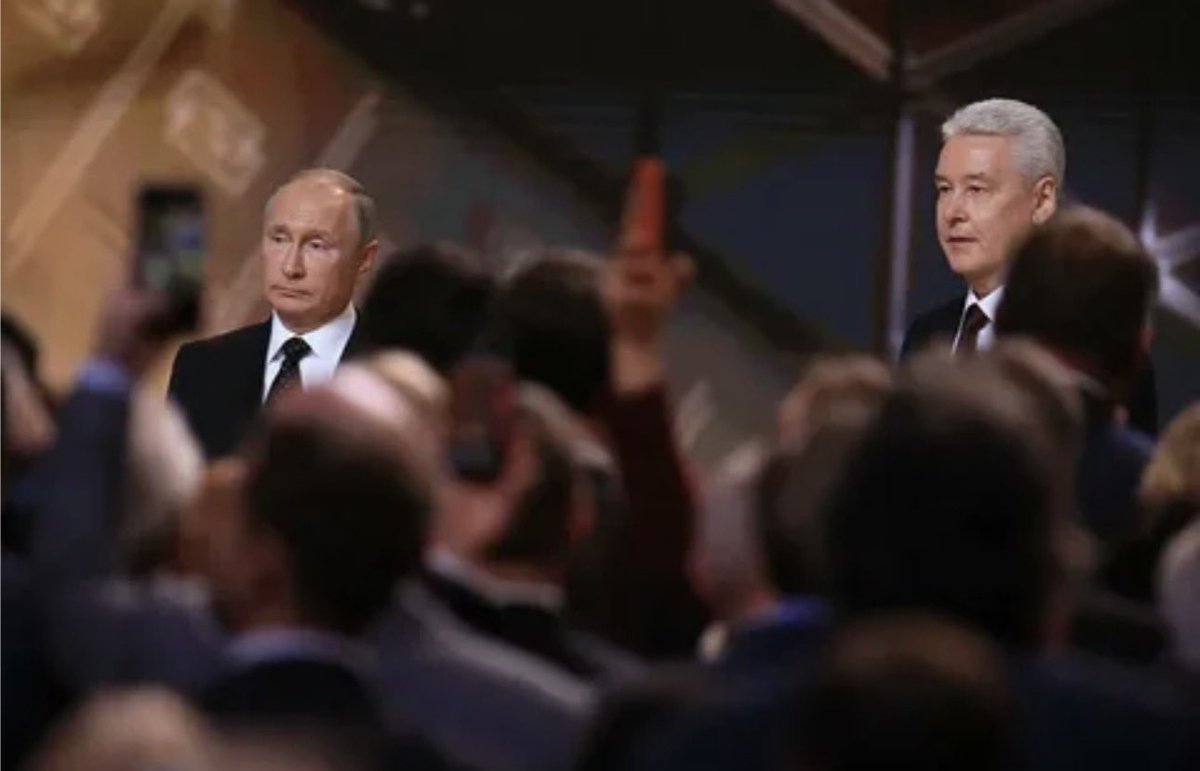
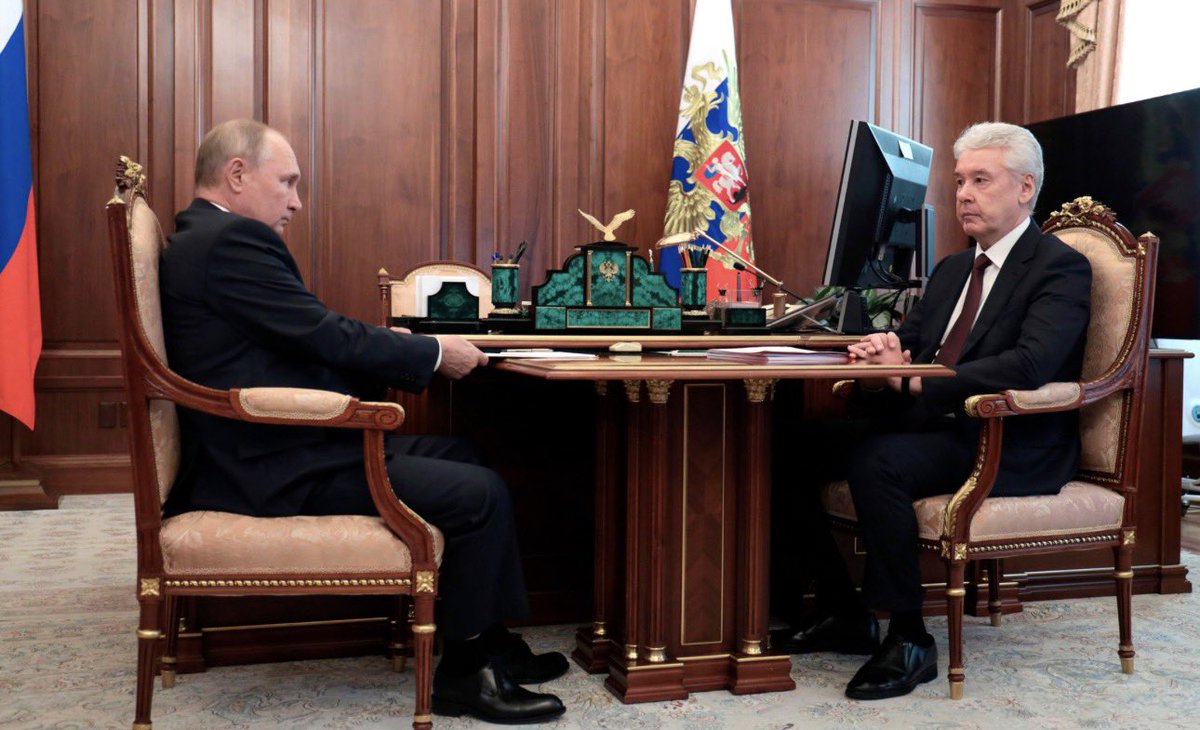
Sobyanin’s massive construction projects serve a system designed to favor beneficiaries from his inner circle and to control and redirect the enormous financial flows of the capital, which account for nearly 20% of Russia’s regional state revenues. It is a system in which public funds have been shifted into private hands.
🧵7/22
🧵7/22
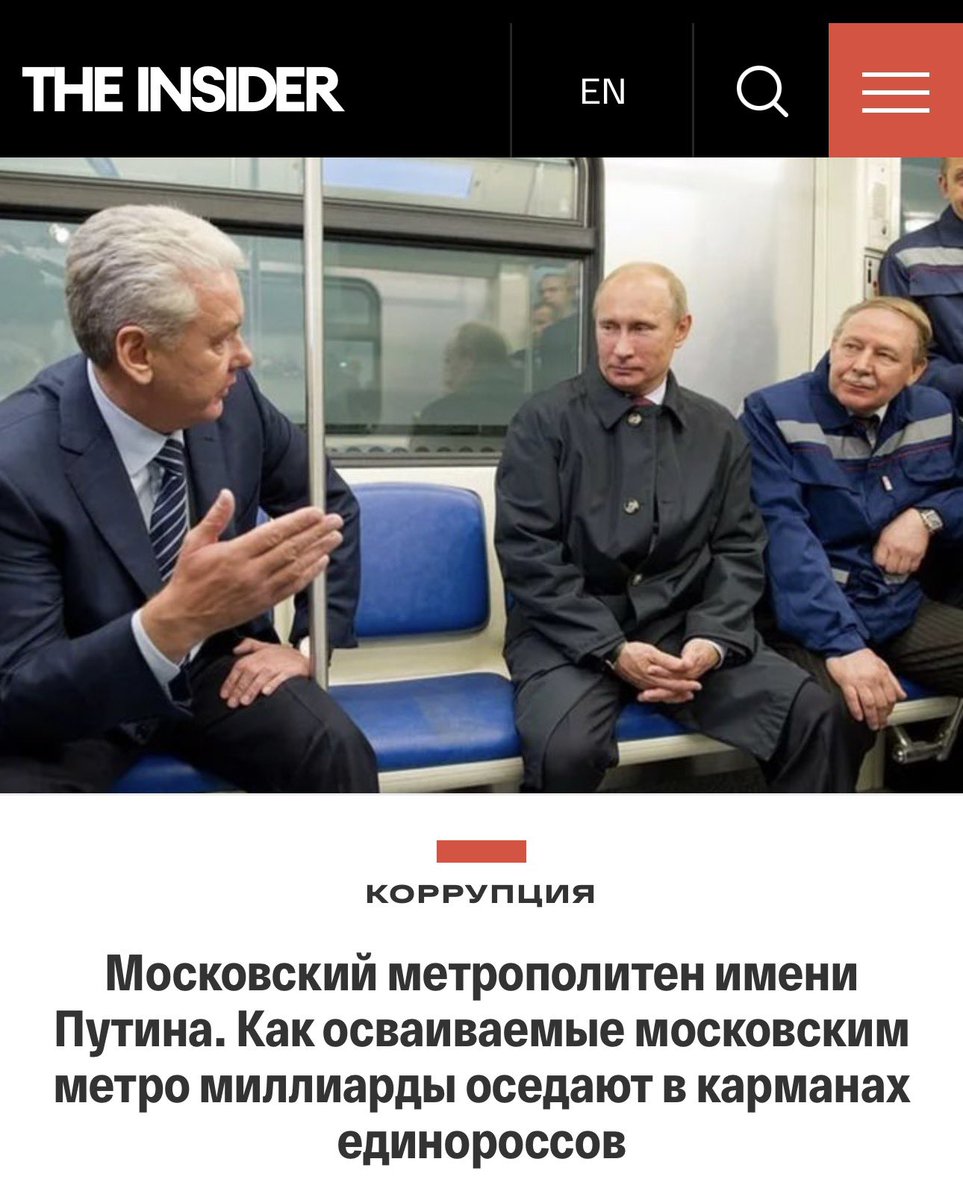
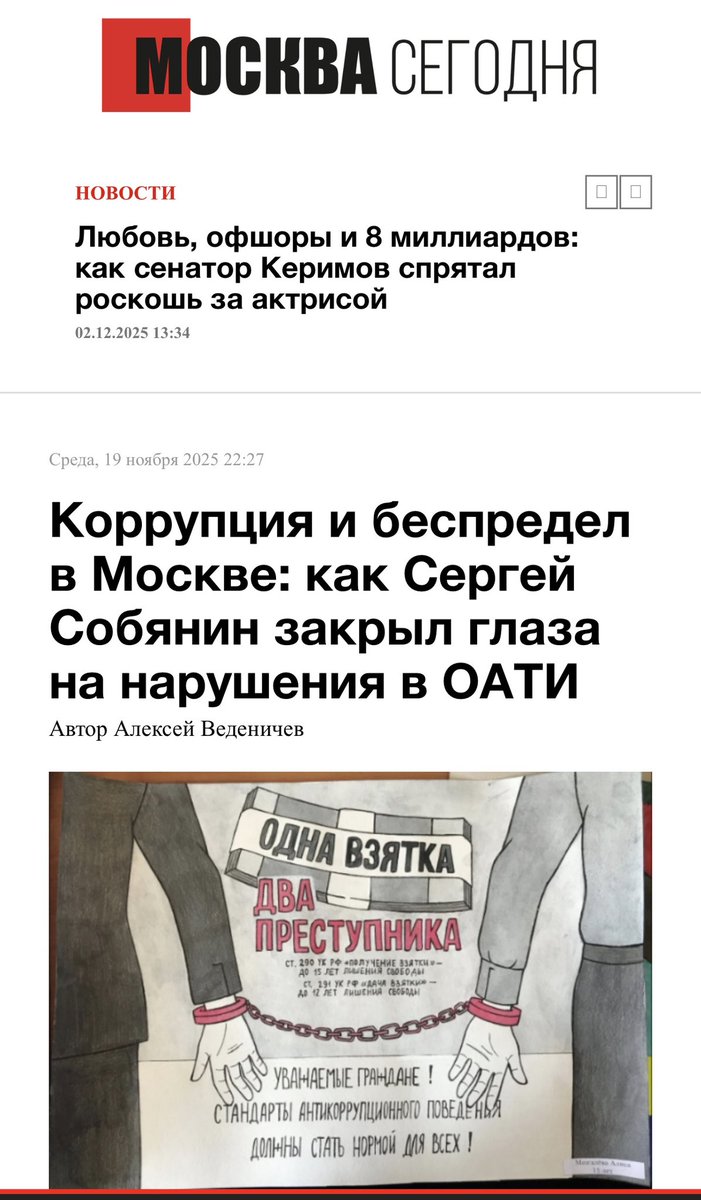
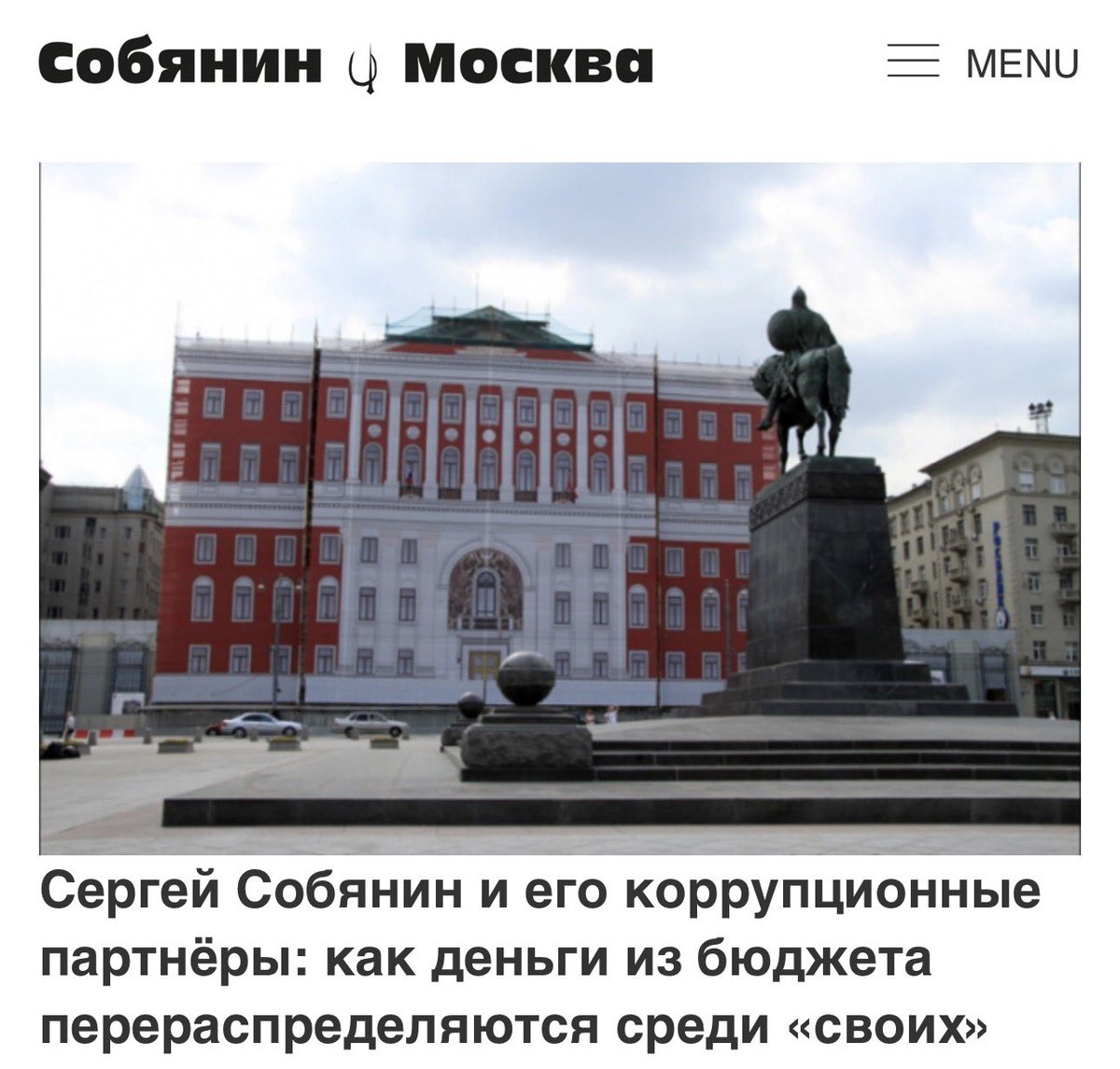
Thanks to his “meticulous work,” Sobyanin quickly became a dollar millionaire, turning Moscow into his personal business hub, where every project, every district, and every plot of land is worth billions.
His right-hand man is Alexey Nemeryuk. The Nemeryuk family clan had close ties to the “Khimki” organized crime group, which has been linked to corporate takeovers, contract killings, and money laundering.
🧵8/23
His right-hand man is Alexey Nemeryuk. The Nemeryuk family clan had close ties to the “Khimki” organized crime group, which has been linked to corporate takeovers, contract killings, and money laundering.
🧵8/23

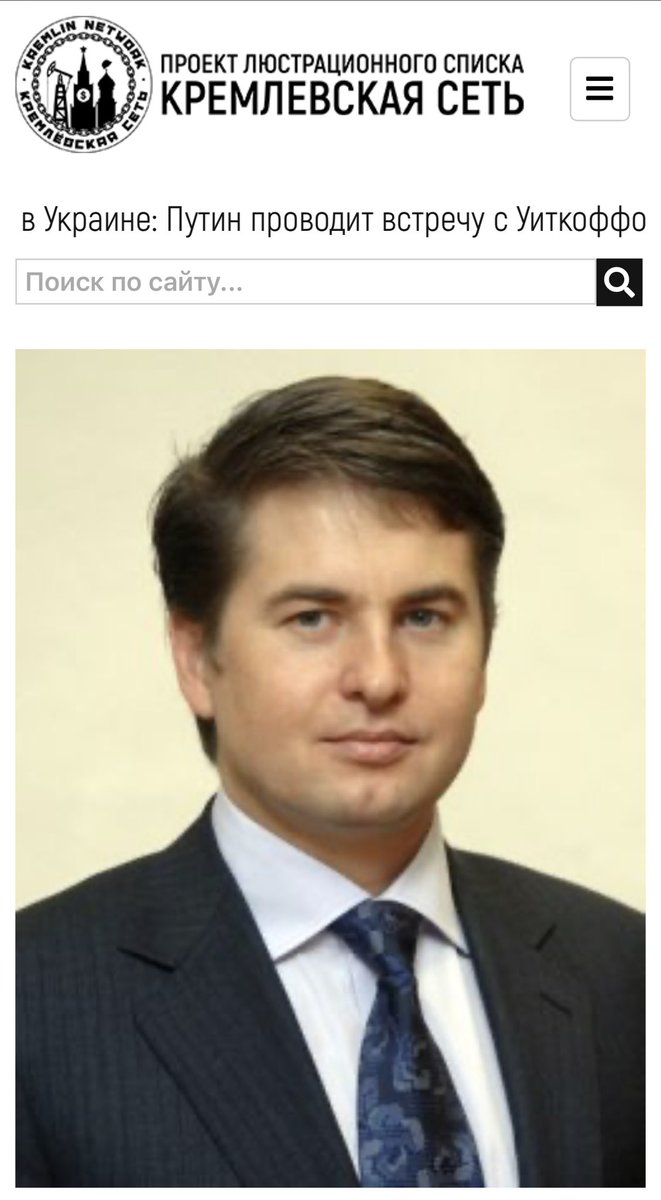
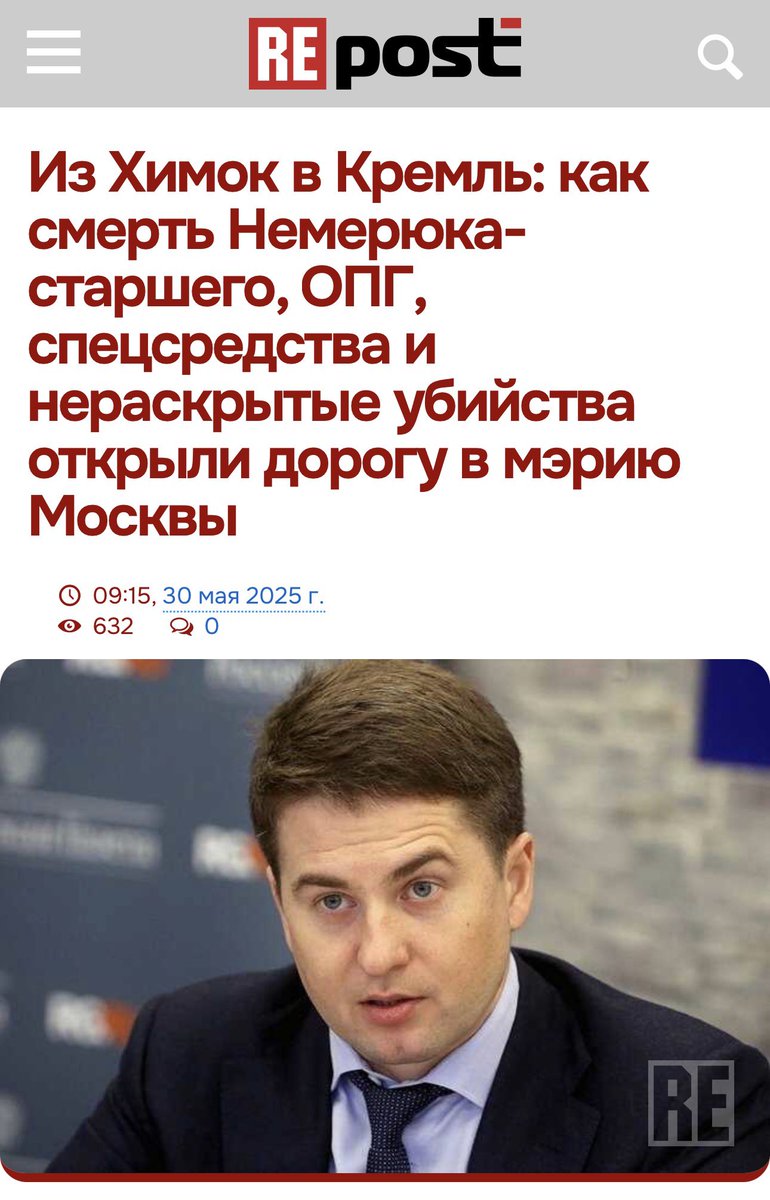
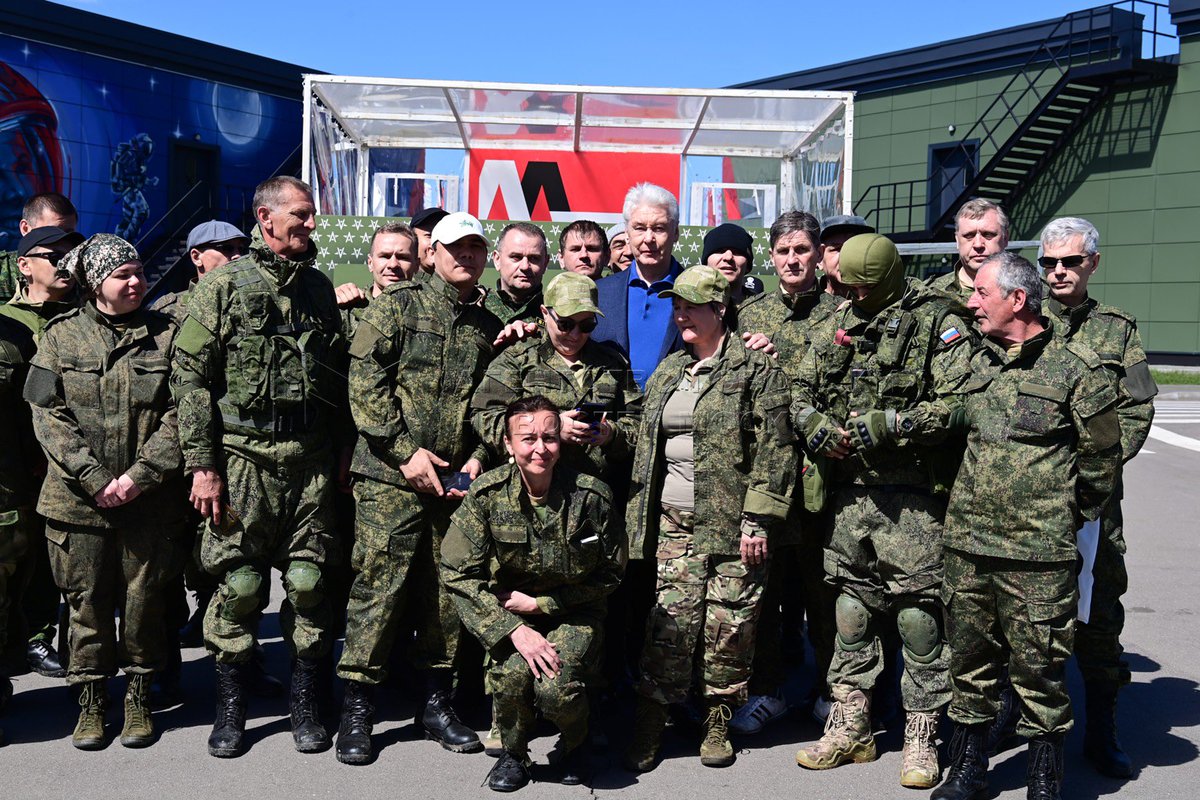
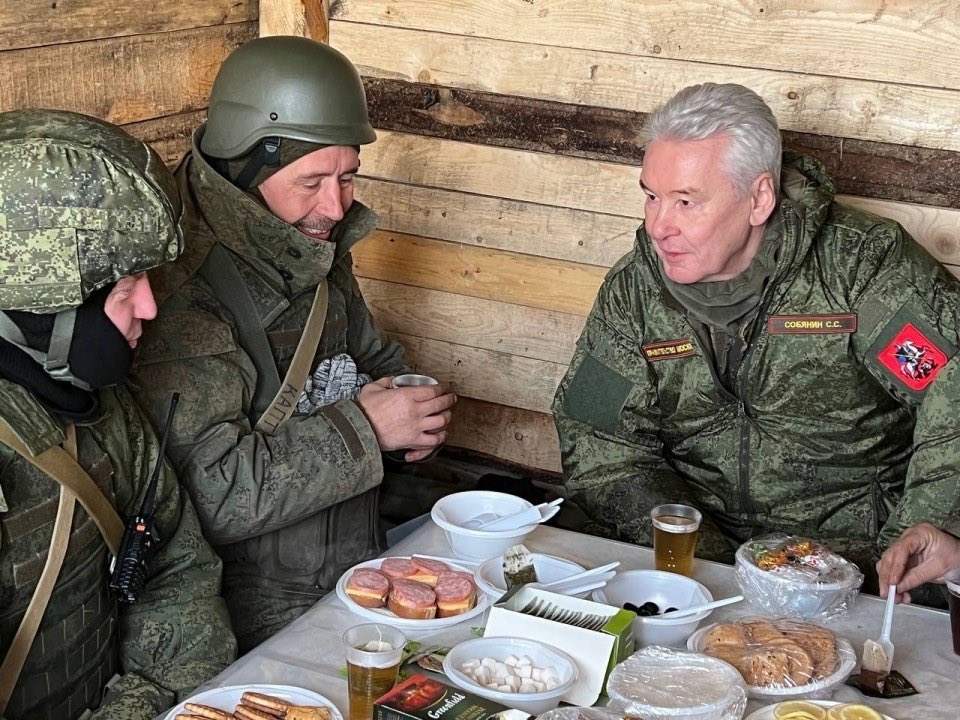
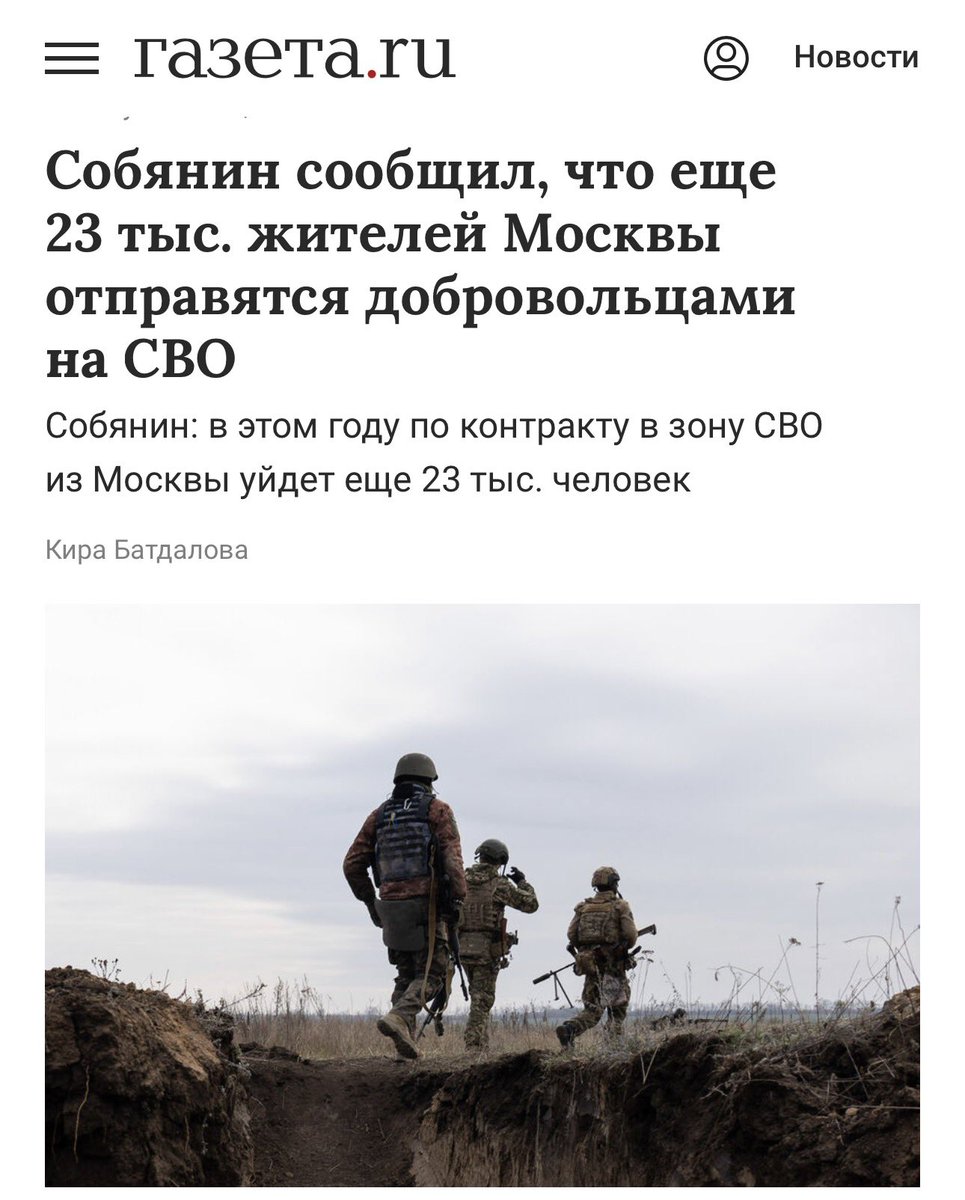
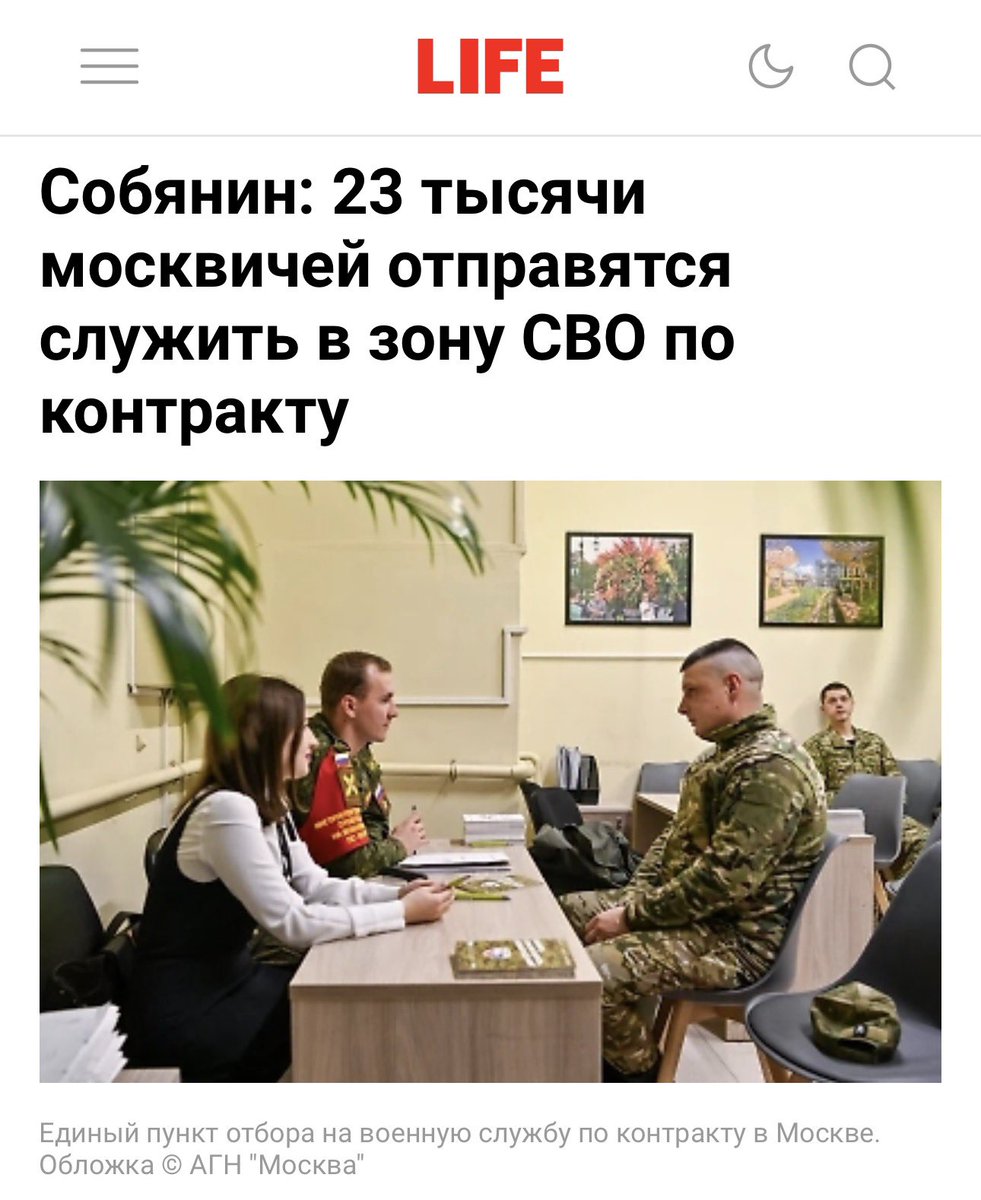
As a key figure in the power apparatus, Sobyanin is accused of using Moscow’s economy to serve the Kremlin’s interests. The city administration pressured construction companies to meet quotas for recruiting volunteers for the war in Ukraine. This demonstrates the direct entanglement of Moscow’s city government with the regime’s military-political objectives.
🧵9/23
🧵9/23
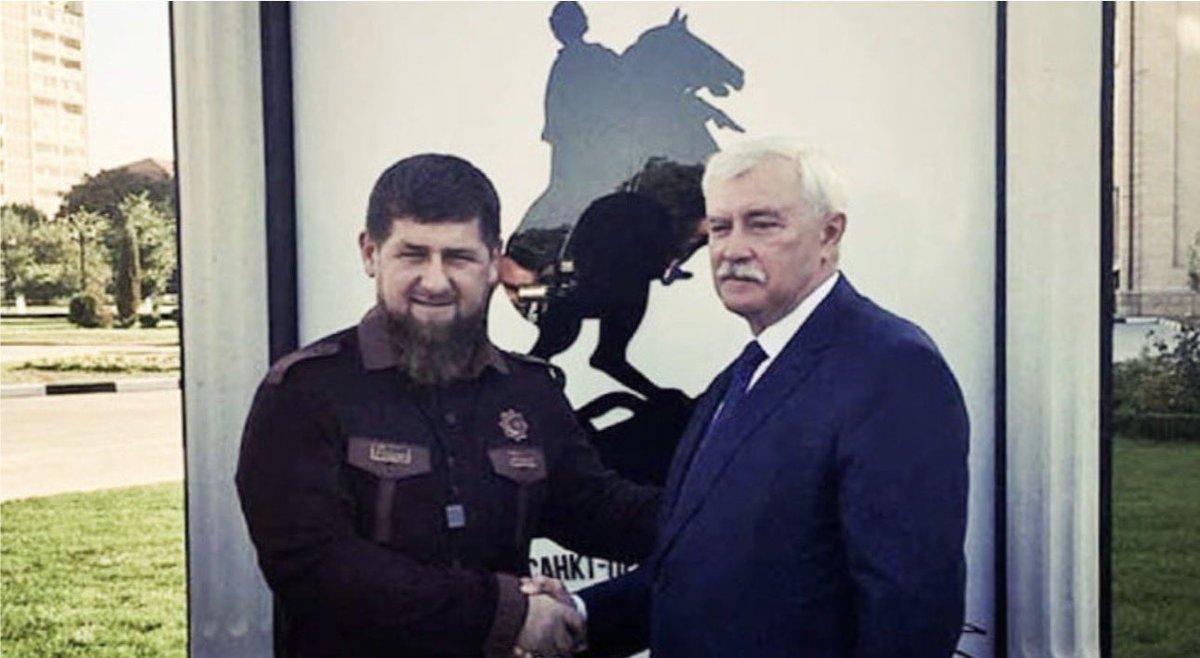
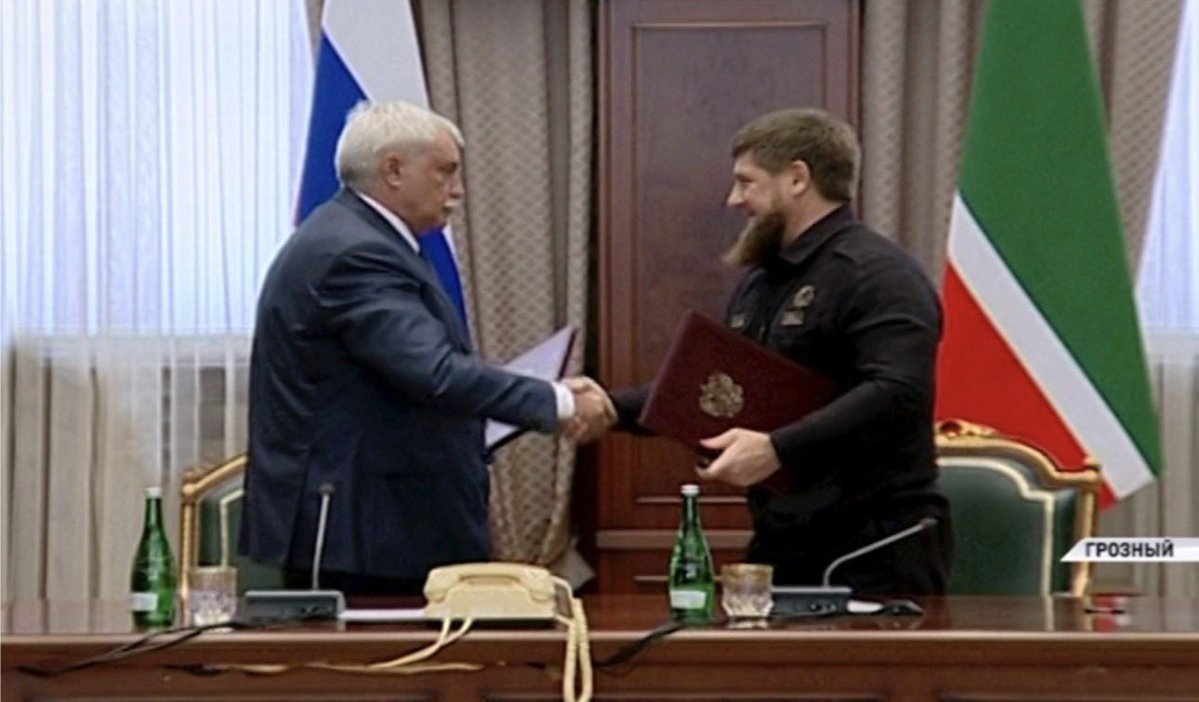
During the trip, Bart De Wever, mayor of Antwerp in Belgium, met with the governor of St. Petersburg (2011–2018), Georgy Poltavchenko, who had served in the Committee for State Security (KGB) since 1979 and worked in the administration of the Federal Tax Police Service for St. Petersburg.
🧵10/23
🧵10/23
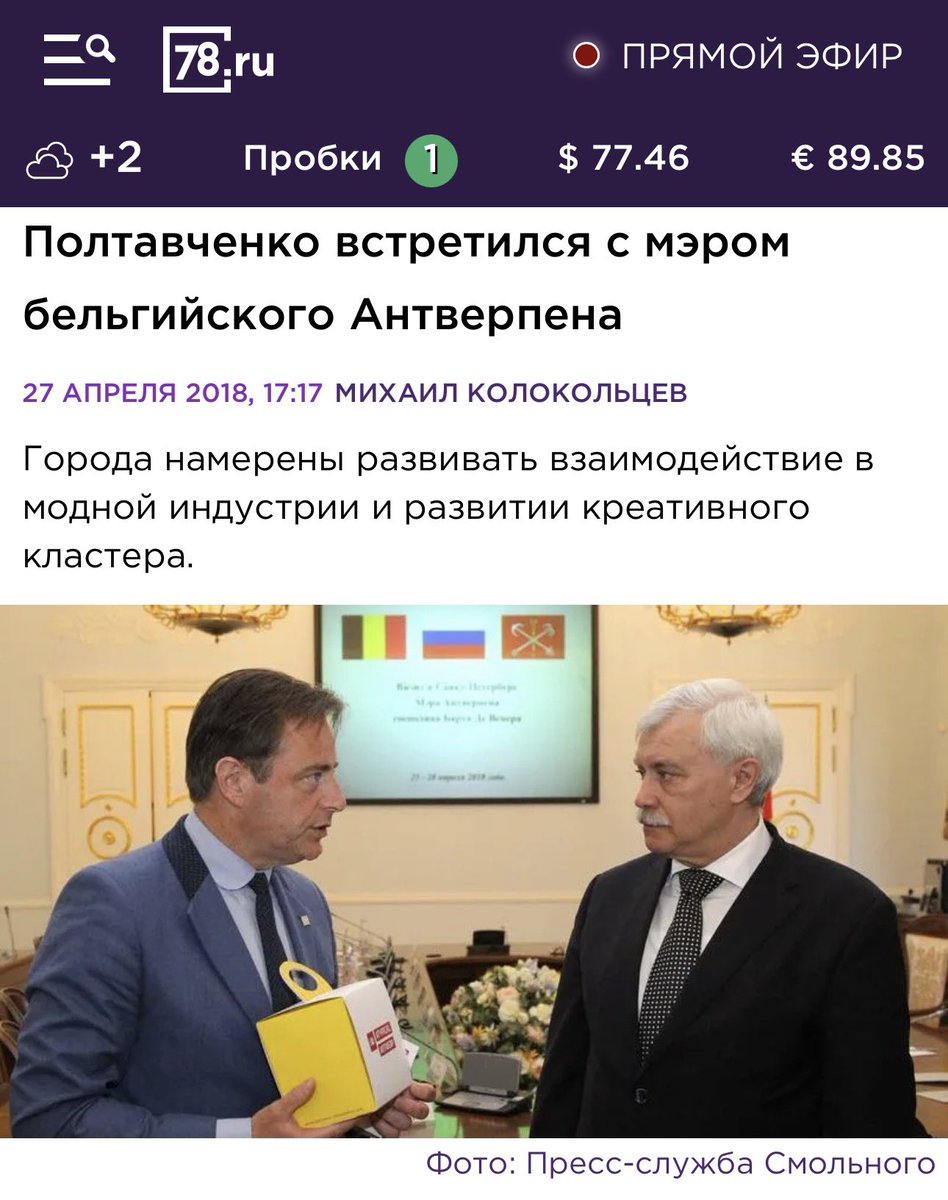
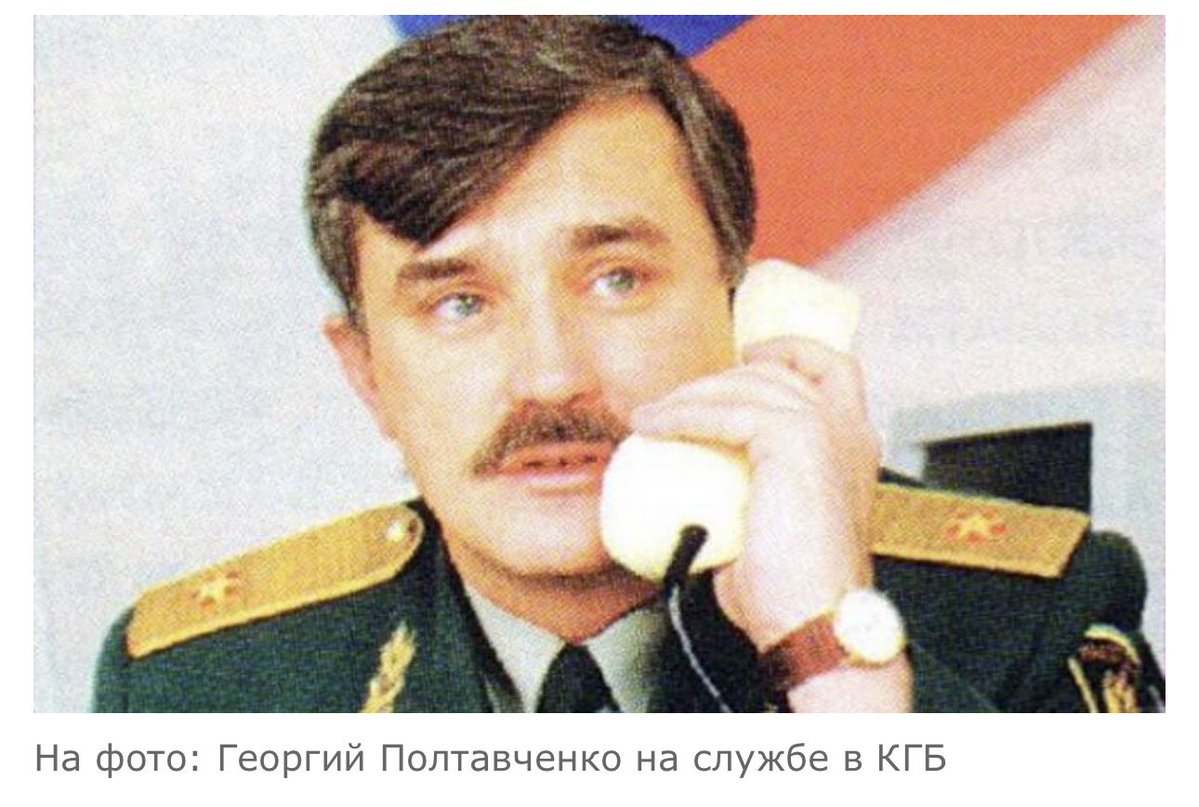

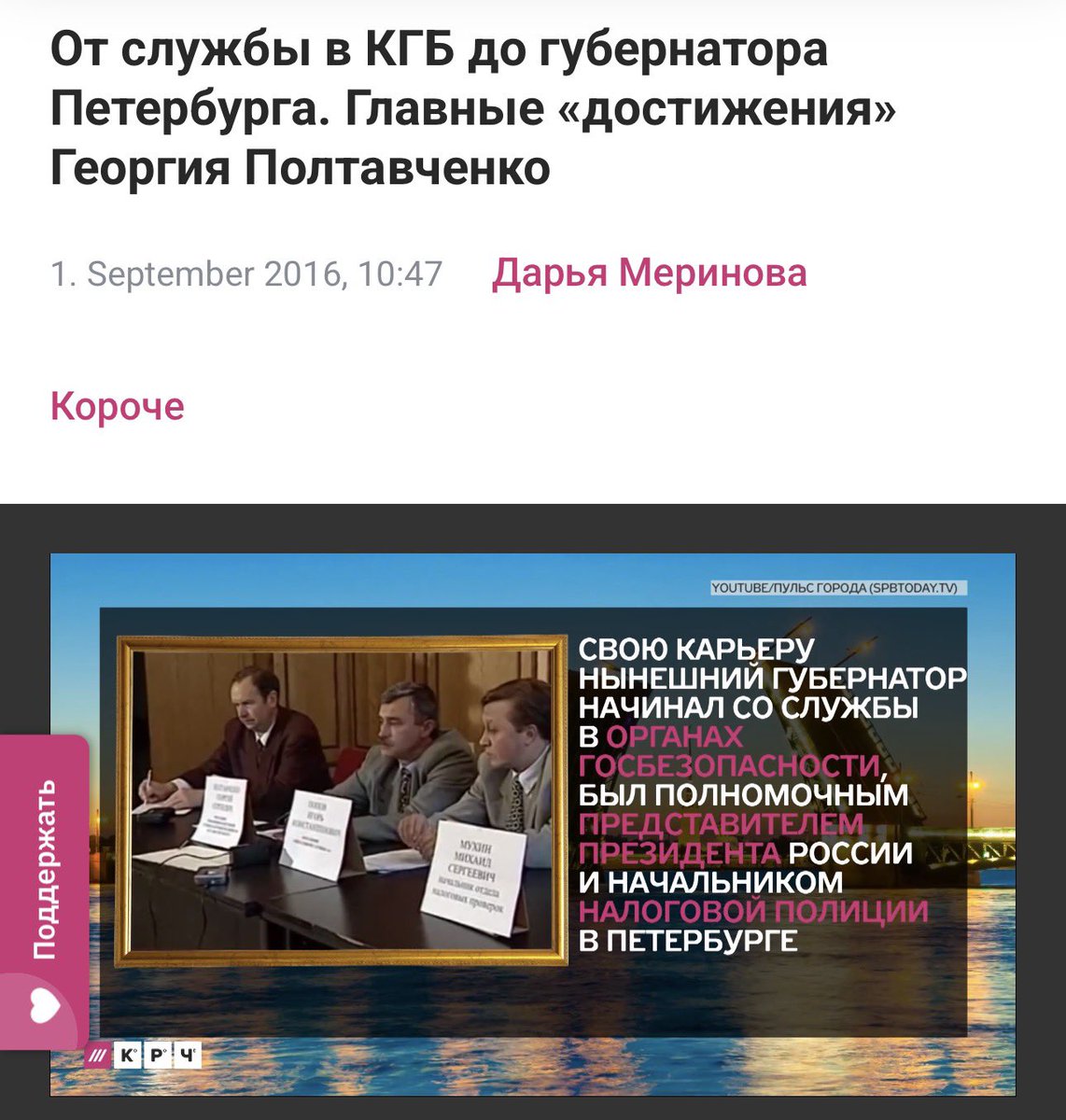
Georgy Poltavchenko, who maintained close personal ties with Ramzan Kadyrov, was removed from office following numerous scandals involving local residents and corruption.
However, he did not disappear far and moved to the headquarters of the United Shipbuilding Corporation (until 2023), where Putin appointed him under a mandate of “utmost trust.”
🧵11/23
However, he did not disappear far and moved to the headquarters of the United Shipbuilding Corporation (until 2023), where Putin appointed him under a mandate of “utmost trust.”
🧵11/23

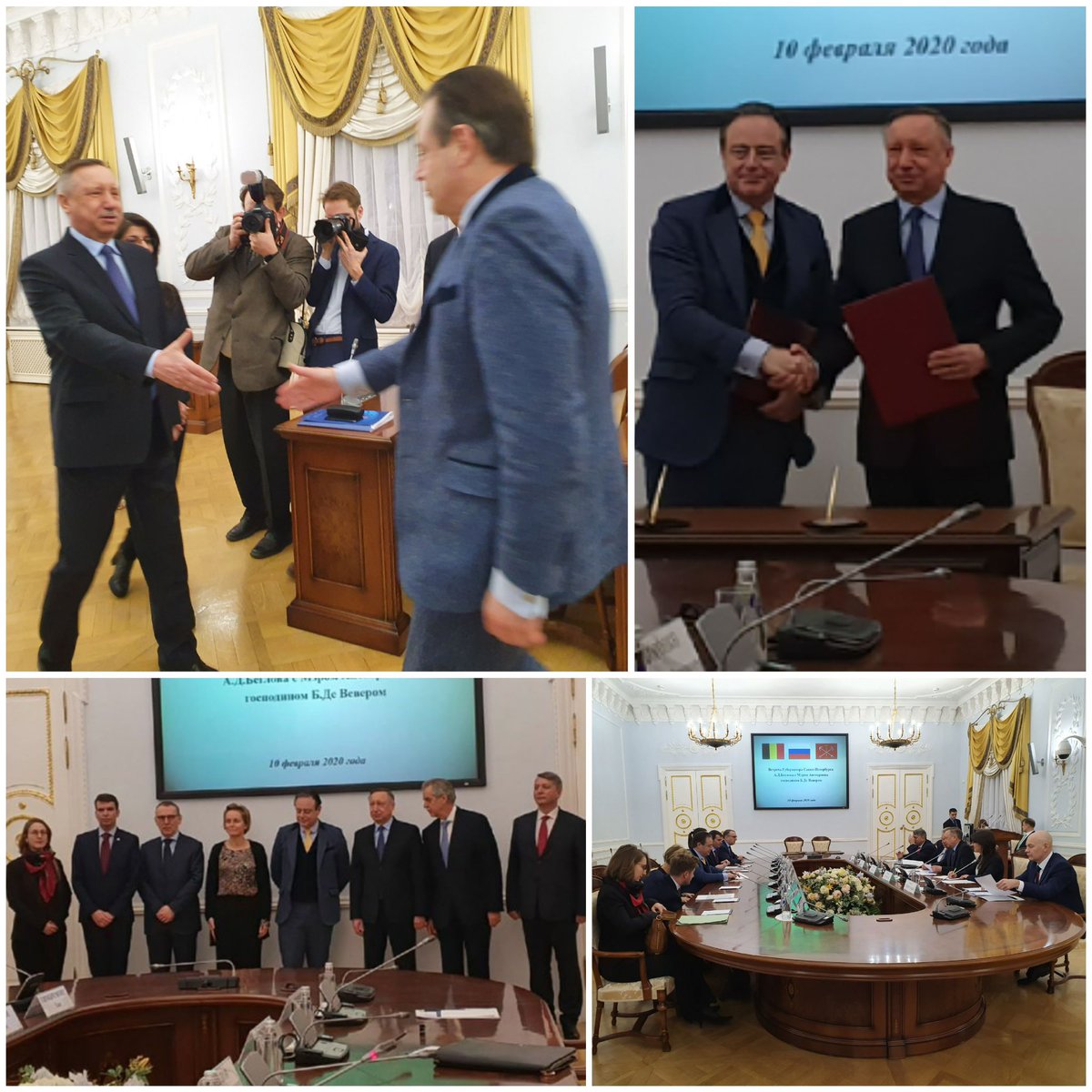
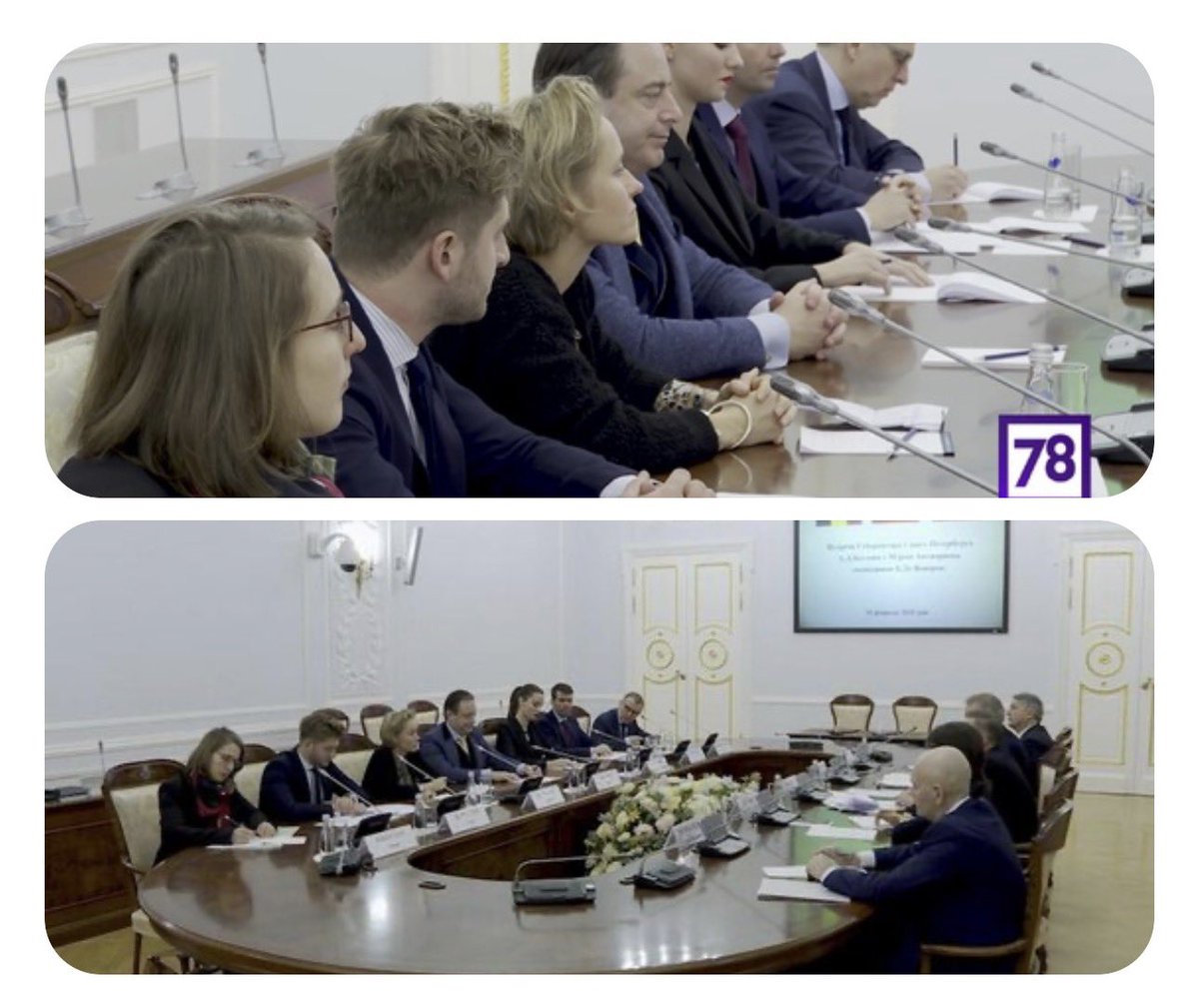
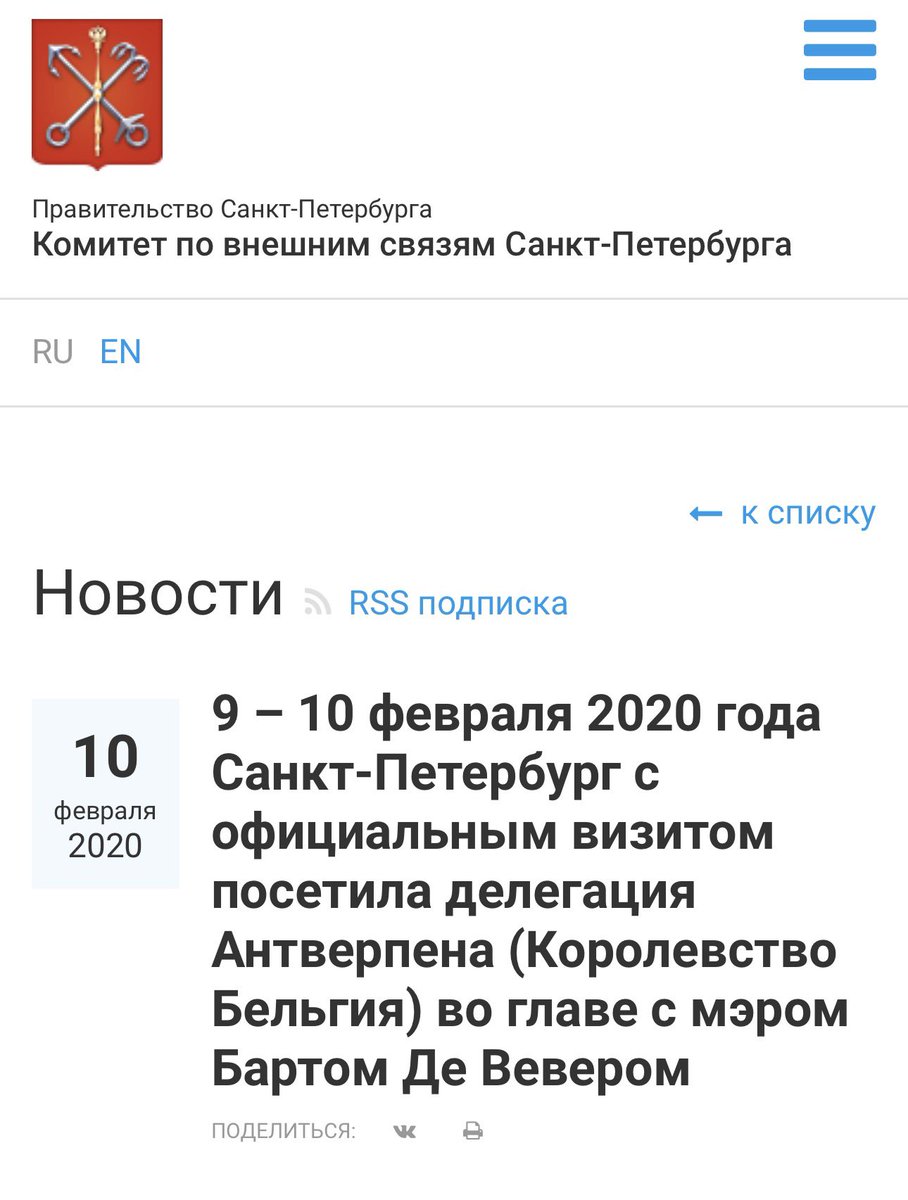
In February 2020, the Kremlin elite strengthened its ties to Europe on the ground: On that day, the governor of St. Petersburg, Alexander Beglov, met with the mayor of Antwerp, Bart De Wever, and his delegation in St. Petersburg. The event was organized by the St. Petersburg city administration.
🧵12/23
🧵12/23
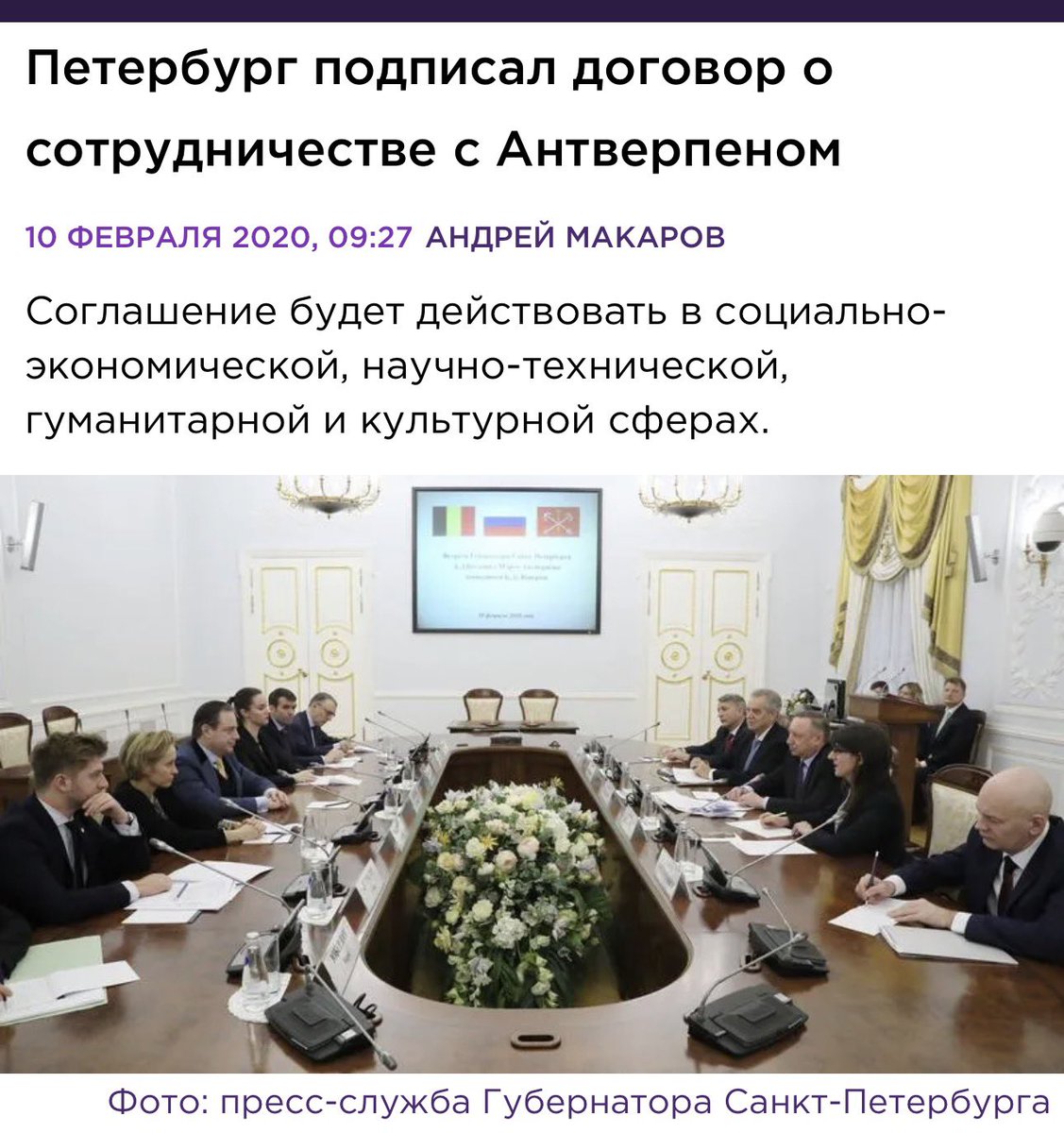
The focus of the meeting was the signing of a renewed cooperation agreement. Officially, it concerned “Smart City” initiatives, waste management, and culture. The real goal, however, was to maintain the extensive trade relations. It was emphasized that three-quarters of the Antwerp port’s trade volume with Russia (11.2 million tons per year) passes through St. Petersburg.
🧵13/23
🧵13/23
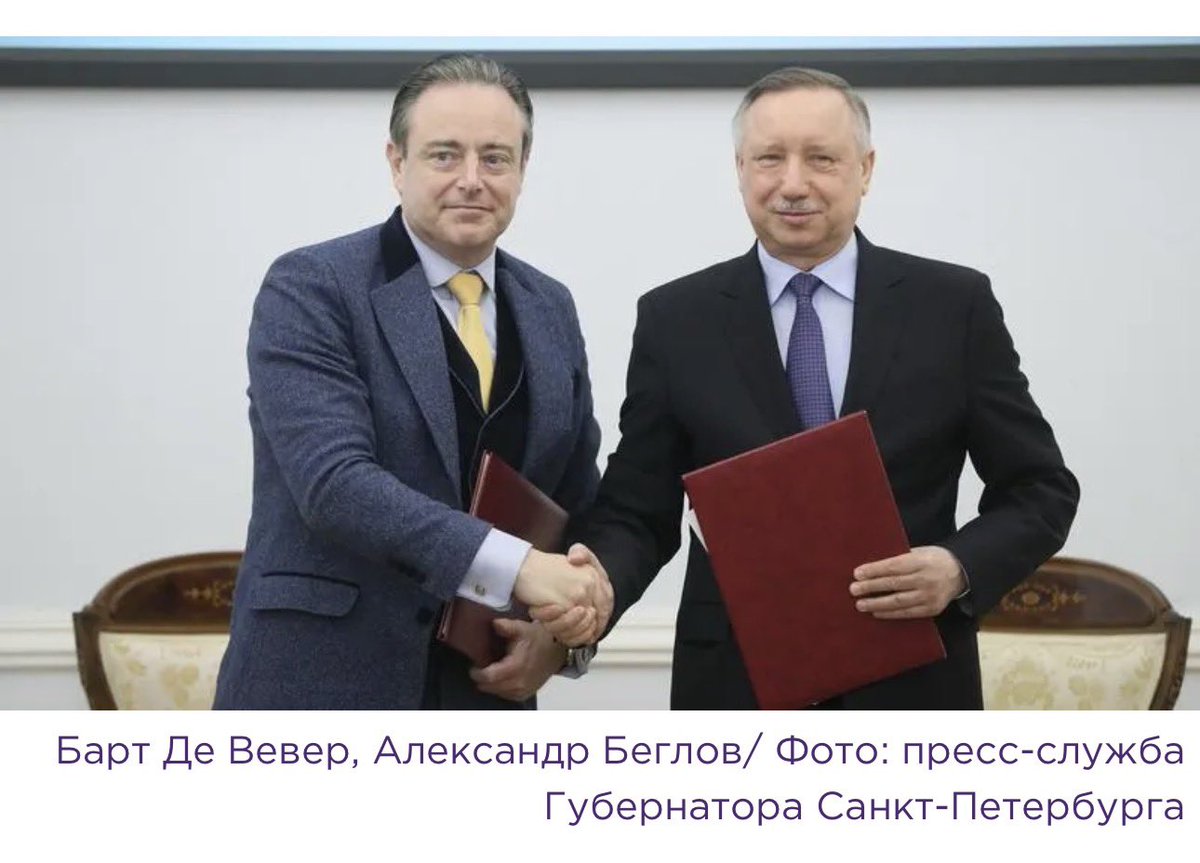
Beglov used the visit to invite the European delegation to the celebration of the 75th anniversary of the Victory in the Great Patriotic War. While Europe was debating sanctions, Putin’s regime received the desired symbolic legitimacy from a prominent European figure. Additionally, the cooperation between the port cities was hailed as a “signal of solidarity” aimed at breaking through political isolation.
🧵14/23
🧵14/23
Alexander Beglov:
The St. Petersburg official, notorious for corruption scandals, has been leading a double life since the 1990s. His official and unofficial wives, as well as his children, have acquired properties worth billions of rubles in Russia and abroad during this time.
According to Russian media, Beglov is accused of forming a criminal organization in St. Petersburg.
🧵15/23
The St. Petersburg official, notorious for corruption scandals, has been leading a double life since the 1990s. His official and unofficial wives, as well as his children, have acquired properties worth billions of rubles in Russia and abroad during this time.
According to Russian media, Beglov is accused of forming a criminal organization in St. Petersburg.
🧵15/23
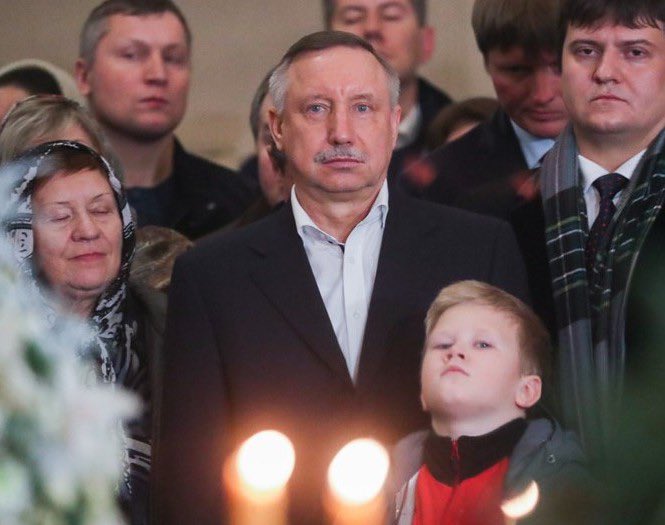
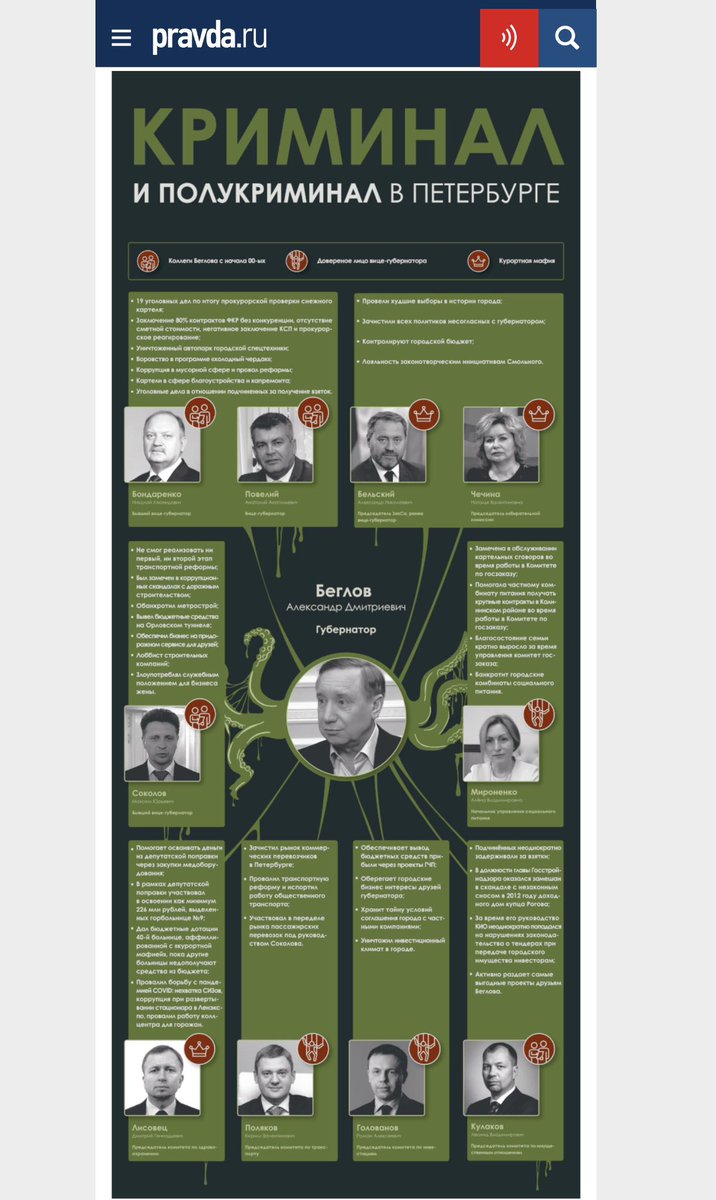
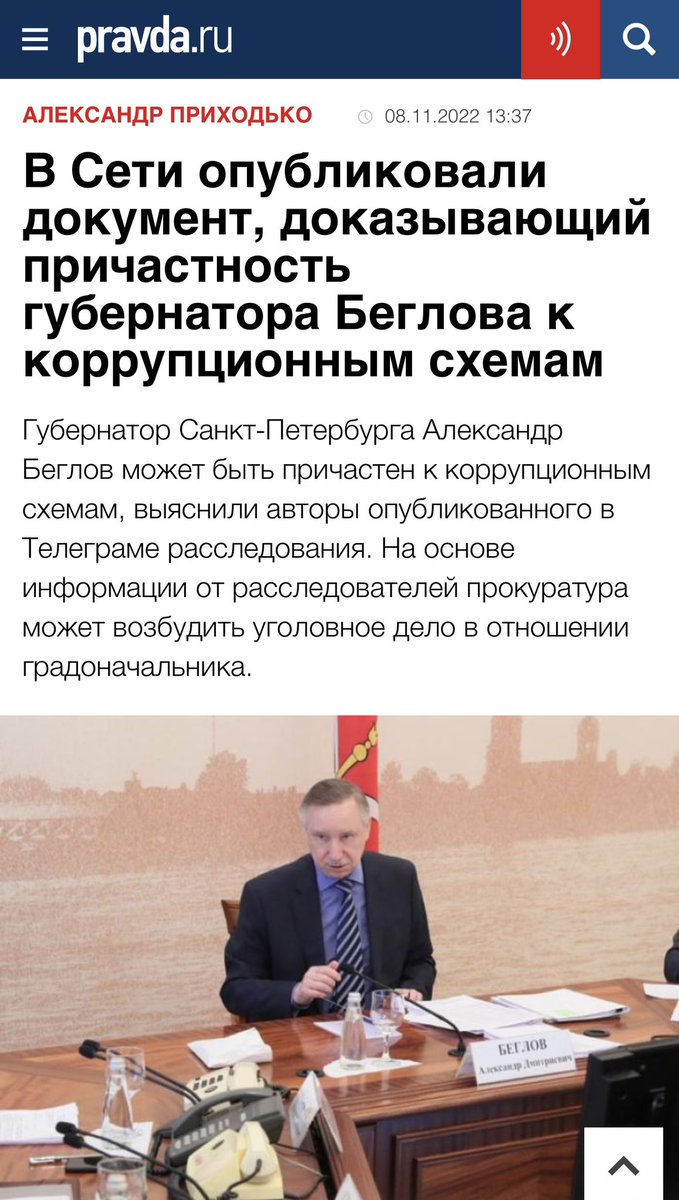
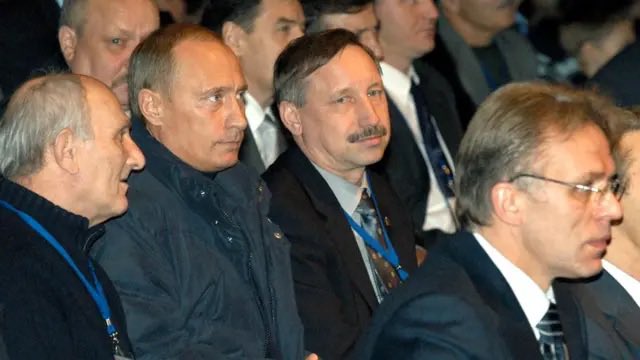
In the 1990s, Beglov was co-owner and chief engineer of the German-Russian joint venture Melazel, which maintained partnerships with the Committee for Foreign Economic Relations of St. Petersburg, led by Putin. His career exemplifies the close intertwining of business, politics, and power in St. Petersburg, regarded as the cradle of the Siloviki elite.
🧵16/23
🧵16/23
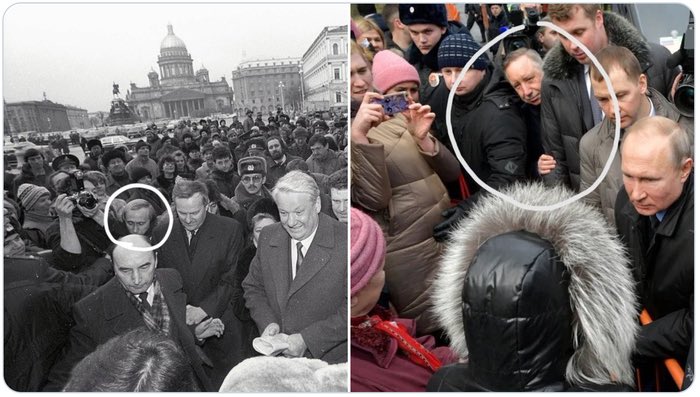
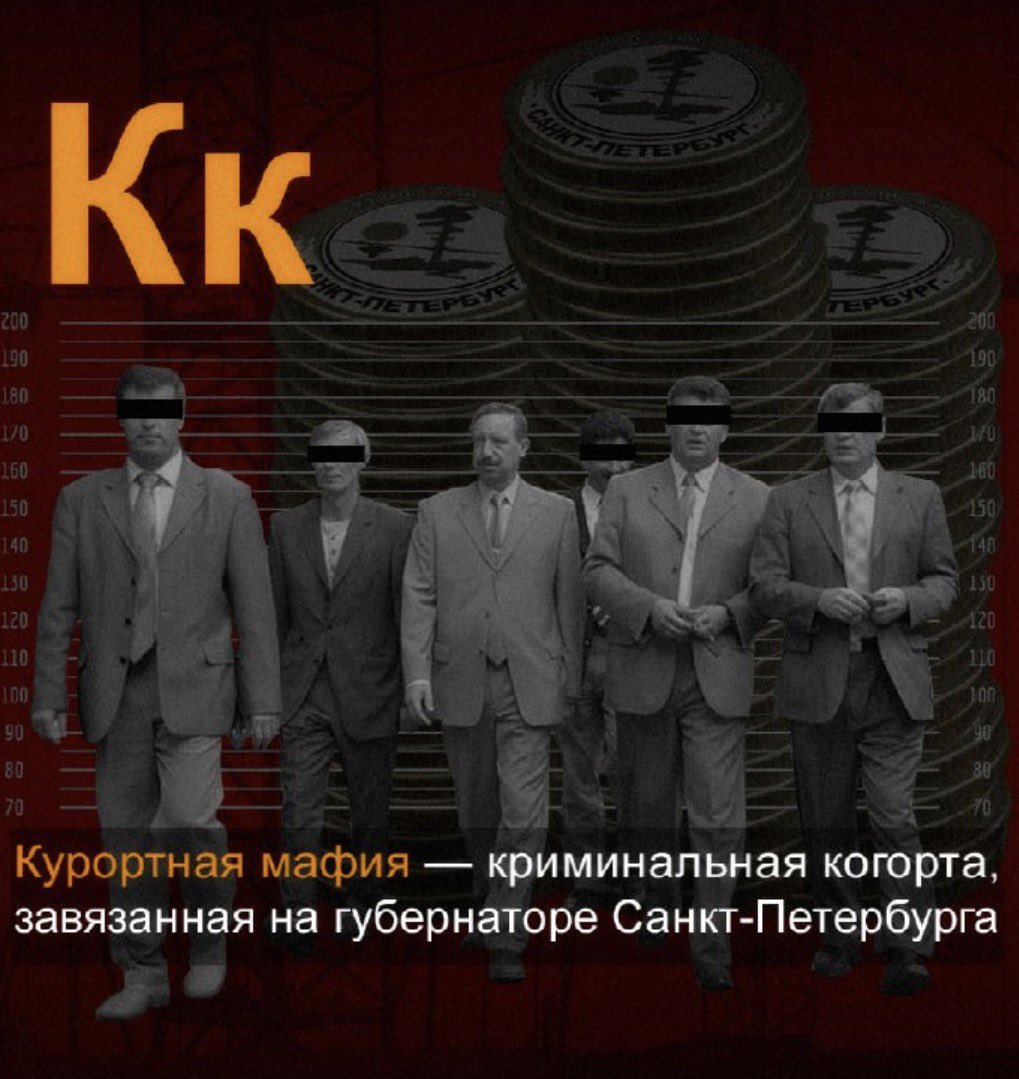
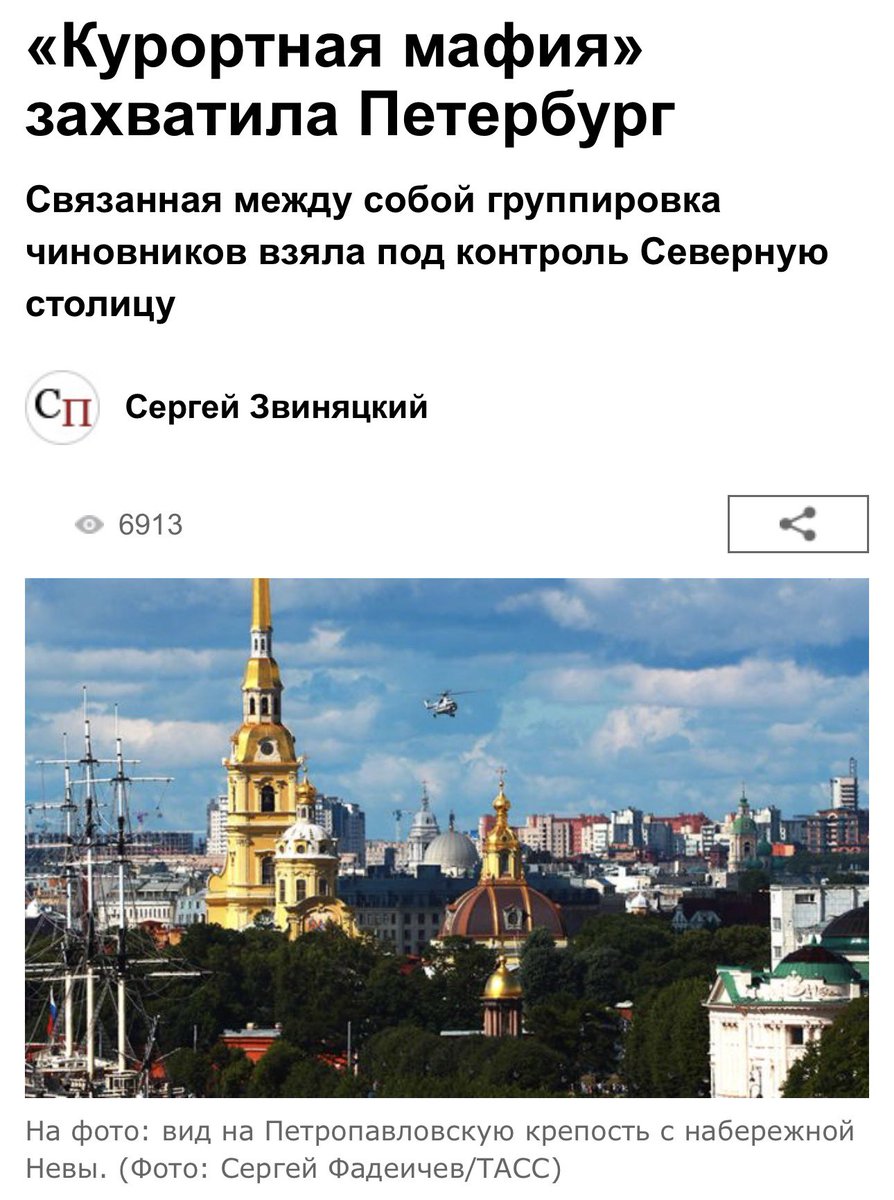
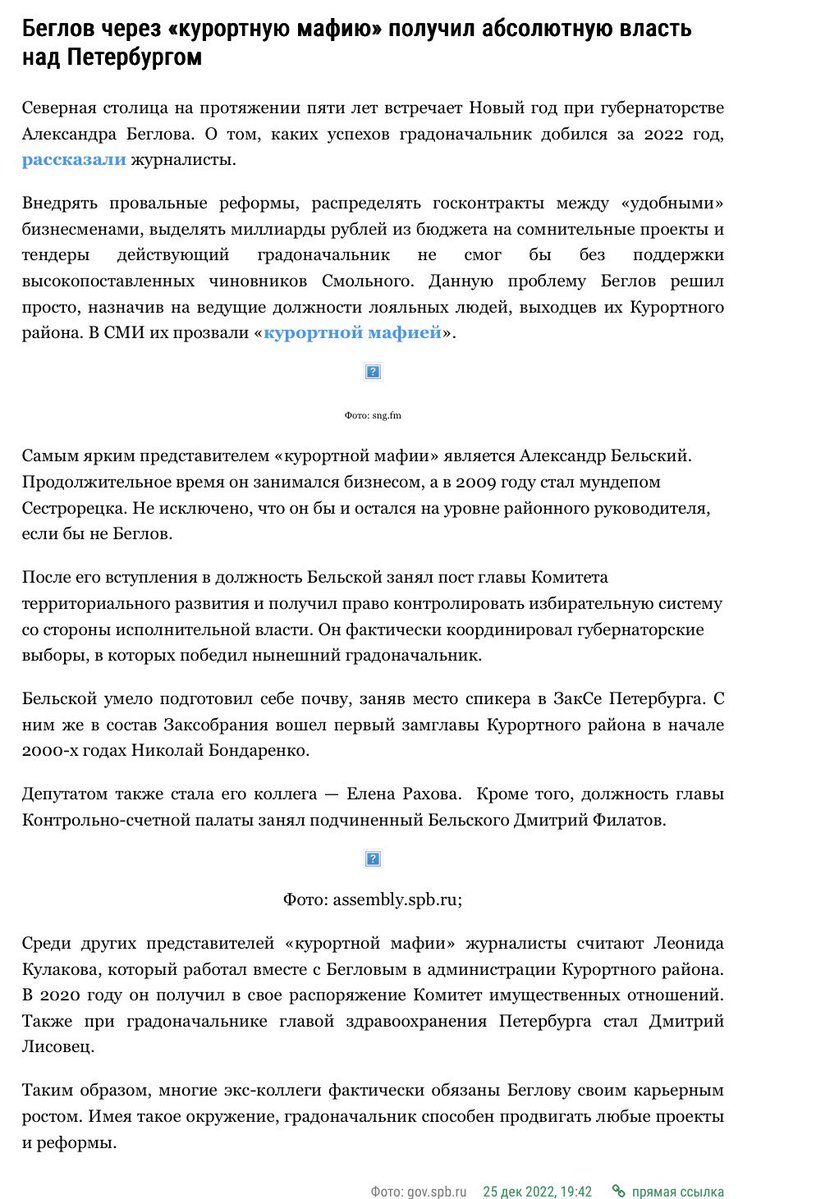
After Alexander Beglov gained absolute control over St. Petersburg, he appointed loyal individuals to key positions. This group in Moscow and St. Petersburg became known as the “Kurortny Mafia” – a conspiratorial, criminal network of old allies. All its members are interconnected and owe allegiance to the governor. Such protection allows the mafia to operate with impunity and run corrupt schemes.
🧵17/23
🧵17/23

Alexander Beglov and Sergey Sobyanin shared a mutual friend: Yevgeny Prigozhin. Political strategists and online bots connected to the businessman and founder of the Wagner Group, Prigozhin, promoted Alexander Beglov in the gubernatorial elections in St. Petersburg and Sergey Sobyanin in the mayoral elections in Moscow.
🧵18/23
🧵18/23
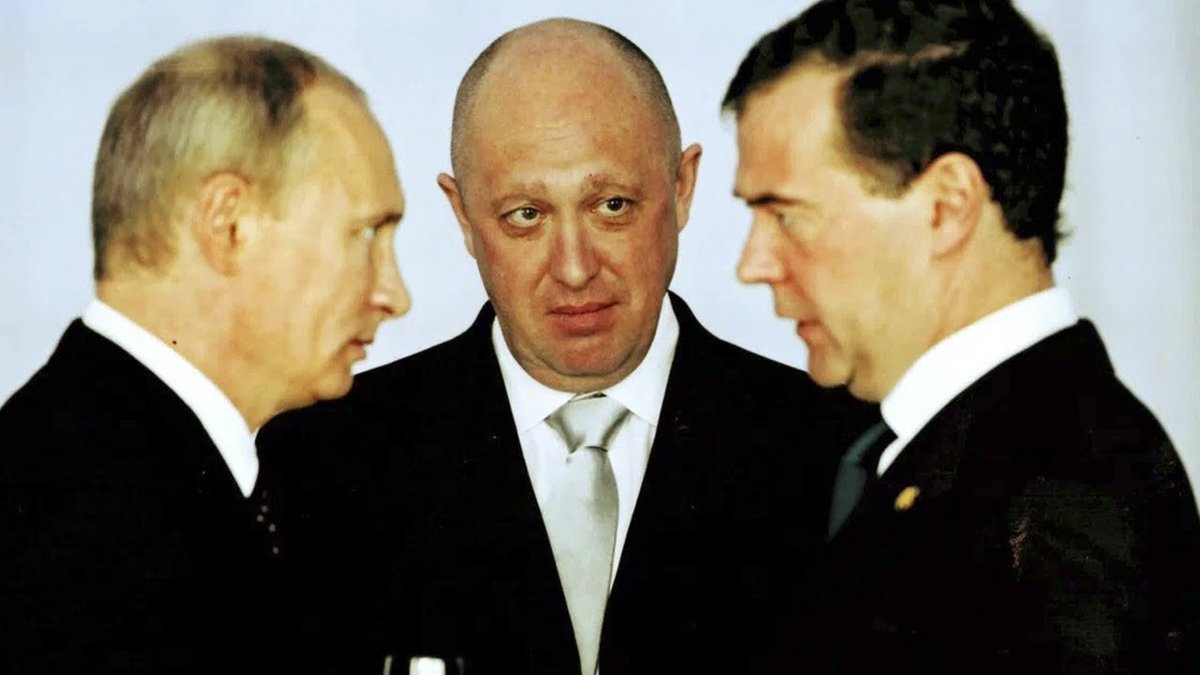
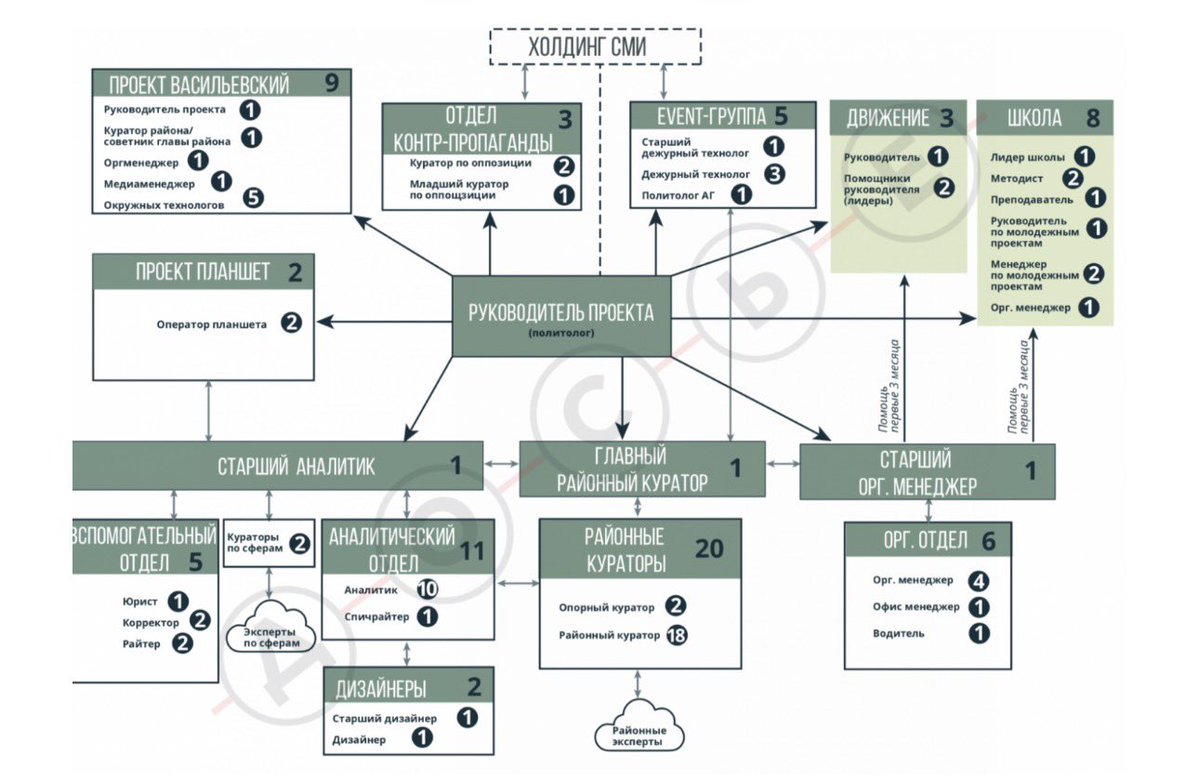
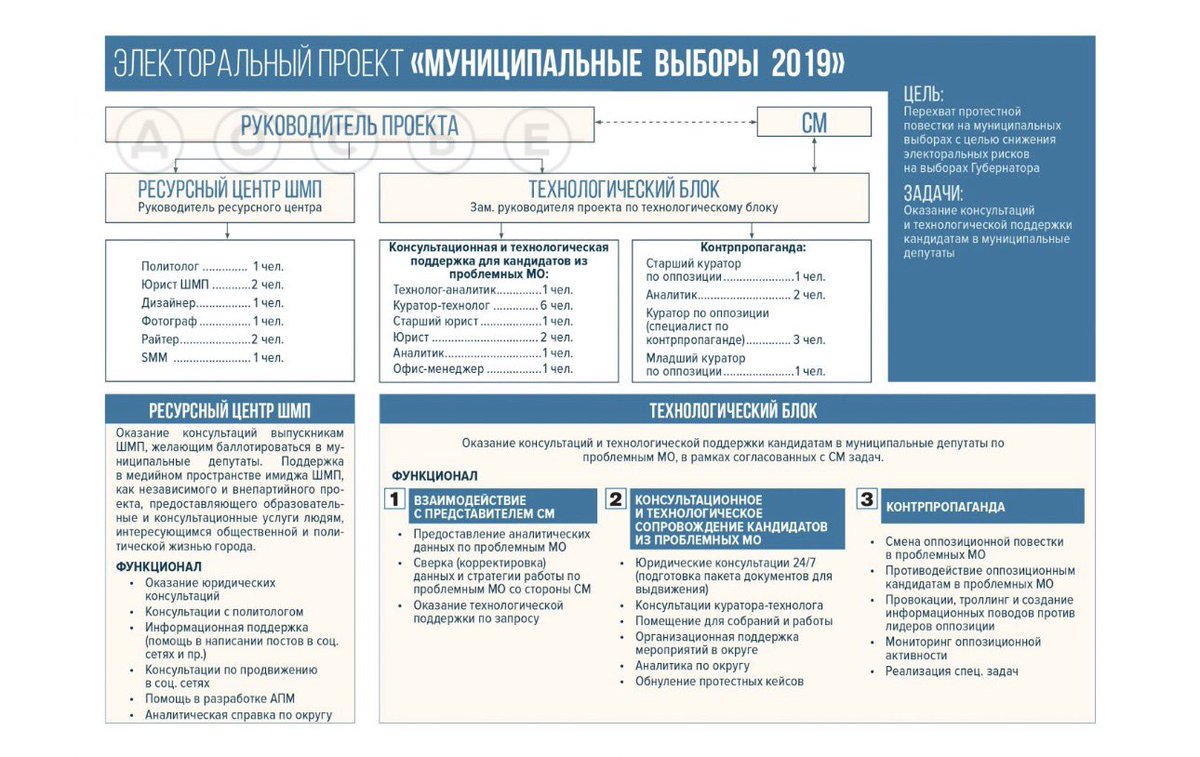

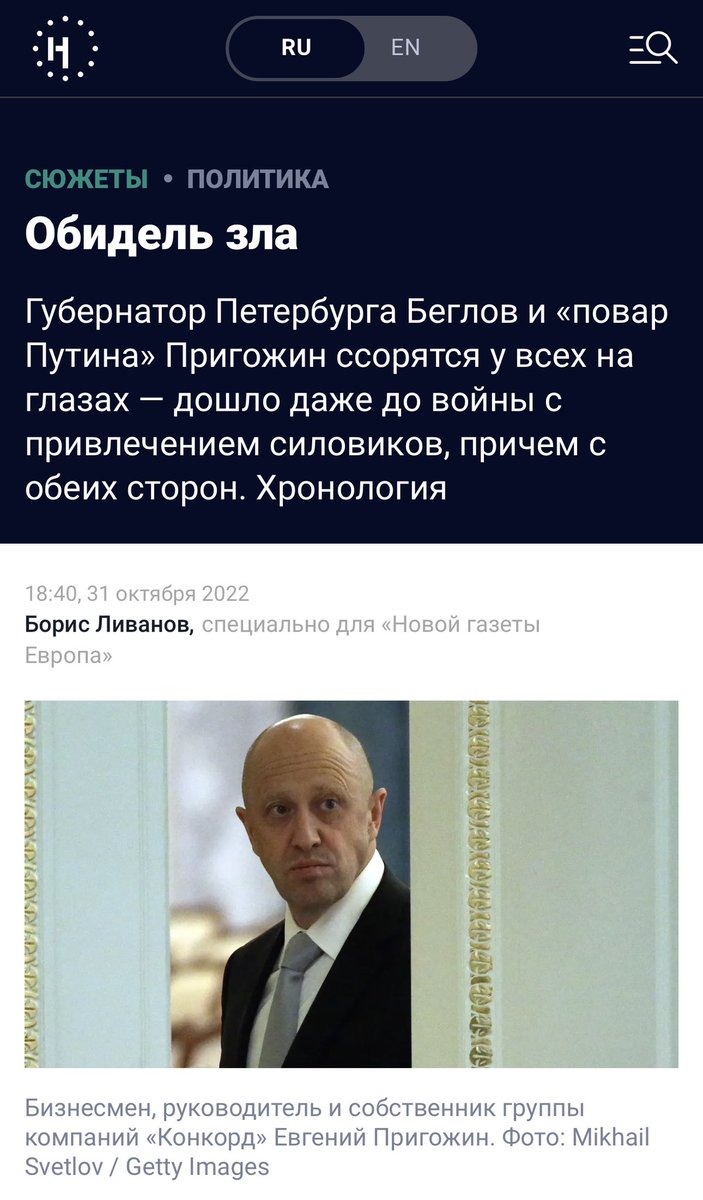
While Bart De Wever was expanding his cooperation and investment activities with Alexander Beglov, Yevgeny Prigozhin, founder of the Wagner Group, was also working intensively with Beglov in parallel. Later, a dispute arose between Prigozhin and Beglov because Prigozhin was pushed out of these projects, which Beglov and his system then took over. This also involved foreign investors.
🧵19/23
🧵19/23
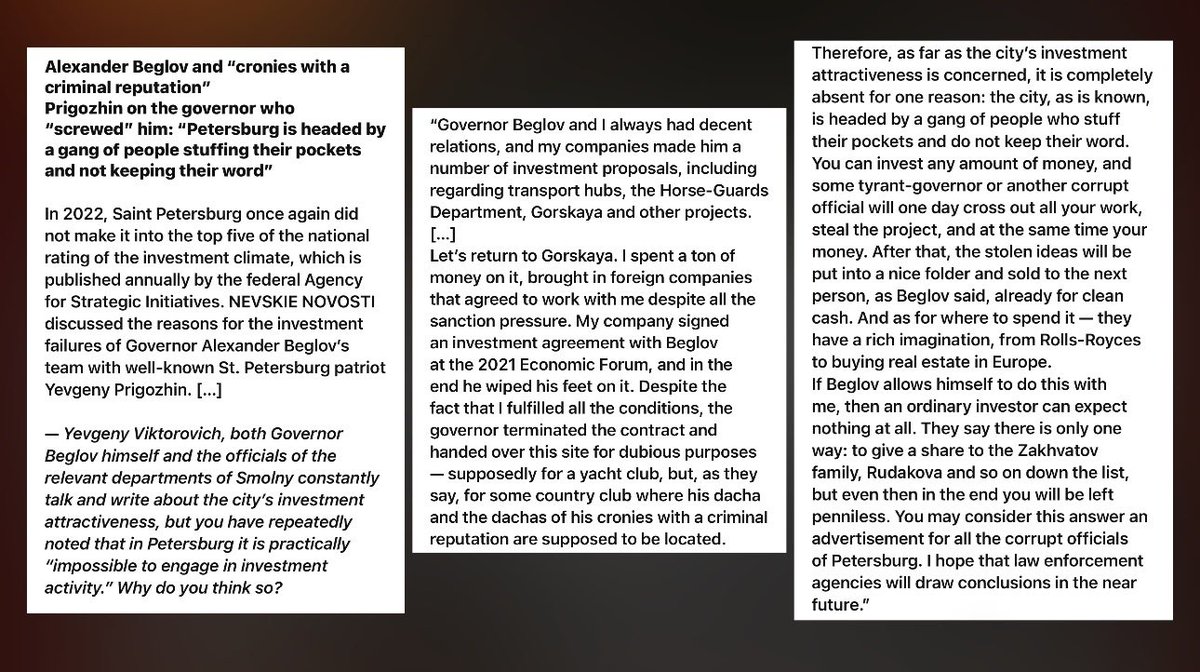
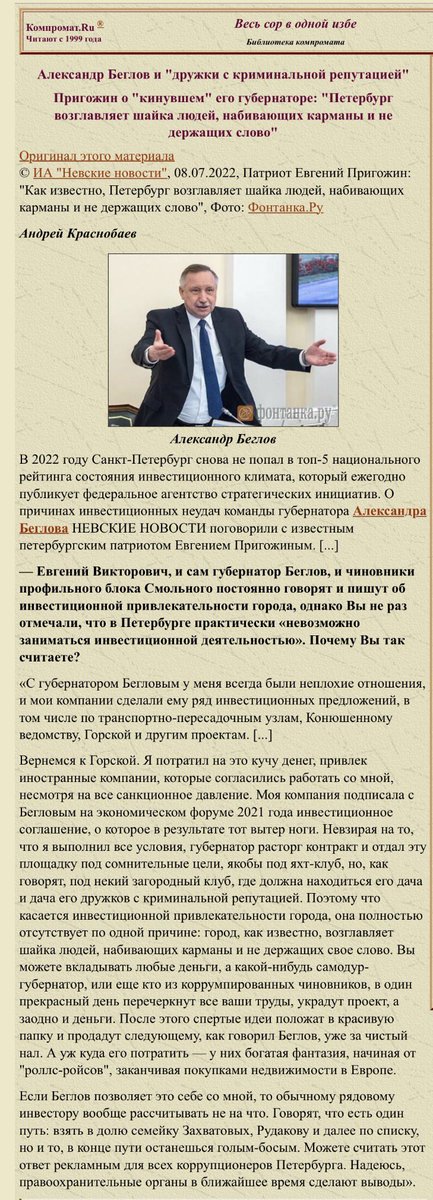
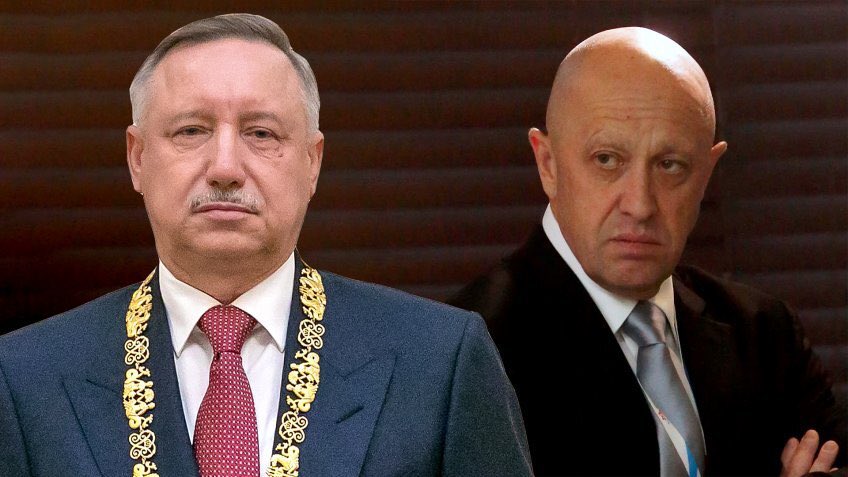
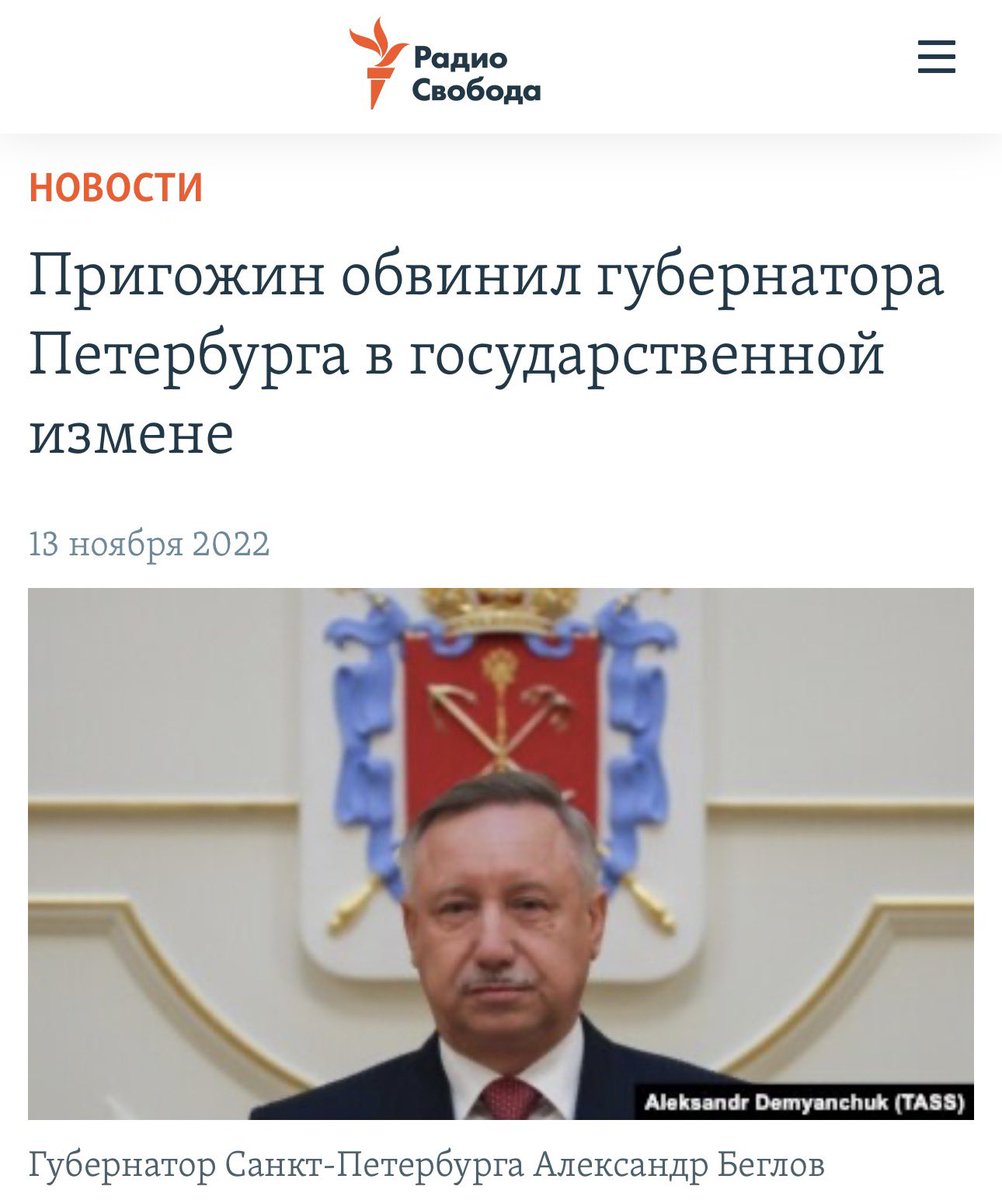
In 2022, a public conflict escalated with mercenary leader Prigozhin, who was himself involved in criminal activities. Prigozhin filed an official complaint with the Prosecutor General’s Office, calling for an investigation on suspicion that Beglov had established an “organized criminal group” to plunder St. Petersburg’s state budget and enrich corrupt officials in his circle.
🧵20/23
🧵20/23
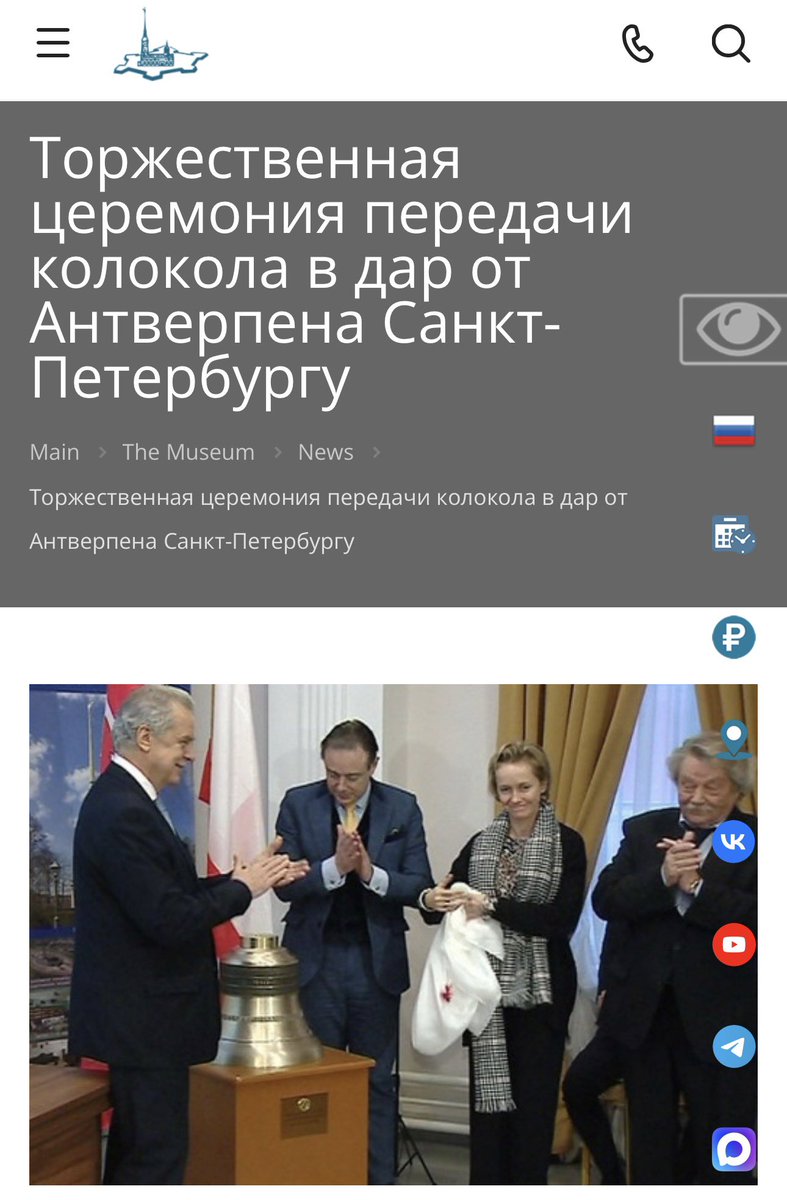
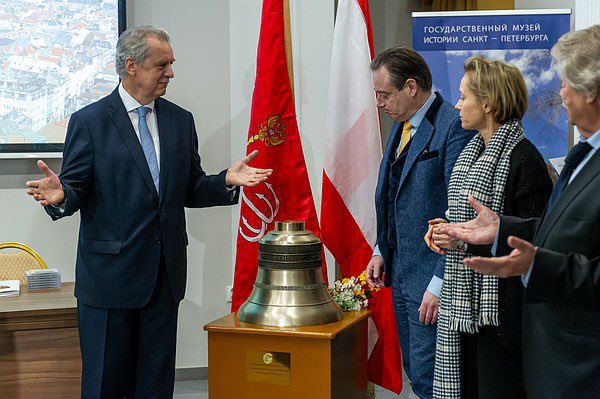
The central event of the visit was the ceremony for the donation of a carillon bell from Antwerp to St. Petersburg: “The bell symbolizes solidarity.” The musical accompaniment for the ceremony was provided by a trio from the Antwerp Symphony Orchestra. The ceremony was attended by Yevgeny Dmitrievich Grigoriev, a member of the St. Petersburg government and chairman of the Committee for External Relations.
🧵21/23
🧵21/23
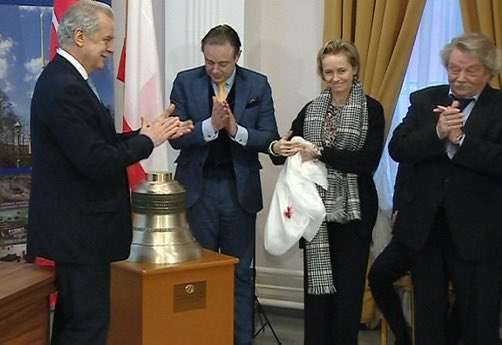

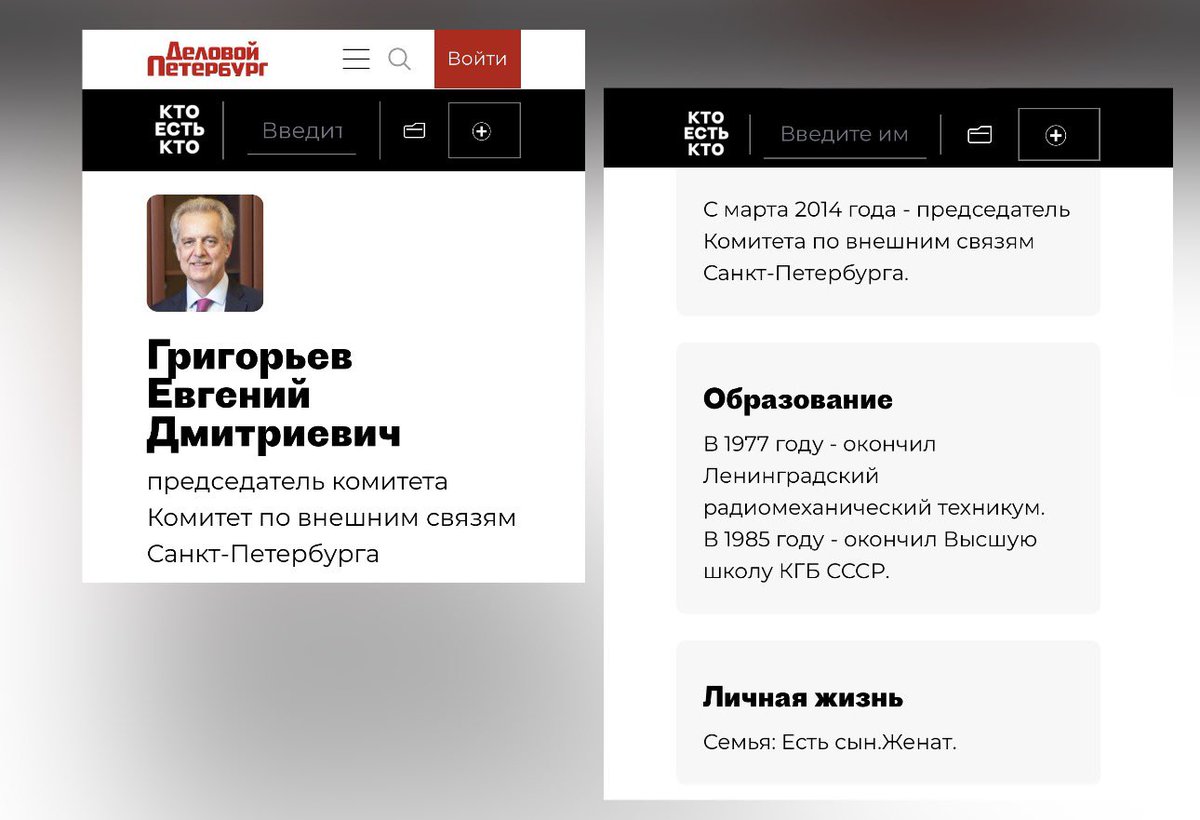
Bart De Wever’s second trip to Russia was also not without contact with the KGB. Yevgeny Grigoriev is a graduate of the KGB academy and a police major general. He held senior positions in foreign trade and international activities at major state-owned companies, including the United Shipbuilding Corporation, Promresurs, and Rostec.
🧵22/23
🧵22/23

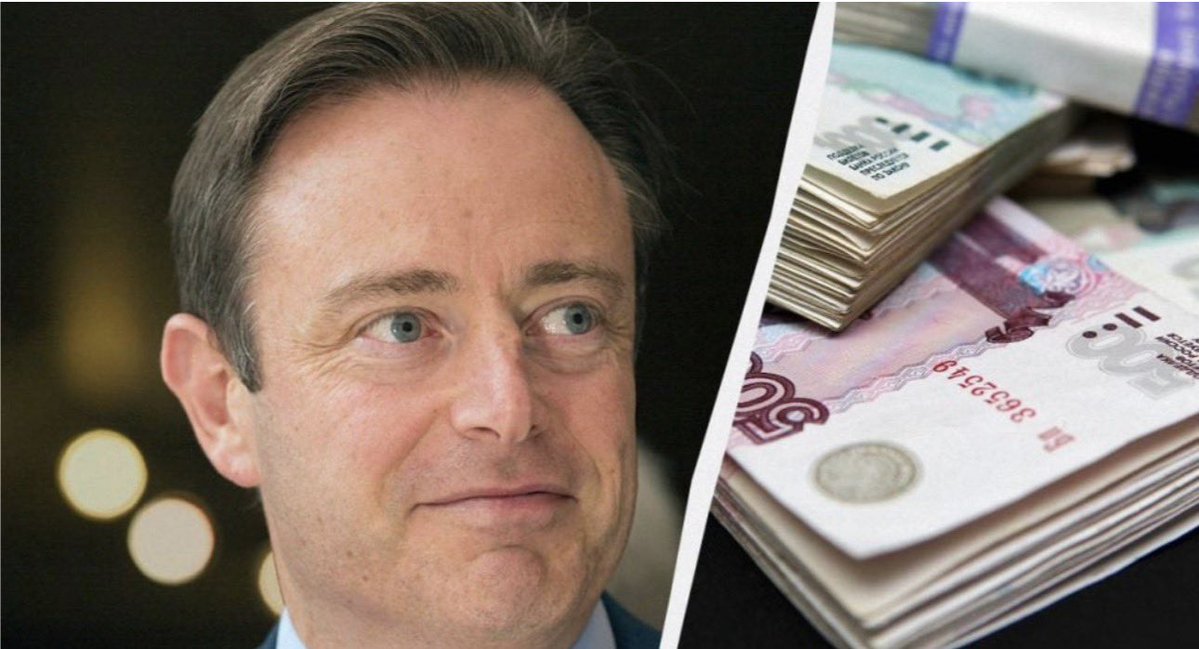
His openness to contacts with Russia reaches its peak in his current stance: Bart De Wever blocks the use of frozen Russian billions under the pretext of “legal uncertainty,” thereby clearly protecting Moscow’s interests at the expense of aid to Ukraine. Considering all his previous meetings there, this course no longer appears accidental, but rather a political decision with an evident benefit for the Kremlin.
🧵23/23
🧵23/23
• • •
Missing some Tweet in this thread? You can try to
force a refresh