During this interview, Trevor graciously asked JP from $PEY.to a question about decline rates.
This is an important and telling thread for many reasons, including misinformation on X and the truth about resource plays.
Buckle up 🧵 1/x
This is an important and telling thread for many reasons, including misinformation on X and the truth about resource plays.
Buckle up 🧵 1/x
https://twitter.com/trevor_rose_/status/1966194317627928592
Here's the question:
“Why is Peyto’s decline rates higher than your peers (if that’s the case)?
Trevor followed, “I don’t think it is”
And JP responds, “I don’t think it is either so I don’t know how to answer that”
In short JP said… What the hell is he talking about?
3/x
“Why is Peyto’s decline rates higher than your peers (if that’s the case)?
Trevor followed, “I don’t think it is”
And JP responds, “I don’t think it is either so I don’t know how to answer that”
In short JP said… What the hell is he talking about?
3/x

JP then explains how Peyto has a 10 yr PDP reserve life index and concludes, “so I wouldn’t consider our decline rates higher.”
(For ref. - $TOU 6 yrs & $ARX 4 yrs PDP RLI)
He ends by says Peyto is also transparent, the decline rate is in the corporate presentation. 😂
4/x
(For ref. - $TOU 6 yrs & $ARX 4 yrs PDP RLI)
He ends by says Peyto is also transparent, the decline rate is in the corporate presentation. 😂
4/x

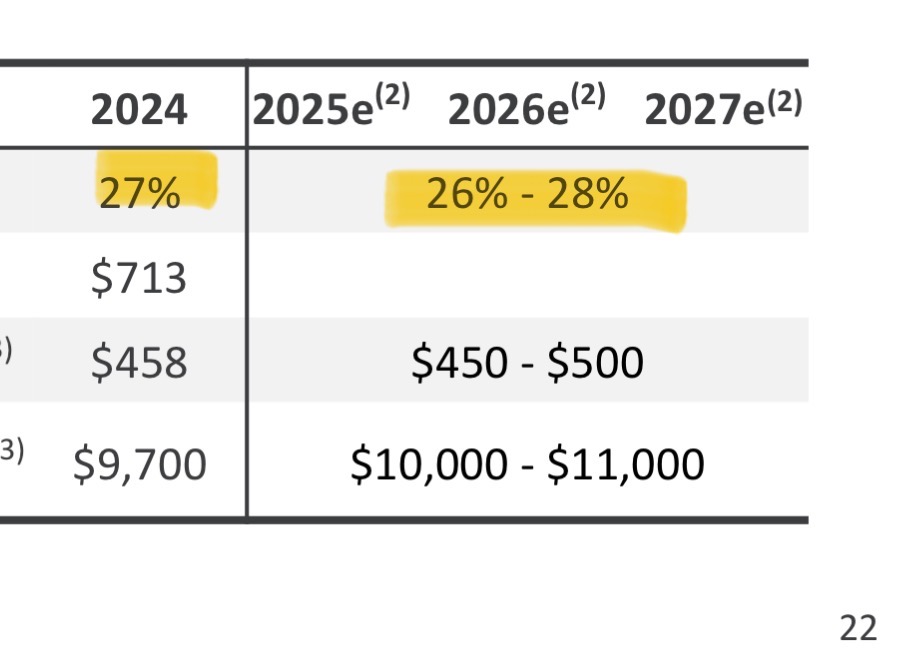
Here is the slide in the $PEY.to corp deck.
Decline rate of 27% in 2024 and expected decline rate of 26-28% in 2025-2027
5/x
Decline rate of 27% in 2024 and expected decline rate of 26-28% in 2025-2027
5/x
So how does this compare to other NG peers?
Here is the data from Peter’s & Co:
BIR = 25%
PEY = 27%
TOU = 33%
ARX = 35%
NVA = 40%
This is remarkable. Far from having a high decline rate, Peyto actually has a very low decline rate.
But that's not all, let’s continue 🫡
6/x
Here is the data from Peter’s & Co:
BIR = 25%
PEY = 27%
TOU = 33%
ARX = 35%
NVA = 40%
This is remarkable. Far from having a high decline rate, Peyto actually has a very low decline rate.
But that's not all, let’s continue 🫡
6/x

Mike Rose from In the Money Podcast, on the Montney:
“…you have to replace a third (33%) or your production every year”
And, “...the gas business with resource plays, it’s a treadmill and it’s a REALLY BIG TREADMILL and it GOES REALLY FAST.” (Added emphasis)
7/x
“…you have to replace a third (33%) or your production every year”
And, “...the gas business with resource plays, it’s a treadmill and it’s a REALLY BIG TREADMILL and it GOES REALLY FAST.” (Added emphasis)
7/x

John Dielwart - Arc Resources on the Montney:
“…resource plays are great, but the average decline rate is HIGH”
“You could go and drill a bunch of Montney wells that decline 50-60% in the first year, but THE TREADMILL THAT YOUR ON spending capital to SUSTAIN the business"
8/x
“…resource plays are great, but the average decline rate is HIGH”
“You could go and drill a bunch of Montney wells that decline 50-60% in the first year, but THE TREADMILL THAT YOUR ON spending capital to SUSTAIN the business"
8/x
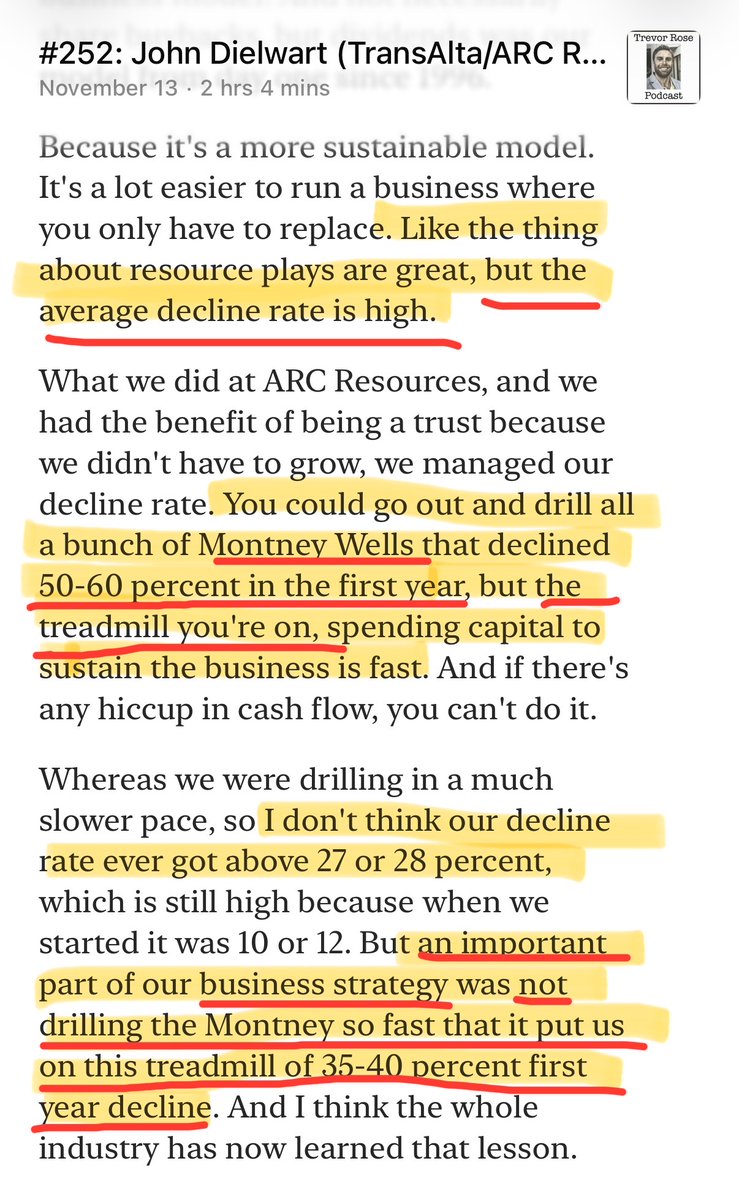
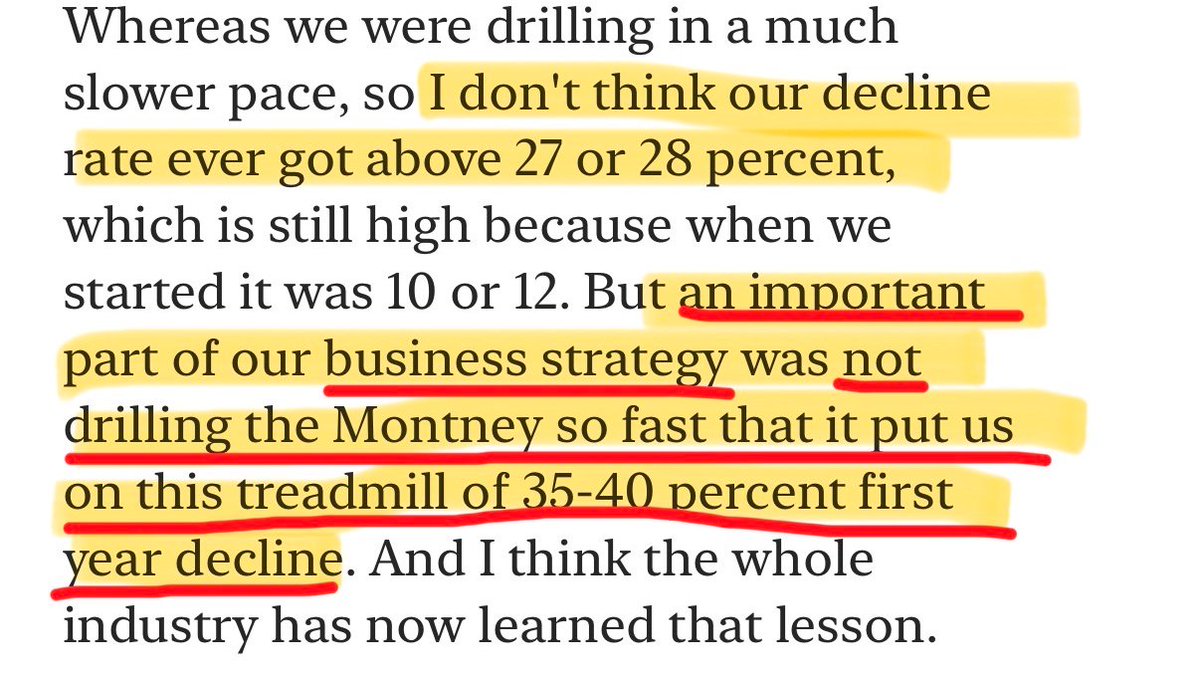
John Dielwart continues…
“…an important part of our business strategy was not drilling the Montney so fast that it put on this treadmill of 35-40% first year declines” 😮 😮 😮
This might explain why so many are bullish OFS...😂
9/x
“…an important part of our business strategy was not drilling the Montney so fast that it put on this treadmill of 35-40% first year declines” 😮 😮 😮
This might explain why so many are bullish OFS...😂
9/x
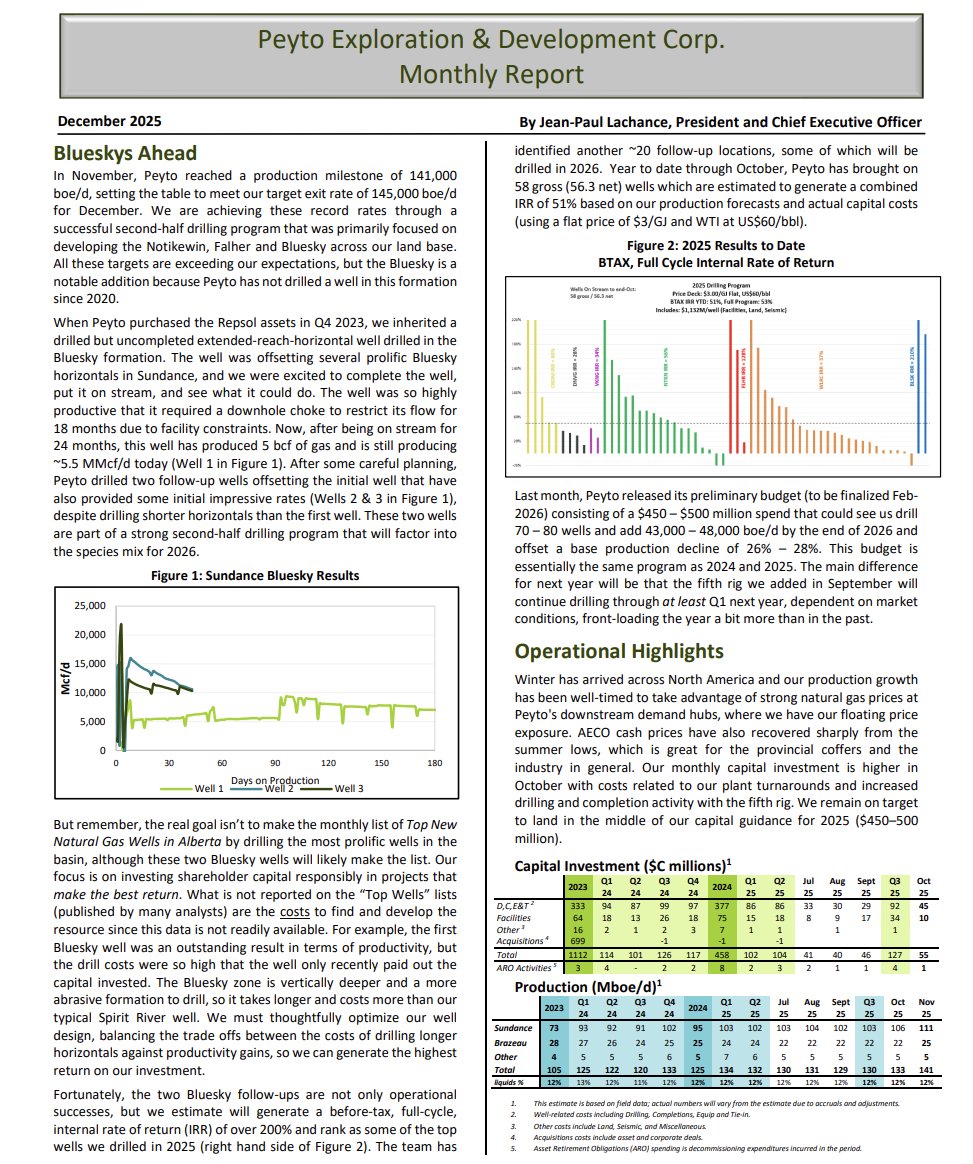
So Peyto doesn't have a high decline rate, unlike others.
High decline rate = High CAPEX
Low decline rate = Low CAPEX
So while some enjoy the treadmill, the $PEY.to camp prefers:
✅Lower declines
✅Profitable growth
✅High FCF
✅More dividends
Have a great weekend!
/end
High decline rate = High CAPEX
Low decline rate = Low CAPEX
So while some enjoy the treadmill, the $PEY.to camp prefers:
✅Lower declines
✅Profitable growth
✅High FCF
✅More dividends
Have a great weekend!
/end

• • •
Missing some Tweet in this thread? You can try to
force a refresh