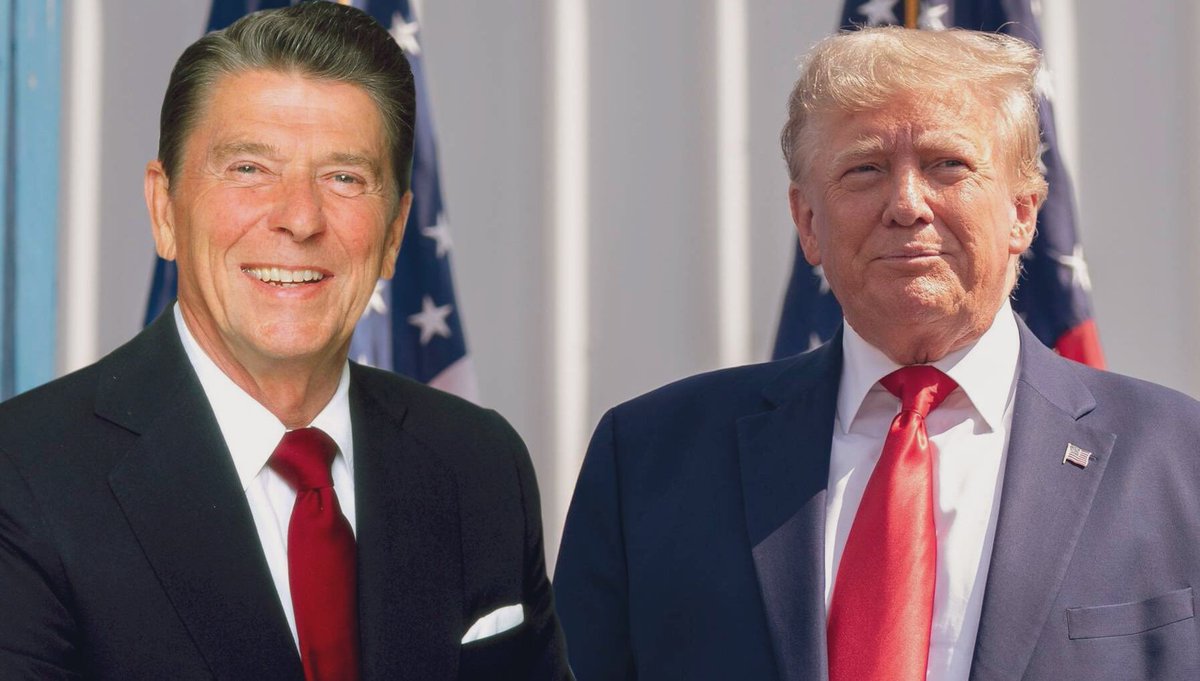
🧵 MAGA, Reagan, and the Conservative Shift – The Antithesis
Part 1: The Semantic and Ideological Deception
1/30
Donald Trump, the second outsider President in Republican history and the executor of the Reagan vision of national strength. This is the thesis Trump uses to win over the conservative base. His core quote: “I don’t look at myself as an outsider. I am who Ronald Reagan was. He was a conservative who got things done. I’m a conservative who’s going to get things done.” The Republican Party celebrates this comparison as the transfer of Reagan’s legacy into the next century. But does Trump’s policy truly stand up to this historical claim? #MAGAAnalysis #ReaganComparison #USPolitics
Part 1: The Semantic and Ideological Deception
1/30
Donald Trump, the second outsider President in Republican history and the executor of the Reagan vision of national strength. This is the thesis Trump uses to win over the conservative base. His core quote: “I don’t look at myself as an outsider. I am who Ronald Reagan was. He was a conservative who got things done. I’m a conservative who’s going to get things done.” The Republican Party celebrates this comparison as the transfer of Reagan’s legacy into the next century. But does Trump’s policy truly stand up to this historical claim? #MAGAAnalysis #ReaganComparison #USPolitics

2/30
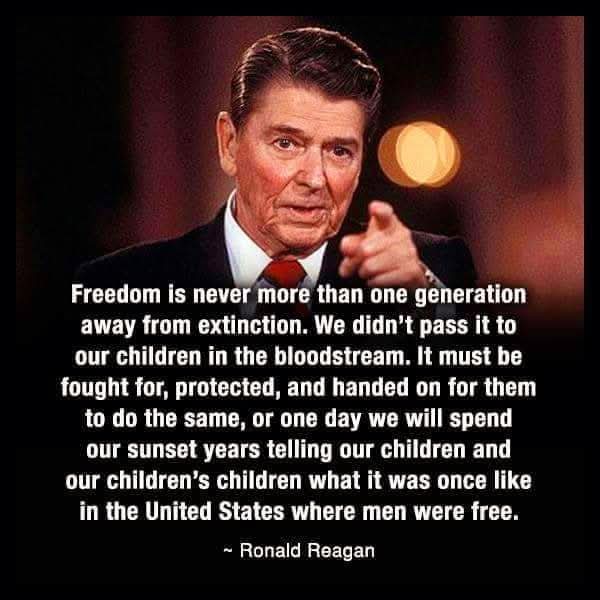
Reagan conservatism was based on consensus and the values of the “Big Tent” GOP. His guiding ideology was neoliberalism and supply-side economics (Reaganomics). His strategy was deeply rooted in pragmatism and the ability to strategically cooperate with political opponents.
Reagan conservatism was based on consensus and the values of the “Big Tent” GOP. His guiding ideology was neoliberalism and supply-side economics (Reaganomics). His strategy was deeply rooted in pragmatism and the ability to strategically cooperate with political opponents.
3/30
The Political Philosophy of Reagan: His paramount principle was: “If you agree on 80%, don’t argue over the 20%.” He actively sought broad coalitions to pass legislation. He succeeded with the crucial tax reform of 1986, which he passed with a fully Democrat-controlled House and Senate.
The Political Philosophy of Reagan: His paramount principle was: “If you agree on 80%, don’t argue over the 20%.” He actively sought broad coalitions to pass legislation. He succeeded with the crucial tax reform of 1986, which he passed with a fully Democrat-controlled House and Senate.
4/30
Reagan’s paramount principle was consensus to pass laws. He warned against polarization: “Extremists of both sides are louder today than they are numerous. We must make sure that we never allow the voice of reason to be drowned out by the screams of the radicals.” (Reagan, 1986). In contrast, Donald Trump declared: “I will show your enemies that we will fight them to the core and never again bow down.” (Campaign speech 2024).
Rhetoric and Style: The Moral Contrast
Reagan’s paramount principle was consensus to pass laws. He warned against polarization: “Extremists of both sides are louder today than they are numerous. We must make sure that we never allow the voice of reason to be drowned out by the screams of the radicals.” (Reagan, 1986). In contrast, Donald Trump declared: “I will show your enemies that we will fight them to the core and never again bow down.” (Campaign speech 2024).
Rhetoric and Style: The Moral Contrast
5/30
Rhetoric and Style: Ronald Reagan earned his title as the “Great Communicator” because his language was fundamentally optimistic, always unifying, free of vulgarity, and always committed to the Dignity of the Office and the Presidency itself. In contrast is Donald Trump, who cultivated an aggressive "Counter-Puncher" Rhetoric. His stance on political language: “When they go low, we go lower. Because I’m tired of being nice.” (Campaign speech 2016).
Rhetoric and Style: Ronald Reagan earned his title as the “Great Communicator” because his language was fundamentally optimistic, always unifying, free of vulgarity, and always committed to the Dignity of the Office and the Presidency itself. In contrast is Donald Trump, who cultivated an aggressive "Counter-Puncher" Rhetoric. His stance on political language: “When they go low, we go lower. Because I’m tired of being nice.” (Campaign speech 2016).
6/30
Reagan on Moral Strength: “No arsenal or no weapon in the arsenals of the world is so formidable as the will and moral courage of free men and women.” (First Inaugural Address, 1981). His rhetorical harshness was strictly directed at the totalitarian Soviet System and its ideology. In contrast, Donald Trump referred to political opponents domestically as “vermin” at a rally and announced he would fight these “radical left maniacs” (2023).
Reagan on Moral Strength: “No arsenal or no weapon in the arsenals of the world is so formidable as the will and moral courage of free men and women.” (First Inaugural Address, 1981). His rhetorical harshness was strictly directed at the totalitarian Soviet System and its ideology. In contrast, Donald Trump referred to political opponents domestically as “vermin” at a rally and announced he would fight these “radical left maniacs” (2023).
7/30
Reagan on Political Communication: “We must never forget that the office of the President of the United States deserves the highest respect in our hearts and minds.” (Speech after assassination attempt, 1981). In contrast is Trump’s attack-based political language: He frequently refers to political opponents, judges, or media as “scum” and “human trash” (various statements 2018–2025).
Reagan on Political Communication: “We must never forget that the office of the President of the United States deserves the highest respect in our hearts and minds.” (Speech after assassination attempt, 1981). In contrast is Trump’s attack-based political language: He frequently refers to political opponents, judges, or media as “scum” and “human trash” (various statements 2018–2025).
8/30
Reagan’s enduring optimism was established through campaign slogans like “It’s Morning in America” (Campaign 1984), which suggested hope and recovery. This contrasts with Trump’s grim vision of societal failure: “We are a failing nation. We are a nation in serious decline. We are being laughed at all over the world.” (TV Debate 2024).
Reagan’s enduring optimism was established through campaign slogans like “It’s Morning in America” (Campaign 1984), which suggested hope and recovery. This contrasts with Trump’s grim vision of societal failure: “We are a failing nation. We are a nation in serious decline. We are being laughed at all over the world.” (TV Debate 2024).
9/30
Reagan on Leadership: “There is no limit to the amount of good you can do if you don’t care who gets the credit.” (Speech 1989). In contrast, Trump declared: “I am your voice. And I alone can fix it.” (RNC Speech, 2016).
Reagan on Leadership: “There is no limit to the amount of good you can do if you don’t care who gets the credit.” (Speech 1989). In contrast, Trump declared: “I am your voice. And I alone can fix it.” (RNC Speech, 2016).
10/30
Reagan always respected the system of Checks and Balances because it protects the Republic. He adhered to the constitutional separation of powers (Executive, Legislative, Judicial). In contrast, after losing the election, Donald Trump referred to the federal government as “Enemy of the People” and demanded the “termination of the Constitution” to secure his office (2022).
Reagan always respected the system of Checks and Balances because it protects the Republic. He adhered to the constitutional separation of powers (Executive, Legislative, Judicial). In contrast, after losing the election, Donald Trump referred to the federal government as “Enemy of the People” and demanded the “termination of the Constitution” to secure his office (2022).
11/30
The Reagan-GOP centered its identity on timeless principles like freedom and strength. Reagan himself urged the party to “put principle above persons” (GOP Convention, 1976). In contrast, Donald Trump demanded: “The loyalty is to me. The loyalty is to me!” (Campaign event, 2024), shifting the GOP's identity to absolute loyalty to the leader.
The Reagan-GOP centered its identity on timeless principles like freedom and strength. Reagan himself urged the party to “put principle above persons” (GOP Convention, 1976). In contrast, Donald Trump demanded: “The loyalty is to me. The loyalty is to me!” (Campaign event, 2024), shifting the GOP's identity to absolute loyalty to the leader.
12/30
Reagan’s rhetoric was aimed at promoting national unity: “There are no Democrats, no Republicans, just Americans.” (Speech 1988). In contrast is Trump’s rhetoric, which led to the delegitimization of the free press, which he referred to as “Enemy of the People” and “Fake News” (various statements 2017–2025).
Institutional Respect and the Rule of Law: The Fracture Points
Reagan’s rhetoric was aimed at promoting national unity: “There are no Democrats, no Republicans, just Americans.” (Speech 1988). In contrast is Trump’s rhetoric, which led to the delegitimization of the free press, which he referred to as “Enemy of the People” and “Fake News” (various statements 2017–2025).
Institutional Respect and the Rule of Law: The Fracture Points
13/30
Institutional Respect and the Rule of Law: Ronald Reagan understood the U.S. federal government as the Guardian of the Constitution and the system of Checks and Balances. He respected the separation of powers even when he disagreed with Congress or the courts. In contrast, Donald Trump claimed the Constitution gave him “the right to do whatever I want” and cited this as Article II (2019).
Institutional Respect and the Rule of Law: Ronald Reagan understood the U.S. federal government as the Guardian of the Constitution and the system of Checks and Balances. He respected the separation of powers even when he disagreed with Congress or the courts. In contrast, Donald Trump claimed the Constitution gave him “the right to do whatever I want” and cited this as Article II (2019).
14/30
Reagan on Constitutional Authority: “All other Constitutions in the world are documents in which the government tells the people what they are permitted to do. And ours is one in which we the people tell the government what it is permitted to do.” (Speech 1987). In contrast, Donald Trump referred to Congress as “useless” and judges who ruled against his interests as “born haters” (various statements 2019–2020).
Reagan on Constitutional Authority: “All other Constitutions in the world are documents in which the government tells the people what they are permitted to do. And ours is one in which we the people tell the government what it is permitted to do.” (Speech 1987). In contrast, Donald Trump referred to Congress as “useless” and judges who ruled against his interests as “born haters” (various statements 2019–2020).
15/30
Reagan on Executive Agencies: He emphasized the necessity of keeping the Department of Justice (DOJ) and the FBI free from political influence to guarantee the rule of law. In contrast, Donald Trump referred to the FBI and the DOJ as “part of a Deep State that is pursuing me” (Various statements 2017–2025). He also clarified: “We will put children in cages. It’ll be wonderful.” (Quote Agenda 47 context, 2024).
Reagan on Executive Agencies: He emphasized the necessity of keeping the Department of Justice (DOJ) and the FBI free from political influence to guarantee the rule of law. In contrast, Donald Trump referred to the FBI and the DOJ as “part of a Deep State that is pursuing me” (Various statements 2017–2025). He also clarified: “We will put children in cages. It’ll be wonderful.” (Quote Agenda 47 context, 2024).
16/30
Reagan’s goal in reforming the Executive was to streamline the bureaucracy (Less Government), respecting the independence of civil servants (Civil Service). In contrast, the Trump strategy aims to reform the federal administration through Project 2025. This involves purging the bureaucracy and filling high positions with loyalists to install a Loyal Government (Plan documents 2024).
Reagan’s goal in reforming the Executive was to streamline the bureaucracy (Less Government), respecting the independence of civil servants (Civil Service). In contrast, the Trump strategy aims to reform the federal administration through Project 2025. This involves purging the bureaucracy and filling high positions with loyalists to install a Loyal Government (Plan documents 2024).
17/30
Reagan consistently respected election results, regardless of the outcome, and promoted the peaceful transition of power. In contrast, after the 2020 election, Donald Trump discredited the integrity of the electoral system. He urged state secretaries to “find” votes (Call to Raffensperger, 2021) and filed lawsuits to stop the certification of votes.
Reagan consistently respected election results, regardless of the outcome, and promoted the peaceful transition of power. In contrast, after the 2020 election, Donald Trump discredited the integrity of the electoral system. He urged state secretaries to “find” votes (Call to Raffensperger, 2021) and filed lawsuits to stop the certification of votes.
18/30
Reagan on Moral Leadership: “If we follow the rules, we can be proud of ourselves whether we win or lose.” (Speech 1980). In contrast, Donald Trump stated that the rules were irrelevant when it came to winning the election: “We have to win the election. We have to win, and we can look at the losses and the rules later.” (Campaign speech 2024).
Reagan on Moral Leadership: “If we follow the rules, we can be proud of ourselves whether we win or lose.” (Speech 1980). In contrast, Donald Trump stated that the rules were irrelevant when it came to winning the election: “We have to win the election. We have to win, and we can look at the losses and the rules later.” (Campaign speech 2024).
19/30
Reagan respected the political independence of his children and strictly separated family and state. None of his children held a formal or informal advisory role. In contrast, Trump used his adult children, appointing them to high government offices (e.g., Ivanka Trump as Advisor to the President) since 2017. Such blending of family, business, and state is otherwise found in authoritarian systems like those of Vladimir Putin or Ramzan Kadyrov (Chechnya).
Reagan respected the political independence of his children and strictly separated family and state. None of his children held a formal or informal advisory role. In contrast, Trump used his adult children, appointing them to high government offices (e.g., Ivanka Trump as Advisor to the President) since 2017. Such blending of family, business, and state is otherwise found in authoritarian systems like those of Vladimir Putin or Ramzan Kadyrov (Chechnya).
20/30 (Corruption and Loyalty)
Reagan on Handling Government Errors: After the Iran-Contra Affair (1986), he accepted formal accountability and the removal of high-ranking staff. His core principle: “I had to accept responsibility for our mistakes.” (Reagan, 1987). In contrast, Donald Trump encouraged loyalists to wear criminal indictments as “a great badge of courage” (2023). This shifts the focus from accountability to loyalty to the leader.
Reagan on Handling Government Errors: After the Iran-Contra Affair (1986), he accepted formal accountability and the removal of high-ranking staff. His core principle: “I had to accept responsibility for our mistakes.” (Reagan, 1987). In contrast, Donald Trump encouraged loyalists to wear criminal indictments as “a great badge of courage” (2023). This shifts the focus from accountability to loyalty to the leader.
Part 4: Geopolitics and the GOP Identity
21/30
Geopolitics and the GOP Identity: Ronald Reagan positioned the U.S. as a moral leader against the totalitarian “Evil Empire” (Speech 1983) and emphasized the indispensability of alliances like NATO. His guiding doctrine: “Peace through strength in alliance.” In contrast, Donald Trump declared: “We imagine that the world is taking advantage of us, and that has to stop.” He pursued an "America First" policy of isolationism and the dismantling of international agreements.
21/30
Geopolitics and the GOP Identity: Ronald Reagan positioned the U.S. as a moral leader against the totalitarian “Evil Empire” (Speech 1983) and emphasized the indispensability of alliances like NATO. His guiding doctrine: “Peace through strength in alliance.” In contrast, Donald Trump declared: “We imagine that the world is taking advantage of us, and that has to stop.” He pursued an "America First" policy of isolationism and the dismantling of international agreements.
22/30 (NATO Quotes)
Reagan's alliance-strengthening principle was: “An attack on you is an attack on us.” He emphasized the fundamental obligation of NATO for collective defense (Article 5). In contrast, Donald Trump declared NATO to be a business partner. He threatened allies: “I would encourage them to do whatever the hell they want. If they don’t pay, I will not defend them. No, I will not defend them.” (Quotes 2024/2025).
Reagan's alliance-strengthening principle was: “An attack on you is an attack on us.” He emphasized the fundamental obligation of NATO for collective defense (Article 5). In contrast, Donald Trump declared NATO to be a business partner. He threatened allies: “I would encourage them to do whatever the hell they want. If they don’t pay, I will not defend them. No, I will not defend them.” (Quotes 2024/2025).
23/30 (Ukraine)
Reagan emphasized solidarity with oppressed nations (Captive Nations). He publicly honored Ukrainian human rights groups in the Soviet Union. In contrast, Donald Trump blocked military aid to Kyjiw as early as 2019. After the Russian invasion in 2022, Trump criticized comprehensive U.S. aid and demanded that support “stop immediately” (2024).
Reagan emphasized solidarity with oppressed nations (Captive Nations). He publicly honored Ukrainian human rights groups in the Soviet Union. In contrast, Donald Trump blocked military aid to Kyjiw as early as 2019. After the Russian invasion in 2022, Trump criticized comprehensive U.S. aid and demanded that support “stop immediately” (2024).
24/30
Ronald Reagan is publicly glorified by the GOP as an undisputed icon and the standard of conservative politics. The Republican National Convention (RNC) places Reagan's likeness above all other presidents. This contrasts with Donald Trump, who publicly stated: “I think the Republican Party will look at me as their favorite for a long time. They will put me above Reagan.” (Interview 2024).
Ronald Reagan is publicly glorified by the GOP as an undisputed icon and the standard of conservative politics. The Republican National Convention (RNC) places Reagan's likeness above all other presidents. This contrasts with Donald Trump, who publicly stated: “I think the Republican Party will look at me as their favorite for a long time. They will put me above Reagan.” (Interview 2024).
25/30
Reagan on Principles: He urged the GOP to prioritize free trade, pragmatism in dealing with Congress, and unwavering alliance loyalty. In contrast, the modern Trump-GOP celebrates only his tax cuts and anti-regulation stance, while dropping all other Reagan-promoted principles from the current party program (Factual basis 2024).
Reagan on Principles: He urged the GOP to prioritize free trade, pragmatism in dealing with Congress, and unwavering alliance loyalty. In contrast, the modern Trump-GOP celebrates only his tax cuts and anti-regulation stance, while dropping all other Reagan-promoted principles from the current party program (Factual basis 2024).
26/30
Under Reagan, the GOP defined itself as a Party of Principles and ideology committed to the market and freedom. Reagan: “Ours is not a philosophy of despair, but of belief.” (1980). In contrast, Donald Trump demanded the abandonment of ideology in favor of loyalty: “If you are not a loyal Trump supporter, you are a traitor.” (Campaign speech 2024).
Under Reagan, the GOP defined itself as a Party of Principles and ideology committed to the market and freedom. Reagan: “Ours is not a philosophy of despair, but of belief.” (1980). In contrast, Donald Trump demanded the abandonment of ideology in favor of loyalty: “If you are not a loyal Trump supporter, you are a traitor.” (Campaign speech 2024).
27/30
After the assassination attempt on Ronald Reagan (1981), the White House emphasized the resilience of institutions and Reagan's famous composure. He stressed: “We must go on, the work goes on.” In contrast, the Trump-GOP used the assassination attempt on Donald Trump in Pennsylvania (July 13, 2024), to solidify the leader’s aura of invincibility. Trump said after the attack: “I am a survivor, I am a fighter, and I am invulnerable.”
After the assassination attempt on Ronald Reagan (1981), the White House emphasized the resilience of institutions and Reagan's famous composure. He stressed: “We must go on, the work goes on.” In contrast, the Trump-GOP used the assassination attempt on Donald Trump in Pennsylvania (July 13, 2024), to solidify the leader’s aura of invincibility. Trump said after the attack: “I am a survivor, I am a fighter, and I am invulnerable.”
28/30
The factual comparison reveals four systematic contrasts: Reagan stood for institutional respect and consensus; the Trump-GOP relies on delegitimization and confrontation. Reagan’s foreign policy maxim was peace through strength in alliance; Trump’s maxim is isolationism and transaction.
The factual comparison reveals four systematic contrasts: Reagan stood for institutional respect and consensus; the Trump-GOP relies on delegitimization and confrontation. Reagan’s foreign policy maxim was peace through strength in alliance; Trump’s maxim is isolationism and transaction.
29/30
The Reagan myth is the perfect camouflage. Decisive counter-evidence from modern conservative politics (Governors Youngkin, Sununu, as well as international partners like President Duda and PM Meloni) shows: Successful right-wing leaders adapt Reagan's ideology and strength, but maintain his dignity, alliance loyalty, and respect for institutions. Trump's style is an ideological anomaly within the GOP.
The Reagan myth is the perfect camouflage. Decisive counter-evidence from modern conservative politics (Governors Youngkin, Sununu, as well as international partners like President Duda and PM Meloni) shows: Successful right-wing leaders adapt Reagan's ideology and strength, but maintain his dignity, alliance loyalty, and respect for institutions. Trump's style is an ideological anomaly within the GOP.
30/30
The conclusion is based on the historical facts from this thread: The GOP has chosen to trade Reagan's dignity and alliances for the harshness and isolationism of Trumpism. The MAGA camp forfeits the right to invoke Ronald Reagan. The comparison proves: Trumpism is the Antithesis to the Reagan legacy.
The ultimate challenge to the Antithesis resonates today: “Mr. Gorbachev, open this gate! Mr. Gorbachev, tear down this wall!” This applies to supporting Kyjiw and defending Europe more than ever.
#GOPBetrayal #ReaganAntithesis #Conclusion
The conclusion is based on the historical facts from this thread: The GOP has chosen to trade Reagan's dignity and alliances for the harshness and isolationism of Trumpism. The MAGA camp forfeits the right to invoke Ronald Reagan. The comparison proves: Trumpism is the Antithesis to the Reagan legacy.
The ultimate challenge to the Antithesis resonates today: “Mr. Gorbachev, open this gate! Mr. Gorbachev, tear down this wall!” This applies to supporting Kyjiw and defending Europe more than ever.
#GOPBetrayal #ReaganAntithesis #Conclusion
• • •
Missing some Tweet in this thread? You can try to
force a refresh