Who does Donbas historically really belong to?
As a native of Donbas and someone who knows the history of my homeland well, I couldn't help but laugh at Putin's latest nonsense claiming that Donbas has always been Russian.
🧵1/6
In this thread, I'll share brief historical facts about the region along with my own observations as a local. It might be a lot of text for casual scrolling, but it'll be valuable for anyone who genuinely wants to understand the issue — instead of swallowing empty, manipulative propaganda.
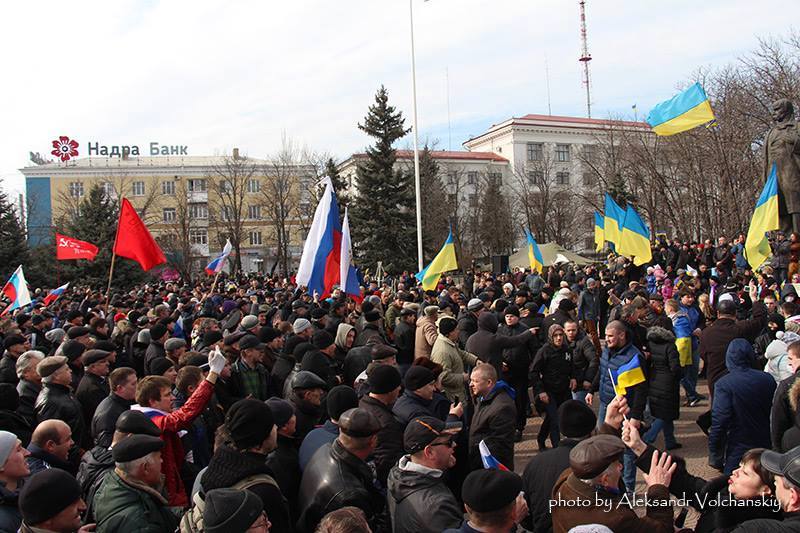
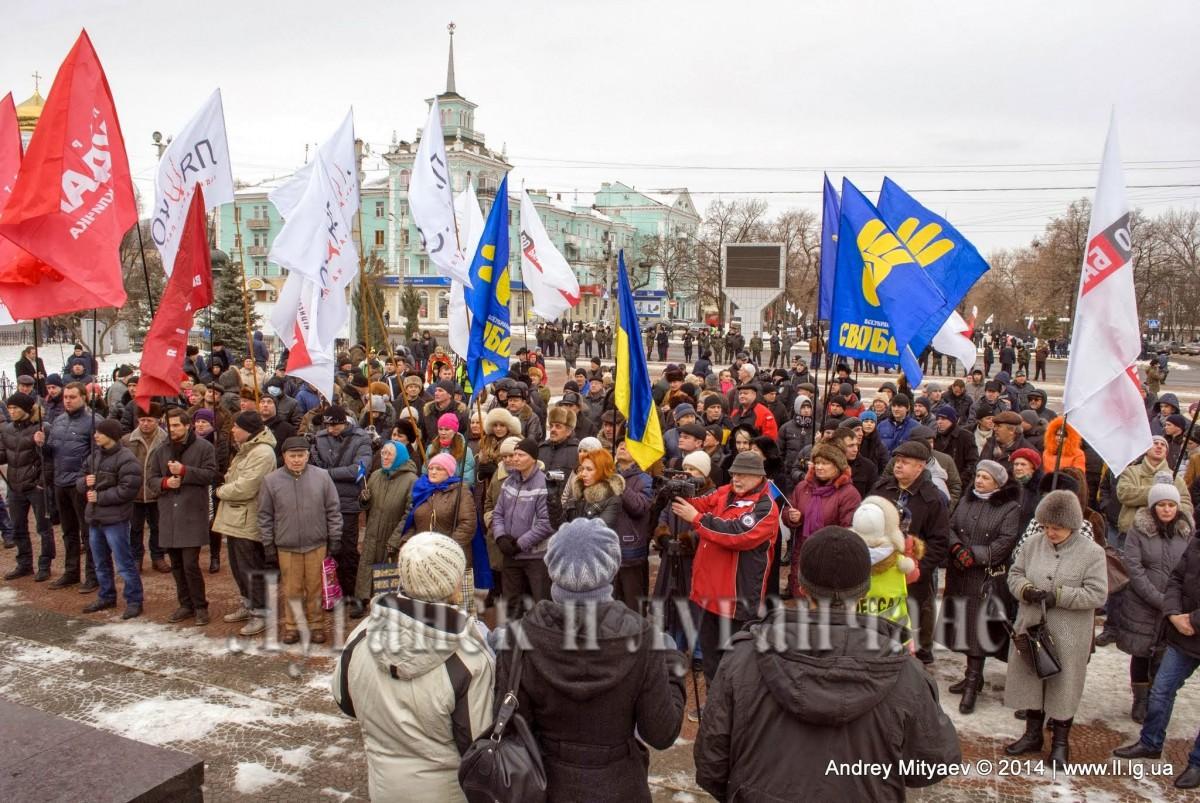
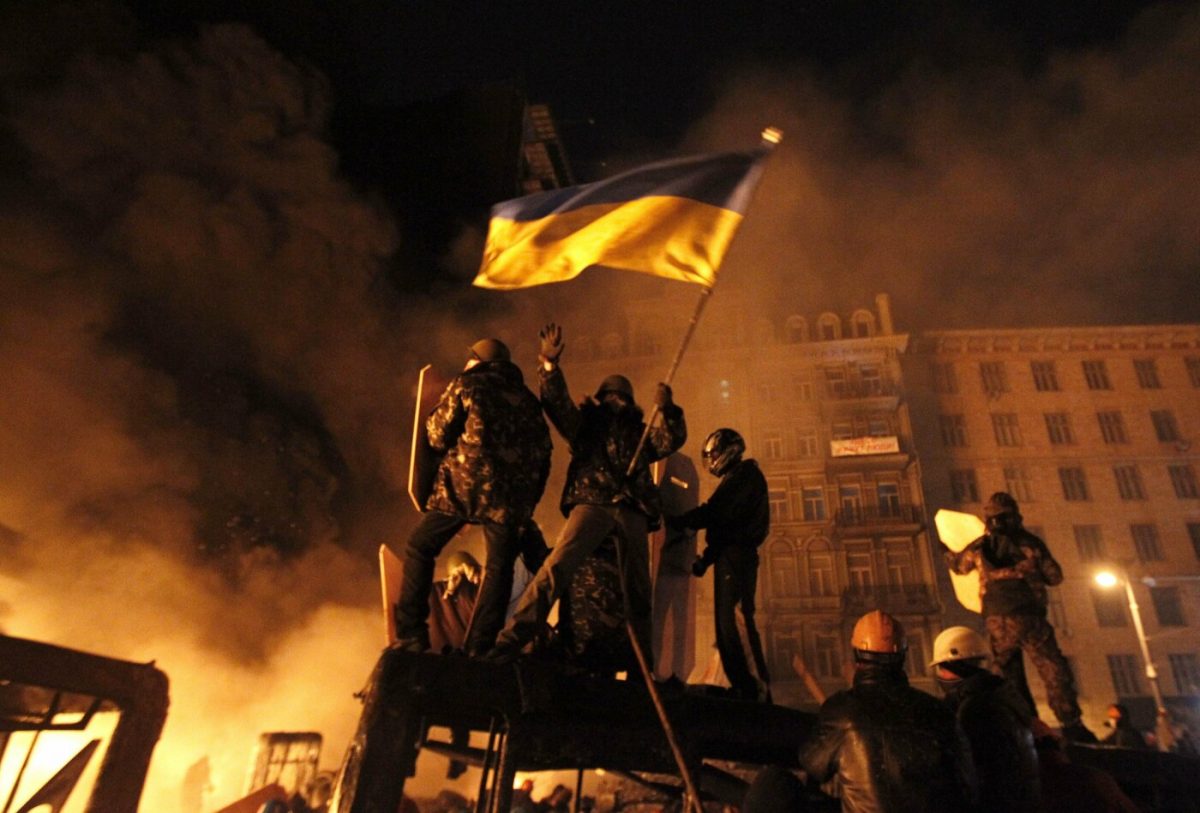
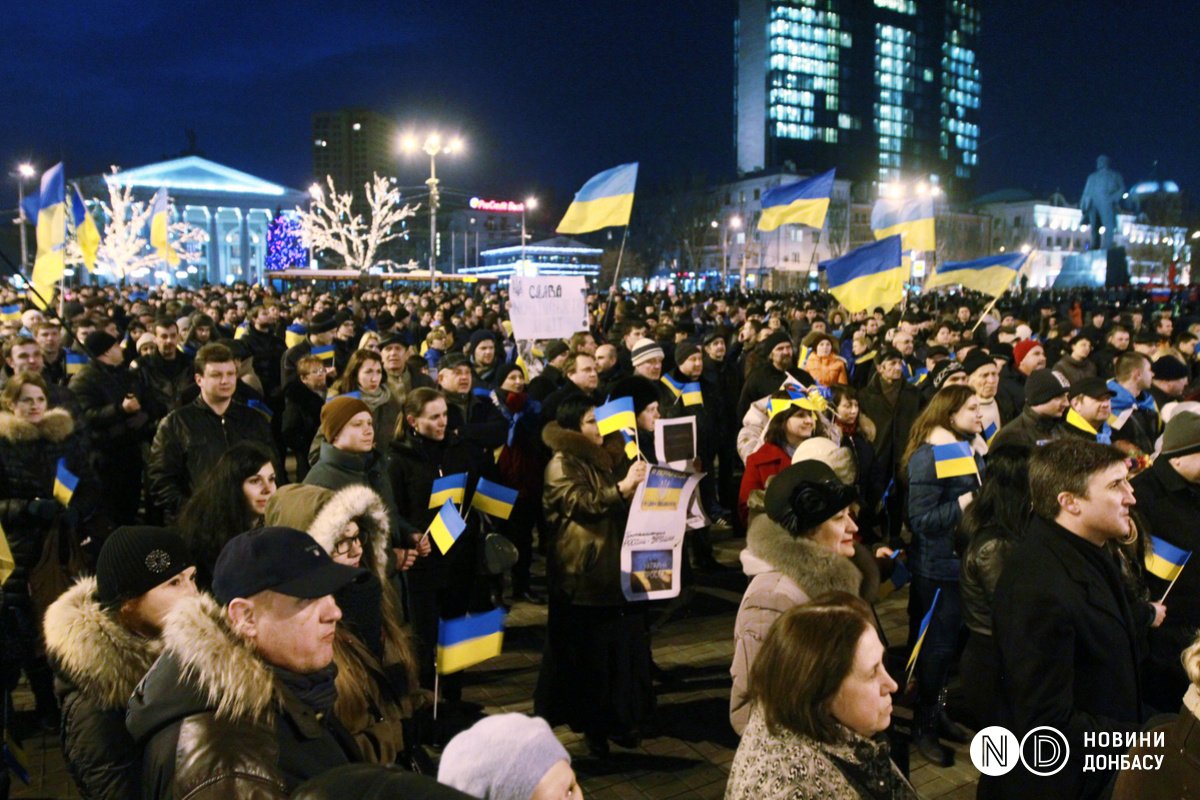
(In the photo: Donetsk, 2014)
#Ukraine #Donbas #RussianPropaganda
As a native of Donbas and someone who knows the history of my homeland well, I couldn't help but laugh at Putin's latest nonsense claiming that Donbas has always been Russian.
🧵1/6
In this thread, I'll share brief historical facts about the region along with my own observations as a local. It might be a lot of text for casual scrolling, but it'll be valuable for anyone who genuinely wants to understand the issue — instead of swallowing empty, manipulative propaganda.
(In the photo: Donetsk, 2014)
#Ukraine #Donbas #RussianPropaganda
2/6 I'll start with my own memories.
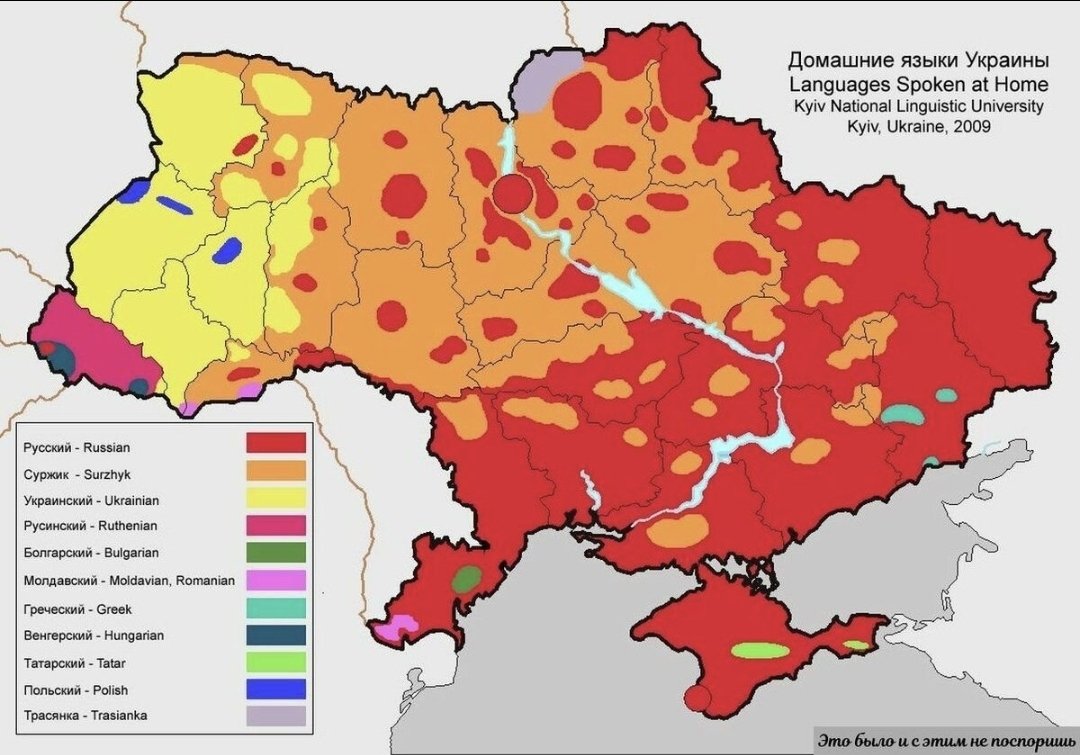
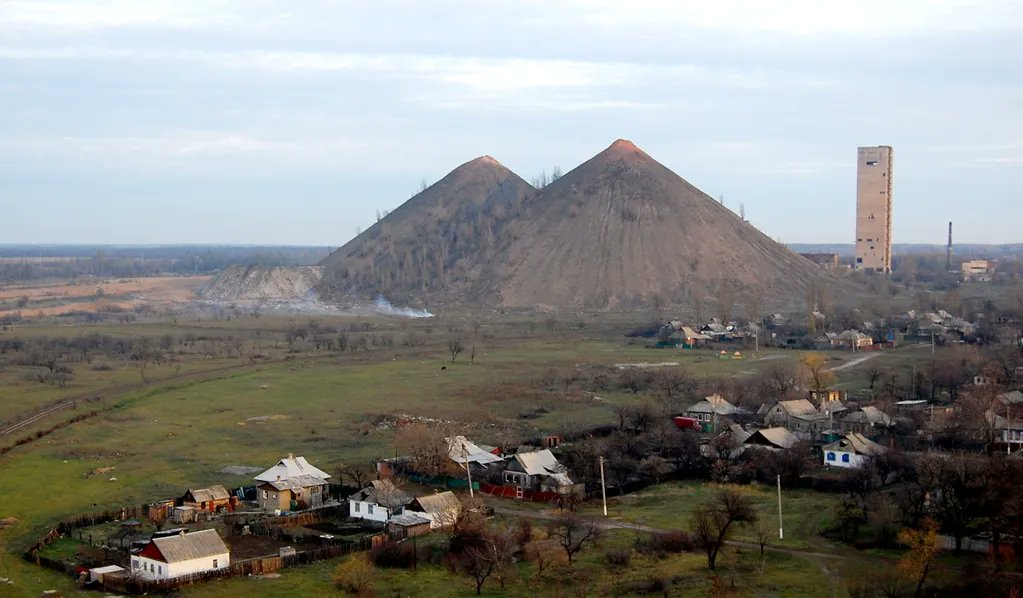
I was born and spent my childhood in a small mining town in Donbas. Indeed, there were many Russians among the population — or people who identified as Russian. Most had relatives in Russia, and the overwhelming majority spoke Russian.
But here's what's interesting: everyone who had relatives in Russia was a descendant of migrants from Russia, not the other way around. These were people who had moved to Donbas in the 20th century, rather than locals whose families had emigrated to Russia.
As for truly local people — those whose roots stretched back to the 19th century or earlier in this land — there were very few. My great-grandmother was one of them. She had a distinctly Ukrainian surname and spoke Ukrainian.
Even from these personal observations, it's clear that Donbas only became partially Russian in the 20th century. How exactly that happened will be explained through historical facts further in this thread.
I was born and spent my childhood in a small mining town in Donbas. Indeed, there were many Russians among the population — or people who identified as Russian. Most had relatives in Russia, and the overwhelming majority spoke Russian.
But here's what's interesting: everyone who had relatives in Russia was a descendant of migrants from Russia, not the other way around. These were people who had moved to Donbas in the 20th century, rather than locals whose families had emigrated to Russia.
As for truly local people — those whose roots stretched back to the 19th century or earlier in this land — there were very few. My great-grandmother was one of them. She had a distinctly Ukrainian surname and spoke Ukrainian.
Even from these personal observations, it's clear that Donbas only became partially Russian in the 20th century. How exactly that happened will be explained through historical facts further in this thread.
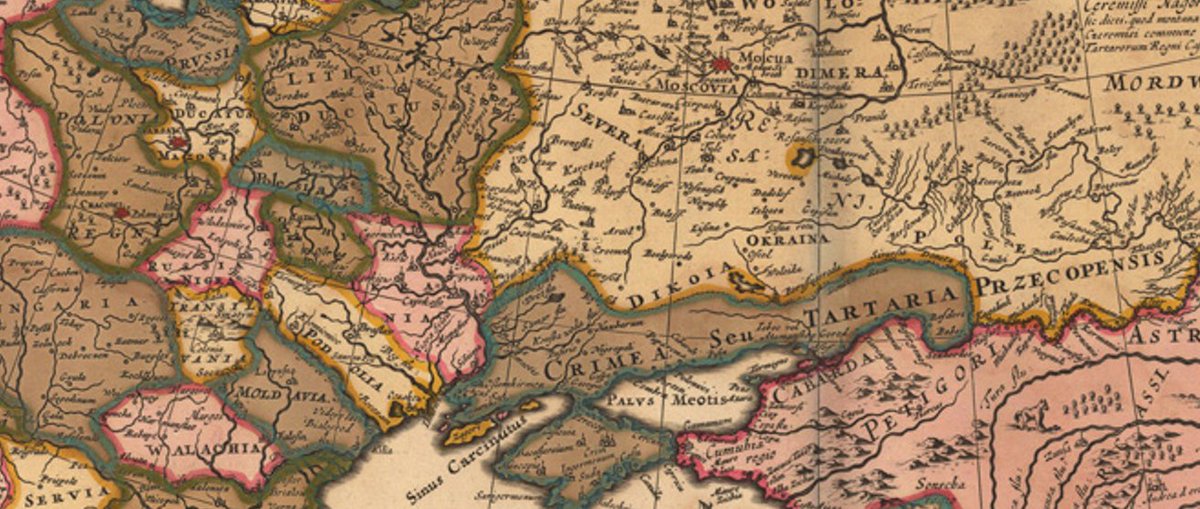
3/6 The territory of modern Donbas remained largely uninhabited for a long time and was known as the 'Wild Fields' (Dyke Pole). Only wild nomadic tribes appeared here occasionally (except for Greek settlements on the Azov Sea coast). I won't go into long and tedious stories about those nomadic tribes — the Polovtsians, Khazars, and others.
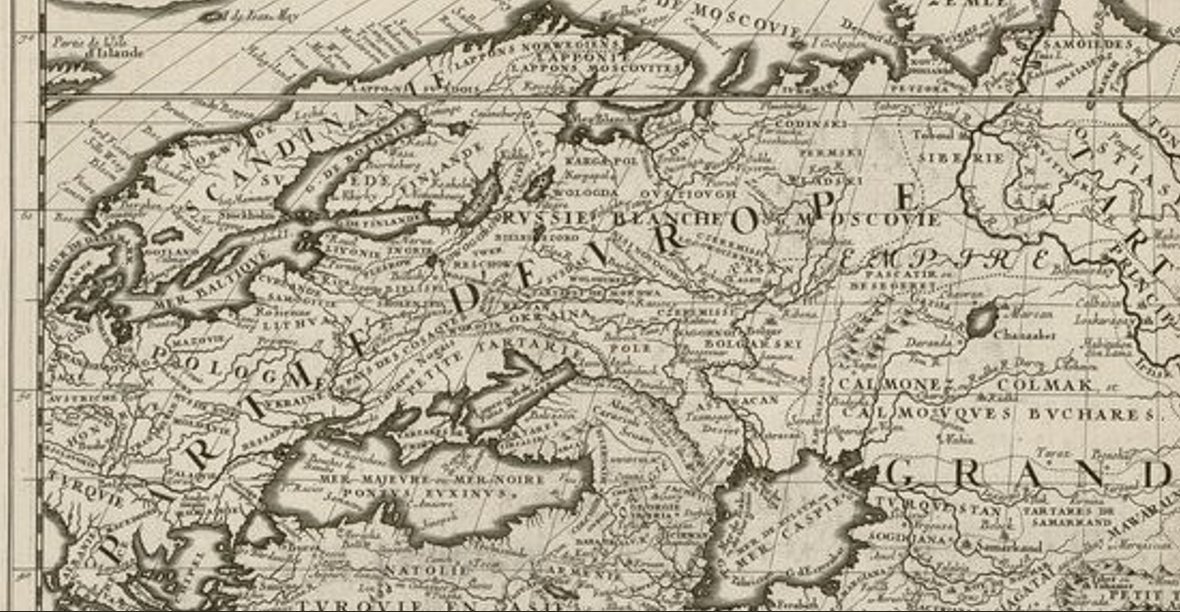
Until the 16th century (after the collapse of the Golden Horde), this area was a buffer zone between the Grand Duchy of Lithuania and the Crimean Khanate. On European maps of that time, it was depicted as empty steppe, or as 'Great Tartary,' or as part of the Crimean Khanate.
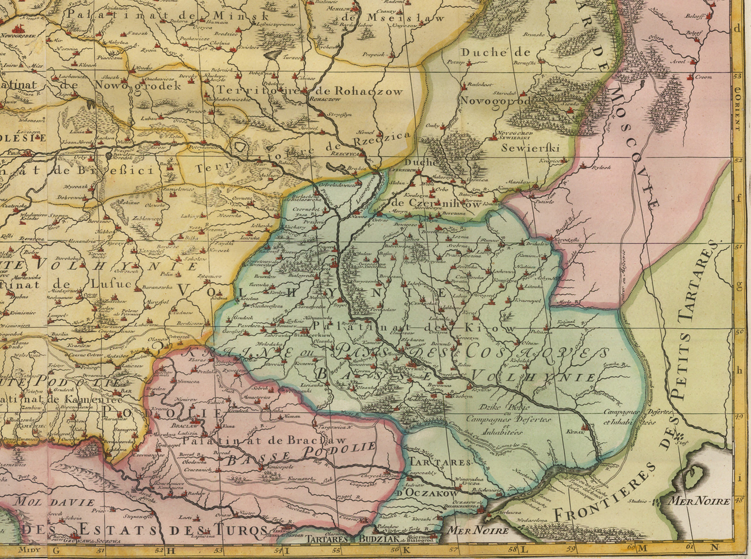
Nearby, Ukrainian Cossackdom was developing (part of Lithuania, and later the Polish-Lithuanian Commonwealth, but functioning like a 'state within a state' with its own elected leaders, laws, and courts). It was the Cossacks who started the real settlement of the 'Wild Fields' — the part we now call Donbas.
The first mention of Cossacks in these territories dates back to 1547 (one of the sources is the Nikon Chronicle). It is possible that Cossacks appeared there even earlier.
From the 17th century onward, this turned into regular, gradual settlement of the wild region by Ukrainians, continuing into the 18th century. This is confirmed in works by historians from various countries: Polish, Ukrainian, Russian, and French.
Until the 16th century (after the collapse of the Golden Horde), this area was a buffer zone between the Grand Duchy of Lithuania and the Crimean Khanate. On European maps of that time, it was depicted as empty steppe, or as 'Great Tartary,' or as part of the Crimean Khanate.
Nearby, Ukrainian Cossackdom was developing (part of Lithuania, and later the Polish-Lithuanian Commonwealth, but functioning like a 'state within a state' with its own elected leaders, laws, and courts). It was the Cossacks who started the real settlement of the 'Wild Fields' — the part we now call Donbas.
The first mention of Cossacks in these territories dates back to 1547 (one of the sources is the Nikon Chronicle). It is possible that Cossacks appeared there even earlier.
From the 17th century onward, this turned into regular, gradual settlement of the wild region by Ukrainians, continuing into the 18th century. This is confirmed in works by historians from various countries: Polish, Ukrainian, Russian, and French.
4/6 Active settlement of Donbas by Ukrainians continued until the end of the 18th century.
It's worth noting that in the mid-17th century, the Ukrainian Cossack state entered a military-political alliance with Muscovy (the historical name for Russia). This alliance led to the gradual subjugation of Ukrainians by Moscow. The territory where Ukrainian Cossacks lived began to be considered Muscovite (and later Russian). Eventually, in the 18th century, Muscovy renamed itself the Russian Empire, attempting to appropriate the history of ancient Rus' (but that's a separate, long story).
It was from the 18th century that the most severe oppression of Ukrainians by the Empire began.
For example, in 1775, Ukrainian Cossackdom was liquidated.
Around the same time, the Russian Empire started the first industrialization of Donbas, building factories there. Some major cities were founded during this period.
But here's where the typical Russian manipulation comes in. For instance, the founding of the city of Luhansk is officially dated to 1795. Russians pretend that nothing existed there before, as if they simply arrived, settled the land, and built the city from scratch.
In reality, taking Luhansk as an example, Cossack settlements — like Kamianyi Brid and Verhunka — already existed on that site. The Russian Empire simply merged these settlements and built a factory.
The same applies to other cities that supposedly 'appeared' in the late 18th–19th centuries. Often, Ukrainian settlements were already there. But the Empire would merge them, import Russians, and proclaim the creation of a new city.
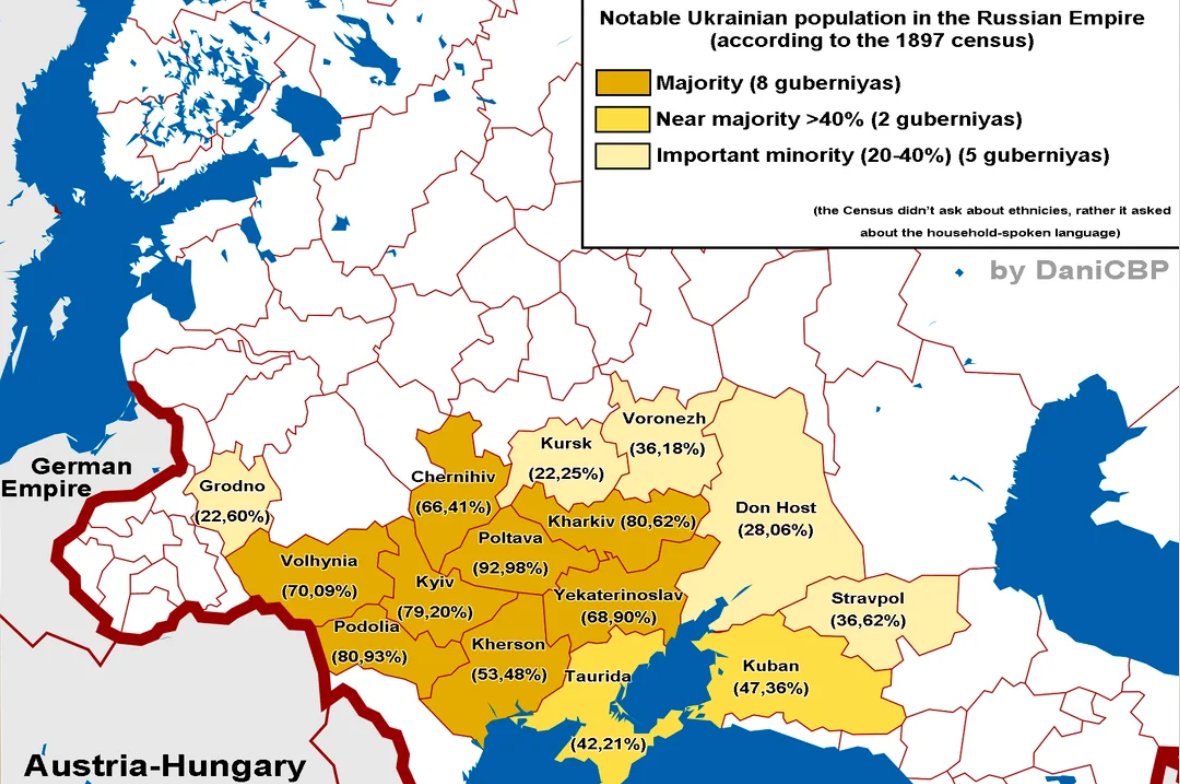
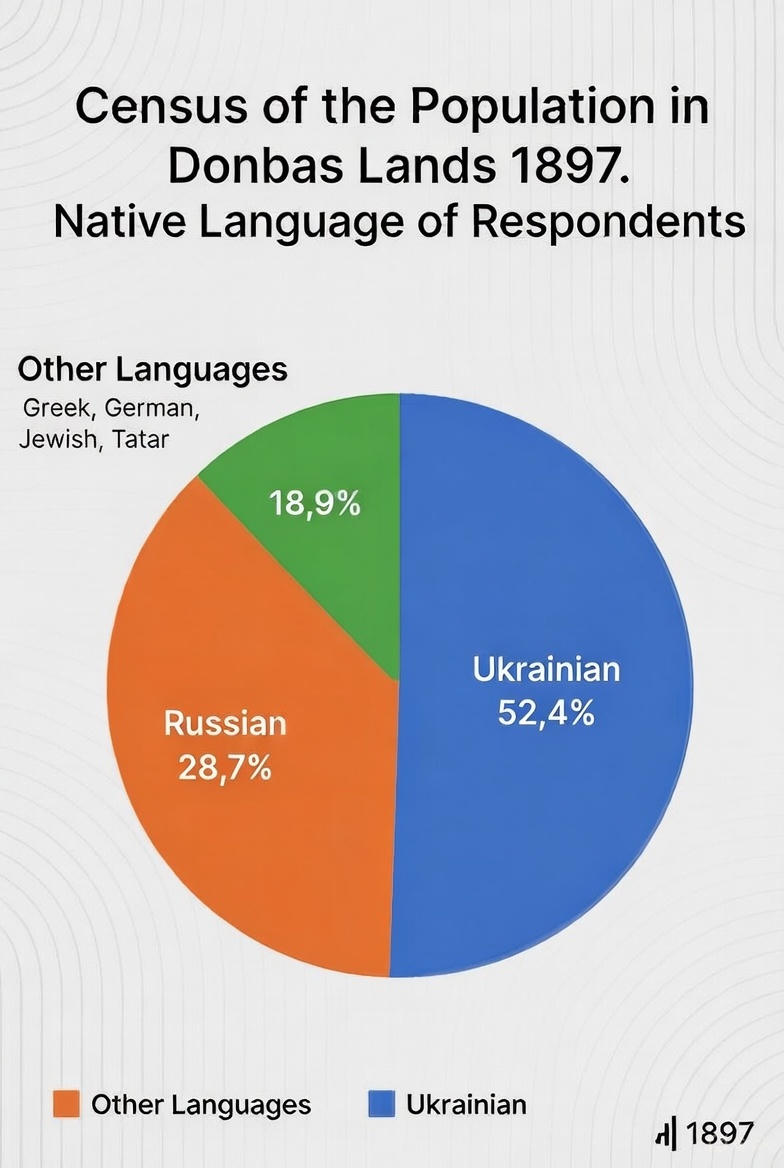
Nevertheless, the dominant ethnic group at that time was Ukrainians. This is confirmed by the 1897 population census. Nationality wasn't directly recorded, but native language was.
According to the census conducted by the Russian Empire, 52.4% of people indicated Ukrainian as their native language. 28.7% of the population named Russian as their native language.
And here's another interesting nuance: even then, the Russian Empire was actively working to eradicate the Ukrainian language and impose Russian. Ukrainians who considered Russian their native language were already appearing. But they were Ukrainians and identified themselves as Ukrainians.
In other words, the real number of Ukrainians was higher than 52.4%
It's worth noting that in the mid-17th century, the Ukrainian Cossack state entered a military-political alliance with Muscovy (the historical name for Russia). This alliance led to the gradual subjugation of Ukrainians by Moscow. The territory where Ukrainian Cossacks lived began to be considered Muscovite (and later Russian). Eventually, in the 18th century, Muscovy renamed itself the Russian Empire, attempting to appropriate the history of ancient Rus' (but that's a separate, long story).
It was from the 18th century that the most severe oppression of Ukrainians by the Empire began.
For example, in 1775, Ukrainian Cossackdom was liquidated.
Around the same time, the Russian Empire started the first industrialization of Donbas, building factories there. Some major cities were founded during this period.
But here's where the typical Russian manipulation comes in. For instance, the founding of the city of Luhansk is officially dated to 1795. Russians pretend that nothing existed there before, as if they simply arrived, settled the land, and built the city from scratch.
In reality, taking Luhansk as an example, Cossack settlements — like Kamianyi Brid and Verhunka — already existed on that site. The Russian Empire simply merged these settlements and built a factory.
The same applies to other cities that supposedly 'appeared' in the late 18th–19th centuries. Often, Ukrainian settlements were already there. But the Empire would merge them, import Russians, and proclaim the creation of a new city.
Nevertheless, the dominant ethnic group at that time was Ukrainians. This is confirmed by the 1897 population census. Nationality wasn't directly recorded, but native language was.
According to the census conducted by the Russian Empire, 52.4% of people indicated Ukrainian as their native language. 28.7% of the population named Russian as their native language.
And here's another interesting nuance: even then, the Russian Empire was actively working to eradicate the Ukrainian language and impose Russian. Ukrainians who considered Russian their native language were already appearing. But they were Ukrainians and identified themselves as Ukrainians.
In other words, the real number of Ukrainians was higher than 52.4%
5/6 Next, Ukraine — and Donbas in particular — was hit by wars and revolutions. There were successful attempts to restore Ukrainian statehood, but Russian communists seized control of Ukraine.
This led to the creation of the Ukrainian Soviet Socialist Republic within the USSR. In turn, Donbas was included in Ukraine, which made perfect sense given its history.
Donbas continued to industrialize rapidly thanks to its vast coal reserves and other resources.
Villages began turning into cities, and large numbers of workers were brought in as labor — especially from Russia.
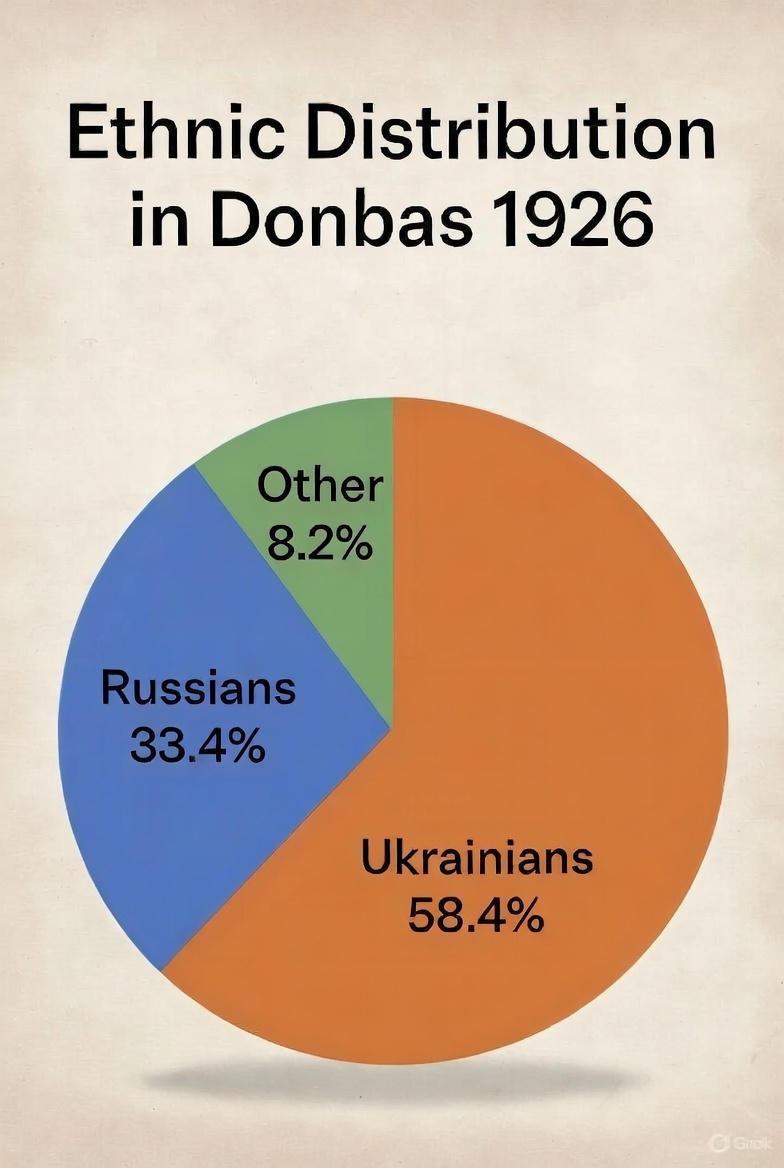
However, according to the 1926 population census, Ukrainians still remained the dominant ethnic group. The data showed 58.4% Ukrainians and 33.4% Russians.
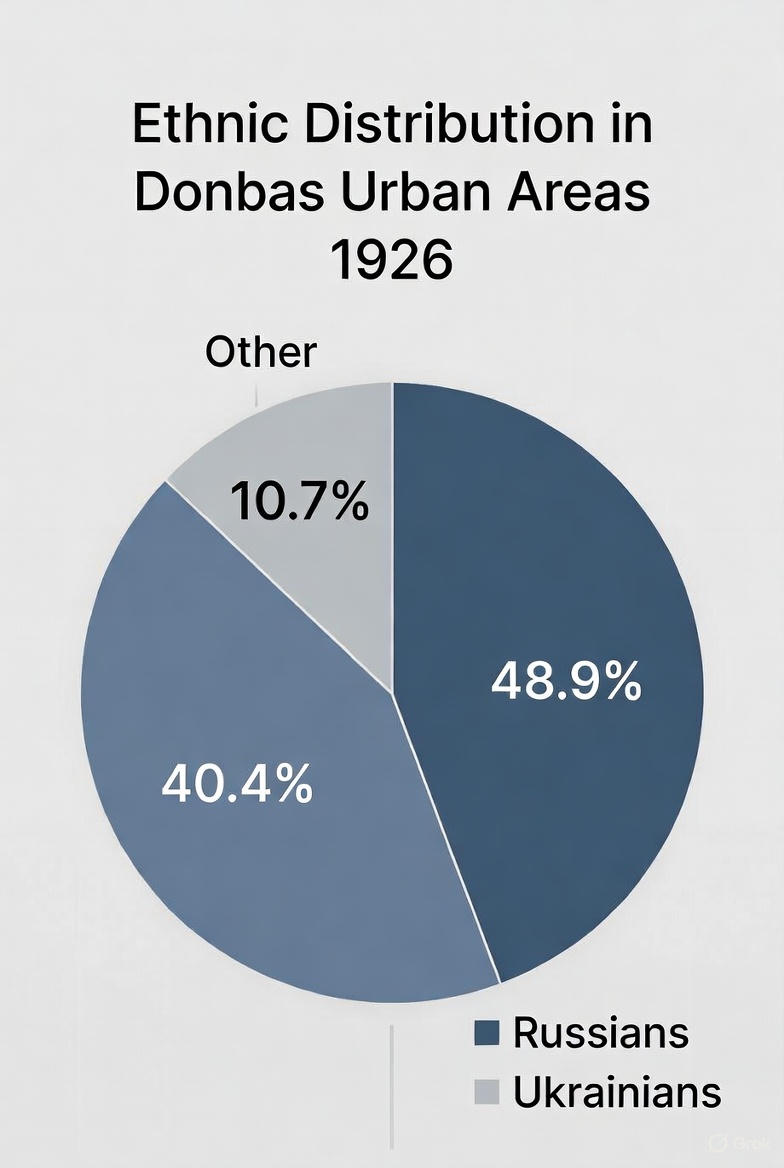
But here's an interesting detail about the distribution: Russians mostly arrived in the cities, while Ukrainians often stayed in their homes in the villages. As a result, in urban areas, 48.9% of the population were Russians and 40.4% Ukrainians.
Another historical fact that deserves a separate thread is the genocide of Ukrainians by famine (the most massive in 1932-1933). Then the communists took away all the food from the villagers and thereby provoked millions of deaths from hunger. Given the dominance of Ukrainians in the villages, this was a blow precisely to Ukrainians. And the most cynical thing about it is that Russians were settled in the houses where Ukrainian families died.
This trend persisted until Ukraine's independence. The highest concentrations of Russians were in the industrial cities.
Additionally, an important aspect is the mixing of the two ethnic groups in later periods. In the second half of the 20th century, it became common for people to be half Ukrainian and half Russian due to Moscow's assimilation policies.
We also have to account for Russia's policy of Russification of Ukrainians. This is a huge topic that deserves its own thread, but in short: the Kremlin destroyed the Ukrainian language and culture while imposing Russian. That's why many people from mixed families — or those unsure of their identity — identified as Russian.
This led to the creation of the Ukrainian Soviet Socialist Republic within the USSR. In turn, Donbas was included in Ukraine, which made perfect sense given its history.
Donbas continued to industrialize rapidly thanks to its vast coal reserves and other resources.
Villages began turning into cities, and large numbers of workers were brought in as labor — especially from Russia.
However, according to the 1926 population census, Ukrainians still remained the dominant ethnic group. The data showed 58.4% Ukrainians and 33.4% Russians.
But here's an interesting detail about the distribution: Russians mostly arrived in the cities, while Ukrainians often stayed in their homes in the villages. As a result, in urban areas, 48.9% of the population were Russians and 40.4% Ukrainians.
Another historical fact that deserves a separate thread is the genocide of Ukrainians by famine (the most massive in 1932-1933). Then the communists took away all the food from the villagers and thereby provoked millions of deaths from hunger. Given the dominance of Ukrainians in the villages, this was a blow precisely to Ukrainians. And the most cynical thing about it is that Russians were settled in the houses where Ukrainian families died.
This trend persisted until Ukraine's independence. The highest concentrations of Russians were in the industrial cities.
Additionally, an important aspect is the mixing of the two ethnic groups in later periods. In the second half of the 20th century, it became common for people to be half Ukrainian and half Russian due to Moscow's assimilation policies.
We also have to account for Russia's policy of Russification of Ukrainians. This is a huge topic that deserves its own thread, but in short: the Kremlin destroyed the Ukrainian language and culture while imposing Russian. That's why many people from mixed families — or those unsure of their identity — identified as Russian.
During what period of time was Donbas Russian?Considering all the facts I've presented above, it's clear that Russian propaganda is manipulating the narrative.
Donbas was settled by Ukrainians, cities emerged on the sites of Ukrainian Cossack settlements, and Ukrainians have been the dominant ethnic group for the last several centuries.
Yes, in the 20th century, the share of Russians grew — due to the Kremlin's deliberate resettlement of Russians to Donbas. By the way, the same happened to the residents of Crimea (where the main ethnic group was Crimean Tatars), as well as Latvia, Lithuania, Estonia, and other states subjugated by Russian communists.
Also, there were attempts to destroy the culture of Ukrainians and turn them into Russians.
During the industrialization of Donbas, Russians were resettled to industrial cities. Therefore, in large cities, the share of Russians is large.
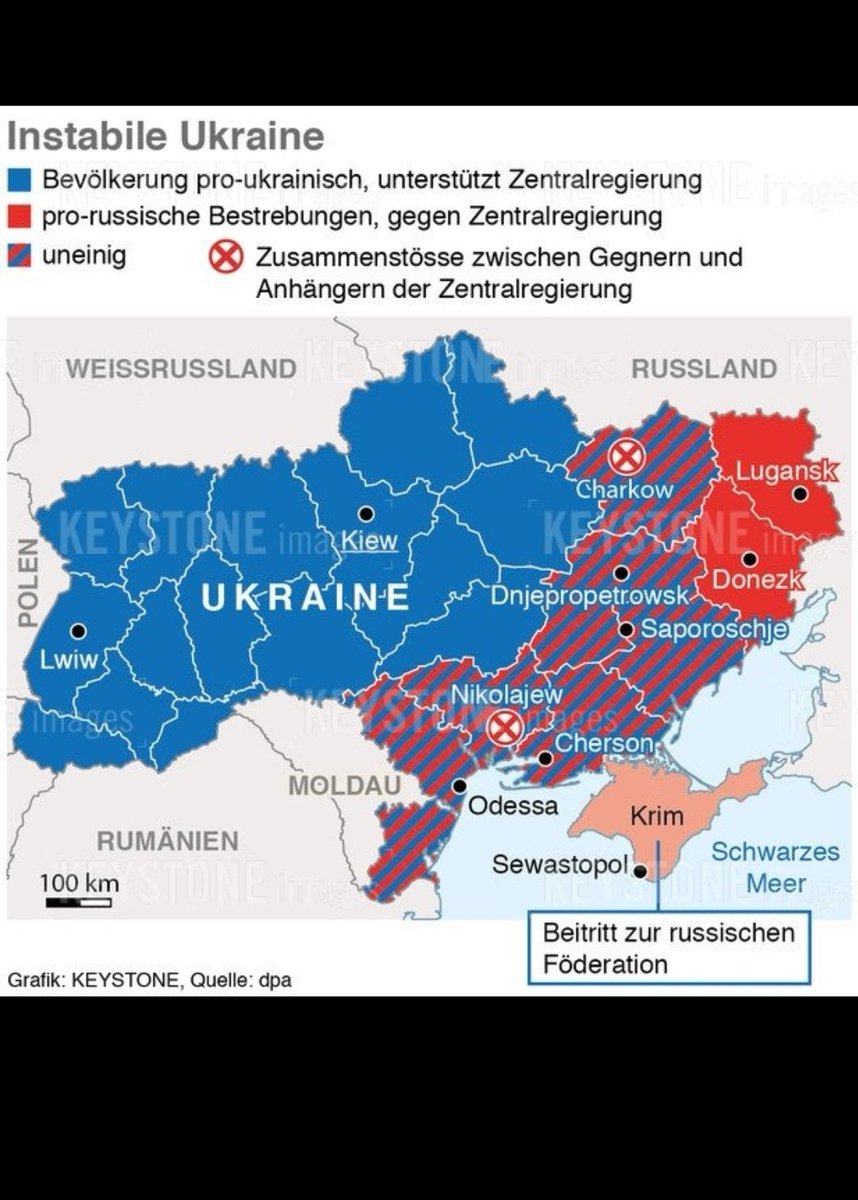
And in 2014, when the Russians began their aggression against Ukraine in Donbas, they used, in addition to the imported Russians (mainly from the Belgorod and Rostov regions), the children and grandchildren of those Russians whom they settled here in the 20th century (a good lesson for those countries that have the same problem with ethnic Russians who migrated in the 20th century)
But despite all this, Donbas was and remains Ukrainian territory occupied by Russia. The people of Donbas who opposed the occupation faced persecution and were forced to flee their homes — all based on Putin's insane claims that this land has always been Russian.
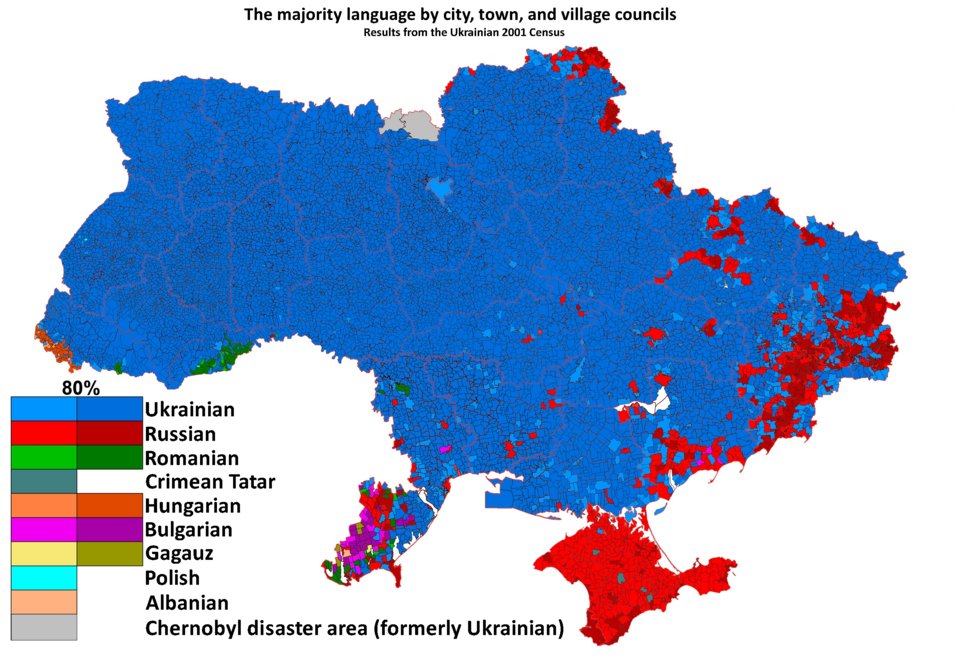
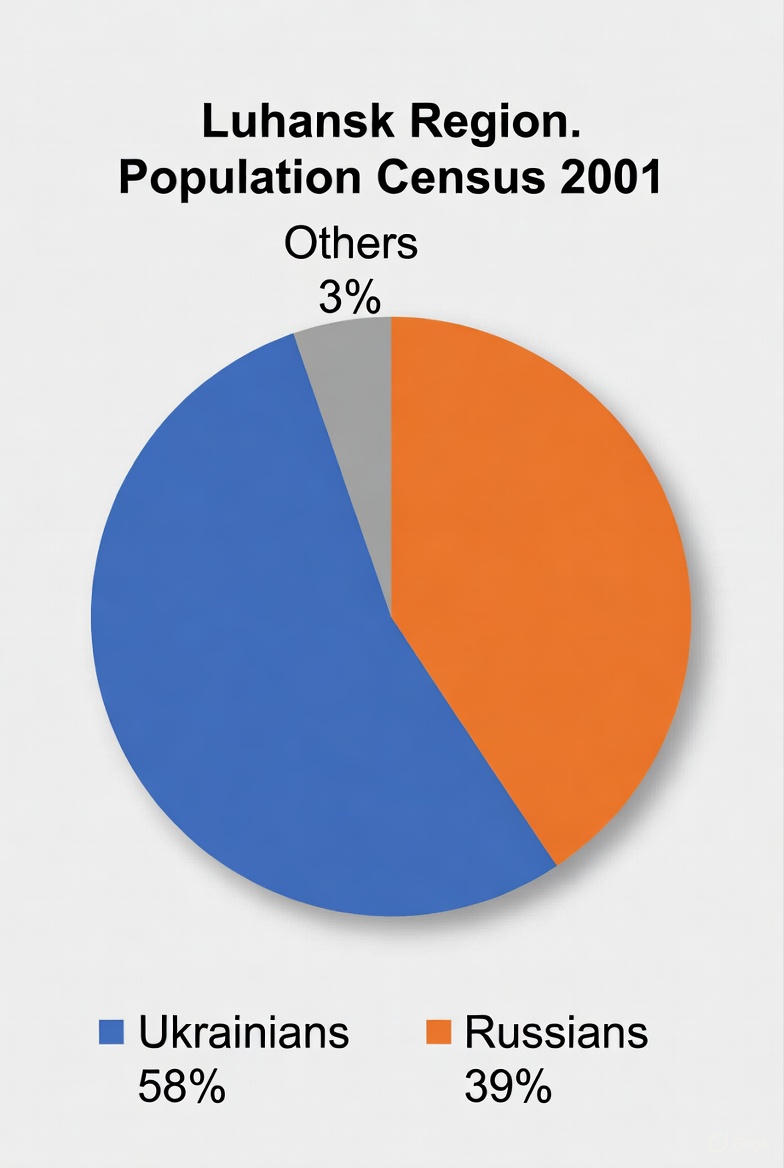
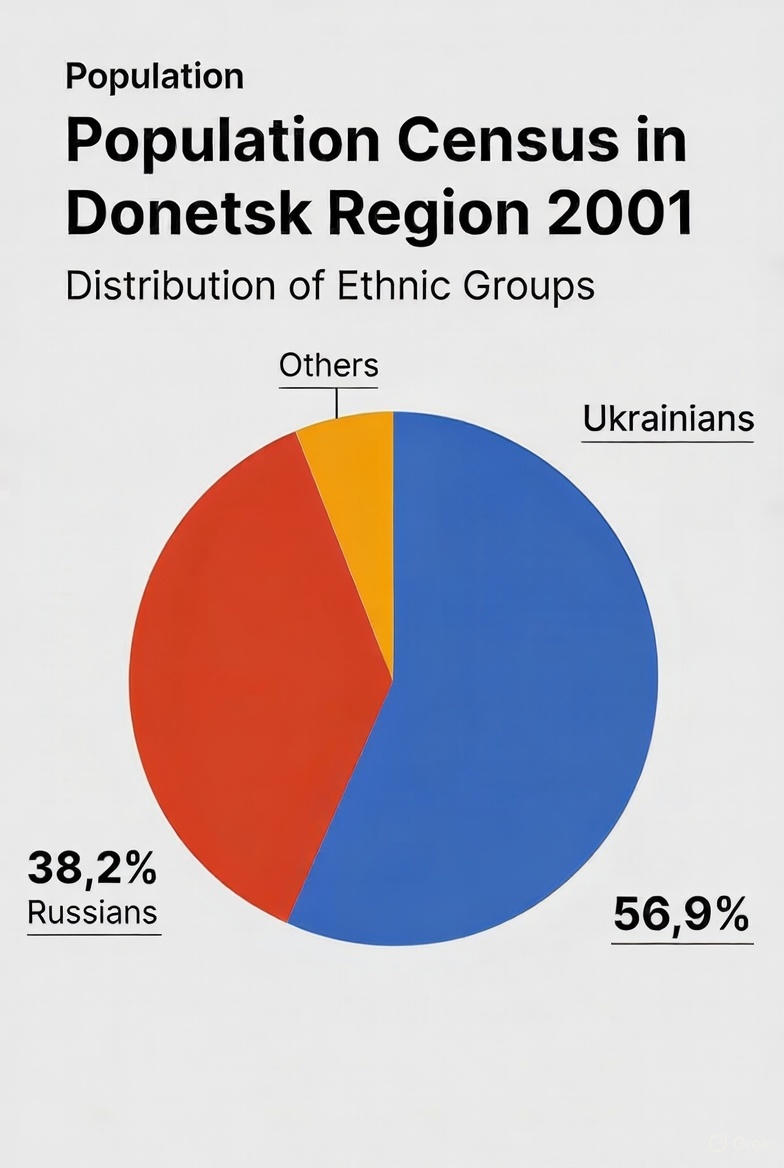
And finally, the 2001 population census, where Ukrainians once again form the majority.
I tried to keep this thread as concise and informative as possible, so I skipped many other interesting — and sometimes bloody — moments in the history of Donbas Ukrainians
Donbas was settled by Ukrainians, cities emerged on the sites of Ukrainian Cossack settlements, and Ukrainians have been the dominant ethnic group for the last several centuries.
Yes, in the 20th century, the share of Russians grew — due to the Kremlin's deliberate resettlement of Russians to Donbas. By the way, the same happened to the residents of Crimea (where the main ethnic group was Crimean Tatars), as well as Latvia, Lithuania, Estonia, and other states subjugated by Russian communists.
Also, there were attempts to destroy the culture of Ukrainians and turn them into Russians.
During the industrialization of Donbas, Russians were resettled to industrial cities. Therefore, in large cities, the share of Russians is large.
And in 2014, when the Russians began their aggression against Ukraine in Donbas, they used, in addition to the imported Russians (mainly from the Belgorod and Rostov regions), the children and grandchildren of those Russians whom they settled here in the 20th century (a good lesson for those countries that have the same problem with ethnic Russians who migrated in the 20th century)
But despite all this, Donbas was and remains Ukrainian territory occupied by Russia. The people of Donbas who opposed the occupation faced persecution and were forced to flee their homes — all based on Putin's insane claims that this land has always been Russian.
And finally, the 2001 population census, where Ukrainians once again form the majority.
I tried to keep this thread as concise and informative as possible, so I skipped many other interesting — and sometimes bloody — moments in the history of Donbas Ukrainians
• • •
Missing some Tweet in this thread? You can try to
force a refresh