Serhii Antonov Profile picture
Ukrainian veteran from Luhansk. Ukrainian warrior since February 2022. Debunking propaganda. Stories from the frontline/Donbas. PayPal sergiy89antonov@gmail.com
Dec 30, 2025 4 tweets 5 min read
My previous thread about languages in Ukraine attracted the attention of Kremlin bots and lovers of Russian propaganda. Usually, I rarely respond to such accounts because it makes no sense — there won't be any constructive dialogue. But here there's so many propaganda clichés that I decided to debunk them, because it really pisses off the "vatniks." After all, I've been dealing with this for over 10 years and know the situation from the inside perfectly.
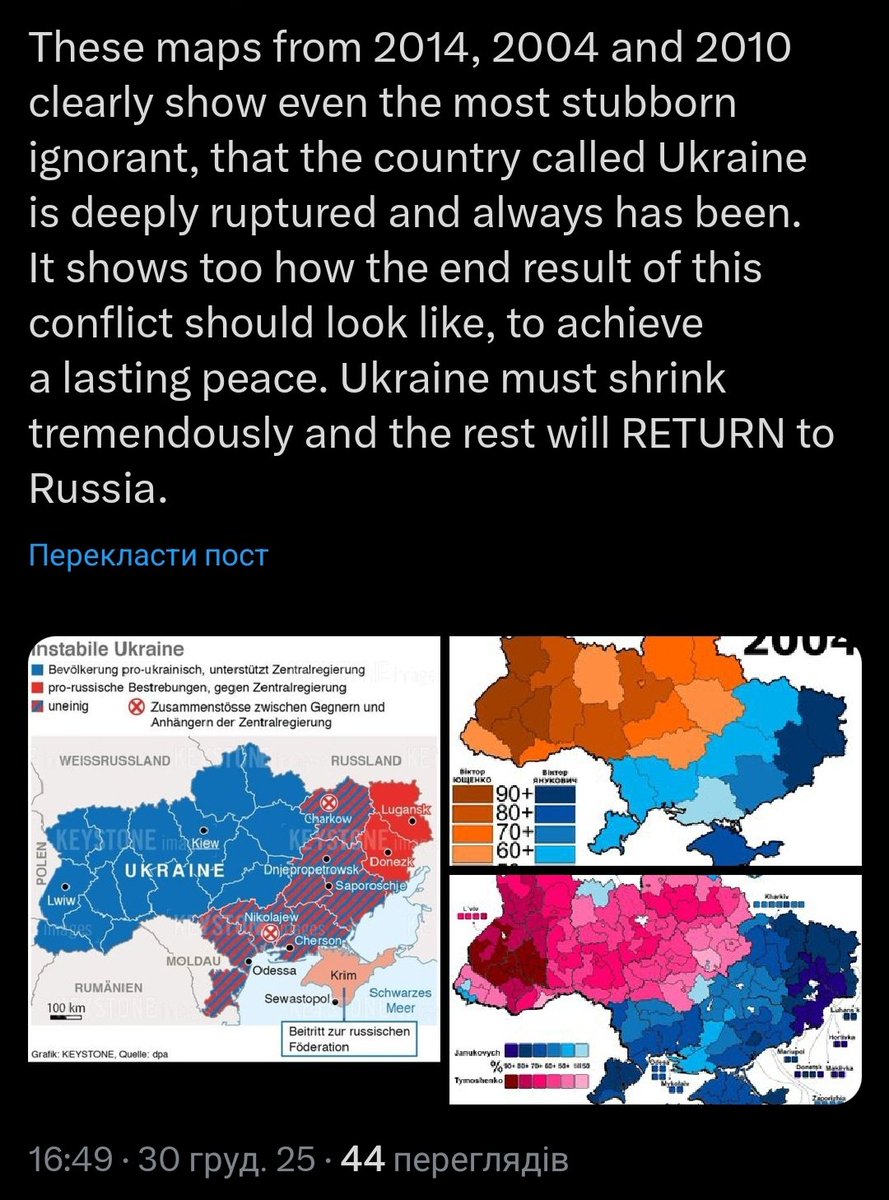
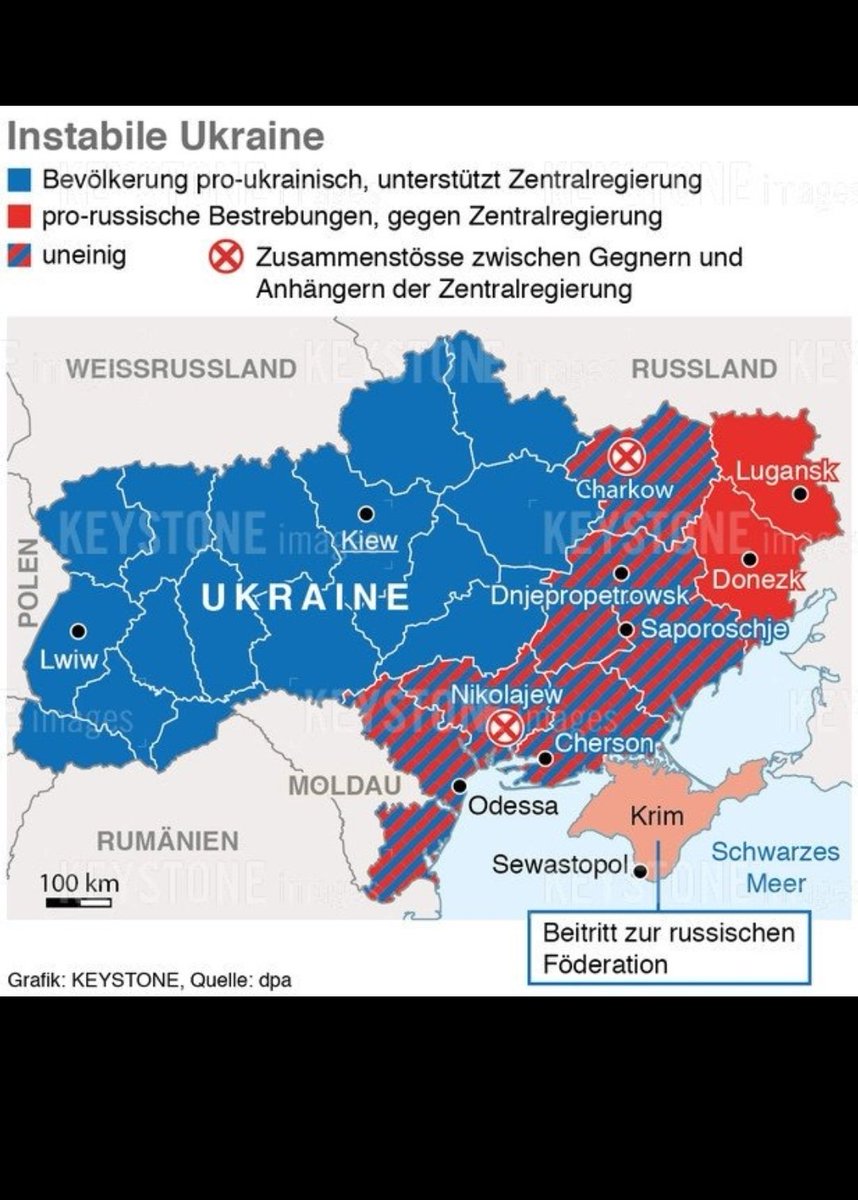
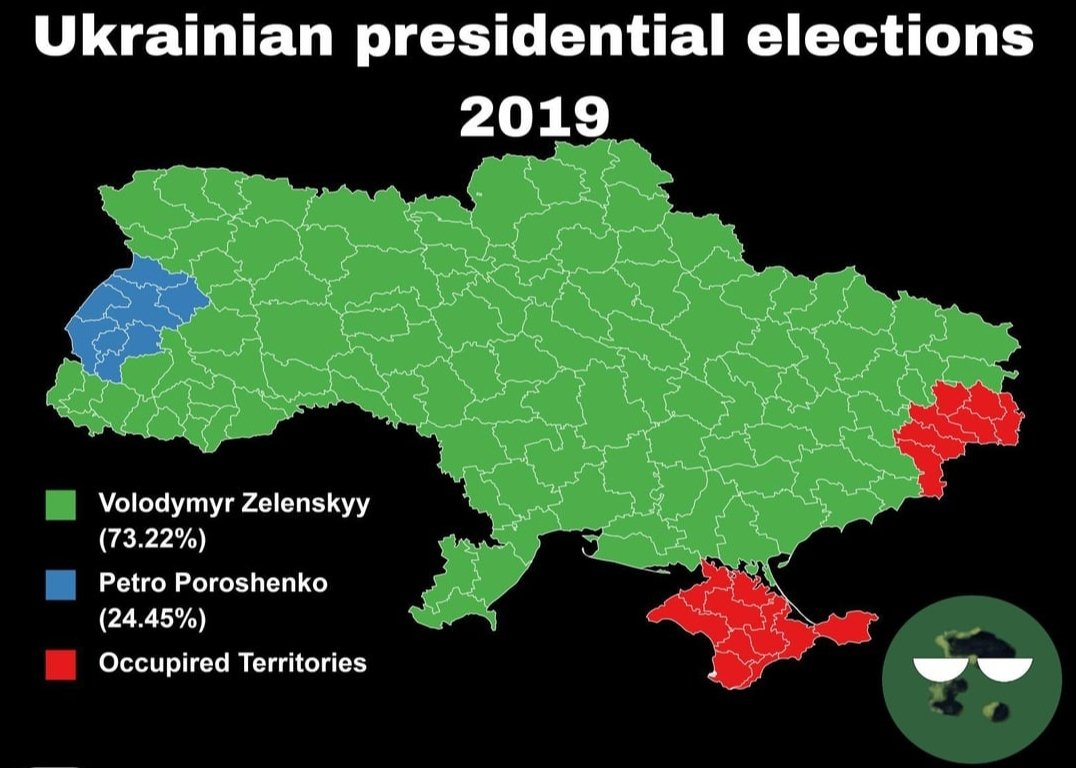
So let's start with these bizarre maps that propagandists draw. Once again, I see maps of elections for Yanukovych and his party, which supposedly prove something. But that's nonsense. A ton of people who once voted for Yanukovych (just like those who speak Russian) are now fighting in the Ukrainian army and gladly eliminating Russians. As I already told in my older threads — Yanukovych in his pre-election program advocated cooperation with both the EU and Russia. Most Ukrainians (despite the bloody history) had a completely positive attitude toward all neighbors, including Russia, because they left history in the past. But it was precisely the annexation of Crimea and the start of the war in 2014 that made it clear that Russians haven't changed. The full-scale war of 2022 gave birth to hatred toward murderers, torturers, and rapists.
That's why these maps are long in the history books now. And the reality is to have nothing in common with the aggressor. If you want to look at maps — take a look at the 2019 presidential elections.

#Ukraine #RussianPropagandaImage
Image
Image
This map is the funniest one. It has appeared many times in replies from Russian bots and trolls. And it was exactly this one that motivated me to write my previous thread.
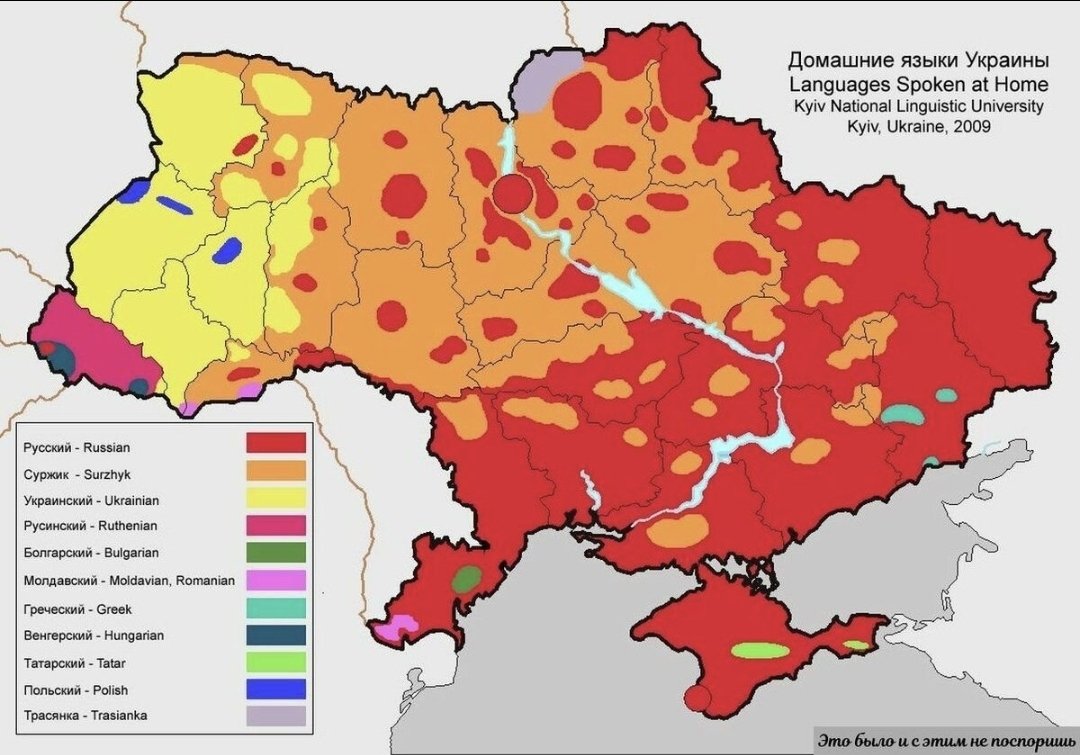
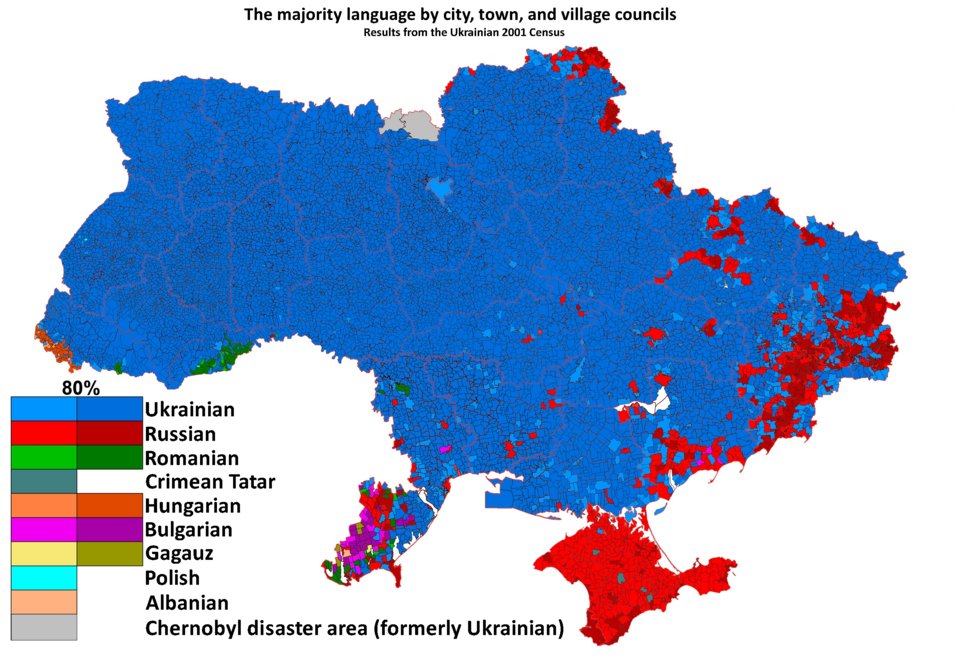
Let's start with the fact that the real source of this data is unclear. I searched the website of this university — I didn't find this information. I asked Grok and GPT, and in response, I got that nowhere is it confirmed that such research exists. The methodology of this survey or study is unclear. Therefore, it's likely just an empty fake that brainwashed Kremlin trolls carry around.
The second point about this map is the concept of "surzhyk." Essentially, surzhyk is a dialect of the language that varies depending on the region. This is typical for large countries. And also for countries that have been occupied by different states for a long time. Ukraine falls under both categories, so the Ukrainian language is diverse.
And the funniest thing is that many territories are marked as Russian-speaking, even though in those areas people often use not literary Russian, but a characteristic dialect — "surzhyk." Thanks to this, on the Donbas I could often distinguish visiting Russians from locals. And I almost always guessed right. Because the Russian language among locals in the Donbas differs with a Ukrainian tone and Ukrainian words in the Russian dialect.
Ukrainian-based "surzhyk" varies by territory and can include Russian, Polish, or Hungarian words depending on the region. Therefore, this map is complete nonsense — both due to the lack of a source and understanding of the research methodology, and because of introducing the concept of "surzhyk," since "surzhyk" can be considered anything.
But fans of Russian propaganda don't give a damn about sources and facts.Image
Dec 29, 2025 6 tweets 7 min read
🧵1/5 Russian propaganda often manipulates the fact that the Russian language is widespread in Ukraine, especially in the eastern and southern regions. It claims that Russian-speaking people are Russians, and therefore these regions are ethnically Russian.
In this thread, I'll break down why Russian-speaking Ukrainians appeared and how this situation is changing right now. I'll share my own observations from Donbas before 2014 and how the language landscape has shifted in Ukraine today. I'll also provide historical facts about how the Ukrainian language was suppressed over the past centuries—but still survived. And finally, it will become clear why Russia is, now as always, interested in destroying Ukrainian culture 👇Image 2/5 I grew up in Donbas in a society where Russian was the dominant language. I attended a Russian-language school — and most schools were like that (the reason why will become clear when I get to the historical facts). But despite the language of everyday communication, the majority were Ukrainians who preserved Ukrainian traditions and often mixed Ukrainian words into their speech.
As a child, I heard Ukrainian only from my great-grandmother, from rural villagers who traditionally kept their language and culture alive, and occasionally on television.
When I started university, I encountered Ukrainian much more often — from professors, artists, cultural figures, and conscious individuals. That's when I began occasionally switching to Ukrainian myself. After the Russian occupation of my city in 2014, I fully switched to the language I now consider my native one.
An interesting observation from my student years: I noticed that people who came to study from Ukrainian-speaking areas of Donbas would speak Russian in public. But when their parents called, they would shyly switch to Ukrainian on the phone.
This can be explained by the fact that since the times of the Russian Empire and later the Soviet Union, Kremlin propaganda tried to impose the idea that Ukrainian is an artificial dialect spoken only by uneducated people. This propaganda was so powerful that it lingered even after Ukraine's independence, embedding itself in people's minds and making them ashamed of their origins. The situation only began to change after Russia's aggression in 2014.

So, let's walk through the history of the suppression of the Ukrainian language and understand the Kremlin's motivation to turn Ukrainians into Russians👇
Dec 19, 2025 6 tweets 8 min read
Who does Donbas historically really belong to?
As a native of Donbas and someone who knows the history of my homeland well, I couldn't help but laugh at Putin's latest nonsense claiming that Donbas has always been Russian.
🧵1/6
In this thread, I'll share brief historical facts about the region along with my own observations as a local. It might be a lot of text for casual scrolling, but it'll be valuable for anyone who genuinely wants to understand the issue — instead of swallowing empty, manipulative propaganda.
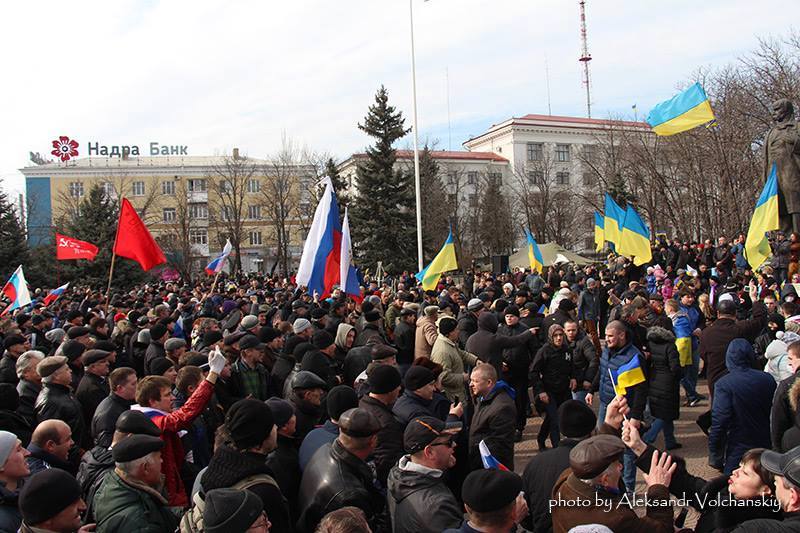
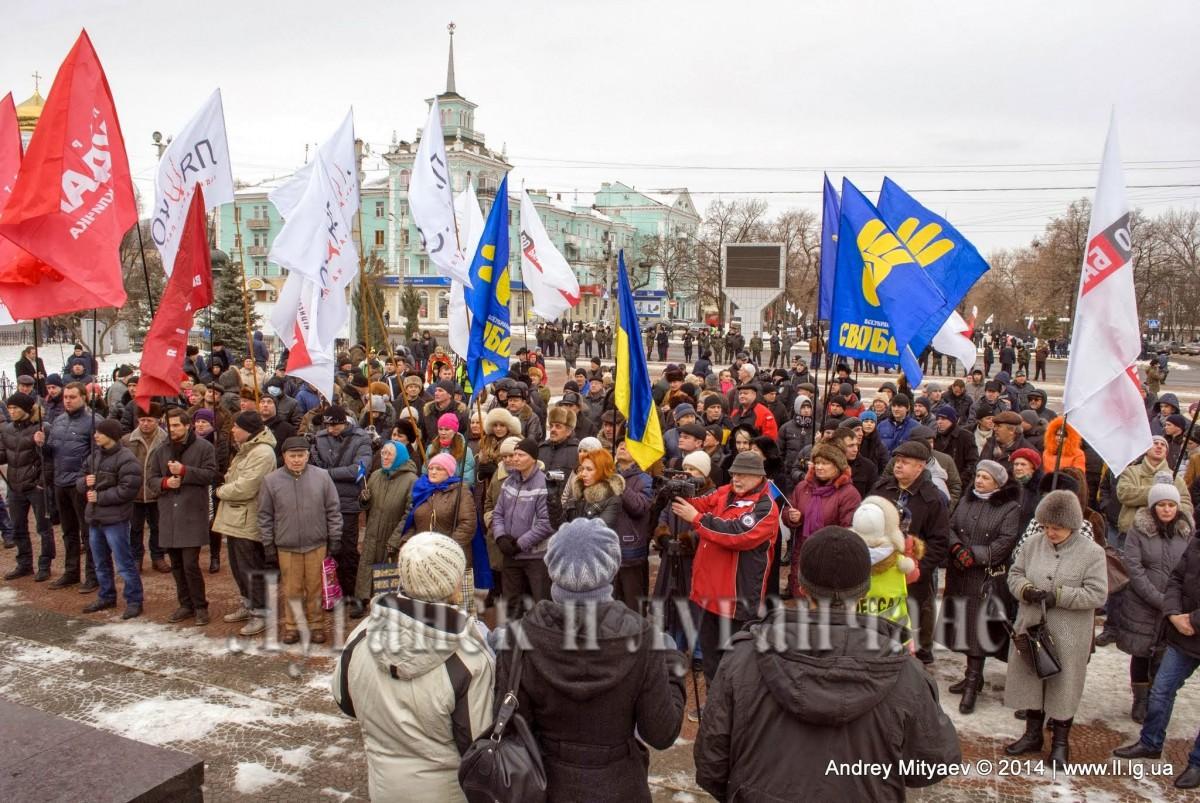
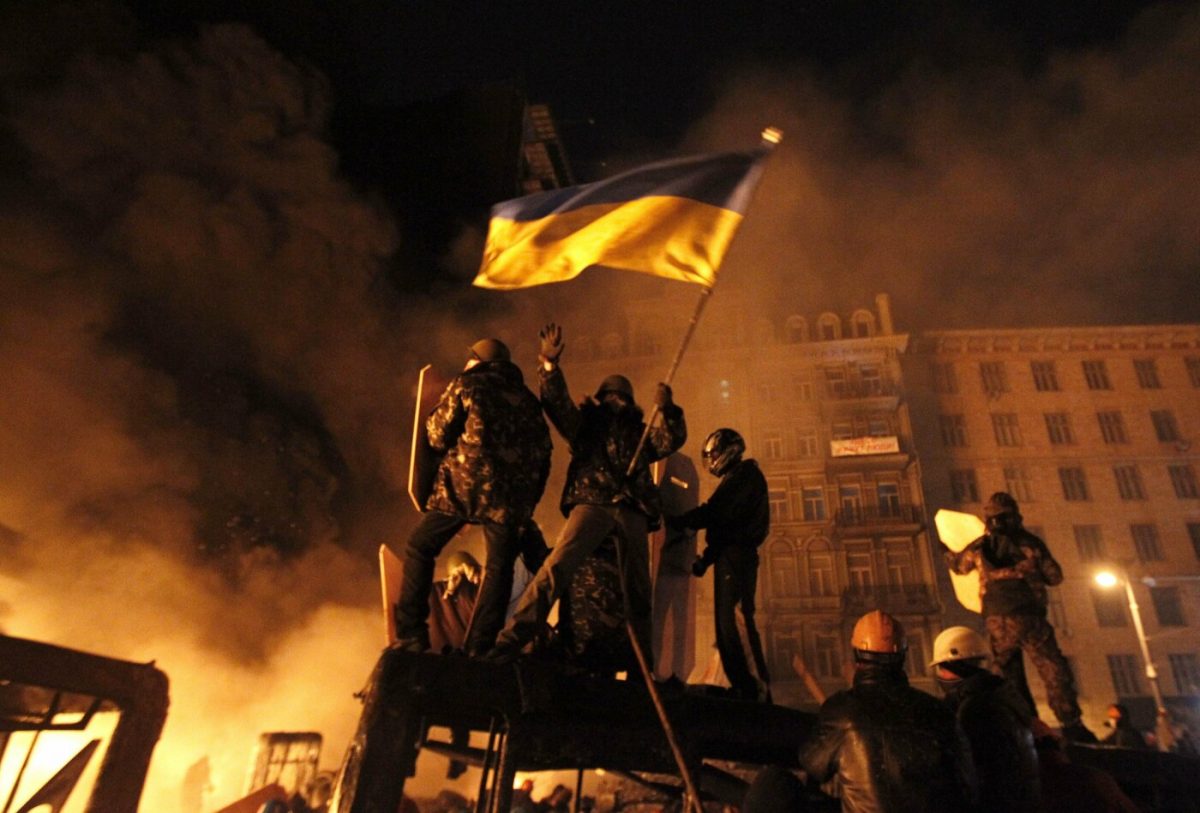
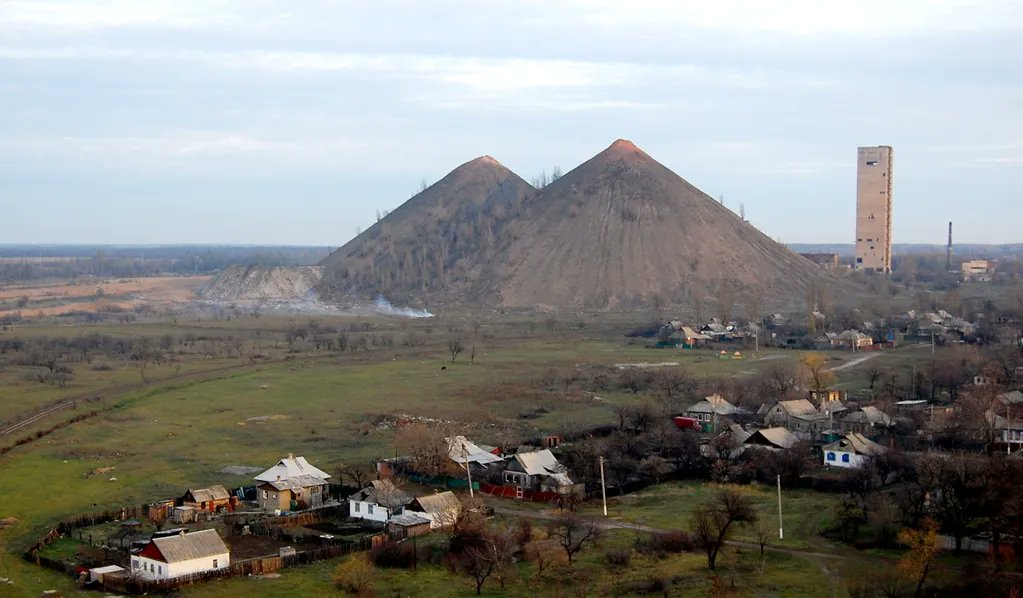
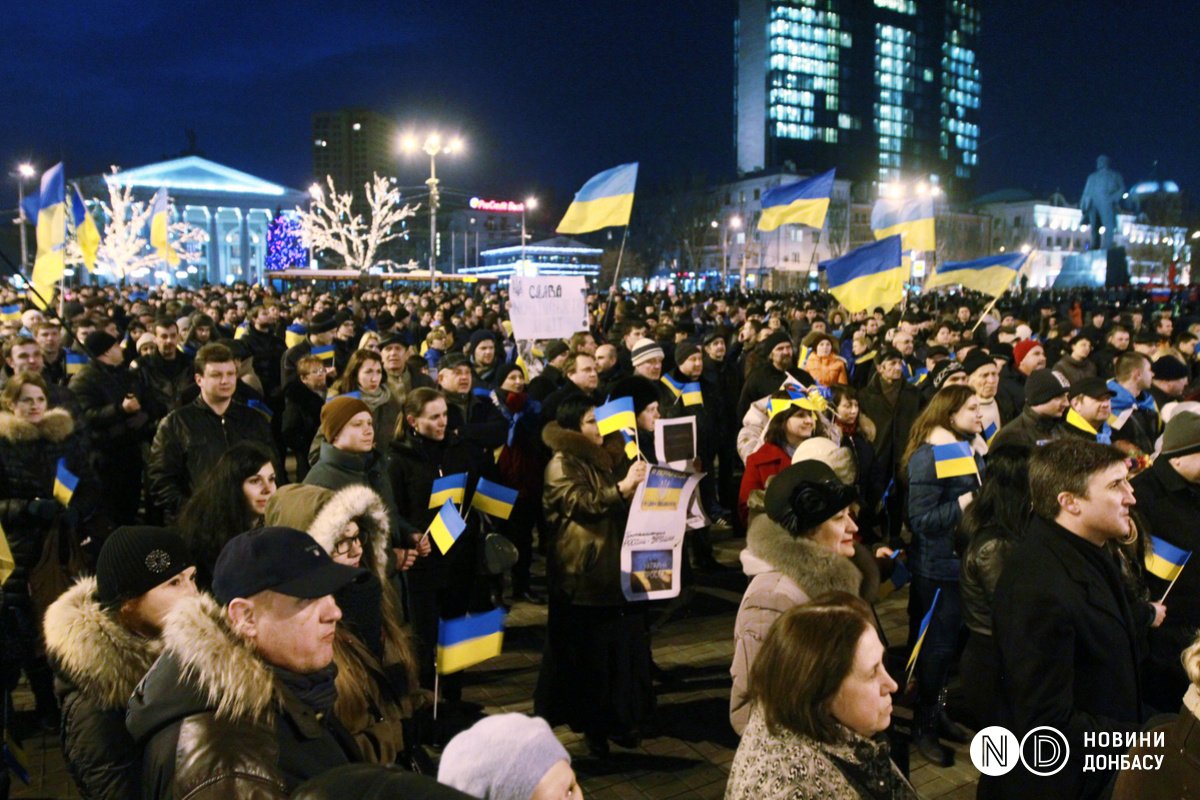
(In the photo: Donetsk, 2014)
#Ukraine #Donbas #RussianPropagandaImage 2/6 I'll start with my own memories.
I was born and spent my childhood in a small mining town in Donbas. Indeed, there were many Russians among the population — or people who identified as Russian. Most had relatives in Russia, and the overwhelming majority spoke Russian.
But here's what's interesting: everyone who had relatives in Russia was a descendant of migrants from Russia, not the other way around. These were people who had moved to Donbas in the 20th century, rather than locals whose families had emigrated to Russia.
As for truly local people — those whose roots stretched back to the 19th century or earlier in this land — there were very few. My great-grandmother was one of them. She had a distinctly Ukrainian surname and spoke Ukrainian.
Even from these personal observations, it's clear that Donbas only became partially Russian in the 20th century. How exactly that happened will be explained through historical facts further in this thread.Image
Aug 14, 2024 9 tweets 7 min read
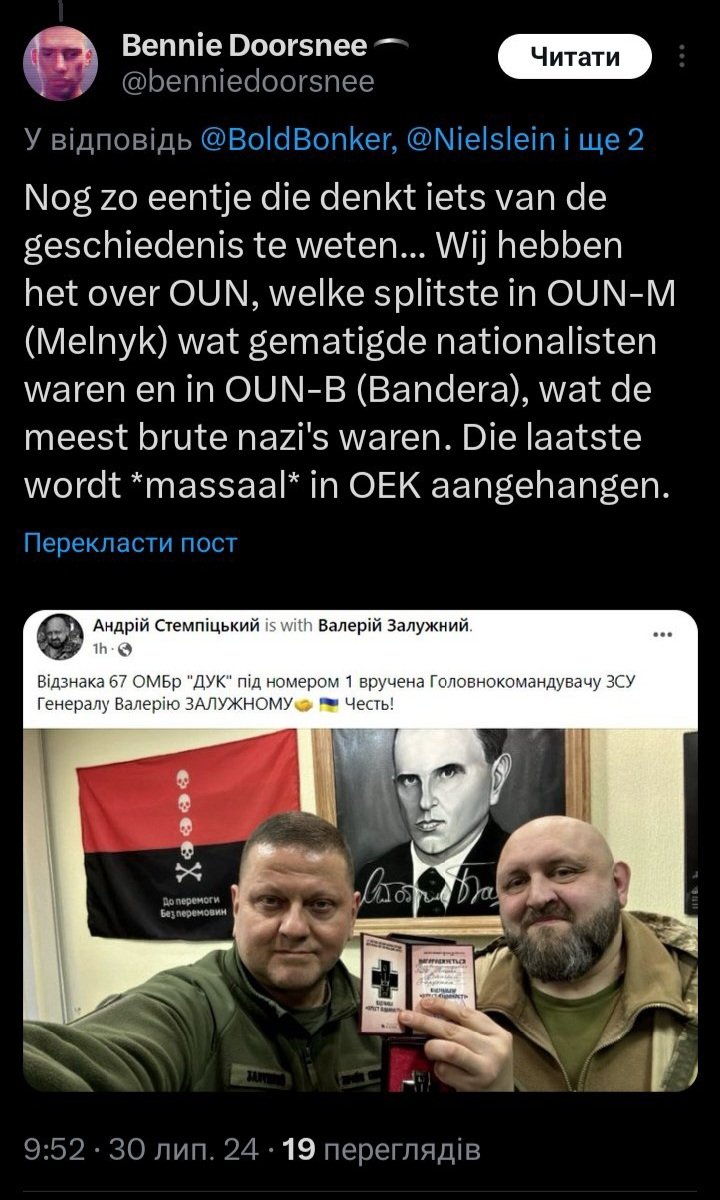
The time has come to debunk one of the myths of Russian propaganda.

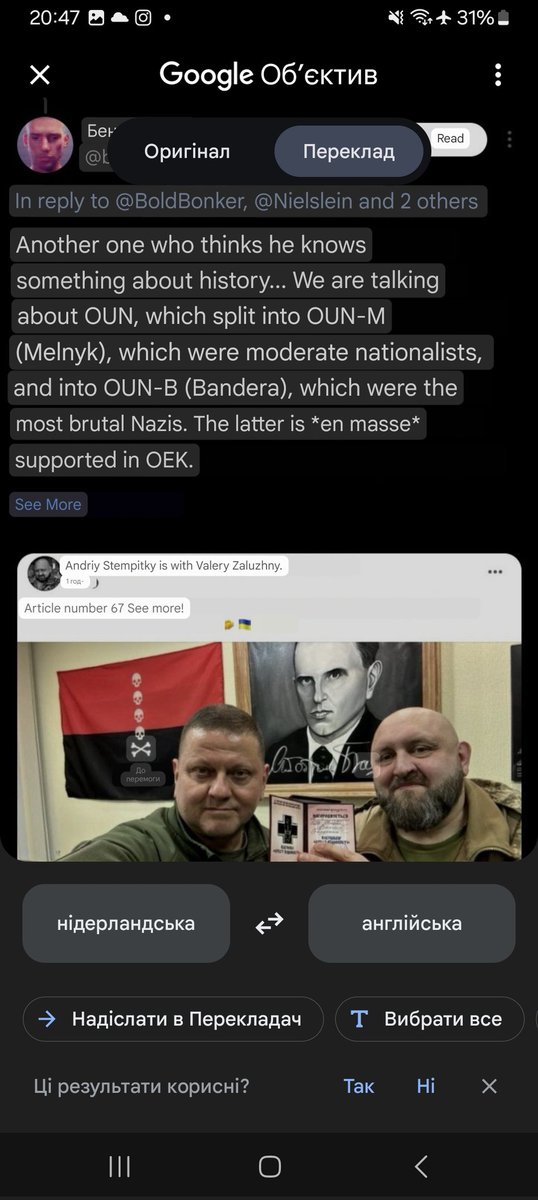
I saw this tweet from a Russian asset and it made me laugh. But I realized that many foreigners have no knowledge of Ukrainian history. Therefore, I will try to write briefly about Stepan Bandera, his difference from Andrii Melnyk and the Ukrainian struggle for independence in the middle of the 20th century.

What did I mean when I said that I find it funny to read this piece of Russian propaganda? This is the fact that the Russian asset speaks positively about Melnyk, but most Ukrainians have a cool attitude towards Andriy Melnyk due to the fact that he at a certain period relied on cooperation with the Nazi government with the hope that the Germans would support the restoration of Ukraine's independence. And Stepan Bandera is a symbol of resistance to two bloody dictatorships - Nazism and Communism. This symbolism is clearly illustrated in his biography - Bandera was a prisoner of a German concentration camp, his brothers were killed by the Nazis, and Stepan was killed by communists from the KGB.Image
Image
But we must start with the fact that after the First World War, Ukraine lost its independence after a short time and was occupied by several states, including the Soviet Union and Poland.
Ukrainians became the largest nation without its own state in Europe. This contributed to the fact that insurgents who fought for the independence of their state appeared on Ukrainian territory. These were different organizations, but in this context we will talk about the organization of Ukrainian nationalists.

Ukrainian nationalists differed from nationalists in some other European countries. If nationalism in imperialist countries is about domination over other nations, then Ukrainian nationalism is about restoring one's own state, culture and language of the Ukrainian nation. This is a consequence of the fact that Ukraine was an occupied colony for centuries.

The organization of Ukrainian nationalists existed mainly in the Ukrainian territories that were in Poland. However, the rebels declared the need to restore the Ukrainian state both on the territory of Poland and on the territory of the Soviet Union. Therefore, they represented a threat to both countries.

Stepan Bandera, together with other rebels, was arrested by the Polish authorities for rebel actions and sentenced to death. Then the Poles reduced the punishment and handed down a sentence - life imprisonment. It should be noted that even under the threat of the death penalty, Bandera did not betray his ideas and proclaimed that Ukraine should become independent.

At that time, the organization of Ukrainian nationalists was headed by Yevhen Konovalets. He actively worked on the diplomatic front and tried to raise the issue of Ukrainian sovereignty in the League of Nations. The Soviet Union did not like this. Therefore, a KGB agent killed Yevhen Konovalts in Rotterdam, where he had been living for the last time. Konovaltsy is buried at the Kroswijk cemetery in Rotterdam.
Jun 1, 2023 6 tweets 4 min read
Continuation of my memories of the beginning of the war in Donbas in 2014.

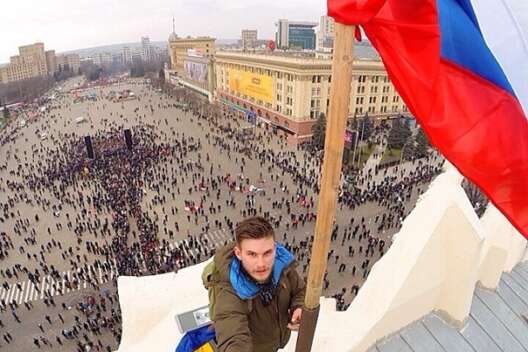
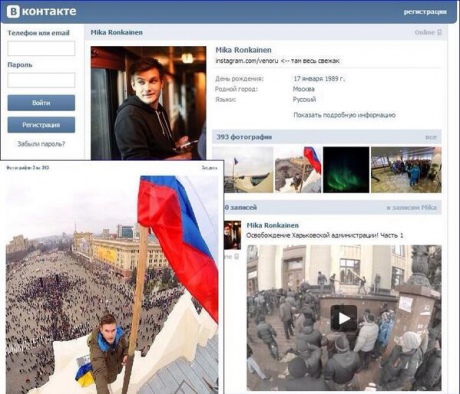
At the beginning of April, the Kremlin moved to a new stage of the conflict - taking control of administrative buildings, completely suppressing pro-Ukrainian activists and creating falsified referendums… twitter.com/i/web/status/1… There are many facts about the fact that the Russians intervened in the situation in Ukraine and are involved in the seizure of administrative buildings.

One example is the seizure of the building of the Kharkiv State Administration. Then a pro-Russian rally attacked a rally in… twitter.com/i/web/status/1… ImageImage
May 27, 2023 6 tweets 3 min read
Continuation of the story about the beginning of the war in Donbas in 2014.  I remind you that these are my subjective memories of events as a resident of Donbass.  Some moments I could forget.  But the general picture remains true.

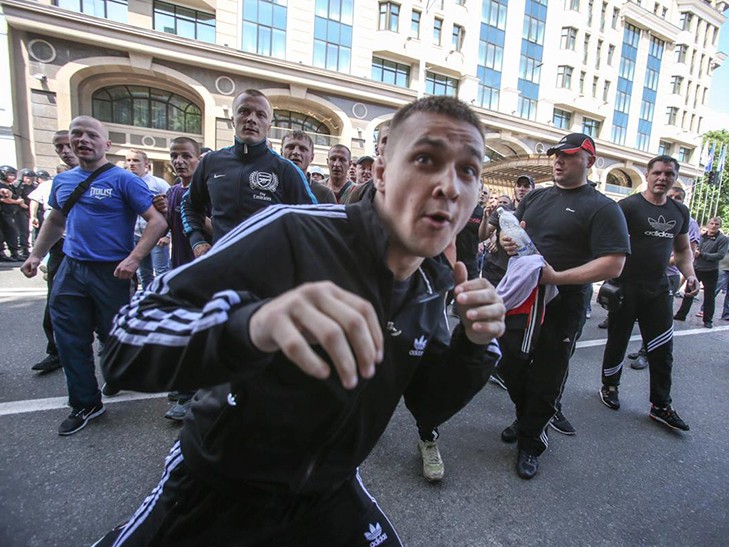
After Yanukovych's escape to Russia, the… twitter.com/i/web/status/1… The same situation began to occur in Donetsk and some other regions.  Pro-Russian rallies, which consisted of real people who support Russia, and  sportsmens-"tituski", and provocateurs brought from Russia.
On March 13, the first Ukrainian to die in Donetsk was 22-year-old Dmytro… twitter.com/i/web/status/1…
May 23, 2023 4 tweets 2 min read
As a resident of Donbas, I was asked to tell about the beginning of war in Donbas in 2014.

But this is a long story. So I'll do it in a few threads over the next few days.

I realized that before I talk about the beginning of the war in Donbas, I need to talk a little about the… twitter.com/i/web/status/1… If we turn to the situation in Donbas, then it was calm there. There were also rallies in support of the Revolution of Dignity. Personally, I periodically traveled to Kyiv, and when I returned, I went to local protests.

The share of people who were wary of the possibility of… twitter.com/i/web/status/1… Image
Mar 24, 2023 10 tweets 3 min read
It was a difficult almost 2 months of fighting near Bakhmut. Yes, we could not always stop the enemy. But for every meter of our land, the enemy paid a lot of blood.
We did everything we could. And now we have a little rest. I wanted to write that "the enemy paid a high price for every meter of our land." But I saw with my own eyes that most of their soldiers are worthless to Russia.