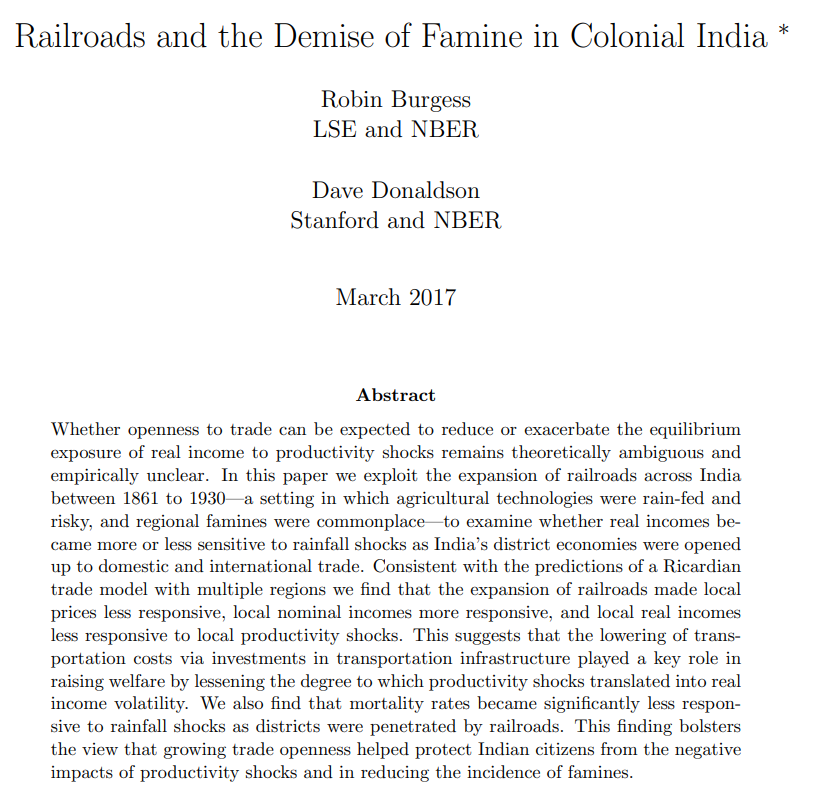
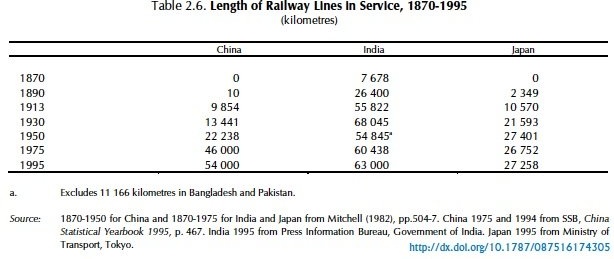
The British are often blamed for millions of Indian famine deaths. This is exactly backwards; like all Malthusian agrarian civilizations famines were a primordial feature of Indian life, ended in peacetime by Raj-built railroads that allowed shipping food to affected areas.
Part of the reason the Raj is attacked for this is that, unlike prior government in India, they wrote reports about the famines under them to try and figure out how to prevent future ones, and eventually succeeded (peacetime famines in India ended before they did in Russia).
The awful book Late Victorian Holocausts is one source of this myth. Not coincidentally it is written by an actual Communist (Trotskyist) who does not believe in market dynamics and does not understand the universality of poverty in the premodern world. hlogserver.blogspot.com/2021/07/a-refu…
This myth leads to, among other things, unhinged beliefs like British-caused-famines making Indians less muscular due to natural selection today. This would be funny, except you don't want people who see you as an ancestral racial enemy holding power over you.
The slight decline in Indian incomes under the Raj is because of rapid population growth in a land-limited agrarian society, a consequence of successful famine/disease control and above all peace. You see the same in most peaceful Malthusian societies.
• • •
Missing some Tweet in this thread? You can try to
force a refresh

More excerpts on Colonial Mexico from TR Fehrenbach's "Fire and Blood" (1973). Fehrenbach saw the discovery of silver in Mexico, mostly in the arid north, as a disaster, as it led to Spain administering Mexico as a loot box rather than developing the productive economy.
The thinly-populated, but silver-rich North became a military frontier.
The suspicious Spanish Crown gave those born in Spain, the peninsulares, a monopoly on offices (and commerce) in New Spain. As offices were the main route to upwards mobility, the local creoles resented this.
Thread with excerpts from the colonial Mexico portion of "Fire and Blood: A History of Mexico" (1973).
The Catholic Monarchs who united Spain reined in the aristocracy, abolished serfdom, disempowered the Castilian parliaments, and ended all noble presumptions to royal powers and revenues, creating a new bureaucracy (with a new army) to run the state loyal to themselves.
Spain combined this modern bureaucratic state and army with maintenance of privileges for the old nobility and an almost medieval religious mindset.
Thread with excerpts from the Spanish Conquest section of T. R. Fehrenbach's "Fire and Blood: A History of Mexico" (1973).
According to the Mexic accounts, the years leading up to the arrival of Cortes were full of terrible omens. To avert the prophesized disaster, Montezuma (disastrously) greatly increased tribute from subject cities and even replaced the govt of his (now former) ally Texcoco.
Repartimiento and encomienda, systems by which Indians were 'entrusted' to a Spaniard and owed him labor for protection, were not at all unusual; most Eurasian farmers bore similar burdens and both were long-standing Iberian institutions.
Thread with excerpts from the pre-Columbian chapters of T. R. Fehrenbach's Fire and Blood: A History of Mexico (1973/1995). This is a very dense and detailed book; this thread is not even close to comprehensive.
Meso-American civilization was one civilization; there were no separate Aztec/Mexic/Yucatec/Maya/etc civilizations. The peoples discovered by Cortes were inheritors rather than creators.
For its entire history, Meso-American culture was extraordinarily urban, more like the Orient than that of the European dark ages. But these were not so much commercial or mercantile cities as religious and defensive ones.
Thread with excerpts from Richard Pipes' Property and Freedom (1999). Pipes is a historian of Russia, and the thesis of the book is that private property, as something distinct and protected from public power and sovereignty, is indispensable to human freedom.
One of the fundamental differences between Russia and the rest of Europe lay in the weak development of private property; one of the major themes of Western philosophical history is the benefits and drawbacks of private property; Russian philosophers unanimously condemn it.
Freedom, as used by Pipes, includes political freedom, legal freedom, economic freedom, and personal rights. It does not include the right to public support ("freedom from want"); such 'rights' are at best a moral claim and at worst an unearned privilege.
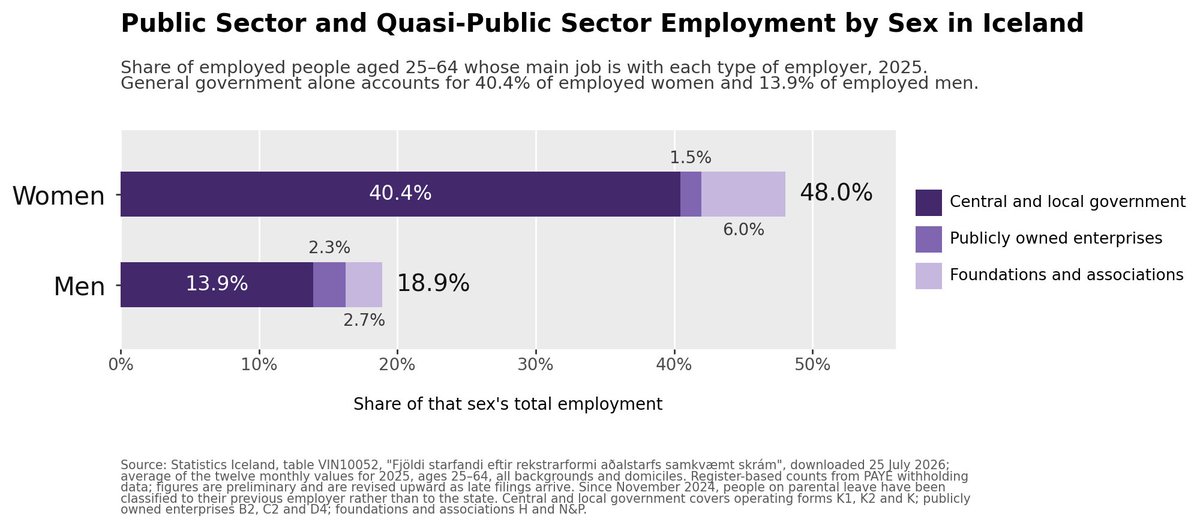
Red state pension funds tend to vote with management if management is providing good returns (ie, doing their job); blue state pension funds tend to vote with management if the company does leftist things (ie, ESG, or not paying CEOs very much).
This reflects a general difference in attitude towards institutions; rightists prefer institutions do what they were created for (eg police should fight crime, the military should fight wars, companies should make money doing their business, schools should teach)...
...while left-wingers want every institution to have pushing the Party Line as its #1 priority (extremely totalitarian in that regard). The formers produces a better society, the latter is more politically powerful but destroys everything in the long run.