I'm obsessed with cognitive biases.
A "cognitive bias" is a systematic error in thinking that destroys decision-making.
11 most powerful (and dangerous) cognitive biases I've found: 🧵
1. Parkinson's Law:
A "cognitive bias" is a systematic error in thinking that destroys decision-making.
11 most powerful (and dangerous) cognitive biases I've found: 🧵
1. Parkinson's Law:
1. Parkinson's Law
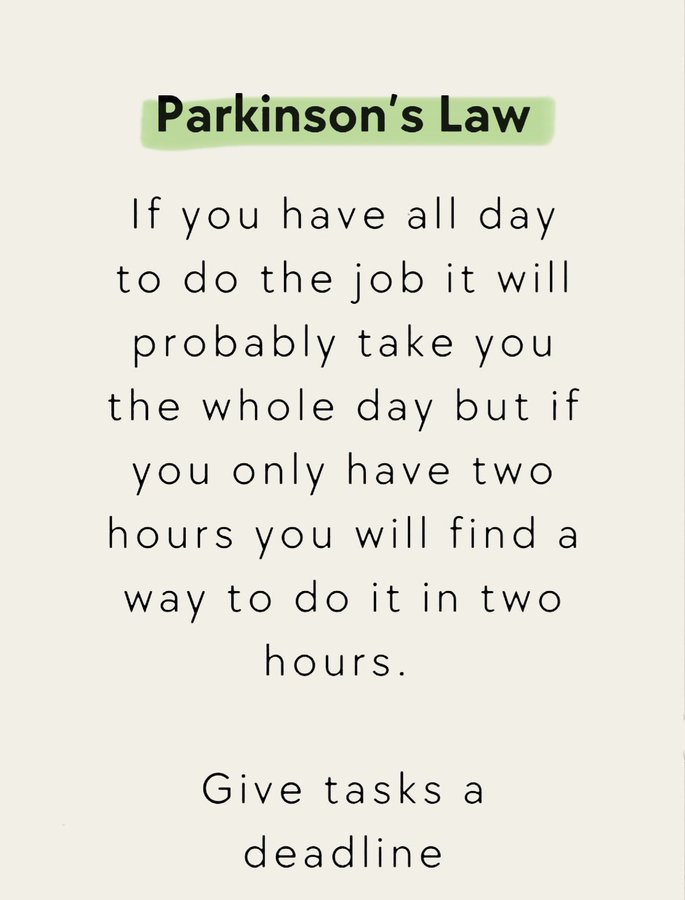
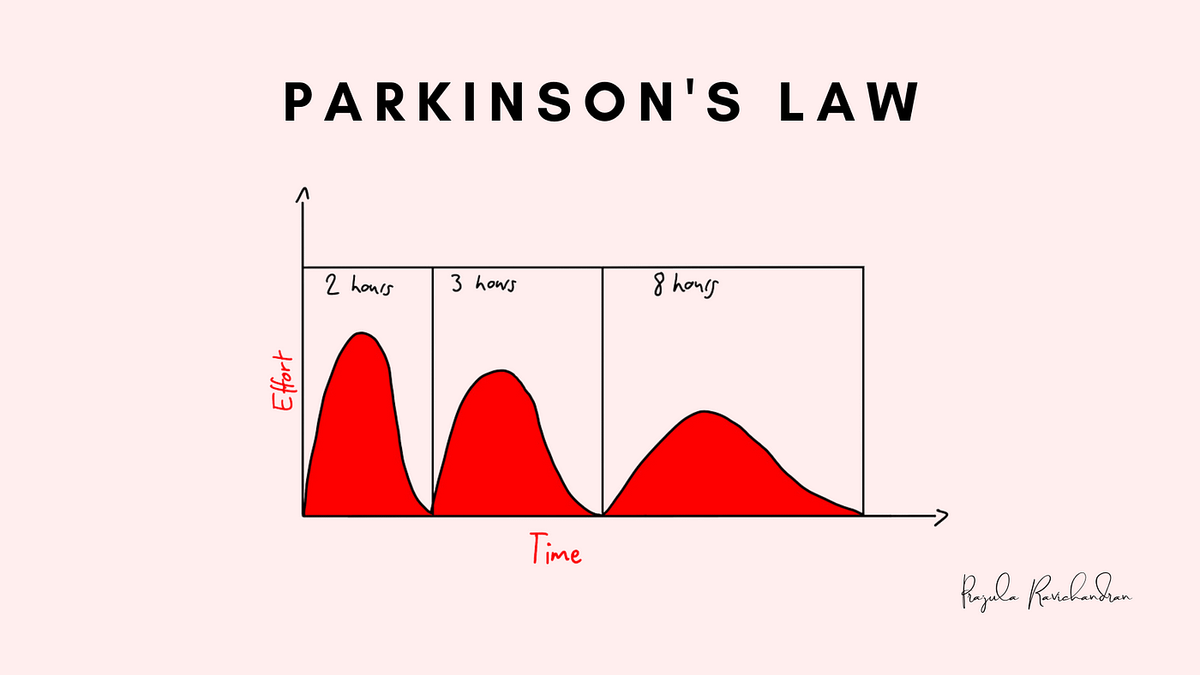
Work expands to fill the time you give it.
Give yourself a week? It takes a week.
Give yourself an hour? Done in 60 minutes.
The fix: Track task duration and energy levels ruthlessly.
Work expands to fill the time you give it.
Give yourself a week? It takes a week.
Give yourself an hour? Done in 60 minutes.
The fix: Track task duration and energy levels ruthlessly.
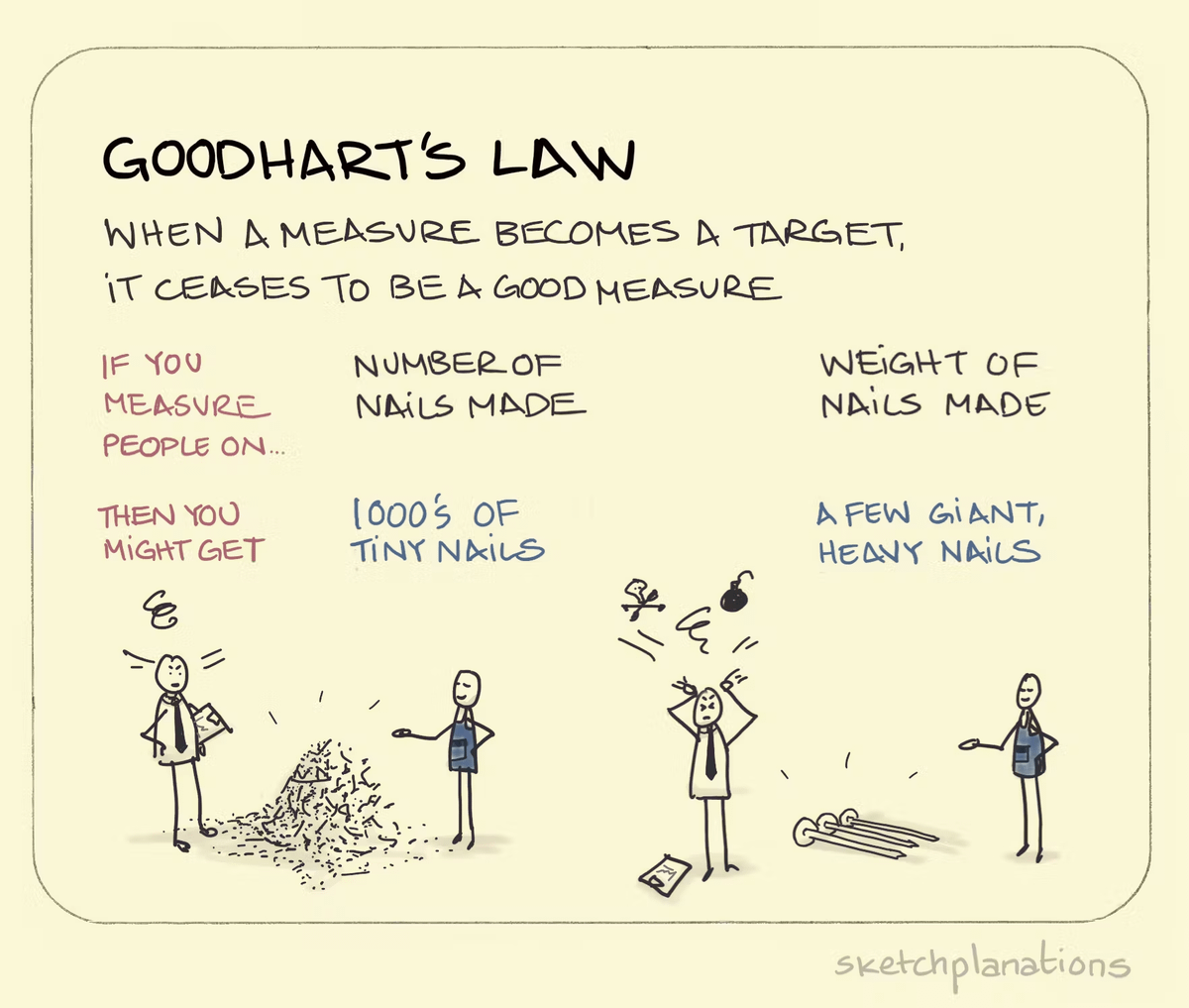
2. Goodhart's Law
When a measure becomes a goal, it stops being a good measure.
Exams were meant to test learning.
Now? Schools chase scores, not education.
The metric became the mission—and the mission died.
When a measure becomes a goal, it stops being a good measure.
Exams were meant to test learning.
Now? Schools chase scores, not education.
The metric became the mission—and the mission died.
3. The Curse of Knowledge
Experts assume everyone knows what they know.
Result? They can't teach. Can't lead. Can't explain.
Simplicity is an art few masters possess.
Experts assume everyone knows what they know.
Result? They can't teach. Can't lead. Can't explain.
Simplicity is an art few masters possess.

P.S. If you want my collection of the best, most useful mental models, cognitive biases, and mental fallacies, grab a free copy here:
Now back to the thread ❤️
besuperhuman.gumroad.com/l/mentalmodels
Now back to the thread ❤️
besuperhuman.gumroad.com/l/mentalmodels
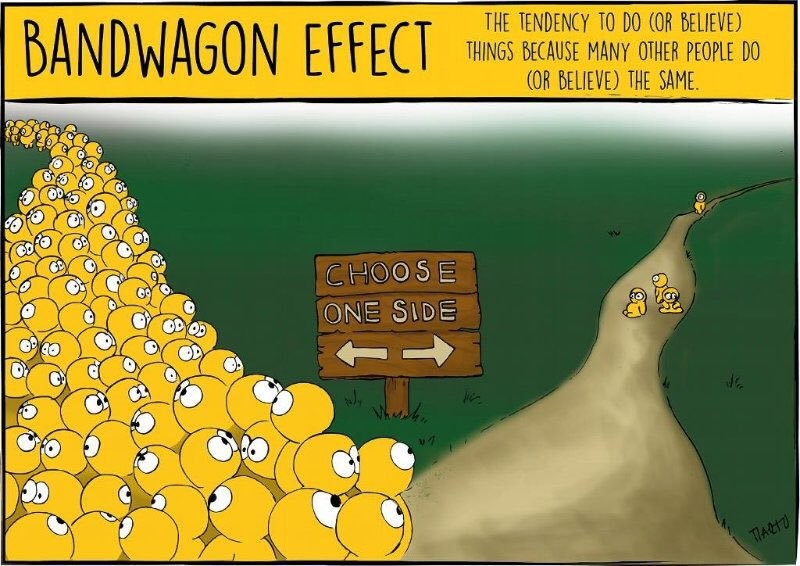
4. The Bandwagon Effect
We follow the crowd without thinking. Everyone's doing it? Must be right. Except it's not. It's groupthink.
And groupthink destroys independent judgment.
We follow the crowd without thinking. Everyone's doing it? Must be right. Except it's not. It's groupthink.
And groupthink destroys independent judgment.
5. Egocentric Bias
You think you contribute more than you actually do. In group projects, everyone believes they carried the team.
Spoiler: They didn't.
You think you contribute more than you actually do. In group projects, everyone believes they carried the team.
Spoiler: They didn't.

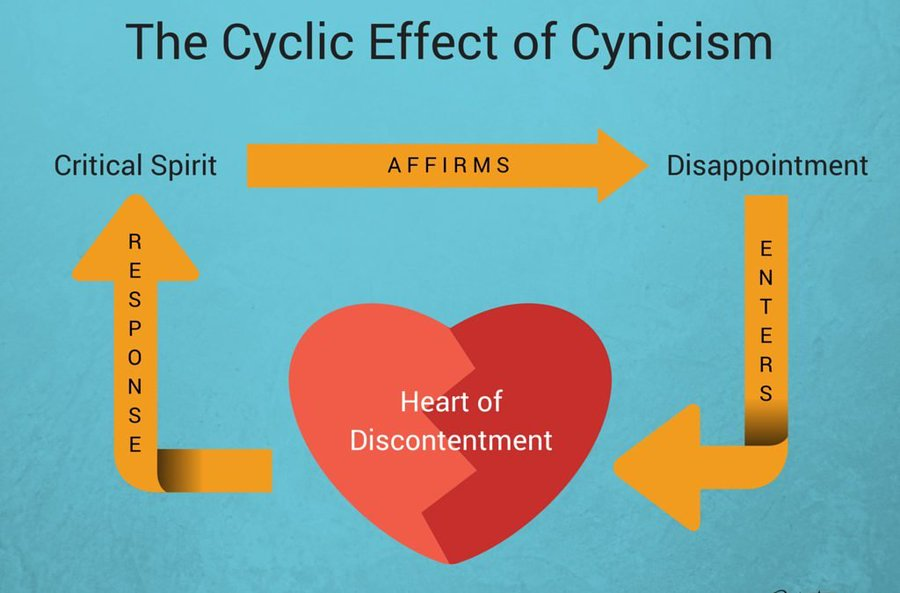
6. Cynicism Bias
Cynical people think they're smarter.
Research proves the opposite. Deep cynicism is a defense mechanism, not intelligence.
Moderate skepticism? Useful. Full cynicism? Toxic.
Cynical people think they're smarter.
Research proves the opposite. Deep cynicism is a defense mechanism, not intelligence.
Moderate skepticism? Useful. Full cynicism? Toxic.
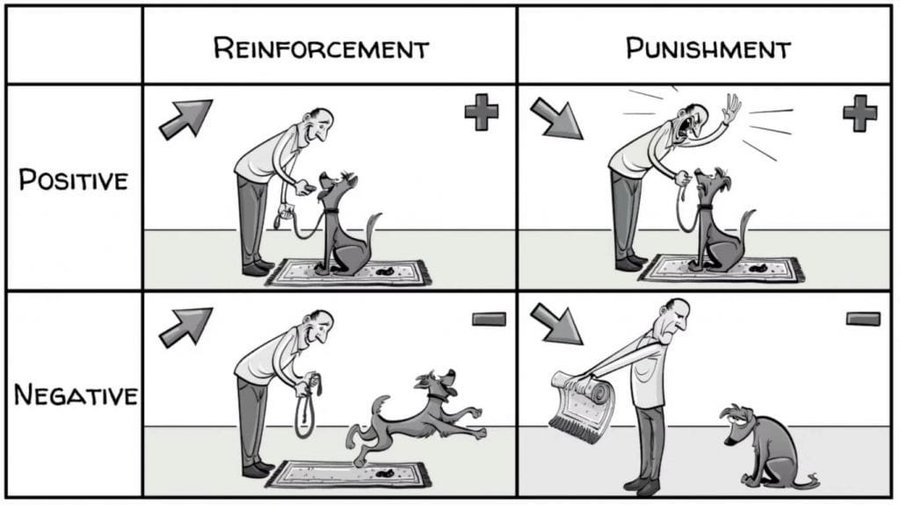
7. Skinner's Law
Two ways to beat procrastination:
1. Make NOT doing it more painful than doing it.
2. Make doing it more enjoyable than avoiding it.
Pain or pleasure. Pick your weapon.
Two ways to beat procrastination:
1. Make NOT doing it more painful than doing it.
2. Make doing it more enjoyable than avoiding it.
Pain or pleasure. Pick your weapon.
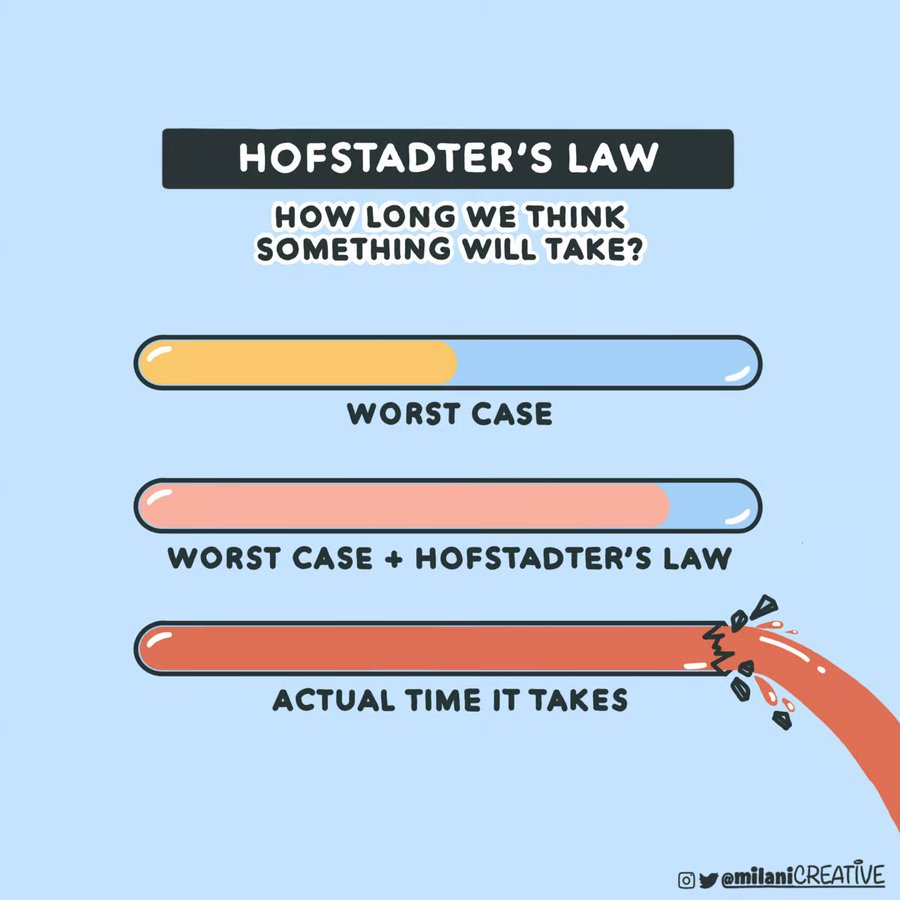
8. Hofstadter's Law
Projects take longer than expected—even when you account for Hofstadter's Law.
Double the time.
Triple the budget.
Despite your best calculations.
Projects take longer than expected—even when you account for Hofstadter's Law.
Double the time.
Triple the budget.
Despite your best calculations.
9. Elon's Law
Beat Hofstadter's Law with an insanely ambitious deadline.
Even if it takes 3x longer, you're still ahead.
Elon missing deadlines isn't a bug—it's a feature.
Beat Hofstadter's Law with an insanely ambitious deadline.
Even if it takes 3x longer, you're still ahead.
Elon missing deadlines isn't a bug—it's a feature.
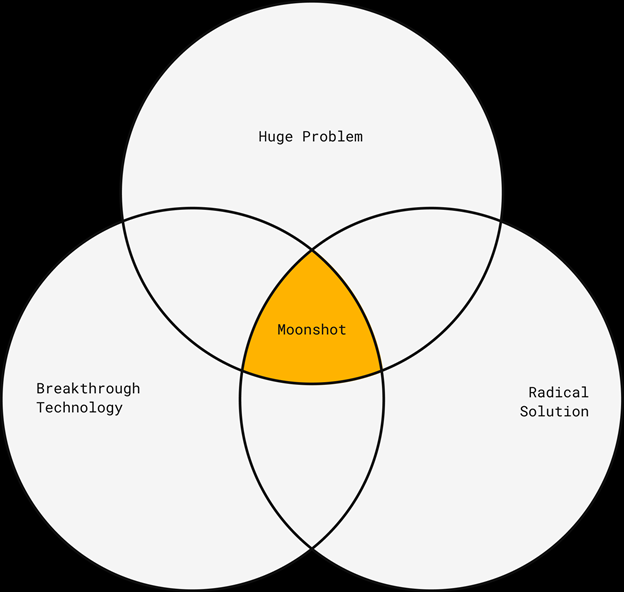
10. Loss Aversion
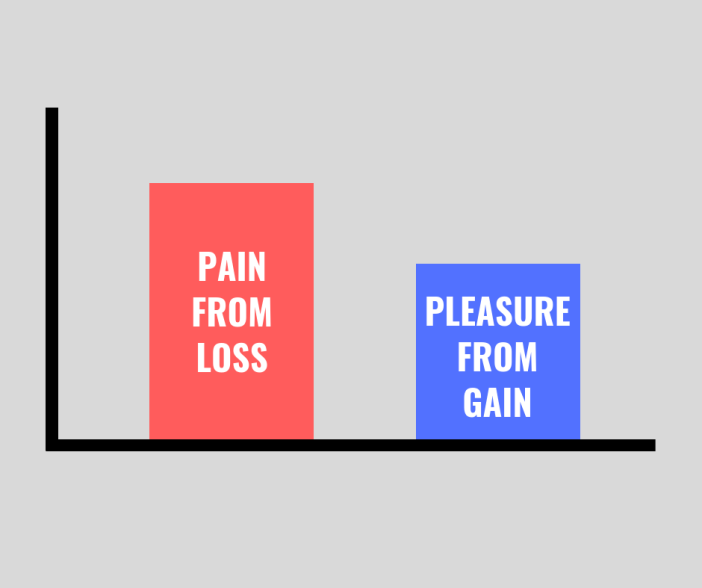
The pain of losing $100 hurts more than the joy of winning $100.
Discovered by Tversky and Kahneman.
Humans avoid losses harder than they chase gains.
That's why fear sells better than hope.
The pain of losing $100 hurts more than the joy of winning $100.
Discovered by Tversky and Kahneman.
Humans avoid losses harder than they chase gains.
That's why fear sells better than hope.
11. Occam's Razor
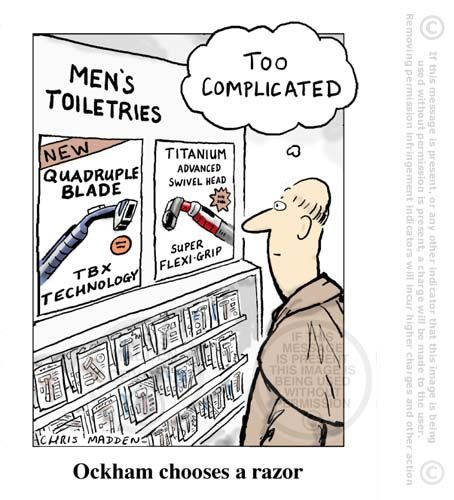
The simplest explanation is usually correct.
Stop overcomplicating.
Stop adding assumptions.
Simple wins.
The simplest explanation is usually correct.
Stop overcomplicating.
Stop adding assumptions.
Simple wins.
Bonus wisdom from Feynman:
"It doesn't matter how beautiful your theory is. It doesn't matter how smart you are. If it doesn't agree with the experiment, it's wrong."
Reality always wins.
"It doesn't matter how beautiful your theory is. It doesn't matter how smart you are. If it doesn't agree with the experiment, it's wrong."
Reality always wins.
Want the full collection of mental models, cognitive biases, and thinking frameworks?
Grab my free guide:
besuperhuman.gumroad.com/l/mentalmodels
Grab my free guide:
besuperhuman.gumroad.com/l/mentalmodels
Thank you for reading this thread.
What’s your ONE big takeaway from this story?
Follow me @GeniusGTX for more threads about the hidden brilliance of ancient civilizations.
Like/Repost the first tweet below to spread the wisdom: ↓
What’s your ONE big takeaway from this story?
Follow me @GeniusGTX for more threads about the hidden brilliance of ancient civilizations.
Like/Repost the first tweet below to spread the wisdom: ↓
https://twitter.com/1616717958411059202/status/2006002387555930231
• • •
Missing some Tweet in this thread? You can try to
force a refresh