Anti-Mexican immigration thread. Many American right-wingers have started defending Mexican immigration, often by comparison with MENA types in Europe. This is a mistake. First, Mexicans are just not very smart. On white American norms, they tend to score around 90. 
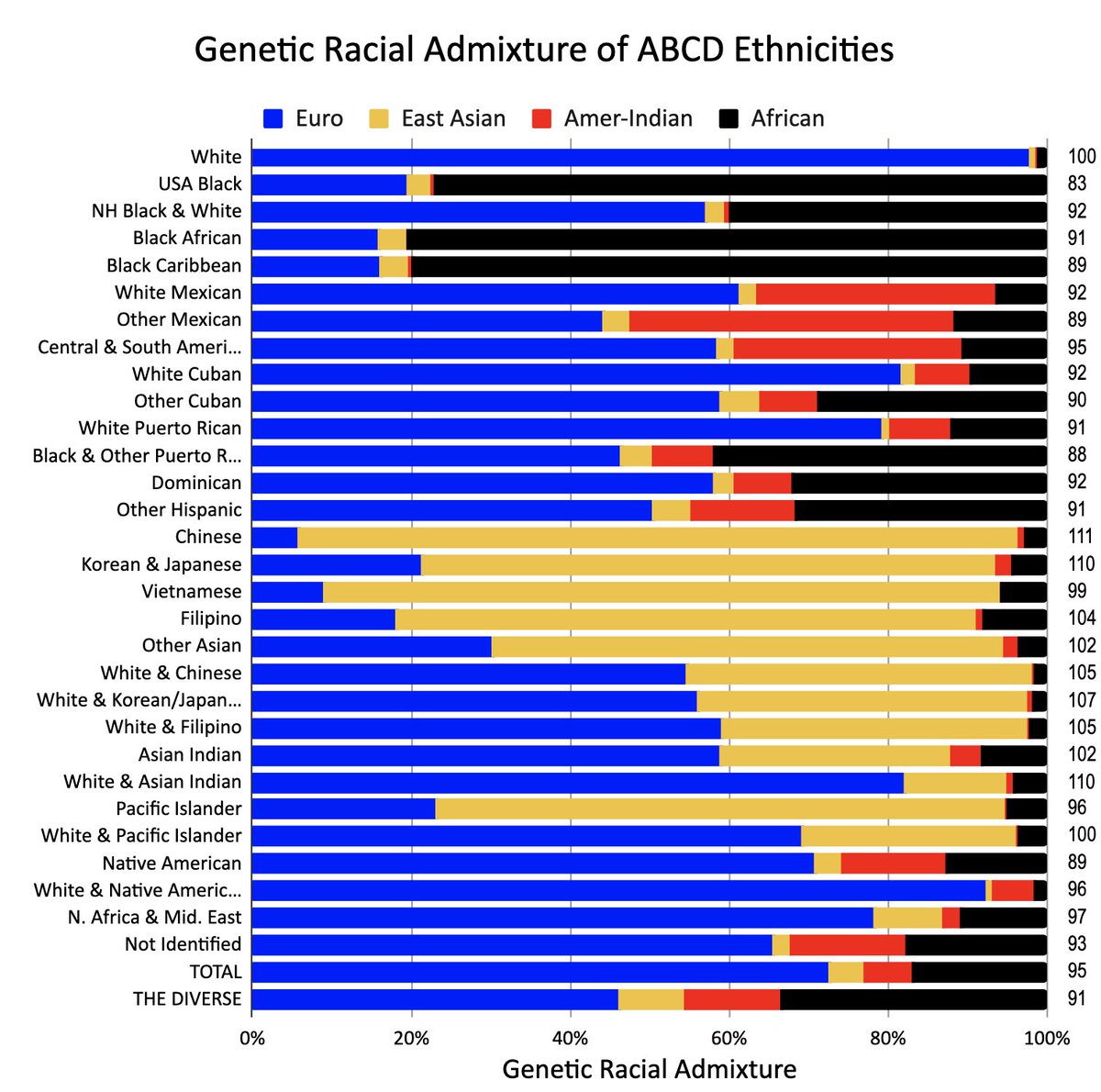
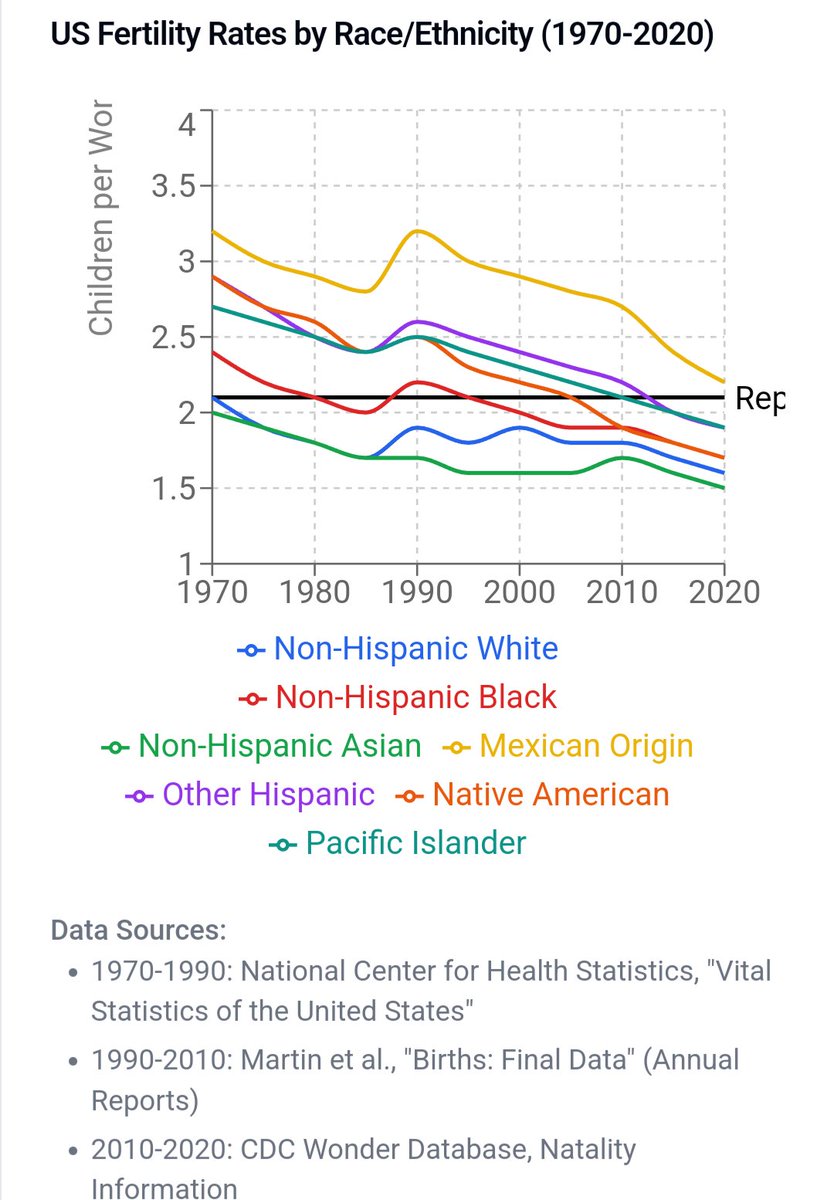
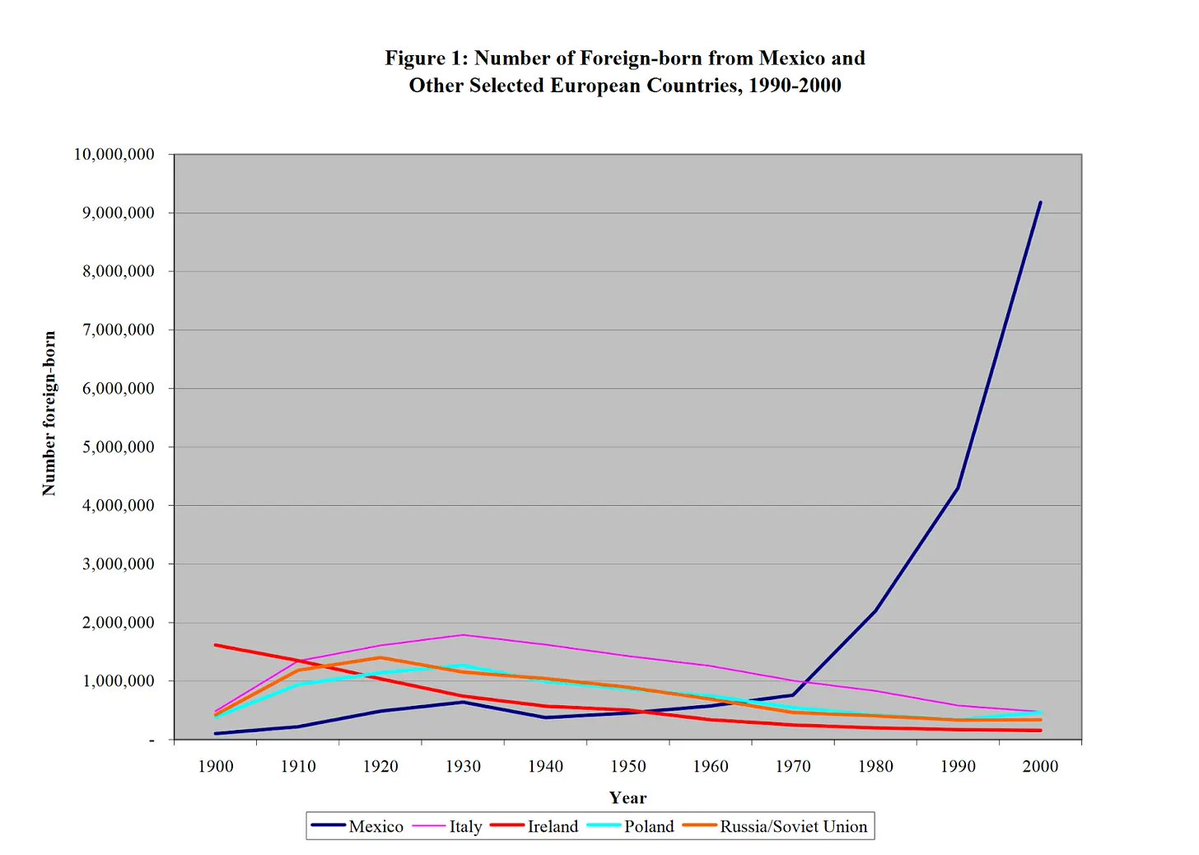
Mexicans are most responsible for the racial transformation and hence dumbing down of America; for roughly 30 years (until 2008) hundreds of thousands crossed the border annually (mostly illegally, about 1/2 of total immigration) and they also had exceptionally high TFR.
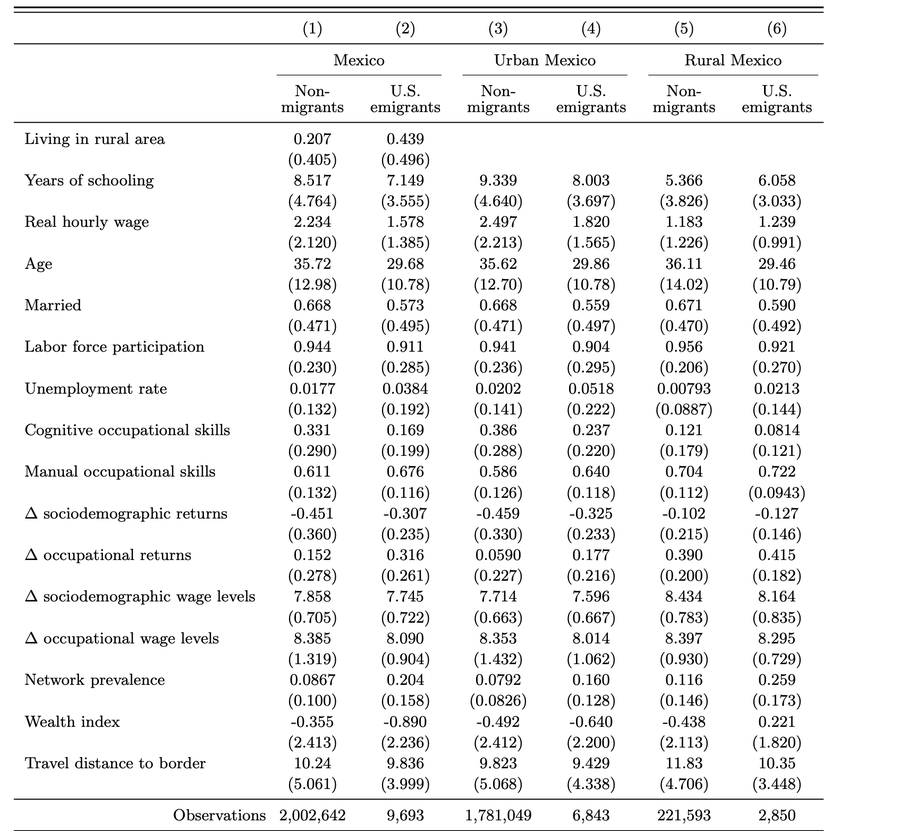
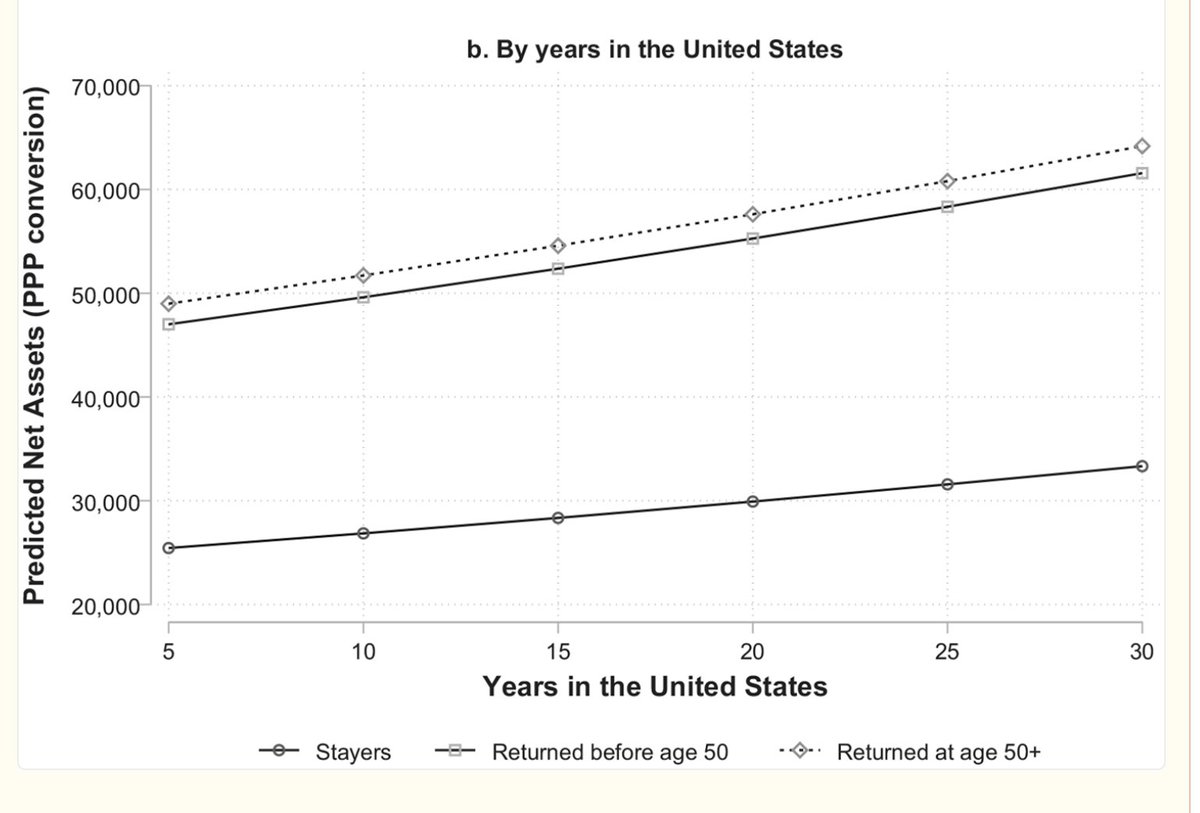
Mexican immigrants to the United States are actually negatively selected, and those that return to Mexico are positively selected. It would be too strong to say we're getting Mexico's dregs, but they really aren't sending their best.
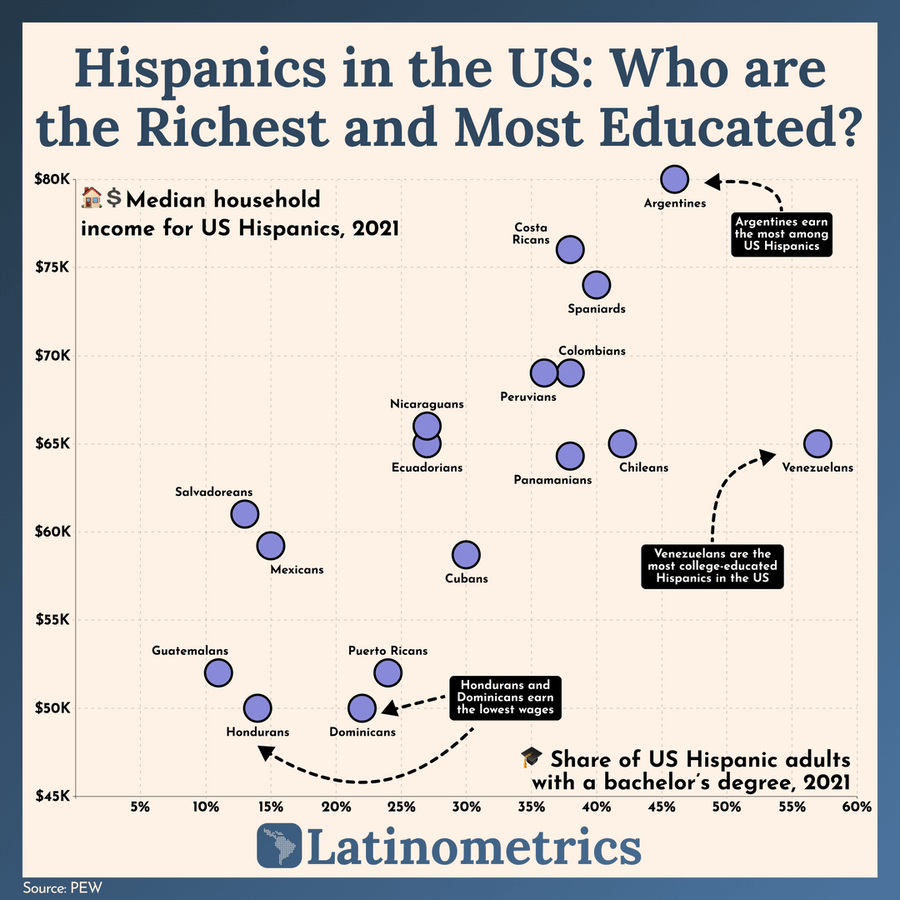
As a result, it's not a shock that Mexicans tend to be poor (about as poor as blacks) and not very educated, even by comparison to other Hispanic groups. Keep this in mind for future charts that refer to Hispanics rather than Mexicans (about 60% of US Hispanics are Mexican).
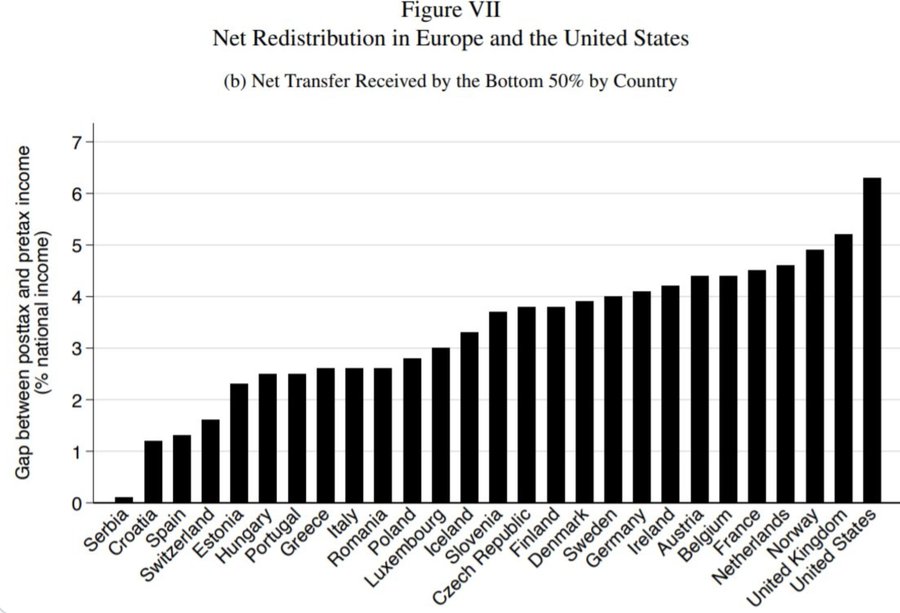
Mexicans are roughly as poor as blacks, but have more kids and live longer than whites, and hence are a huge fiscal drain given the extreme redistribution towards the poor and old plus high public education costs in the US.
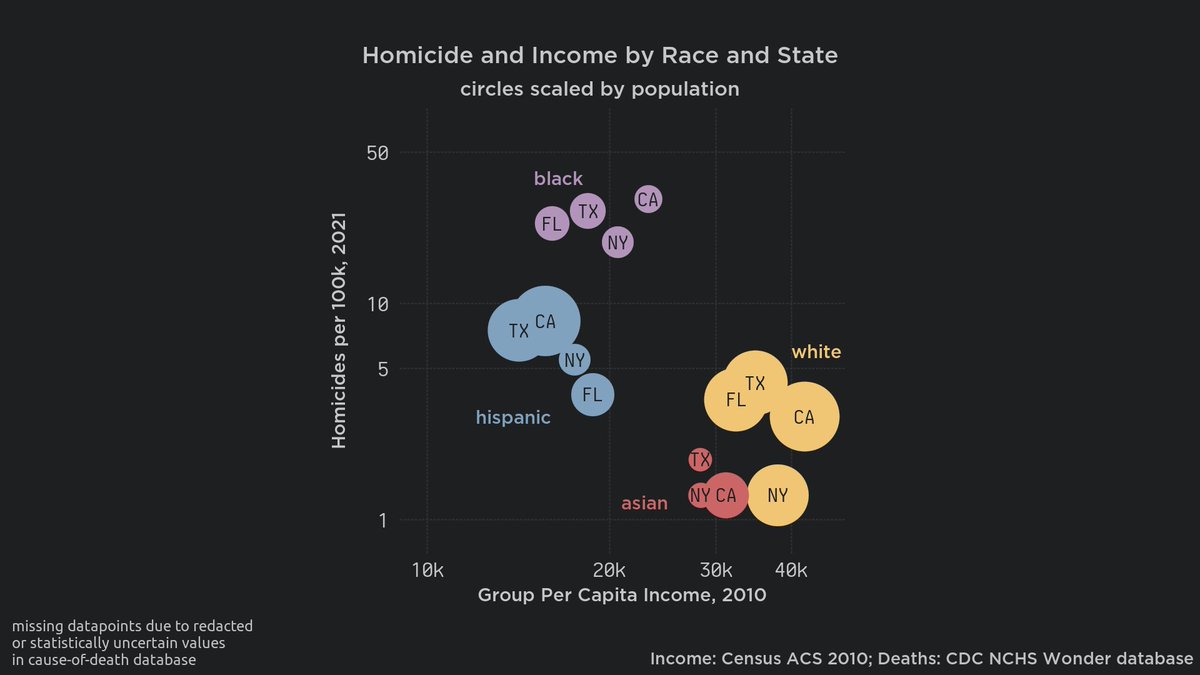
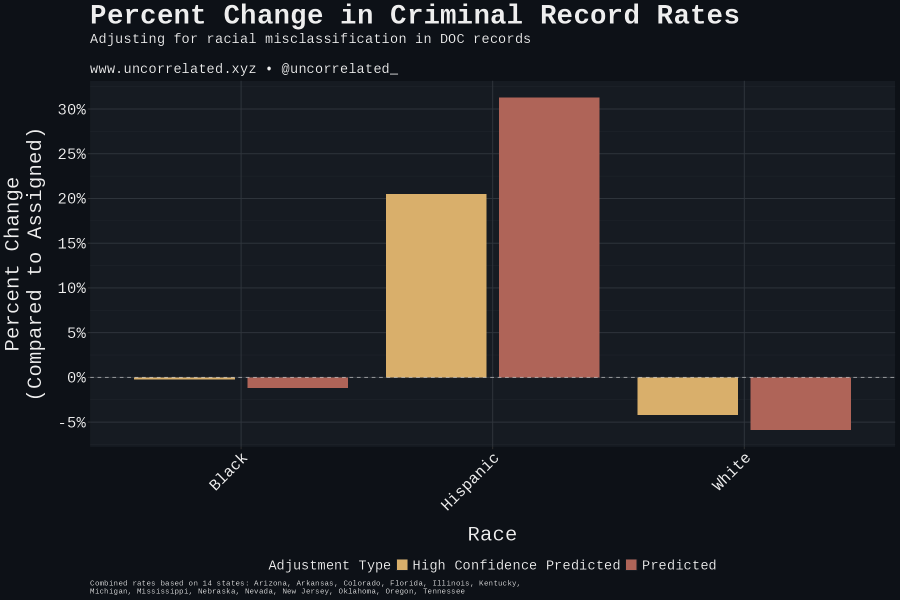
Hispanics are not as criminal as blacks, but are still around twice as criminal as white Americans, even with 1/4 of Hispanic criminals classified as white in official stats.
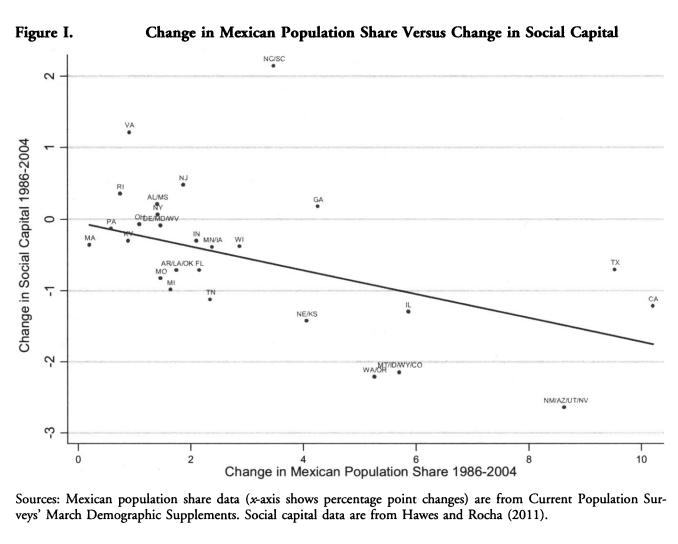
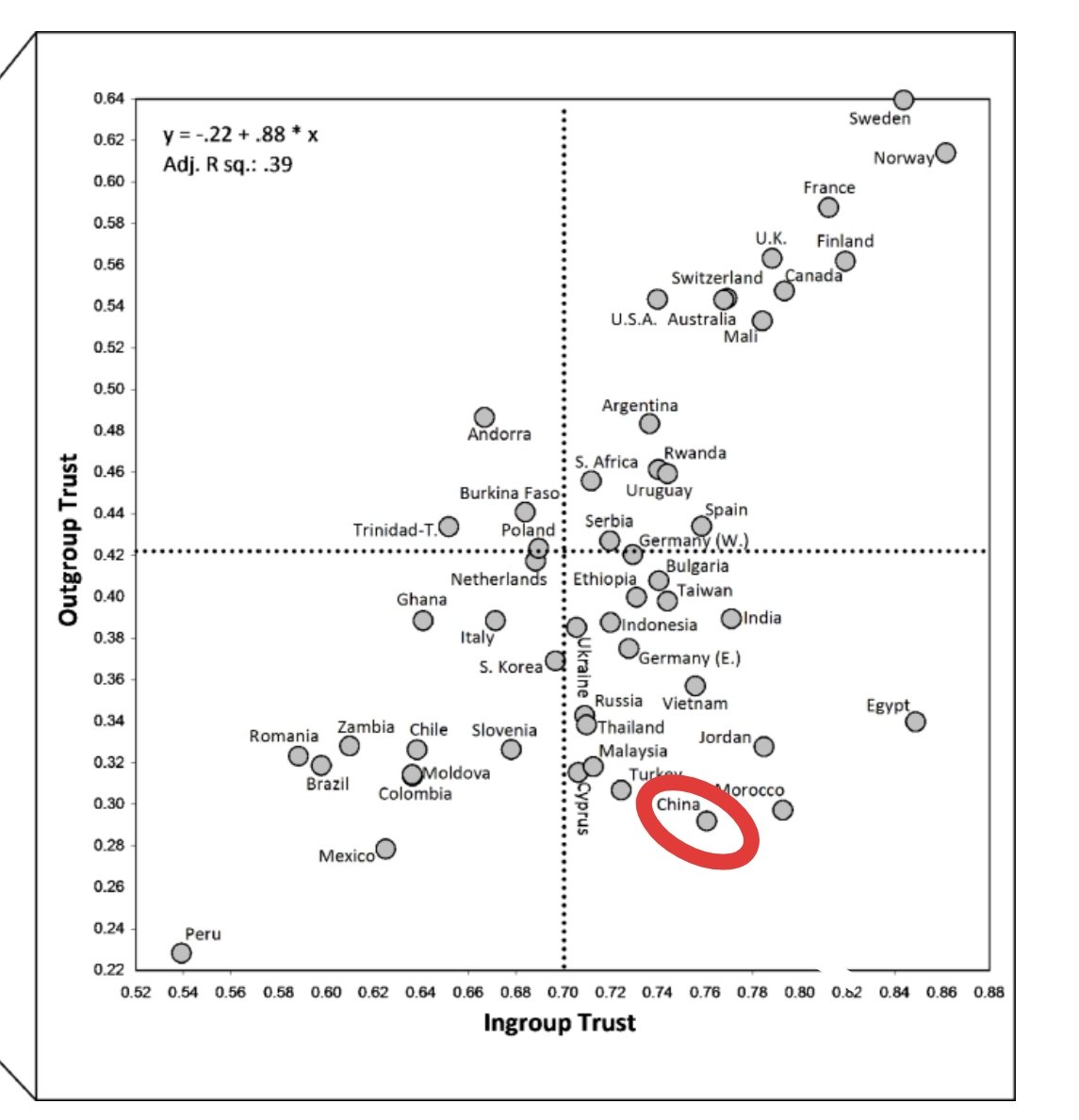
As such, it's not shocking Mexicans tend to distrust everyone (including other Mexicans) and areas in the US they move to tend to become less trustworthy.
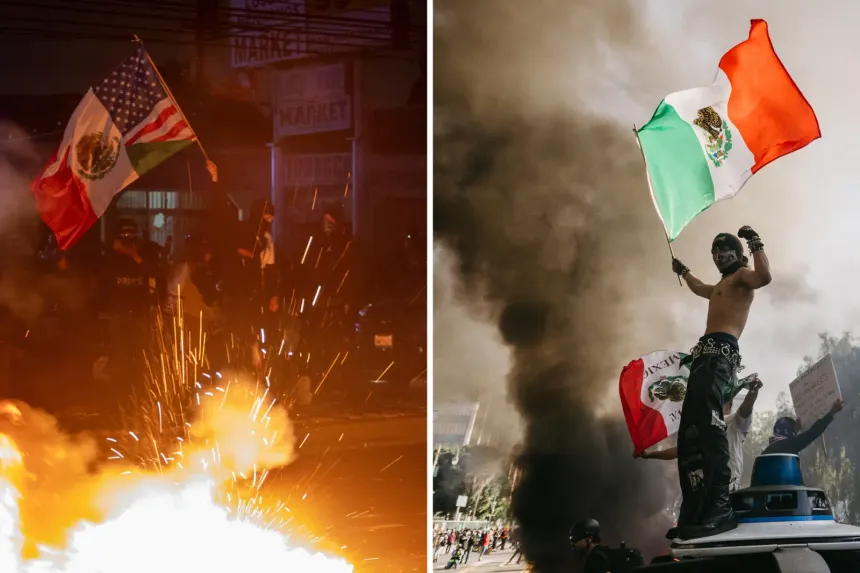
Often times you see people saying Mexicans are Western Christians and hence more assimilable than (usually) Muslims and sometimes Hindus. Mexicans themselves tend not to see it this way. In early 2025, there were weeks of Mexican race riots in Los Angeles.
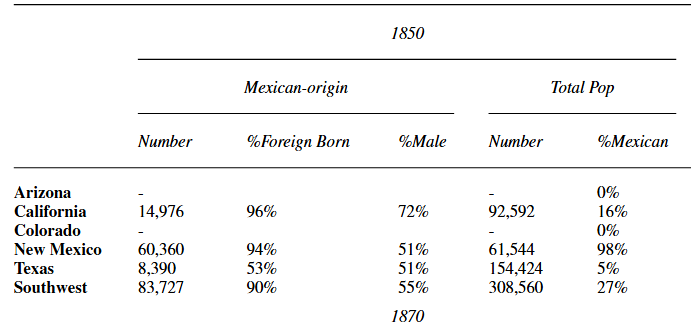
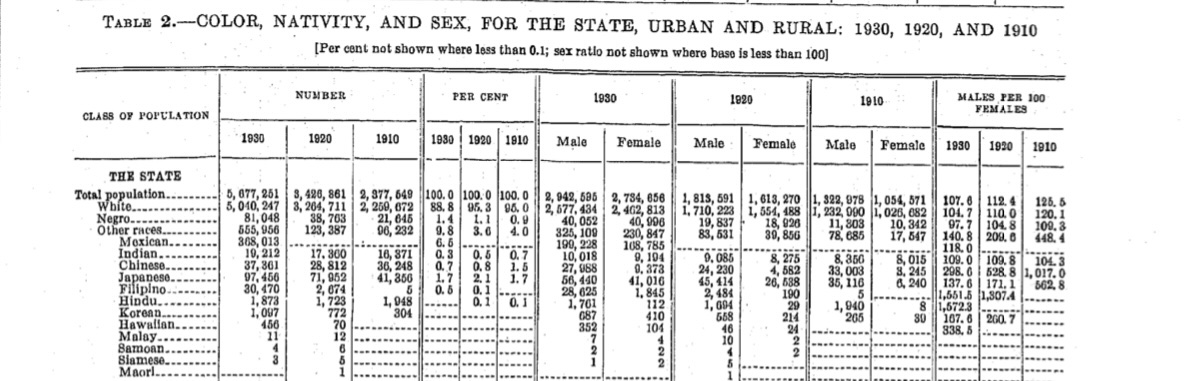
Like many groups, Mexicans have a self-serving mythology of US history in which half their country was stolen by gringos but built and populated by Mexicans after 1848. Reality is the Mexican cession was almost empty and ~all Mexican-Americans descend from post-1900 migrants.
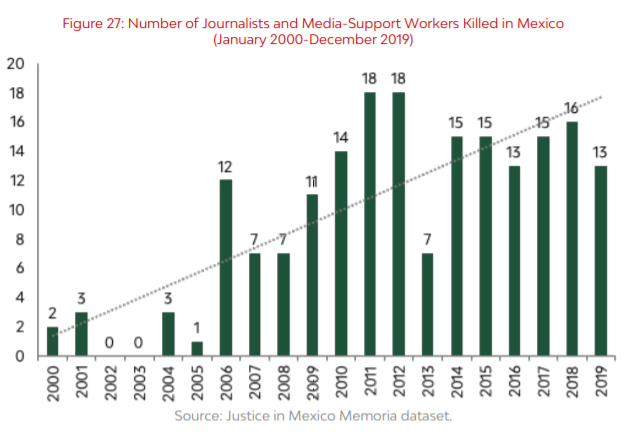
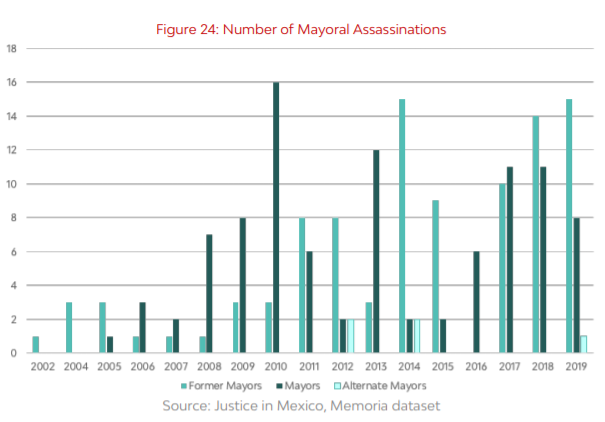
Mexico itself is corrupt, dysfunctional, and half-run by cartels, which spills over here through the diaspora. The iron law of immigration is that it makes receiving countries more like sending ones. You can see this in, for example, the conduct of both political parties.
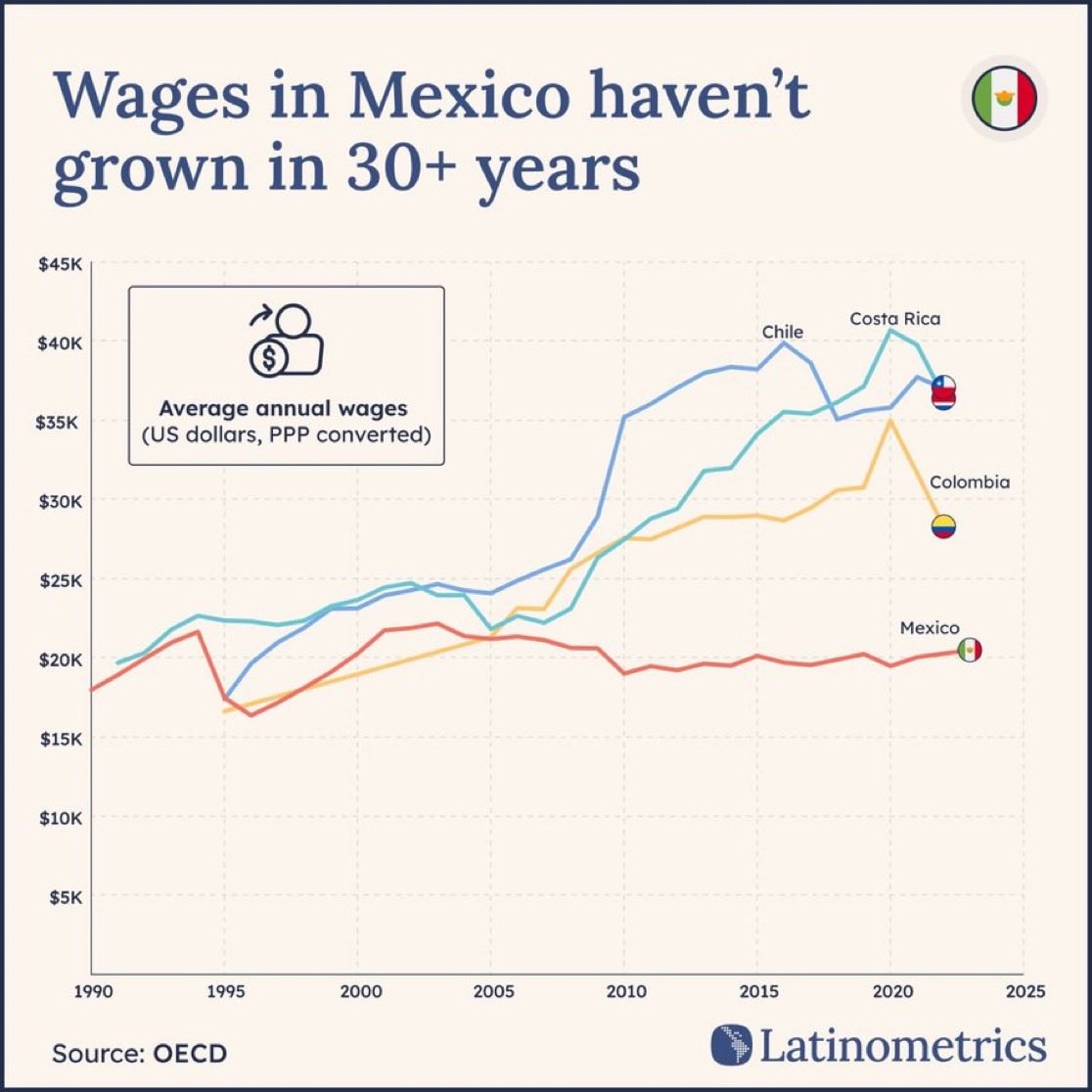

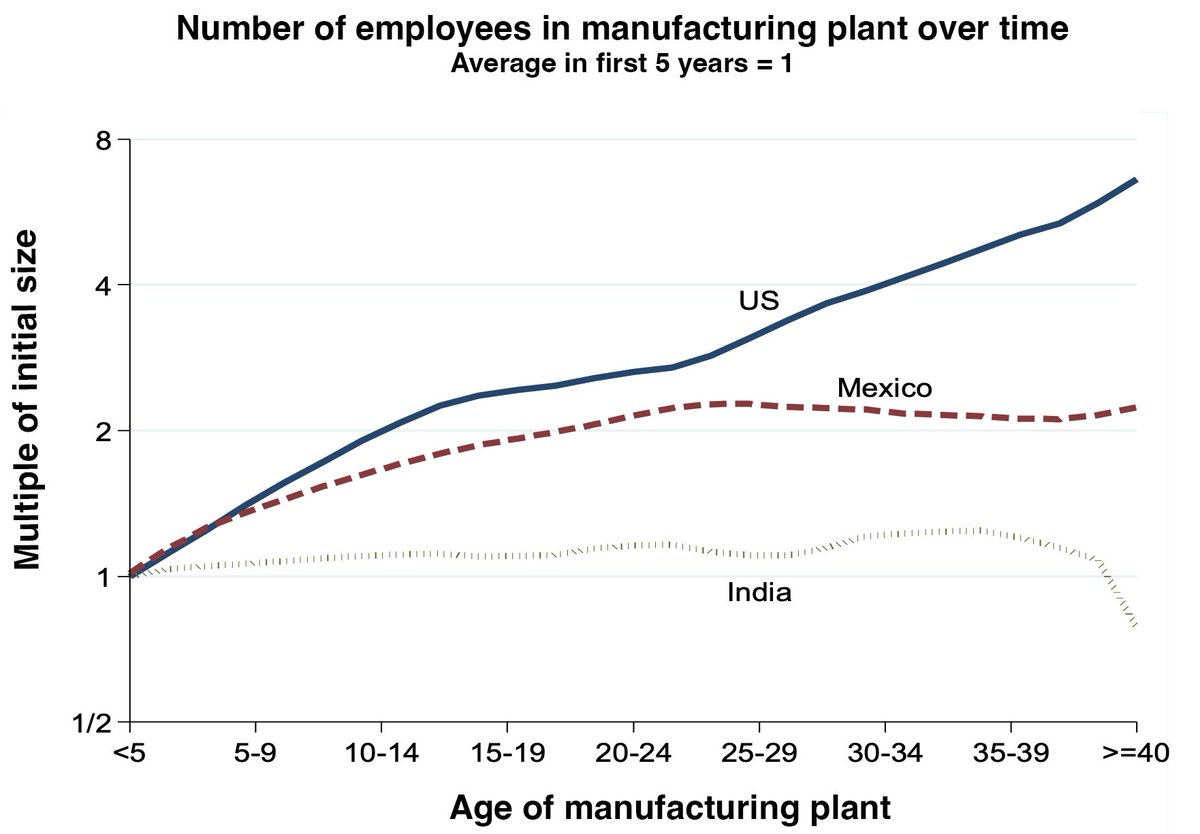
One effect of this is that successful firms really struggle to grow in Mexico, which screws up the entire economy.
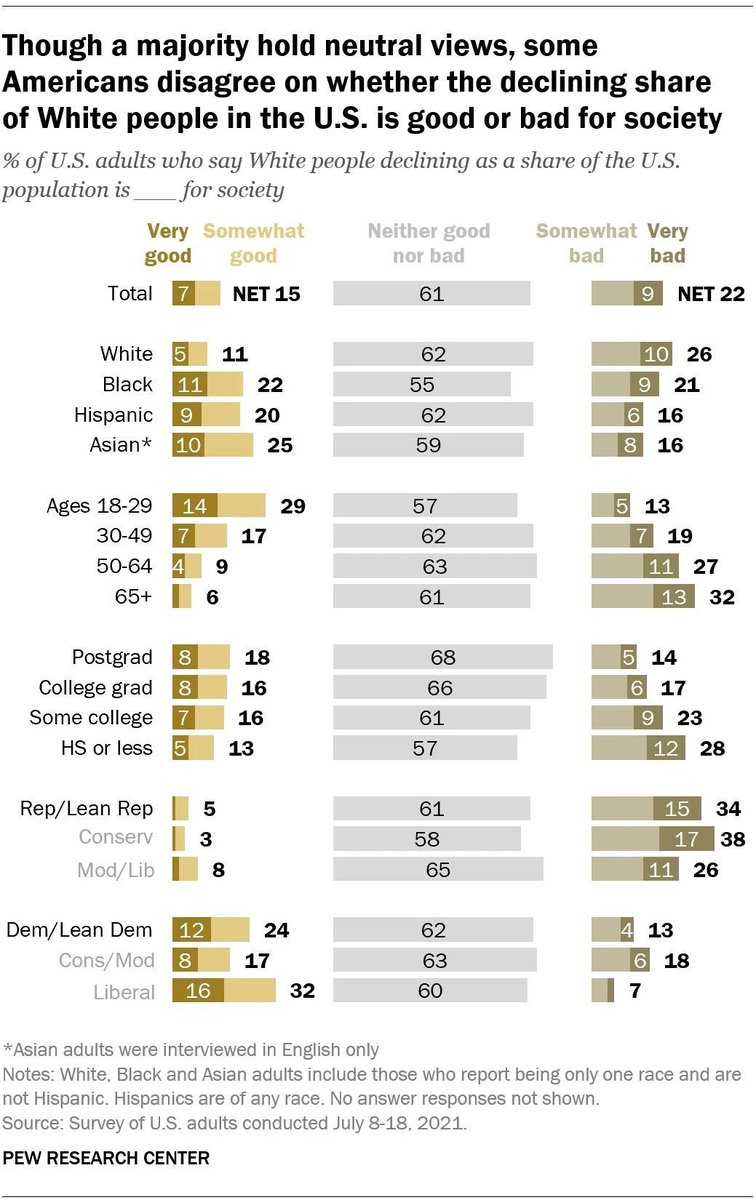
Politically, Hispanics are not as anti-white or anti-American as blacks/Asians tend to be, but are still quite left-wing and pro-socialism, affirmative action, immigration, and redistribution. Them moving more Republican doesn't change this, it changes the party.
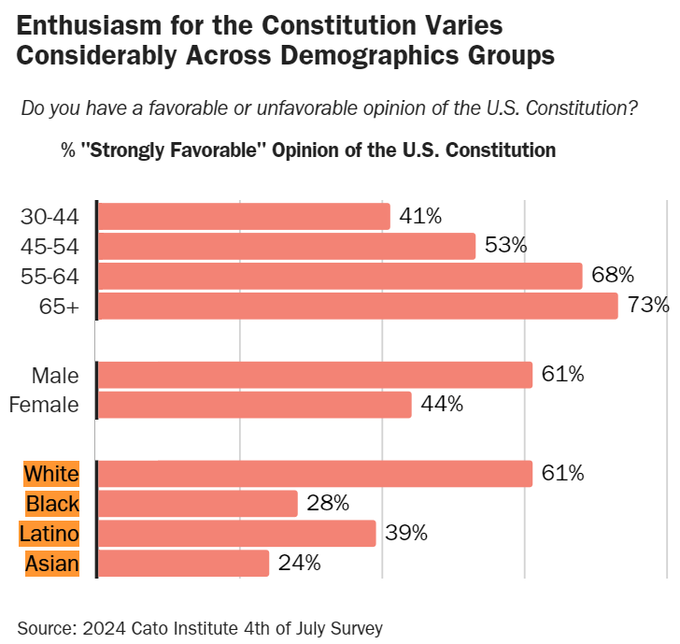
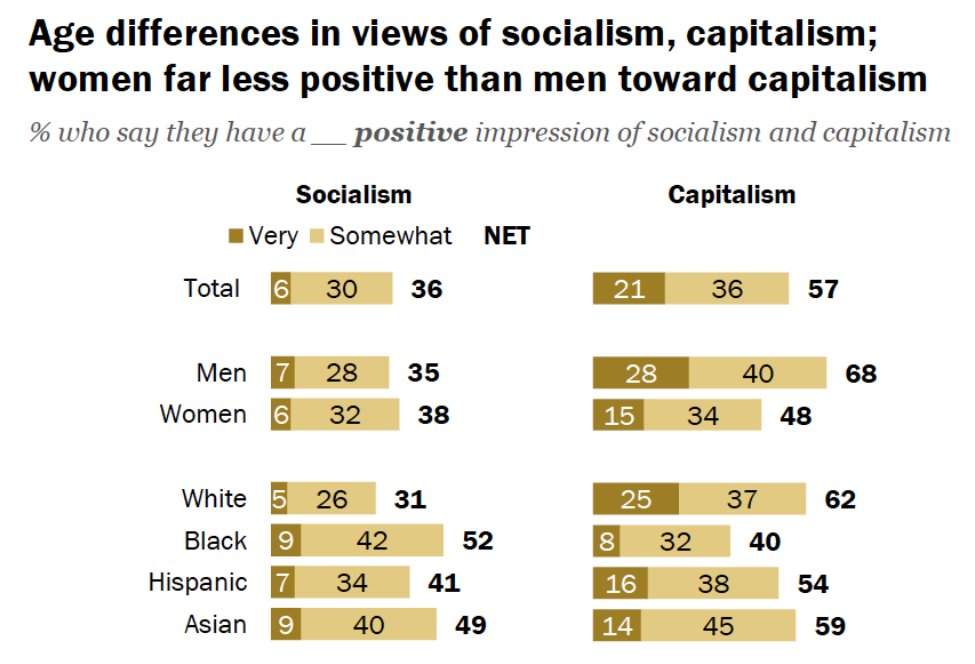
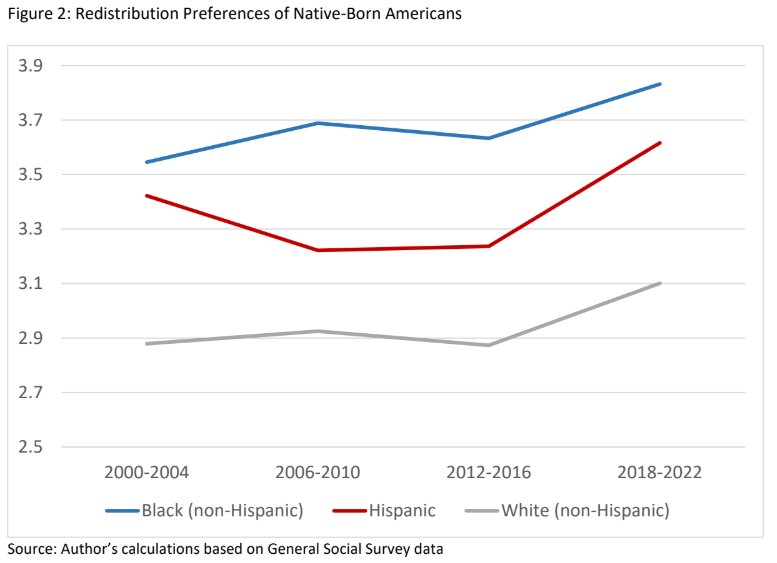
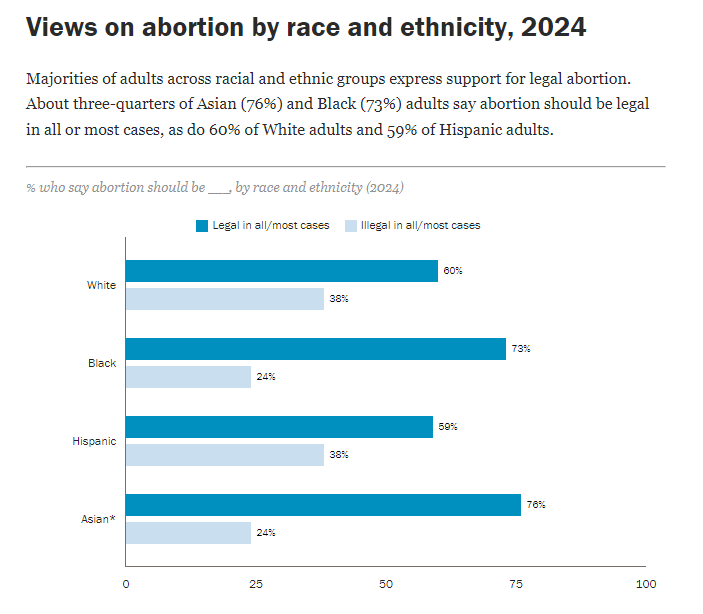
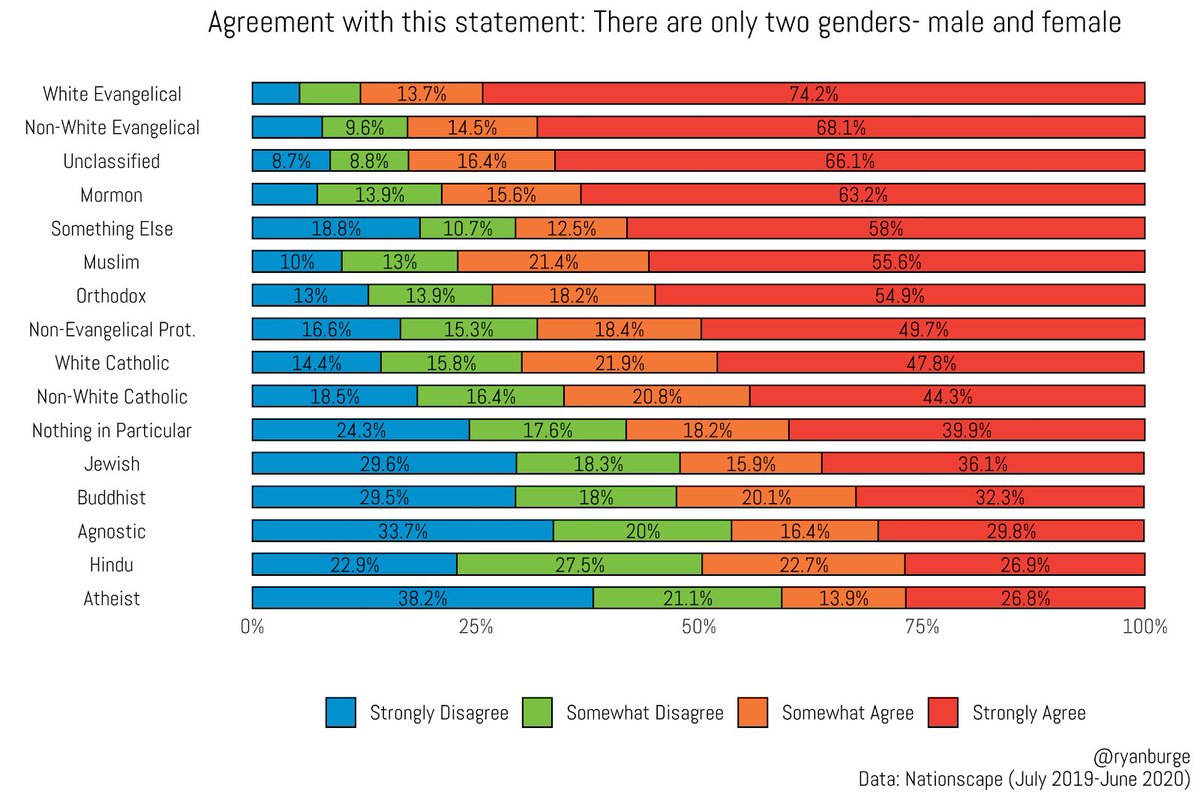
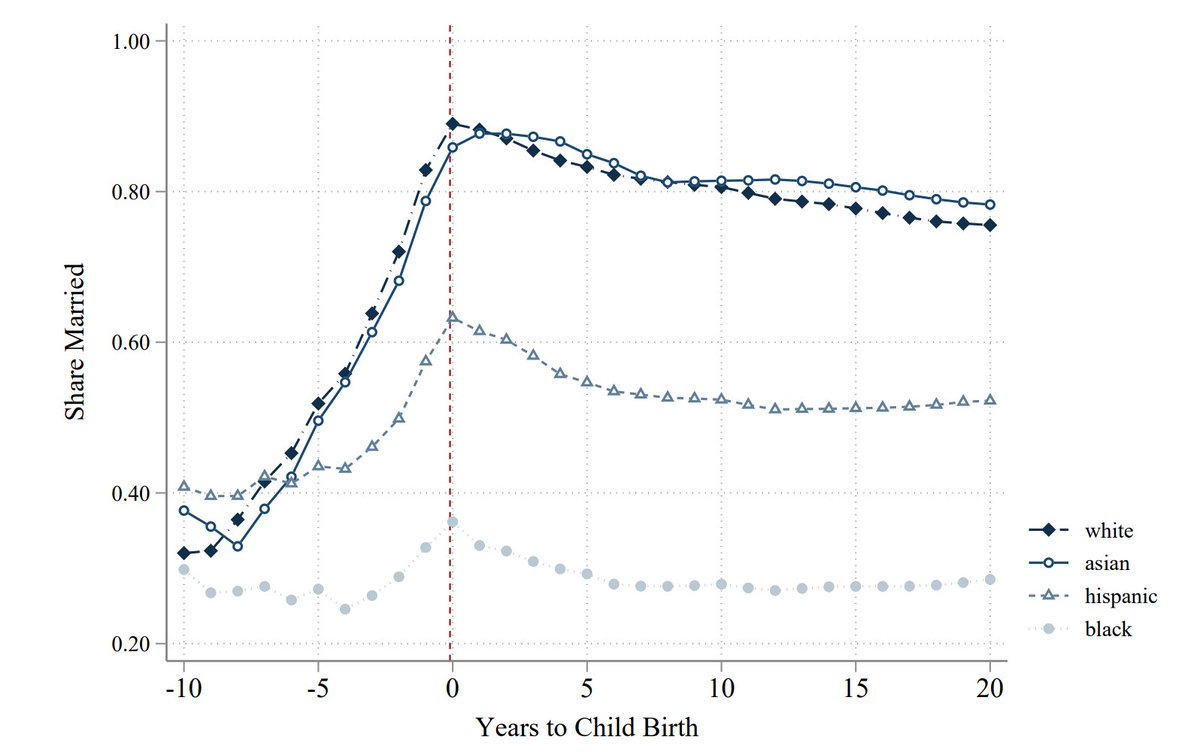
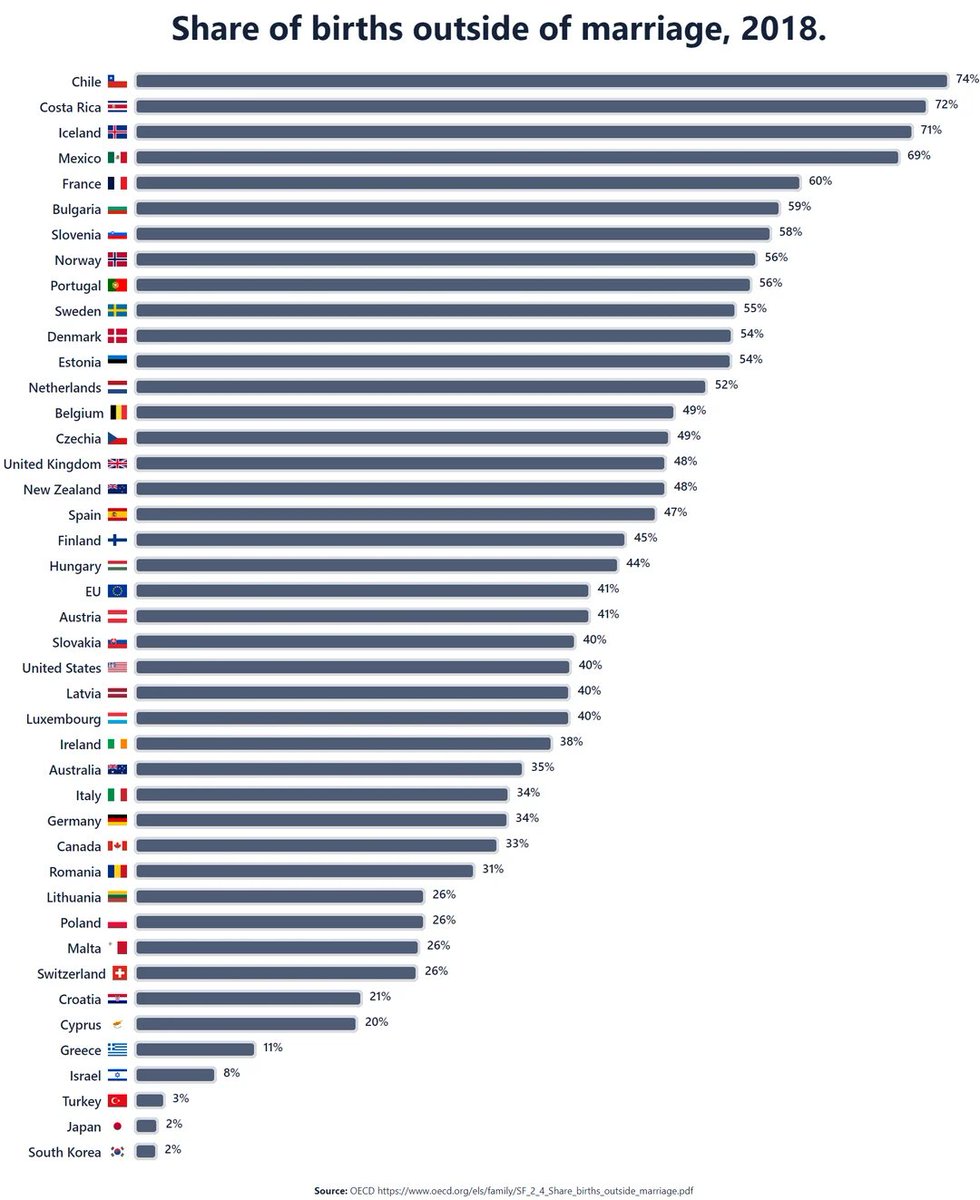
Hispanics (mostly Mexican) are not especially "socially conservative" [a term I hate, but most understand] either. Similar views on abortion/LGBT to whites, and very high rates of bastardry.
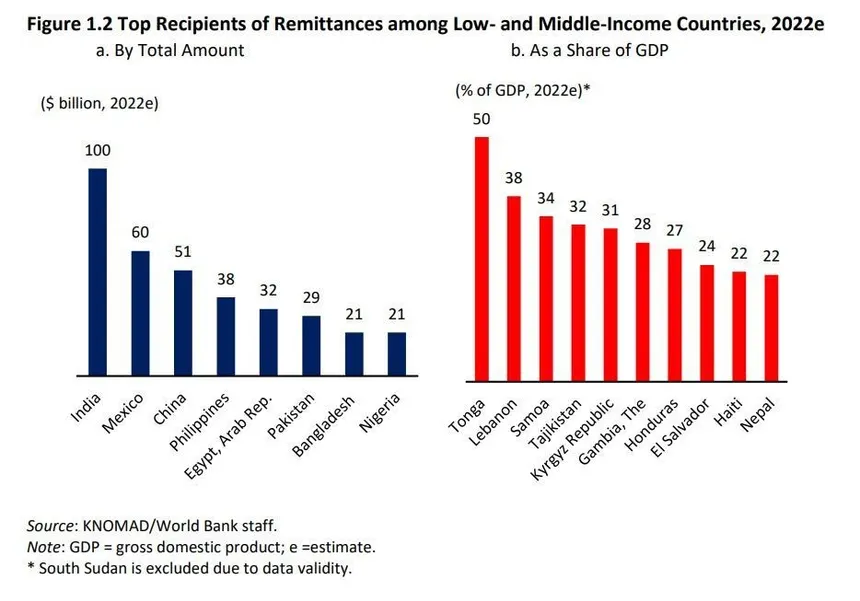
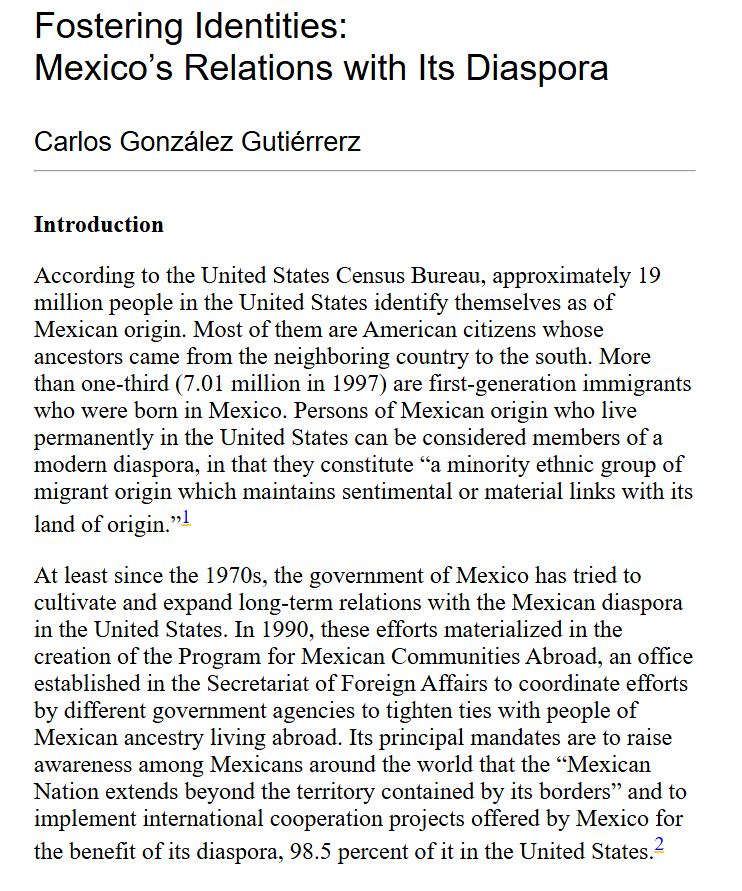
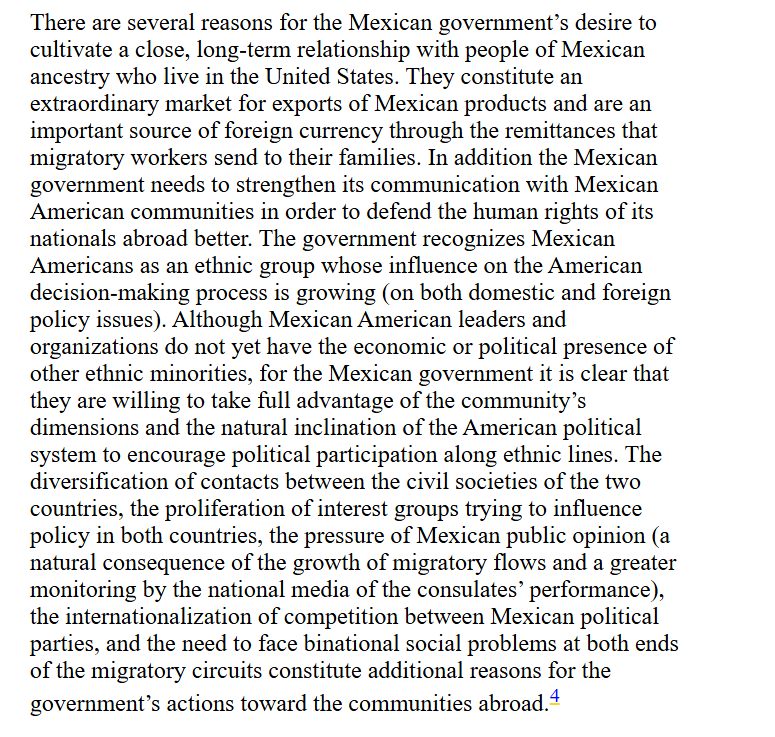
Almost $60B in remittances annually, which makes the US forex balance (the main reason to care about a structural trade deficit) worse to no benefit. The Mexican govt publicly views the diaspora as a fifth column within the US.
In my view, the negative impacts of Mexican immigration have been muted by the fact that Mexicans often stick to Spanish-language enclaves and are not very involved in national politics or culture. But this will change in generations born here.
As a matter of pragmatism, there are too many Mexicans for anti-Mexican rhetoric to be electorally viable (it makes sense to try to integrate those that can be into coalition, who tend to be whiter, upwardly mobile, and often Protestant) and most of the damage already happened due to ultra-high immigration and fertility 1977-2007 or so. But I feel the need to set the record straight.
• • •
Missing some Tweet in this thread? You can try to
force a refresh