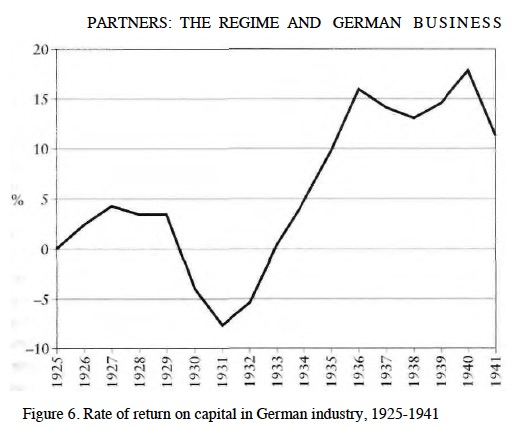
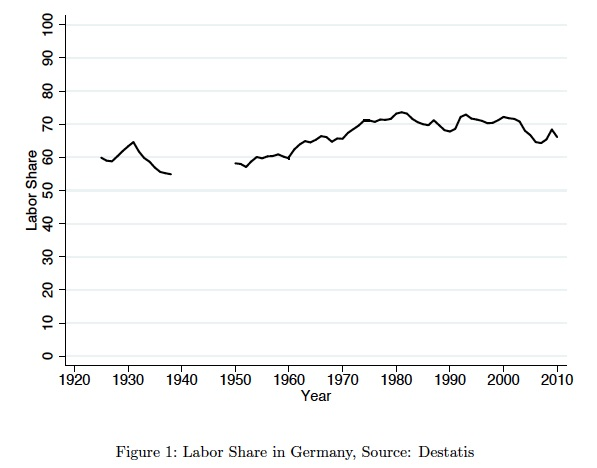
The obvious historical comparison here is Nazi Germany, which pursued similar policies of suppressing labor (by eg destroying independent unions) in favor of capital to allow for investment and exports while still successfully raising worker's living standards.
Mexico not growing much since 1990 isn't because it "knows its place," it's because Mexico, being a New World country, escaped the Malthusian trap centuries prior and thus already had high living standards [comparable to China today] befitting its human capital.
When you're growing at 10% YoY, suppressing worker's incomes rises to only 5% YoY (the Chinese situation for roughly 30 years) via eliminating unions, forced savings etc still makes for a massive and very fast rise in incomes.
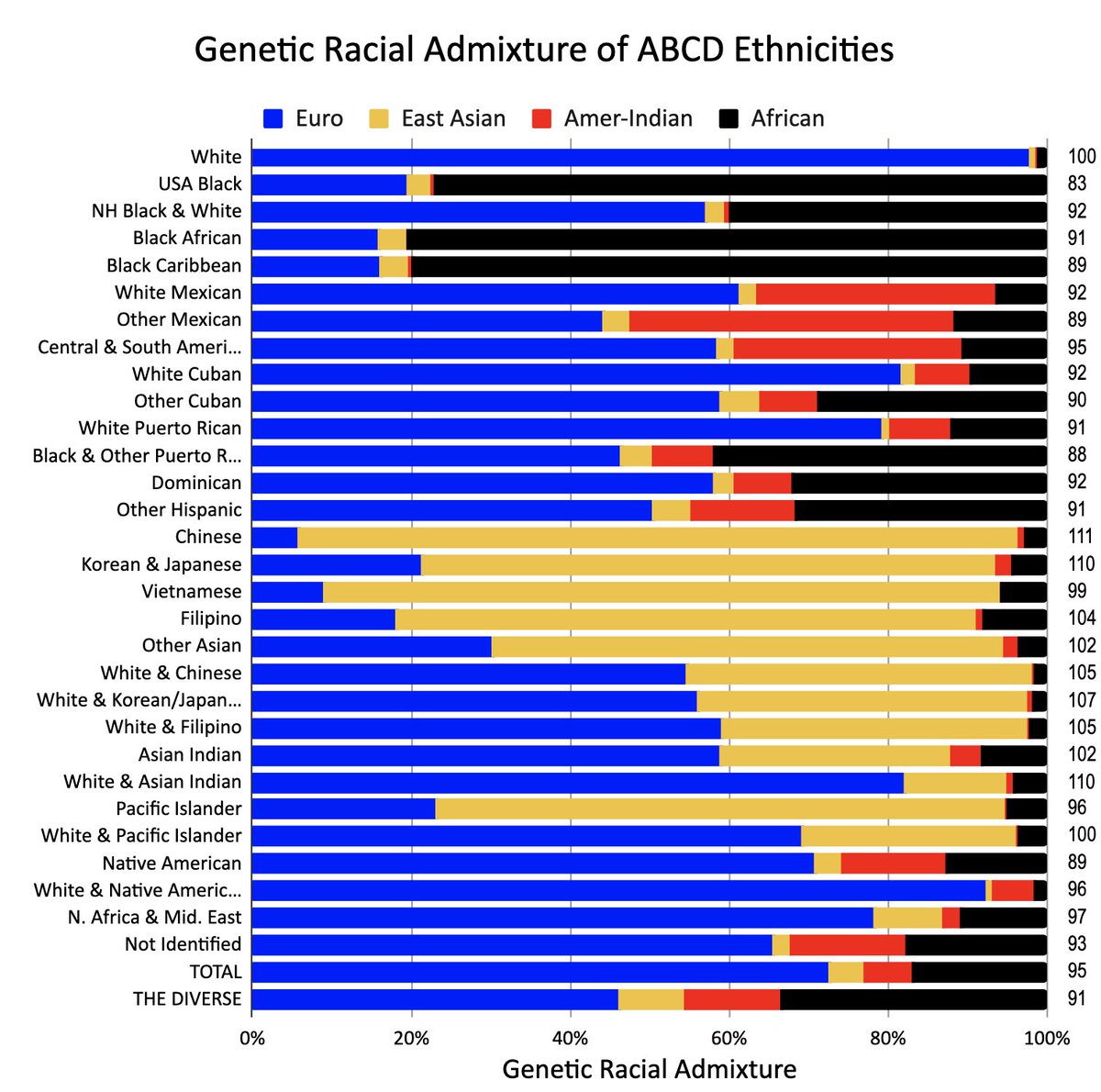
Anti-Mexican immigration thread. Many American right-wingers have started defending Mexican immigration, often by comparison with MENA types in Europe. This is a mistake. First, Mexicans are just not very smart. On white American norms, they tend to score around 90.
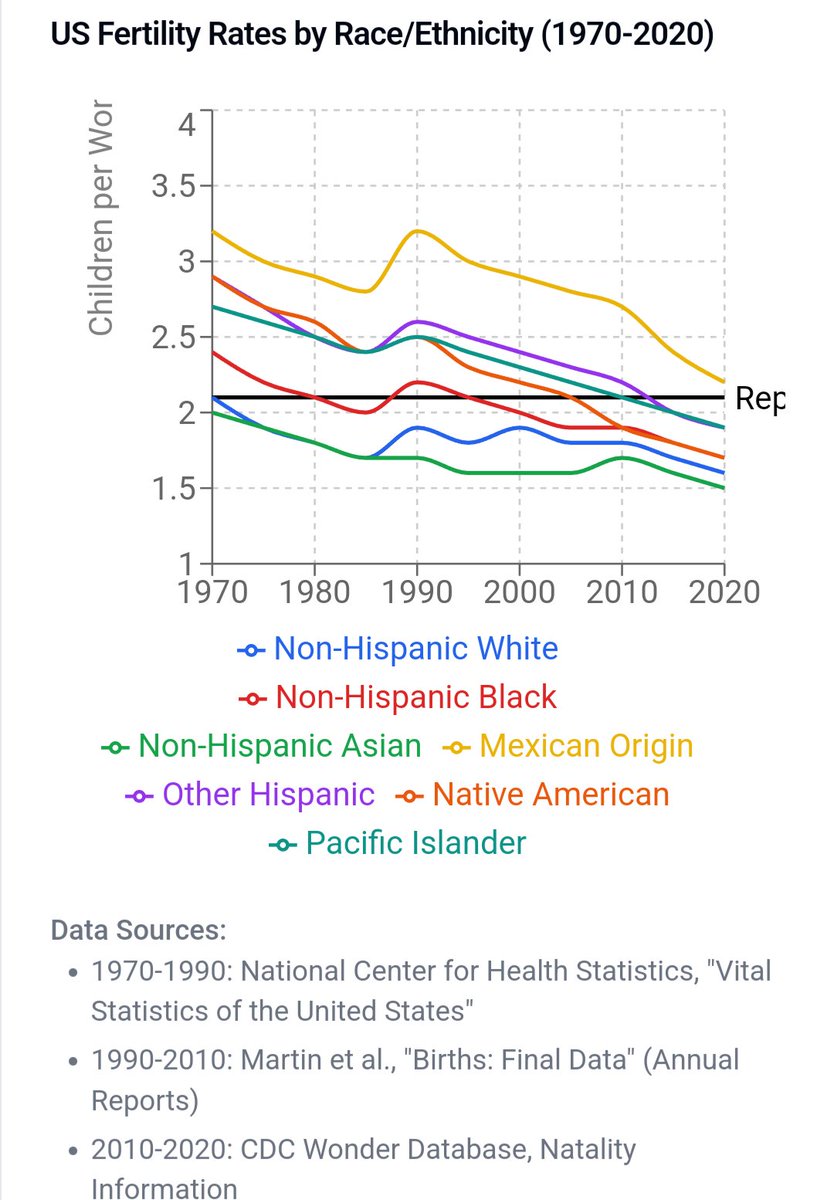
Mexicans are most responsible for the racial transformation and hence dumbing down of America; for roughly 30 years (until 2008) hundreds of thousands crossed the border annually (mostly illegally, about 1/2 of total immigration) and they also had exceptionally high TFR.
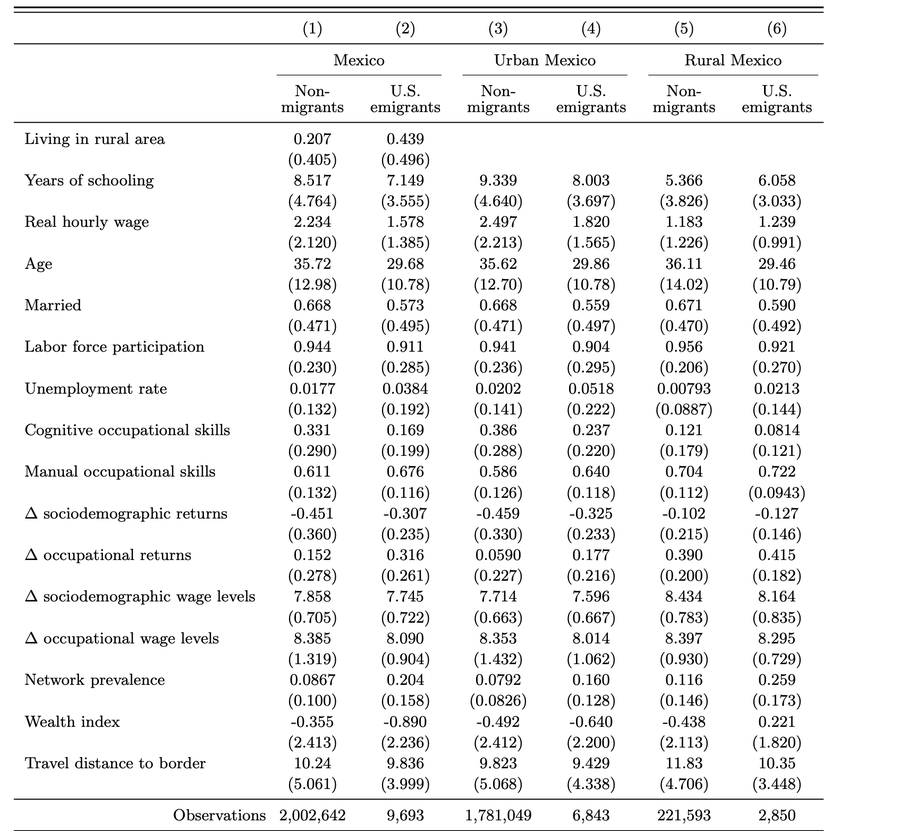
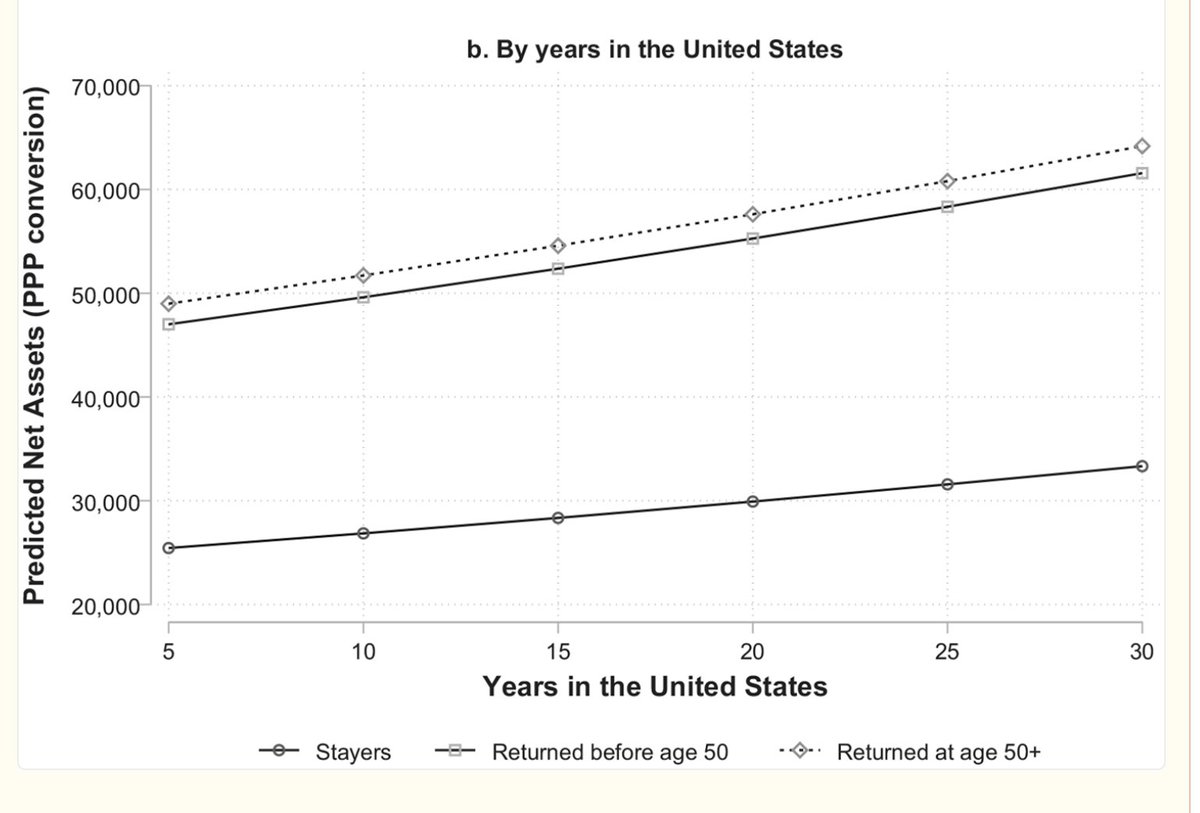
Mexican immigrants to the United States are actually negatively selected, and those that return to Mexico are positively selected. It would be too strong to say we're getting Mexico's dregs, but they really aren't sending their best.
More on the long history of affirmative action/DEI in the US. These excerpts are from Chapter 5 of the 1992 book "Paved With Good Intentions," and cover affirmative action outside of education and employment. The 1978 Community Reinvestment Act forced banks into giving subsidized loans to nonwhites.
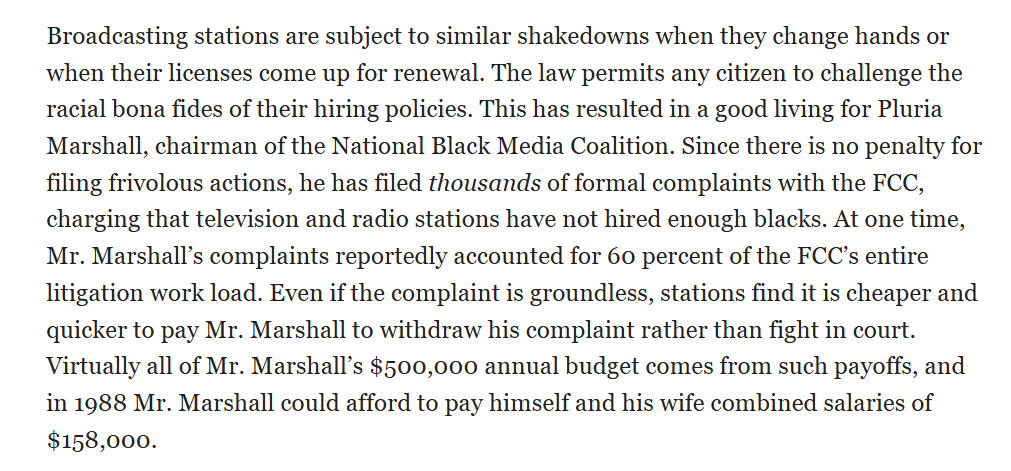
When broadcasting licenses change, citizens can challenge the racial bona fides of their hiring policy, allowing black activists to extort money and jobs through threat of lawsuit.
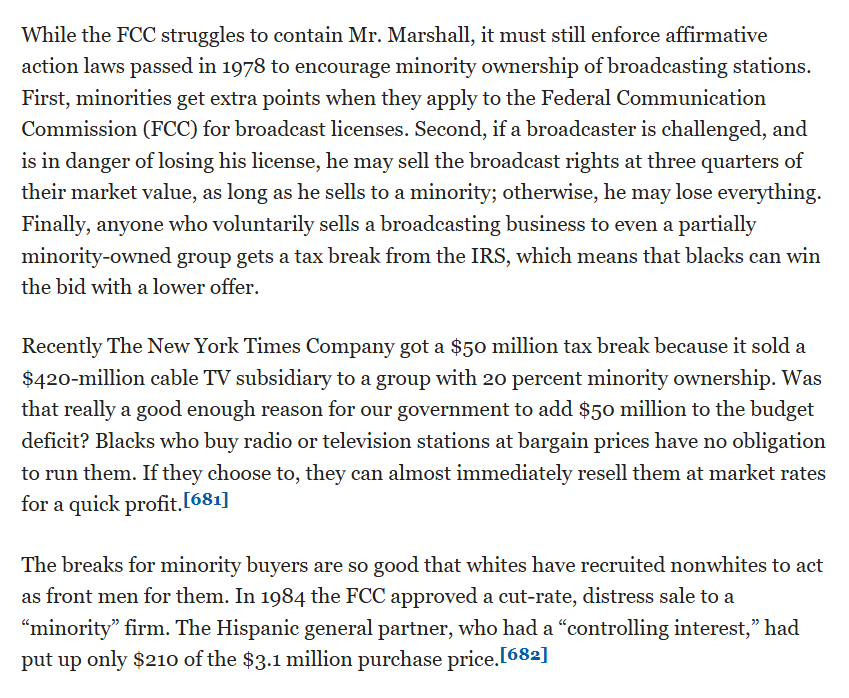
There are tax breaks for selling broadcasting stations to nonwhites, in the tens of millions of dollars.
I want to break the impression that Affirmative Action/DEI began in 2014 or is limited to school admissions and a handful of infamously left-wing fields. Here are some excerpts from chapter 4 of the 1992 book "Paved With Good Intentions." First, firefighting.
Police, firefighting, sanitation work, federal civil service. All public fields throwing out tests because blacks scored lower. These fields don't have market competition, so eliminating these tends to make them very dysfunctional.
Court order whites be fired first during teacher cuts, school boards who did not meet racial targets suspended.
Quick thread of the long-form I've written on the issues with white-collar/college-educated migration (sometimes euphemistically referred to as "skilled").
First, The Case Against Indian Immigration, which explains why specifically Indian immigration is uniquely dangerous for political reasons (elite + extremely left-wing + often hostile + unlimited numbers). api.omarshehata.me/substack-proxy…
On the same note "Increasing Skilled Immigration is a Mistake," which generalizes this to Asian immigration as a whole. aporiamagazine.com/p/increasing-s…
Brief thread on human capital, education, and skilled immigration. The major source of human capital is on-the-job experience; the main function of education is getting your foot in the door for your first job.
There's a market failure here wherein firms don't invest in training because a trained worker can then easily leave, instead electing to only hire people who can already do the job (hence all the "entry level: 5 years experience required" postings).
There's a huge entry-level job bottleneck. Entry level jobs, and not education, are the major source of skilled workers in a field, hence why you can have many grads not employed in their chosen field and a 'shortage' simultaneously.
Argument against doctrinaire free trade: (1) labor market scarring (2) loss of human capital (skills learned on the job, not schooling) (3) loss of physical capital (machines) (4) allocative/Ricardian benefits are a one-time windfall, while industry has high productivity gains.
Note: all of these arguments are common in economics literature, just not typically presented to the public or used in the static models used to argue for free-trade agreements. Also note that these are actually args against *deindustrialization* not free trade per se.
Personally, my response to these arguments would be crushing what's left of unions, deregulation in certain areas, and trying to strangle the worthless parts of higher ed rather than tariffs.