A mix of baking soda, magnesium and other minerals can reduce inflammation, leaky gut and even fatty liver, according to an incredible recent study.
(🧵1/10)
(🧵1/10)
This study was published in 2025 in Nutrients.
It enrolled people with so called metabolic dysfunction associated steatotic liver disease (MASLD). It's fatty liver disease.
They were interested in understanding the connection between liver disease, gut permeability, inflammation and oxidative stress.
It enrolled people with so called metabolic dysfunction associated steatotic liver disease (MASLD). It's fatty liver disease.
They were interested in understanding the connection between liver disease, gut permeability, inflammation and oxidative stress.
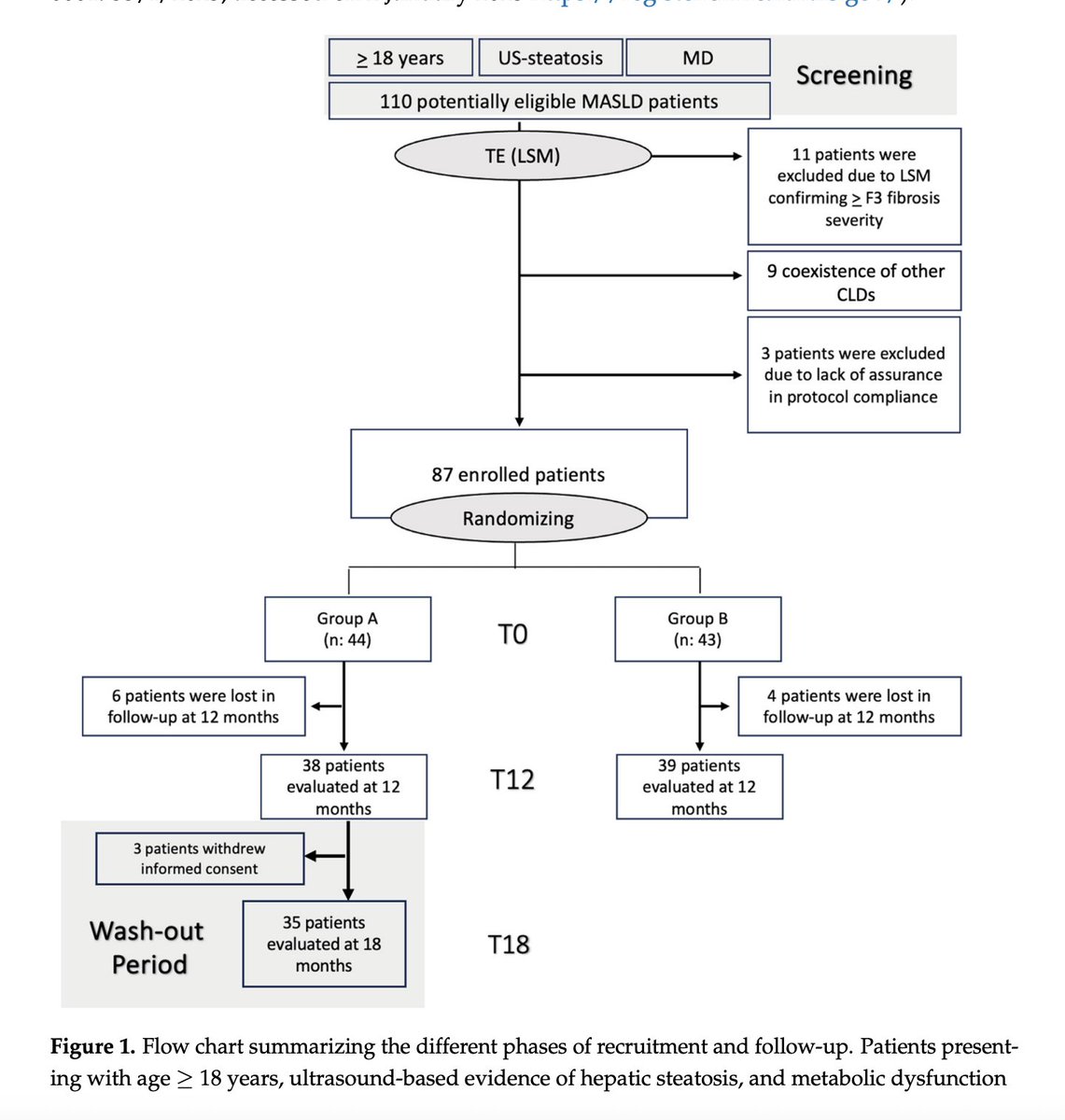
There were 2 groups.
Both got nutritional counseling, but only group A got the mineral water.
They got 400 mL of the mineral water on an empty stomach every morning for 12 months.
They then went off of the mineral water for an additional 6 months to see if the finding persisted.
Both got nutritional counseling, but only group A got the mineral water.
They got 400 mL of the mineral water on an empty stomach every morning for 12 months.
They then went off of the mineral water for an additional 6 months to see if the finding persisted.
This was the composition of the mineral water.
Bicarbonate is commonly found in baking soda as sodium bicarbonate.
Bicarbonate is commonly found in baking soda as sodium bicarbonate.

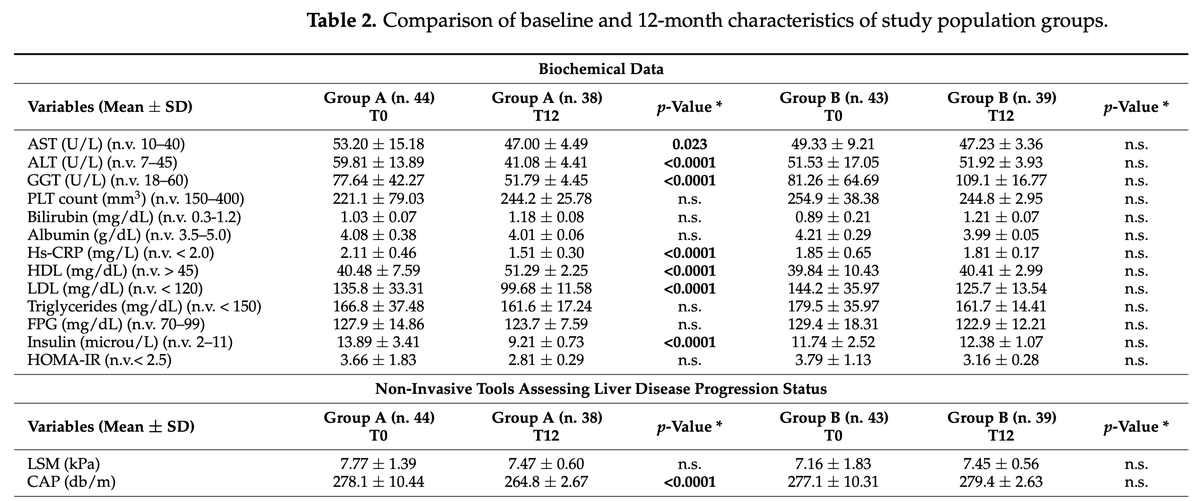
After 12 months, the mineral water showed improvements in TONS of metrics.
Decreases in:
☆ AST + ALT + GGT - liver damage markers
☆ CRP - inflammatory marker
☆ LDL cholesterol (but raised HDL)
☆ Insulin
☆ Liver fat (CAP)
while those without the water did NOT.
Crazy.
Decreases in:
☆ AST + ALT + GGT - liver damage markers
☆ CRP - inflammatory marker
☆ LDL cholesterol (but raised HDL)
☆ Insulin
☆ Liver fat (CAP)
while those without the water did NOT.
Crazy.
Gut permeability was also markedly improved.
After the 12 months people had:
☆ LOWER fecal zonulin (which rises with gut permeability)
☆ HIGHER occludin (tight junction protein)
☆ HIGHER claudin-1 (another tight junction protein)
☆ LOWER LPS binding protein, indicating less endotoxin leakage
This is HUGE.
After the 12 months people had:
☆ LOWER fecal zonulin (which rises with gut permeability)
☆ HIGHER occludin (tight junction protein)
☆ HIGHER claudin-1 (another tight junction protein)
☆ LOWER LPS binding protein, indicating less endotoxin leakage
This is HUGE.

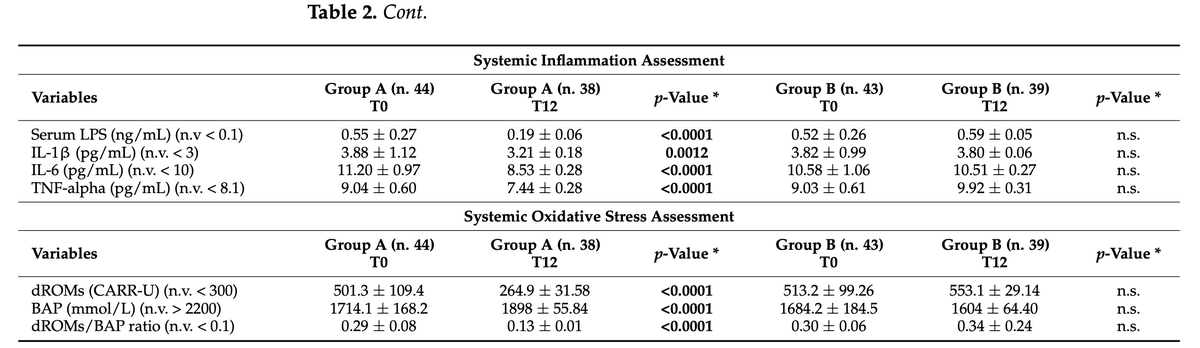
Their systemic inflammation and oxidative stress were also improved across the board.
☆ Lower endotoxin (LPS)
☆ Lower IL-1β
☆ Lower TNF-α
☆ Lower IL-6
While Biological Antioxidant Potential (BAP) and derivatives of Reactive Oxygen Metabolites (dROM) were both improved - meaning less oxidative damage / stress throughout the body.
☆ Lower endotoxin (LPS)
☆ Lower IL-1β
☆ Lower TNF-α
☆ Lower IL-6
While Biological Antioxidant Potential (BAP) and derivatives of Reactive Oxygen Metabolites (dROM) were both improved - meaning less oxidative damage / stress throughout the body.
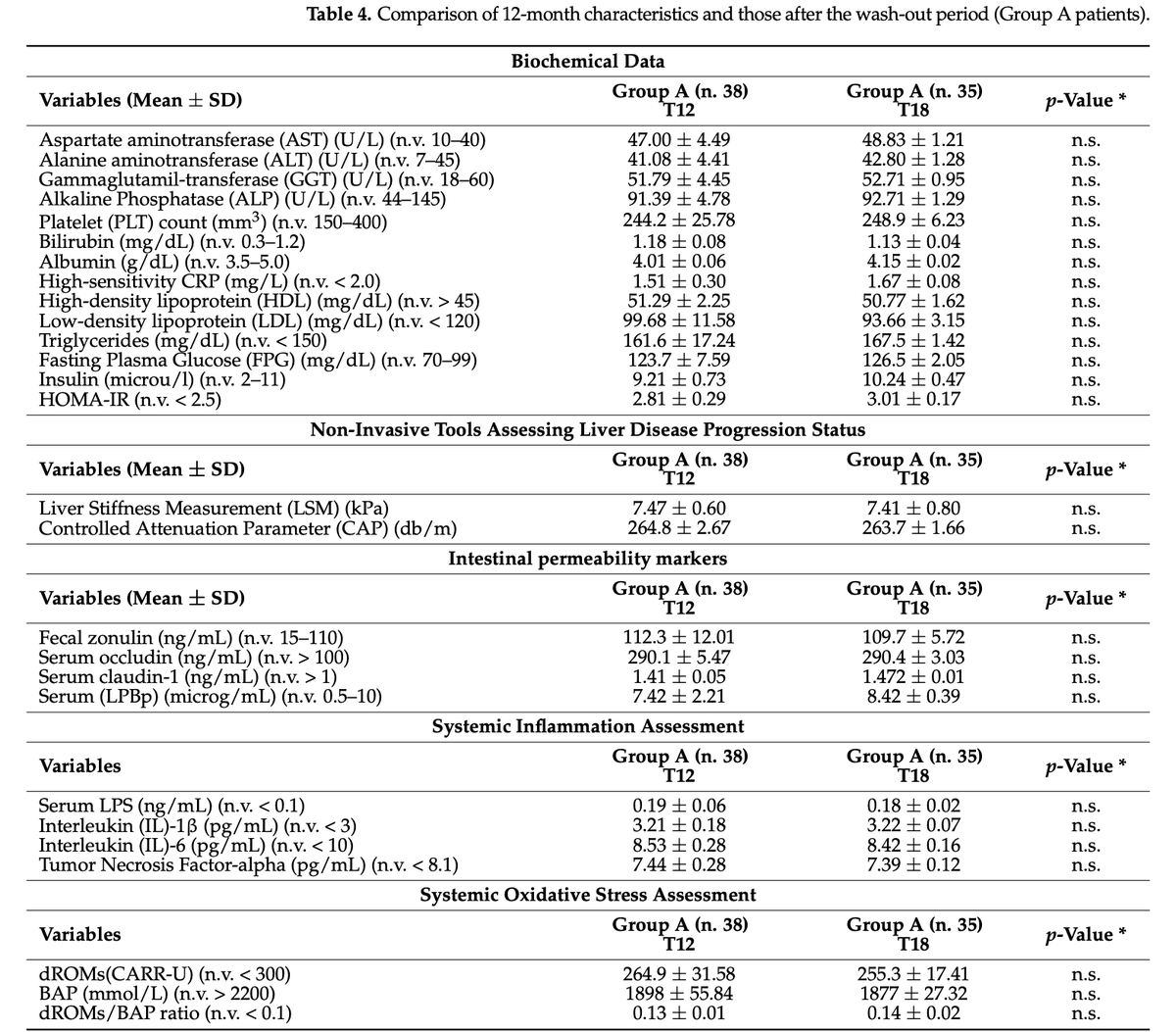
The craziest part?
Even after 6 months of discontinuing the mineral water, their metrics were STILL improved.
So the mineral water had a lasting impact.
Even after 6 months of discontinuing the mineral water, their metrics were STILL improved.
So the mineral water had a lasting impact.
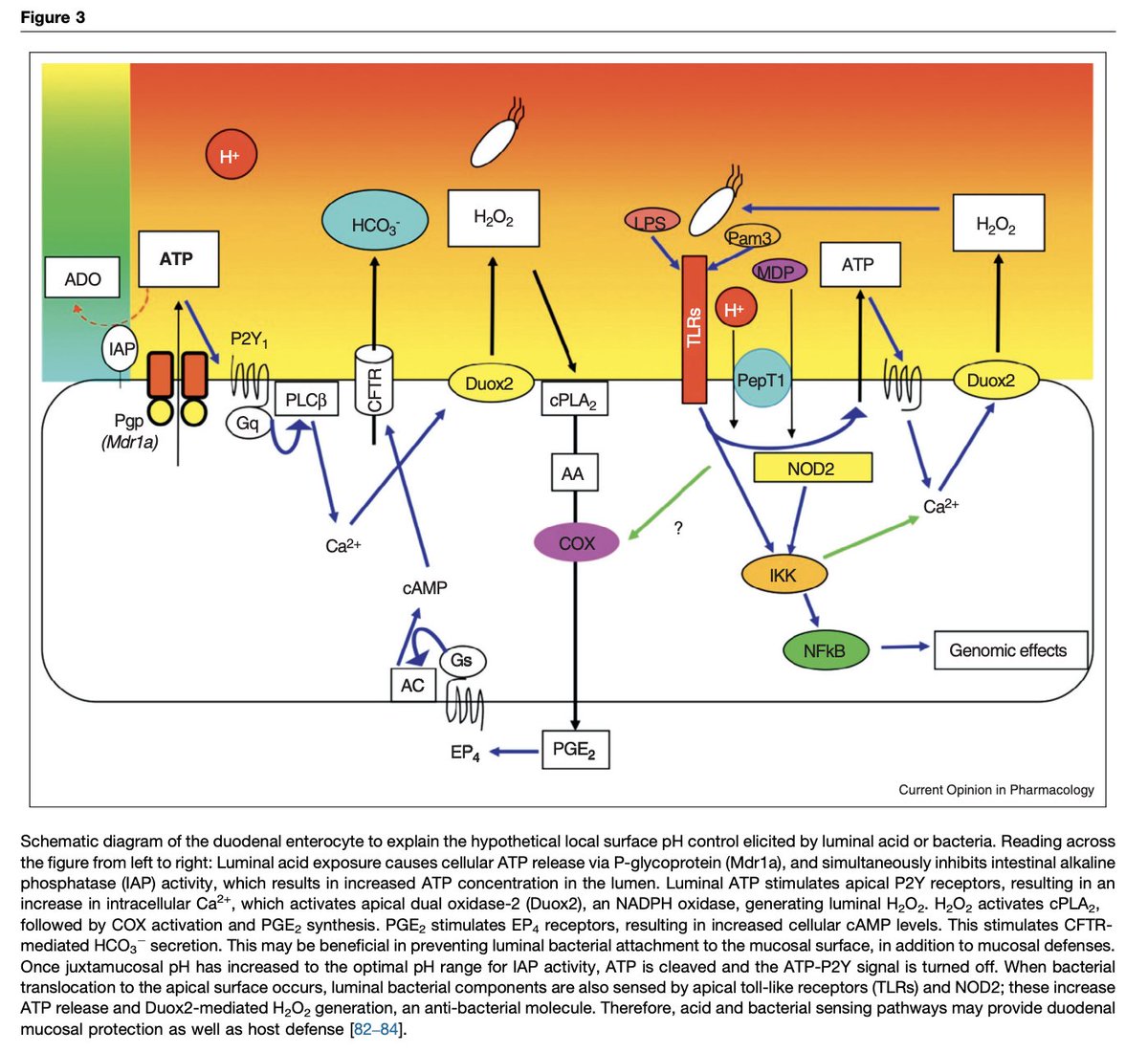
How exactly did this work?
There's a few possible reasons:
The bicarbonate component has multiple important roles in the gut.
Mineral waters with bicarb have been shown to improve biliary tract disorders and increase bile flow - which is huge for digestion and nutrient absorption.
Bicarbonate also regulates pH throughout the body, creating a more alkaline environment which can calm down inflammation within immune cells.
This is particularly important in the gut, as enzymes like alkaline phosphatase detoxifies endotoxin, a major contributor to systemic inflammation.
It can also improve gut motility, and is even required for the structural integrity of mucin, the main component of mucus in the gut. This mucus layer is critically important for the barrier of the intestines and often becomes depleted in gut inflammatory conditions.
The extra magnesium and calcium also probably doesn't hurt.
There's a few possible reasons:
The bicarbonate component has multiple important roles in the gut.
Mineral waters with bicarb have been shown to improve biliary tract disorders and increase bile flow - which is huge for digestion and nutrient absorption.
Bicarbonate also regulates pH throughout the body, creating a more alkaline environment which can calm down inflammation within immune cells.
This is particularly important in the gut, as enzymes like alkaline phosphatase detoxifies endotoxin, a major contributor to systemic inflammation.
It can also improve gut motility, and is even required for the structural integrity of mucin, the main component of mucus in the gut. This mucus layer is critically important for the barrier of the intestines and often becomes depleted in gut inflammatory conditions.
The extra magnesium and calcium also probably doesn't hurt.
Our partners at @sportdrink provide an excellent mineral water that contains bicarbonate too. sport-drink.com/?ref=ANALYZEOP…
If you want to get some personalized help from us with ANY of your health goals, we’re harnessing the power of biochemistry to optimize our clients' health every day at PRISM. Book a free call here for more: go.prism.miami/consultation
• • •
Missing some Tweet in this thread? You can try to
force a refresh