Pit bulls were bred to fight.
Animals in nature are not like that. Tigers and lions? They don't seek out combat. Nature doesn't seem to want to breed them into unrelenting killers.
This is why Britain banned the sport of "lion baiting"🧵
Animals in nature are not like that. Tigers and lions? They don't seek out combat. Nature doesn't seem to want to breed them into unrelenting killers.
This is why Britain banned the sport of "lion baiting"🧵
https://twitter.com/contiarchive/status/2006861245631312133
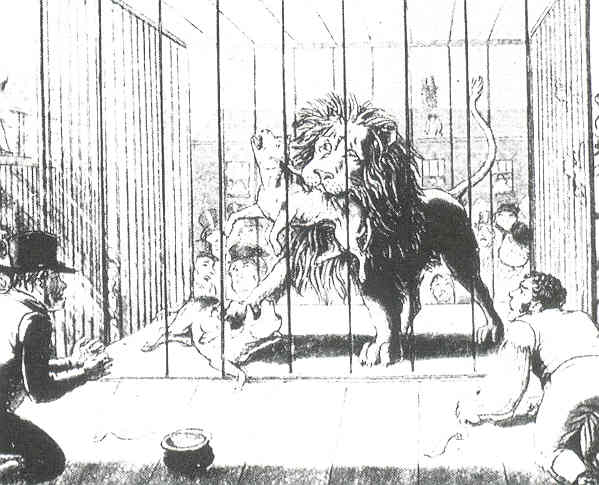
The nature of "baiting" is torment.
The idea is to put large, powerful animals like bulls or lions in the ring with several dogs, and the winner lives.
The sport has existed for thousands of years. One of our first records is of Indians showing it to Alexander the Great.
The idea is to put large, powerful animals like bulls or lions in the ring with several dogs, and the winner lives.
The sport has existed for thousands of years. One of our first records is of Indians showing it to Alexander the Great.
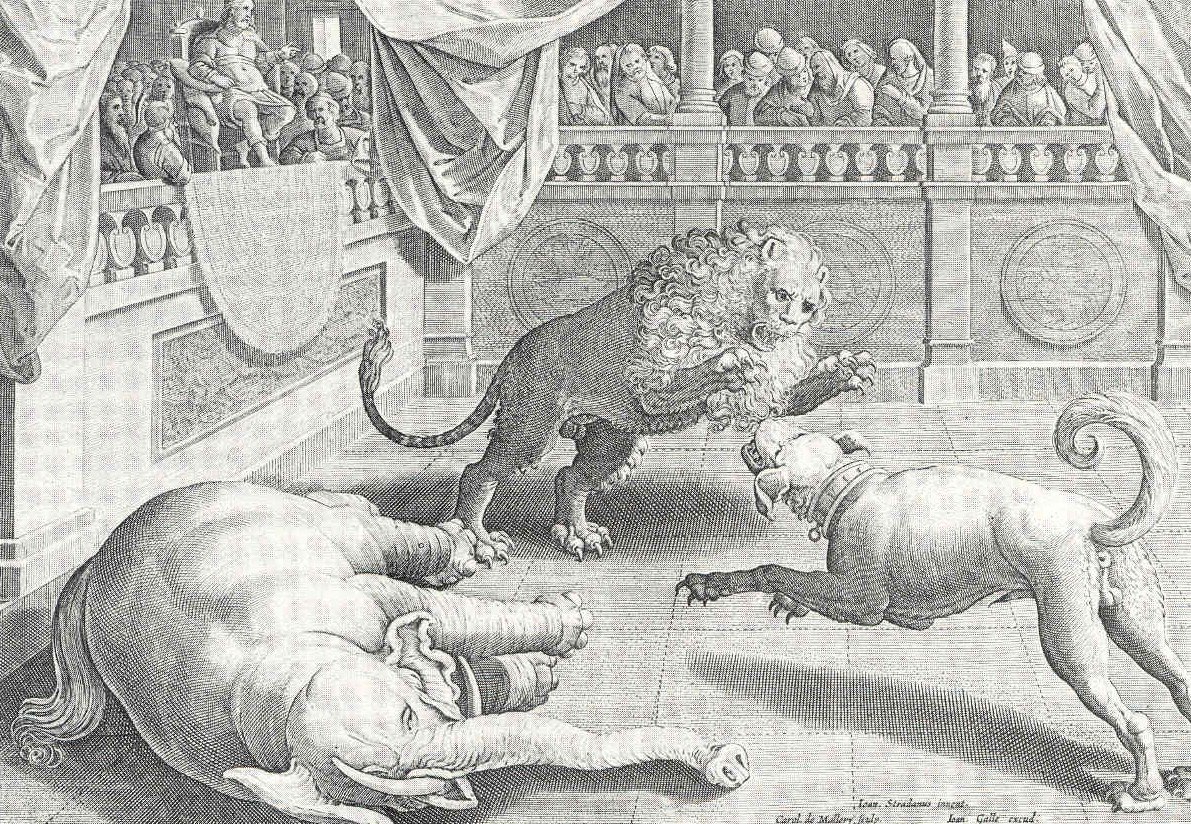
The first record in England comes from 1610 and features King James I requesting the Master of the Beargarden—a bear training facility—to provide him with three dogs to fight a lion.
Two of the dogs died and the last escaped because the lion did not wish to fight and retreated.
Two of the dogs died and the last escaped because the lion did not wish to fight and retreated.
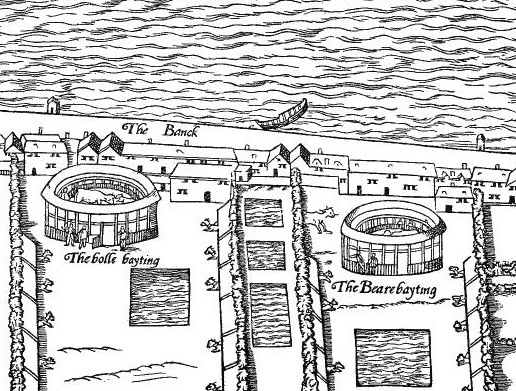
The sport had become popular across Europe.
People would import lions and set the most vicious dogs they could breed against them, in a pit—'pit them against them'.
People would import lions and set the most vicious dogs they could breed against them, in a pit—'pit them against them'.
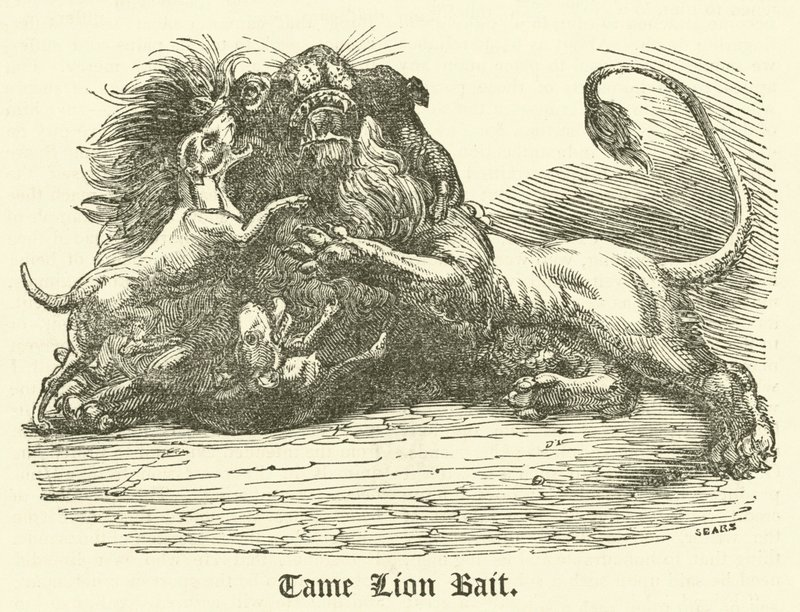
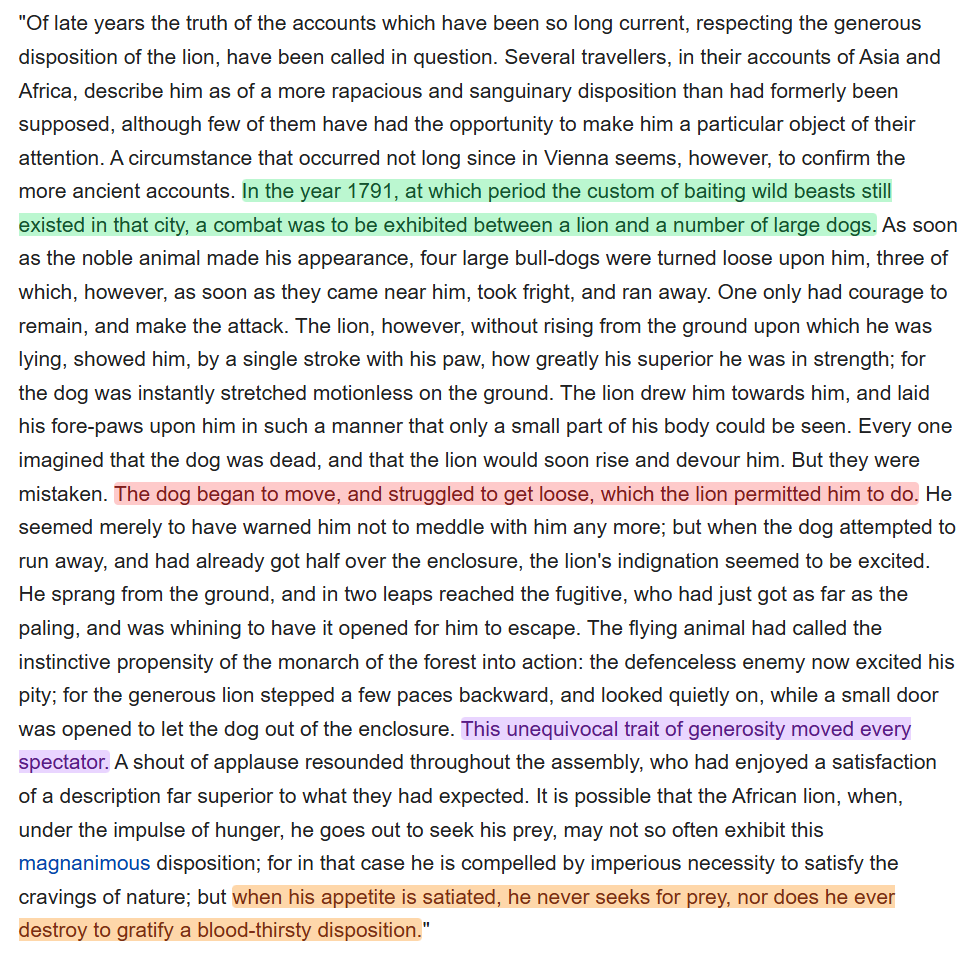
A showing happened in Vienna in 1791.
The lion was magnanimous.
The crowd came for blood, but the lion didn't deliver any. Instead, it seemed to warn the dog that attacked it to turn away, and he simply let it go.
The sport was banned in Austria a few short years later.
The lion was magnanimous.
The crowd came for blood, but the lion didn't deliver any. Instead, it seemed to warn the dog that attacked it to turn away, and he simply let it go.
The sport was banned in Austria a few short years later.
But the sport carried on in Britain, and it was a far more disgusting spectacle because it had been far more refined.
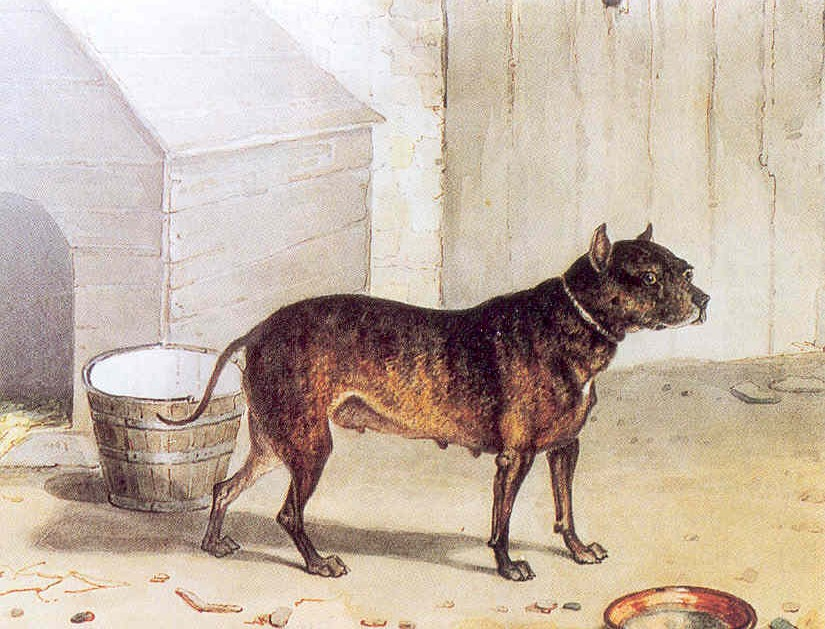
The biggest promoter was one George Wombwell, who partnered with dog breeders who had created the predecessor to the pit bull—a vicious, unrelenting, evil dog.
The biggest promoter was one George Wombwell, who partnered with dog breeders who had created the predecessor to the pit bull—a vicious, unrelenting, evil dog.
The first of two of Wombwell's fights before the public was between the lion Nero and several of these ravening dogs.
The fight begins with the display of the lion and the first round of dogs.
Evidently, Nero had no interest in a fight. The dogs, however, sought a kill.
The fight begins with the display of the lion and the first round of dogs.
Evidently, Nero had no interest in a fight. The dogs, however, sought a kill.
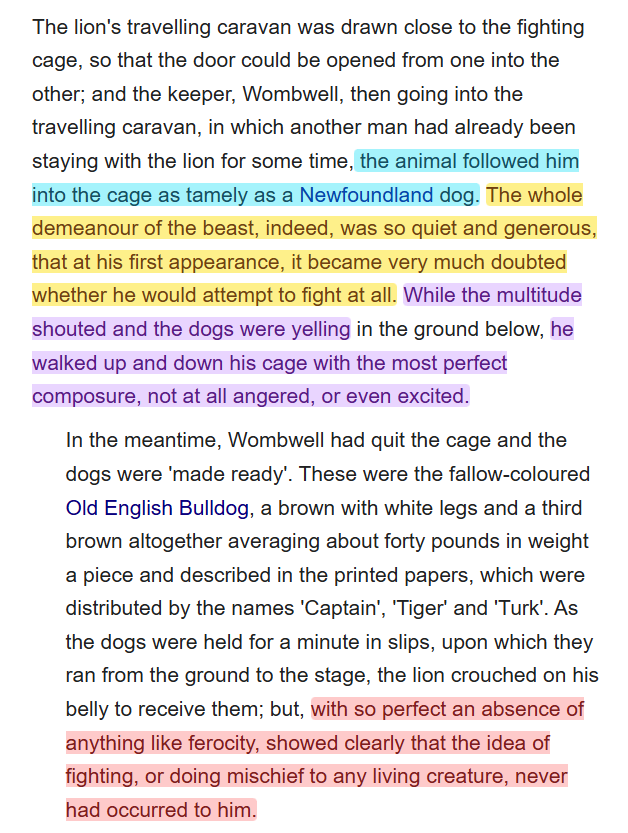
The fight continued with more of the same.
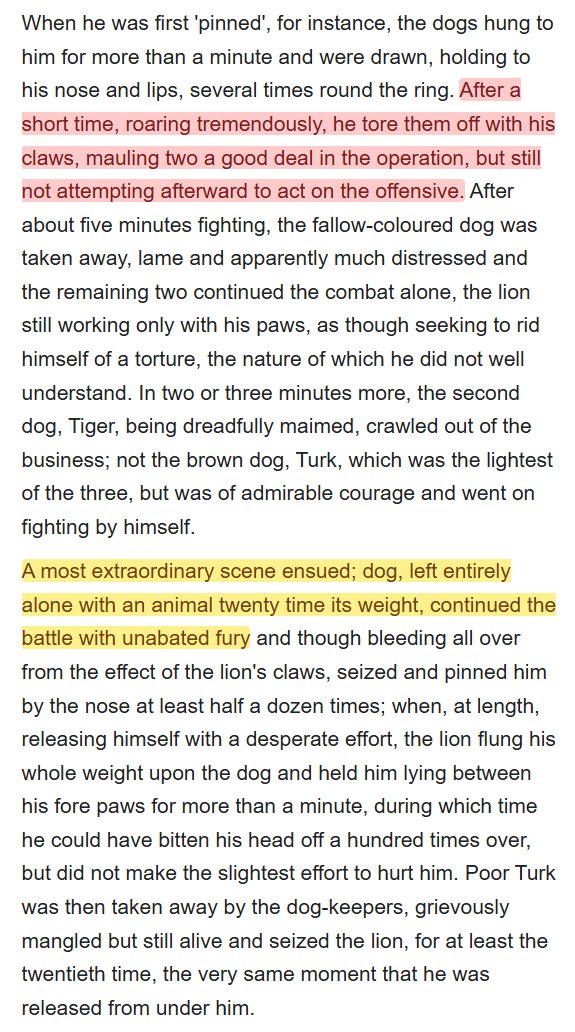
The dogs were unrelenting, and the lion was yelping, wailing, and refusing to ever start the fight.
The dogs did what they were bred for, and the lion showed the grace it's known for.
The dogs were unrelenting, and the lion was yelping, wailing, and refusing to ever start the fight.
The dogs did what they were bred for, and the lion showed the grace it's known for.
In the second round, the dogs simply brutalized the lion, but he never, at any point, wanted to fight.
He was always backing away and wondering why he was under attack.
He was always backing away and wondering why he was under attack.
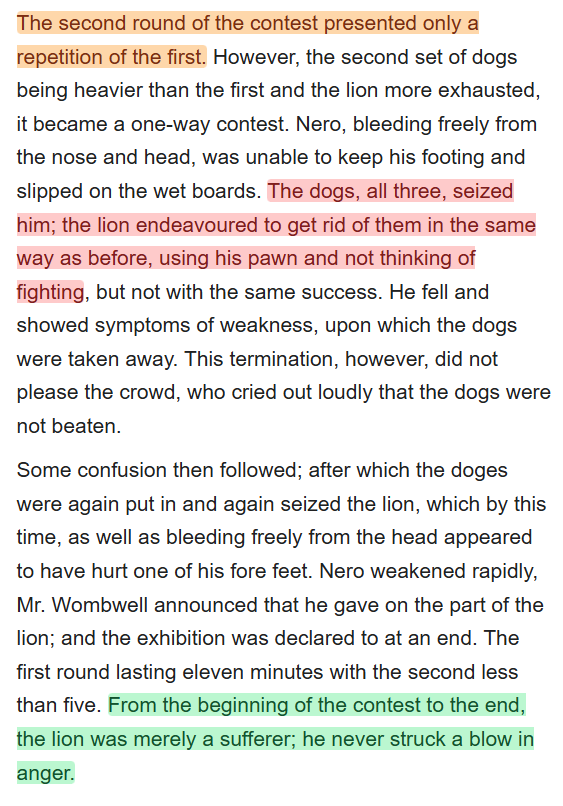
The Nero fight was one-sided, and it did not make readers happy to hear.
But it wasn't the last of the horrible fights in Britain.
The second was also hosted by Wombwell, and it featured a lion named Wallace—the lion depicted in the first post.
But it wasn't the last of the horrible fights in Britain.
The second was also hosted by Wombwell, and it featured a lion named Wallace—the lion depicted in the first post.
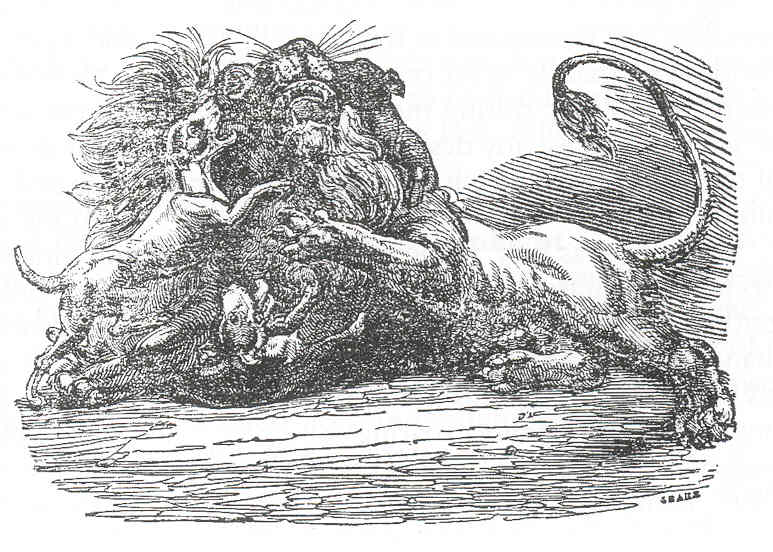
Wallace was regarded as a much more fearsome lion than Nero.
In matters of feeding, he was not temperate. He would snarl at his handlers and didn't like to let them approach him.
So, he would presumably be able to show to the public that lions can relish in the sport.
In matters of feeding, he was not temperate. He would snarl at his handlers and didn't like to let them approach him.
So, he would presumably be able to show to the public that lions can relish in the sport.
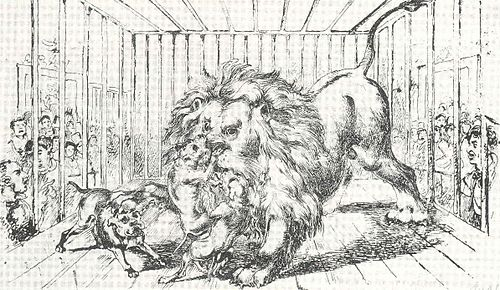
When the dogs were released, the lion waited.
They were vicious, he was not. But he retaliated and bludgeoned and bit them, cutting them down.
They were vicious, he was not. But he retaliated and bludgeoned and bit them, cutting them down.
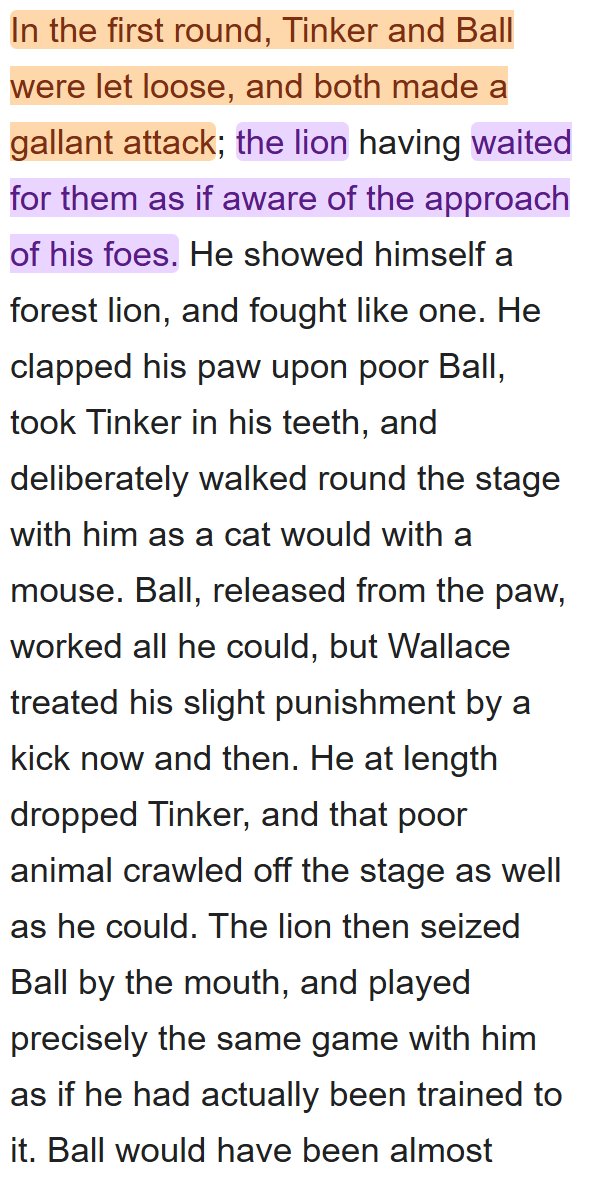
The attack on Wallace continued, with fresh foes entering the pit.
Wallace squatted up and again, did not aim to start the fight. But he would end it.
Every one of the senseless attacks by the dogs was met with their deaths, and plenty of evidence of Wallace's mercy, too.
Wallace squatted up and again, did not aim to start the fight. But he would end it.
Every one of the senseless attacks by the dogs was met with their deaths, and plenty of evidence of Wallace's mercy, too.
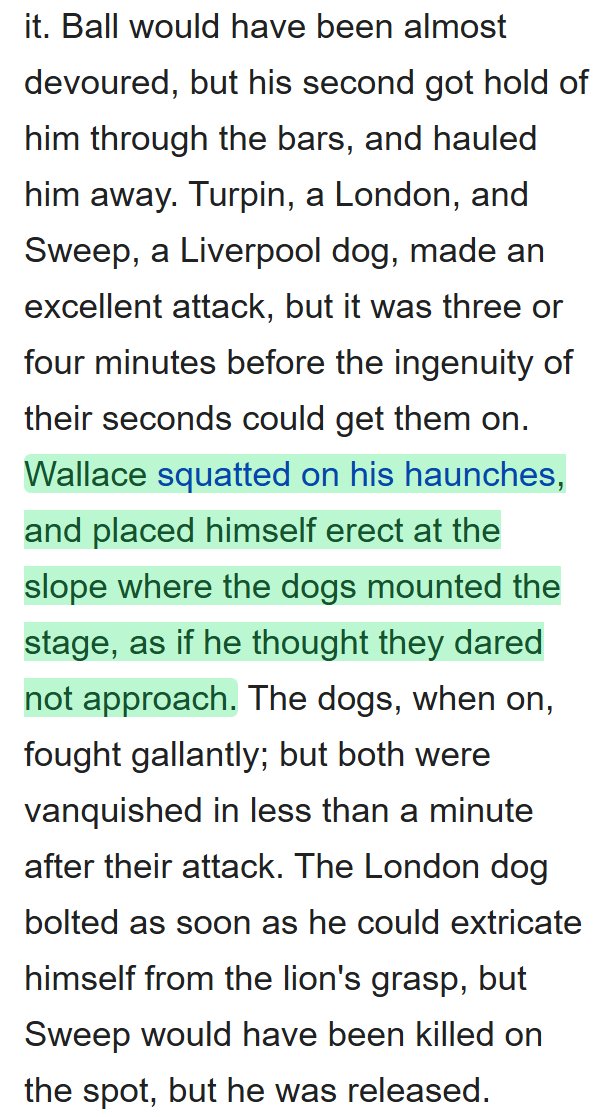
The ringmasters released more dogs on Wallace, and he kept defeating them as they came.
After killing what was apparently the best fighting dog in all of England, the match was declared in favor of Wallace.
After killing what was apparently the best fighting dog in all of England, the match was declared in favor of Wallace.
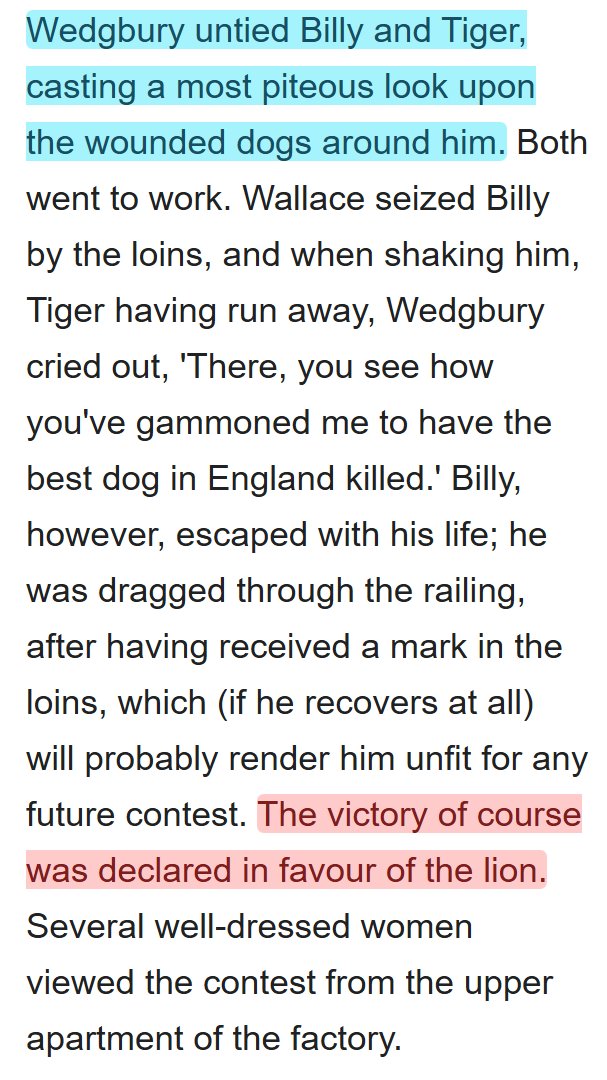
Britain would never see another lion bait after these fights.
The public *hated* what happened. They considered it to be abject barbarity, and they recognized that lions did not want to fight like these killer dogs.
A few years later, the Cruelty to Animals Act banned baiting.
The public *hated* what happened. They considered it to be abject barbarity, and they recognized that lions did not want to fight like these killer dogs.
A few years later, the Cruelty to Animals Act banned baiting.
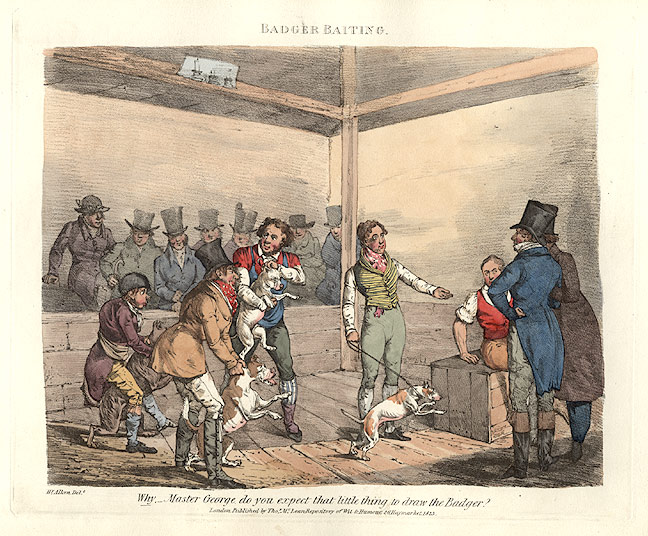
The only other animals that are as ferocious as pit bulls are others bred by humans to be that way.
Perhaps the lone exception might be hyenas, but even they don't seem to fly into a rage and kill everything around them after being set off.
Perhaps the lone exception might be hyenas, but even they don't seem to fly into a rage and kill everything around them after being set off.
https://x.com/cremieuxrecueil/status/2007233017153237488
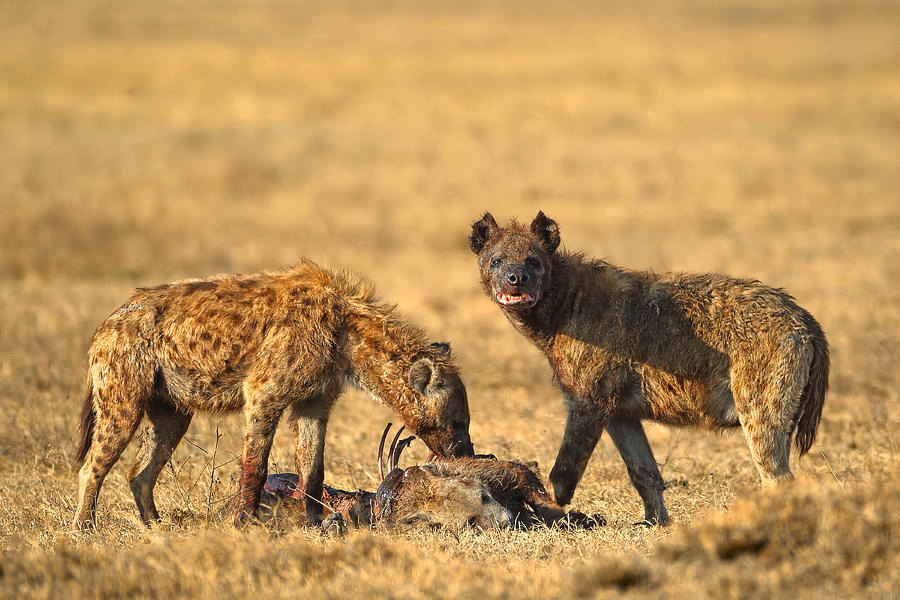
In any case, I think it's clear.
Humanity bred an evil dog. It bred this dog in conditions of immense cruelty.
The only way to suss out which dogs had the reflexes for baiting was to put them into fights, to tease, excite, shout at, and physically manhandle them into a rage.
Humanity bred an evil dog. It bred this dog in conditions of immense cruelty.
The only way to suss out which dogs had the reflexes for baiting was to put them into fights, to tease, excite, shout at, and physically manhandle them into a rage.
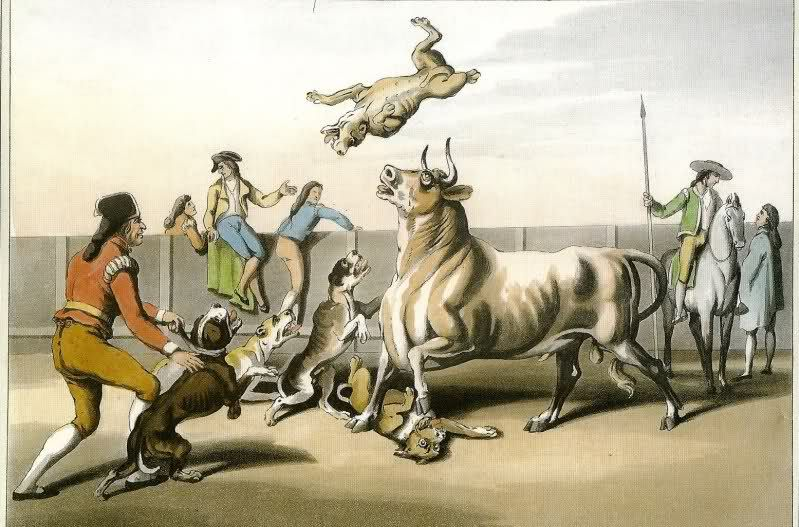
The only just action at this point in time is to eliminate all the breeds like this, all the breeds who have been genetically contaminated by the most extreme, degrading, and evil sorts of animal cruelty.
And PETA agrees: spay or neuter every single pit bull.
And PETA agrees: spay or neuter every single pit bull.

• • •
Missing some Tweet in this thread? You can try to
force a refresh