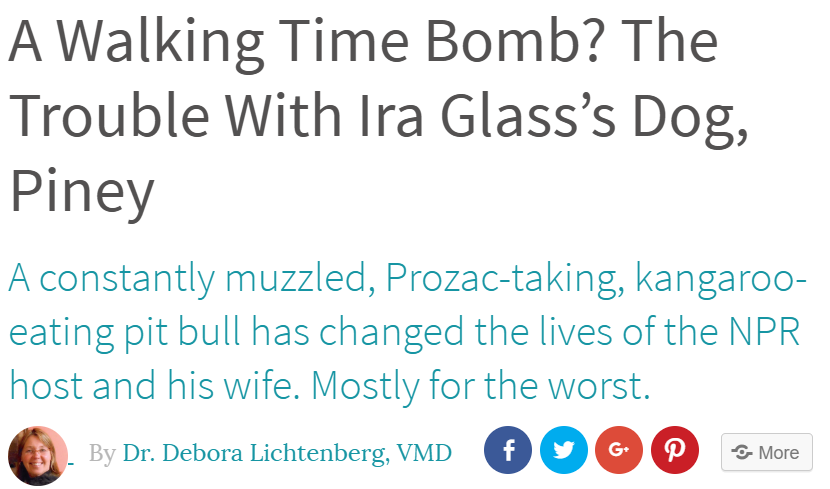
The host of NPR's This American Life once tried to raise a pit bull with his now ex-wife.
He let the dog ruin his life🧵
He ended up getting it on Prozac and Valium, feeding it kangaroo and ostrich, and making excuses for the many times it would attack people.
He let the dog ruin his life🧵
He ended up getting it on Prozac and Valium, feeding it kangaroo and ostrich, and making excuses for the many times it would attack people.
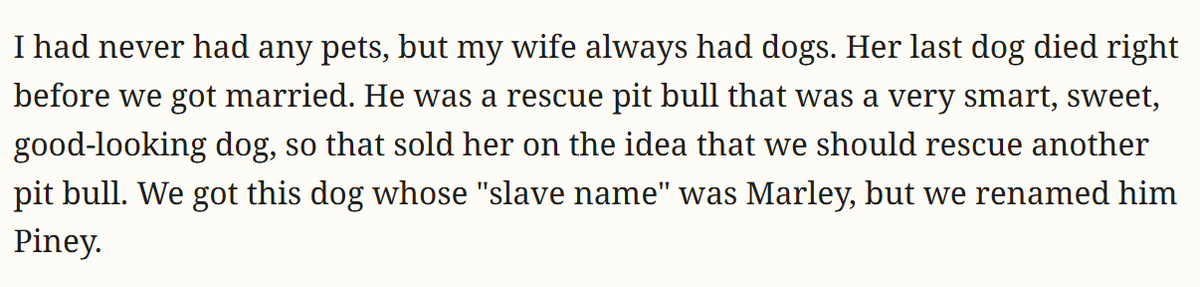
Ira Glass' wife had a dog before they got married, but it died right before the ceremony.
That dog was a pit bull and it was a rescue, so they decided it would be good to rescue another one.
Per him, it originally came with the "slave name" Marley, which he changed to Piney.
That dog was a pit bull and it was a rescue, so they decided it would be good to rescue another one.
Per him, it originally came with the "slave name" Marley, which he changed to Piney.
Shortly after taking him home, Piney seemingly developed severe allergies to whatever he was eating.
So, Ira and his wife got him set up with a doctor. In fact, they got him set up with four doctors.
And they started spending more time cooking for the dog than for themselves.
So, Ira and his wife got him set up with a doctor. In fact, they got him set up with four doctors.
And they started spending more time cooking for the dog than for themselves.
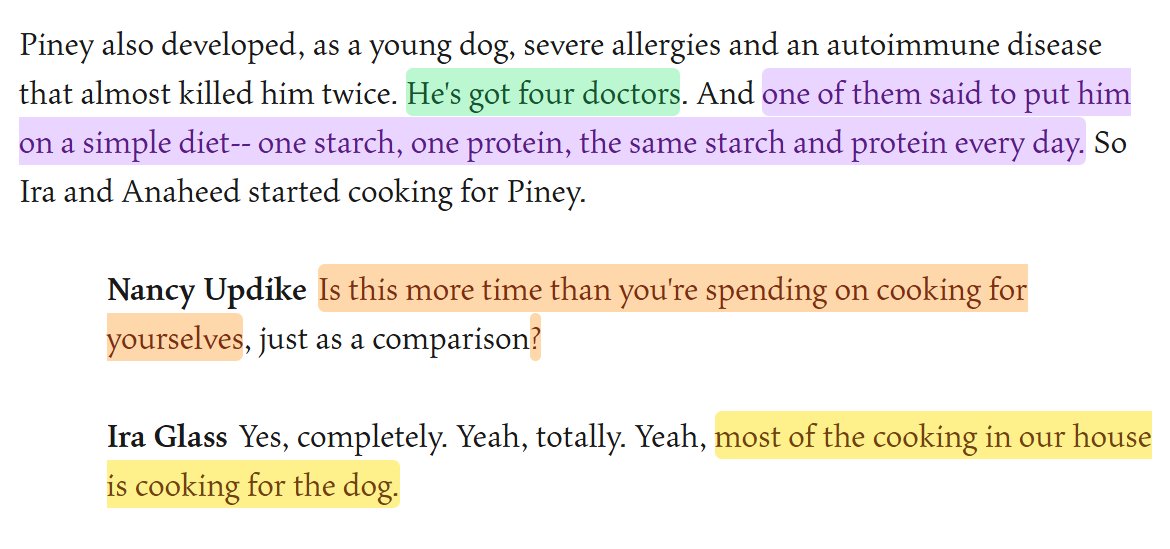
As an indication that this was decidedly not a real condition, but in fact something that Ira and his wife were Munchausen-by-proxying onto the dog, it apparently just kept developing allergies to every new meat it would eat.
And he apparently needed expensive meals.
And he apparently needed expensive meals.
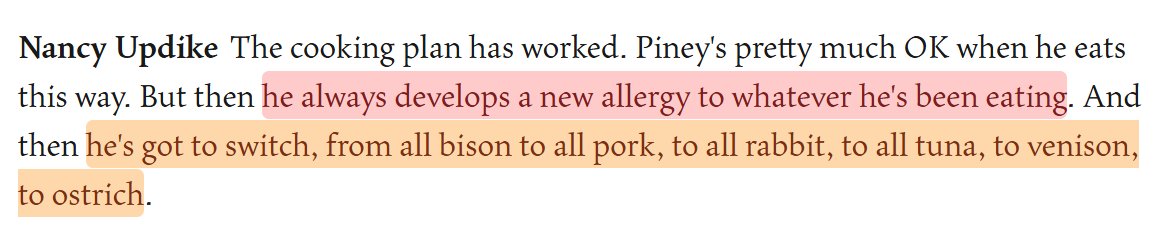
After committing himself to taking daily, hour-plus-long trips get fresh kangaroo to feed to Piney, Ira started to fantasize about what life could be like if he didn't have this high-needs pit in his life.

It becomes very clear to the interviewer that Ira sees his pit bull as helpless and dependent and precious, rather than as a vicious dog that's forcing him to throw his time down the drain.
And, in fact, Ira sounds like he's an abused girlfriend.
And, in fact, Ira sounds like he's an abused girlfriend.
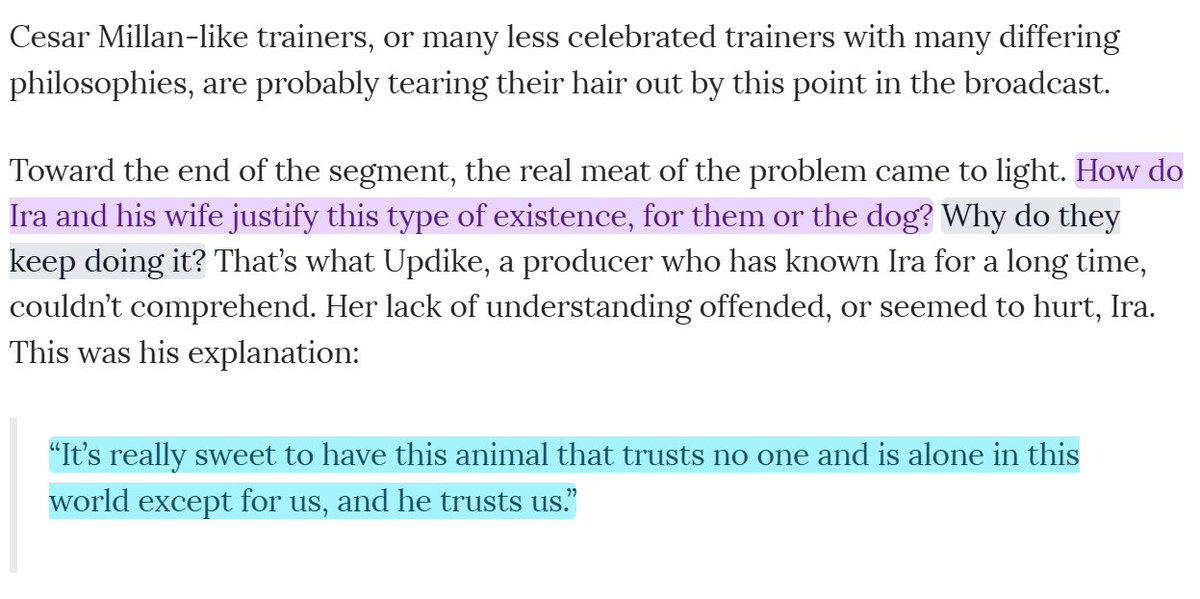
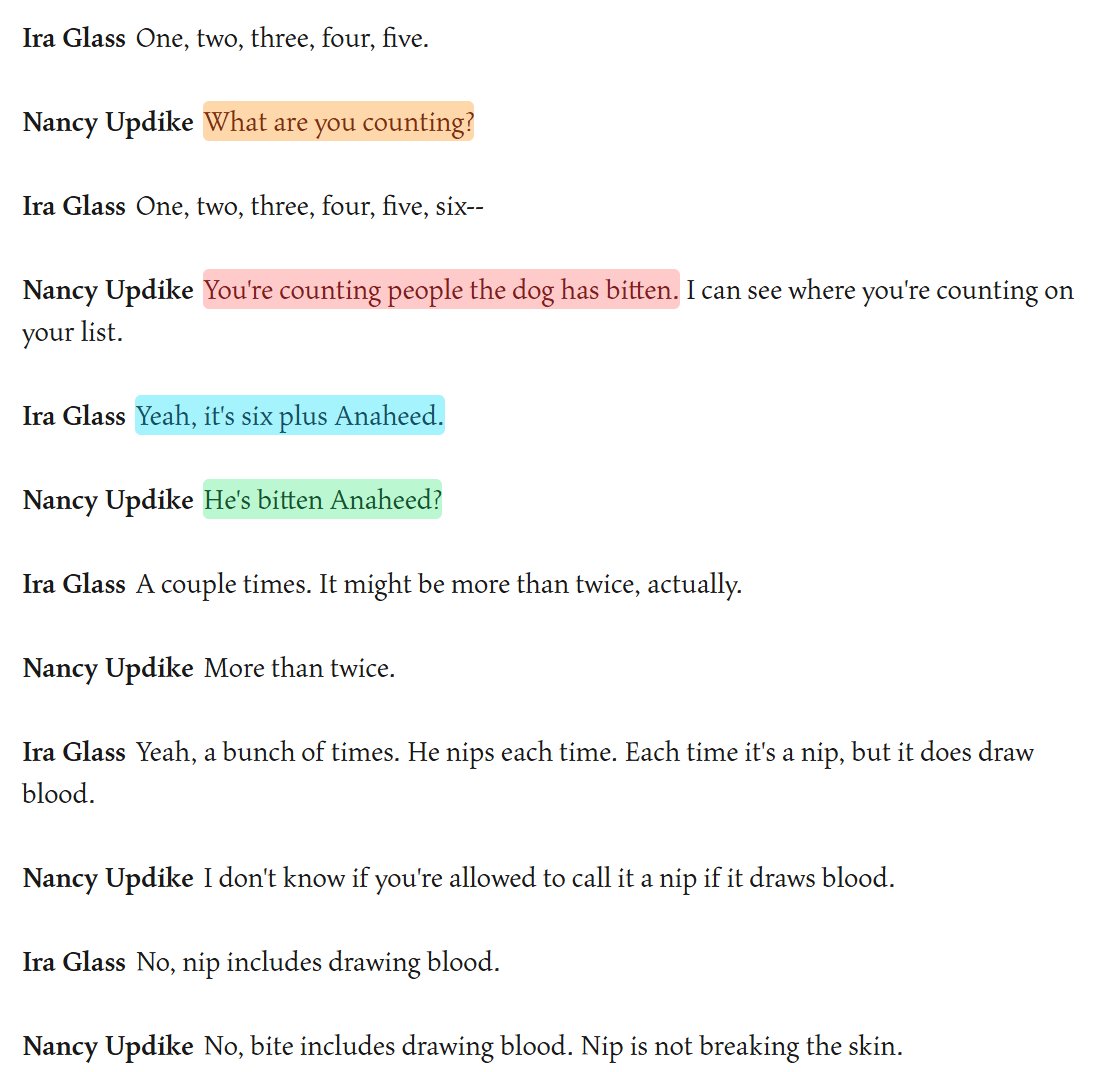
Why "abused"? Because the dog is violent.
And because he was justifying it.
Notice how he's aware that the dog is breaking people's skin and really going in for serious bites, and he just decides to call those "nips".
And because he was justifying it.
Notice how he's aware that the dog is breaking people's skin and really going in for serious bites, and he just decides to call those "nips".
And let's be clear here.
This dog does not love Ira Glass. It might have loved his wife, but it didn't love him.
It fundamentally thought he was an aggressive male who shouldn't be allowed to go near... his own wife, Anaheed.
This dog does not love Ira Glass. It might have loved his wife, but it didn't love him.
It fundamentally thought he was an aggressive male who shouldn't be allowed to go near... his own wife, Anaheed.
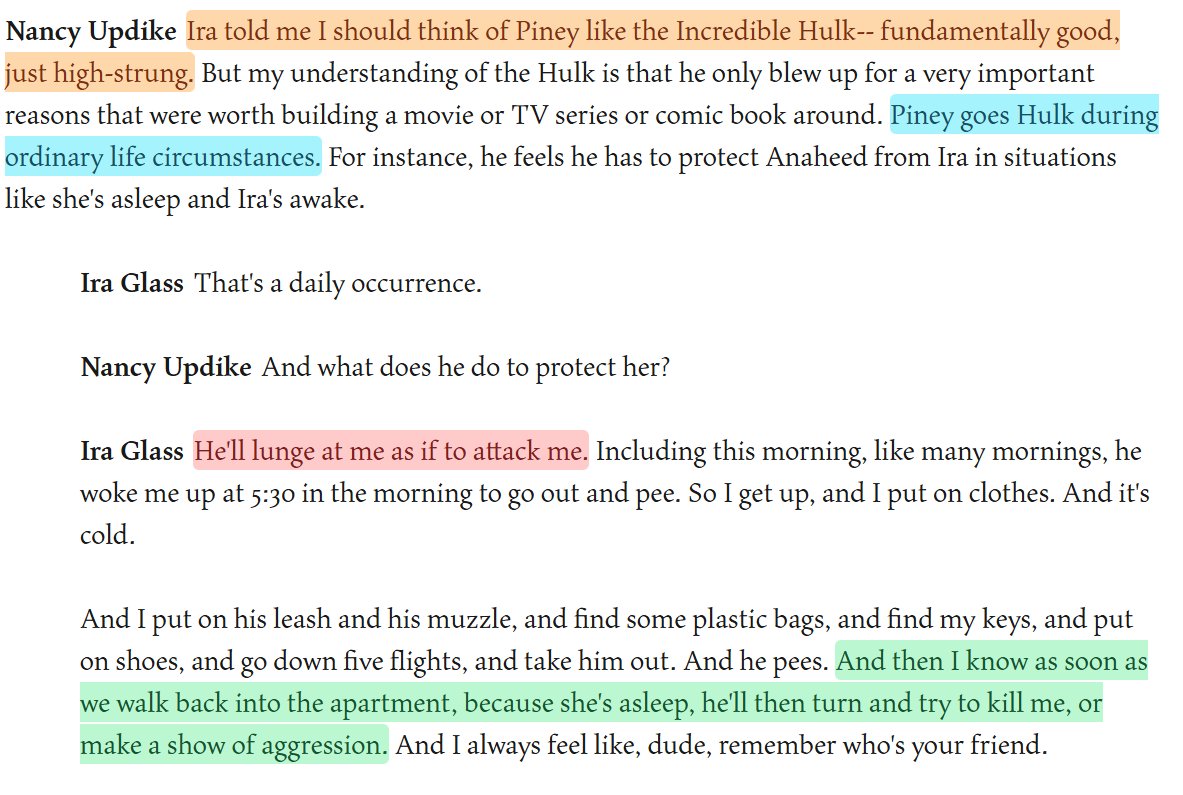
This dog was actually ruining his life.
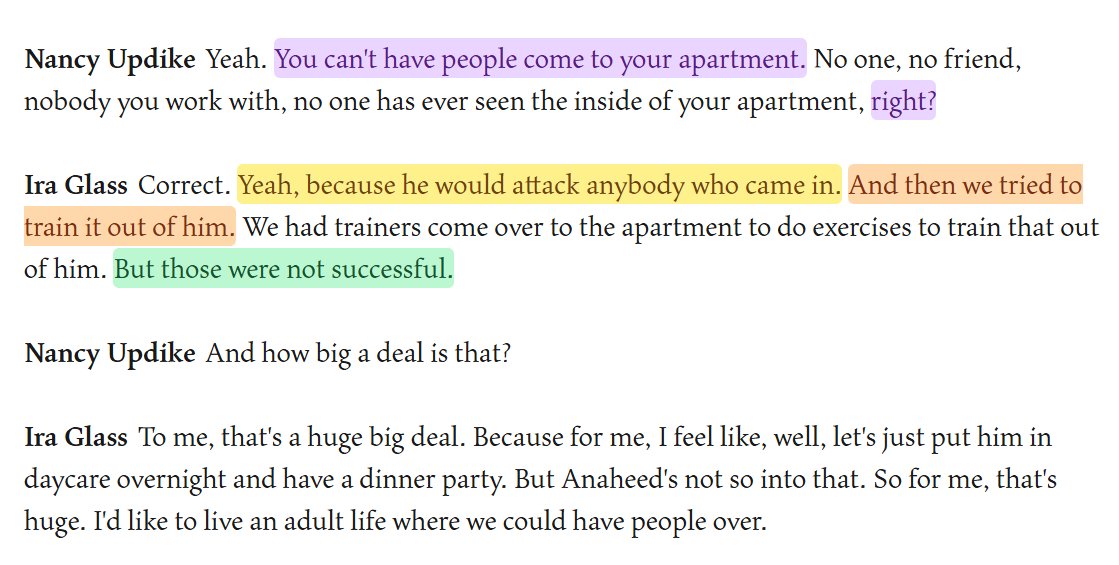
He could no longer have a real, adult social life, because he couldn't stay away from the dog for very long, and, perhaps more importantly, people couldn't come over to his home or they'd be attacked.
This was *despite* paying trainers!
He could no longer have a real, adult social life, because he couldn't stay away from the dog for very long, and, perhaps more importantly, people couldn't come over to his home or they'd be attacked.
This was *despite* paying trainers!
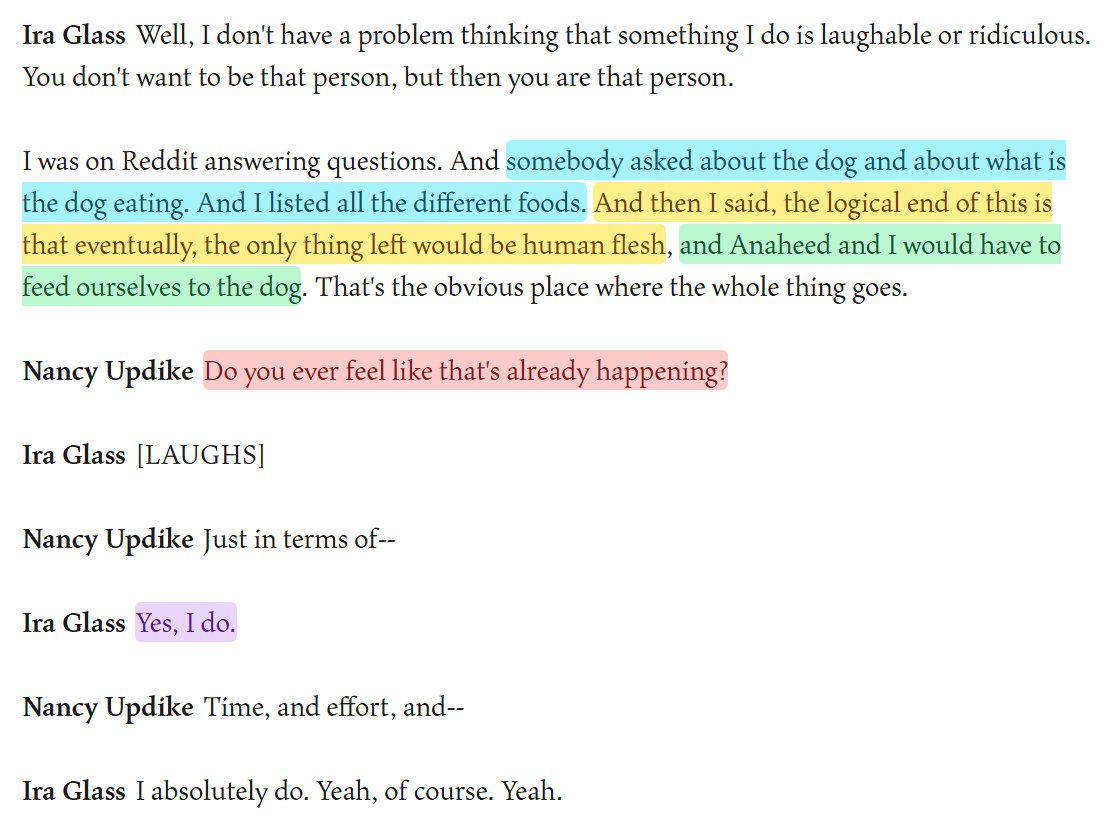
Ira's love for this pit bull was pathological.
He knew it was a terrible dog. He didn't realize that it didn't really love him. He thought it was misunderstood, and being misjudged by others, even though he thought the only way to appease it would be self-sacrifice!
He knew it was a terrible dog. He didn't realize that it didn't really love him. He thought it was misunderstood, and being misjudged by others, even though he thought the only way to appease it would be self-sacrifice!
Ira and Anaheed eventually divorced, and in a later interview where he was asked about it, he confirmed that Piney contributed to his marriage failing.
This is all tragic, but it's also so avoidable.
From the outset, the whole endeavor was delusional.
This is all tragic, but it's also so avoidable.
From the outset, the whole endeavor was delusional.
Ira and his wife adopted this animal, in part because they wanted to defy the perception that pit bulls were bad
They wanted to show that you could take a dog perceived a certain way, raise it well, and have everything turn out fine
Why they believed this, I can only speculate
They wanted to show that you could take a dog perceived a certain way, raise it well, and have everything turn out fine
Why they believed this, I can only speculate
Ira and Anaheed were addicted to the 'feel-good' notion that they were protecting an underdog, saving a reviled thing, protecting this sweet, kind, and loving animal from a world that wished it harm.
But they were suckers for a dog that abused them and eventually broke them.
But they were suckers for a dog that abused them and eventually broke them.
It is genuinely shocking to read through these interviews and this story and to see that a man who is genuinely insightful about so many topics could show such a pathological level of self-sacrificial adoration for a monstrous animal
An animal any rational person should put down
An animal any rational person should put down

But there it is.
And there go so many others, too.
A lot of people who end up being mauled, having kids mauled, having neighbors mauled... they're just like Ira.
If they accepted the reality that some dogs have earned their bad reputations, maybe this wouldn't have happened.
And there go so many others, too.
A lot of people who end up being mauled, having kids mauled, having neighbors mauled... they're just like Ira.
If they accepted the reality that some dogs have earned their bad reputations, maybe this wouldn't have happened.
Don't be delusional about pit bulls. Don't sacrifice your life for something that can't even begin to love you. Don't become pathologically sorry for yourself and indignant towards others for disliking your evil dog.
Just get a Golden Retriever.
Just get a Golden Retriever.

Reading material:
web.archive.org/web/2015122910…
thisamericanlife.org/480/transcript
newsweek.com/ira-glass-resc…
dailycal.org/archives/story…
web.archive.org/web/2015122910…
thisamericanlife.org/480/transcript
newsweek.com/ira-glass-resc…
dailycal.org/archives/story…
And P.S.
After their divorce, Anaheed got another dog.
It was another pit bull, and like Piney, it takes up all of her attention. You can just look at her Instagram to see.
How in god's name did she not learn her lesson?!
After their divorce, Anaheed got another dog.
It was another pit bull, and like Piney, it takes up all of her attention. You can just look at her Instagram to see.
How in god's name did she not learn her lesson?!
• • •
Missing some Tweet in this thread? You can try to
force a refresh