The minimisers would have you believe that every bad health condition develops immediately, symptoms of it appear immediately, medical attention is found immediately, and the condition is diagnosed immediately.
The truth is very different.
The truth is very different.
It can take years for conditions to develop after they have been triggered.
It can take years for the symptoms to become bad enough to need medical attention.
It can take years to get medical attention and diagnosis.
And it can then take another year for them to appear in medical data.
So conditions can take *years and years* from cause to statistics.
Epstein–Barr virus → Multiple sclerosis
EBV infection often occurs in adolescence. MS commonly presents 10–30 years later. The causal trigger is long gone by the time disability appears, and even longer before prevalence curves move.
EBV infection often occurs in adolescence. MS commonly presents 10–30 years later. The causal trigger is long gone by the time disability appears, and even longer before prevalence curves move.
SARS-CoV-2 → Myalgic encephalomyelitis / Long COVID
Immune and autonomic dysfunction may evolve over months to years. Many patients spend years being told it is anxiety or deconditioning before diagnosis codes appear.
Immune and autonomic dysfunction may evolve over months to years. Many patients spend years being told it is anxiety or deconditioning before diagnosis codes appear.
Hepatitis C → Hepatocellular carcinoma
Initial infection may be asymptomatic. Cirrhosis and cancer typically emerge 20–40 years later.
Initial infection may be asymptomatic. Cirrhosis and cancer typically emerge 20–40 years later.
Asbestos → Mesothelioma
One of the clearest examples: exposure in early adulthood, cancer diagnosis 30–50 years later.
One of the clearest examples: exposure in early adulthood, cancer diagnosis 30–50 years later.
Lead exposure → Cognitive impairment
Childhood exposure can alter brain development, but impacts may not show up clearly until educational failure or adult neurological decline.
Childhood exposure can alter brain development, but impacts may not show up clearly until educational failure or adult neurological decline.
Immune trigger → Sjogren's
Glandular damage, neuropathy, dysautonomia, and fatigue often develop slowly over many years. Diagnosis commonly lags symptom onset by 5–10 years.
Glandular damage, neuropathy, dysautonomia, and fatigue often develop slowly over many years. Diagnosis commonly lags symptom onset by 5–10 years.
Viral infection → Type 1 diabetes
Autoimmune destruction of beta cells can smoulder for years before glucose levels cross diagnostic thresholds.
Autoimmune destruction of beta cells can smoulder for years before glucose levels cross diagnostic thresholds.
Head injury or viral insult → Parkinson’s disease
Dopaminergic neuron loss begins long before tremor or rigidity. Diagnosis often occurs decades after the initiating injury or exposure.
Dopaminergic neuron loss begins long before tremor or rigidity. Diagnosis often occurs decades after the initiating injury or exposure.
Radiation or carcinogen exposure → Thyroid cancer
Often appears 10–30 years after exposure (classic post-Chernobyl example).
Often appears 10–30 years after exposure (classic post-Chernobyl example).
And yet....
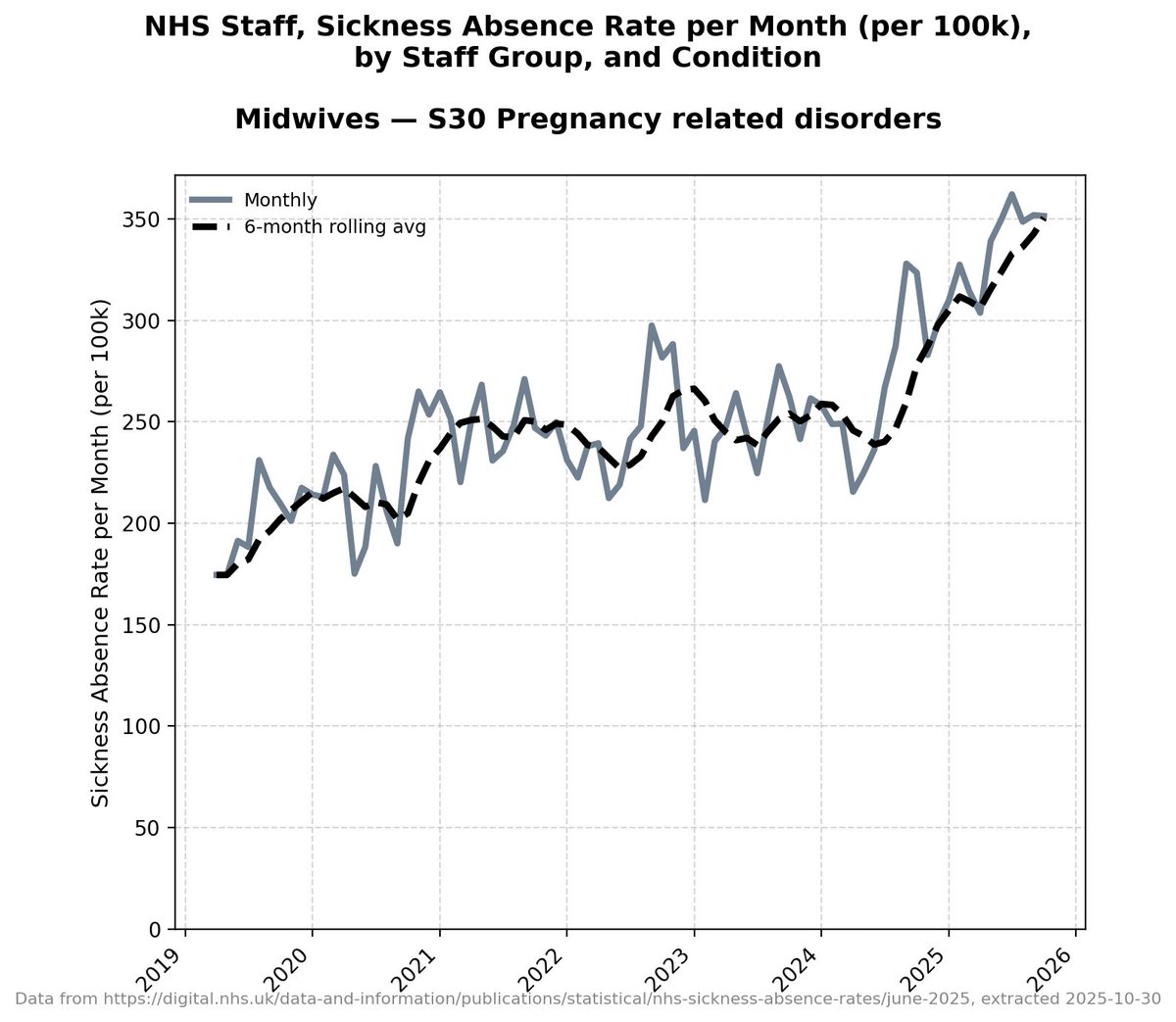
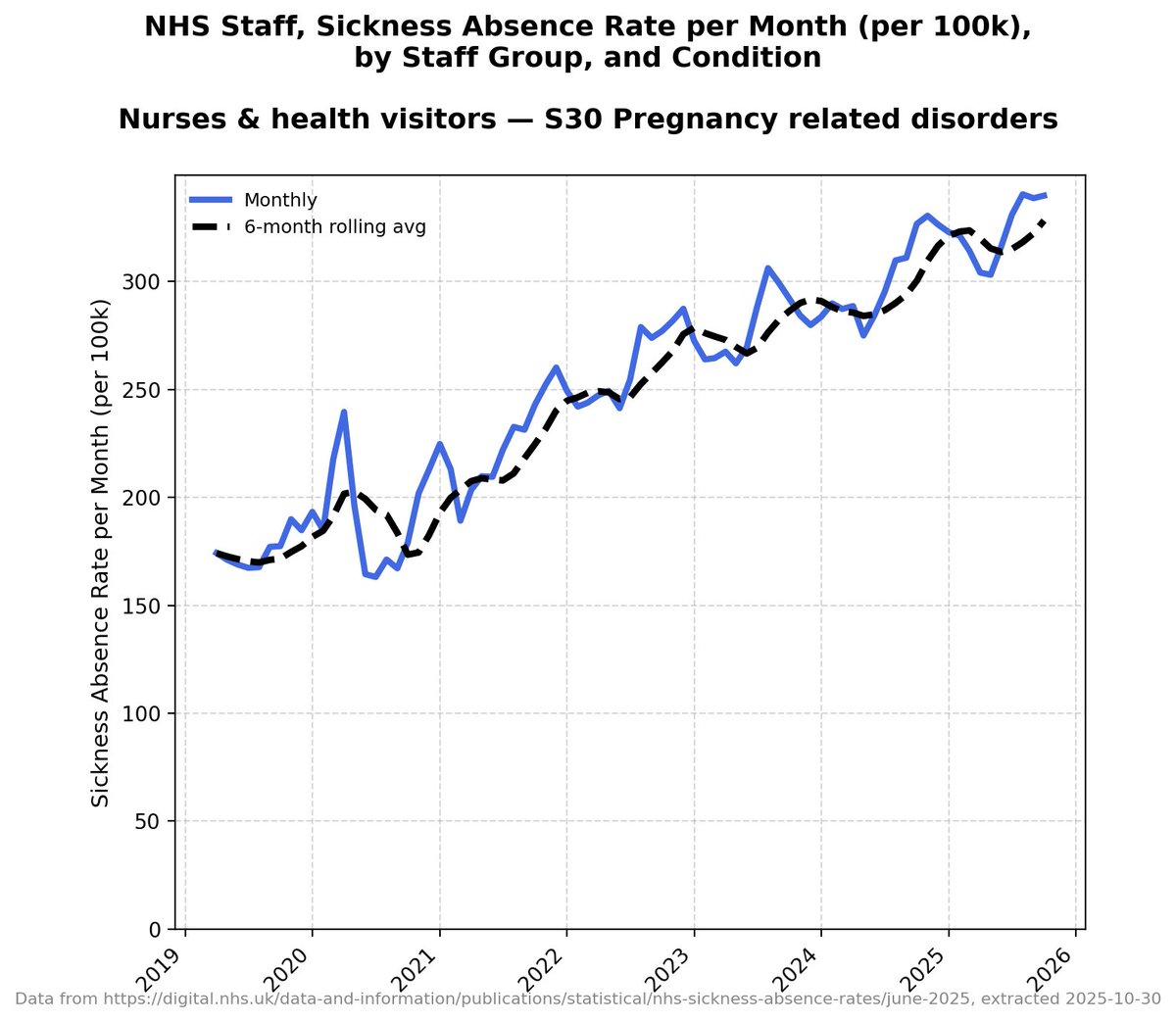
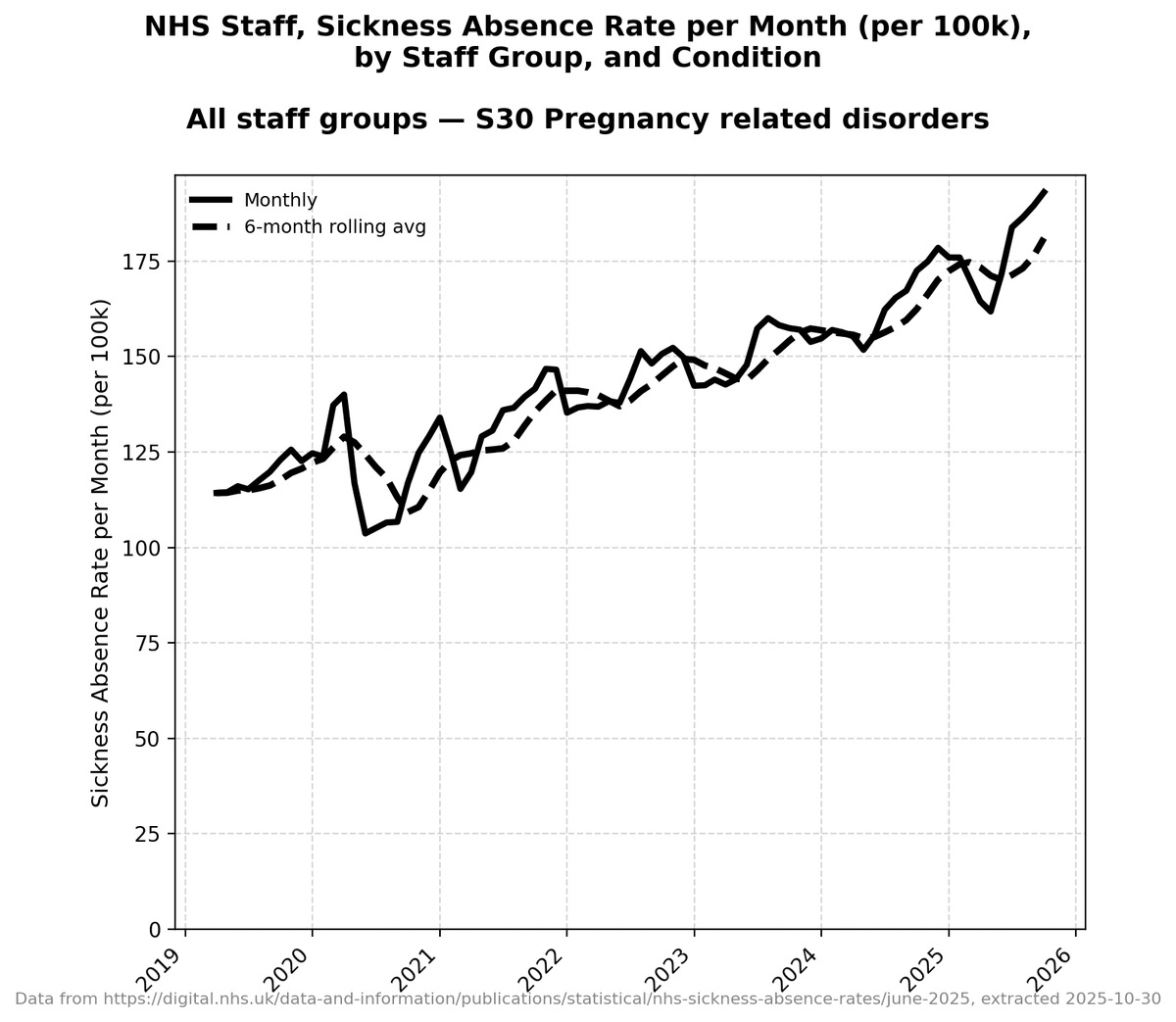
... we are *already* seeing massive problems following mass repeat covid infections.
• • •
Missing some Tweet in this thread? You can try to
force a refresh