David Sinclair Profile picture
Jan 14 16 tweets 3 min read Read on X
New study indicates that a decrease in nerve cell cholesterol caused by cortisol, inflammation & low SIRT1 activity may be a cause of major depression.

So, do statins exacerbate depression?

And since SIRT1 is NAD⁺-dependent, could NAD⁺ boosters treat or prevent depression? …🧵Image
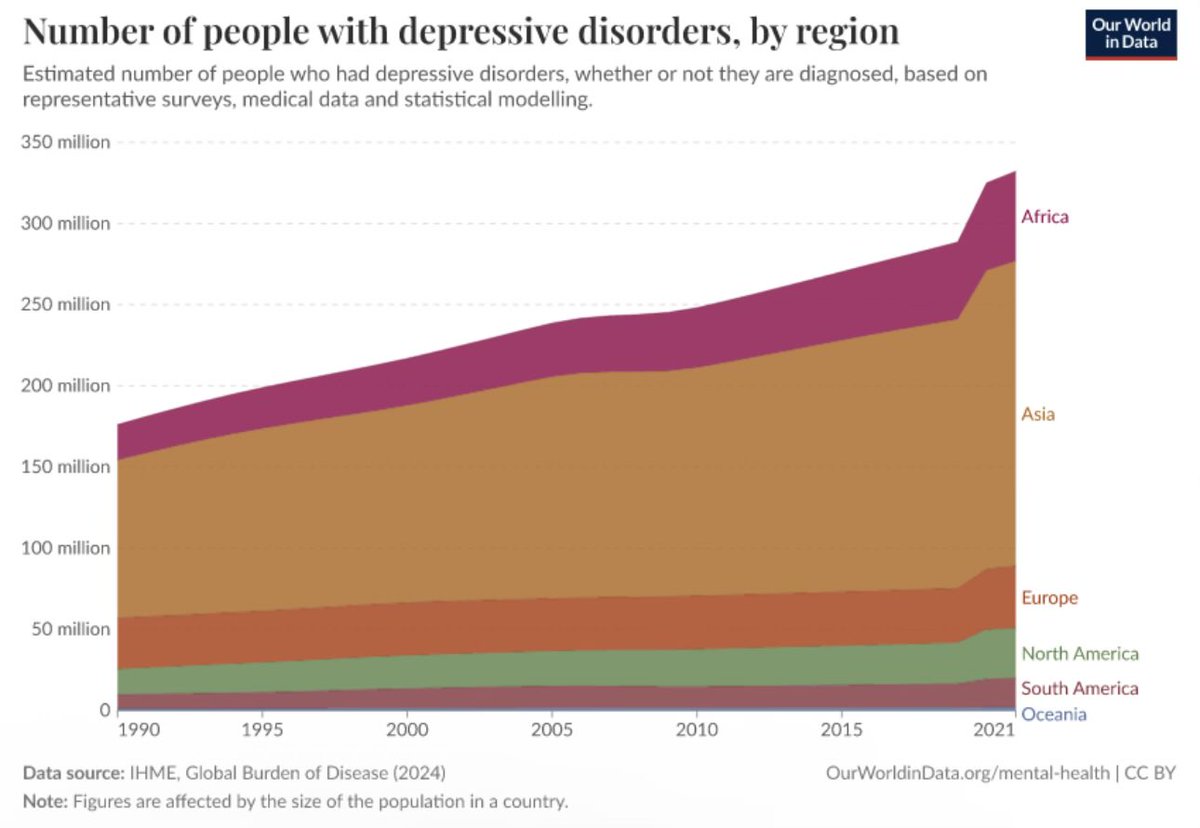
Around 5–5.7% of adults worldwide experience depressive disorders at any given time. >280 million people! Image
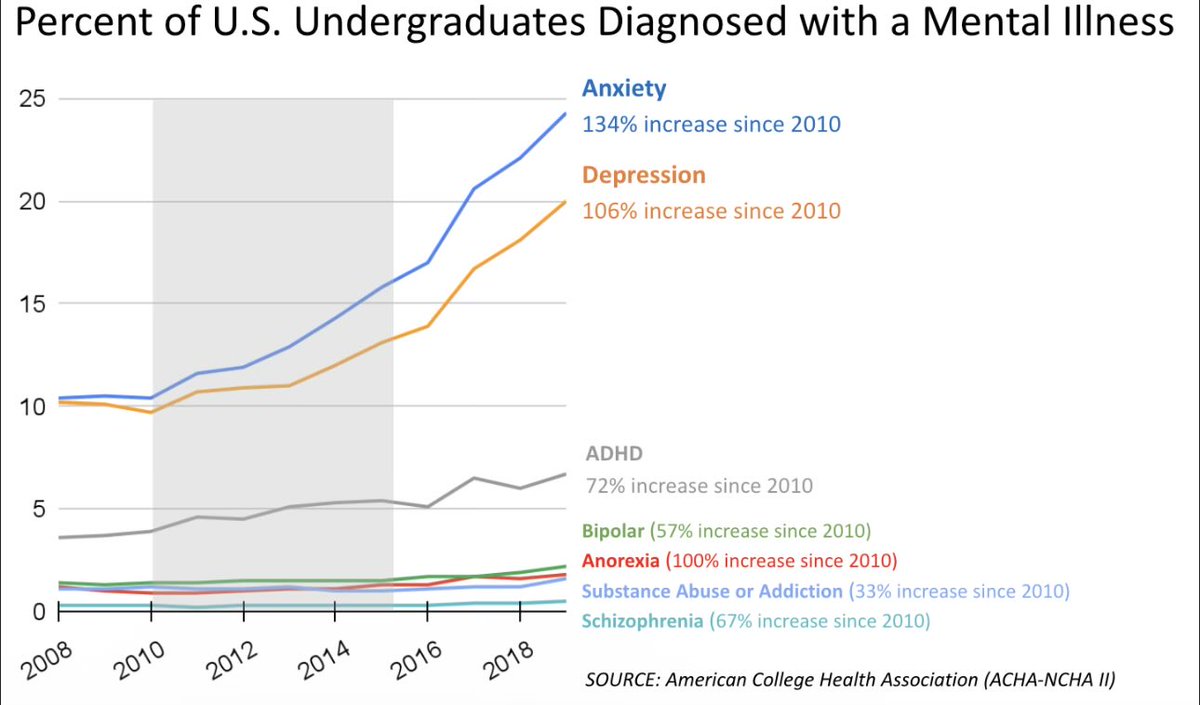
Lifetime depression diagnoses in the U.S. have risen. ~29% report ever being diagnosed, up from ~20% a decade ago Image
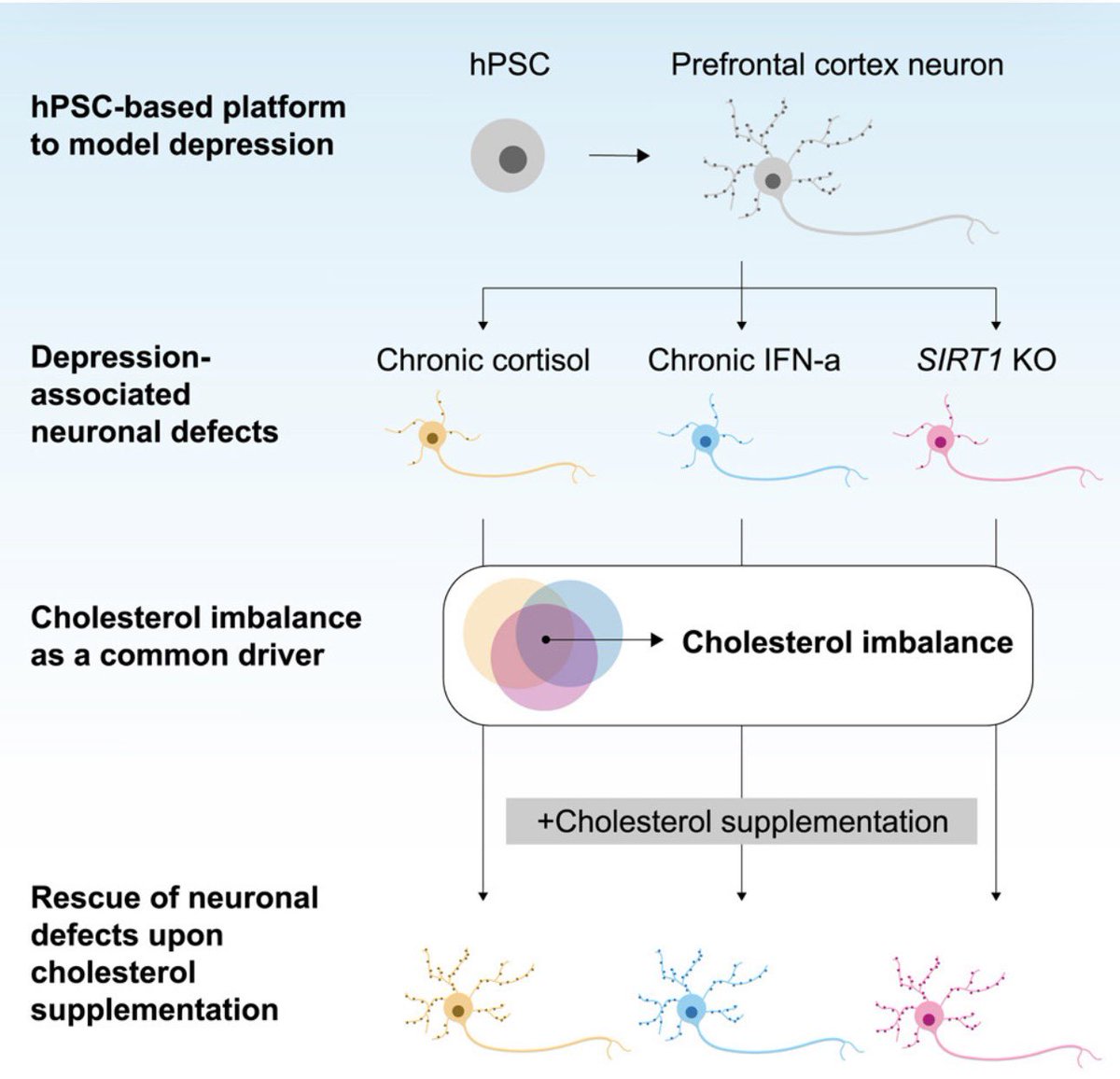
Using human stem cell–derived prefrontal cortex neurons, the authors modeled 3 major risk factors: chronic cortisol (stress), interferon-α (inflammation), and loss of SIRT1, a longevity-linked NAD⁺-dependent deacetylase Image
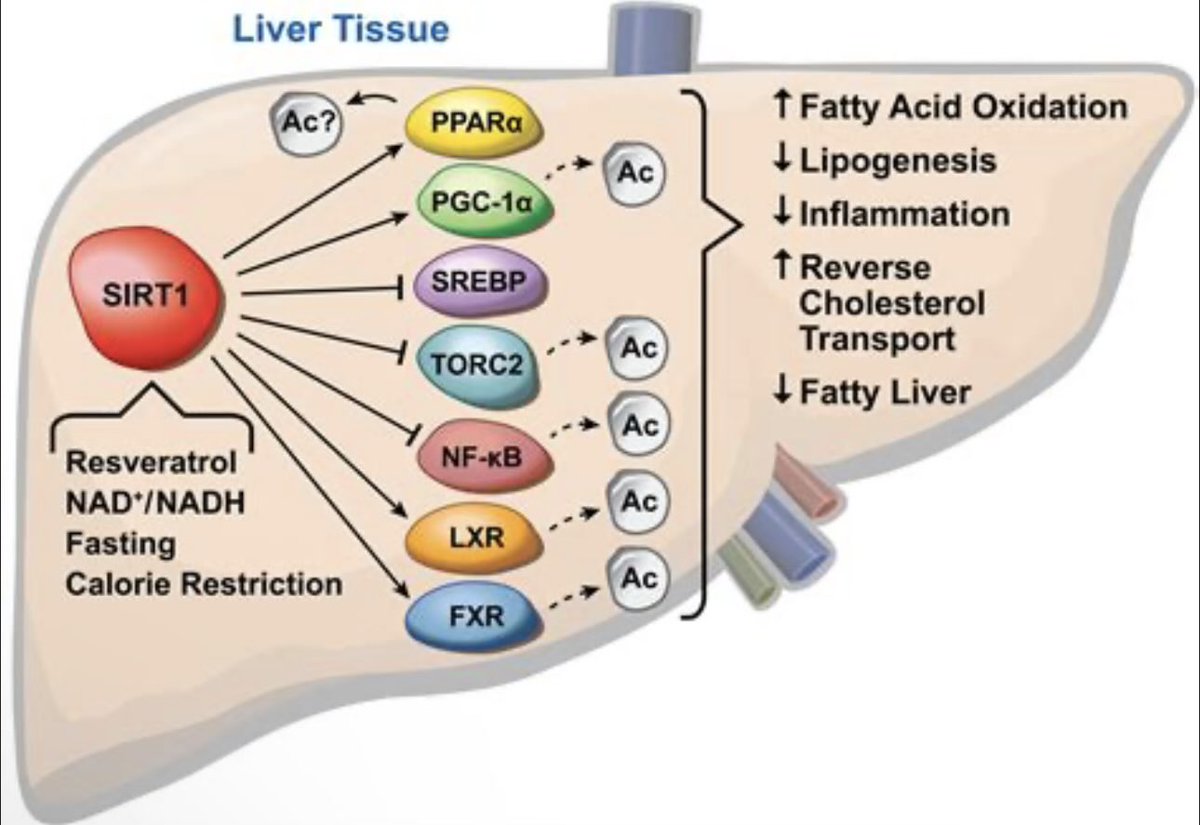
Strikingly, all three caused the same phenotype: dendritic atrophy, synapse loss, reduced glutamate signaling, and neuronal hypoactivity
SIRT1 loss alters expression of cholesterol synthesis & transport, reducing membrane cholesterol and impairing synaptic function. This links metabolism, epigenetics, and mood
Lowering cholesterol in healthy neurons reproduced depression-like defects. Conversely, restoring cholesterol rescued synapses and glutamate responses across all models
This study raises a testable idea: could NAD⁺ precursors (NR, NMN, etc.) help restore SIRT1 activity, normalize neuronal cholesterol, and improve synaptic function in subsets of major depressive disorder?
NMN has been reported to improve depression-like behaviors in stress/corticosterone models in mice. Translation to humans is not known
There are mouse studies suggesting another NAD precursor NR can reduce depression-like behaviors in specific contexts
In my experience, NMN has improved my mood over the past 15 years - and clinical trials should be initiated to test it
As to whether statins are a risk: possibly. Brain cholesterol is largely synthesized locally (by neurons and especially astrocytes). Peripheral cholesterol does not cross the blood–brain barrier in meaningful amounts
Lipophilic statins (e.g., simvastatin, lovastatin, atorvastatin/Lipitor) can cross the blood brain barrier. Hydrophilic statins (e.g., pravastatin, rosuvastatin/Crestor) cross poorly
Some studies show statins associating with depressive symptoms while others show no effect or even benefit (likely via anti-inflammatory or vascular effects)
A subset of individuals may be vulnerable to cholesterol-lowering drugs, especially if brain cholesterol or SIRT1/NAD⁺ are already altered by genetics, age, or disease

• • •

Missing some Tweet in this thread? You can try to force a refresh

 

Keep Current with David Sinclair

David Sinclair Profile picture

Stay in touch and get notified when new unrolls are available from this author!

Read all threads

This Thread may be Removed Anytime!

PDF

Twitter may remove this content at anytime! Save it as PDF for later use!

Try unrolling a thread yourself!

how to unroll video
  1. Follow @ThreadReaderApp to mention us!

  2. From a Twitter thread mention us with a keyword "unroll"
@threadreaderapp unroll

Practice here first or read more on our help page!

More from @davidasinclair

Jan 4
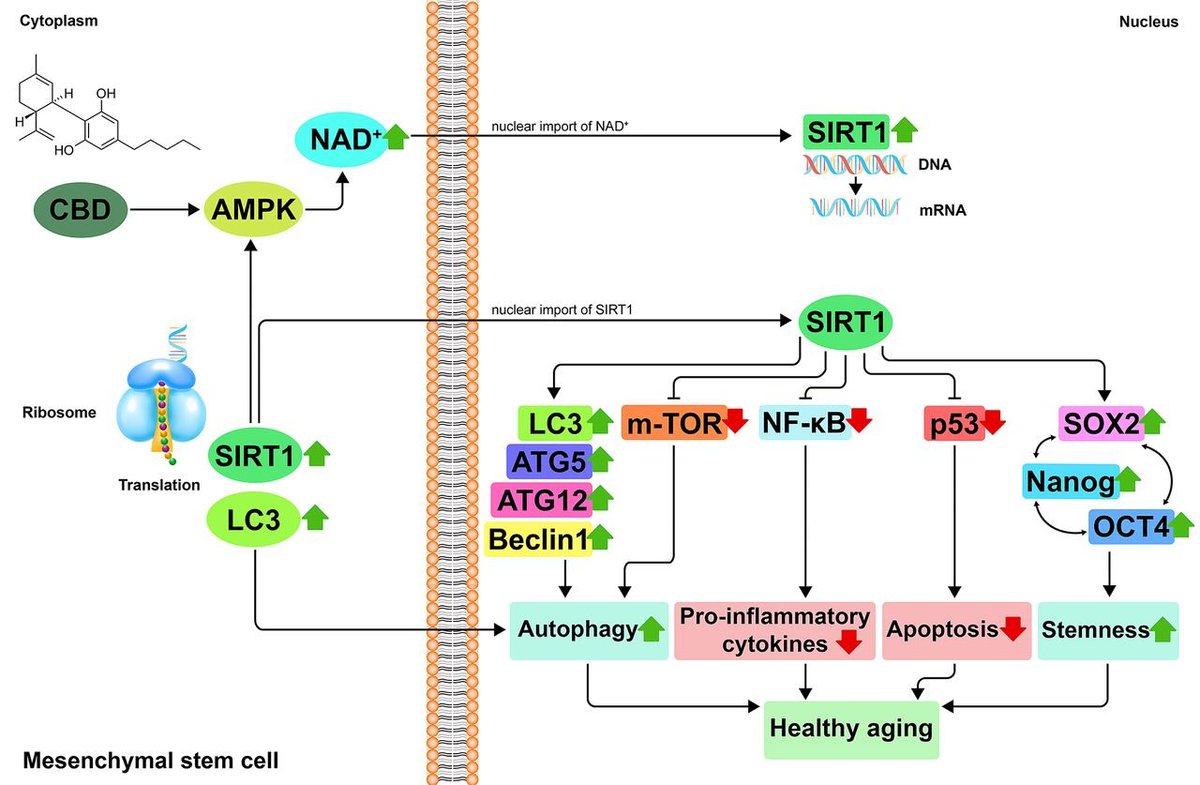
Cannabidiol (CBD) does amazing things. According to a new study it:

* Increases SIRT1 & autophagy ✅
* Decreases mTOR ✅
* Upregulates SOX2 & OCT4 ✅
* Preserves telomeres ✅
* Reduces inflammatory NF-kB ✅
* Slows stem cell aging ✅

🧵 Image
CBD, or cannabidiol, is the second most prevalent active ingredient in marijuana, with no effects indicative of any abuse or dependence potential
Mesenchymal stem cells (MSCs) are used to treat various degenerative diseases. Their therapeutic potential is limited by their aging in the dish as they are expanded in number. The researchers tested if CBD could help
Read 10 tweets
Oct 7, 2025
Statistically, you should not exist:

– Life-friendly universe: 1/10⁶⁰
– Earth + moon: 1/10⁹
– Multicellular life: 1/10⁴
– Intelligence & civilization: 1/10⁹
– Your genome: 1/70 trillion

You’ve already won the lottery 10 times in a row. Ignore small people & enjoy!
Equivalent odds: winning the Powerball jackpot 10 times in a row
Flipping 272 heads in a row
Read 7 tweets
Oct 4, 2025
DNA breaks from cosmic rays disrupt the epigenome and release virus-like retrotransposons. Not wild theory. Fact

X-rays and CT scans probably do too but no one talks about it
This study in 2008 was the first evidence for the information theory of aging in mammals - the idea that DNA breaks and other major stresses cause chromatin modifiers like SIRT1 to relocate, which disrupts the epigenome & changes the expression of genes in ways that cause aging Image
Just re-read this paper and I’ve realized it was 15 years ahead of its time. Still is
Read 4 tweets
Oct 2, 2025
Some plant polyphenols (resveratrol, quercetin & berberine) turn out to be dual modulators of both SIRT1 & GSK3b - important pathways for neuroprotection & epigenetic age resets... 🧵Image
In 2008, we showed movement of the NAD-dependent enzyme SIRT1 away from regulated genes to DNA breaks (which happen every day in every cell) is a key process in the loss of epigenetic information that we have proposed leads to aging and diseases
cell.com/fulltext/S0092…Image
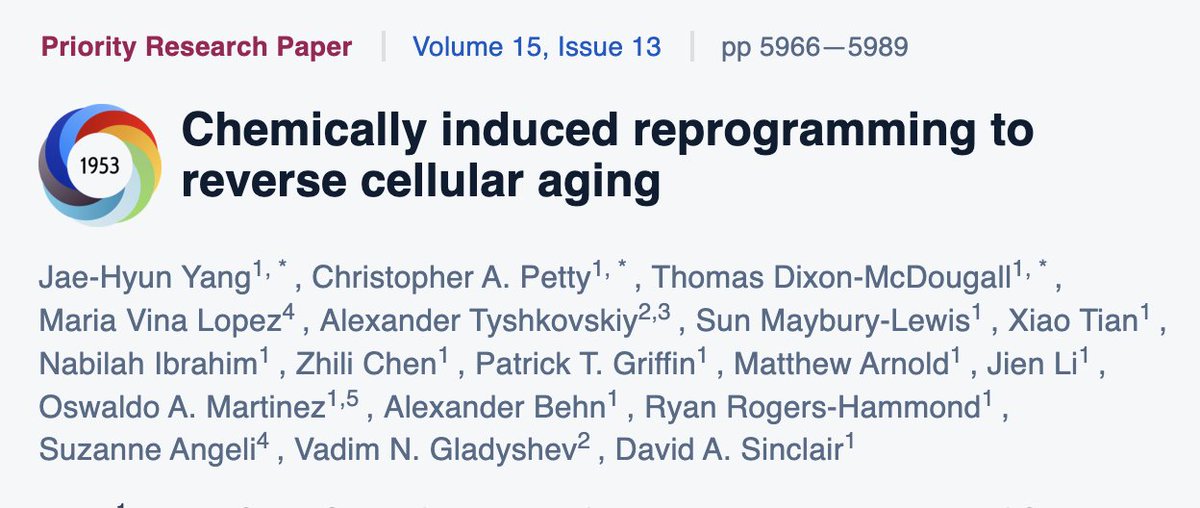
And in 2023, we showed GSK3b inhibitors are a key component of epigenetic age reversal cocktails, in vitro
aging-us.com/article/204896Image
Read 5 tweets
Oct 1, 2025
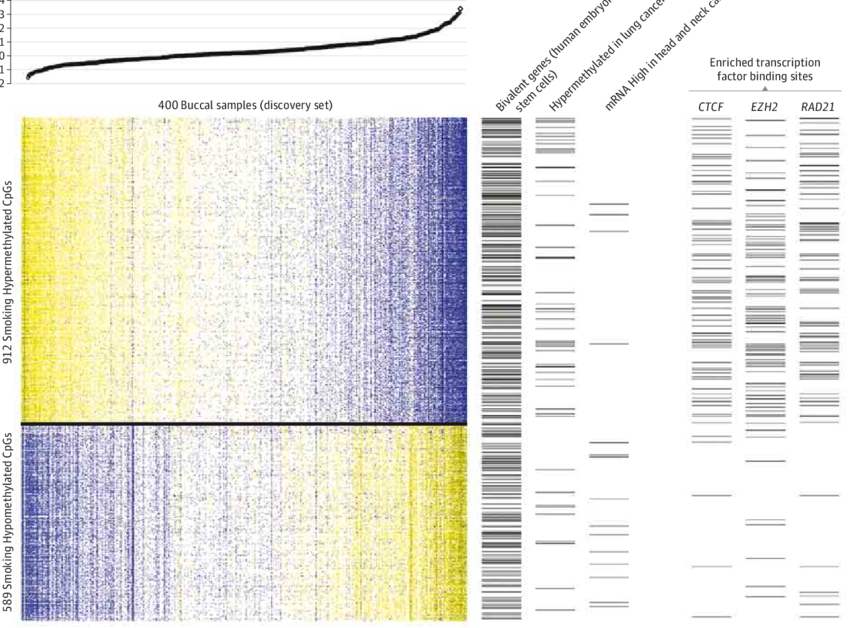
Can cheek swab DNA reveal meaningful signals about your health, diseases and biological age?🏃‍♂️🏃‍♀️🧵... Image
Background: DNA methylation (DNAme) is a chemical modification of DNA on the "Cs" in DNA, which changes over time, the rate of which depends on how healthy you live over the course of your life... ⏰ Image
Smoking and obesity accelerate DNAme changes, and healthy diets slow them. We can read these changes using DNA sequencing or DNA hybridization chips. This is how we arrive at DNAme age clocks... Image
Read 16 tweets
Sep 28, 2025
Exciting new paper @nature that could explain why inflammation rises as we age and why healthy diets and exercise suppress inflammation 👏 🧵 Image
Various mitochondrial stressors, such as pathogen infection and metabolic deficiencies, trigger the release of mtDNA into the cytosol and an inflammatory response, but why? Image
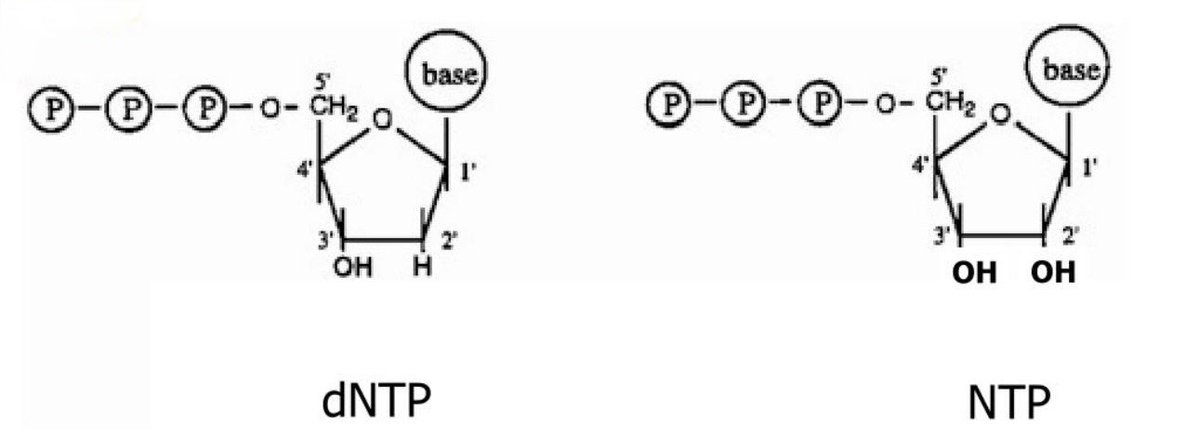
Under certain circumstances, including in senescent cells, there are decreased levels of deoxyribonucleotide triphosphates (dNTPs) for making DNA, with a corresponding increase in the levels of ribonucleotide monophosphates (rNMPs)… Image
Read 9 tweets

Did Thread Reader help you today?

Support us! We are indie developers!


This site is made by just two indie developers on a laptop doing marketing, support and development! Read more about the story.

Become a Premium Member ($3/month or $30/year) and get exclusive features!

Become Premium

Don't want to be a Premium member but still want to support us?

Make a small donation by buying us coffee ($5) or help with server cost ($10)

Donate via Paypal

Or Donate anonymously using crypto!

Ethereum

0xfe58350B80634f60Fa6Dc149a72b4DFbc17D341E copy

Bitcoin

3ATGMxNzCUFzxpMCHL5sWSt4DVtS8UqXpi copy

Thank you for your support!

Follow Us!

:(