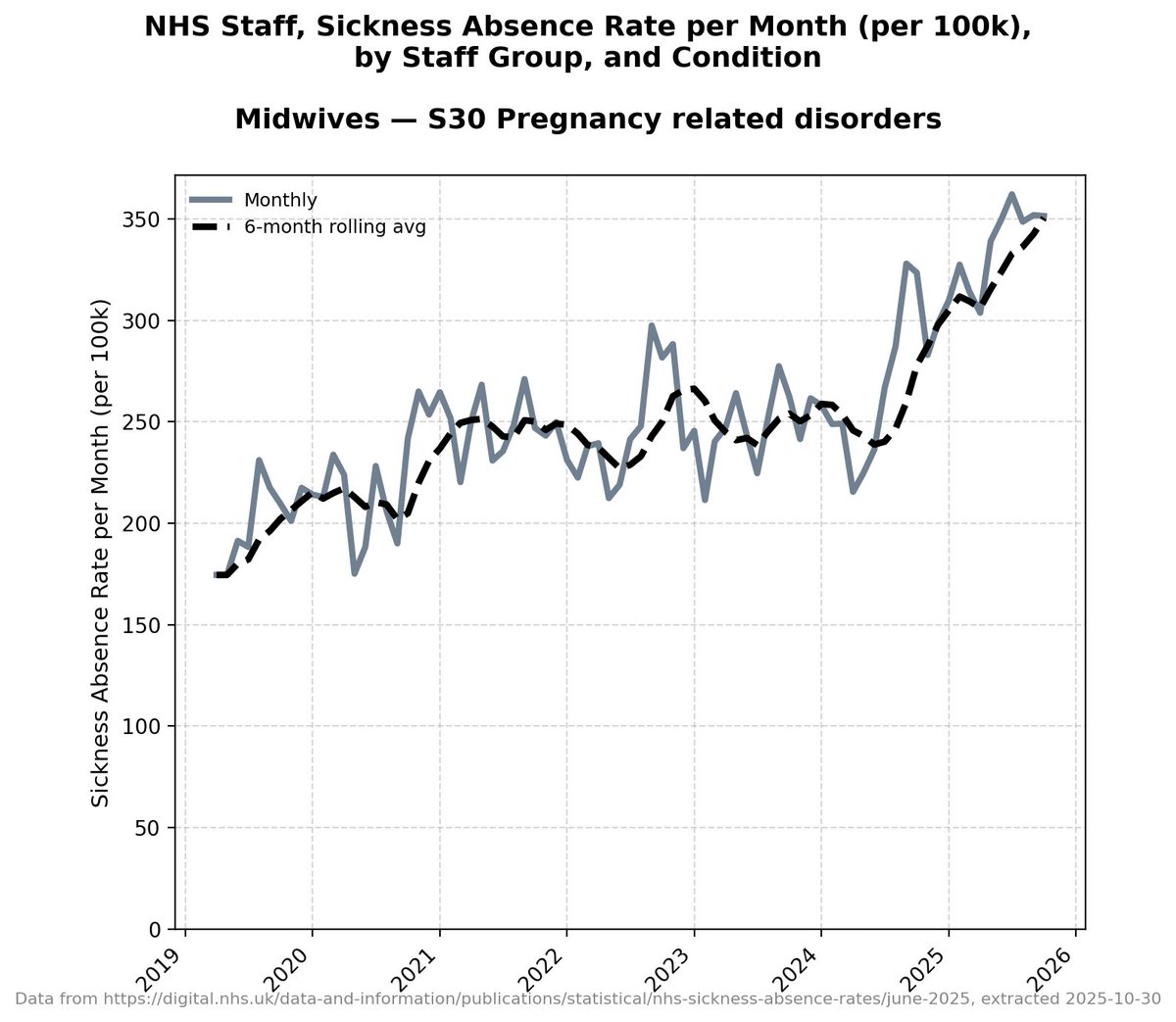
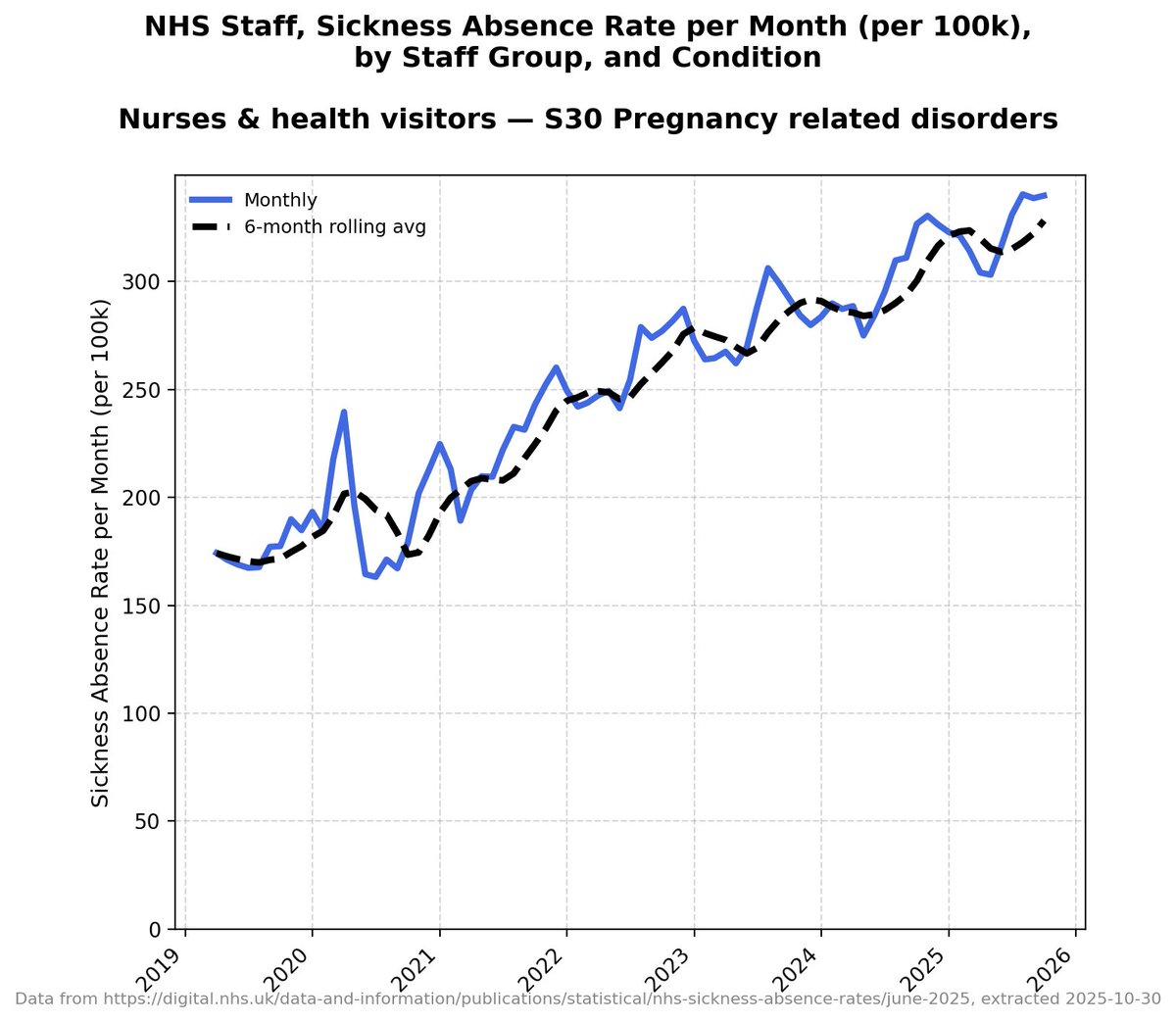
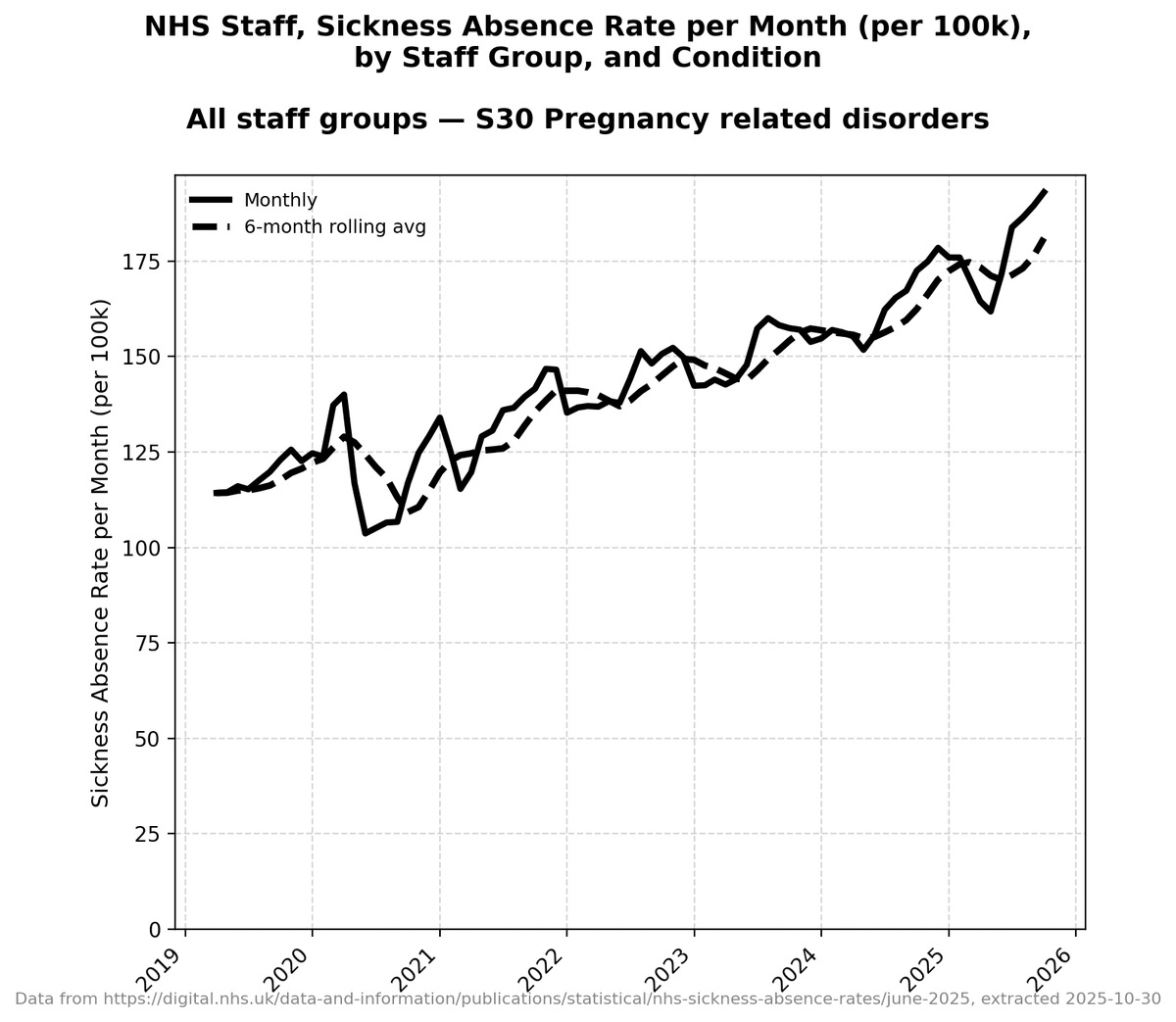
You're not going to like the next tweet in this thread, so don't read it.
I don't think there's a difference between the set 'people who have had a covid infection' and 'people who have long term effects from a covid infection'.
I just think that the second set 'people who have long term effects from a covid infection' varies enormously in degree and condition.
And I think that every extra covid infection adds to the effect.
I know that's not something anyone wants to hear.
But I'm not hear to make people all fluffy inside, I'm here to say what I see.
And this is what I see.
Vaccination helps, but not vaccination five years ago so much, or vaccination you've been offered but haven't taken up.
• • •
Missing some Tweet in this thread? You can try to
force a refresh

The word mucinous is going to become much more common.
Yes, bookmark this tweet, it looks bland, but it's important.
oh, okay. I won't leave you hanging.
I've written a lot recently about how we're missing the big picture of how covid infection is doing cumulative damage to interfaces in the body - linings, membranes, barriers, walls, filters.
I don't want to rewrite that all here, but I don't want to bust the flow of this thread, so at the end of it, I'll post the thread I wrote on linings.
A couple of very important studies out just in the last 24 hours confirming what we've been saying for years and years now: Covid infections affect your immune system *badly*.
Here's a few things you may have missed in them.
This is almost entirely post vaccination data
This is not an unprotected population.
Baseline immune measurements come from a period when vaccination coverage was already high, and the immune damage appears *after mass infection*.
So two things there:
The effect didn't appear until after infection.
This may be obvious to everyone else already, but it occurred to me today that ICE just does not have the manpower to do everywhere what it's doing in Minnesota.
The surge there is not sustainable nationwide.
But the appearance of ICE being everywhere right now is heavily shaped by the unusually large and concentrated deployment in Minnesota, which is drawing outsized attention and resources.
They don't have capacity to mount similar surges everywhere simultaneously, especially given training and logistical limits.