A striking study showed that vitamin B3 reversed every sign of skin aging measured within a few weeks.
(🧵1/8)
(🧵1/8)
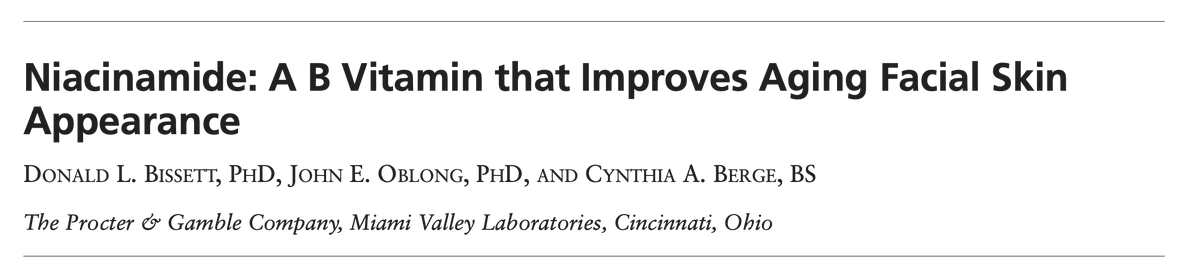
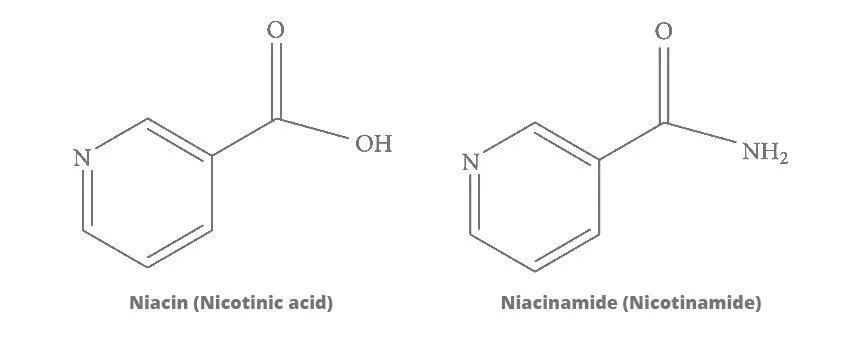
They used a form of vitamin B3 called niacinamide, which is a derivative of niacin or nicotinic acid - the standard form we get from food.
This form of B3 gets more efficiently converted into a molecule called NAD+, which is where much of vitamin B3's activity lies.
People applied a "pea sized" amount of 5% niacinamide to the face 2x a day.
(2/8)
This form of B3 gets more efficiently converted into a molecule called NAD+, which is where much of vitamin B3's activity lies.
People applied a "pea sized" amount of 5% niacinamide to the face 2x a day.
(2/8)
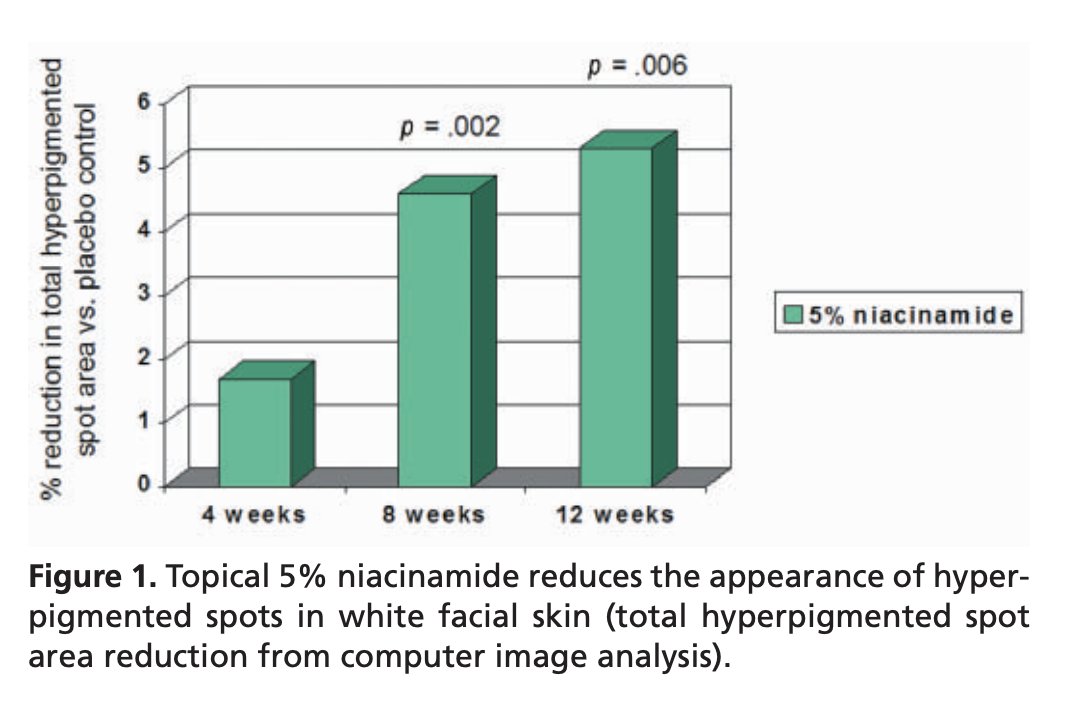
Niacinamide (B3) substantially reduced the presence of age spots in the skin.
They continued to disappear with time, maxing out at 12 weeks.
(3/8)
They continued to disappear with time, maxing out at 12 weeks.
(3/8)
Niacinmiade reduces wrinkles, too.
Again, the biggest effect was after 12 weeks, with a marked reduction in wrinkles.
(4/8)
Again, the biggest effect was after 12 weeks, with a marked reduction in wrinkles.
(4/8)

Skin yellowing was improved with niacinamide.
Another relatively common sign of skin aging, which happens when proteins in the skin become glycated (AGEs).
Niacinamide stopped it.
(5/8)
Another relatively common sign of skin aging, which happens when proteins in the skin become glycated (AGEs).
Niacinamide stopped it.
(5/8)

Skin elasticity is also typically worsened with age as a result of loss of collagen and elastin proteins.
Niacinamide was shown to improve this property as well.
(6/8)
Niacinamide was shown to improve this property as well.
(6/8)

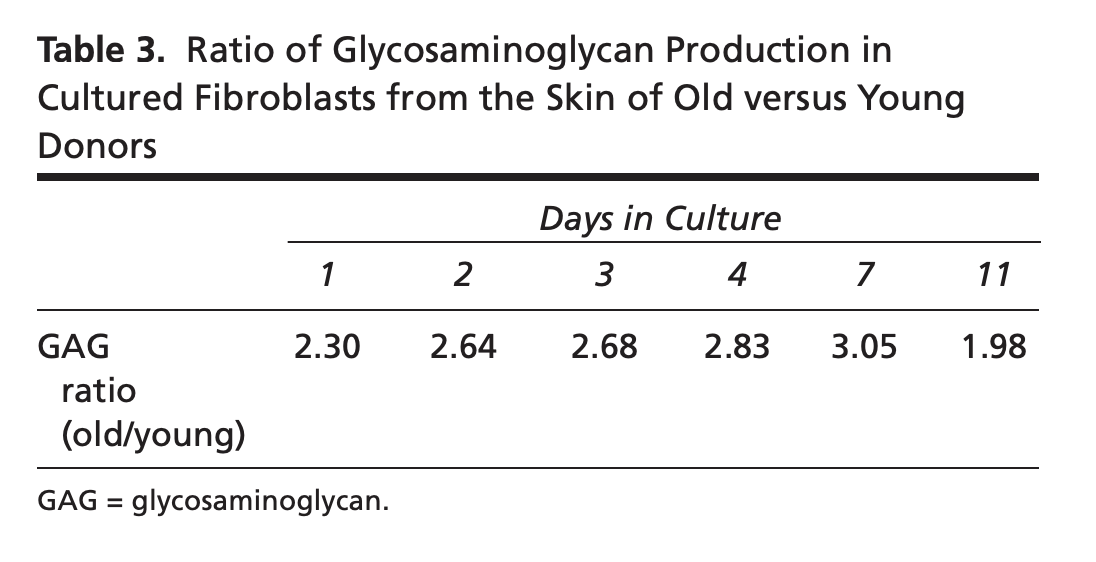
They noted that the production of glycosaminoglycans were 2-3X higher in aged skin cells.
These are important structural components of the skin but become overproduced as the skin ages and becomes damaged.
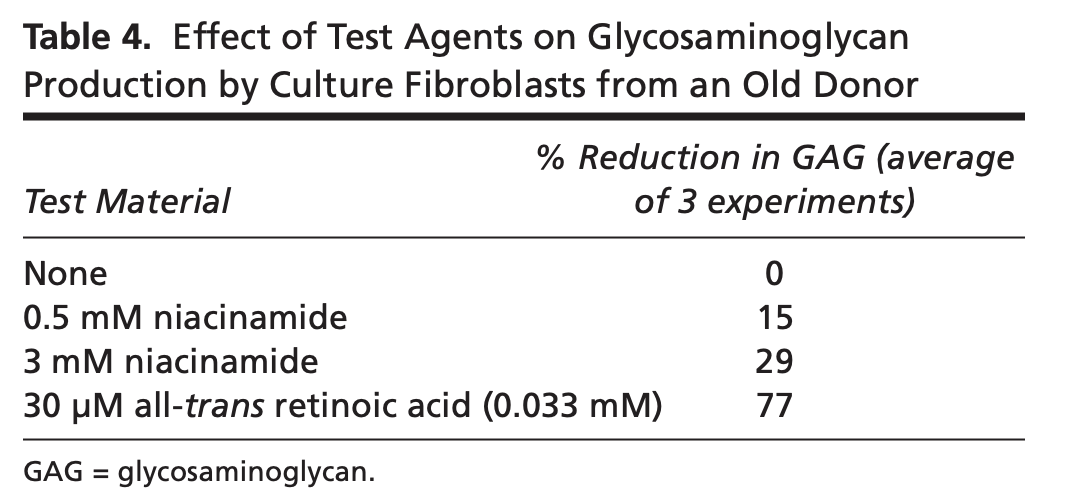
Niacinamide was able to reduce this process in cells.
(7/8)
These are important structural components of the skin but become overproduced as the skin ages and becomes damaged.
Niacinamide was able to reduce this process in cells.
(7/8)
Niacinamide works by several different mechanisms to counteract aging in the skin, it's an absolute powerhouse.
Supplying sufficient NAD+ is the key here.
➜ Direct antibacterial / antifungal
➜ Antioxidant effects - preventing cell damage / death by supporting NADPH production, which recycles various antioxidants
➜ Energy metabolism - NAD+ from niacinamide is one of the fundamental components of mitochondrial
➜ Supports DNA repair through supplying NAD+ to sirtuins and PARP enzymes
➜ Anti-inflammatory effects - high levels of niacinamide can inhibit key inflammatory pathways, reducing damage
➜ Inhibits senescence - this is the process of cells stopping their division and become dysfunctional + inflammatory, in skin cells this leads to decreased output of collagen, elastin and other structural components.
It's mainly studied topically but being sufficient in it through the diet should be the first step here - meat and mushrooms are some of my favorite sources.
(8/8)
Supplying sufficient NAD+ is the key here.
➜ Direct antibacterial / antifungal
➜ Antioxidant effects - preventing cell damage / death by supporting NADPH production, which recycles various antioxidants
➜ Energy metabolism - NAD+ from niacinamide is one of the fundamental components of mitochondrial
➜ Supports DNA repair through supplying NAD+ to sirtuins and PARP enzymes
➜ Anti-inflammatory effects - high levels of niacinamide can inhibit key inflammatory pathways, reducing damage
➜ Inhibits senescence - this is the process of cells stopping their division and become dysfunctional + inflammatory, in skin cells this leads to decreased output of collagen, elastin and other structural components.
It's mainly studied topically but being sufficient in it through the diet should be the first step here - meat and mushrooms are some of my favorite sources.
(8/8)

If you want to get some personalized help from us with ANY of your health goals, we’re taking clients virtually worldwide every day at PRISM. Book a free call here for more: go.prism.miami/consultation
• • •
Missing some Tweet in this thread? You can try to
force a refresh