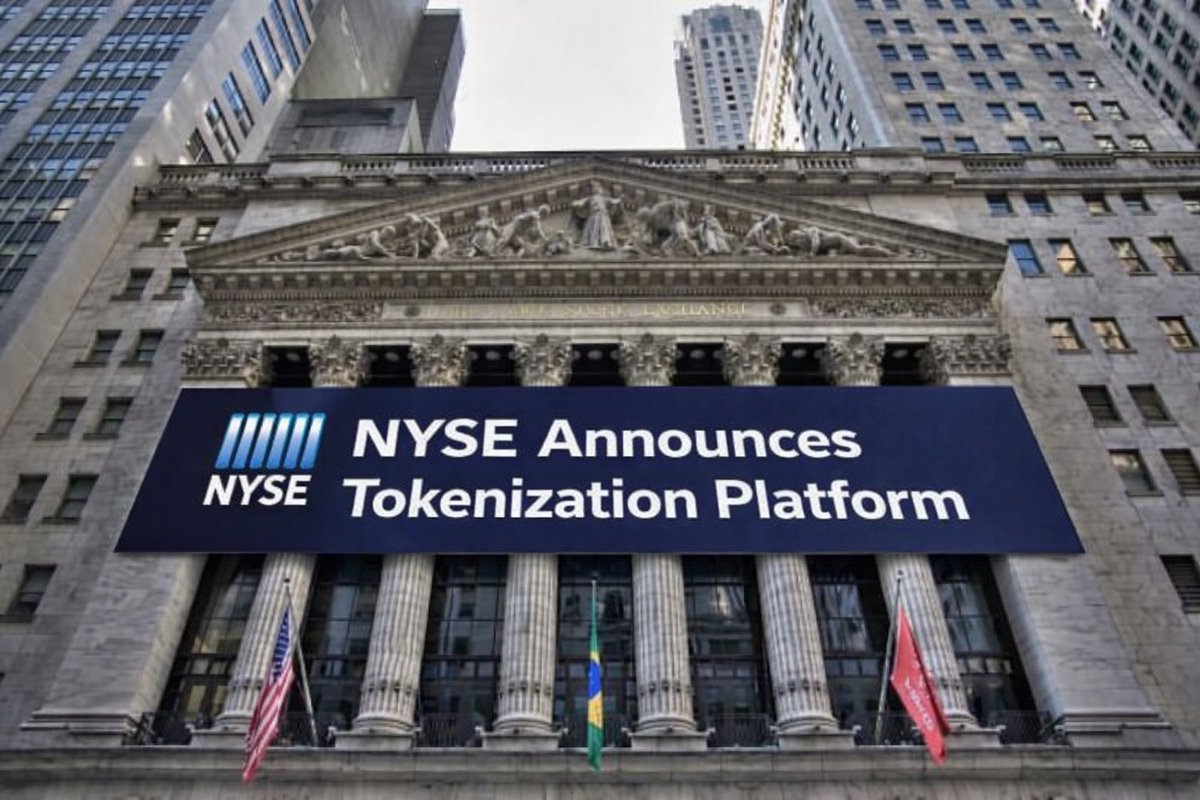
🚨 BREAKING: NYSE announces new tokenization platform.
Here's what they're building:
A completely new trading venue with:
• 24/7 operations (no market hours)
• Instant settlement (not T+1)
• Stablecoin-based funding (not bank wires)
• "Tokens natively issued as digital securities"
Not retrofitting the existing exchange.
Not adding blockchain to the back office.
An entirely new venue.
---
Think about what this means:
NYSE will run two exchanges.
The old one: 9:30-4:00 EST, T+1 settlement, bank wires.
The new one: 24/7, instant settlement, stablecoin rails.
They're not choosing between traditional and digital.
They're operating both in parallel.
---
How does this compare to others?
Everyone else is building infrastructure to tokenize existing assets:
• DTCC tokenizes existing custodied securities
• State Street tokenizes MMFs and ETFs
• Nasdaq amends rules for tokenized trading alongside traditional
NYSE is building a new way to bring equities on-chain AND the venue to trade them.
This puts them in competition with Figure's OPEN and Superstate.
Native digital issuance. Native digital trading.
---
Tokenized stocks enable a world where:
• Settlement happens on-chain
• Custody lives in wallets, not DTCC
• Trading never stops
• Capital formation happens in stablecoins
The question for every institution:
Are you digitizing your existing business or building the business that replaces it?
NYSE just answered: both.
---
#fintech #tokenization #infrastructure #digitalassets #stablecoins
Here's what they're building:
A completely new trading venue with:
• 24/7 operations (no market hours)
• Instant settlement (not T+1)
• Stablecoin-based funding (not bank wires)
• "Tokens natively issued as digital securities"
Not retrofitting the existing exchange.
Not adding blockchain to the back office.
An entirely new venue.
---
Think about what this means:
NYSE will run two exchanges.
The old one: 9:30-4:00 EST, T+1 settlement, bank wires.
The new one: 24/7, instant settlement, stablecoin rails.
They're not choosing between traditional and digital.
They're operating both in parallel.
---
How does this compare to others?
Everyone else is building infrastructure to tokenize existing assets:
• DTCC tokenizes existing custodied securities
• State Street tokenizes MMFs and ETFs
• Nasdaq amends rules for tokenized trading alongside traditional
NYSE is building a new way to bring equities on-chain AND the venue to trade them.
This puts them in competition with Figure's OPEN and Superstate.
Native digital issuance. Native digital trading.
---
Tokenized stocks enable a world where:
• Settlement happens on-chain
• Custody lives in wallets, not DTCC
• Trading never stops
• Capital formation happens in stablecoins
The question for every institution:
Are you digitizing your existing business or building the business that replaces it?
NYSE just answered: both.
---
#fintech #tokenization #infrastructure #digitalassets #stablecoins
This is really smart
"Subject to regulatory approvals, the platform will power a new NYSE venue that supports trading of tokenized shares fungible with traditionally issued securities as well as tokens natively issued as digital securities. "
"Subject to regulatory approvals, the platform will power a new NYSE venue that supports trading of tokenized shares fungible with traditionally issued securities as well as tokens natively issued as digital securities. "
• • •
Missing some Tweet in this thread? You can try to
force a refresh