Long-term cardiac effects of COVID-19 in children:
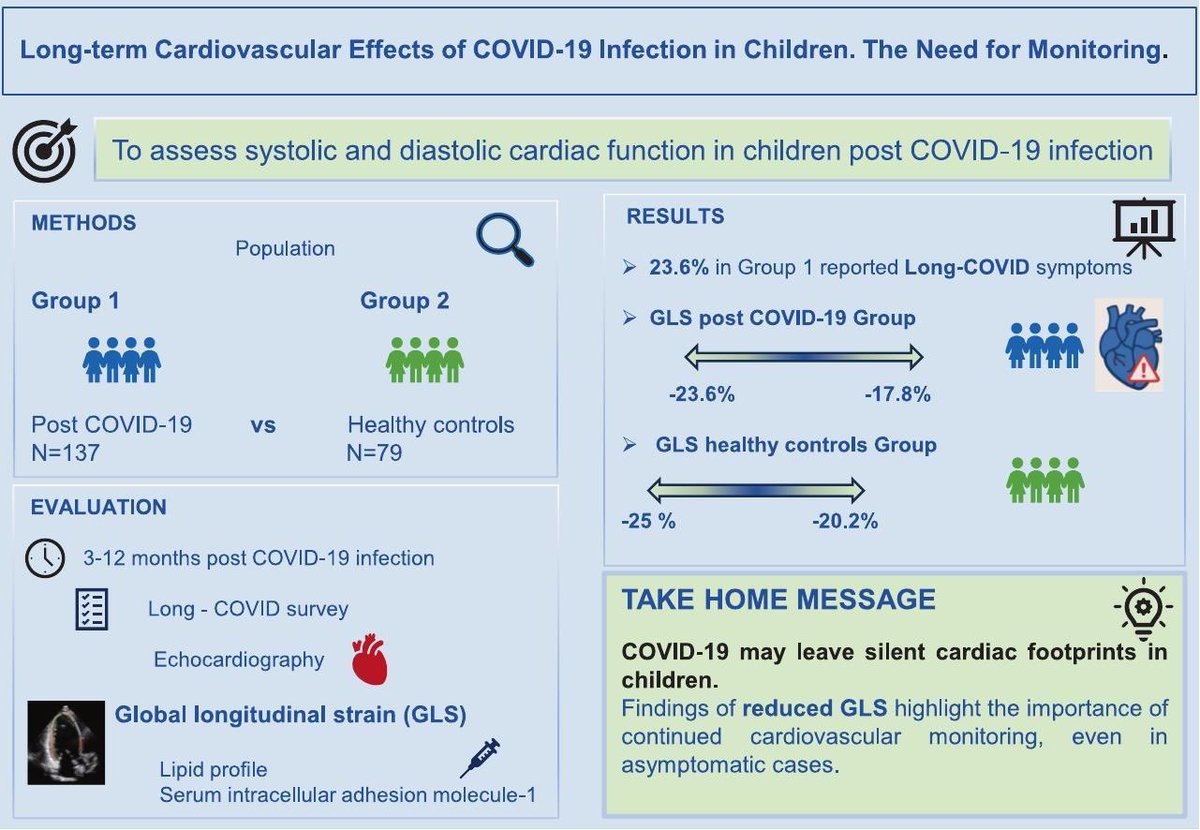
➡️ In a prospective case–control study, children with prior SARS-CoV-2 infection showed a persistent reduction in left ventricular global longitudinal strain (GLS) up to 1 year post-infection.
➡️ Key insight:
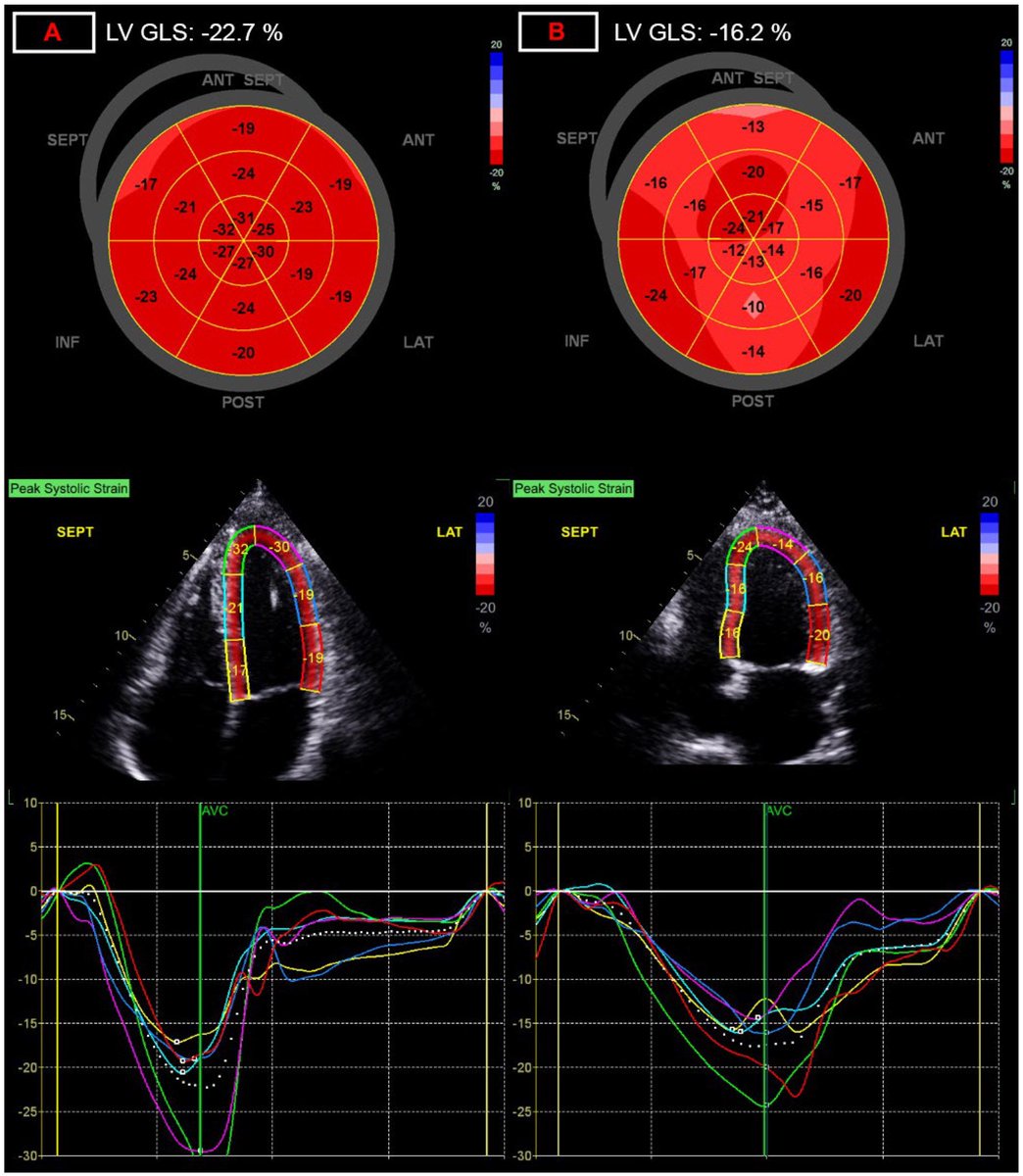
Despite normal conventional echocardiographic parameters, GLS was significantly reduced — indicating subclinical myocardial dysfunction that would otherwise be missed on routine echo. 1/
➡️ Severity matters:
The reduction in GLS was most pronounced in children with moderate to severe acute COVID-19, suggesting a severity-dependent relationship between infection and post-infectious myocardial changes. 2/
Beyond the heart muscle:
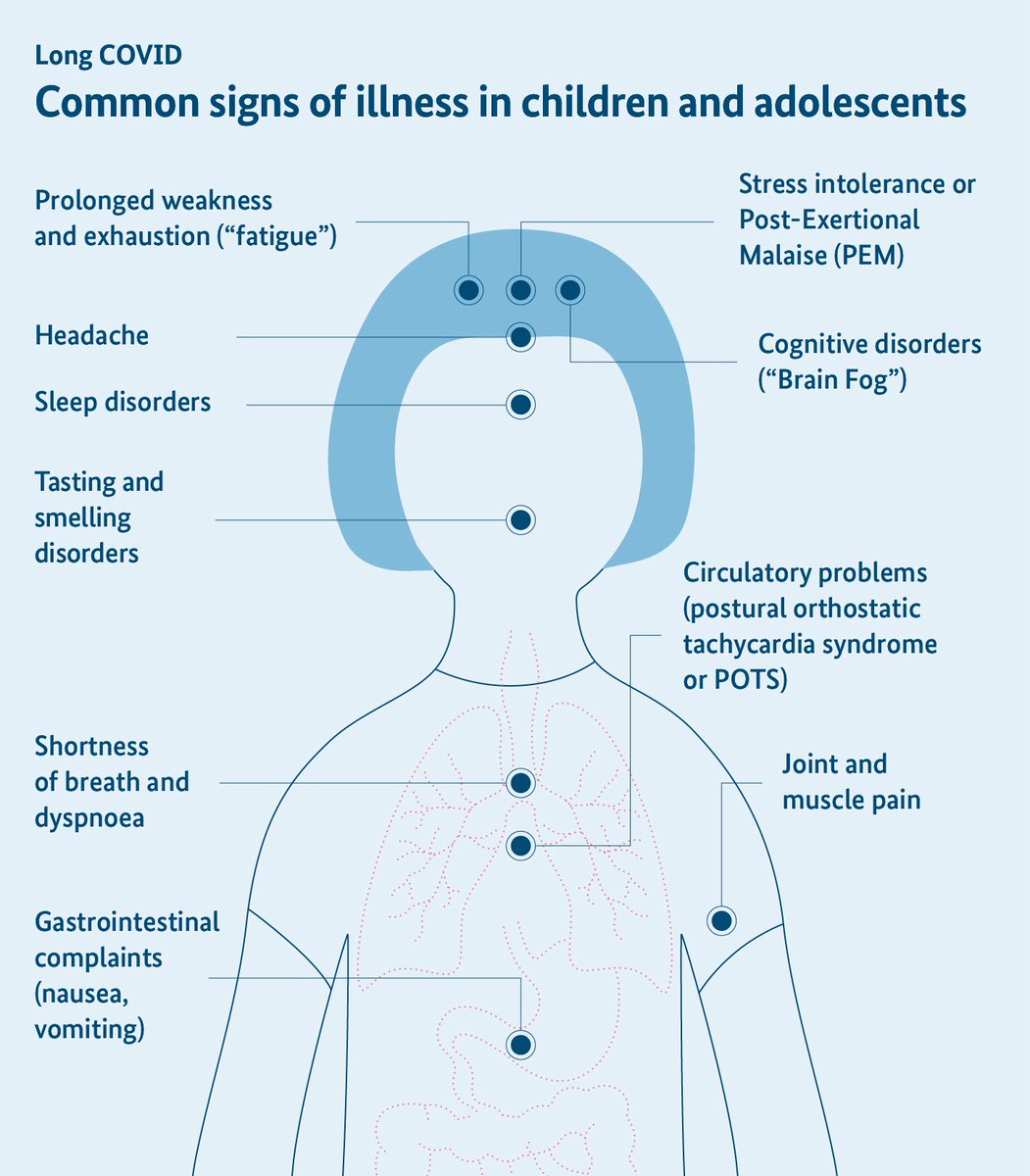
➡️ Nearly 24% of children reported #LongCOVID symptoms (fatigue most common). Elevated sICAM-1 levels in moderate–severe cases point toward persistent endothelial activation.
➡️ This study supports the need for long-term cardiovascular surveillance in pediatric COVID-19 survivors. 3/3
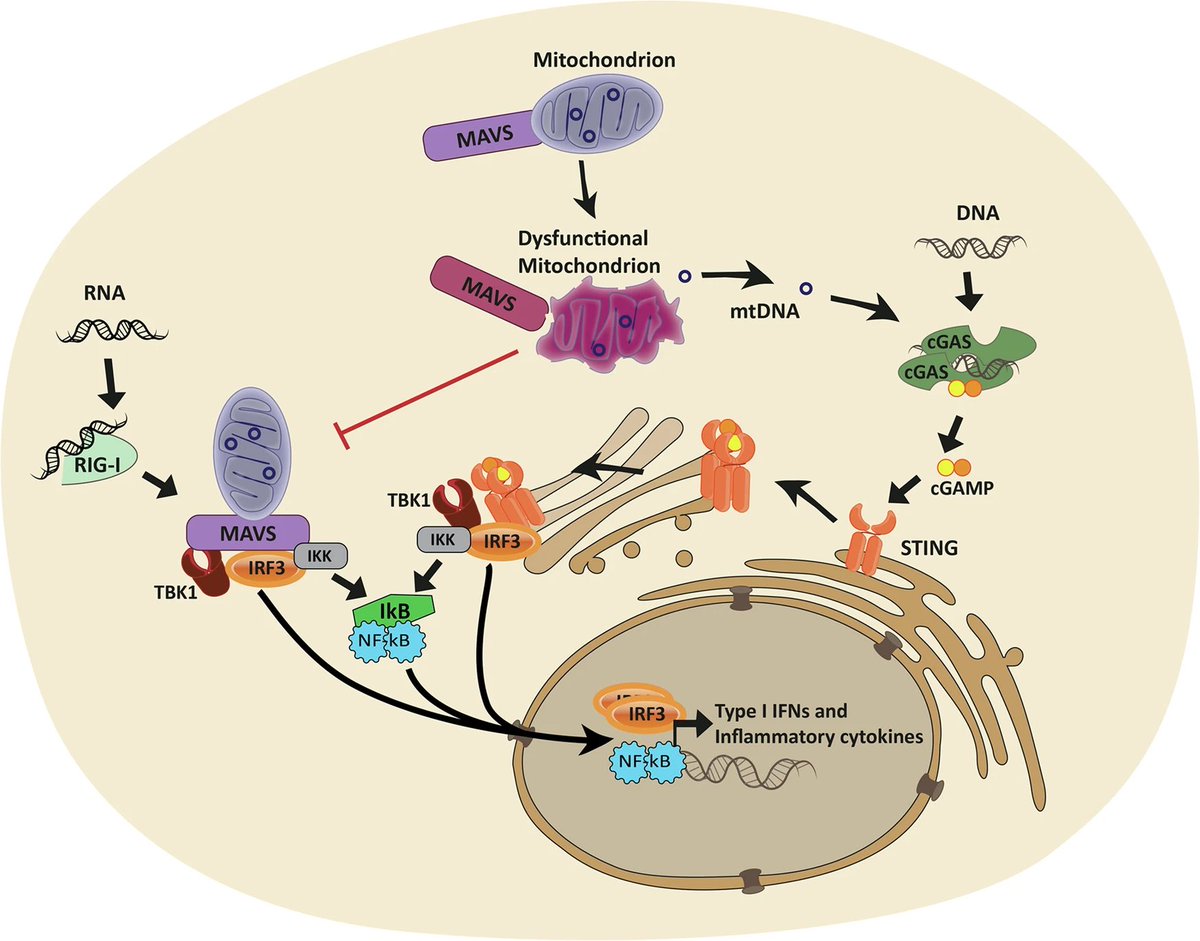
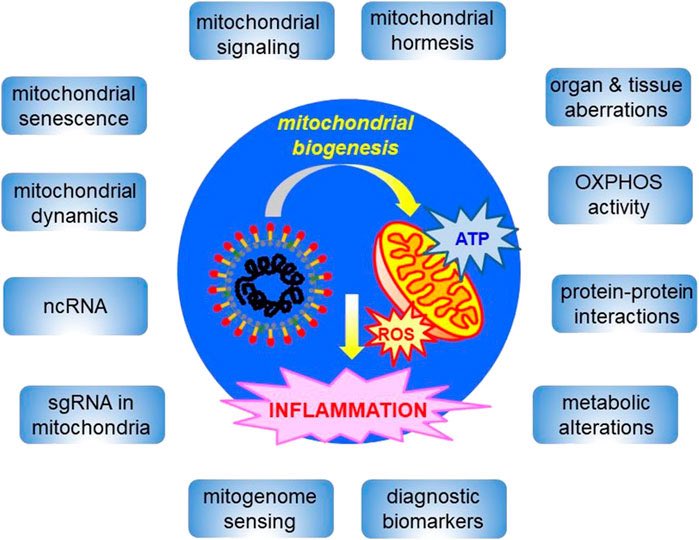
COVID-19 doesn’t just affect the lungs — it can disrupt how cells produce energy. New research shows that COVID-19 alters the genetic “switches” that control mitochondria, the structures that power our cells. 1/
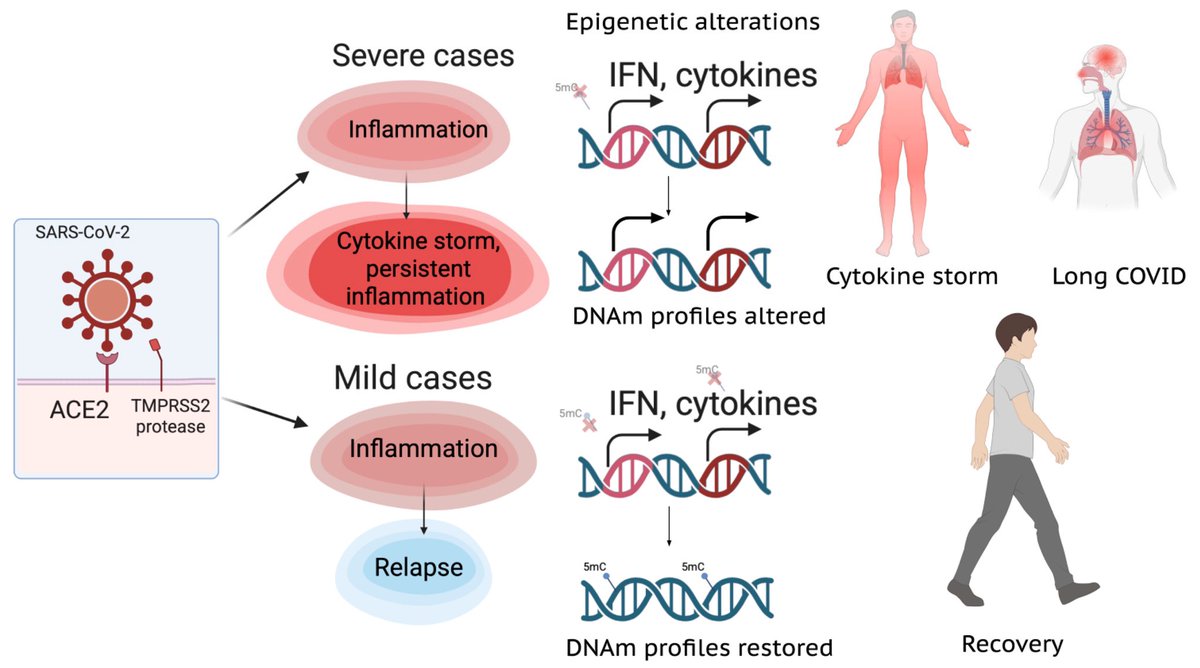
By comparing people who died from severe COVID-19, those who recovered, and healthy individuals, researchers found lasting changes in how mitochondrial genes are regulated. These changes were most prominent in genes involved in energy production and metabolism. 2/
Importantly, people with COVID-19 showed abnormally high levels of proteins that control mitochondrial structure and stress responses, suggesting long-term damage to the cell’s energy system. 3/
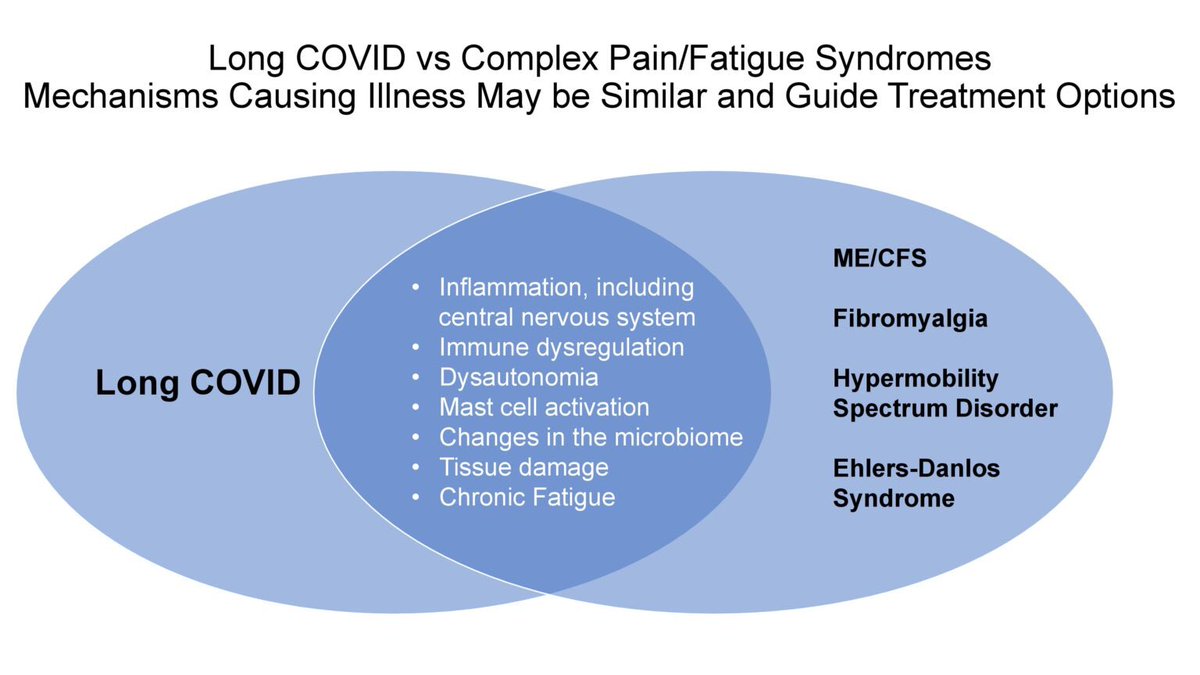
#LongCOVID (LC) shares striking symptom overlap with hypermobility spectrum disorders (HSD/hEDS): fatigue, brain fog, dysautonomia, pain—especially in women.
➡️ A new case series explores whether some “intractable” LC may reflect undiagnosed hypermobility disorders.
➡️ Five women with persistent LC symptoms were evaluated at an hEDS/HSD clinic.
All met Beighton score criteria for hypermobility.
➡️ 4 diagnosed with hEDS, 1 with HSD
➡️ 3 had dysautonomia
None had prior hypermobility diagnoses. 1/
All patients carried MTHFR polymorphisms (C677T or A1298C)—recently linked to hEDS/HSD.
➡️ Several also showed features of mast cell activation, suggesting immune dysregulation may unmask latent connective tissue disorders after SARS-CoV-2 infection.
➡️ Targeted management (physical therapy, methylfolate/B12, mast cell stabilization, pain interventions) led to clinical improvement in all cases.
🔑 Takeaway: Consider hEDS/HSD in women with refractory Long COVID, especially with multisystem pain and dysautonomia. 2/
This case series suggests that some patients with severe, persistent #LongCOVID—especially women—may have previously undiagnosed hypermobility disorders (hEDS/HSD).
➡️ Five women with refractory LongCOVID symptoms were found to meet criteria for hypermobility, often with dysautonomia, mast cell–related features, and MTHFR polymorphisms.
➡️ Targeted management led to clinical improvement, highlighting the need to consider hEDS/HSD in patients with intractable Long COVID symptoms. 3/
🔥 A landmark study challenges the long-held belief that Alzheimer’s disease (AD) is irreversible.
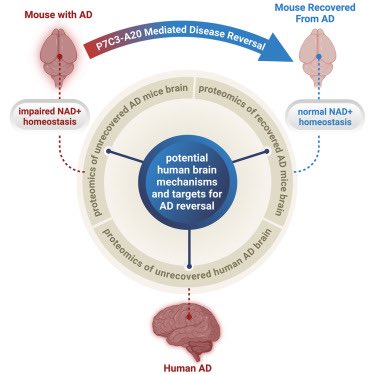
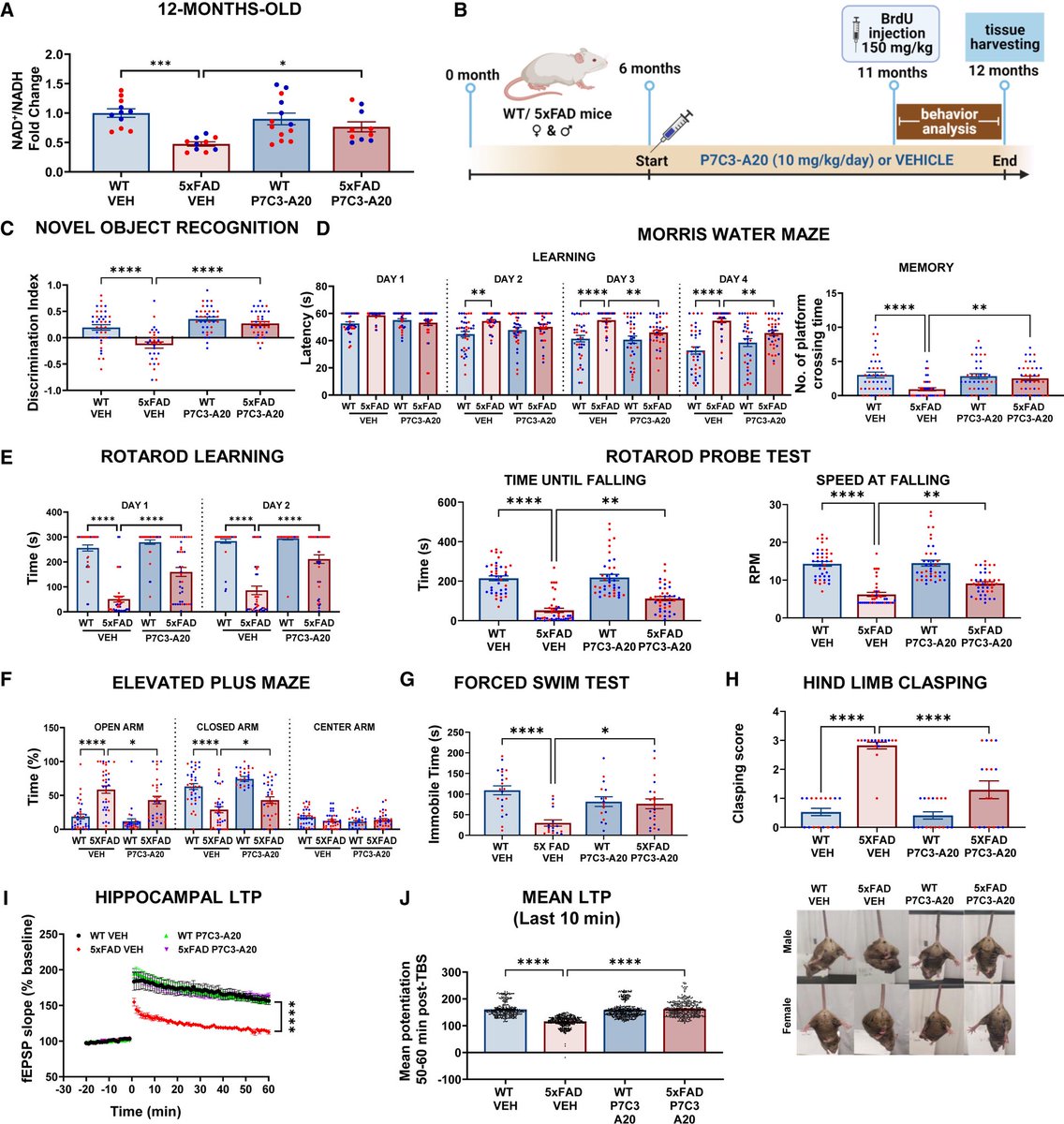
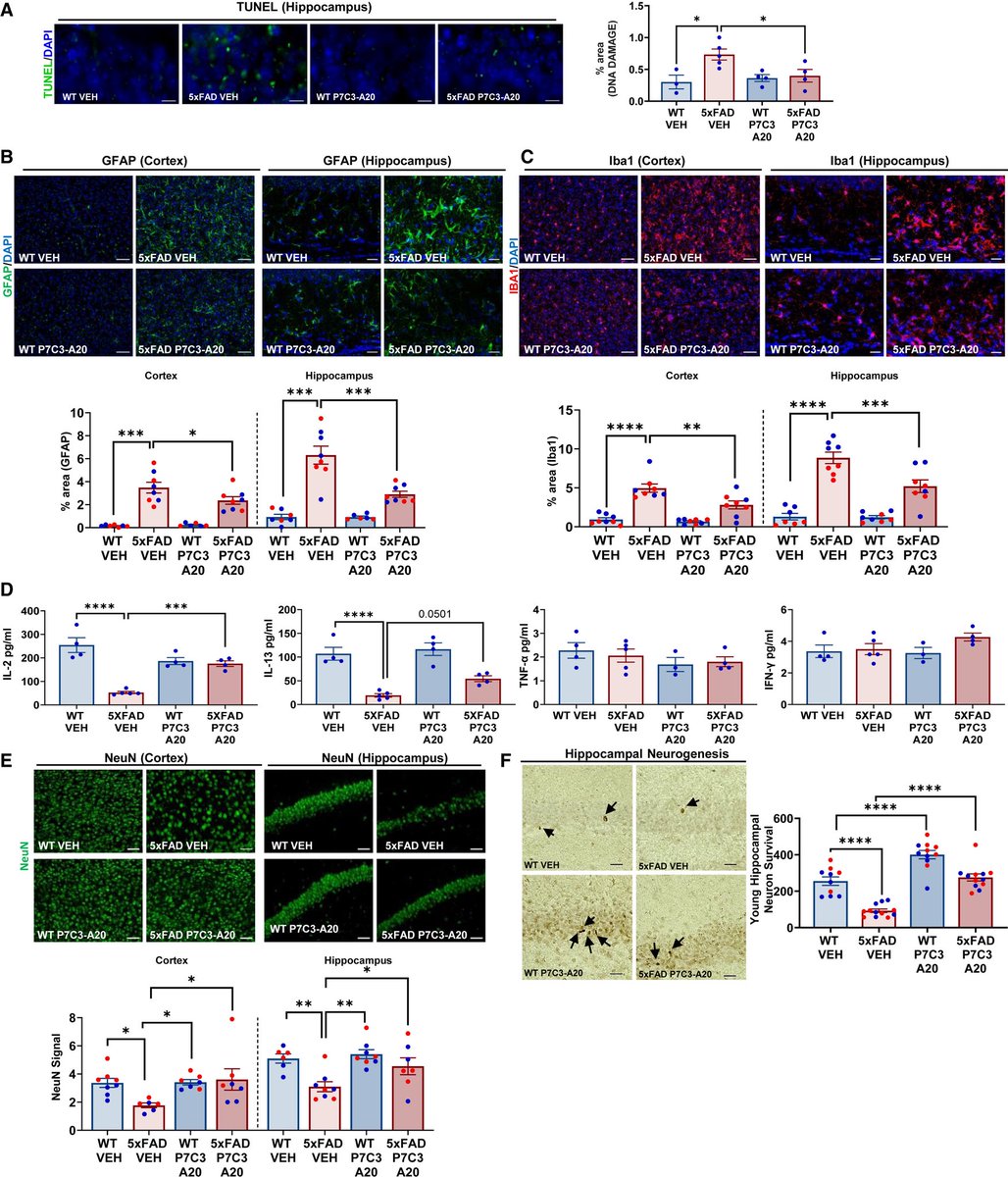
➡️ Using advanced mouse models that mimic human AD pathology, researchers found that restoring and maintaining healthy levels of NAD⁺, a key cellular energy molecule, can not only prevent but also reverse advanced Alzheimer’s pathology and fully restore cognitive function in mice. 1/
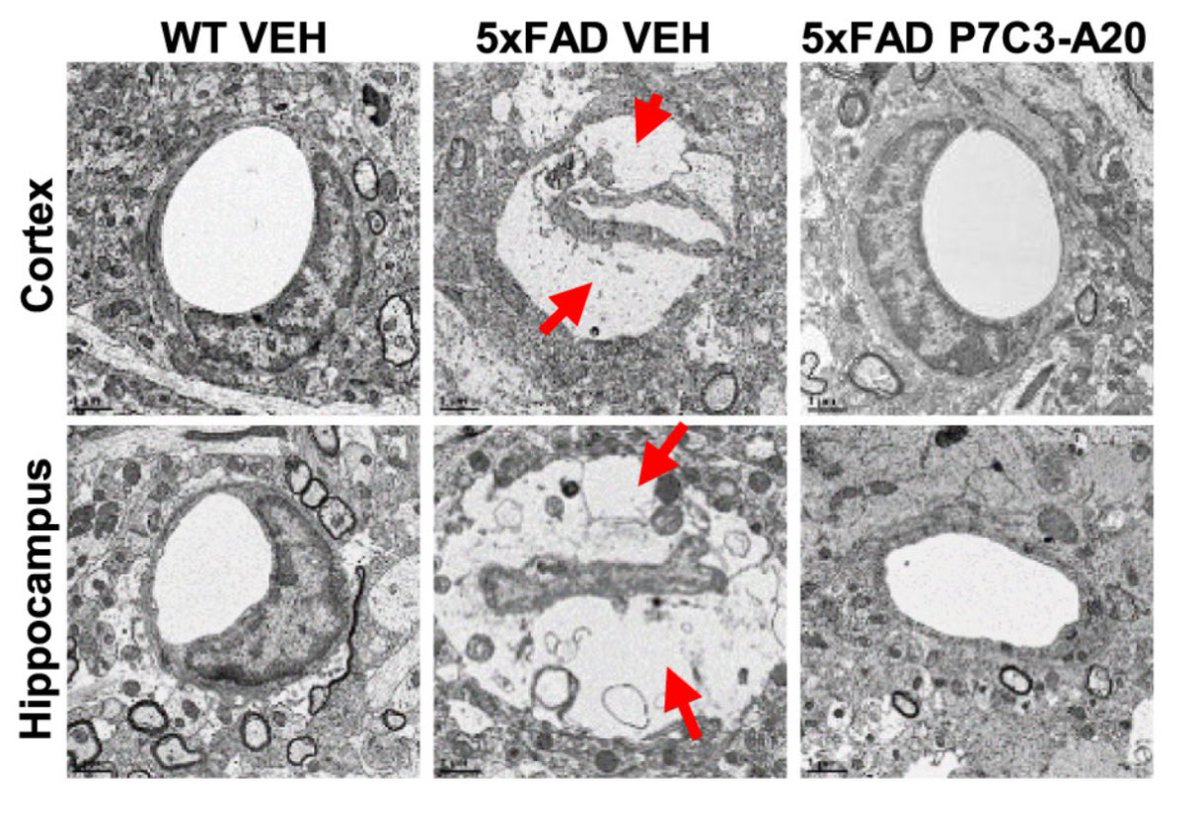
The team showed that NAD⁺ deficiency is a central driver of AD pathology—leading to blood-brain barrier breakdown, neuroinflammation, oxidative damage, and impaired neurogenesis. 2/
➡️ By administering a compound that rebalances NAD⁺ (P7C3-A20), all these pathological features were reversed, and memory and cognitive function were recovered.
➡️ These effects were seen in both amyloid-driven and tau-driven models, with supporting evidence from human AD brain samples suggesting disrupted NAD⁺ homeostasis in patients. 3/
As we age, our immune system becomes less effective, partly because key cells called CD8⁺ T-cells have trouble forming long-lasting memory.
A new study shows that a process called autophagy — the cell’s way of cleaning out old or damaged components — plays a central role in this problem. 1/
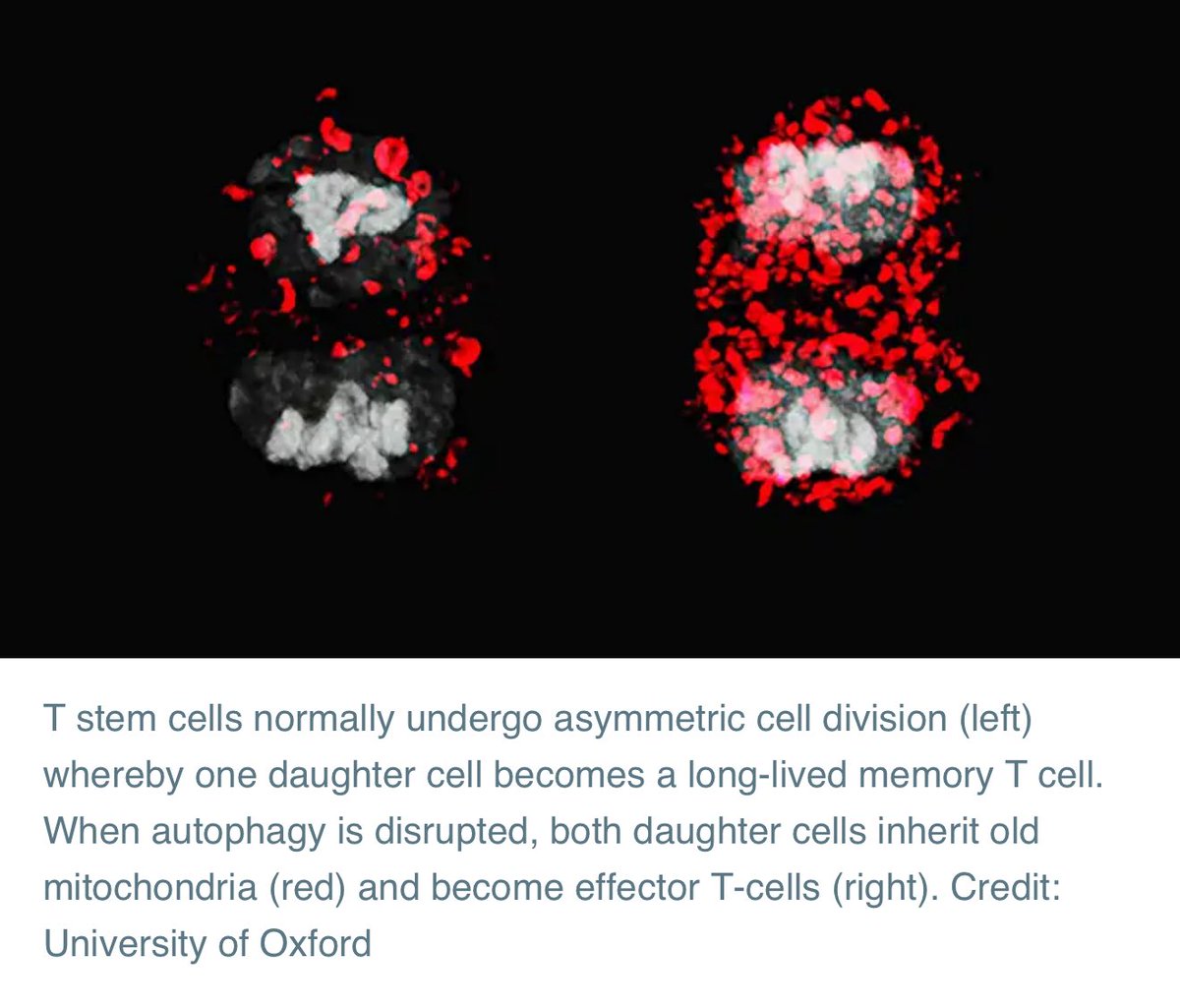
When a T-cell divides, it can make two daughter cells with different future roles: one becomes a long-lived ‘memory T cell’ that helps protect against future infections, and the other becomes a short-lived ‘effector T cell’ that fights the immediate infection.
For this to happen, the cell must sort its internal parts unevenly during division. 2/
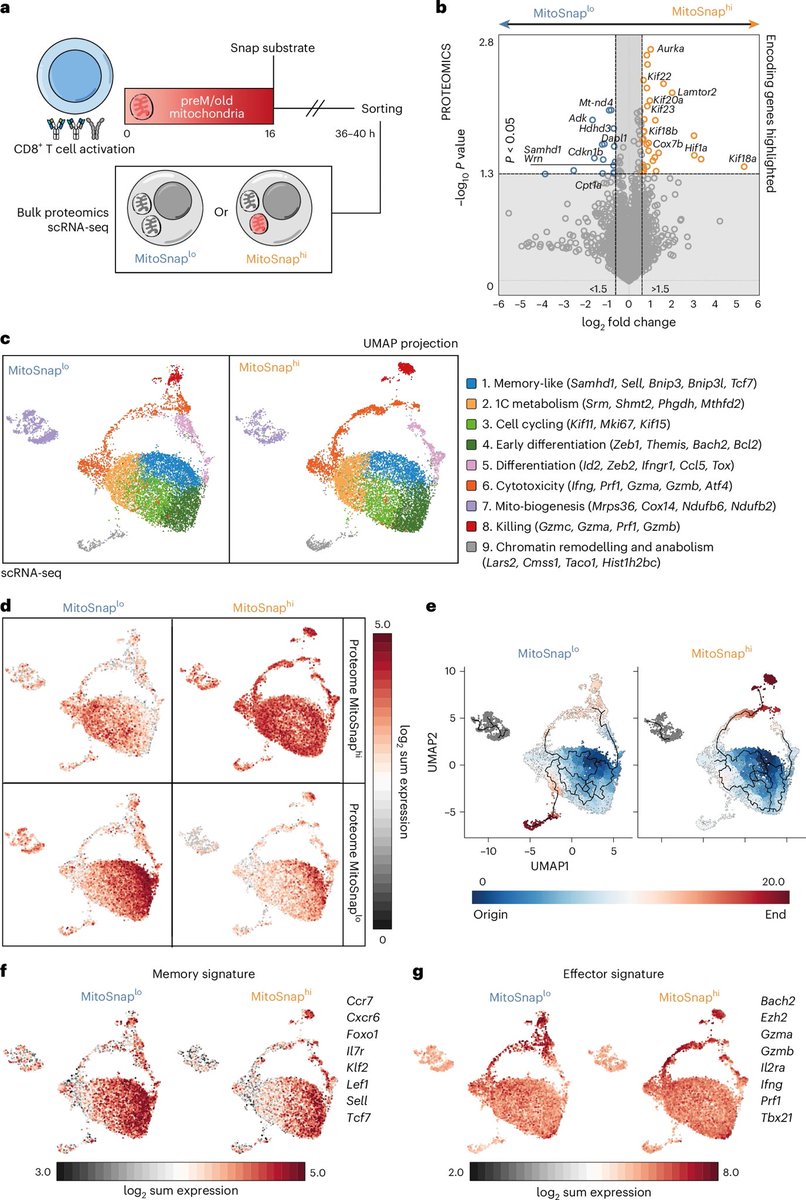
The researchers found that #autophagy helps clear out old mitochondria before division, allowing daughter cells to inherit different mitochondrial content.
➡️ This asymmetric inheritance is crucial for creating a mix of T-cells with distinct fates — including memory cells.
➡️ Without autophagy, old mitochondria aren’t cleared, the inheritance becomes symmetric, and the diversity in T-cell fates is lost.
➡️ This has major implications for understanding why immune memory weakens with age and may inform new strategies to boost T-cell immunity. 3/
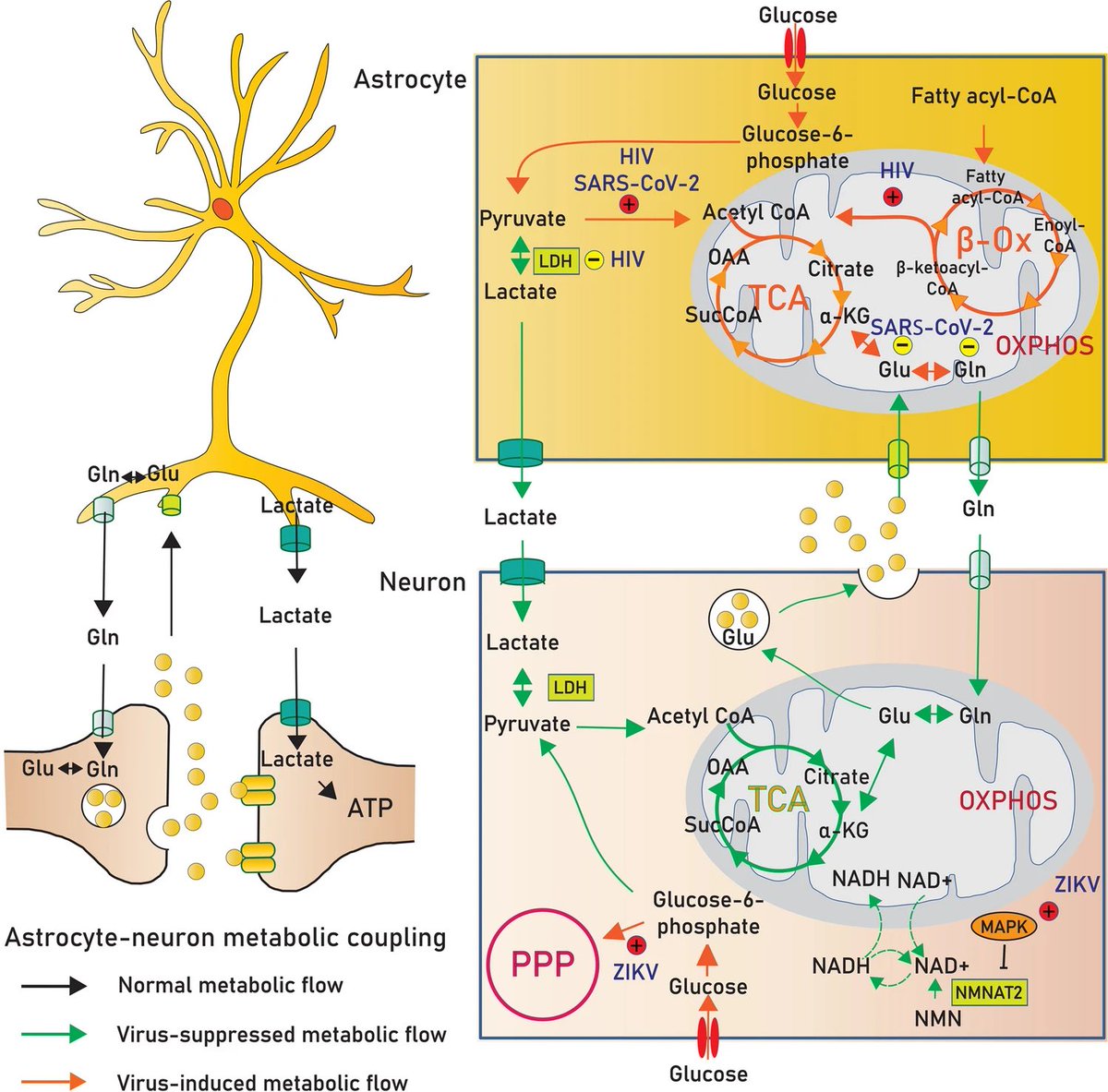
A new review highlights how neurotropic viruses like SARS-CoV-2 reprogram the metabolism of brain immune cells — especially microglia and astrocytes — contributing to neuroinflammation and brain dysfunction.
➡️ Under normal conditions, glial cells use oxidative phosphorylation (OXPHOS) to support brain homeostasis and anti-inflammatory functions. But viral infection shifts them toward aerobic glycolysis, driving pro-inflammatory cytokine production and immune activation. 1/
This metabolic switch:
• increases inflammatory mediators (IL-1β, TNF-α)
• elevates oxidative stress
• impairs neuronal support
• disrupts the blood-brain barrier
All of which can exacerbate neuroinflammation and damage. 2/
For SARS-CoV-2 specifically, the viral S1 protein can cross the BBB and trigger microglial activation and inflammasome (NLRP3) signaling, which further promotes inflammation and potentially persistent neurological effects. 3/
Breakthrough in respiratory virus prevention (Flu, COVID & more)
➡️ Researchers have developed an AI-designed intranasal antiviral platform that could block multiple respiratory viruses—flu, COVID-19, and future variants—right at the entry point: the nose. 1/
The platform is based on interferon-lambda, a natural antiviral protein, redesigned using AI protein engineering to overcome major limitations: poor heat stability and rapid clearance from nasal mucosa.
➡️ Using AI, scientists strengthened unstable protein regions, improved solubility, and added glycoengineering—making the protein so robust it remained stable for 2 weeks at 50 °C. 2/
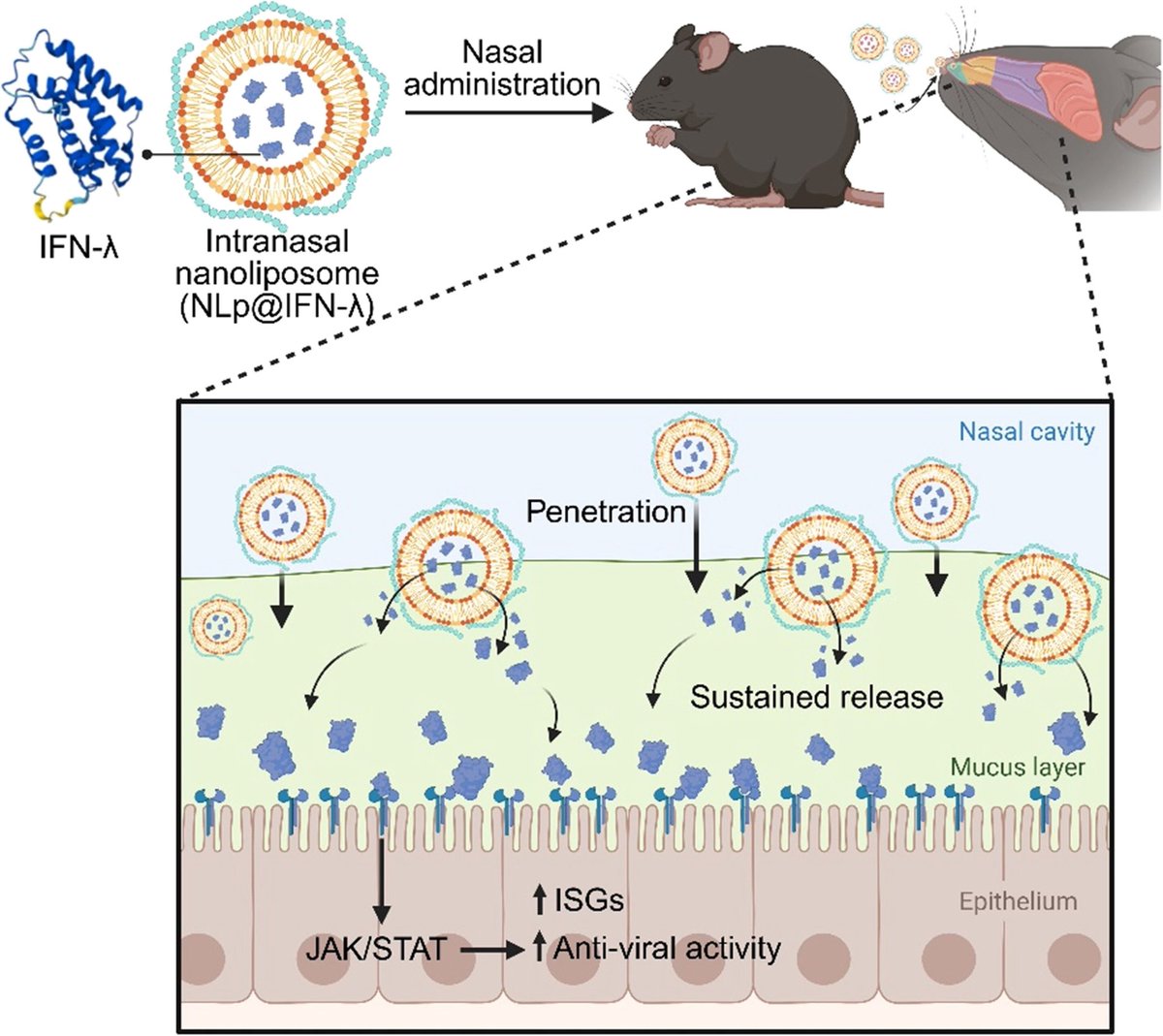
To keep it in the nose longer, the protein was packaged in nanoliposomes and coated with chitosan, greatly improving adhesion to nasal mucosa and penetration through thick mucus. 3/