CANDIDA: The cause of your terrible gut health and fatigue that your doctor has no idea how to fix.
Here’s how to know if you have it, what causes it and what to do about it (🧵1/13):
Here’s how to know if you have it, what causes it and what to do about it (🧵1/13):
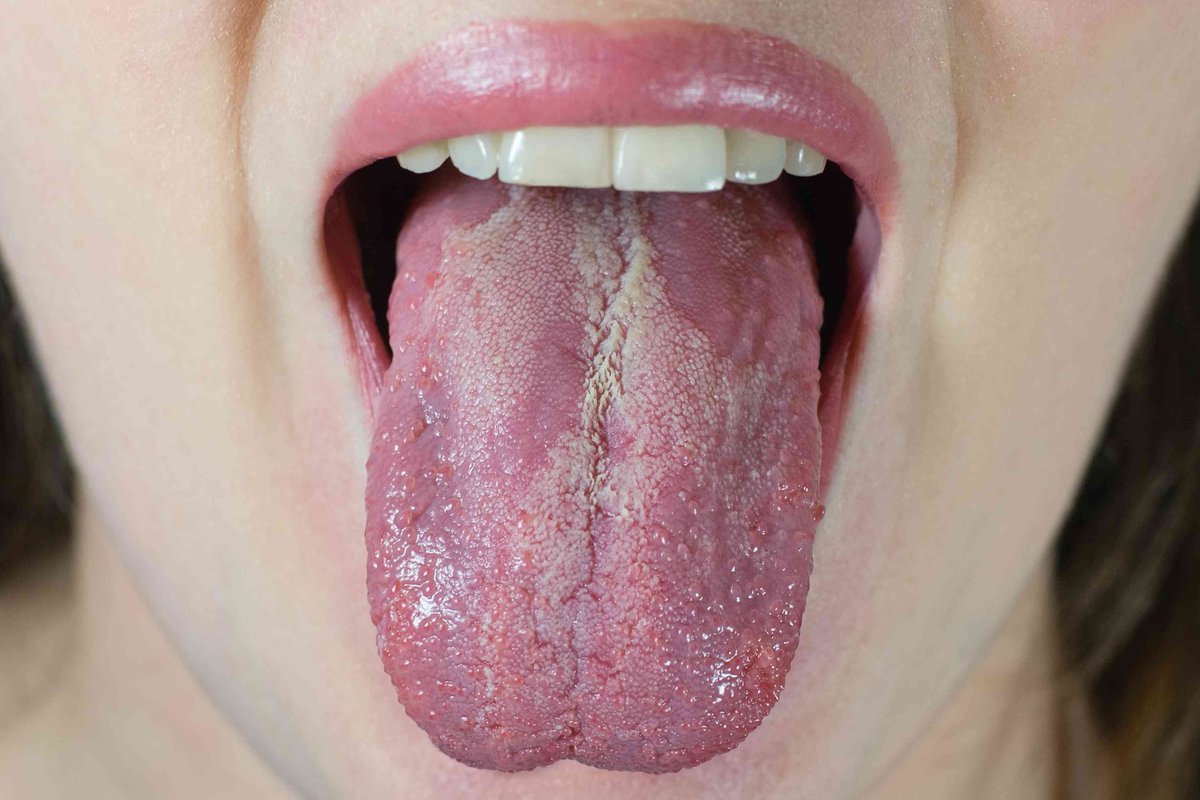
◇ A coated tongue (more towards the front)
◇ IBS
◇ Crohn’s or UC
◇ Bloating
◇ Brain fog
◇ Gas
◇ Nausea
◇ Constipation
◇ Diarrhea
◇ A lack of appetite
◇ Fatigue
Are all signs of a fungal overgrowth, the most common of which is Candida.
◇ IBS
◇ Crohn’s or UC
◇ Bloating
◇ Brain fog
◇ Gas
◇ Nausea
◇ Constipation
◇ Diarrhea
◇ A lack of appetite
◇ Fatigue
Are all signs of a fungal overgrowth, the most common of which is Candida.
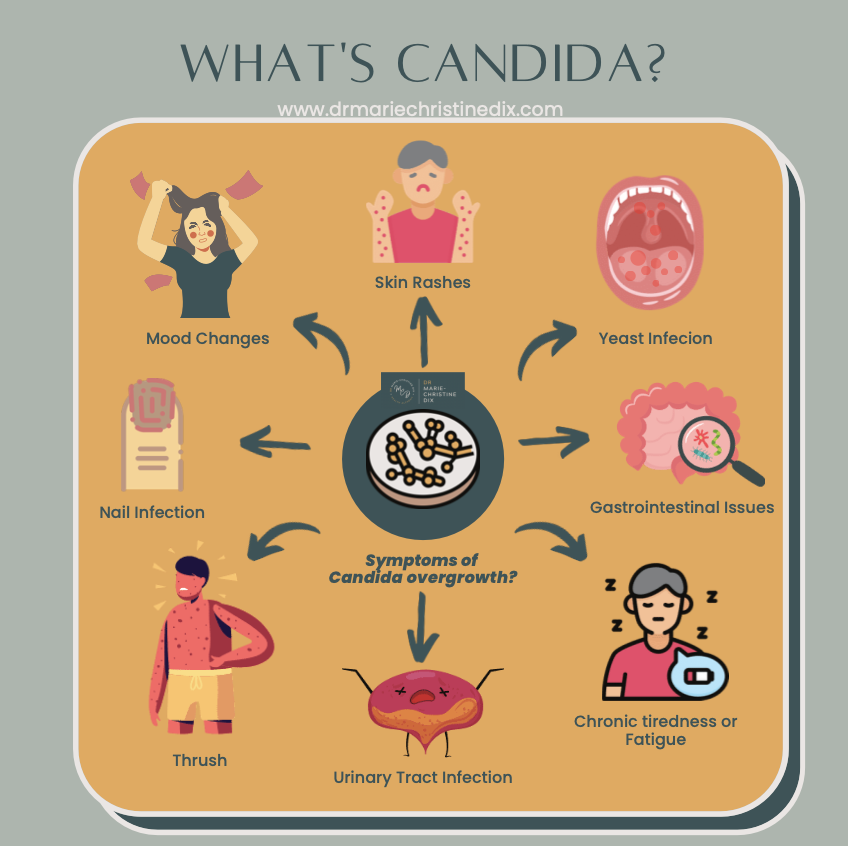
Unfortunately, testing for Candida can be a futile effort.
Common testing methods are:
Candida antibodies (IgG, IgM, IgA): Tests the presence of immune proteins that recognize Candida in the blood. Indicative of exposure, but can also indicate past exposure (not present) and not telling whether or not it is causing your symptoms.
Stool: Tests the presence of yeast (or Candida) in your poop. In theory this is the best, but not indicative of Candida in the upper part of your digestive tract, and also not indicative of Candida in the lining (mucosa) of your gut, just in the poop. Candida also normally exist in the gut without causing problems, so again, not telling whether or not it is causing your symptoms.
Aspirate: Tests the presence of Candida in the juice of your small intestine. Not indicative of what is happening in the lower gut, and also rarely done in practice.
Since testing is so unreliable, going off of symptoms is really the best strategy.
HOWEVER, this can backfire if you are not careful, for reasons I will explain later.
Common testing methods are:
Candida antibodies (IgG, IgM, IgA): Tests the presence of immune proteins that recognize Candida in the blood. Indicative of exposure, but can also indicate past exposure (not present) and not telling whether or not it is causing your symptoms.
Stool: Tests the presence of yeast (or Candida) in your poop. In theory this is the best, but not indicative of Candida in the upper part of your digestive tract, and also not indicative of Candida in the lining (mucosa) of your gut, just in the poop. Candida also normally exist in the gut without causing problems, so again, not telling whether or not it is causing your symptoms.
Aspirate: Tests the presence of Candida in the juice of your small intestine. Not indicative of what is happening in the lower gut, and also rarely done in practice.
Since testing is so unreliable, going off of symptoms is really the best strategy.
HOWEVER, this can backfire if you are not careful, for reasons I will explain later.
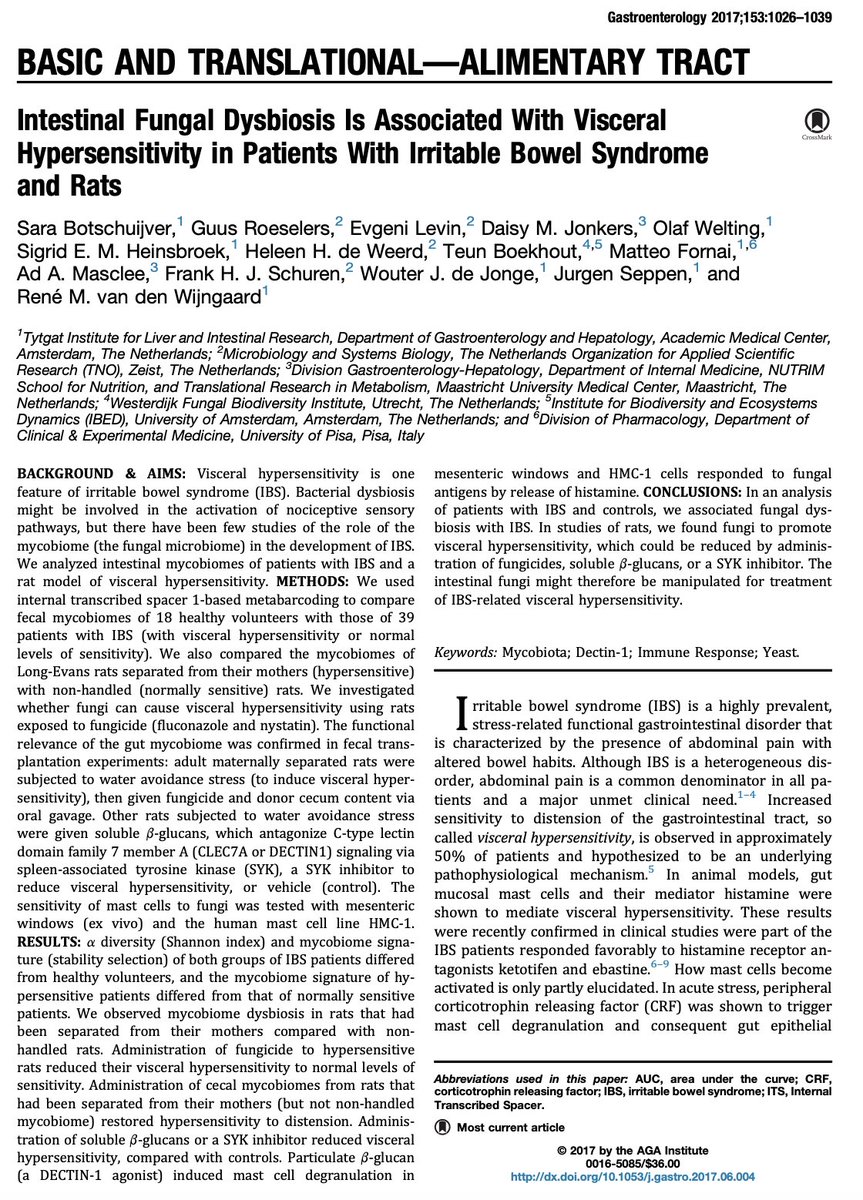
Candida can be behind IBS - antifungals can reverse it.
Candida can drive inflammation, gas and other processes in the gut that contribute to IBS pathology.
People with IBS have higher levels of this fungus,
but treatment with fluconazole or nystatin can improve symptoms.
Inflammation in the gut can also predispose to greater candida colonization.
Noticing a pattern?
Inflammation and poor gut health can cause Candida overgrowth,
and Candida can cause inflammation and ruin gut health.
So, how can we stop this cycle?
Candida can drive inflammation, gas and other processes in the gut that contribute to IBS pathology.
People with IBS have higher levels of this fungus,
but treatment with fluconazole or nystatin can improve symptoms.
Inflammation in the gut can also predispose to greater candida colonization.
Noticing a pattern?
Inflammation and poor gut health can cause Candida overgrowth,
and Candida can cause inflammation and ruin gut health.
So, how can we stop this cycle?
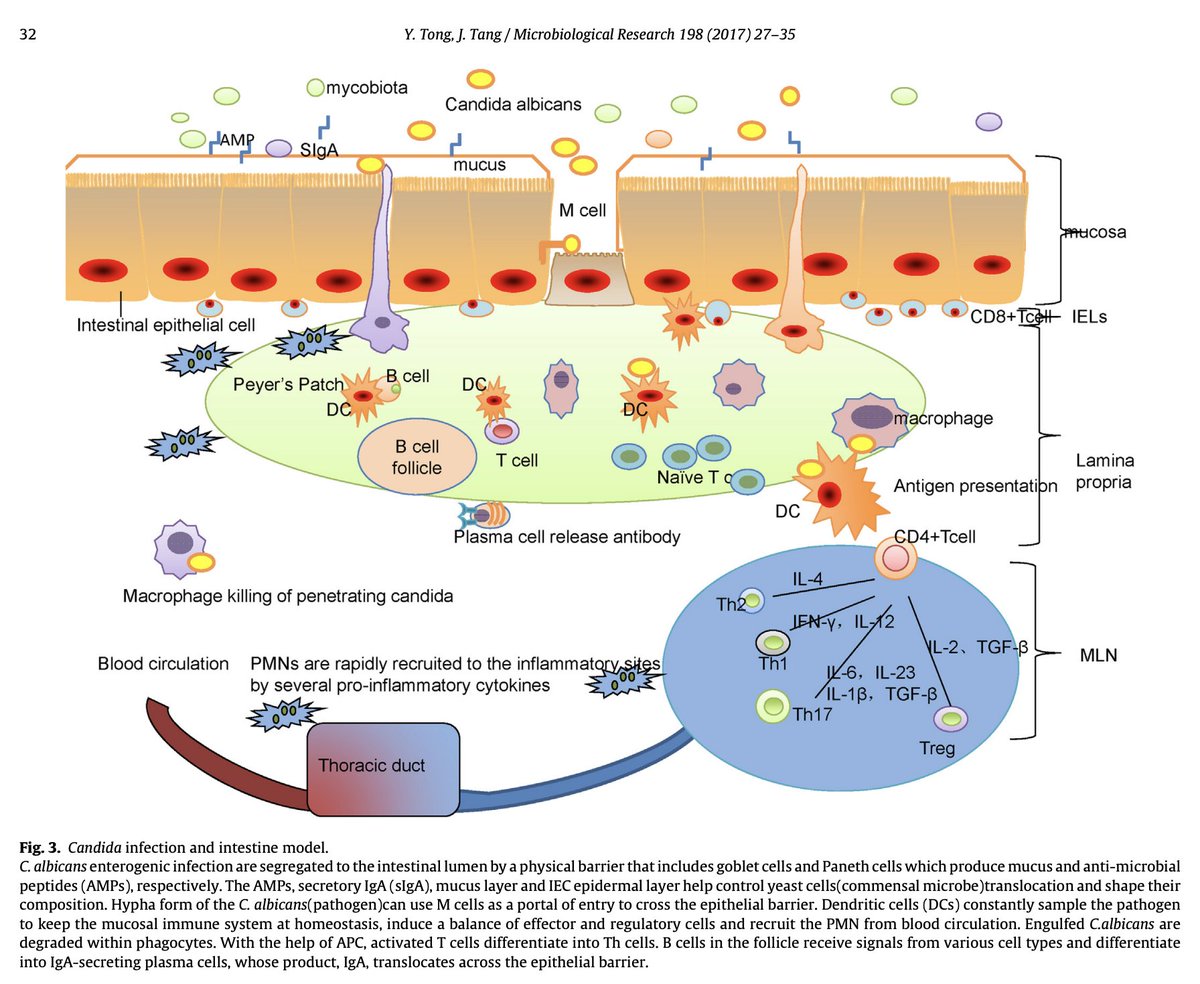
We all have Candida in our guts to some extent.
Issues arise when it starts contacting or invading our cells, or worse - passing through the gut.
This becomes more likely with:
◇ Bacterial overgrowth / dysbiosis
◇ Suppressed immunity
◇ Chronic gut inflammation
That means in order to solve Candida, you MUST nail down the basics of your gut health,
before thinking about anything specific for it.
I suggest checking out my thread on gut health overall for more on that: x.com/Outdoctrinatio…
Issues arise when it starts contacting or invading our cells, or worse - passing through the gut.
This becomes more likely with:
◇ Bacterial overgrowth / dysbiosis
◇ Suppressed immunity
◇ Chronic gut inflammation
That means in order to solve Candida, you MUST nail down the basics of your gut health,
before thinking about anything specific for it.
I suggest checking out my thread on gut health overall for more on that: x.com/Outdoctrinatio…
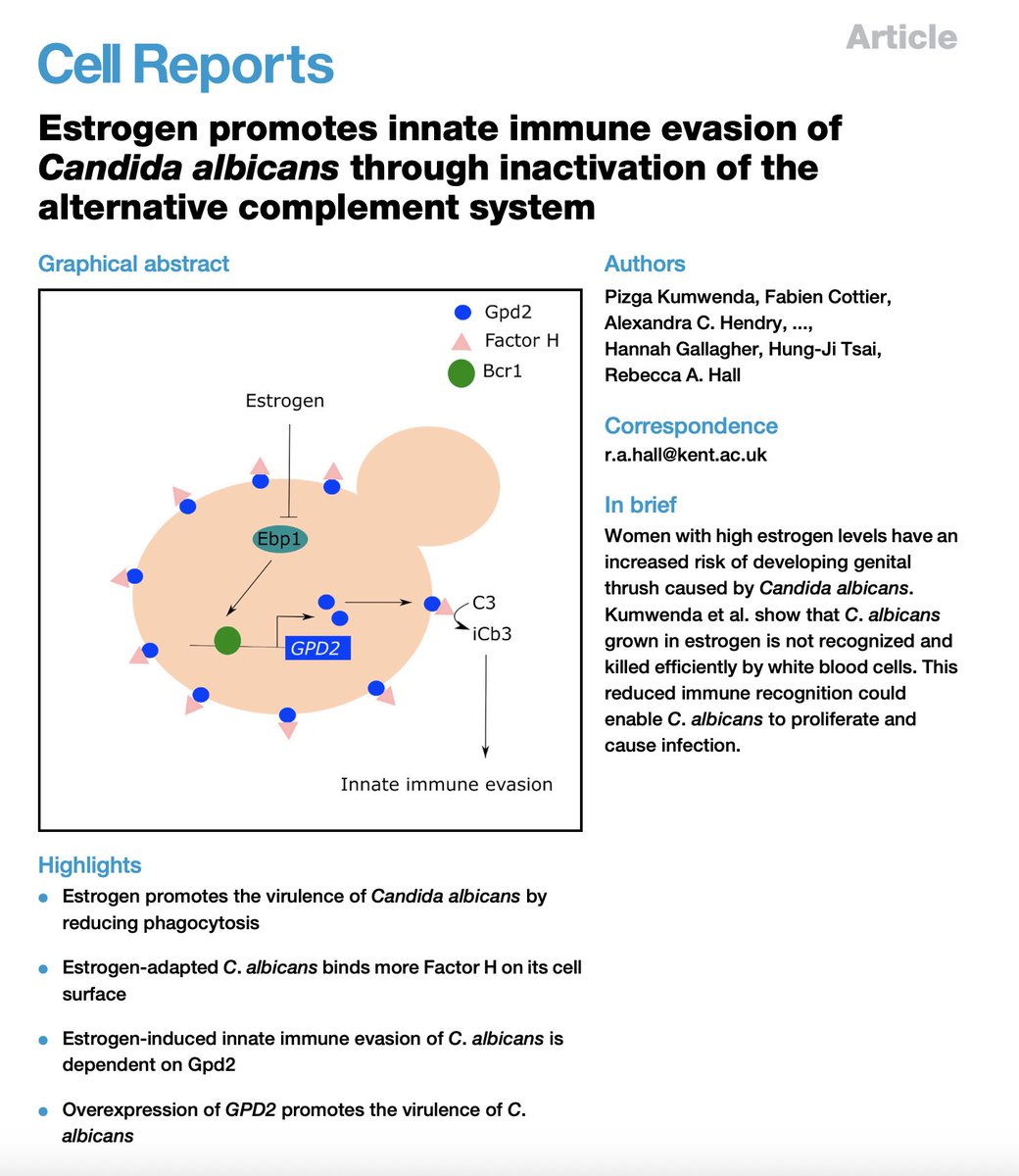
ESTROGEN is one of the key promoters of Candida.
This is why yeast infections / UTIs are common in women, especially during high estrogen portions of their cycle or during pregnancy.
If you have Candida, you MUST focus on lowering estrogen.
Estrogen master thread here.
This is why yeast infections / UTIs are common in women, especially during high estrogen portions of their cycle or during pregnancy.
If you have Candida, you MUST focus on lowering estrogen.
Estrogen master thread here.
https://x.com/Outdoctrination/status/1928778977705079166?s=20
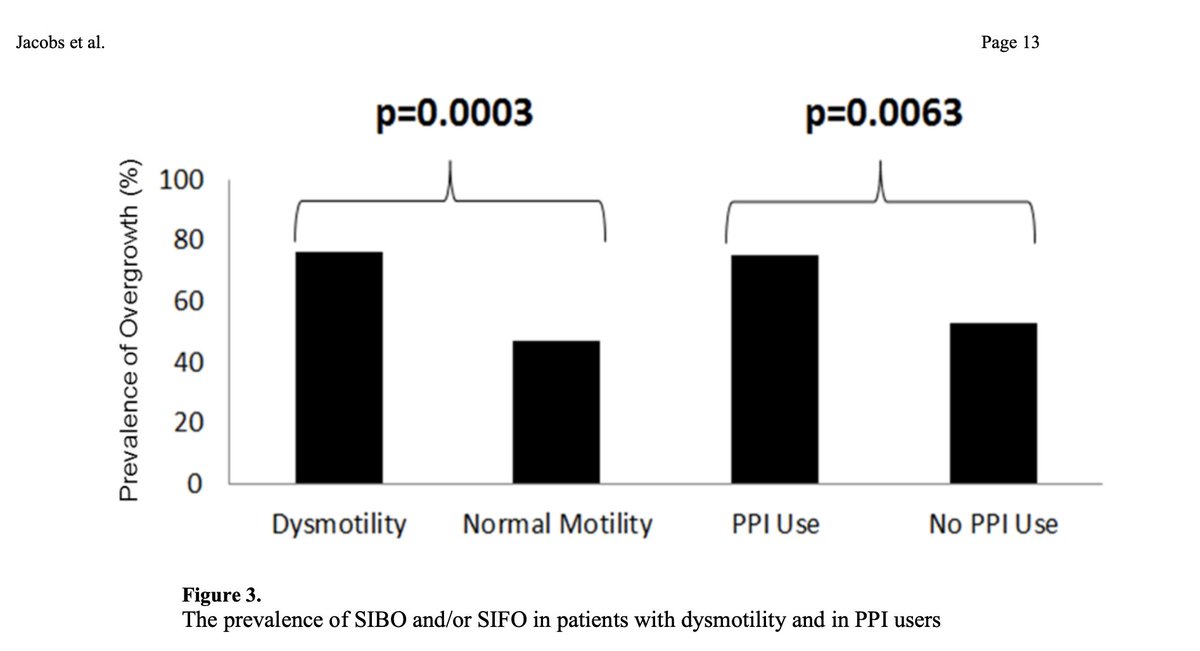
Low stomach acid and a slow gut can cause Candida overgrowth.
Stomach acid is our primary defense against excess microbial growth - bacteria and fungi like Candida.
For increasing stomach acid, tools like:
◇ Vitamin B3
◇ Coffee
◇ Bitters
◇ Vinegar
◇ Salt
Will be useful.
If your gut motility is slow, then you just leave the microbes more time to linger and feast.
Some tools to help improve motility:
◇ Coffee (even decaf)
◇ Senna
◇ Raw carrot
◇ Magnesium
◇ Baking soda
◇ Cascara
◇ Triphala
◇ Sodium butyrate
◇ Mastic gum
◇ Vitamin B1
Now it's important to understand that these tools are not always fixing the root cause, but they are helpful in the interim if you're trying to overcome an infection.
Stomach acid is our primary defense against excess microbial growth - bacteria and fungi like Candida.
For increasing stomach acid, tools like:
◇ Vitamin B3
◇ Coffee
◇ Bitters
◇ Vinegar
◇ Salt
Will be useful.
If your gut motility is slow, then you just leave the microbes more time to linger and feast.
Some tools to help improve motility:
◇ Coffee (even decaf)
◇ Senna
◇ Raw carrot
◇ Magnesium
◇ Baking soda
◇ Cascara
◇ Triphala
◇ Sodium butyrate
◇ Mastic gum
◇ Vitamin B1
Now it's important to understand that these tools are not always fixing the root cause, but they are helpful in the interim if you're trying to overcome an infection.
Candida thrives in an environment rich in simple sugars.
HOWEVER, the real problem is CHRONICALLY high blood sugar - in other words insulin resistance.
People with poor glucose metabolism are susceptible to fungal overgrowth.
Adding tons of refined carbohydrates to the diet does not lead to Candida overgrowth in healthy people (in clinical trials).
This is likely because most simple sugars get absorbed rapidly, before Candida gets a chance to feed on them.
There is some evidence to suggest a lower simple sugar diet can help in some people, when combined with antifungal drugs.
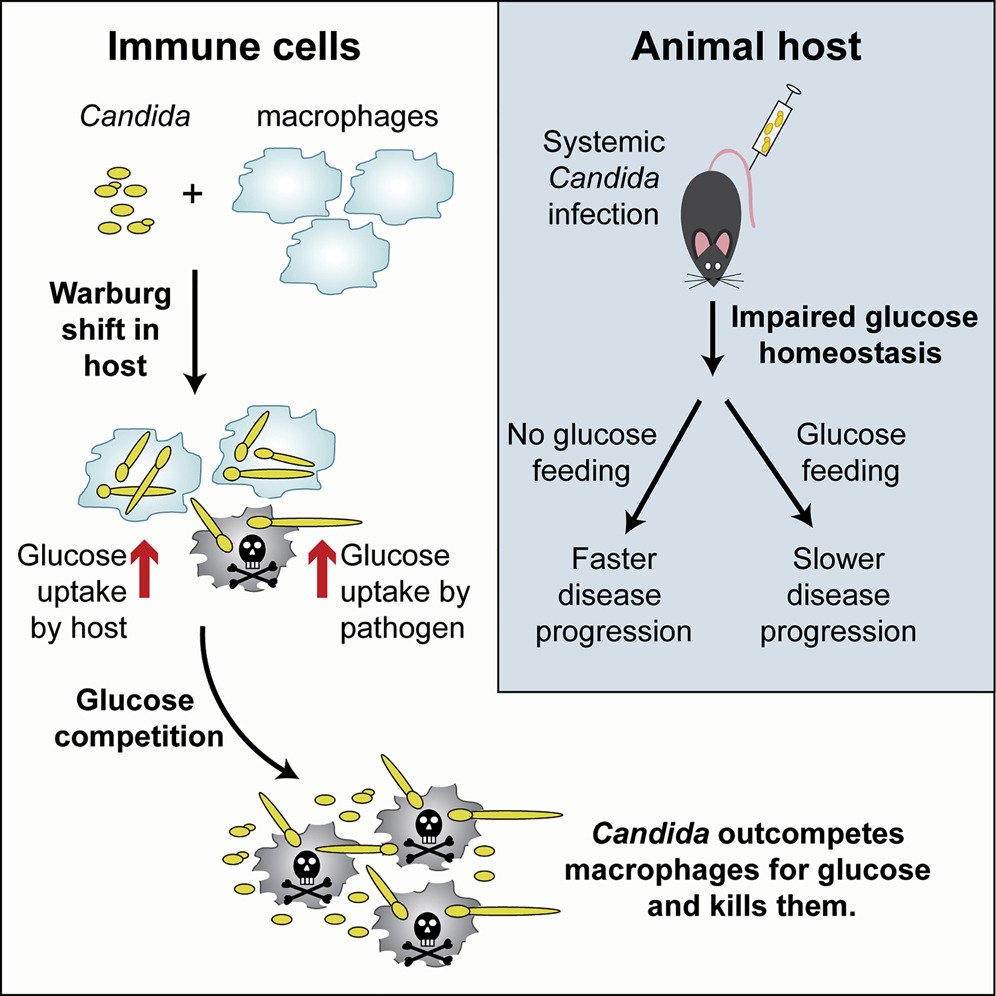
The immune system needs carbs to kill Candida
Candida can outcompete the immune system for carbs, leading to impaired immune defense,
but giving a sugar drink improves survival in animals after infection.
If the low carb approach isn't working, it might not be worth it.
You need to focus on the candida, but also your own host health + immunity.
Carb restriction can impair thyroid function, raise cortisol and other potentially negative effects that can backfire when trying to deal with Candida.
HOWEVER, the real problem is CHRONICALLY high blood sugar - in other words insulin resistance.
People with poor glucose metabolism are susceptible to fungal overgrowth.
Adding tons of refined carbohydrates to the diet does not lead to Candida overgrowth in healthy people (in clinical trials).
This is likely because most simple sugars get absorbed rapidly, before Candida gets a chance to feed on them.
There is some evidence to suggest a lower simple sugar diet can help in some people, when combined with antifungal drugs.
The immune system needs carbs to kill Candida
Candida can outcompete the immune system for carbs, leading to impaired immune defense,
but giving a sugar drink improves survival in animals after infection.
If the low carb approach isn't working, it might not be worth it.
You need to focus on the candida, but also your own host health + immunity.
Carb restriction can impair thyroid function, raise cortisol and other potentially negative effects that can backfire when trying to deal with Candida.
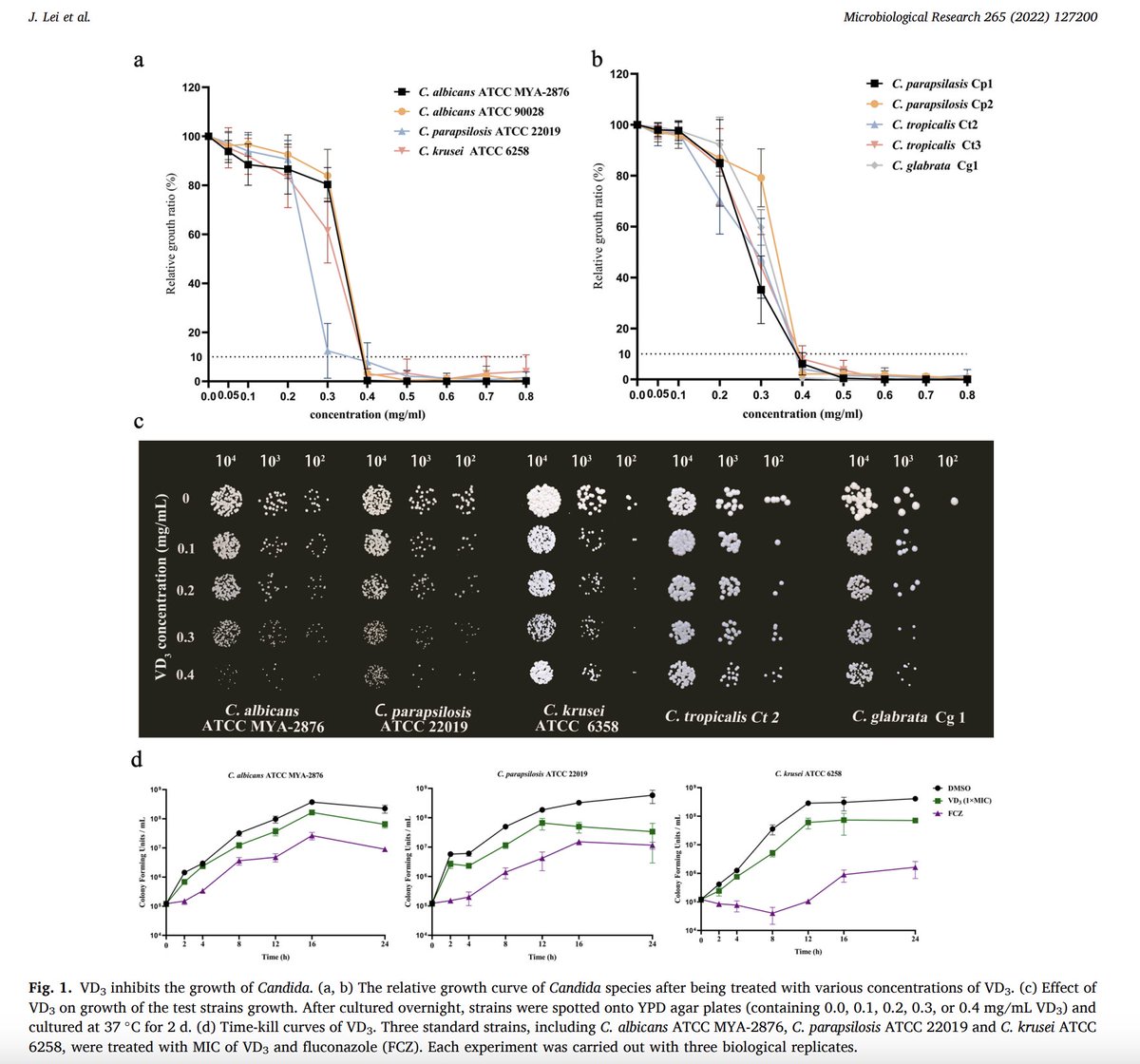
Vitamin D is a powerful anti-fungal agent.
Vitamin D is absolutely vital for a fully mature and functioning immune system.
It also produces proteins that are directly antifungal.
It reduces all forms of Candida growth, virulence and biofilm formation.
Vitamin D is absolutely vital for a fully mature and functioning immune system.
It also produces proteins that are directly antifungal.
It reduces all forms of Candida growth, virulence and biofilm formation.
https://x.com/Outdoctrination/status/1963595457323487494
Lacto / bifido bacteria (in probiotics) in general tend to outcompete and are protective against fungal overgrowths.
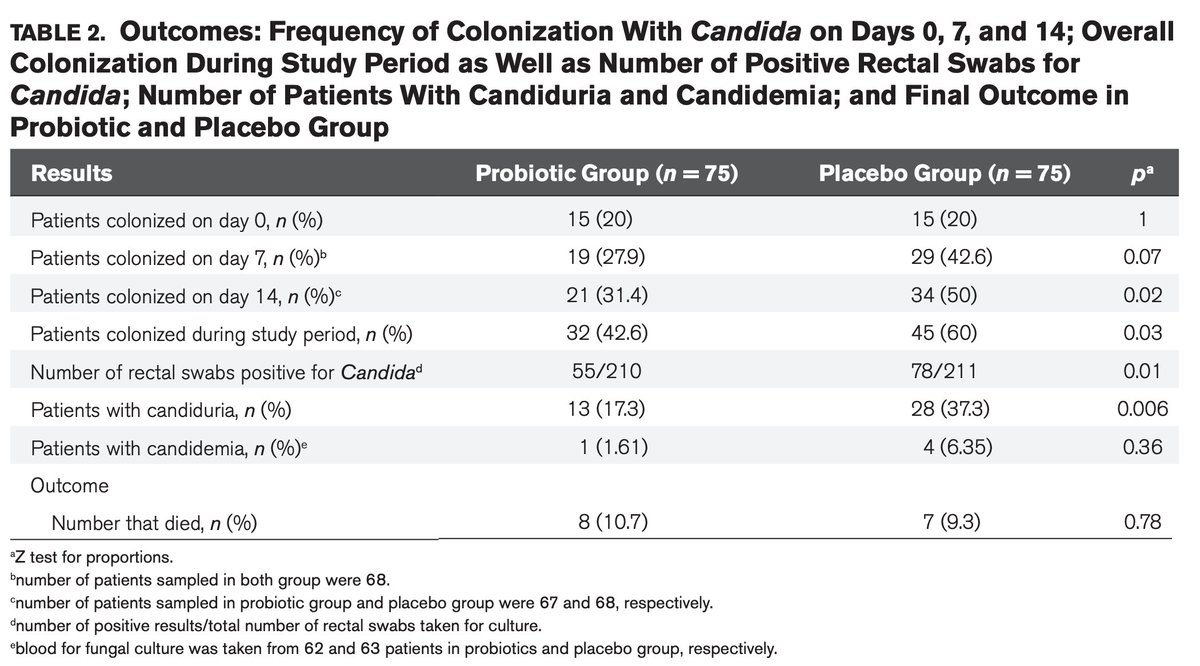
Probiotics can rapidly reverse Candida.
In this study, a lacto/bifido blend reduced Candida substantially just within a few weeks.
Probiotics can rapidly reverse Candida.
In this study, a lacto/bifido blend reduced Candida substantially just within a few weeks.
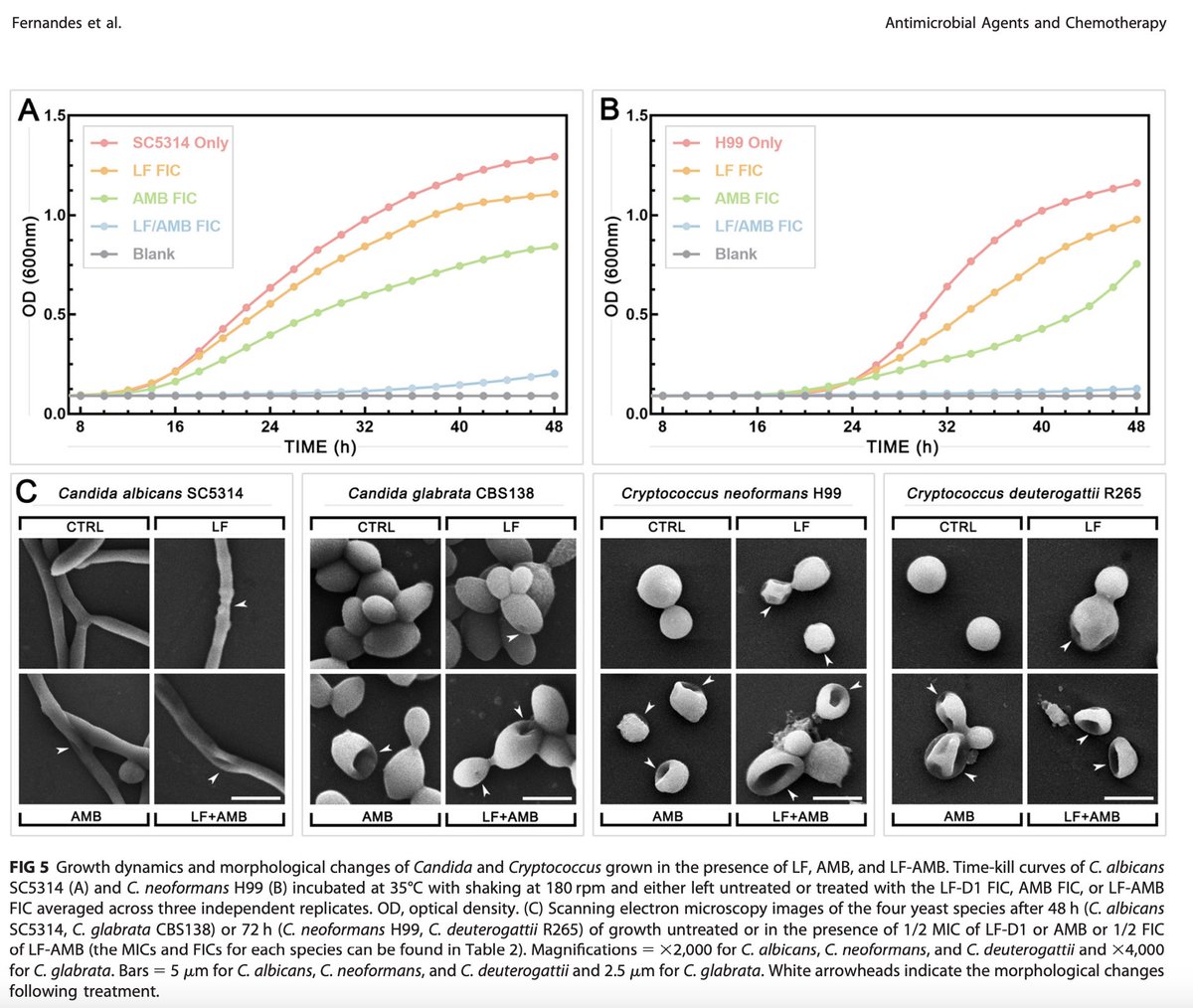
Lactoferrin is an antifungal against Candida.
Lactoferrin is a protein found in milk (especially raw milk and colostrum) with various protective benefits for the gut.
It helps chelate IRON which is important for all pathogens to grow, including fungi like Candida.
Lactoferrin is a protein found in milk (especially raw milk and colostrum) with various protective benefits for the gut.
It helps chelate IRON which is important for all pathogens to grow, including fungi like Candida.
https://x.com/Outdoctrination/status/2002518879386390678
Some other antifungals:
⇨ Methylene Blue
⇨ Pau D'arco
⇨ Niacinamide
⇨ Aspirin
⇨ Oregano oil
⇨ Rosemary
⇨ S. Boulardii
⇨ Coconut oil
⇨ Raw honey
⇨. Zinc
⇨ Grapeseed extract
⇨ L. Rhamnosus
⇨ Sulfur (flowers of sulfur)
These will be vital.
Not saying to use them all at once, or that they alone will fix it, but they will be a huge help.
You also can use prescription antifungals,
and while these are more powerful for killing the fungi,
they can ruin the microbial environment in the gut and the immune system.
This would be my last resort once the above resources are exhausted.
⇨ Methylene Blue
⇨ Pau D'arco
⇨ Niacinamide
⇨ Aspirin
⇨ Oregano oil
⇨ Rosemary
⇨ S. Boulardii
⇨ Coconut oil
⇨ Raw honey
⇨. Zinc
⇨ Grapeseed extract
⇨ L. Rhamnosus
⇨ Sulfur (flowers of sulfur)
These will be vital.
Not saying to use them all at once, or that they alone will fix it, but they will be a huge help.
You also can use prescription antifungals,
and while these are more powerful for killing the fungi,
they can ruin the microbial environment in the gut and the immune system.
This would be my last resort once the above resources are exhausted.
The thing is, while Candida is highly publicized and talked about,
most gut issues are bacterial in nature.
It is much less common for issues to be driven by Candida than by bacterial dysbiosis,
and even if they are - the bacteria control Candida's proliferation.
Since tests can be misleading or a waste of money and time, I would focus on fixing the bacteria in the gut before thinking about Candida.
The symptoms can be nearly identical, besides a few differences.
most gut issues are bacterial in nature.
It is much less common for issues to be driven by Candida than by bacterial dysbiosis,
and even if they are - the bacteria control Candida's proliferation.
Since tests can be misleading or a waste of money and time, I would focus on fixing the bacteria in the gut before thinking about Candida.
The symptoms can be nearly identical, besides a few differences.
If you want to get some PERSONALIZED help from us with ANY of your health goals, we’re taking clients virtually worldwide every day at PRISM. Book a free call here for more: go.prism.miami/consultation
If you’re interested in getting lab testing, we offer a ton of different tests you can get without even needing to go to a doctor below. 10% off using code “ANALYZE” at checkout. revelationdiagnostics.com
• • •
Missing some Tweet in this thread? You can try to
force a refresh