Why is there a war ongoing in Sudan 🇸🇩 ?
Who are the actors, why are they fighting ? Is the conflict origine from money, gold, oil, power, religion or ethnicities ? Which foreign powers are involved ?
Here, you will find a general guide of the Sudan war :
🧵THREAD🧵1/24 ⬇️
Who are the actors, why are they fighting ? Is the conflict origine from money, gold, oil, power, religion or ethnicities ? Which foreign powers are involved ?
Here, you will find a general guide of the Sudan war :
🧵THREAD🧵1/24 ⬇️
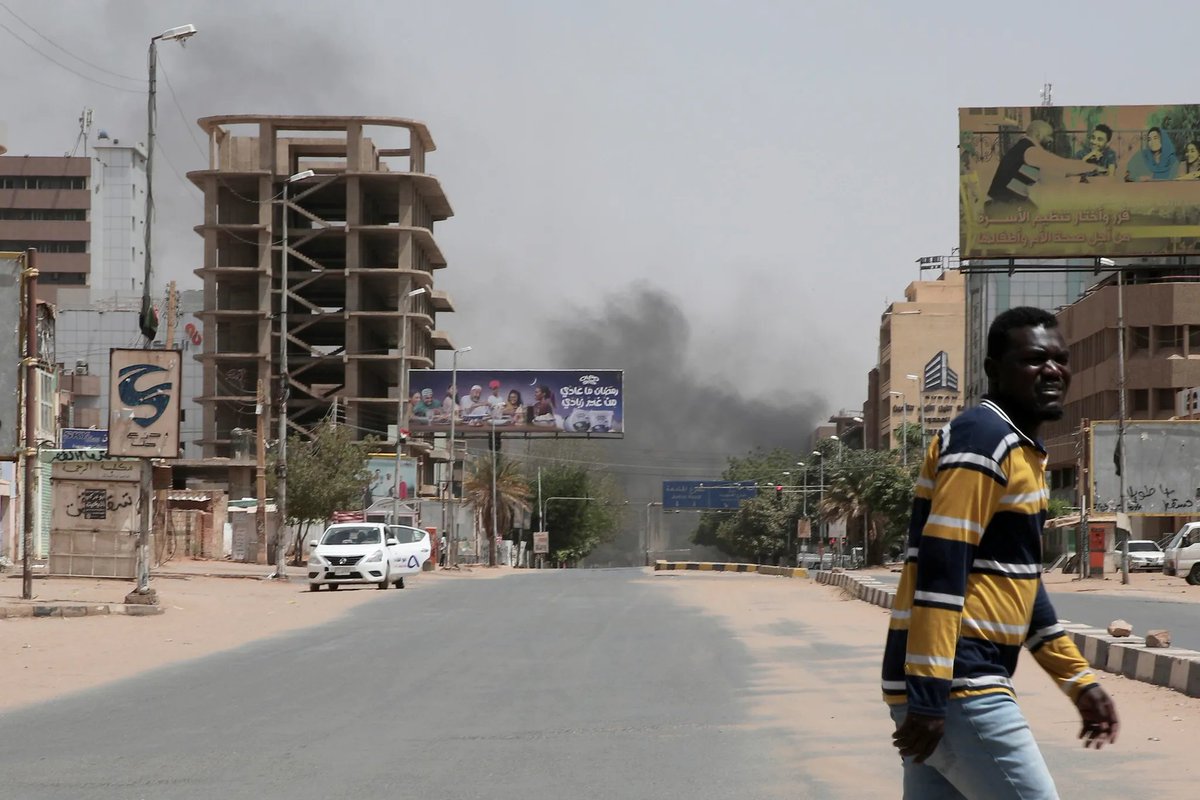
When did it start ?
On april 15th 2023. Where ? In Khartoum, the capital city, unlike previous conflicts.
Sudan was already partly at war before, discontinuously since 1983 (1983-2005, 2nd South Sudan war, 2003-2020, Darfur war, 2011-2020, South Kordofan and Blue Nile war).
On april 15th 2023. Where ? In Khartoum, the capital city, unlike previous conflicts.
Sudan was already partly at war before, discontinuously since 1983 (1983-2005, 2nd South Sudan war, 2003-2020, Darfur war, 2011-2020, South Kordofan and Blue Nile war).
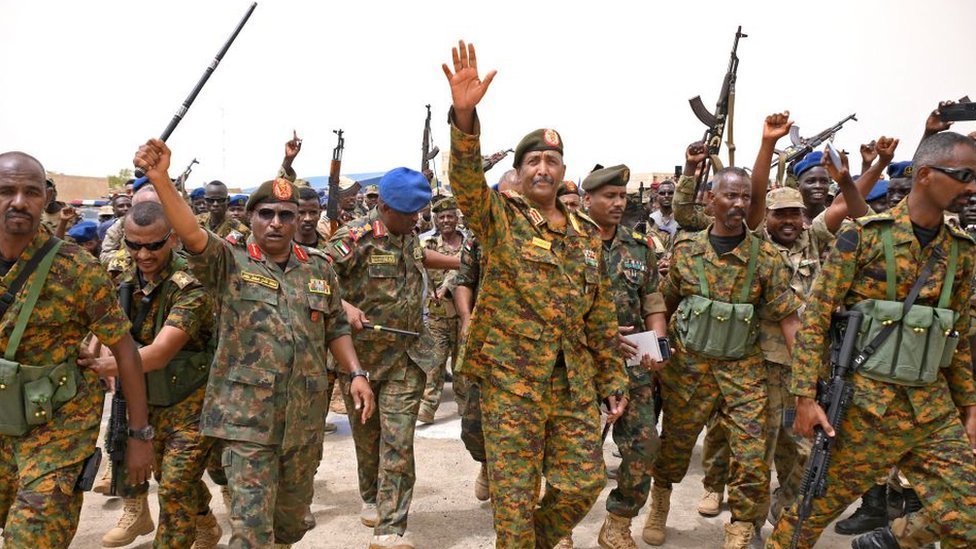
Who is fighting :
The Sudanese Armed Forces :
The SAF are based in Khartoum and Port Sudan; they defend the state's borders and internal stability. Their leader is Al-Burhan, and the military commanders are heirs to the military-Islamist regime of Omar al-Bashir (1989-2019).
The Sudanese Armed Forces :
The SAF are based in Khartoum and Port Sudan; they defend the state's borders and internal stability. Their leader is Al-Burhan, and the military commanders are heirs to the military-Islamist regime of Omar al-Bashir (1989-2019).
The Rapid Support Forces :
The Rapid Support Forces (RSF) are a paramilitary militia (Janjaweed) created by the former regime to fight the rebels and who perpetrated the Darfur genocide against non-Arab populations.
They originate from Darfur and seek to overthrow the government in Khartoum.
The Rapid Support Forces (RSF) are a paramilitary militia (Janjaweed) created by the former regime to fight the rebels and who perpetrated the Darfur genocide against non-Arab populations.
They originate from Darfur and seek to overthrow the government in Khartoum.

6 causes :
1- 2019-2021 military coups :
In 2019, the SAF and the RSF jointly overthrew al-Bashir's government following the Sudanese revolution, then seized the power they had granted to civilians in 2021.
-> Al-Burhan becomes number 1
-> Hemedti becomes number 2
1- 2019-2021 military coups :
In 2019, the SAF and the RSF jointly overthrew al-Bashir's government following the Sudanese revolution, then seized the power they had granted to civilians in 2021.
-> Al-Burhan becomes number 1
-> Hemedti becomes number 2
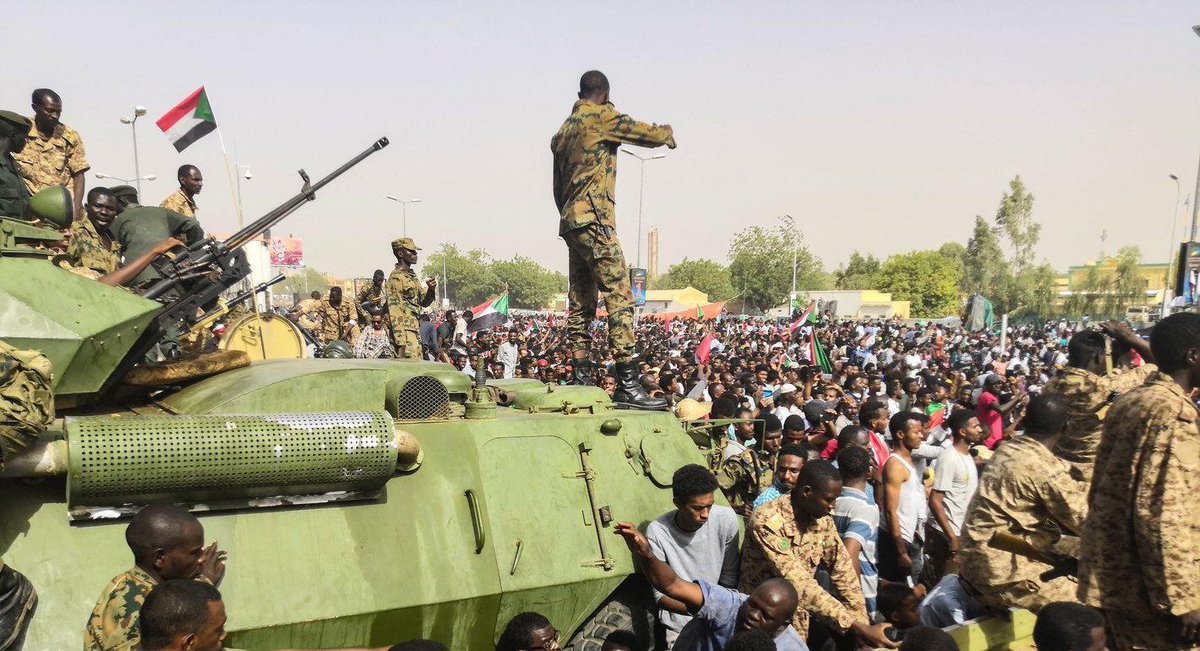
2- Thucydides' Trap
Over the years, the RSF and their leader, Hemedti, had become more powerful than the army. The army wanted to prevent this rise to power by integrating them under military command.
The RSF refused and attempted a coup on April 15, 2023.
Over the years, the RSF and their leader, Hemedti, had become more powerful than the army. The army wanted to prevent this rise to power by integrating them under military command.
The RSF refused and attempted a coup on April 15, 2023.

3- Natural Resources, Gold, Oil and Agriculture
The FSR and the Hemedti family, controlling a vast gold trafficking network, wanted to secure and expand it. The FSR also wanted to acquire control over oil and agricultural areas whose wealth reached only the people of the Nile.
The FSR and the Hemedti family, controlling a vast gold trafficking network, wanted to secure and expand it. The FSR also wanted to acquire control over oil and agricultural areas whose wealth reached only the people of the Nile.

4- Ethnic division:
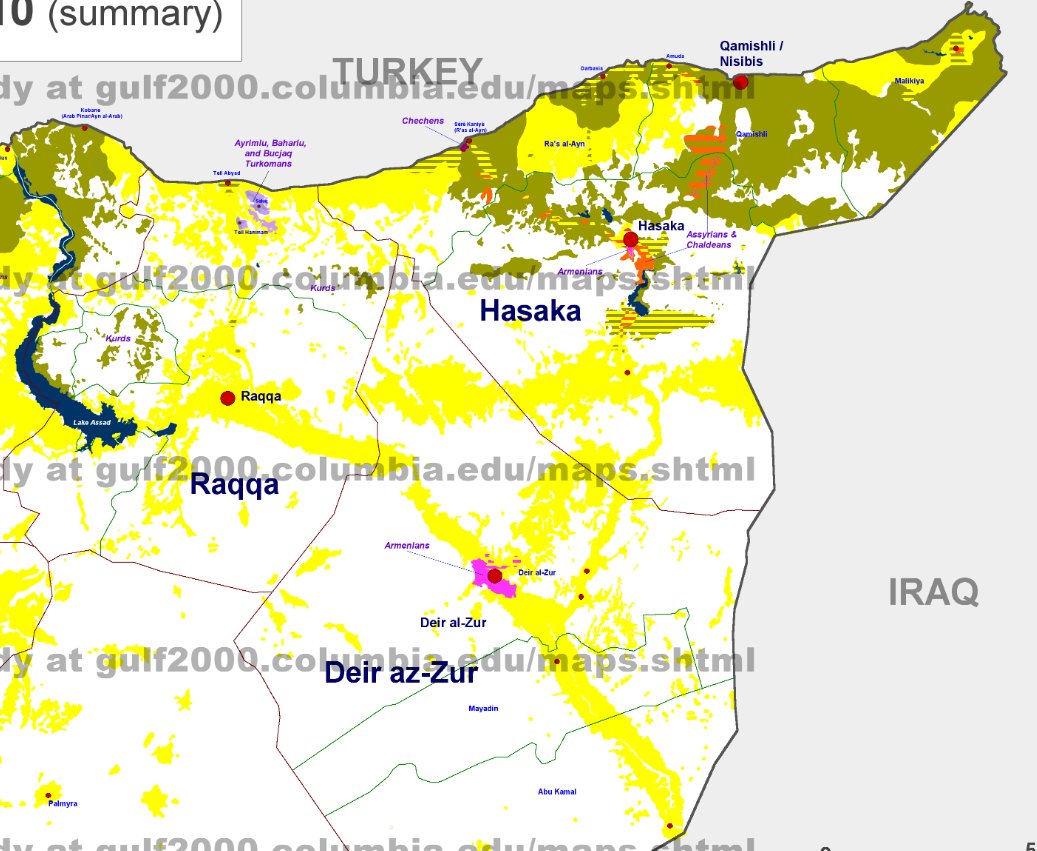
70% of Sudan's population is Arab, with 50% living in the east and along the Nile (the wealthier region) and 15% holding power for the past 150 years (north of Khartoum).
-> The Bagarra Arabs of Darfur (the base of the RSF) feel neglected.
70% of Sudan's population is Arab, with 50% living in the east and along the Nile (the wealthier region) and 15% holding power for the past 150 years (north of Khartoum).
-> The Bagarra Arabs of Darfur (the base of the RSF) feel neglected.

5- The Darfur War
From 2003 to 2020, Khartoum armed the Janjaweed militia and later the RSF to fight the rebellions launched by the Sudanese Revolutionary Front (SRF) coalition, which aimed to overthrow the government from Darfur, Kordofan, and Blue Nile.
-> The SRF represents approximately the 30% remaining non-Arab population.
From 2003 to 2020, Khartoum armed the Janjaweed militia and later the RSF to fight the rebellions launched by the Sudanese Revolutionary Front (SRF) coalition, which aimed to overthrow the government from Darfur, Kordofan, and Blue Nile.
-> The SRF represents approximately the 30% remaining non-Arab population.

6- Foreign Investments
The United Arab Emirates invested heavily in supporting the FSR as an alternative to the old Islamist army. They actively participated in preparing for war by financing and arming the FSR.
The United Arab Emirates invested heavily in supporting the FSR as an alternative to the old Islamist army. They actively participated in preparing for war by financing and arming the FSR.
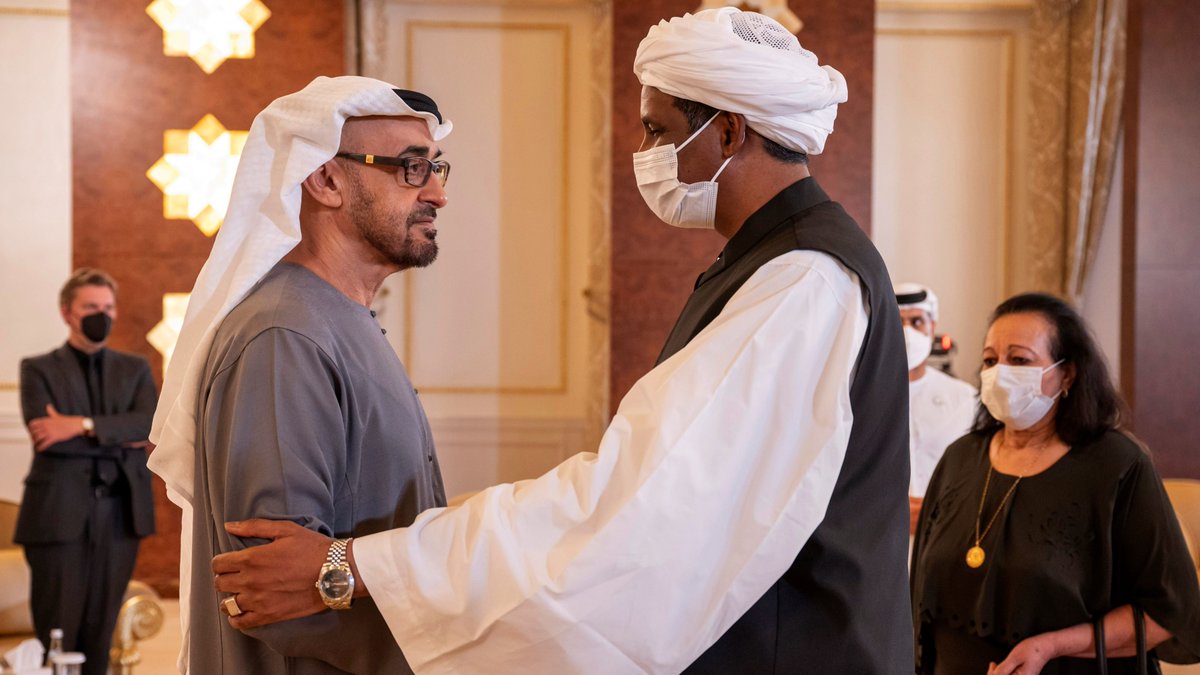
How much soldiers in the army ?
~100 000, with ~100 000 more allied militiamen from Joint Darfur Forces (former rebels includes SLA-MM, JEM and others) ; Popular Resistance Forces (civilians who joined the army) ; Al-Bara’ ibn Malik Battalion (islamists) ; Sudan Shield Forces.
~100 000, with ~100 000 more allied militiamen from Joint Darfur Forces (former rebels includes SLA-MM, JEM and others) ; Popular Resistance Forces (civilians who joined the army) ; Al-Bara’ ibn Malik Battalion (islamists) ; Sudan Shield Forces.
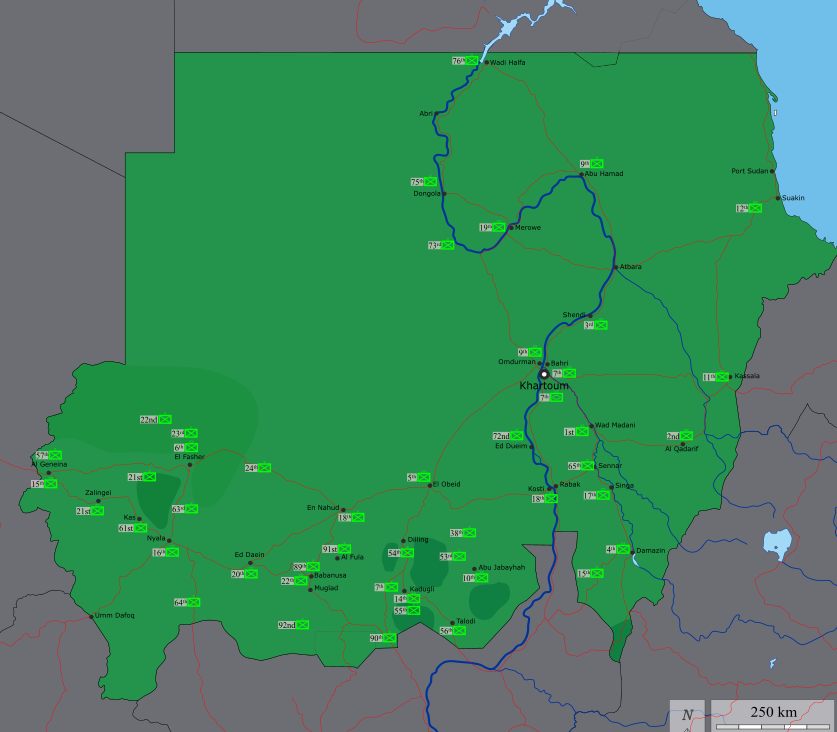
How much soldiers in the RSF ?
~120 000 plus additionnal 20-25 000 SPLM-N (Sudan Popular Liberation Movement-North, led by Abdelaziz Al Hilu) which joined the alliance in 2025.
~120 000 plus additionnal 20-25 000 SPLM-N (Sudan Popular Liberation Movement-North, led by Abdelaziz Al Hilu) which joined the alliance in 2025.
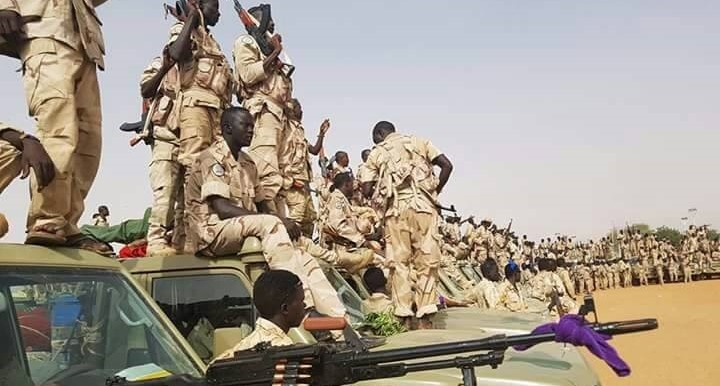
What is the Tasis alliance ?
A civilian–political front backed by Sudan’s RSF, formed in Kenya to give the militia political legitimacy. It includes RSF leaders, breakaway civilian figures, and some armed movements opposed to SAF & Islamists.
-> aim to organize their own administration
A civilian–political front backed by Sudan’s RSF, formed in Kenya to give the militia political legitimacy. It includes RSF leaders, breakaway civilian figures, and some armed movements opposed to SAF & Islamists.
-> aim to organize their own administration

What are the civilian political figures doing ?
-> Taqaddum, a “Coordination of Civil Democratic Forces”, in exil
-> They do not support any side
-> They blame both sides
-> Sudaneses civilians mainly support the army
-> Taqaddum, a “Coordination of Civil Democratic Forces”, in exil
-> They do not support any side
-> They blame both sides
-> Sudaneses civilians mainly support the army
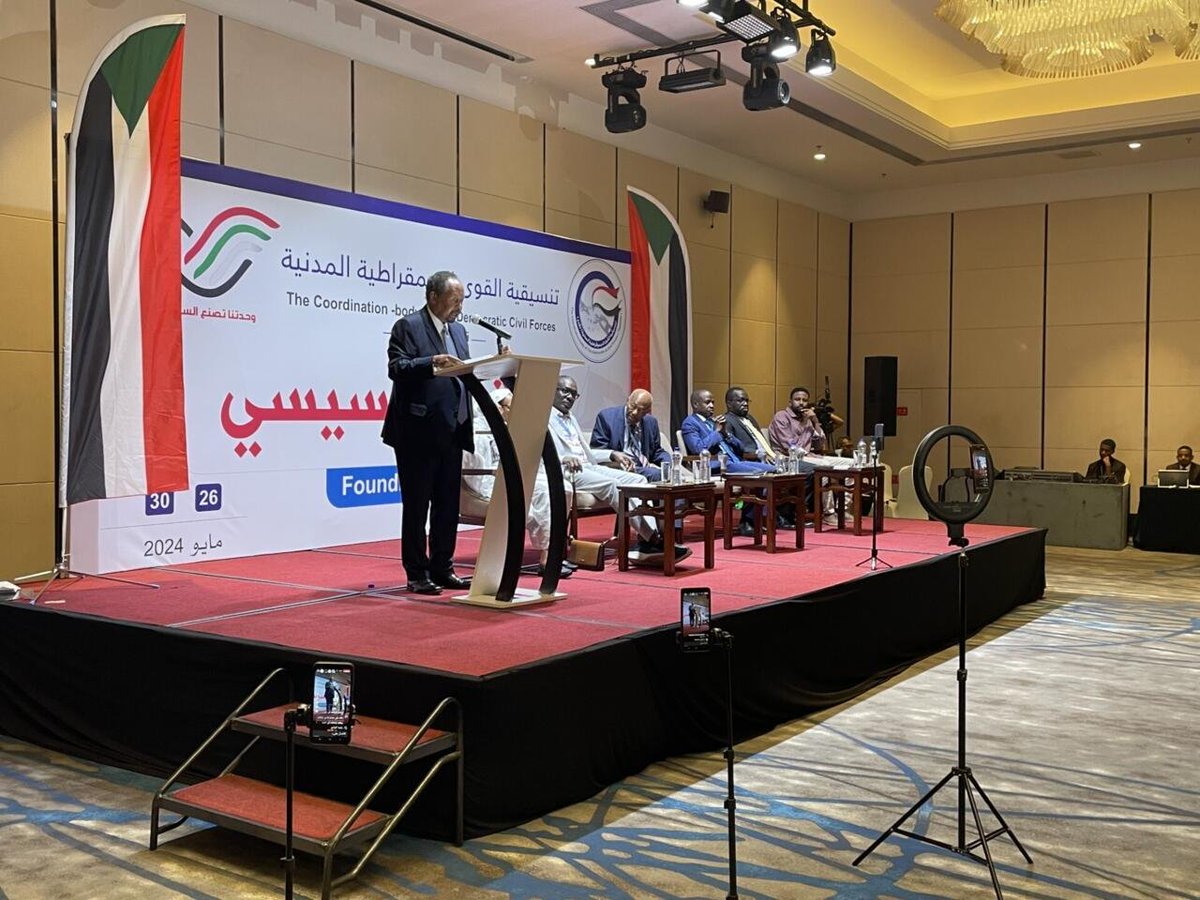
Is it a religion war ?
No. First, 97% of Sudanese are Sunni muslim, there is only 1.5% christians and 1.5% animists.
-> Both sides are muslim, even if the SAF history and backing is more islamist and the RSF more secular.
No. First, 97% of Sudanese are Sunni muslim, there is only 1.5% christians and 1.5% animists.
-> Both sides are muslim, even if the SAF history and backing is more islamist and the RSF more secular.

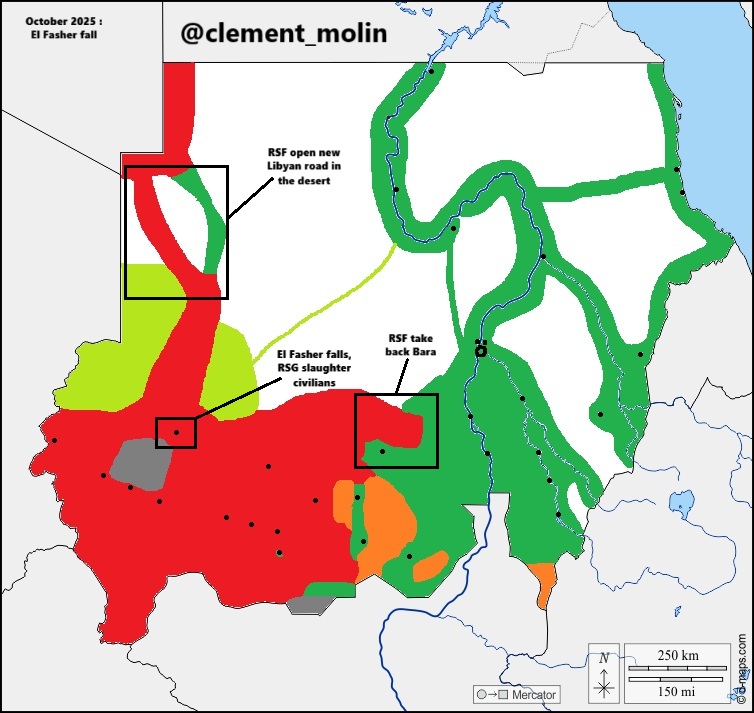
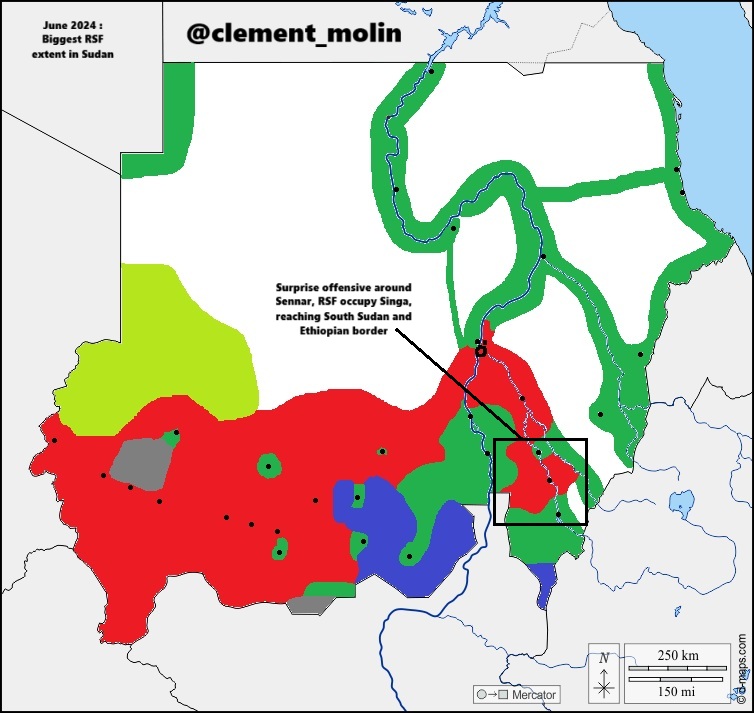
What are the main battles of the war ?
-> Khartoum battle 2023-2025, SAF victory
-> Gezira-Sennar battle 2024, SAF victory
-> Darfur battle 2023-2025, RSF victory
-> Kordofan battle (ongoing)
-> Sahara desert battle (ongoing) RSF superiority
-> Khartoum battle 2023-2025, SAF victory
-> Gezira-Sennar battle 2024, SAF victory
-> Darfur battle 2023-2025, RSF victory
-> Kordofan battle (ongoing)
-> Sahara desert battle (ongoing) RSF superiority


How much people died ?
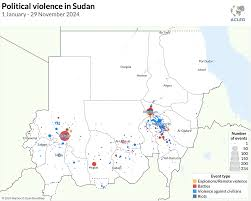
150 000 to 400 000 as per official reports.
-> 60 000 in Khartoum state
-> 63 000 in Al Fashir massacre
-> 20 000 in El Geneina massacre
-> hundred of thousands others in other regions, multiple others indirectly, from disease and hunger.
150 000 to 400 000 as per official reports.
-> 60 000 in Khartoum state
-> 63 000 in Al Fashir massacre
-> 20 000 in El Geneina massacre
-> hundred of thousands others in other regions, multiple others indirectly, from disease and hunger.
How much people migrated ?
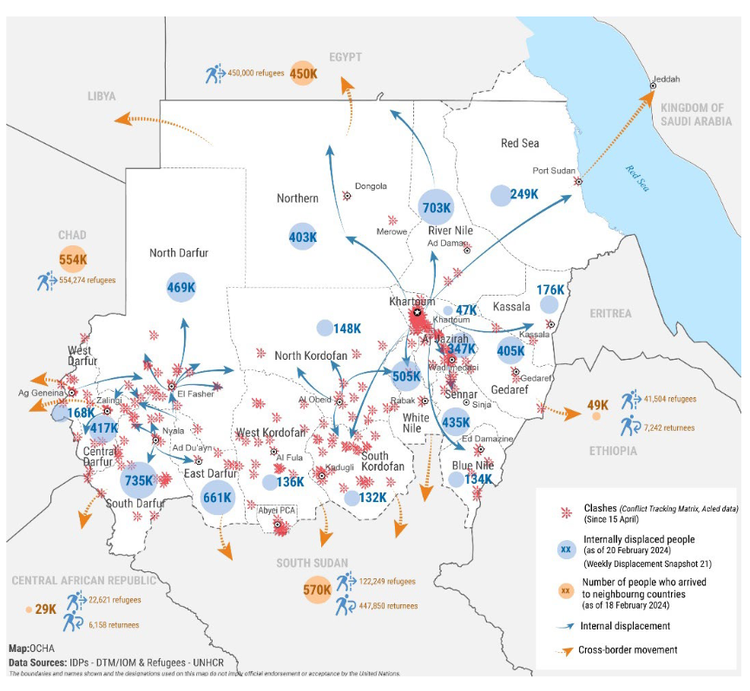
-> 7.55 million people were newly displaced due to the conflict
-> 4 million left the country (to Chad, Egypt, South Sudan mainly)
-> 2 million returned to their houses after Khartoum and south liberation including 455 000 from abroad.
-> 7.55 million people were newly displaced due to the conflict
-> 4 million left the country (to Chad, Egypt, South Sudan mainly)
-> 2 million returned to their houses after Khartoum and south liberation including 455 000 from abroad.
Who is winning the war ?
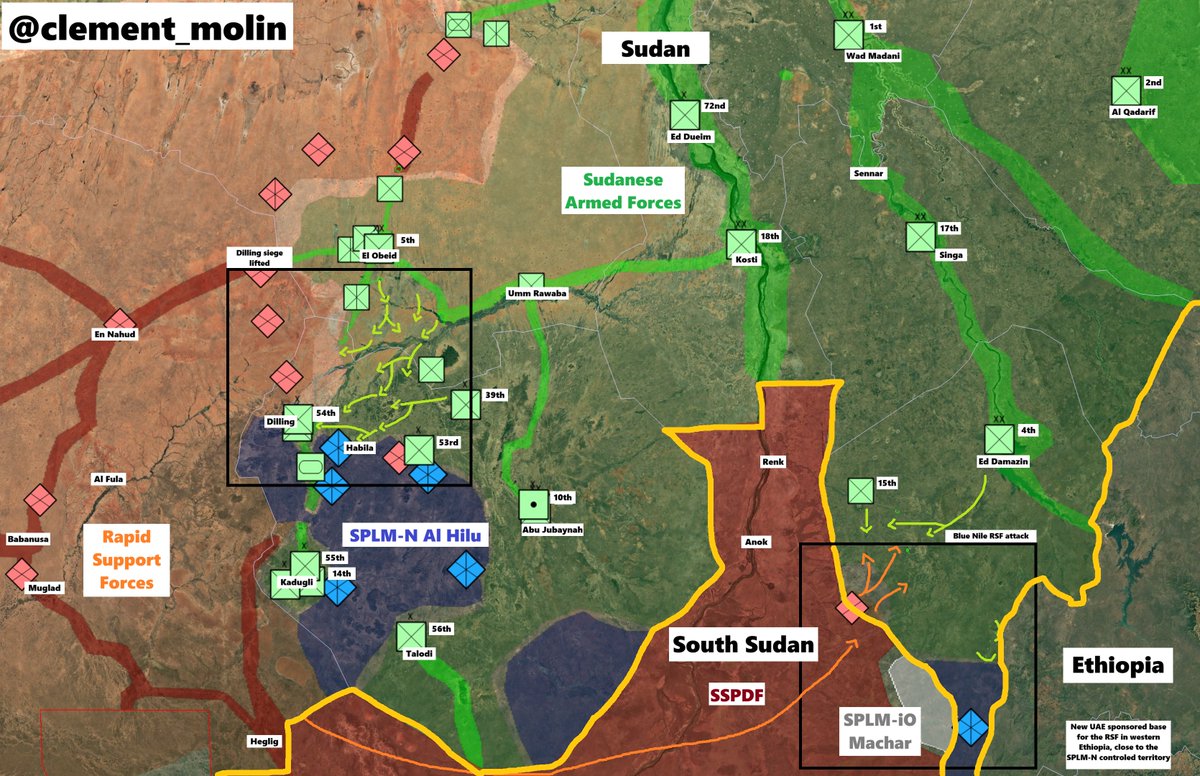
Currently, no one, both forces are fighting hardly in Kordofan region, especially around El Obeid.
Both sides still think they can win the war before negotiations.
Currently, no one, both forces are fighting hardly in Kordofan region, especially around El Obeid.
Both sides still think they can win the war before negotiations.
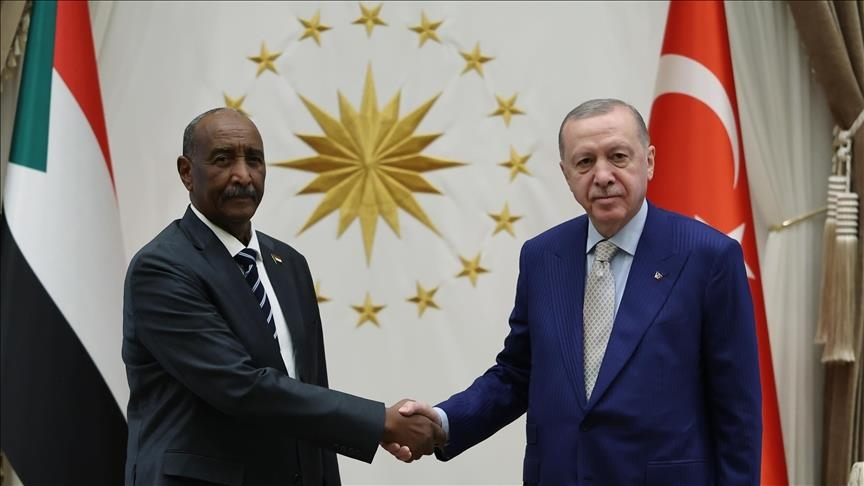
Which foreign power is helping the SAF ?
-> Turkiye 🇹🇷 (military)
-> Egypt 🇪🇬 (military and financial)
-> Saudi Arabia 🇸🇦 (financial)
-> Qatar 🇶🇦 (financial)
-> Iran 🇮🇷 (military, former)
-> Russia 🇷🇺 (military)
-> Eritrea 🇪🇷 (military)
-> Ukraine 🇺🇦 (military, former ?)
-> Turkiye 🇹🇷 (military)
-> Egypt 🇪🇬 (military and financial)
-> Saudi Arabia 🇸🇦 (financial)
-> Qatar 🇶🇦 (financial)
-> Iran 🇮🇷 (military, former)
-> Russia 🇷🇺 (military)
-> Eritrea 🇪🇷 (military)
-> Ukraine 🇺🇦 (military, former ?)
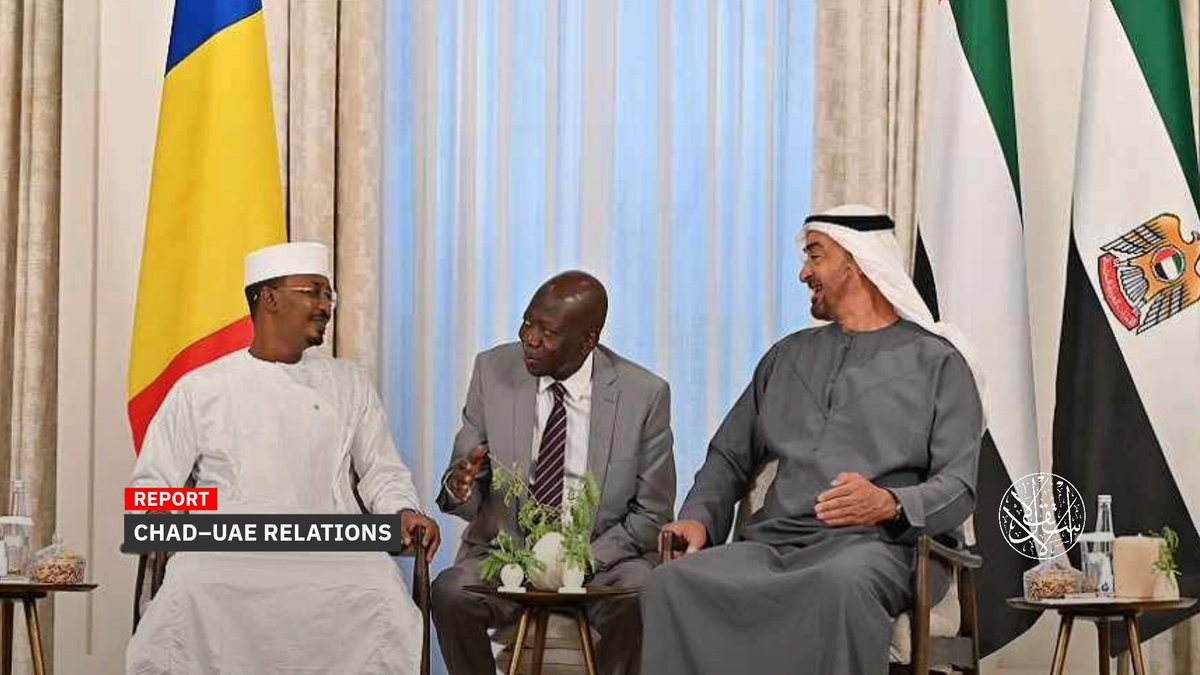
Which foreign power is helping the RSF ?
-> United Arab Emirates 🇦🇪 (financial, military, logistics, intelligence, mercenaries)
-> Chad 🇹🇩 (logistics + indirectly mercenaries)
-> Ethiopia 🇪🇹 (logistics)
-> South Sudan 🇸🇸 (logistics + indirectly mercenaries)
-> CAR 🇨🇫 (logistics + indirectly mercenaries)
-> LNA 🇱🇾 (logistics + indirect support)
-> Wagner 🇷🇺
-> Kenya 🇰🇪 (logistics and diplomatic)
-> Uganda 🇺🇬 (logistics)
-> United Arab Emirates 🇦🇪 (financial, military, logistics, intelligence, mercenaries)
-> Chad 🇹🇩 (logistics + indirectly mercenaries)
-> Ethiopia 🇪🇹 (logistics)
-> South Sudan 🇸🇸 (logistics + indirectly mercenaries)
-> CAR 🇨🇫 (logistics + indirectly mercenaries)
-> LNA 🇱🇾 (logistics + indirect support)
-> Wagner 🇷🇺
-> Kenya 🇰🇪 (logistics and diplomatic)
-> Uganda 🇺🇬 (logistics)
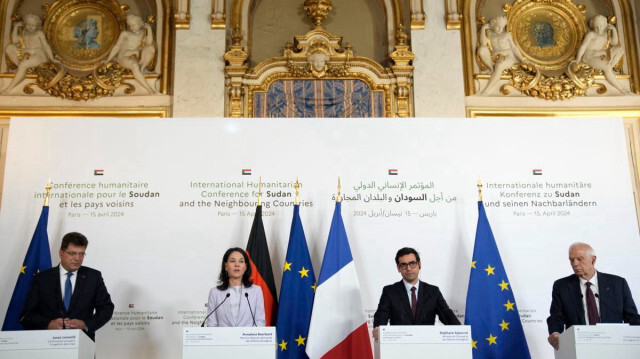
What is the position of other countries ?
-> China 🇨🇳 supports SAF territorial integrity
-> USA /Europe (western) 🇺🇸🇬🇧🇪🇺 talk to both sides, support the civilian organisation, opposed to both sides governance
-> Israel 🇮🇱 neutral for now
-> Others 🇮🇳🇵🇰🇮🇩 remained +/- neutral
-> China 🇨🇳 supports SAF territorial integrity
-> USA /Europe (western) 🇺🇸🇬🇧🇪🇺 talk to both sides, support the civilian organisation, opposed to both sides governance
-> Israel 🇮🇱 neutral for now
-> Others 🇮🇳🇵🇰🇮🇩 remained +/- neutral
Why following this war matters ?
-> Sudan is a strategic country at a crossroad
-> If the war last too long, many civilians will try to flee to Europe
-> There are critical ressources in Sudan (gold, oil...)
-> The Nile river
-> At the heart of multiple rivalry (Ethiopia-Egypt, Saudi Arabia-UAE, Turkiye-UAE...)
-> Sudan is a strategic country at a crossroad
-> If the war last too long, many civilians will try to flee to Europe
-> There are critical ressources in Sudan (gold, oil...)
-> The Nile river
-> At the heart of multiple rivalry (Ethiopia-Egypt, Saudi Arabia-UAE, Turkiye-UAE...)

Thanks for following this long thread, I will adapt everything into an article later.
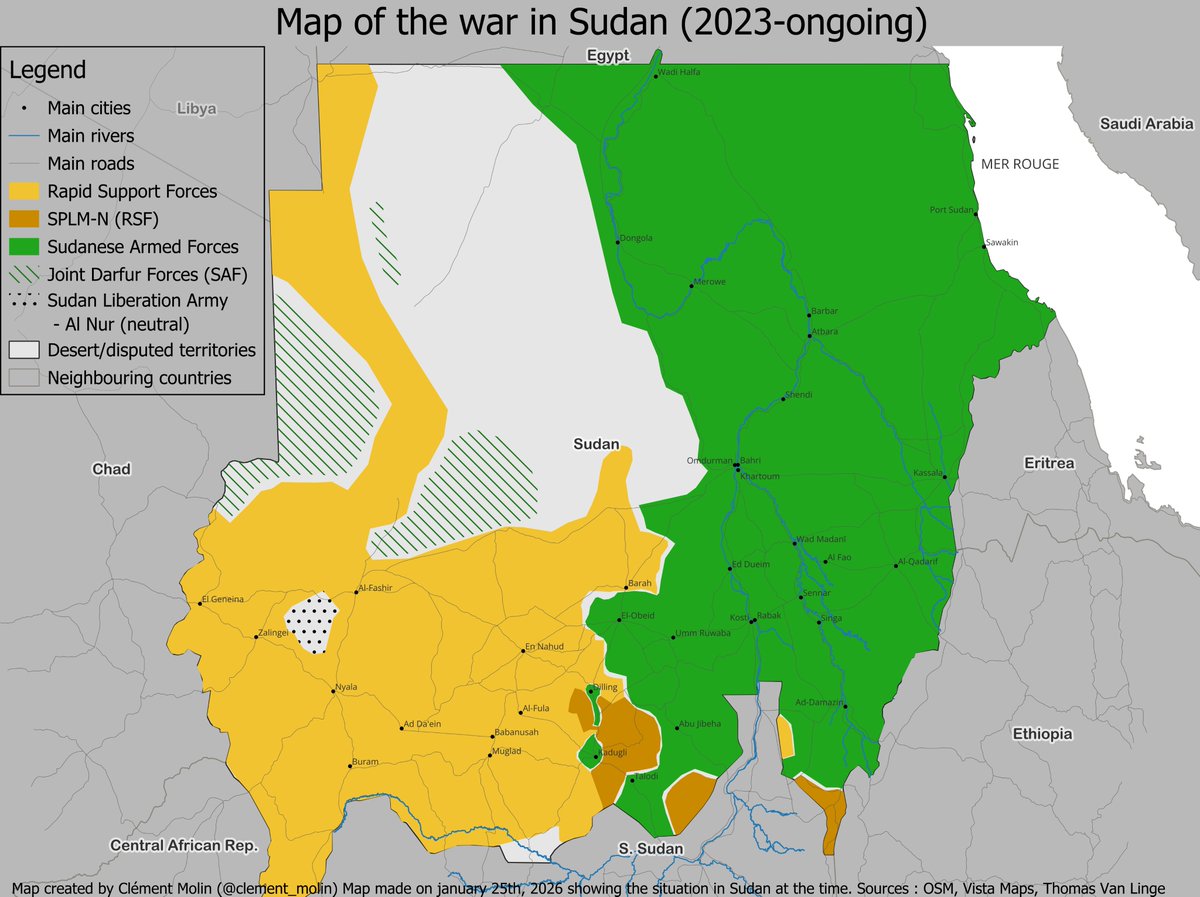
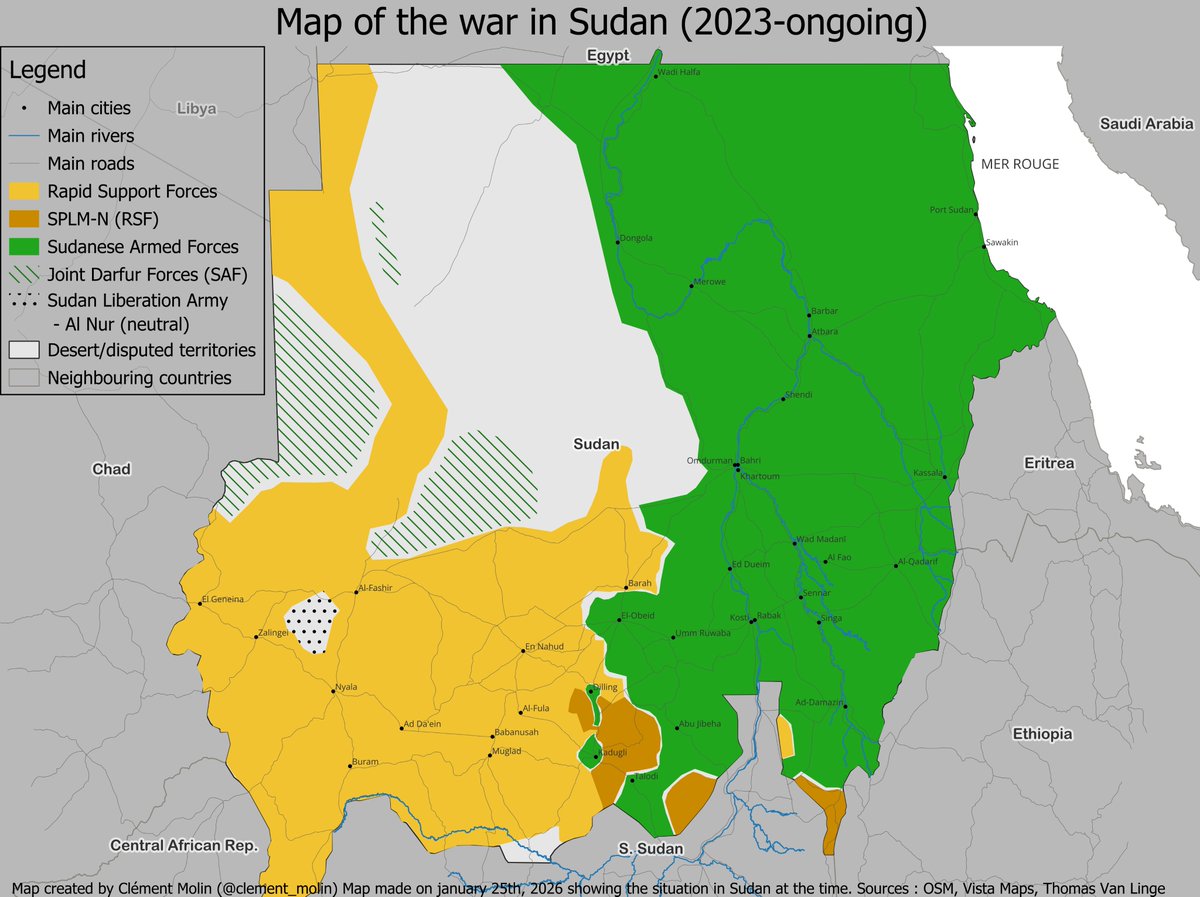
If you find it interesting, you can repost it ! Also, this is a map i made myself today, check it out !
24/24
If you find it interesting, you can repost it ! Also, this is a map i made myself today, check it out !
24/24

• • •
Missing some Tweet in this thread? You can try to
force a refresh