There are still many people who just don’t understand how the world works and, because of that lack of knowledge, they question what is going on in Iran and why.
So, let’s discuss the Iran conflict from a strategic level of warfare perspective, a thread:🧵
At the highest level, this conflict is not really about a single event or even a single country.
It is about control, influence, and shaping the global system.
Iran has spent decades building a strategy that avoids direct war with stronger powers like the United States. Instead, it built a network of proxies across the Middle East.
Groups like Hezbollah in Lebanon, the Houthis in Yemen, and militias in Iraq and Syria allow Iran to project power without exposing itself to full retaliation.
This is important to understand, because it changes how war is fought.
Iran was not trying to win a traditional war.
It was trying to create constant instability. The goal was to weaken governments, stretch its enemies thin, and make the region difficult to control.
This is what we would call a deliberate system of “asymmetric warfare,” where Iran uses indirect pressure instead of direct confrontation.
Right now, that strategy is still active.
Iran’s proxies are not just sitting in place. They are escalating.
Recent reporting shows increased attacks and even sleeper cell activity across the Gulf states, which are key US partners.
When Iran is applying pressure everywhere at once, it forces the United States and its allies to respond in multiple places instead of focusing on one front.
Now, let’s step back and look at geography.
The Strait of Hormuz is the center of gravity. Around 20 percent of the world’s oil passes through that narrow waterway.
A huge portion of that oil goes to Asia, especially China. Whoever can threaten or control that strait holds leverage over the global economy.
That is why the current conflict matters far beyond the Middle East.
Iran has shown it can disrupt, or even shut down that flow, which immediately spikes energy prices and hits global supply chains.
When that happens, Asian economies feel it first and hardest.
From a strategic perspective, this is one of the few pressure points that can directly impact China’s growth and stability.
So, if you remove Iran from that equation, or even weaken its ability to threaten and control the strait, you change the balance.
The US grabbed ahold of the leash that China had on Iran.
It’s ours now.
In doing so, we have reduced one of the biggest risks to global energy flow.
And, at the same time, we have gained indirect leverage over China, because its economy depends heavily on stable energy imports moving through that exact route.
Now, if we bring China into the picture more directly and their push to proliferate their Belt and Road Initiative, the picture really starts to focus.
China does not see the chaos created by Iran and its proxies as purely a problem.
In many ways, it sees it as an opportunity. China’s strategy in the Middle East is not built on military dominance like the United States.
It is built on economic positioning, long term infrastructure, and influence that grows quietly over time.
When Iranian proxies create instability, it weakens governments, strains economies, and creates gaps in control.
That is where China steps in.
It does not need to create the chaos. It simply benefits from it.
Countries dealing with internal pressure or regional threats become more willing to accept Chinese investment, loans, and infrastructure deals because they need stability and growth fast.
That feeds directly into the Belt and Road Initiative, which is designed to tie those countries economically to China over time.
Iran itself plays a key role in this system. It is not just a rogue actor. It is also a partner to China.
Iran sits in a critical geographic position that connects Central Asia, the Middle East, and Europe.
That makes it a natural hub for Belt and Road routes.
And China has invested heavily in that relationship because it gives them access to trade corridors that bypass Western controlled routes and pressure points.
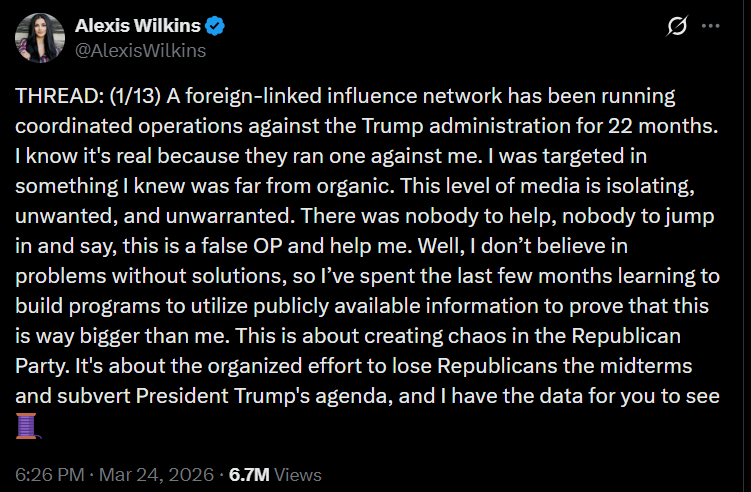
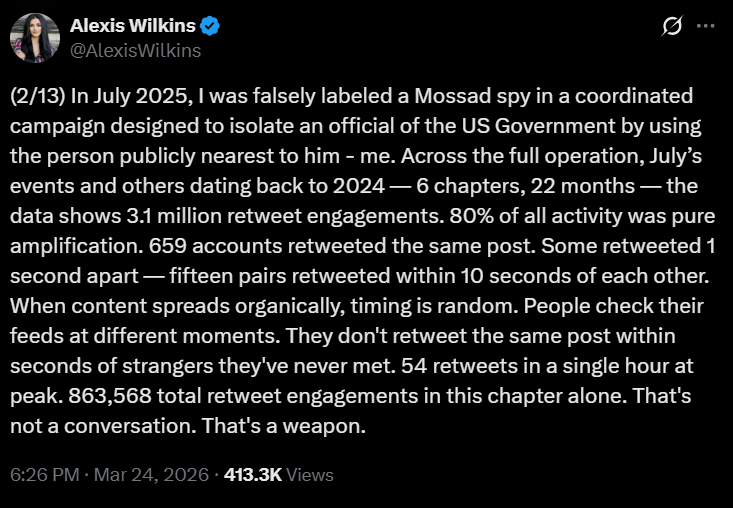
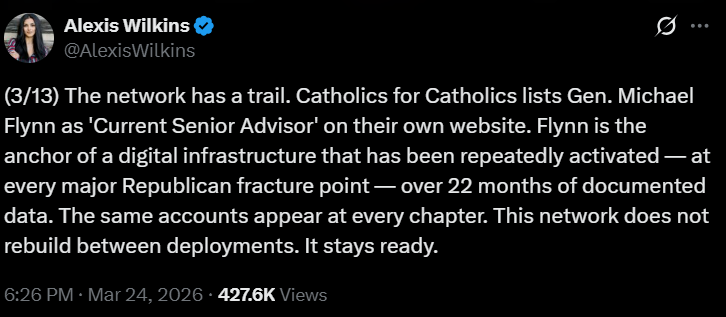
I want to break down Alexis Wilkins’ thread carefully, because the core issue she is pointing at is real: the American information space is under constant pressure from propaganda, coordinated amplification, and foreign influence.
The mistake would be to dismiss that threat just because not every piece is fully mapped, a thread:🧵
She's not just arguing that people online were mean, dishonest, or reckless.
She's arguing that across multiple political flashpoints, the same amplification patterns, the same recurring accounts, and the same narrative pressure points show up again and again.
That deserves scrutiny, and to disregard it completely is to either ignore reality or acknowledge bias against the possibility of her statements being accurate.
Her thread is strongest where it identifies a broader truth: very little in today's information environment is fully organic.
Narratives don't just spread on their own anymore.
They're pushed, accelerated, rewarded, and amplified by systems and actors that understand exactly how outrage, tribalism, and repetition shape perception.
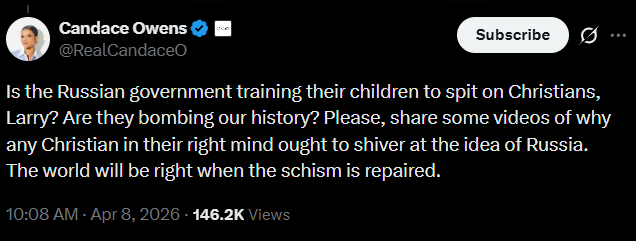
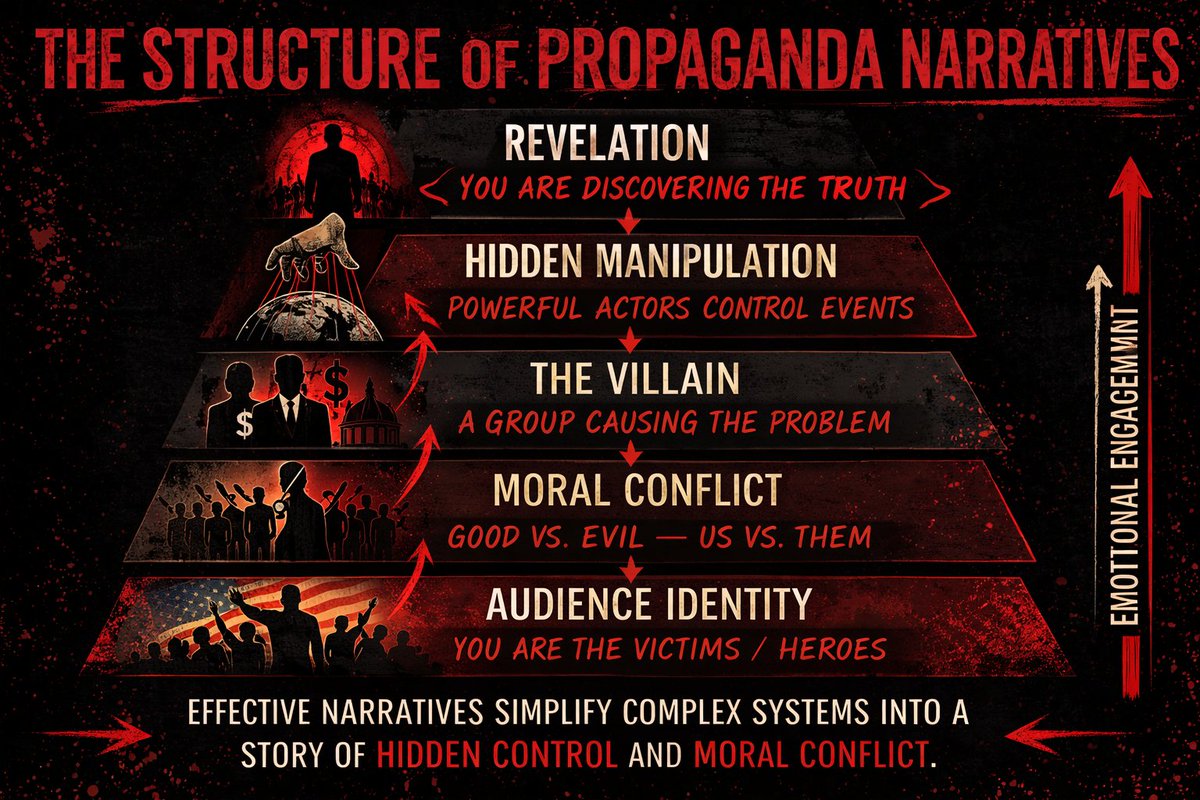
Today, influencers across the political spectrum like Jackson Hinkle, Nick Fuentes, Candace Owens, Tucker Carlson, Harry Sisson, JojoFromJerz, Aaron Rupar, Ian Carroll, and Mario Nawfal employ propaganda methods to increase their viewership and engagement reach, a thread:🧵
For a more in depth article on how they accomplish this and how they are using military doctrinal information operations, please check out my Substack below (and please Subscribe and restack to help grow my account) 👇
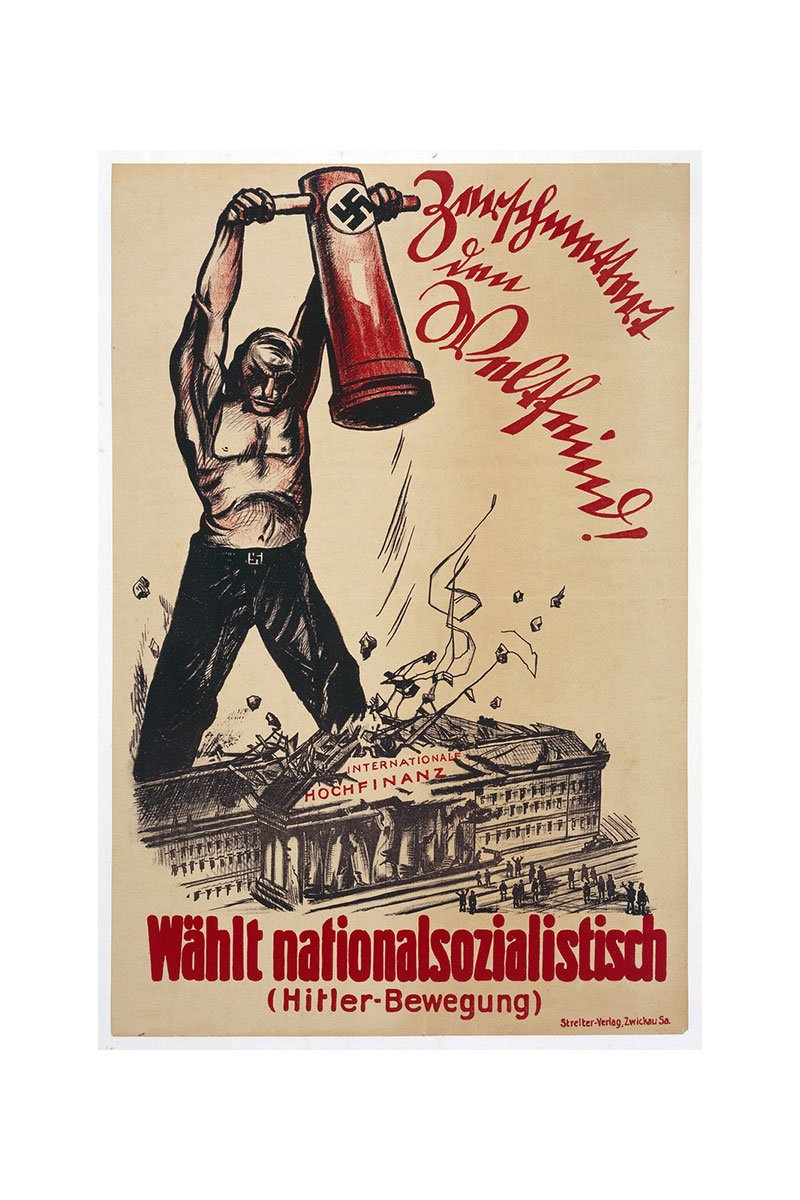
Propaganda has been a tool for controlling narratives and manipulating public opinion for over a century. Historical regimes like the Nazis and Soviets mastered the art through several key tactics:
Demonizing enemies, spreading disinformation, using emotional appeals like fear and outrage, and creating "us vs. them" divisions to rally support and maintain power.
The Nazis glorified Hitler as a savior figure while scapegoating Jews as existential threats to German society. They used films, posters, and mass rallies to stir hatred and normalize violence against their targets. Joseph Goebbels, Hitler's propaganda minister, understood that repetition and emotional manipulation could override rational thought.
The Soviets controlled all media to repeat state approved lies until they became accepted as truth. They portrayed the West as imperial aggressors bent on destroying the worker's paradise. Dissent was crushed, and alternative narratives were systematically erased from public discourse.
These tactics work because they aren't always obvious to the people consuming them. They chip away at trust in facts and push hidden agendas through emotional manipulation and selective information. Recognizing these patterns helps you identify when you're being fed propaganda without even realizing it.
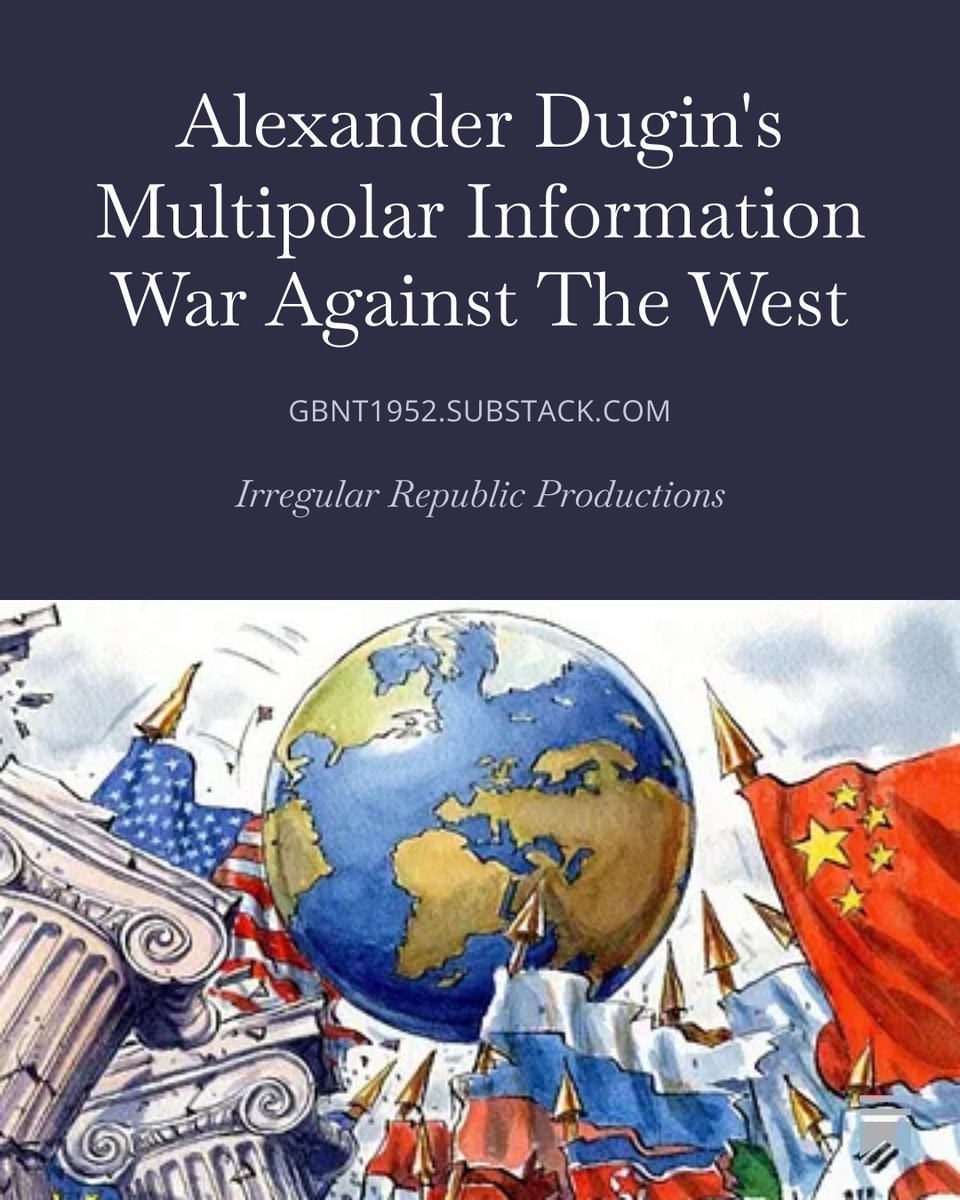
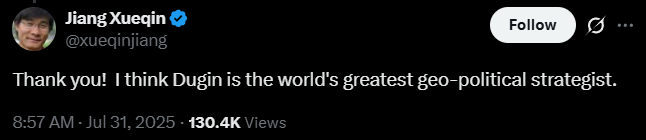
The Beijing based "educator", Jiang Xeuqin, should not be taken seriously by anyone in the West, as he is nothing more than a Dugin propagandist with the ultimate goal of fracturing the American right using information operations through a strategic and multi-layer amplification network, a thread:🧵
Jiang Xueqin is a Beijing based commentator with Yale credentials and ties to Harvard's Global Education Innovation Initiative. He runs a YouTube channel called "Predictive History" where he claims to forecast geopolitical events using game theory.
He has over 100,000 followers and describes himself as someone who "analyzes the past to predict the future."
But here's what matters: on July 31, 2025, Jiang publicly declared that Alexander Dugin is "the world's greatest geopolitical strategist."
If you don't know who Dugin is, you need to read his 1997 book. In The Basics of Geopolitics, Dugin wrote:
"It is especially important to introduce geopolitical disorder into internal American activity, encouraging all kinds of separatism and ethnic, social and racial conflicts, actively supporting all dissident movements—extremist, racist, and sectarian groups, thus destabilizing internal political processes in the U.S."
Jiang endorses the man who literally wrote the playbook for destabilizing America from within.
I just started my annual 7 day water & electrolytes only fast yesterday, and here's why you should look into doing one as well, a thread:🧵
This is my second 7 day water & electrolyte only fast (meaning I only consume water, electrolytes, and my normal vitamins for a full 168 hours), and I have to share how amazing and fulfilling doing this every year feels.
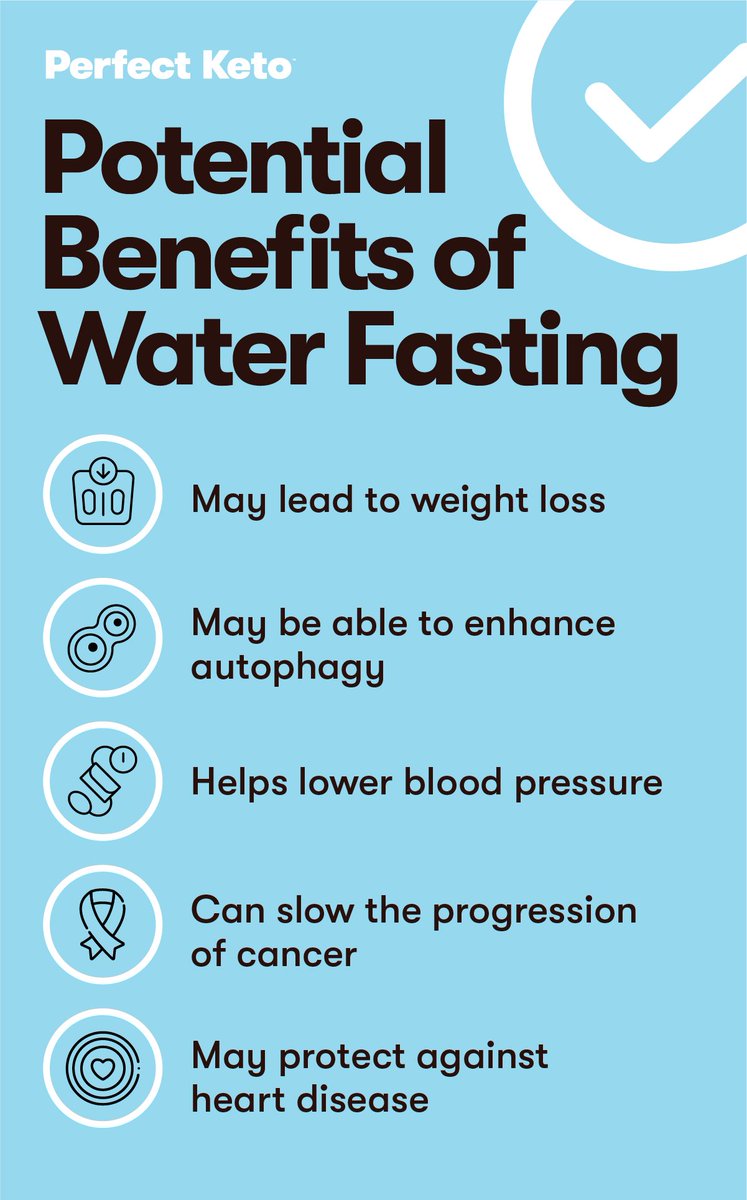
Let's talk about the real science behind a 7 day water & electrolyte fast and the main benefits that include metabolic reset, ketosis, autophagy, inflammation reduction, blood pressure reduction, and improved mental clarity. I will also address the risks involved and some other considerations in this thread.
We will start it off with autophagy, the real reason to consider doing such a fast in the first place.
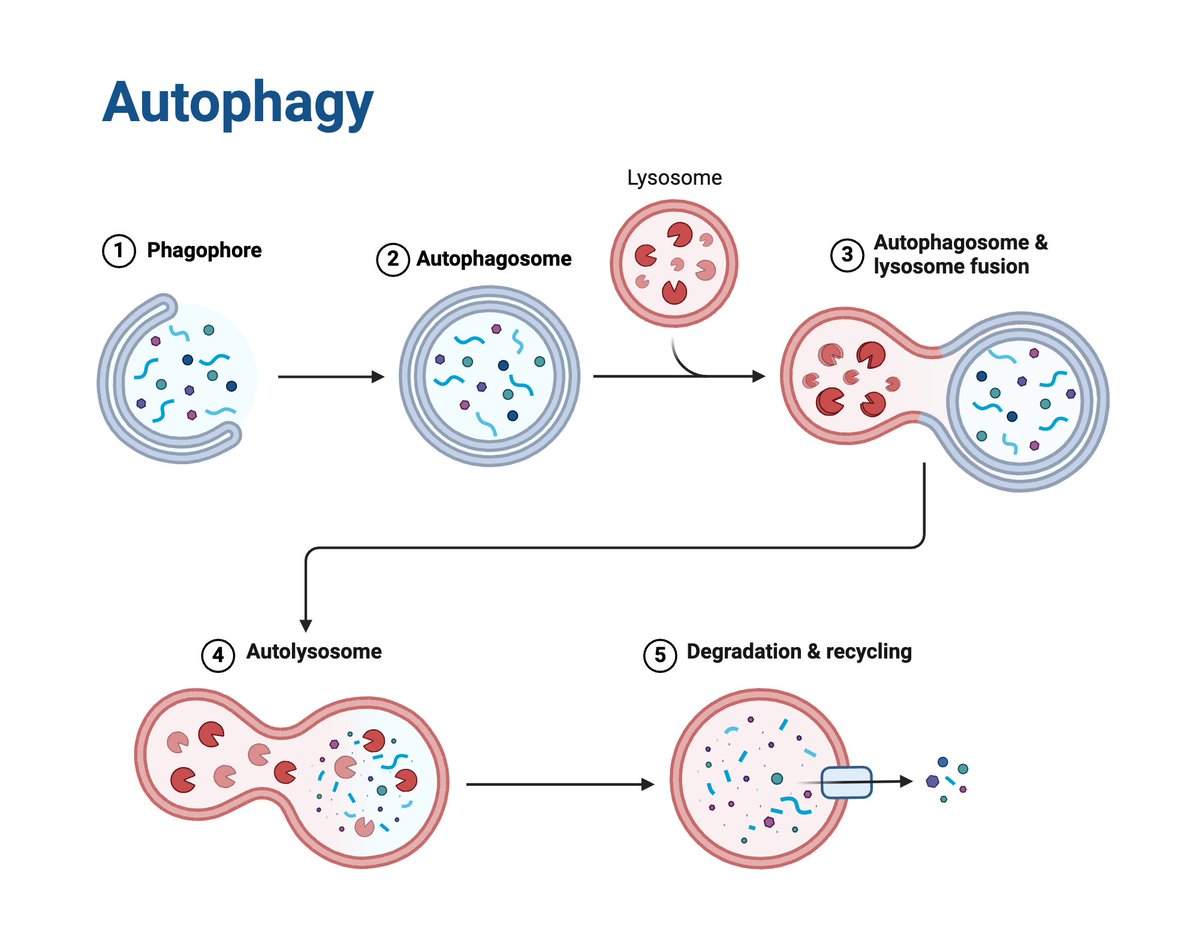
The word autophagy originates from the Greek words auto, meaning “self”, and phagein, meaning “to eat”. Thus, autophagy denotes “self-eating”. This concept emerged during the 1960’s, when researchers first observed that the cell could destroy its own contents by enclosing it in membranes, forming sack like vesicles that were transported to a recycling compartment, called the lysosome, for degradation.
Autophagy is one of the most fundamental maintenance systems in human biology. Every cell continuously accumulates damaged proteins, dysfunctional mitochondria, and other cellular debris from normal metabolism and environmental stress.
If this material is not removed, it interferes with cellular signaling, energy production, and structural integrity. Autophagy solves this problem by identifying damaged components, enclosing them in a membrane structure, delivering them to lysosomes, and breaking them down into raw materials that can be reused. It is both a cleanup process and a recycling system.
The main benefit of this process is preventing disease.