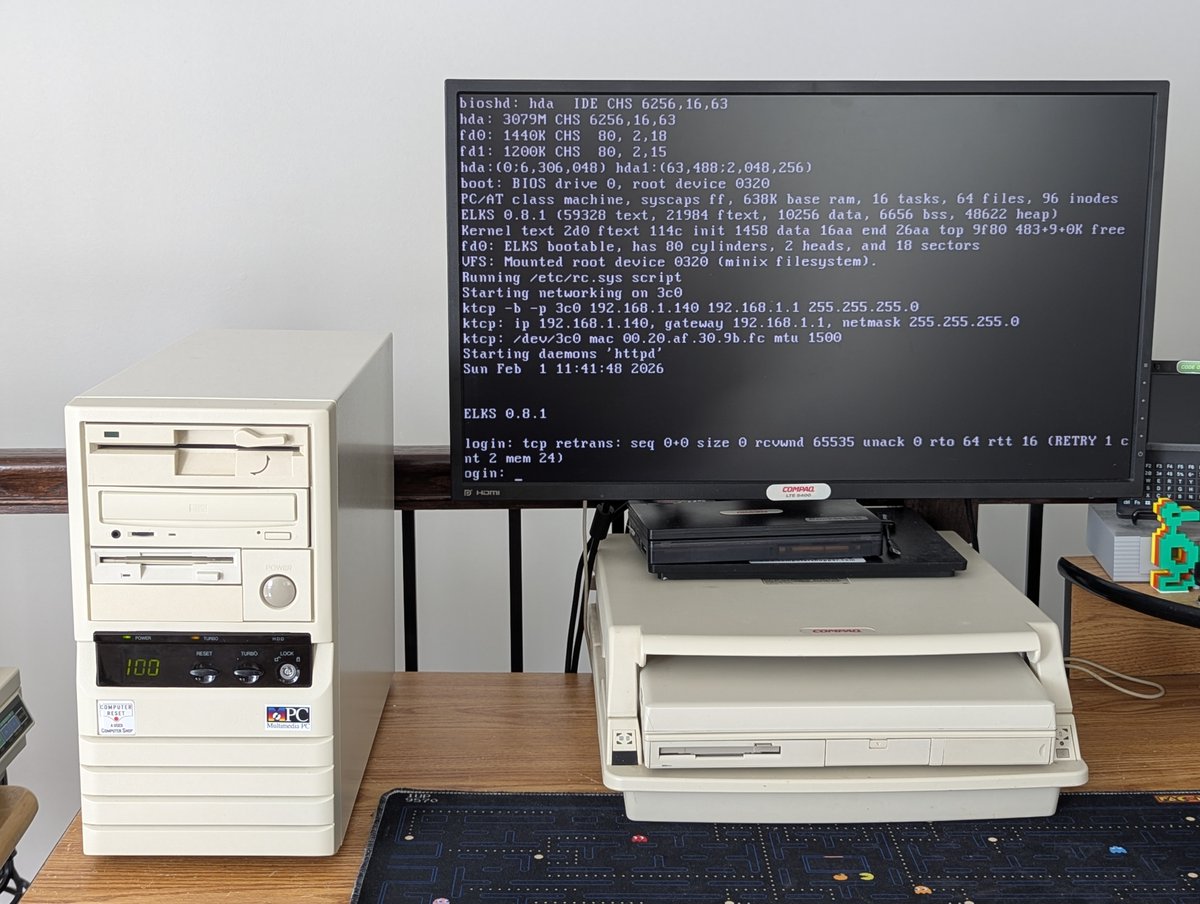
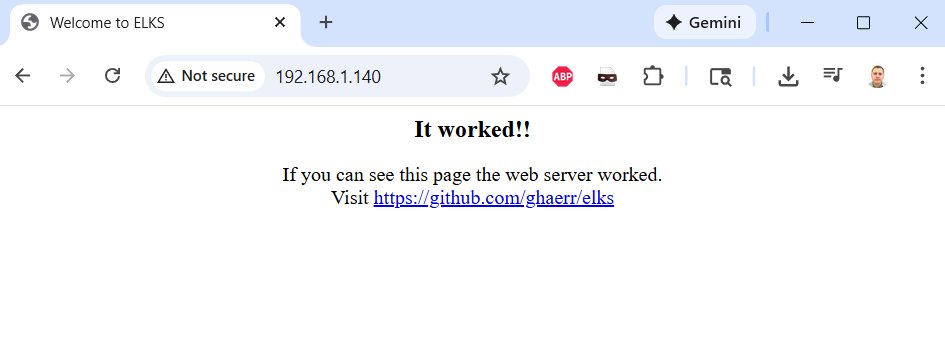
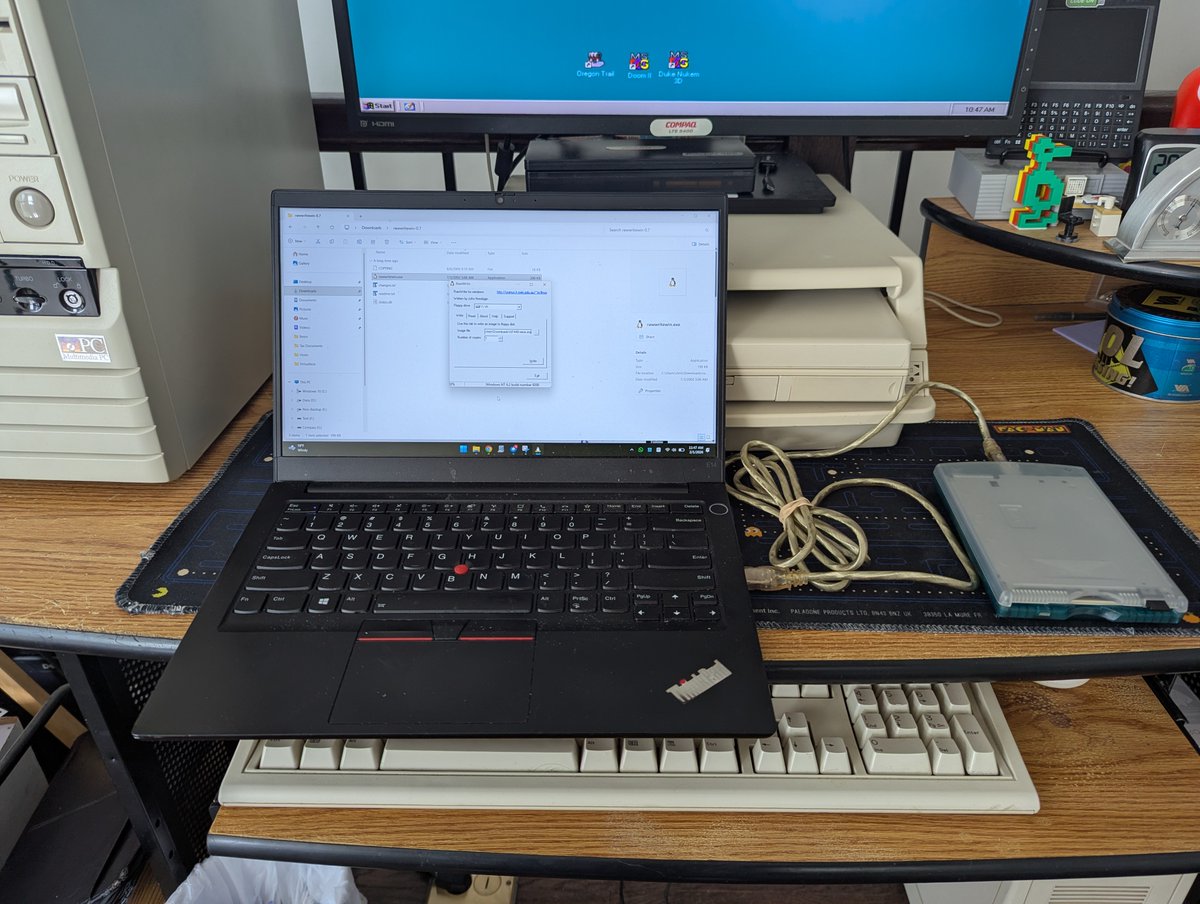
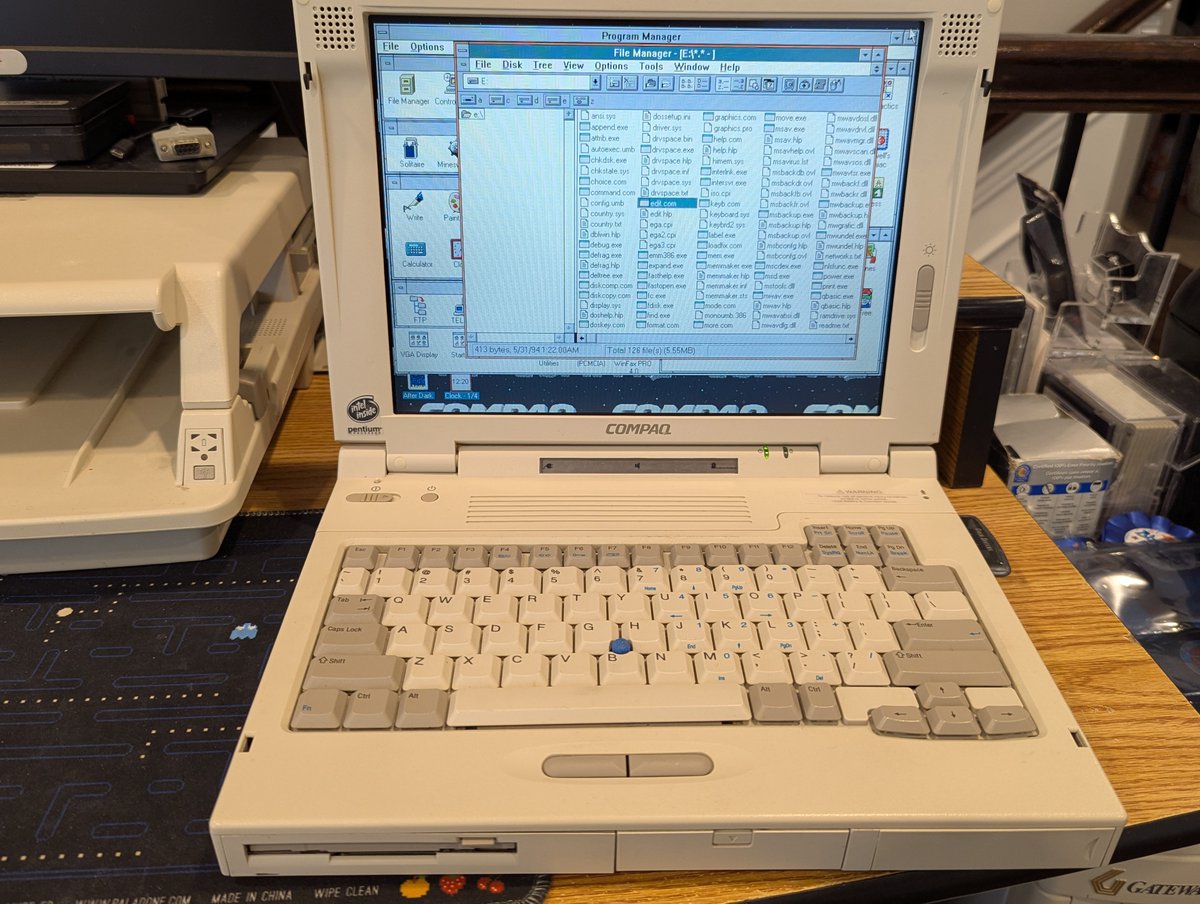
I just watched a video where YouTuber Action Retro set up a web server on a floppy disk using ELKS (the Embeddable Linux Kernel Subset). I thought, I have to try this for myself! Let's talk about it briefly in a 🧵
So, first of all, what is ELKS? It's the Embeddable Linux Kernel Subset, and it will run on a wide range of hardware, including 8088 systems. Pretty wild for a modern product! If you want to read more or try it out, GitHub repo is here: github.com/ghaerr/elks
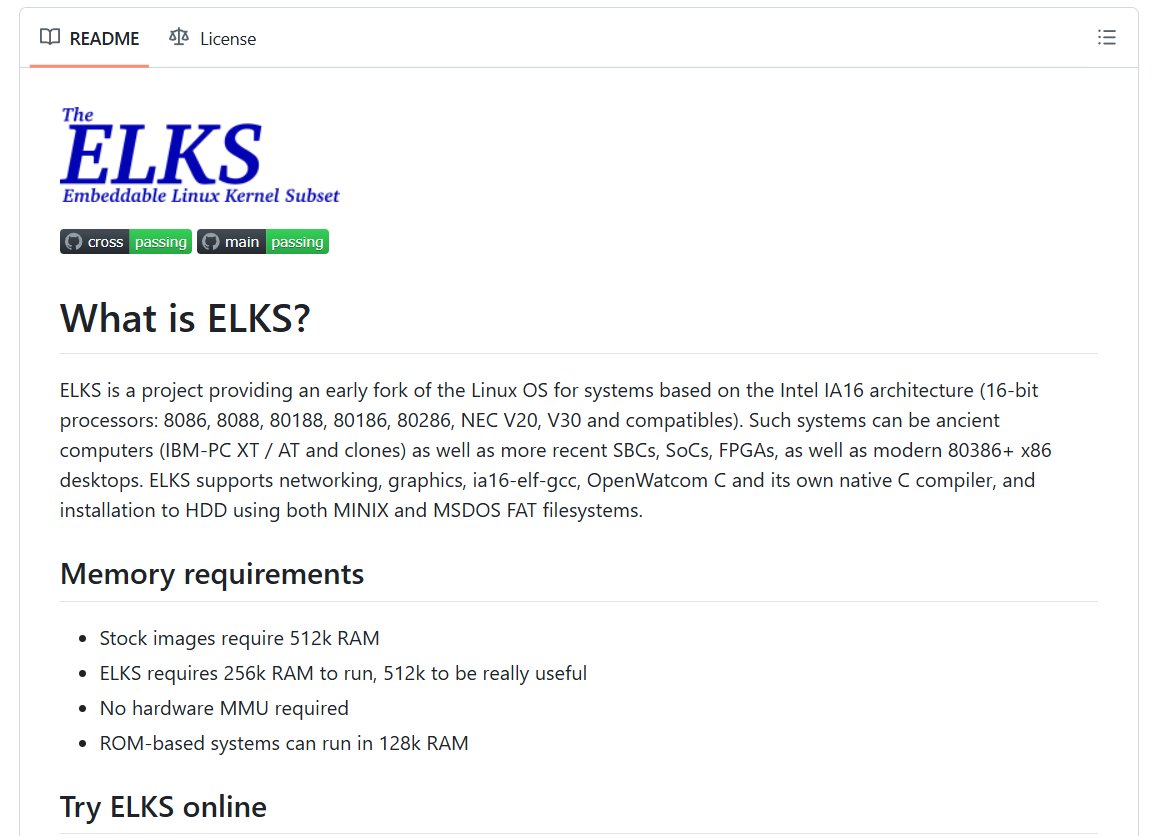
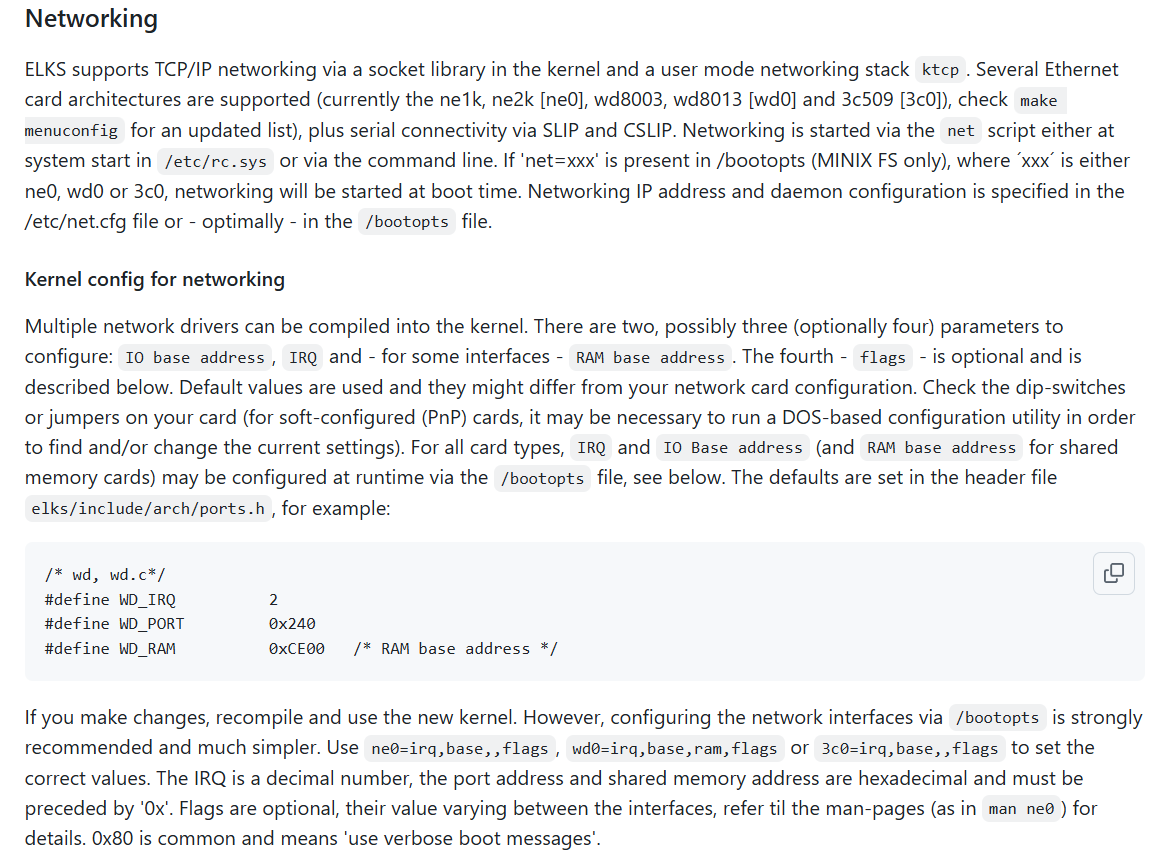
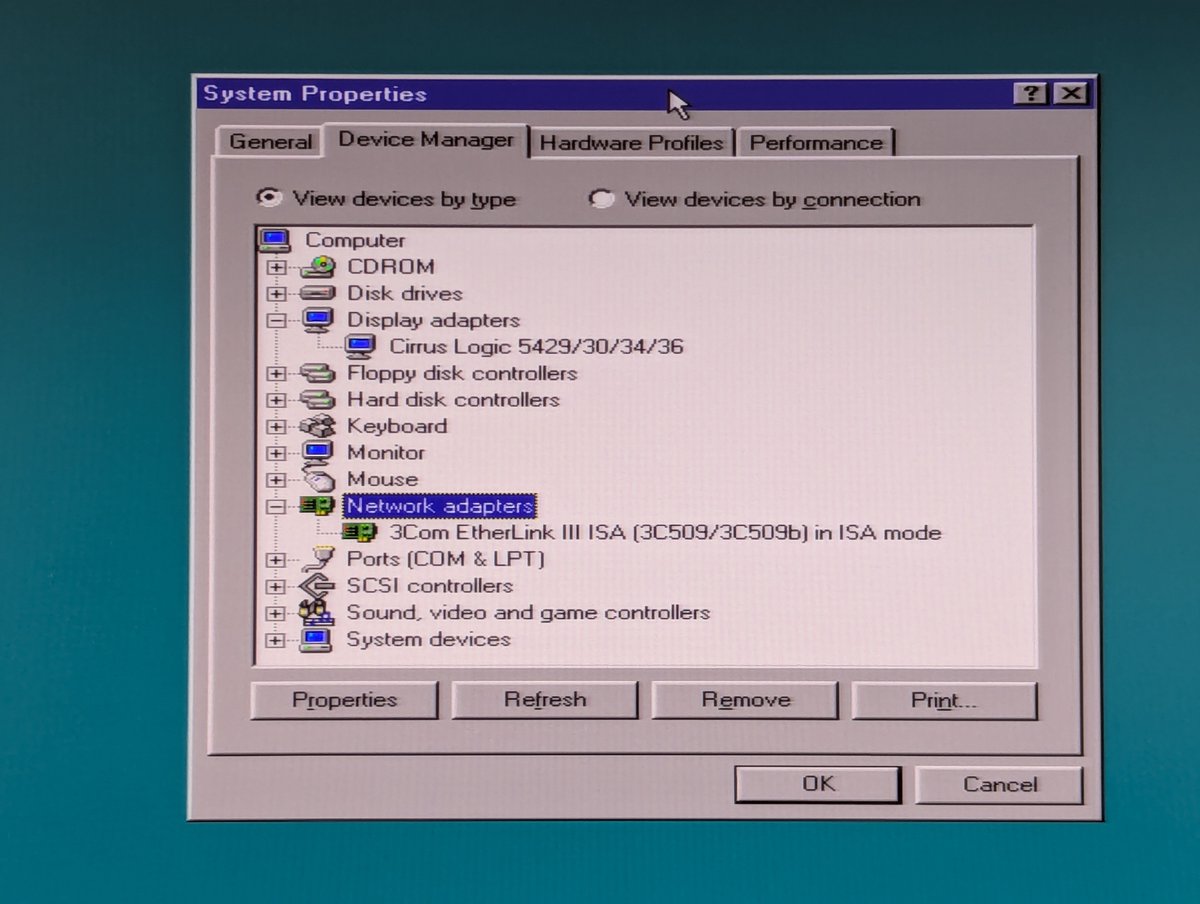
Alright, let's go. I need to choose a system that will support the networking for ELKS. Turning to the Wiki, as of right now, the network cards supported are NE1000, NE2000, Western Digital 8003, Western Digital 8013, and 3com Ethernet III (3c509). My 486 DX4 has a 3Com 3c509!
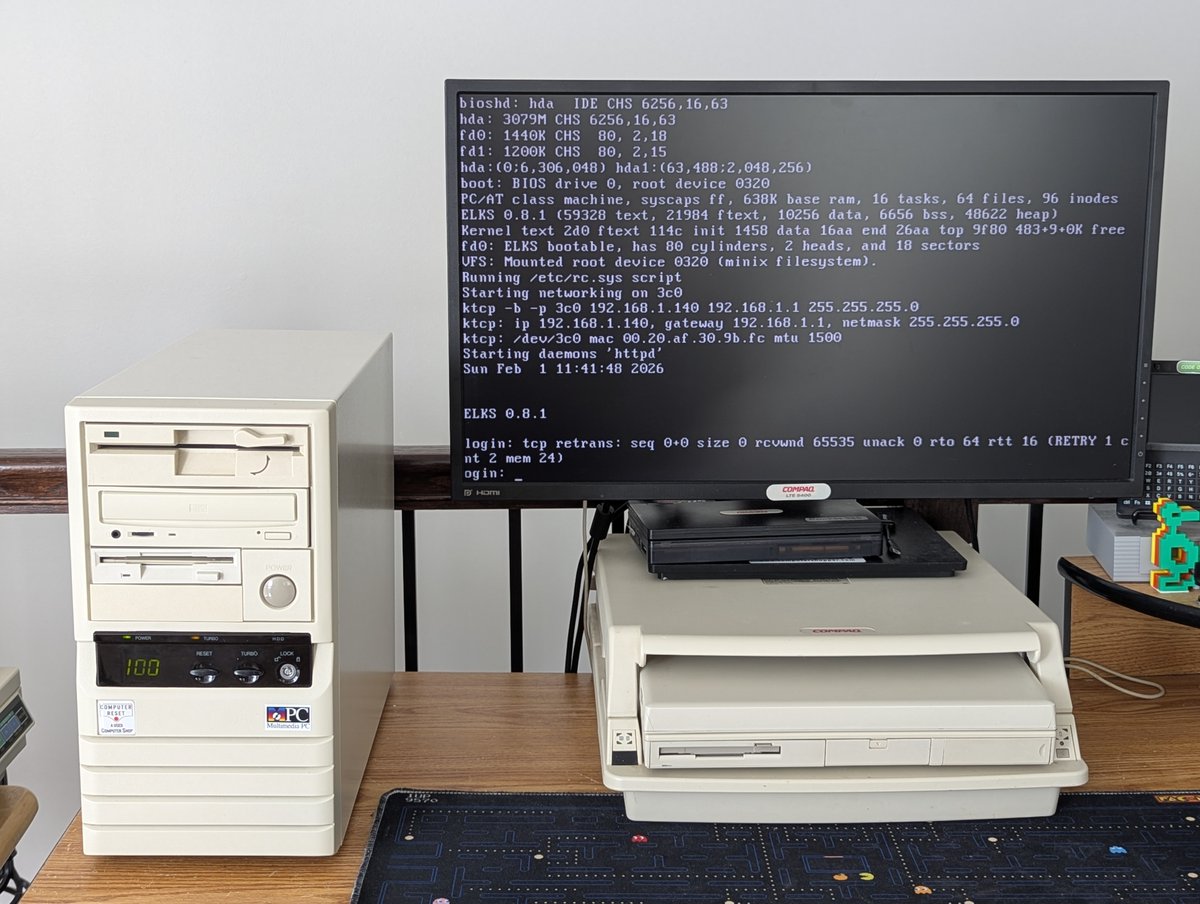
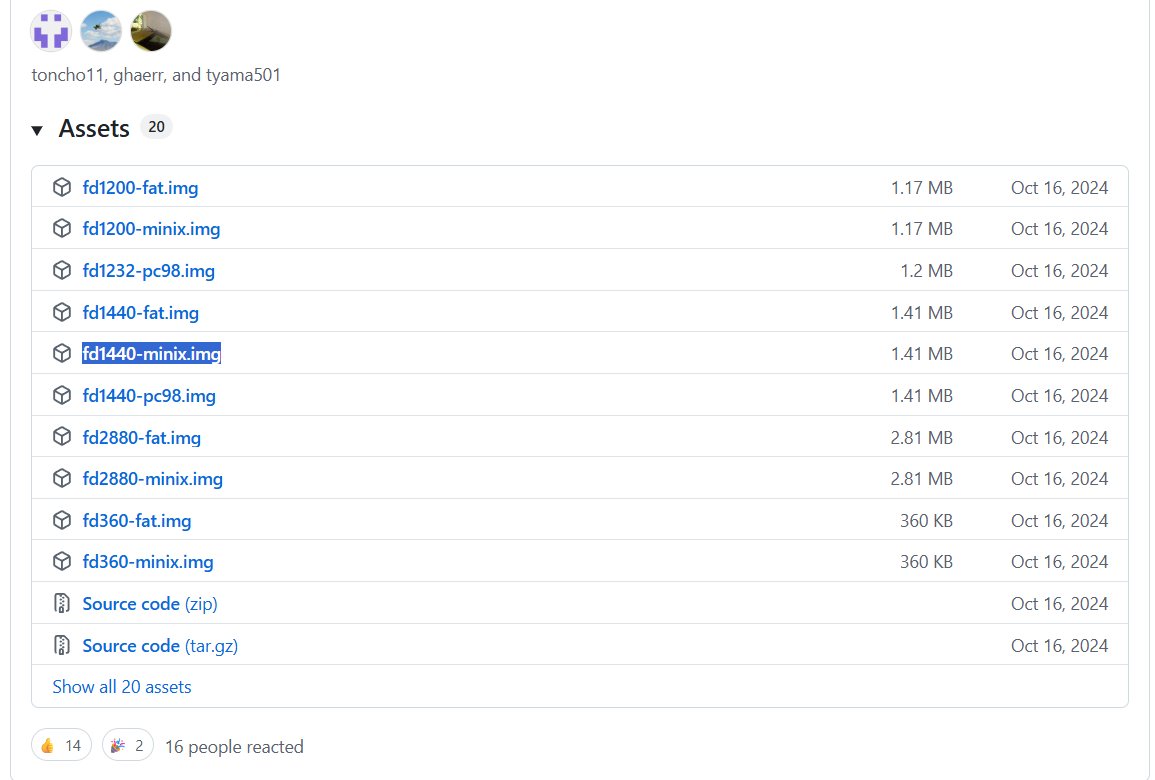
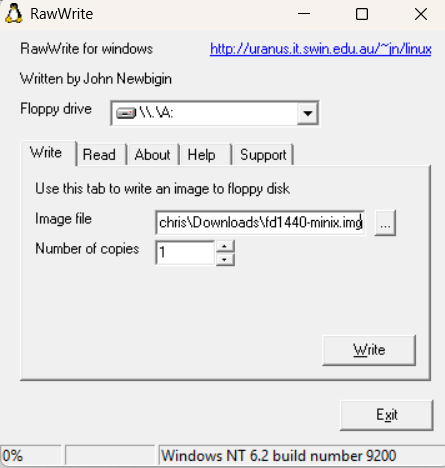
Great. Now to find the media to use. Looking at the Wiki, there are a variety of options. We'll go with a MINIX 1.44MB disk. Using RawWrite for Windows, we can easily make a disk.
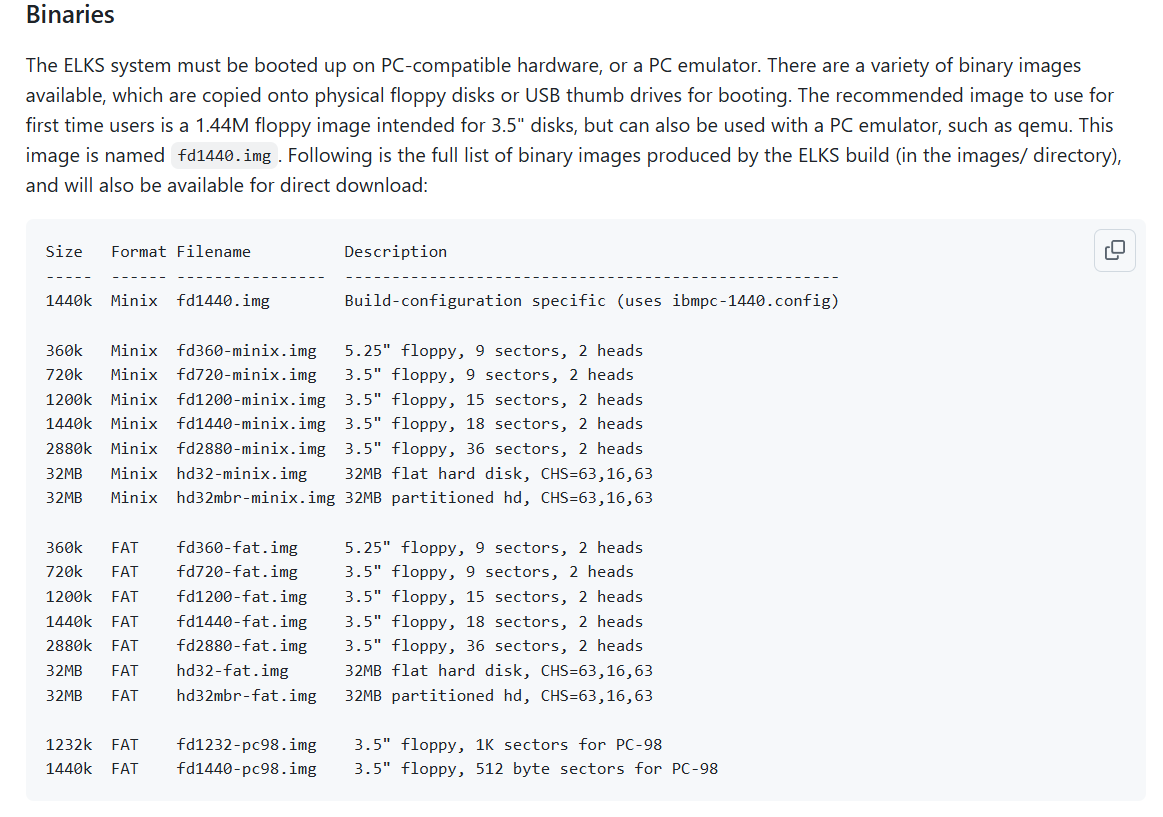
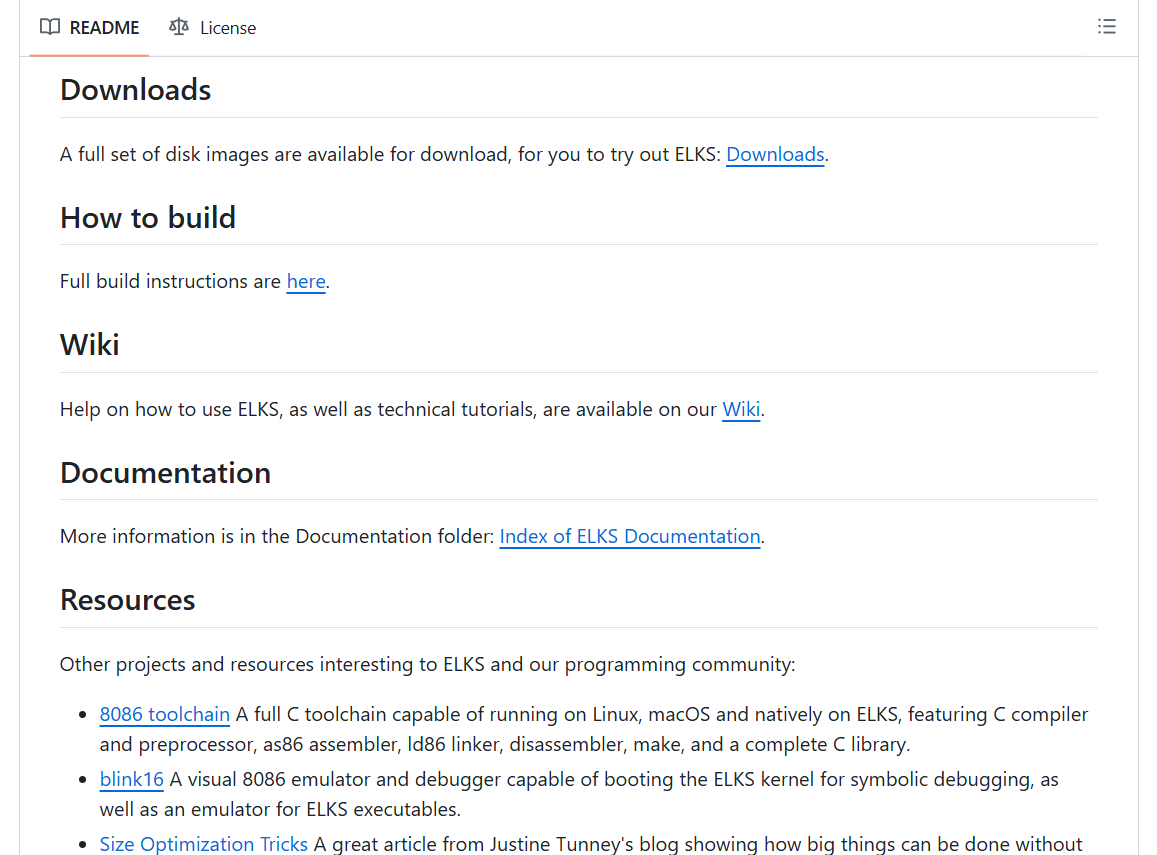
Oh, for the download links, that's covered in the main page of the GitHub, as is a link to where the Wiki is. Sorry, sometimes I get ahead of myself 😂
Alright, I need to figure out my network card settings. So I will load up the 3C5X9CFG utility. Purrfect. I/0 base of 300h, IRQ 10. Great!
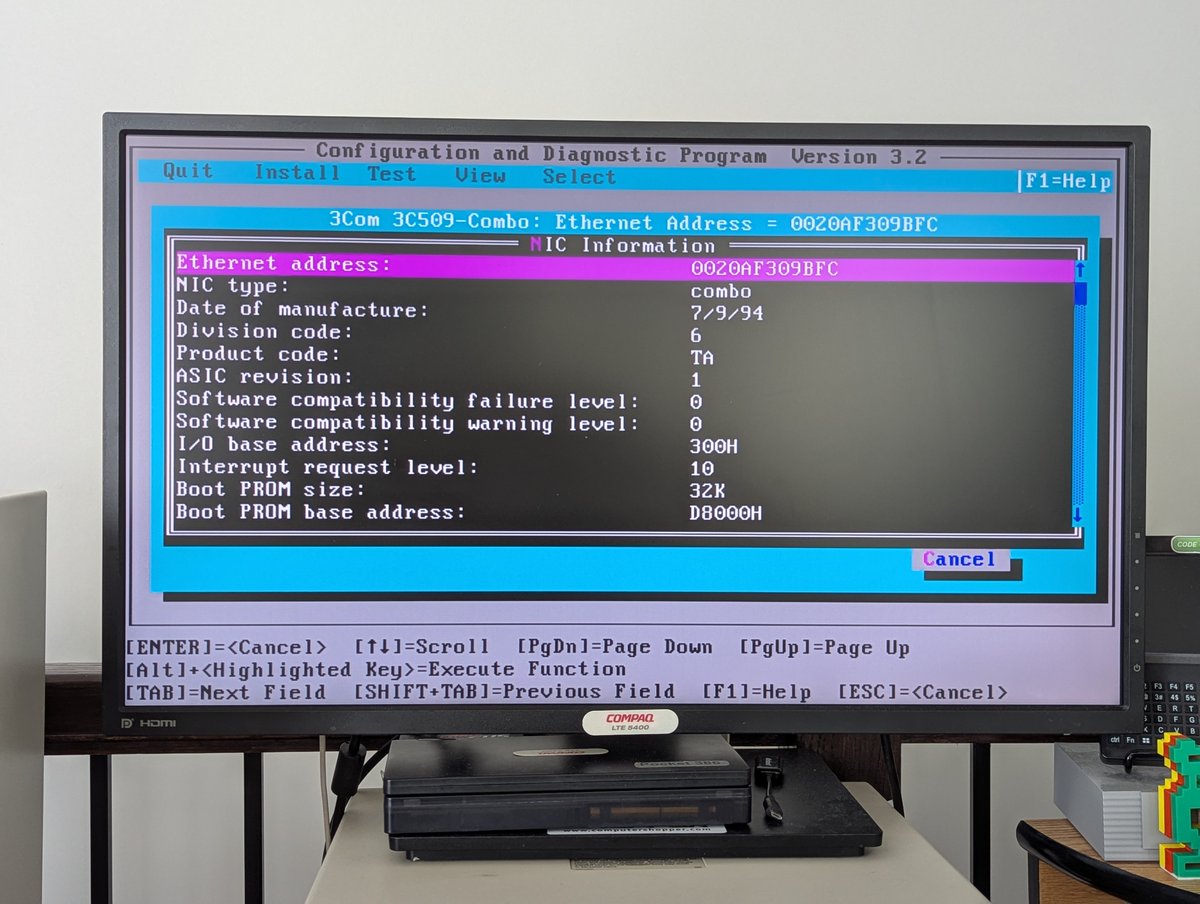
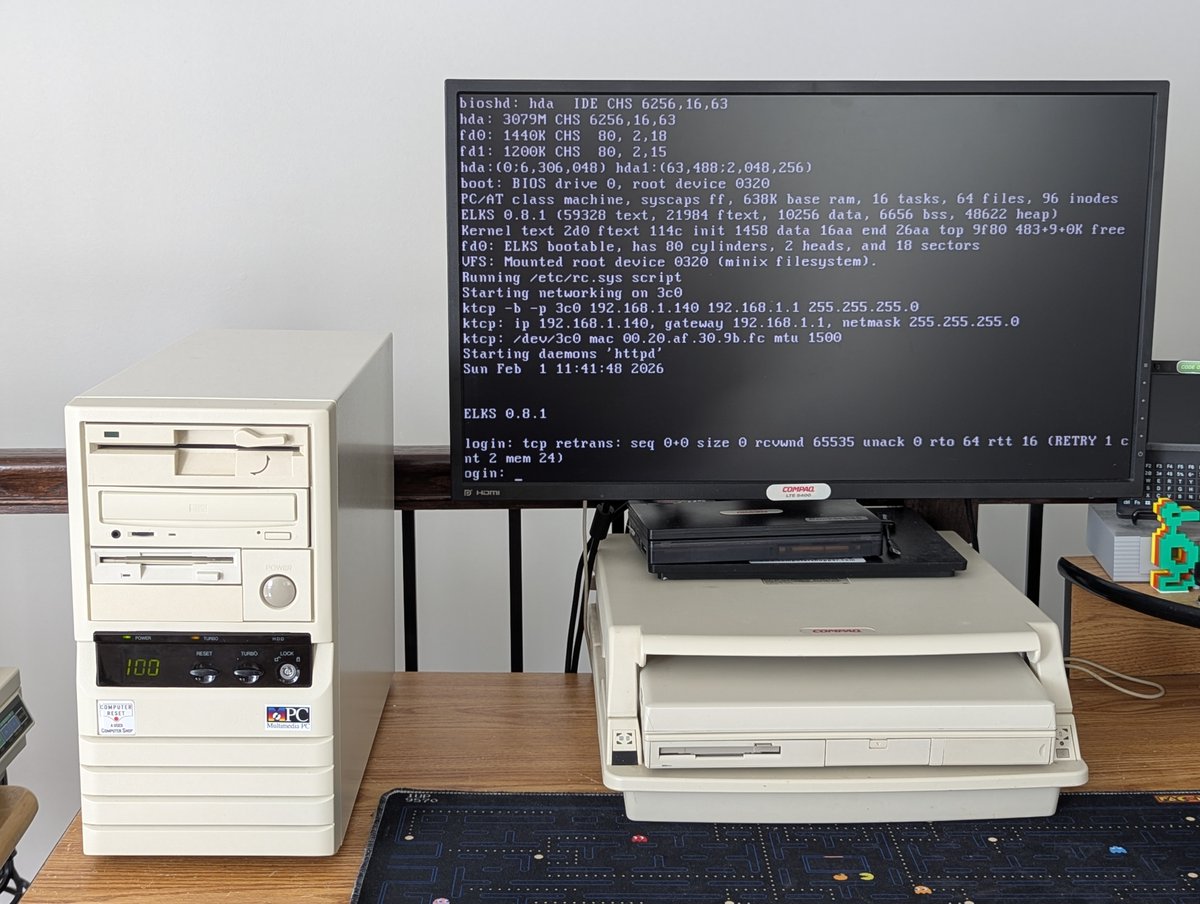
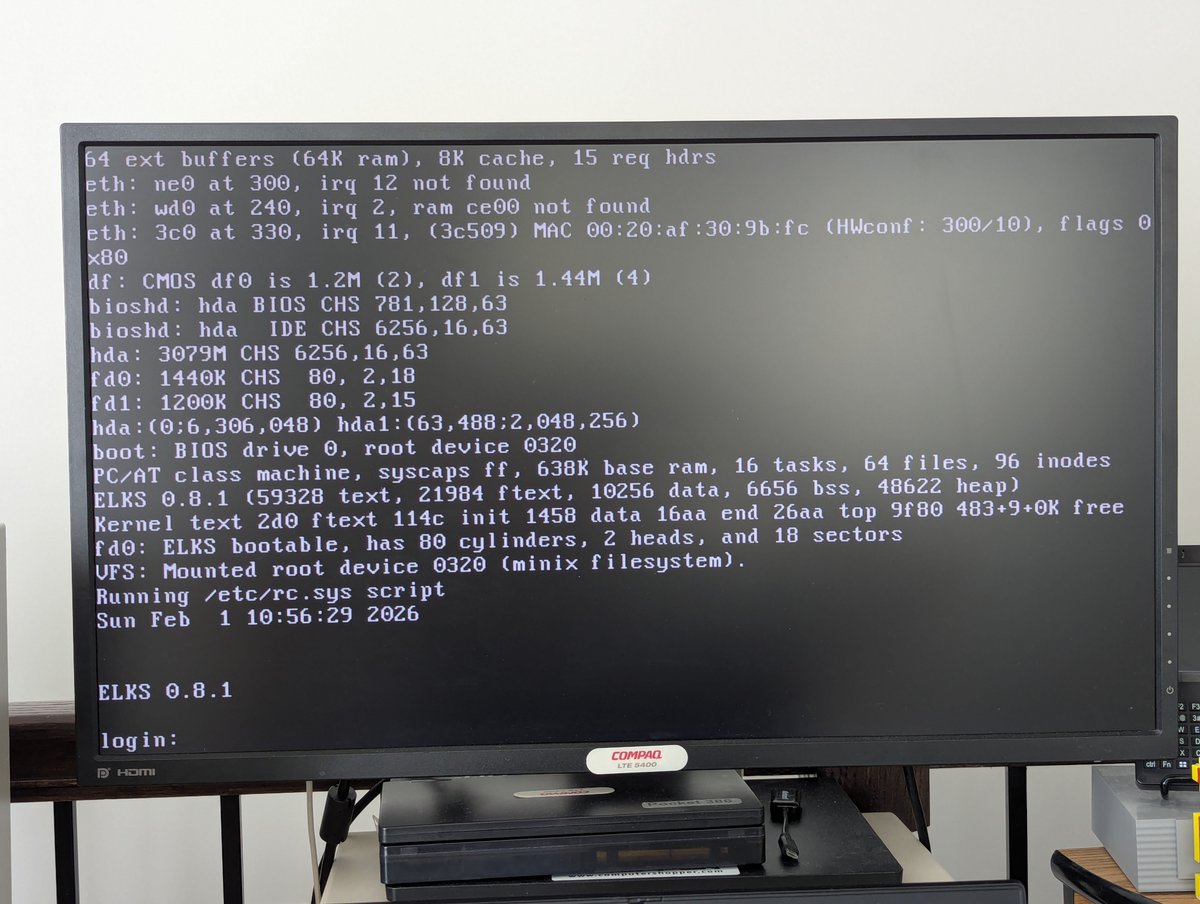
Time to boot up! And, spoiler alert: this step threw me. Notice how the 3Com card gets detected and even says "HWconf: 300/10" (and gives a MAC address!) but also that it is configured to I/O base 330 with IRQ 11. Well, we still have to change the settings manually... ugh.
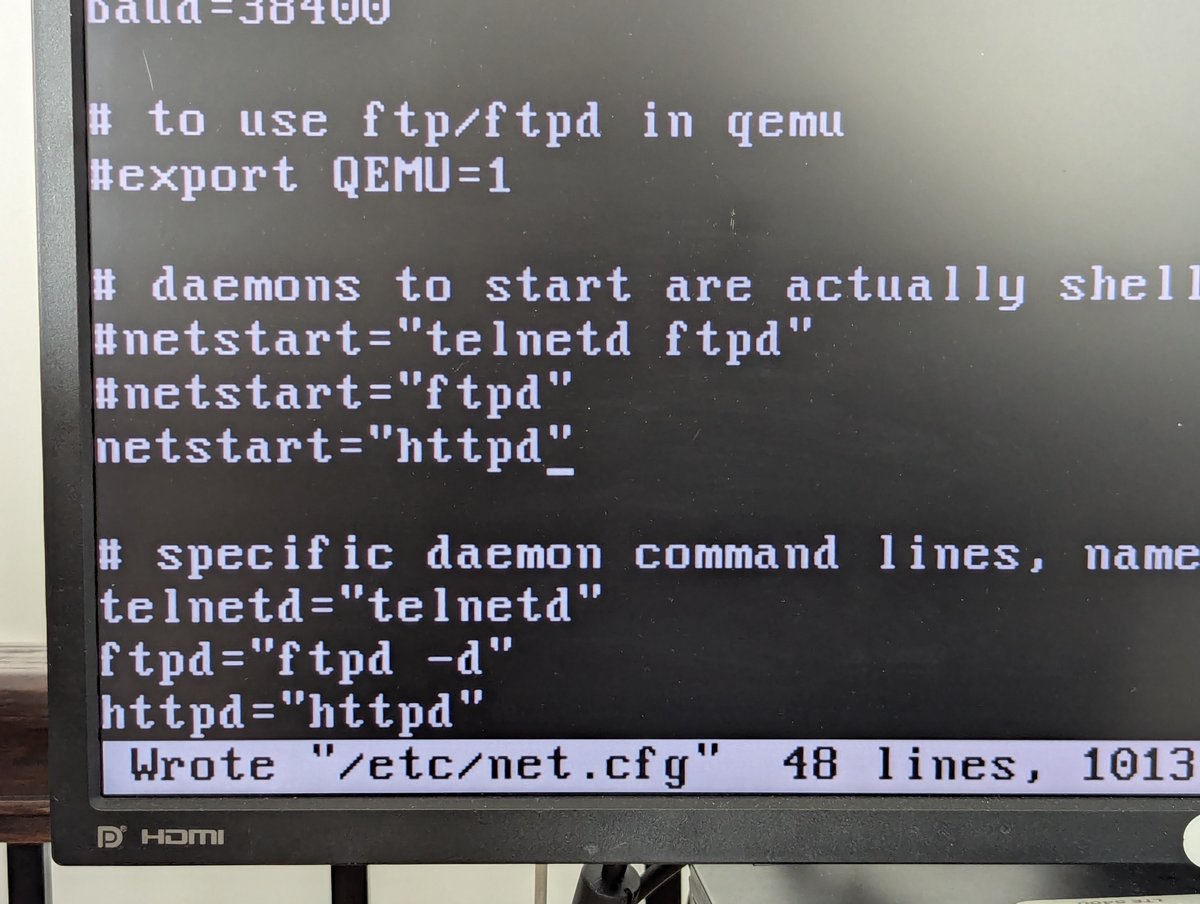
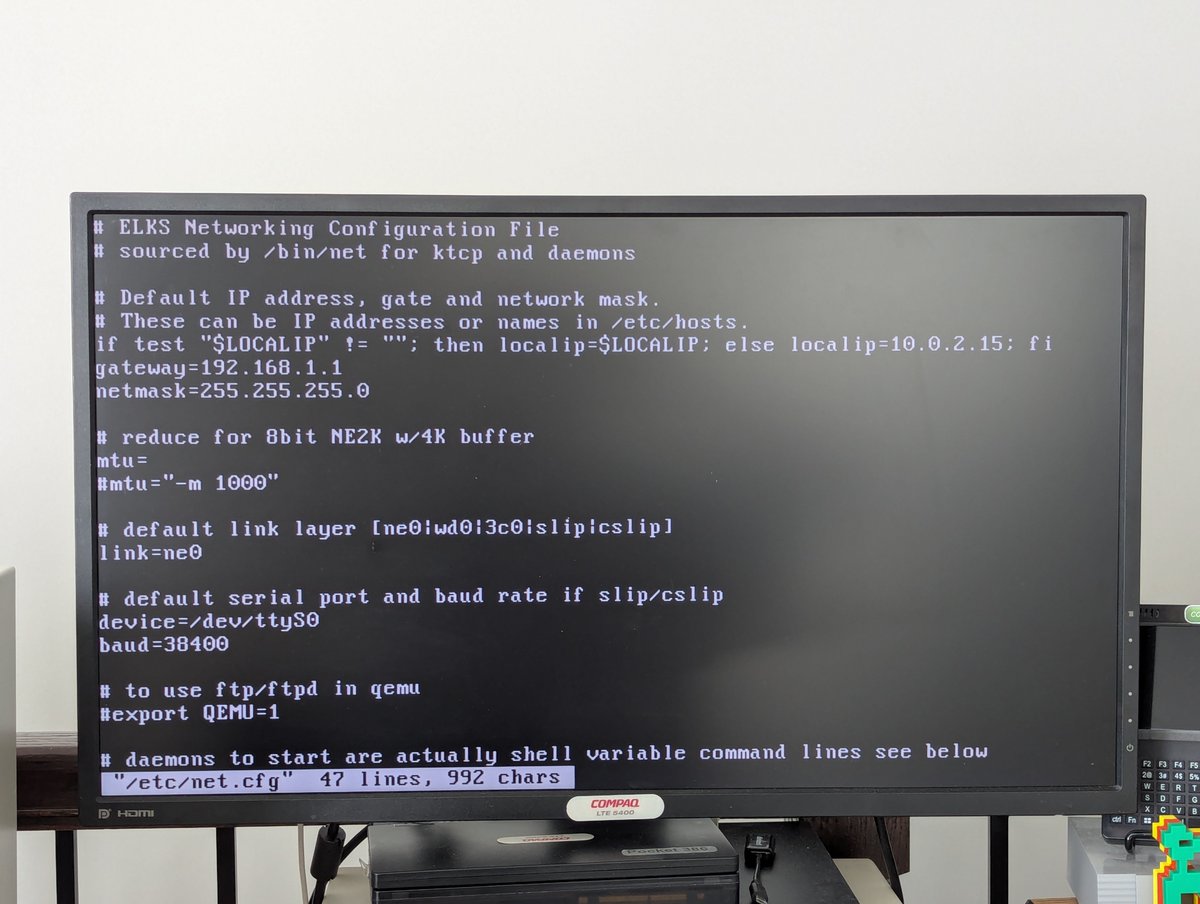
Alright, well on that note, let's get to configuring. First, we will use the VI editor to change settings in the network config (/etc/net.cfg). I changed the gateway, and later came along and changed the daemons to start to allow for an "httpd" server to run (netstart="httpd").
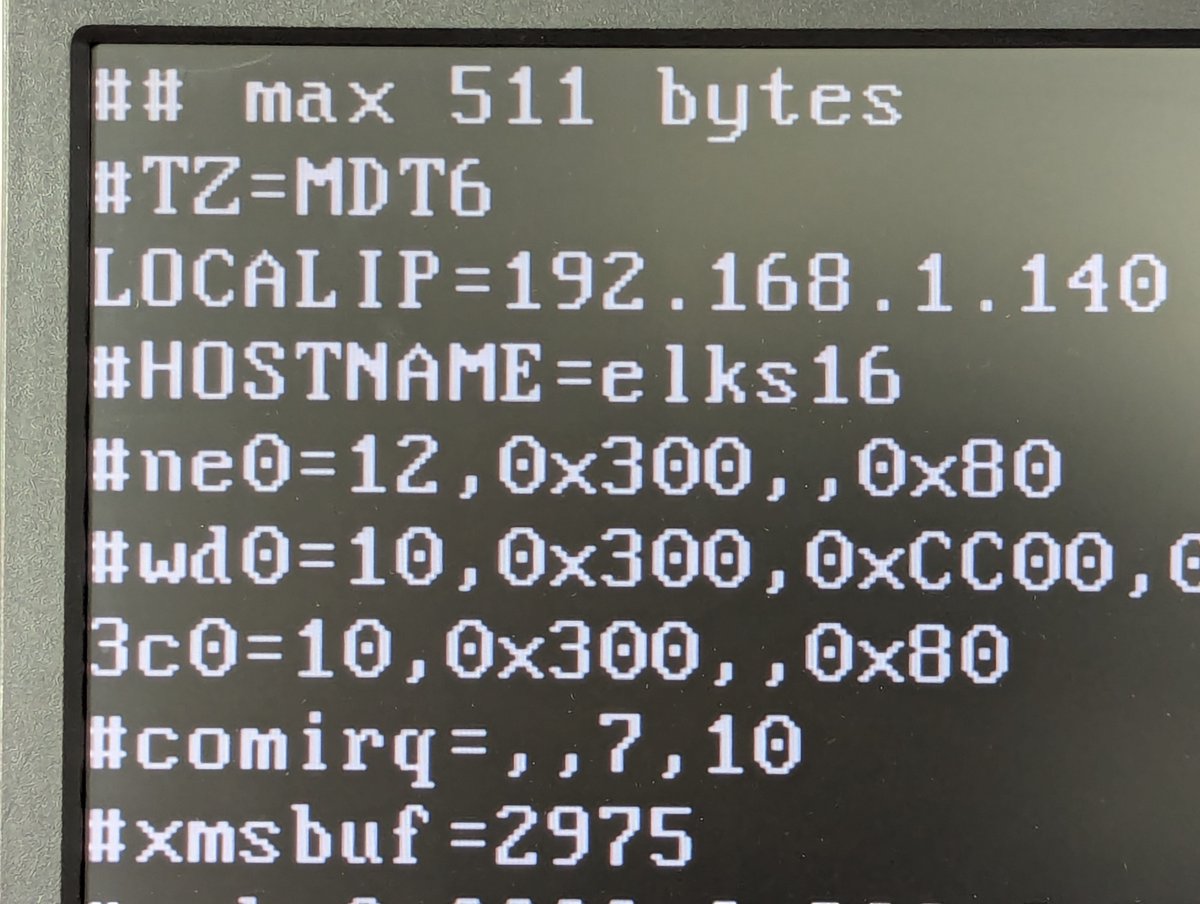
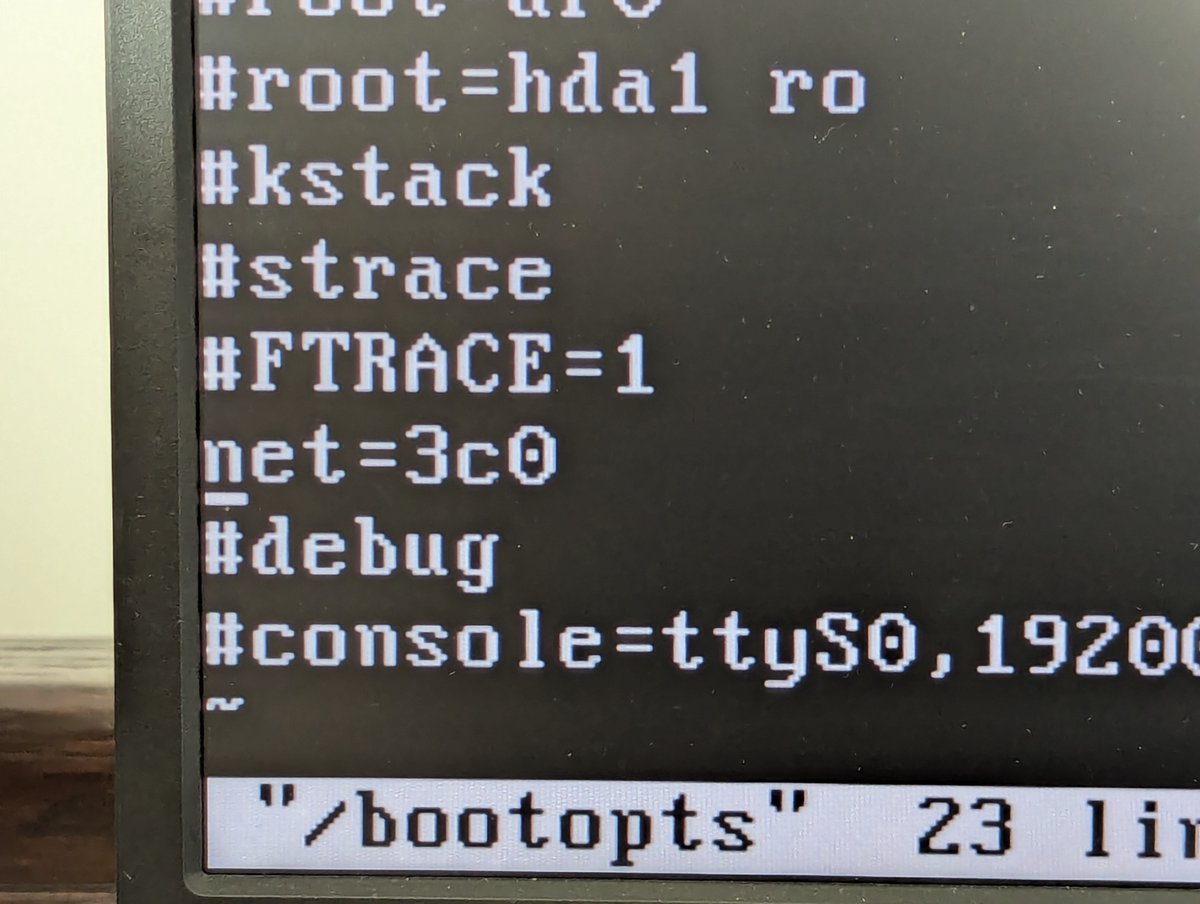
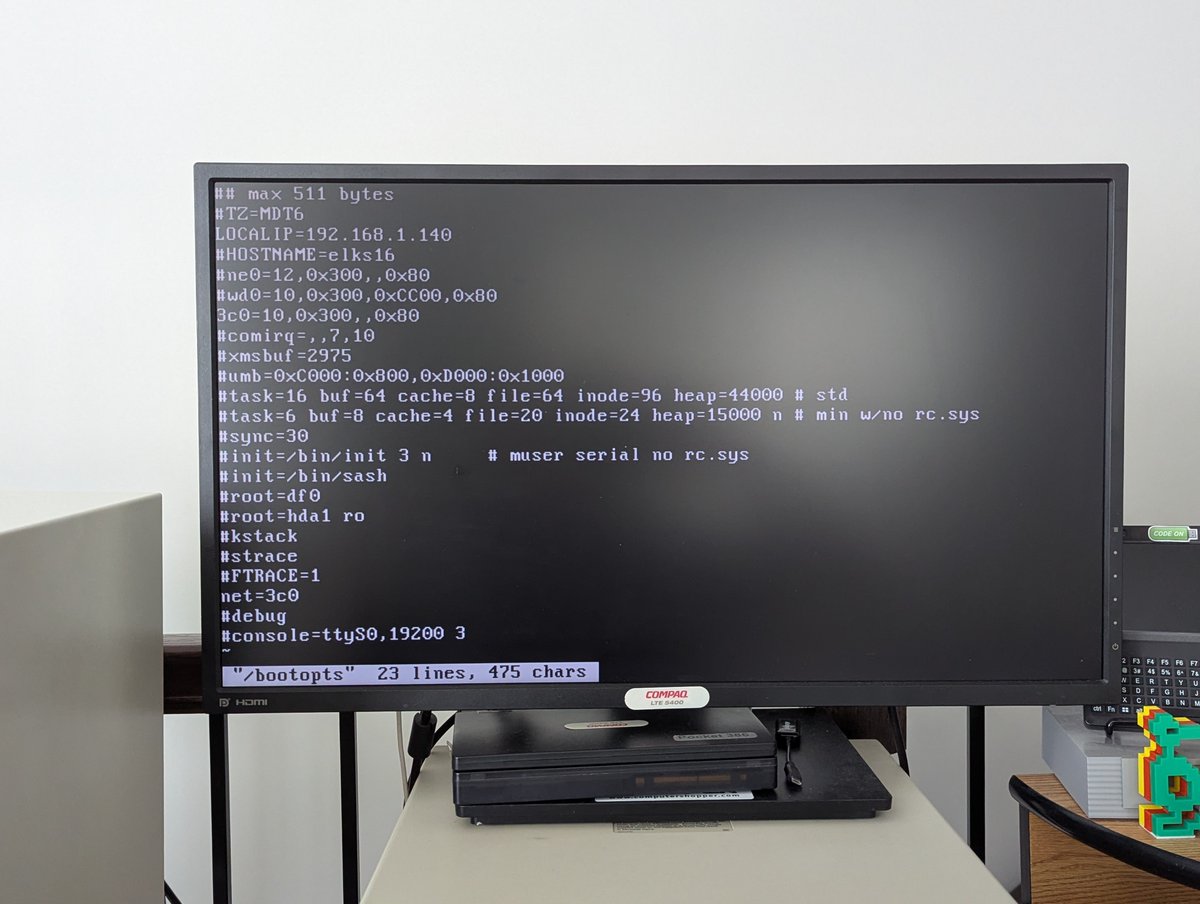
Now to change some settings in /bootopts. I set the "LOCALIP" for my IP address , the "3c0" settings for my 3Com card's I/O Port and IRQ, and set "net=3c0" to default our 3Com card for startup. This is all documented in the Wiki too!
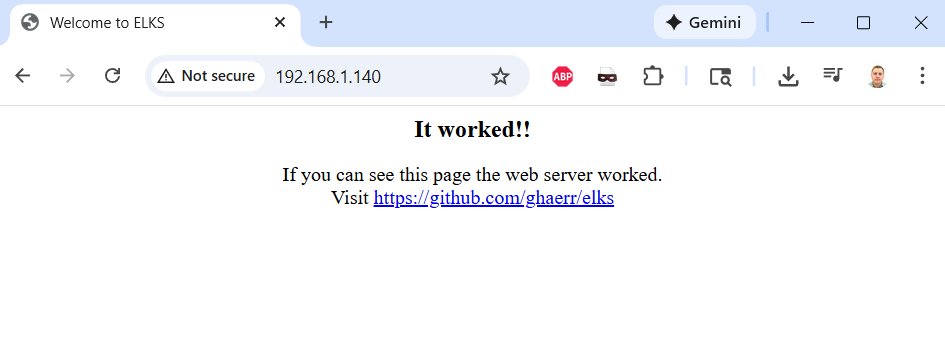
And when we reboot (which we can do with a "shutdown -r"), we have success! The network card is detected right, the TCP config is loaded, and the httpd server is loaded!
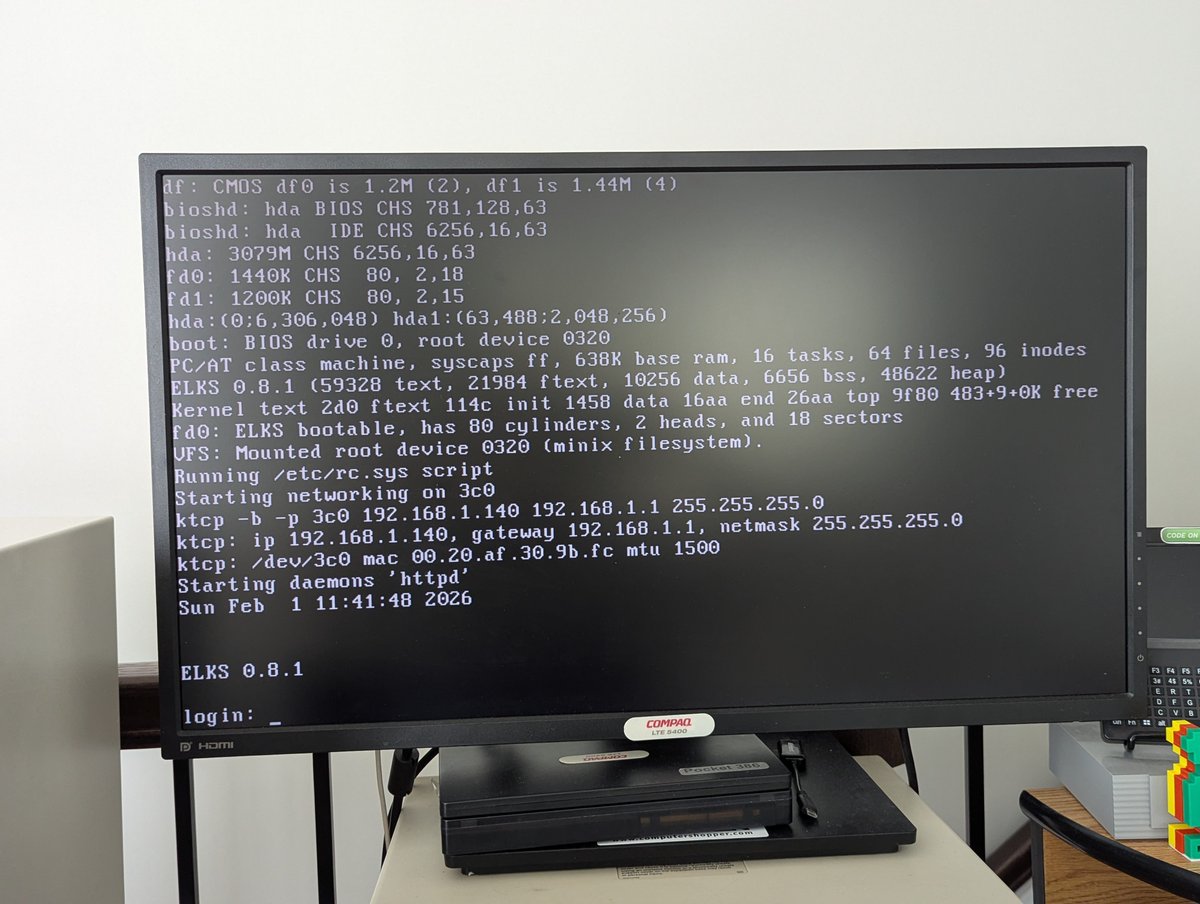
Well, that was fun, and way cool! We could get fancy and configure a webpage with images, but I'll pass for now. Thanks for following along, this was a fun one!
@threadreaderapp unroll
• • •
Missing some Tweet in this thread? You can try to
force a refresh

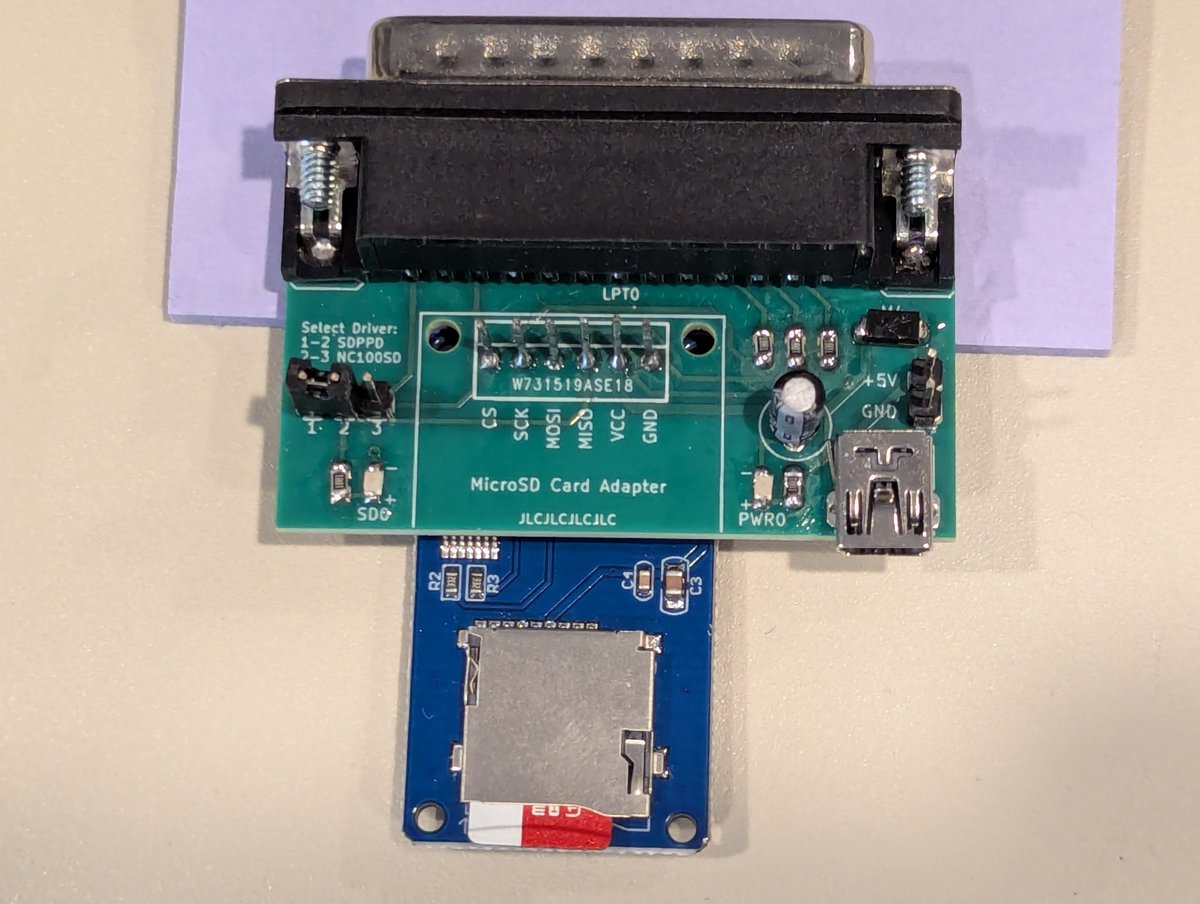
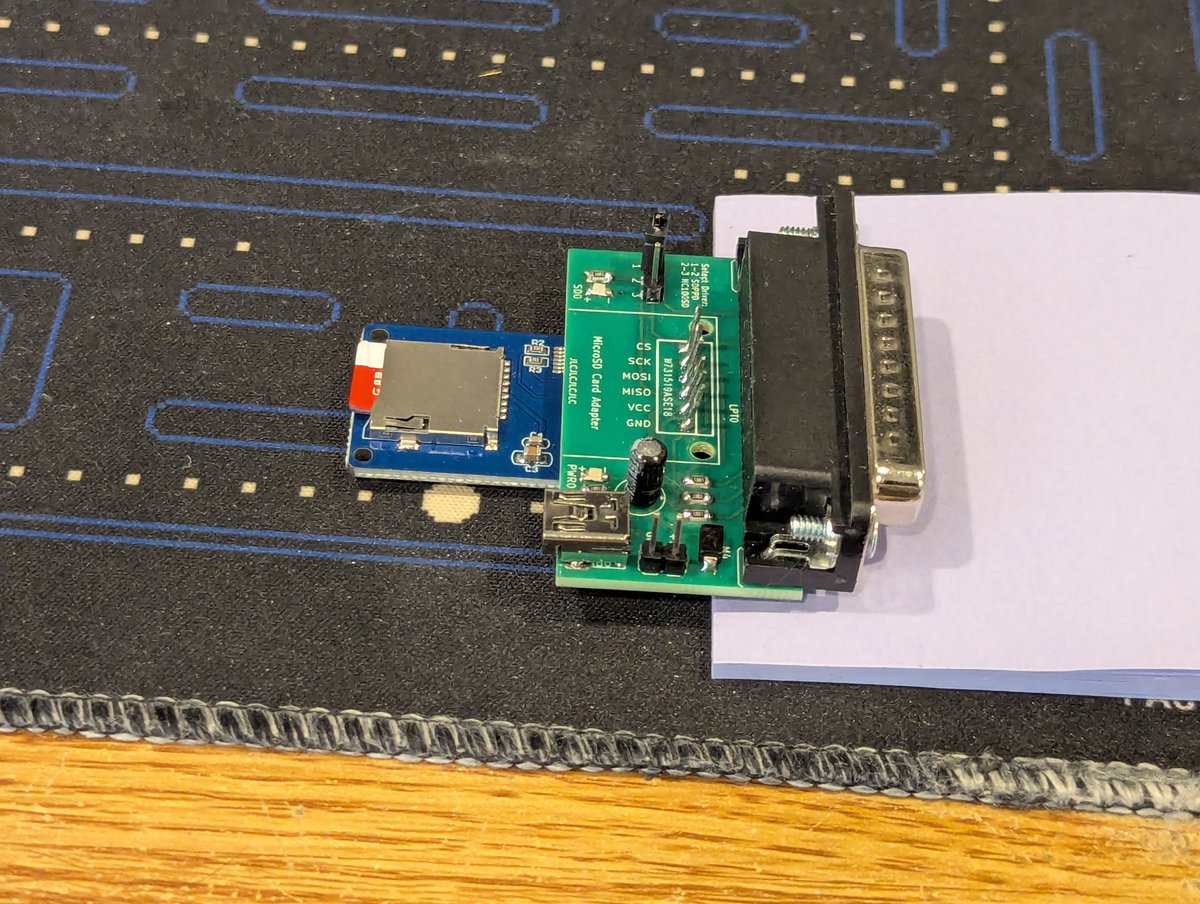
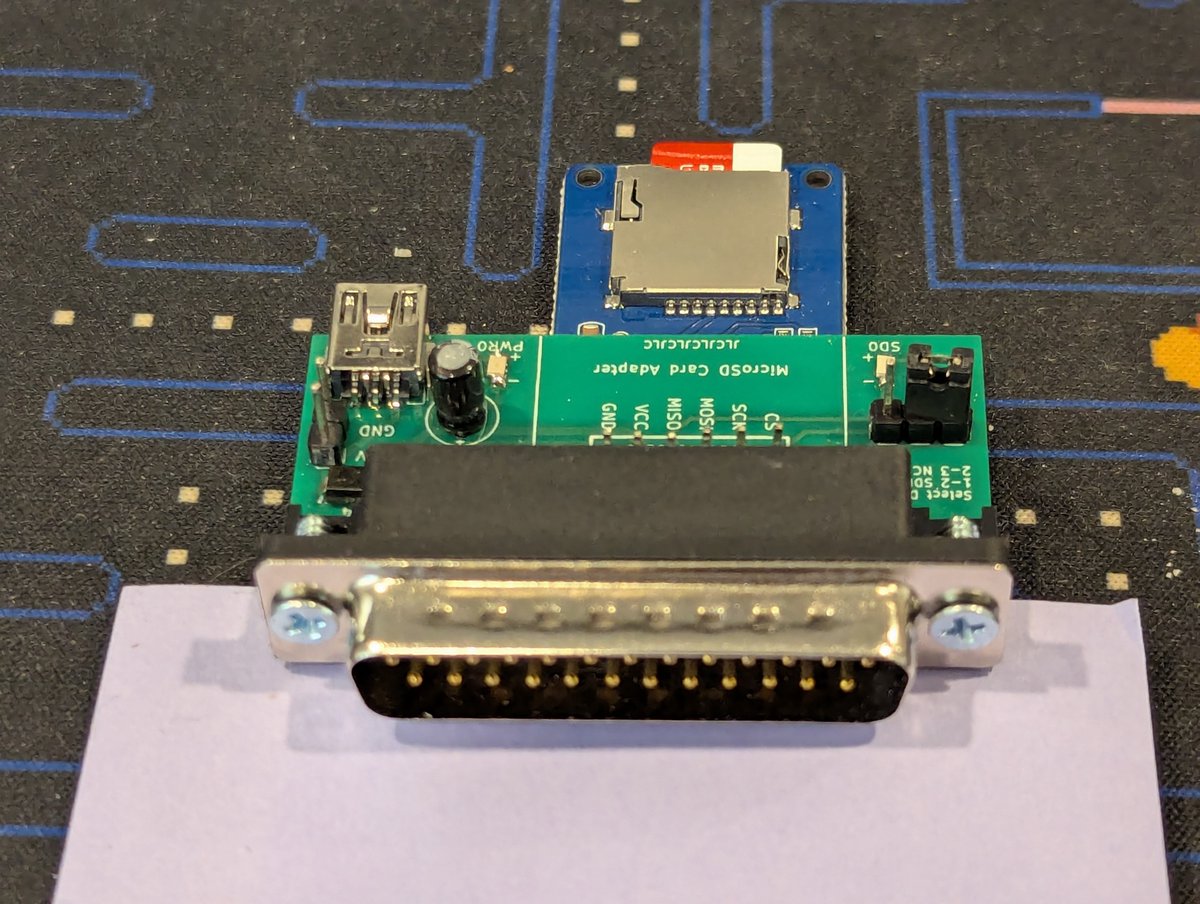
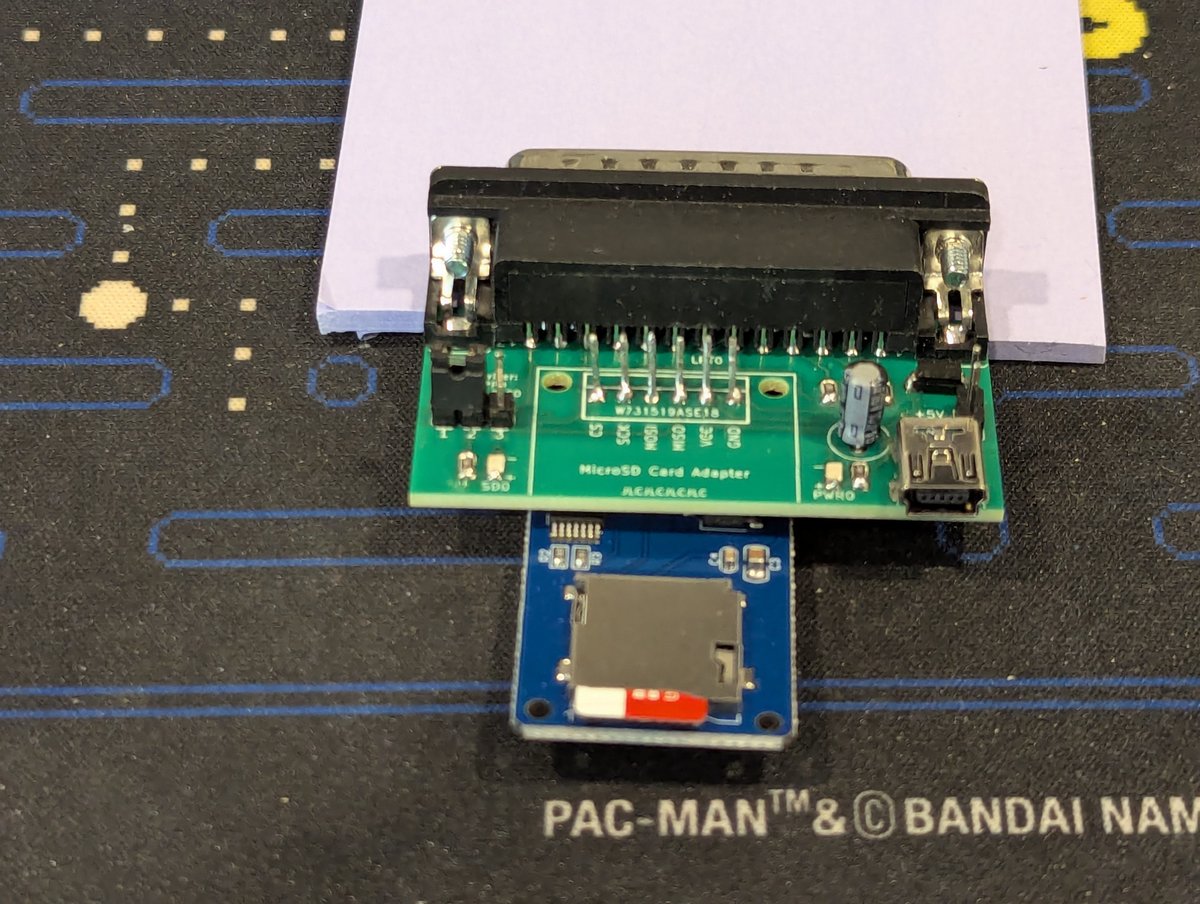
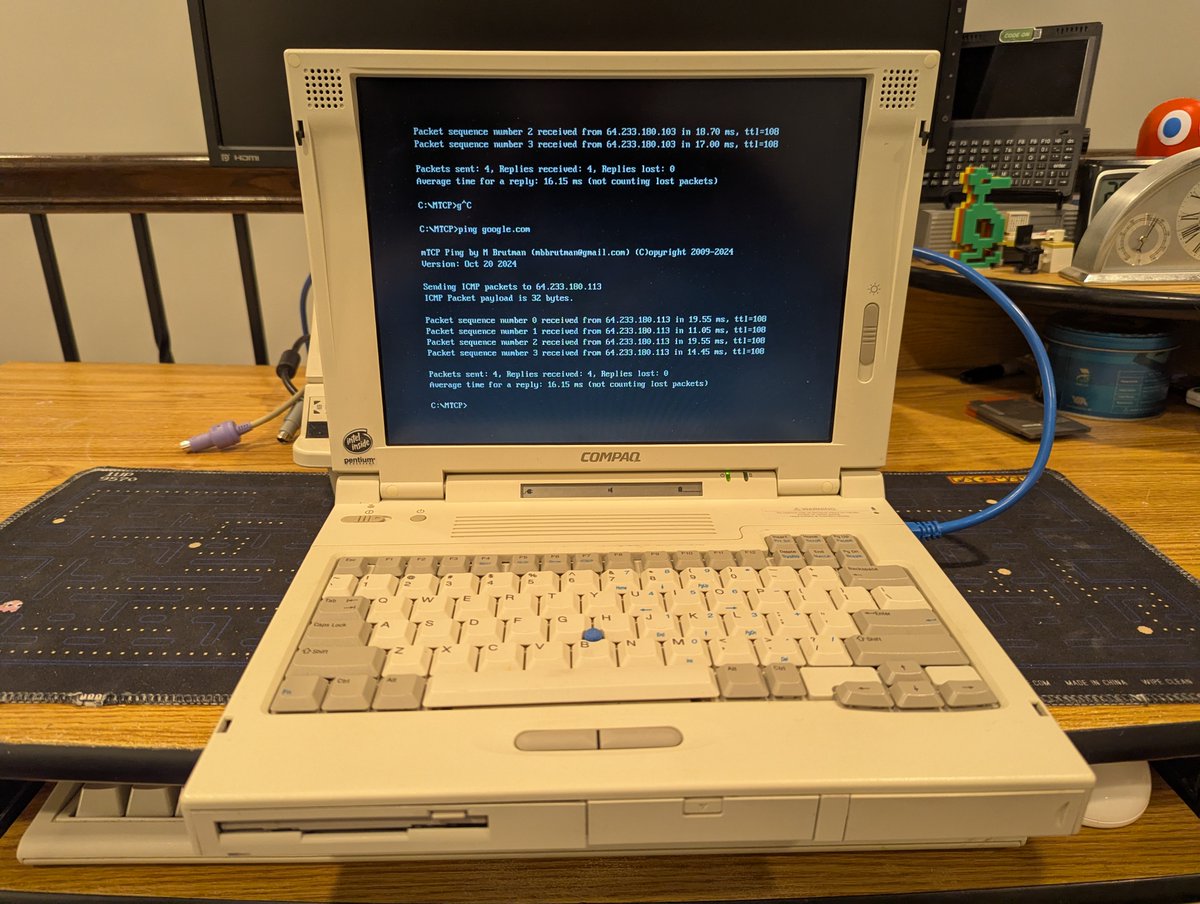
I got a new DOS file transfer toy! Now, these have been around since the dawn of time, but let's talk about it: a MicroSD to LPT Printer Port Adapter. We'll give it a test on my Compaq LTE 5400. Time for a 🧵
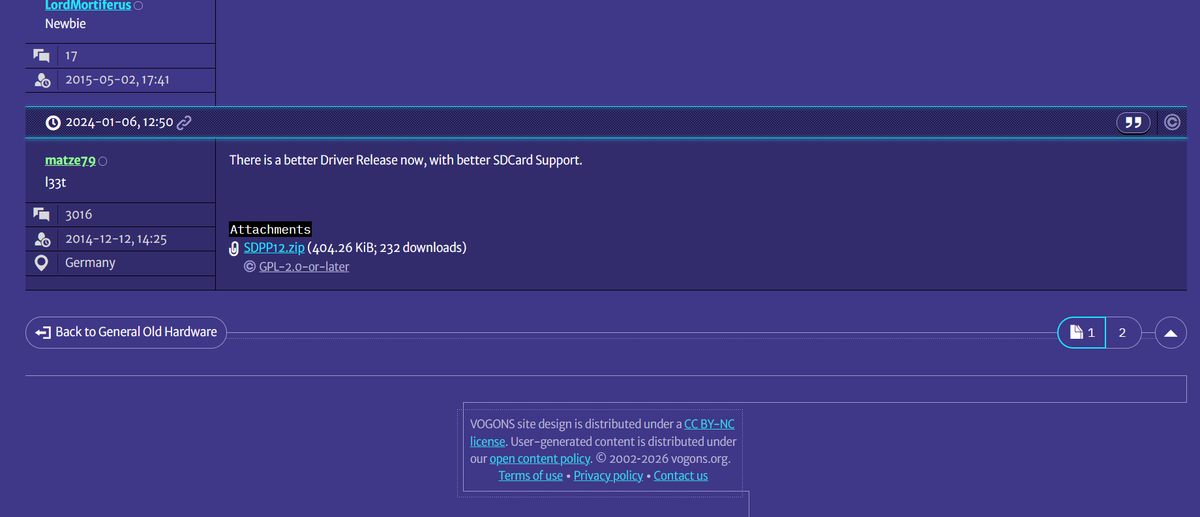
First, if you are interested in reading about these, there is a thread on Vogons! Included in that thread is where I found the DOS drivers for it, you can go here for that, and to read about this device! vogons.org/viewtopic.php?…
Also, here's a few more perspective shots of it, captured from different angles.
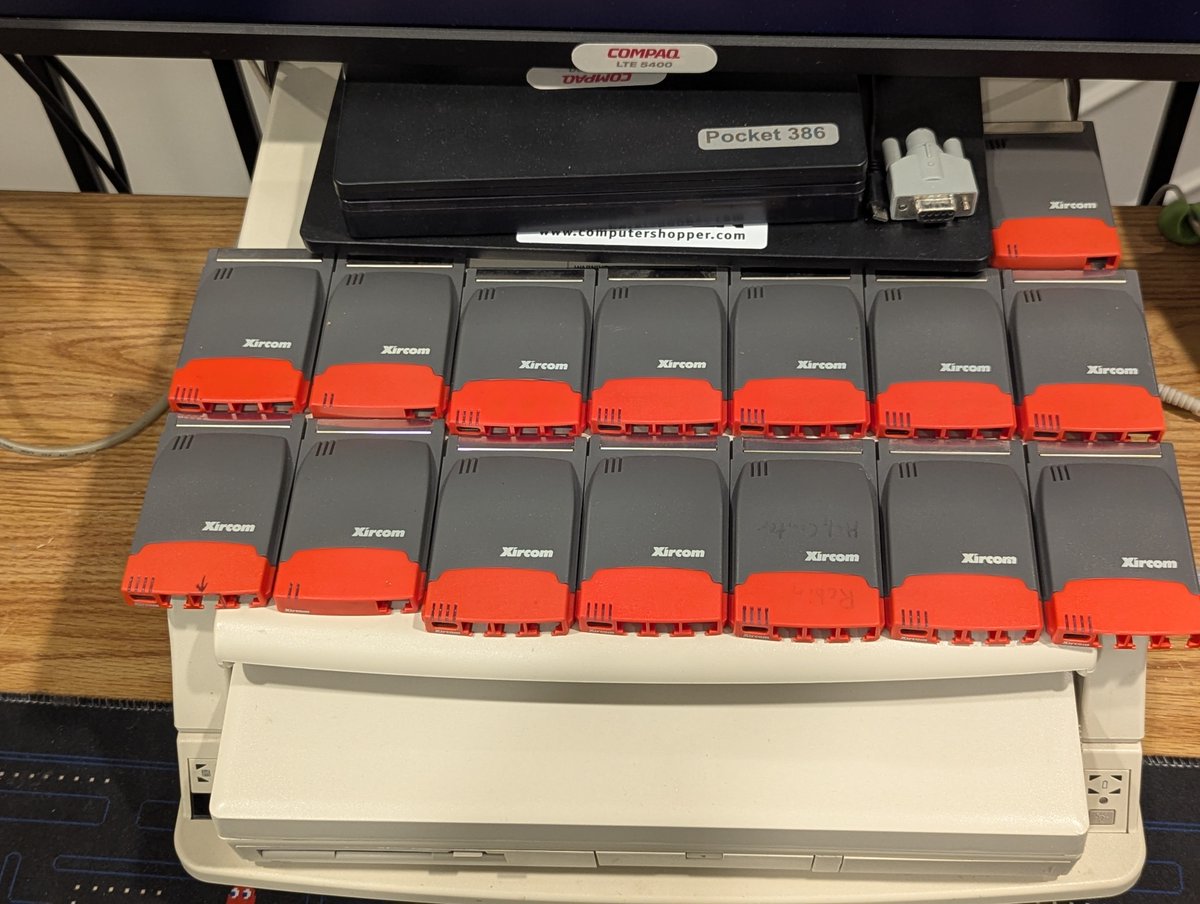
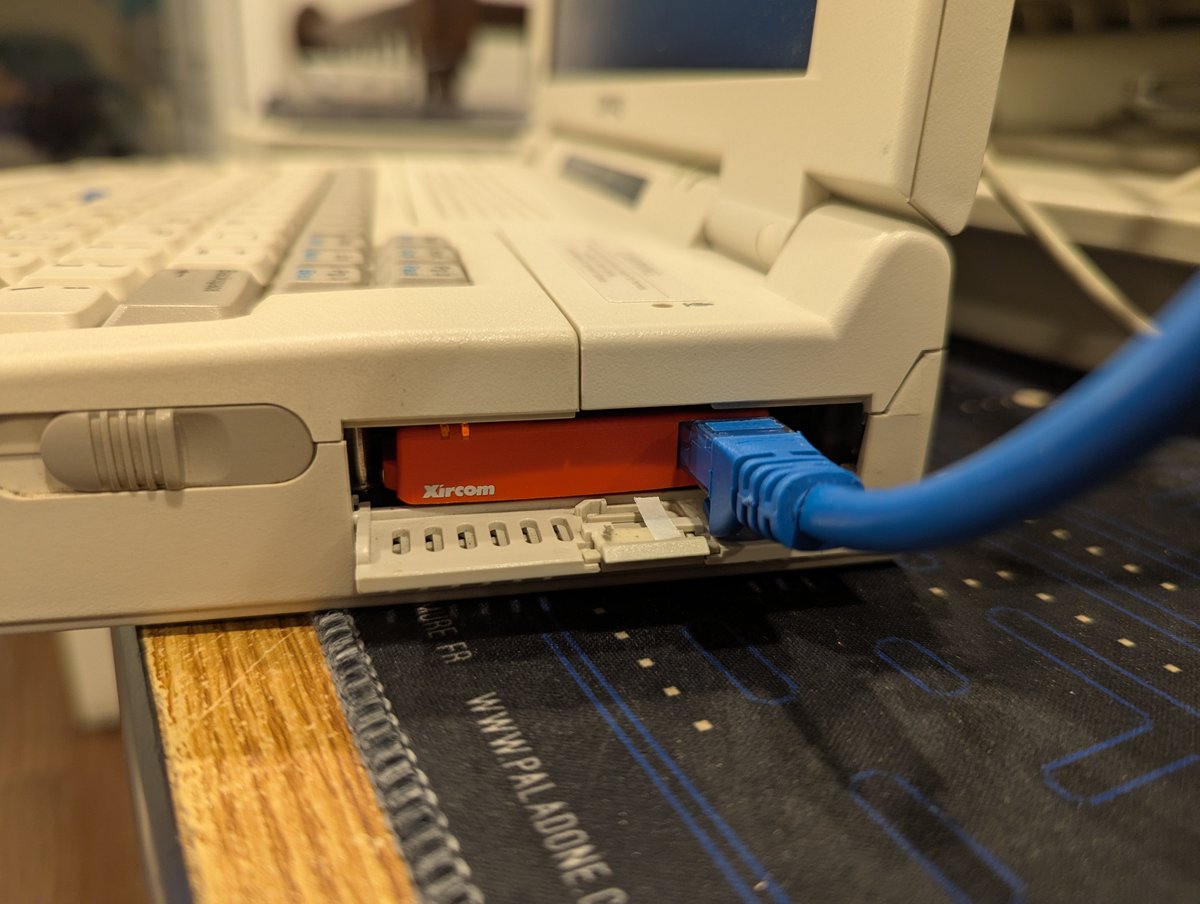
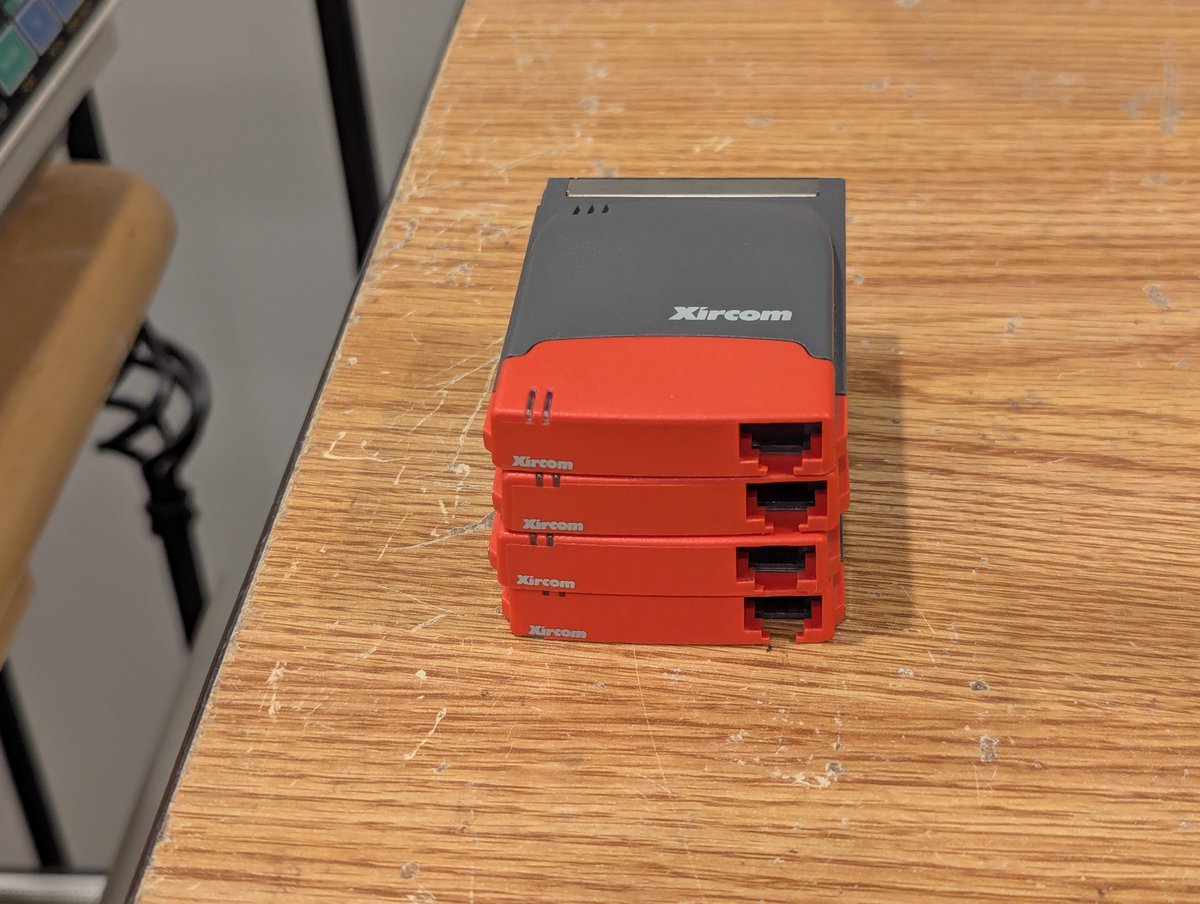
And speaking of the past, here's what I had before today: four cards. These Xircom RealPort Ethernet 10/100 cards are great for getting a laptop without Internet connected to a wired network!
My holiday break is quickly coming to an end. So, I think it's time to power on the retro PCs that I have yet to power on recently. I am sure this will go flawlessly 😂. Let's do most of this, in real time, in a 🧵 here!
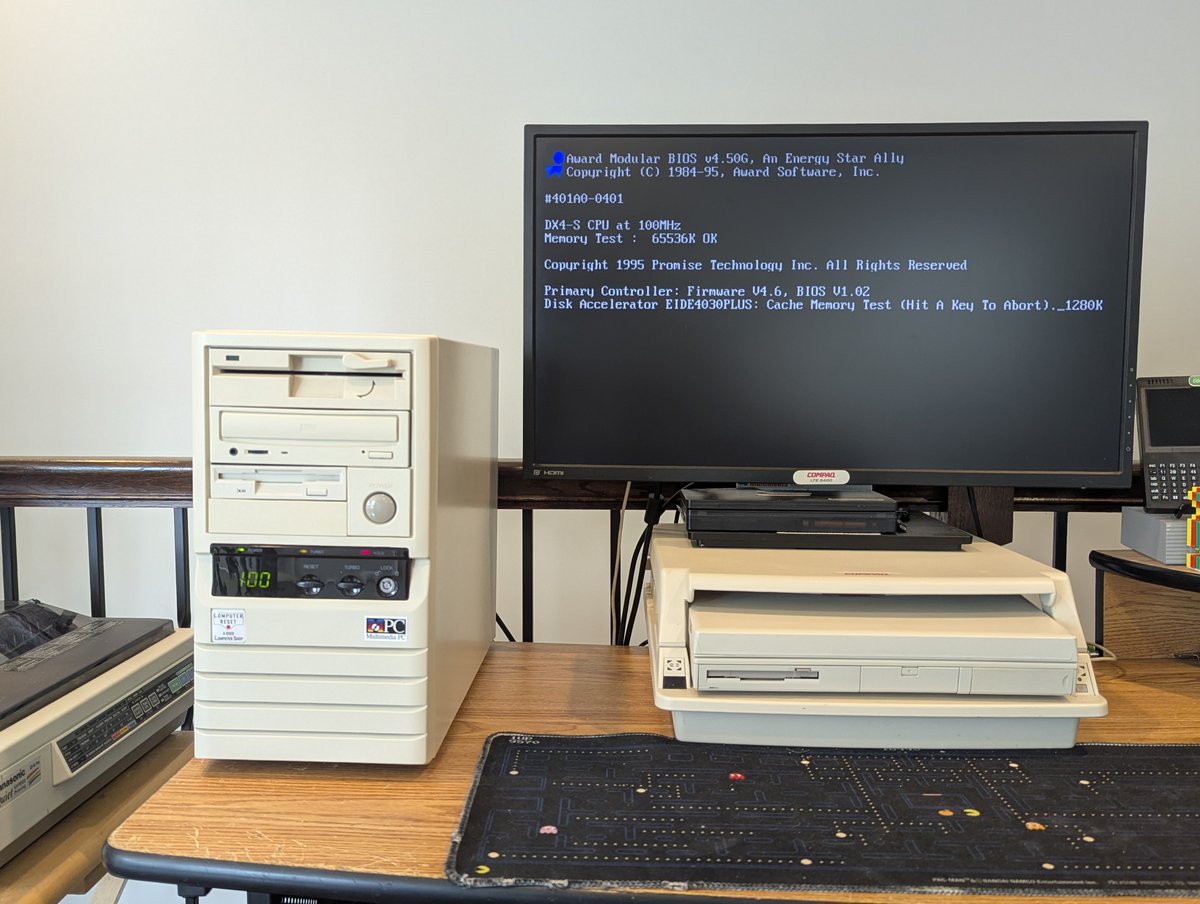
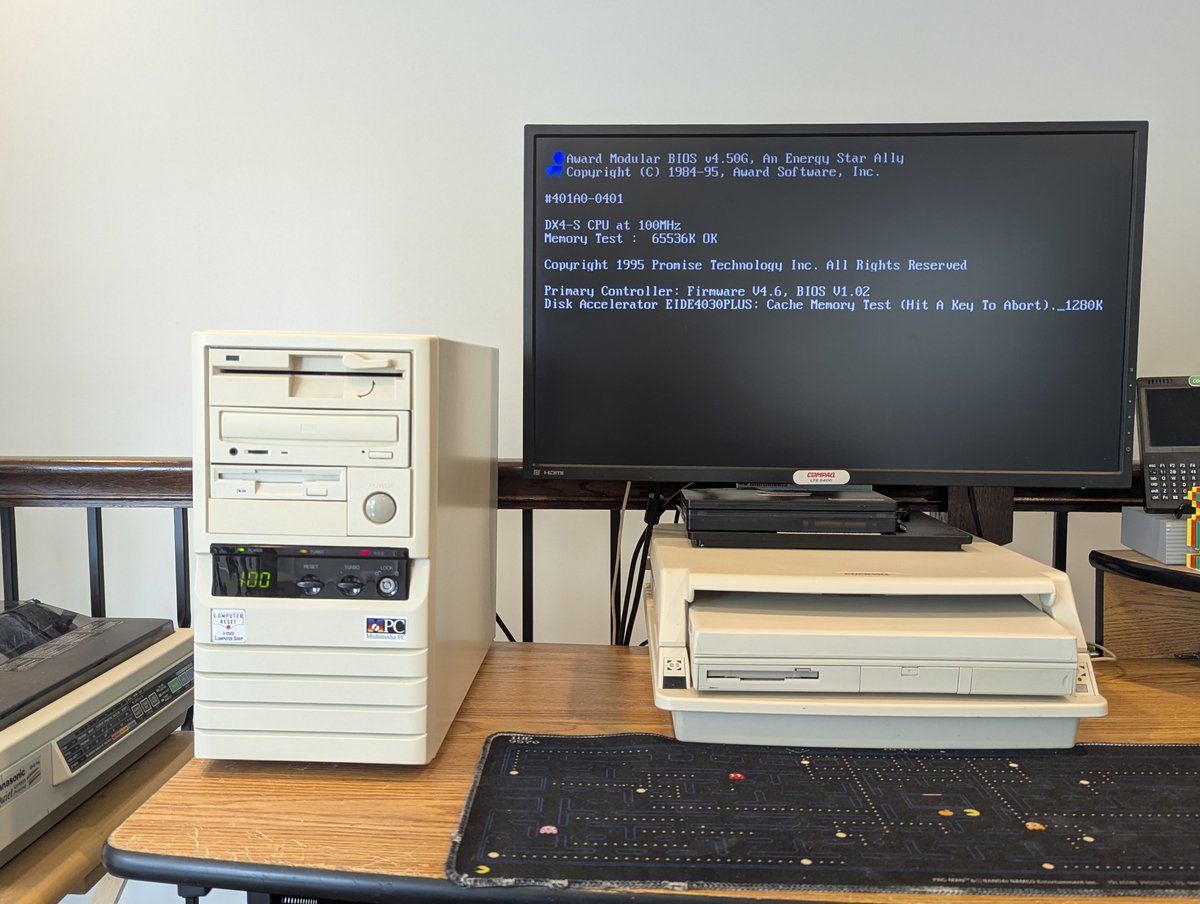
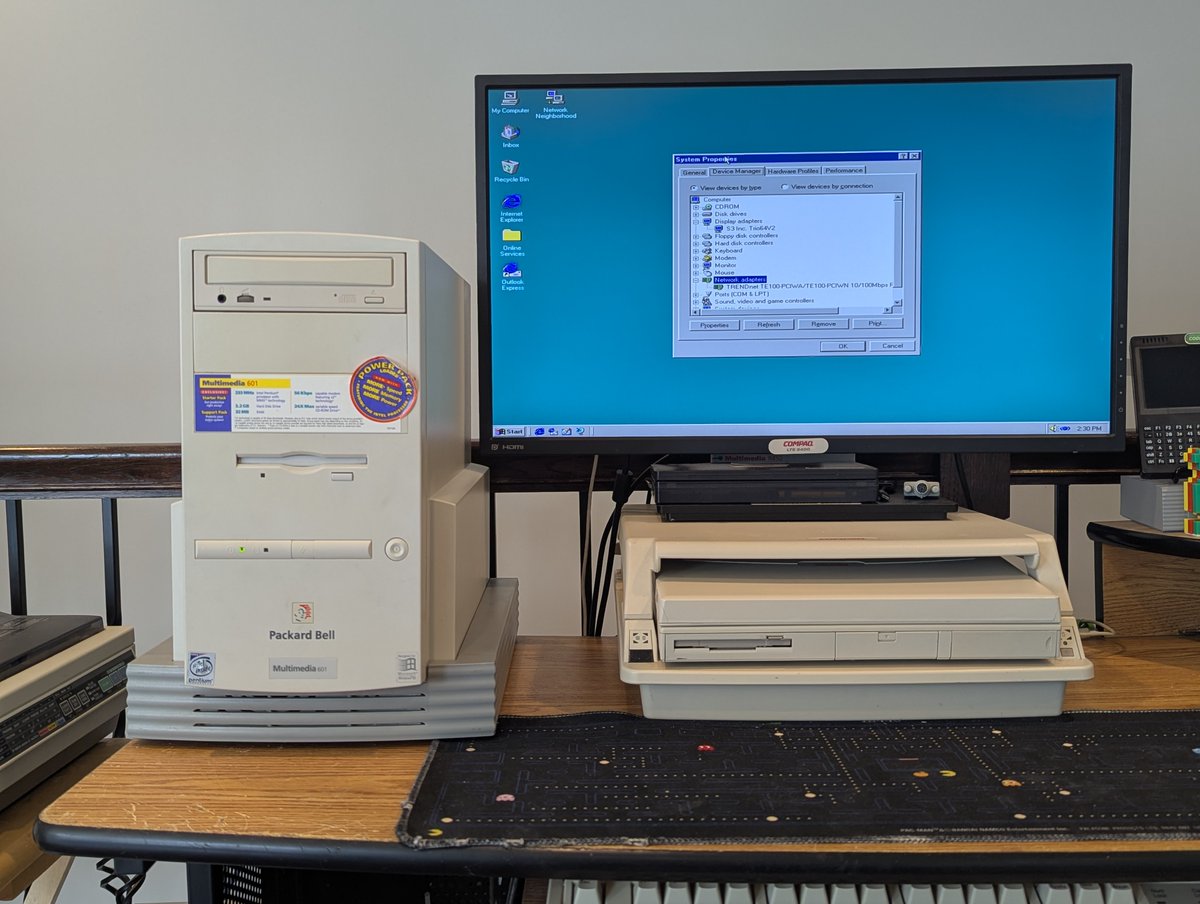
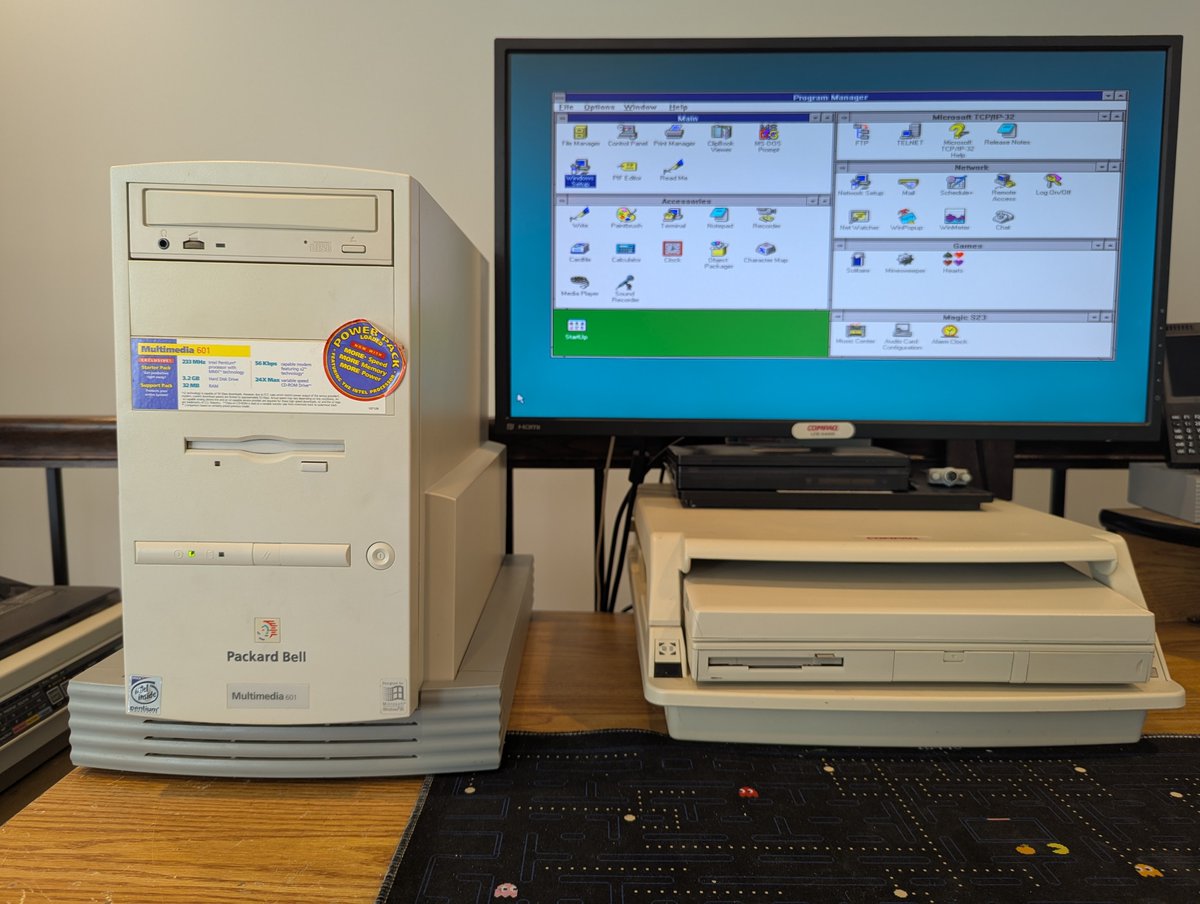
Alright, you've already seen the first three. My trusty, original 486DX4/100 powered right up, as did the Packard Bell Multimedia 601 Pentium 233 MMX
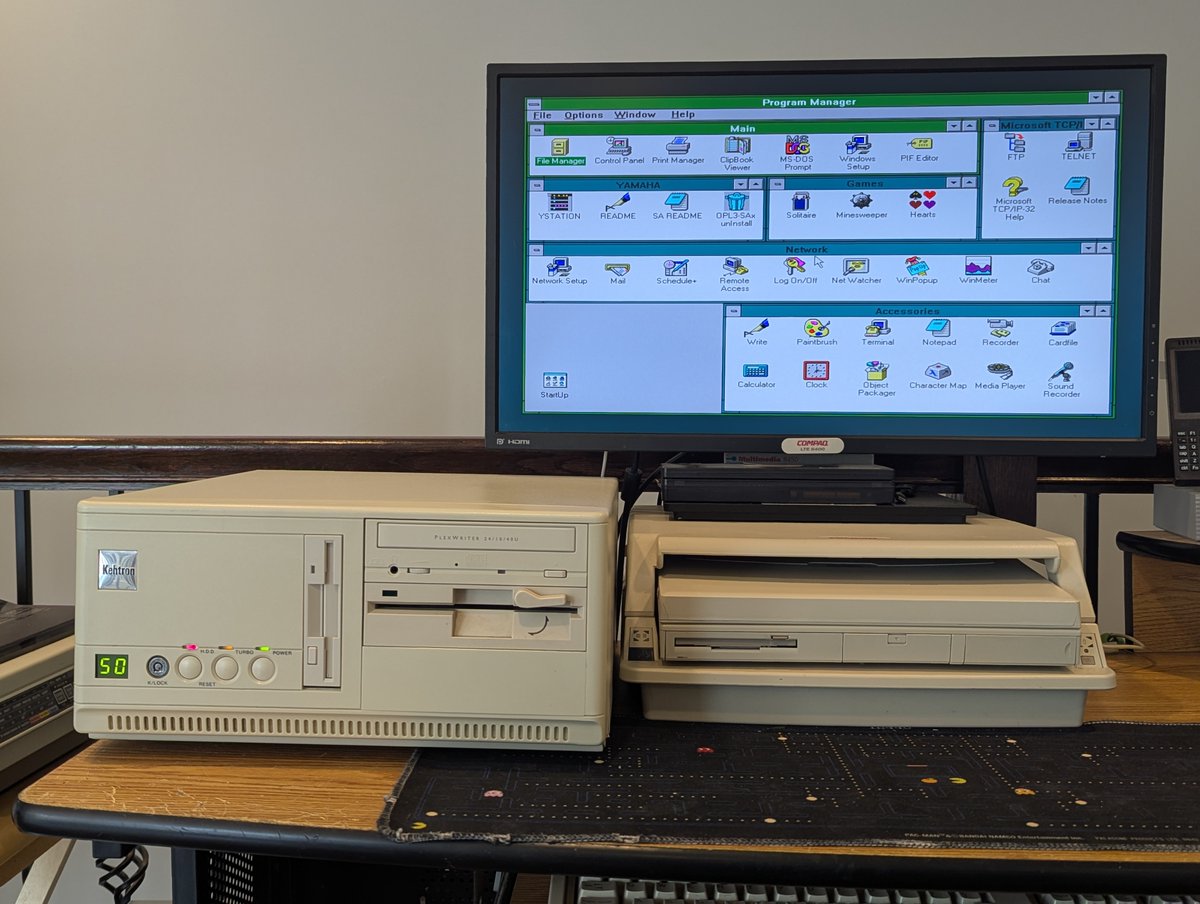
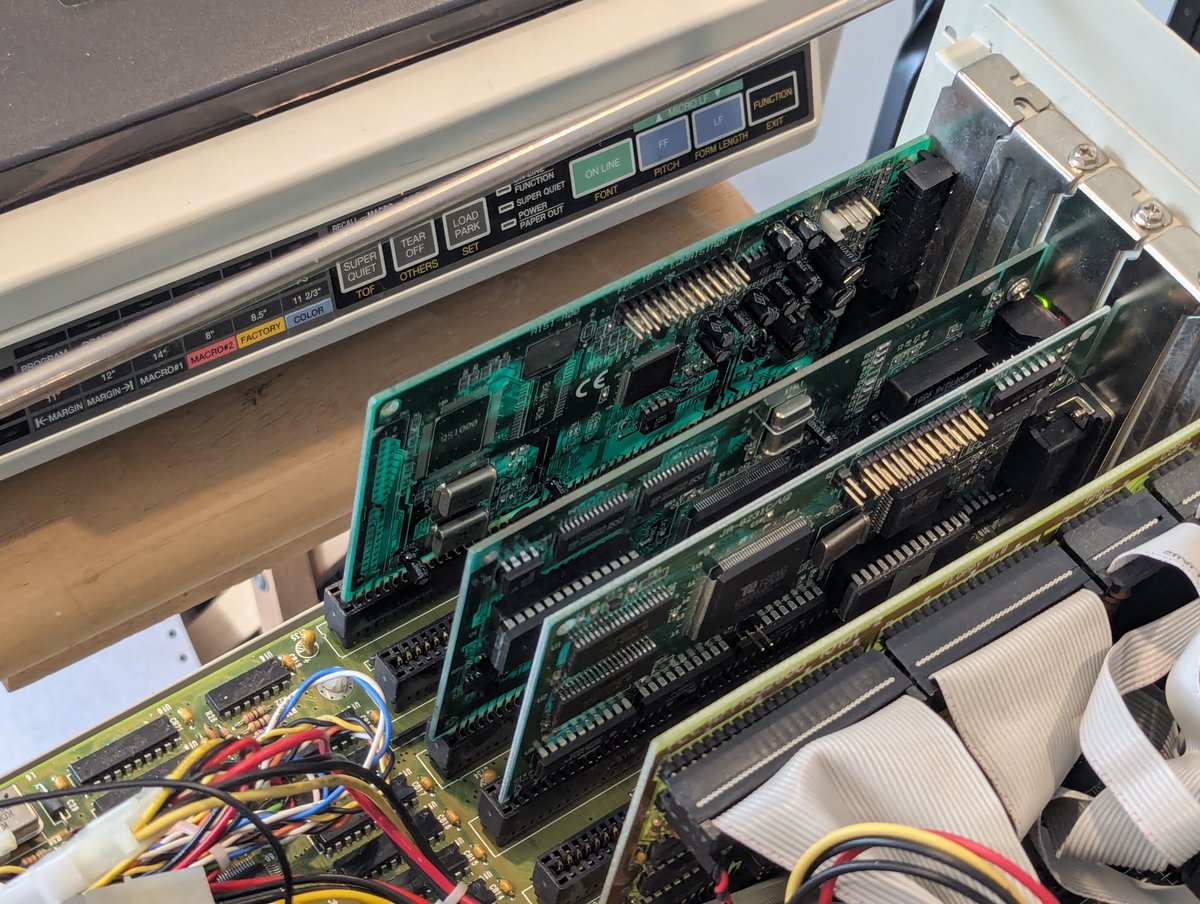
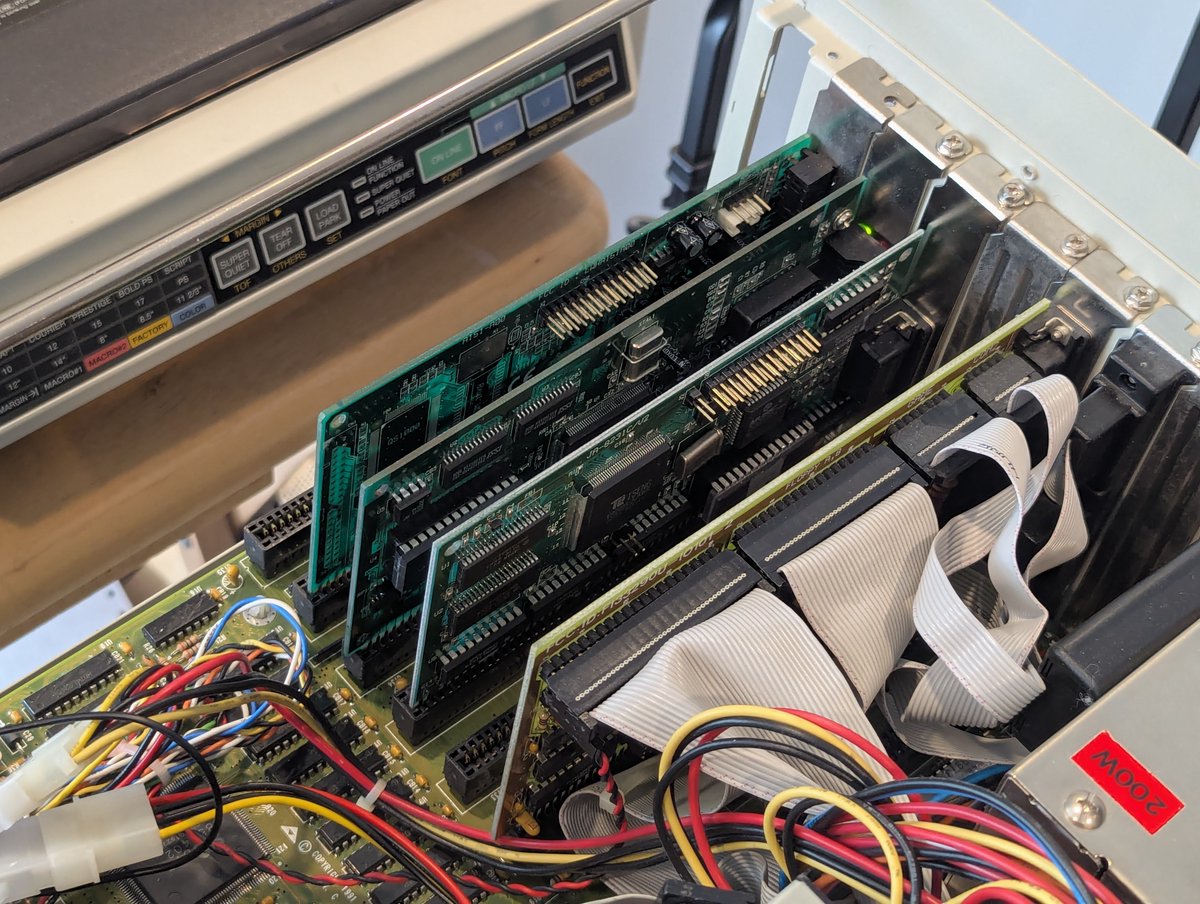
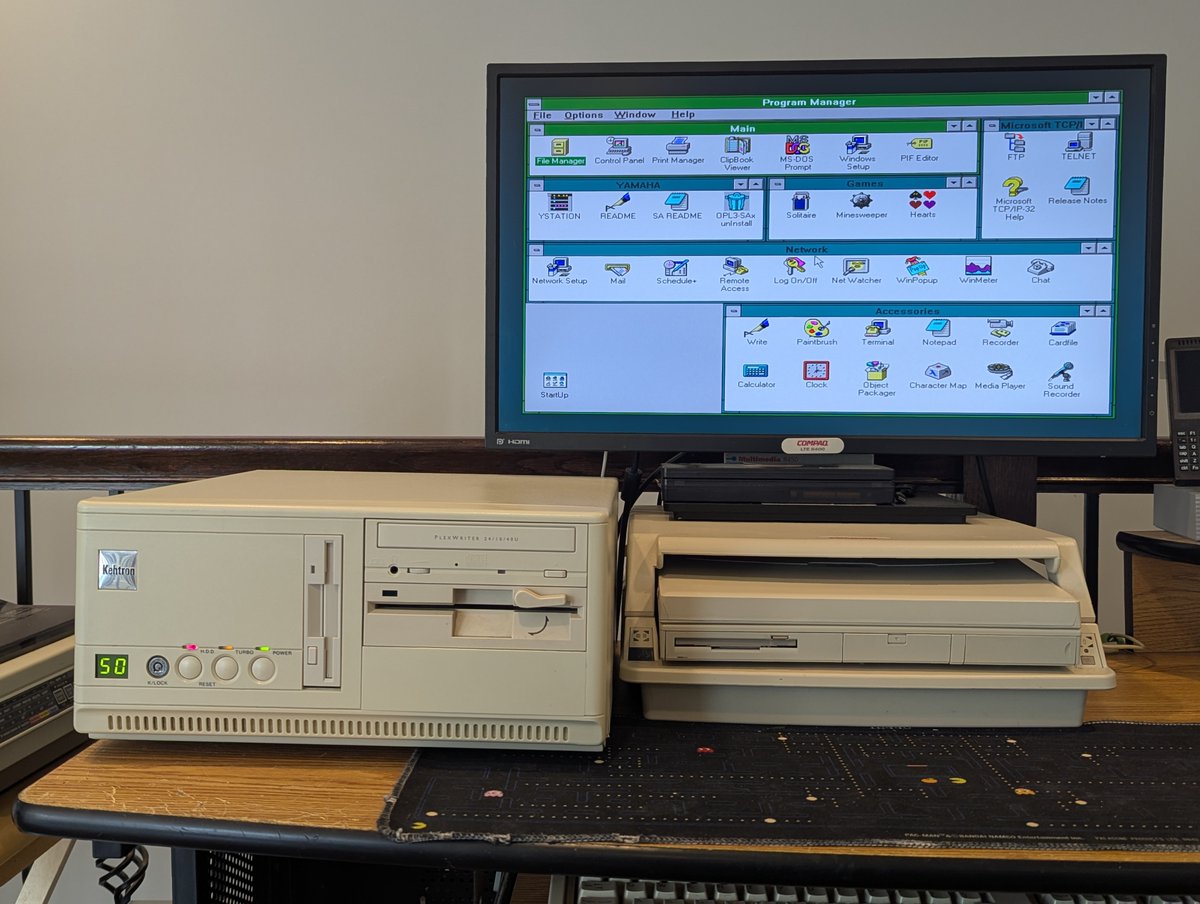
How about the Kehtron 486 DX/50? Weeelll.. the front seven segment display needed reconnected (I really should fix this permanently), and the sound card was being a pain, but I moved it over one slot and it is now working!
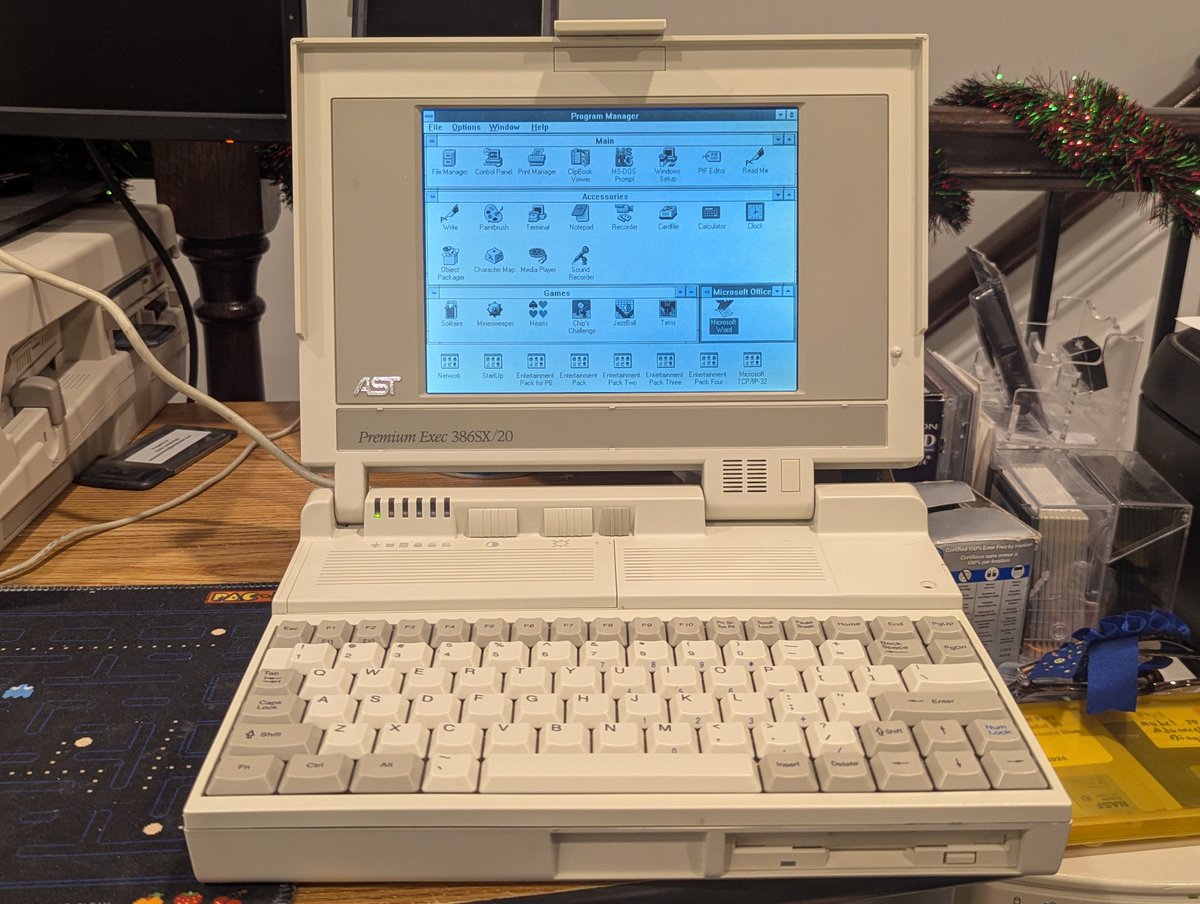
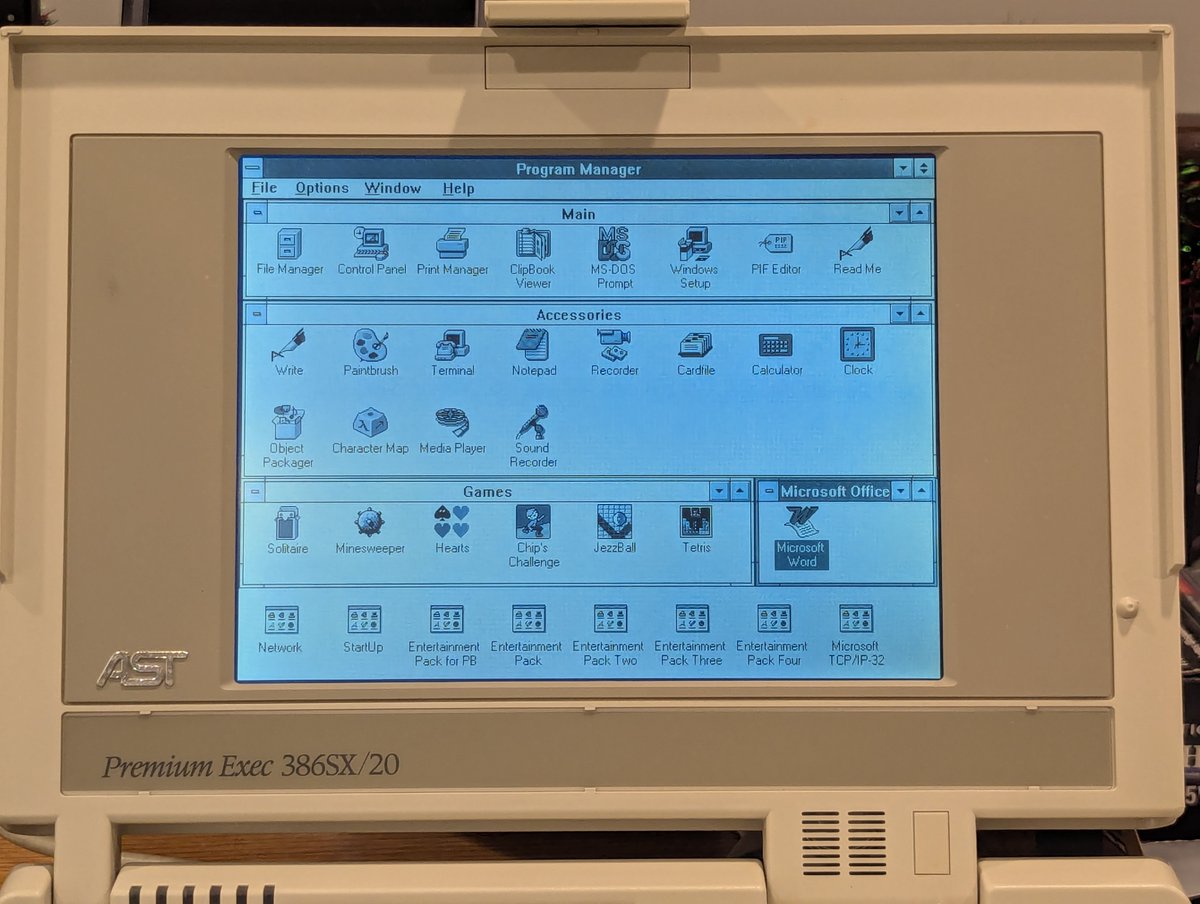
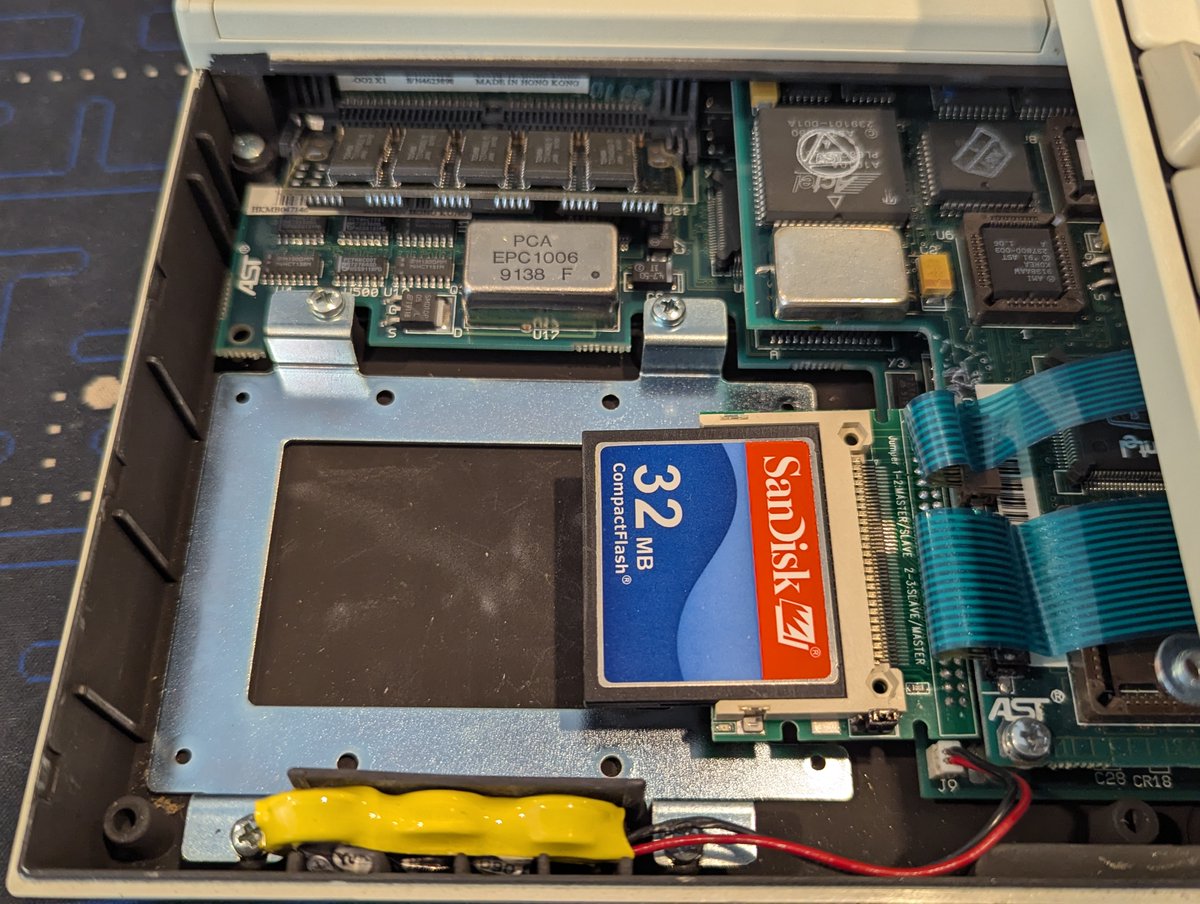
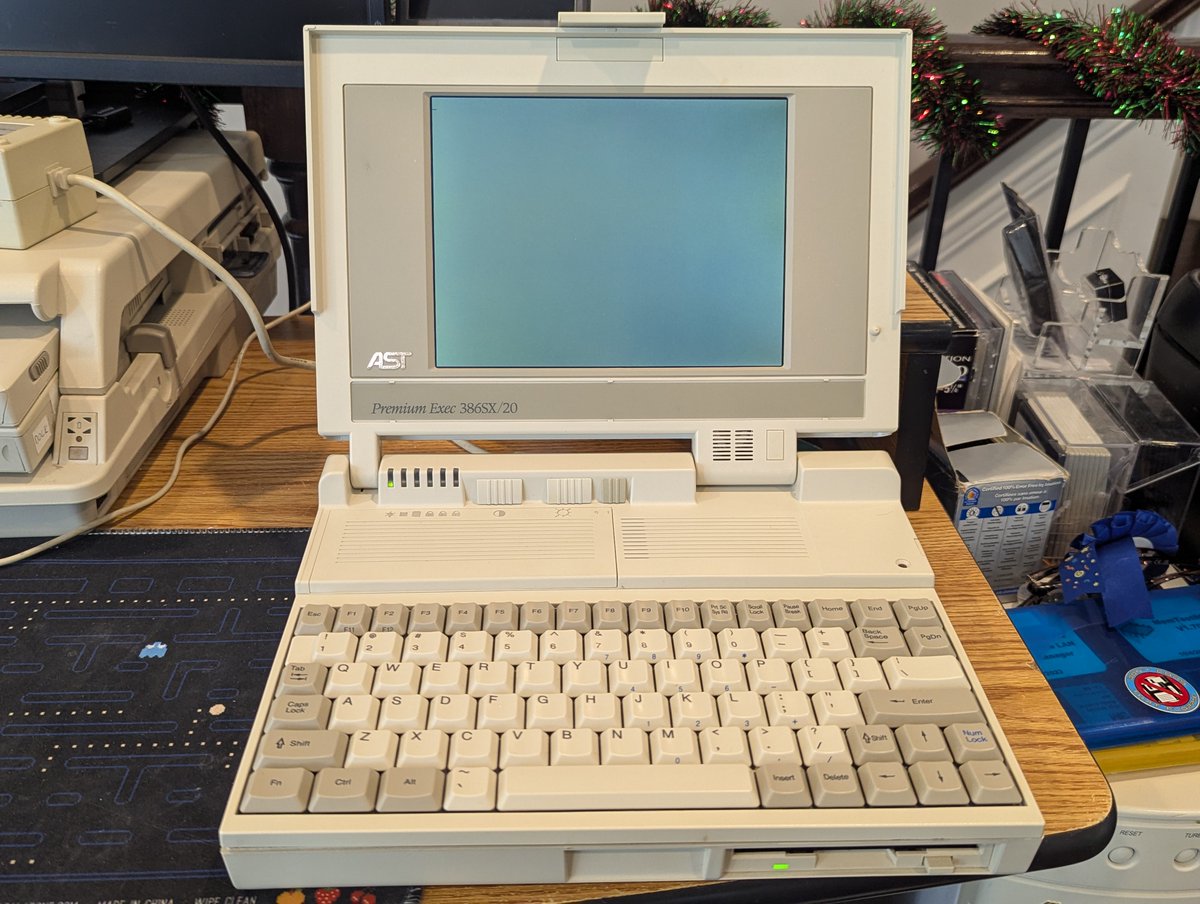
The challenges and solutions in retro computing never cease to amaze me, and today's project is no different. Today's goal was getting working storage in this AST Premium Exec 386 laptop. And fortunately, somewhat against the odds, I found one! Let's talk about it in a 🧵 here!
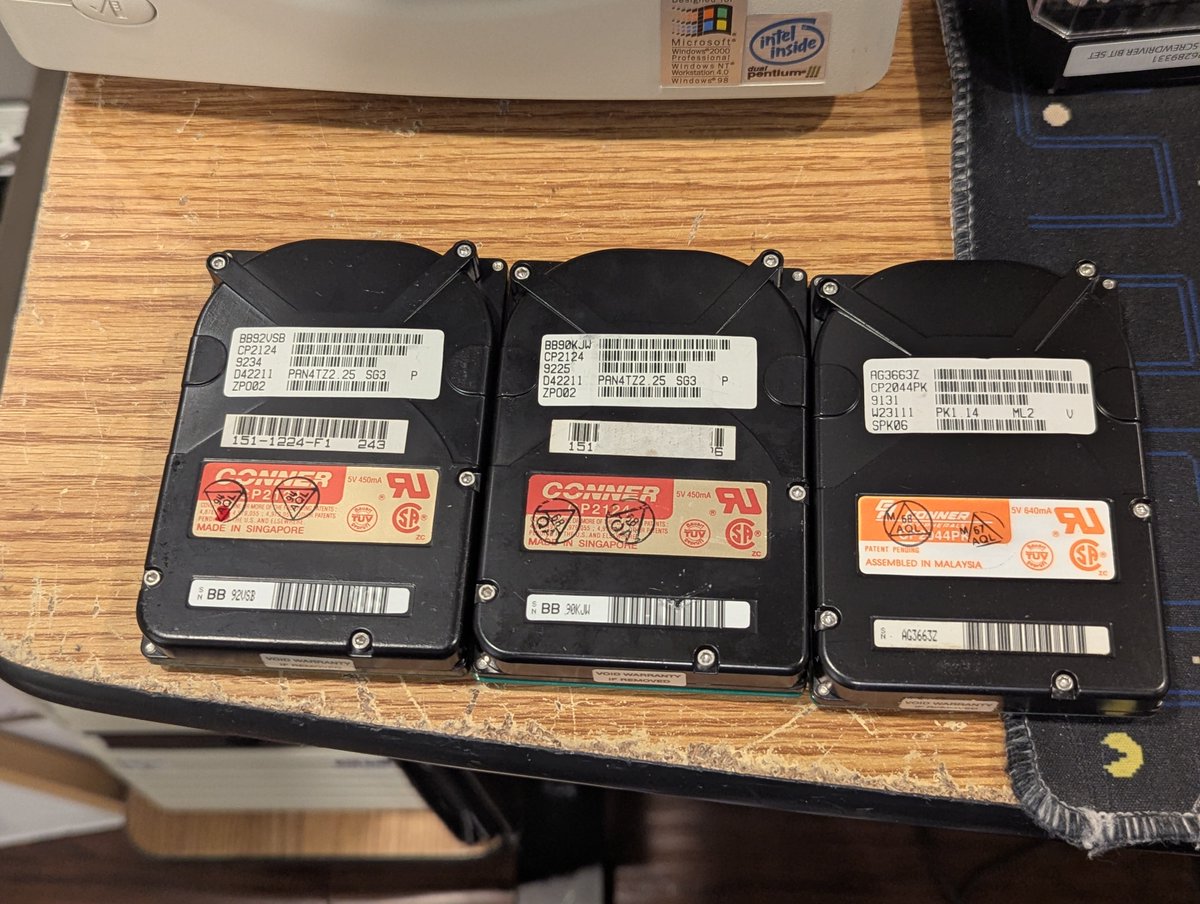
So, anyway, the issue I had with this laptop is that the original 20MB 3.5" IDE hard drive had died. I thought "no problem, I'll pop on eBay and get one." Except they are scarce and expensive. I picked up two 120MB drives and one 40MB drive. None of them worked.
In the past, I had also tried a CF card. I could get the CF cards to a point where they were accessible, but when I go to boot, I get a blinking cursor.. and sometimes a "non system disk or disk error" a few minutes later. Tried multiple CF cards, same result.
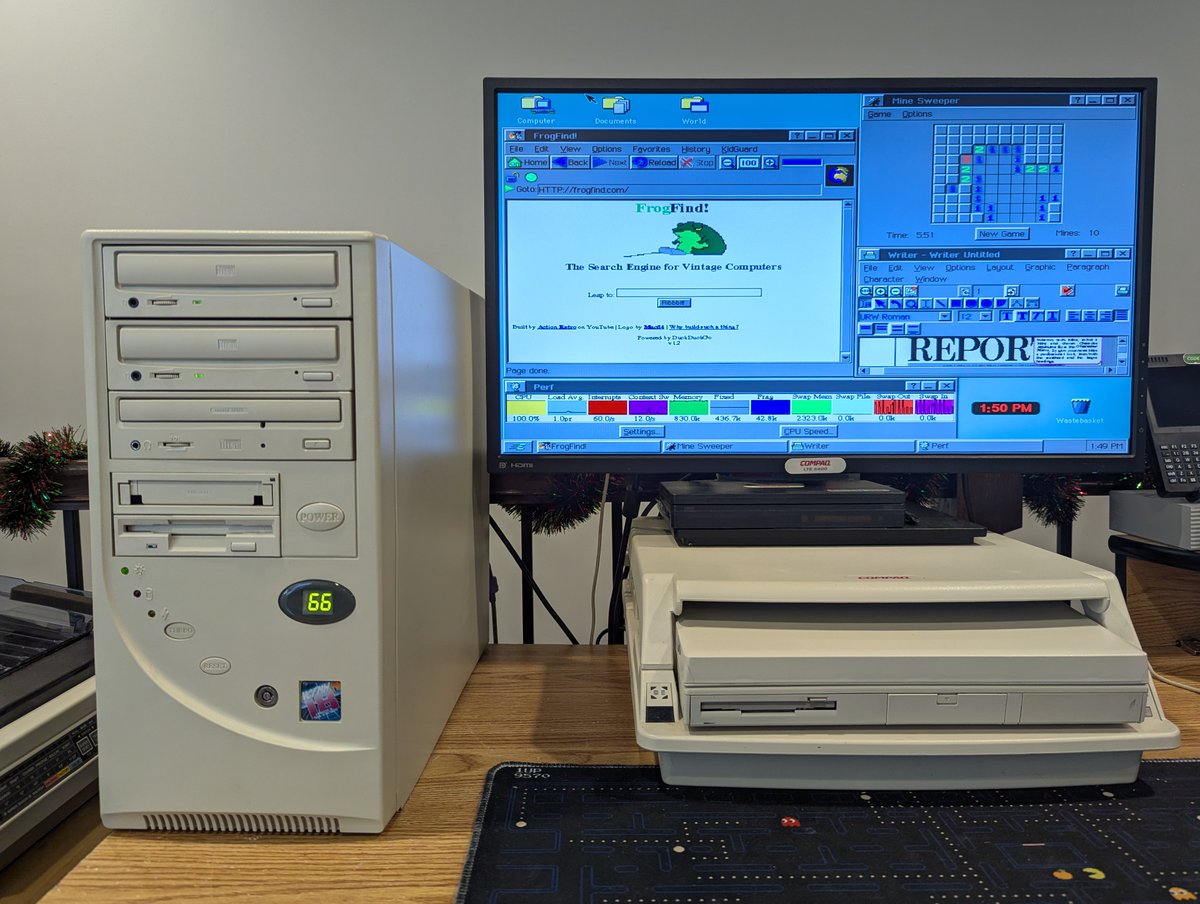
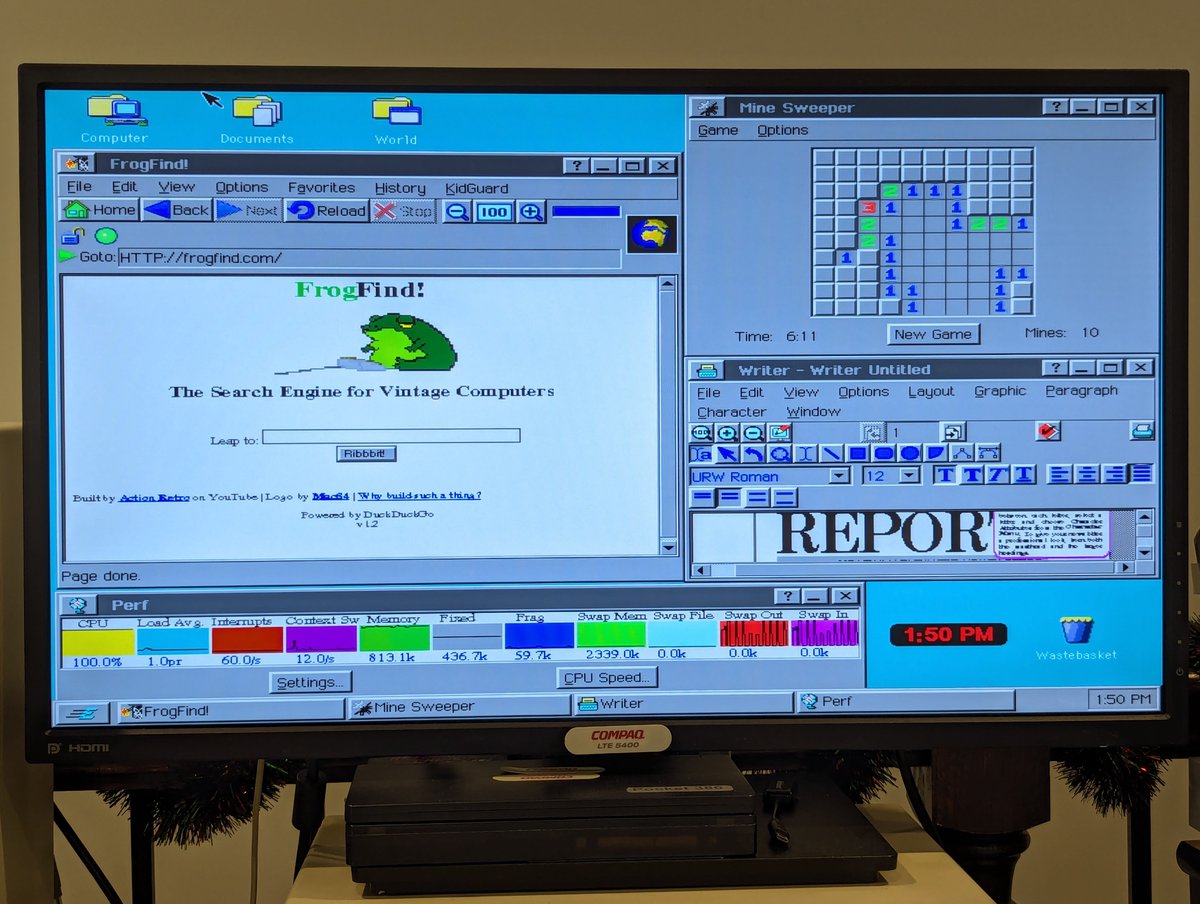
Has anyone ever worked with GEOS, GeoWorks, New Deal Office, or Breadbox Ensemble on a PC? Well, I decided to load it up on one of my 486 systems today and take it for a spin... including getting online! Let's talk about what I discovered in a 🧵 here!
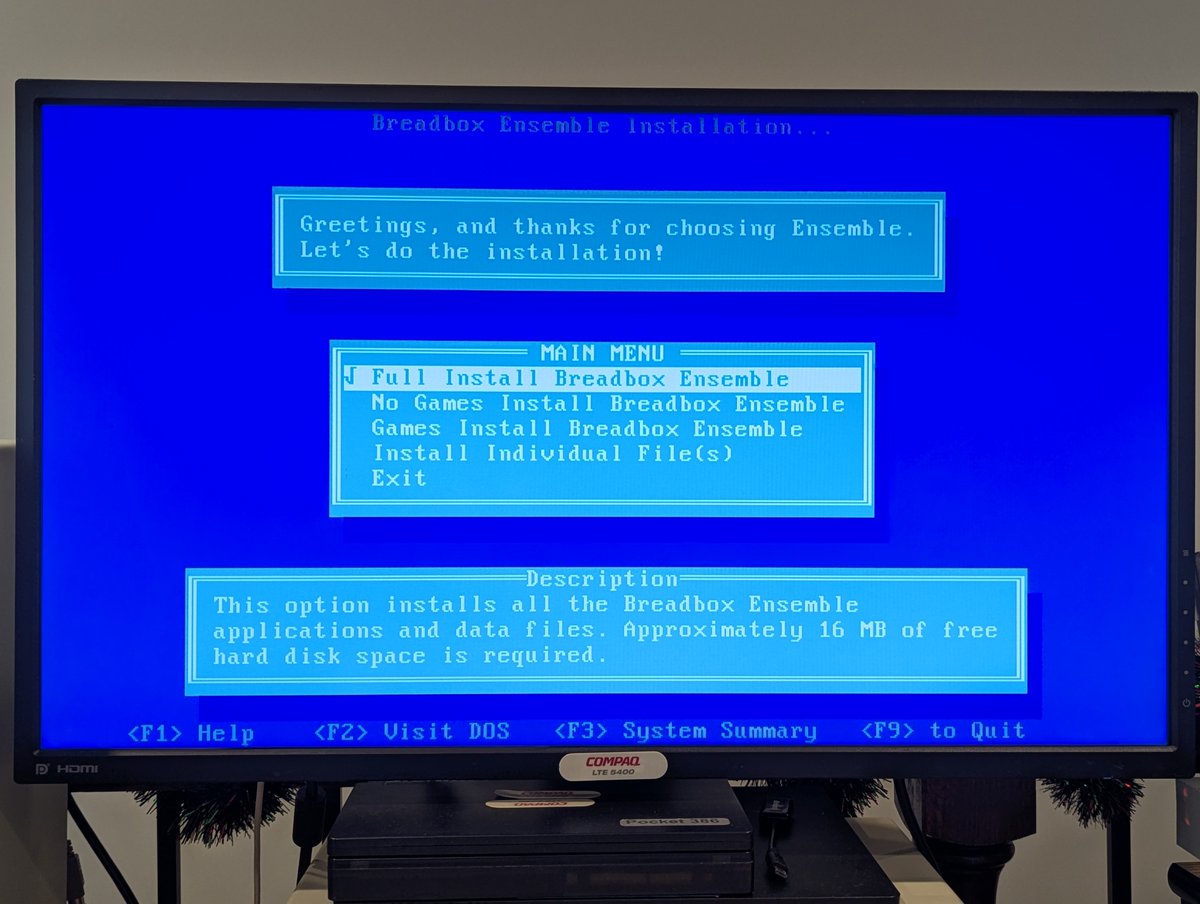
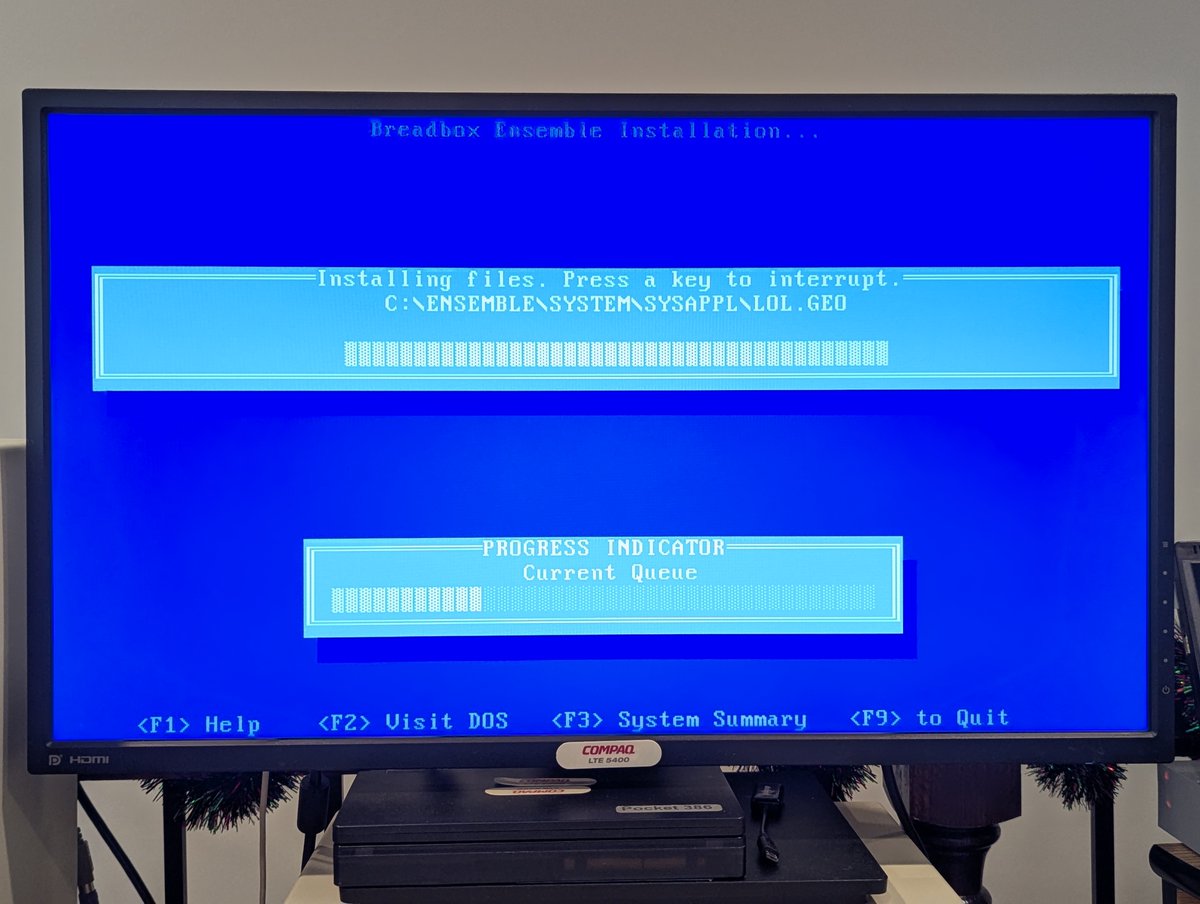
I decided to install Breadbox Ensemble 4.1.3, which was originally released in 2009. Keep in mind that this would be late in the cycle for, say, a 486 PC, that does give some perspective! Install was text based an a cinch!
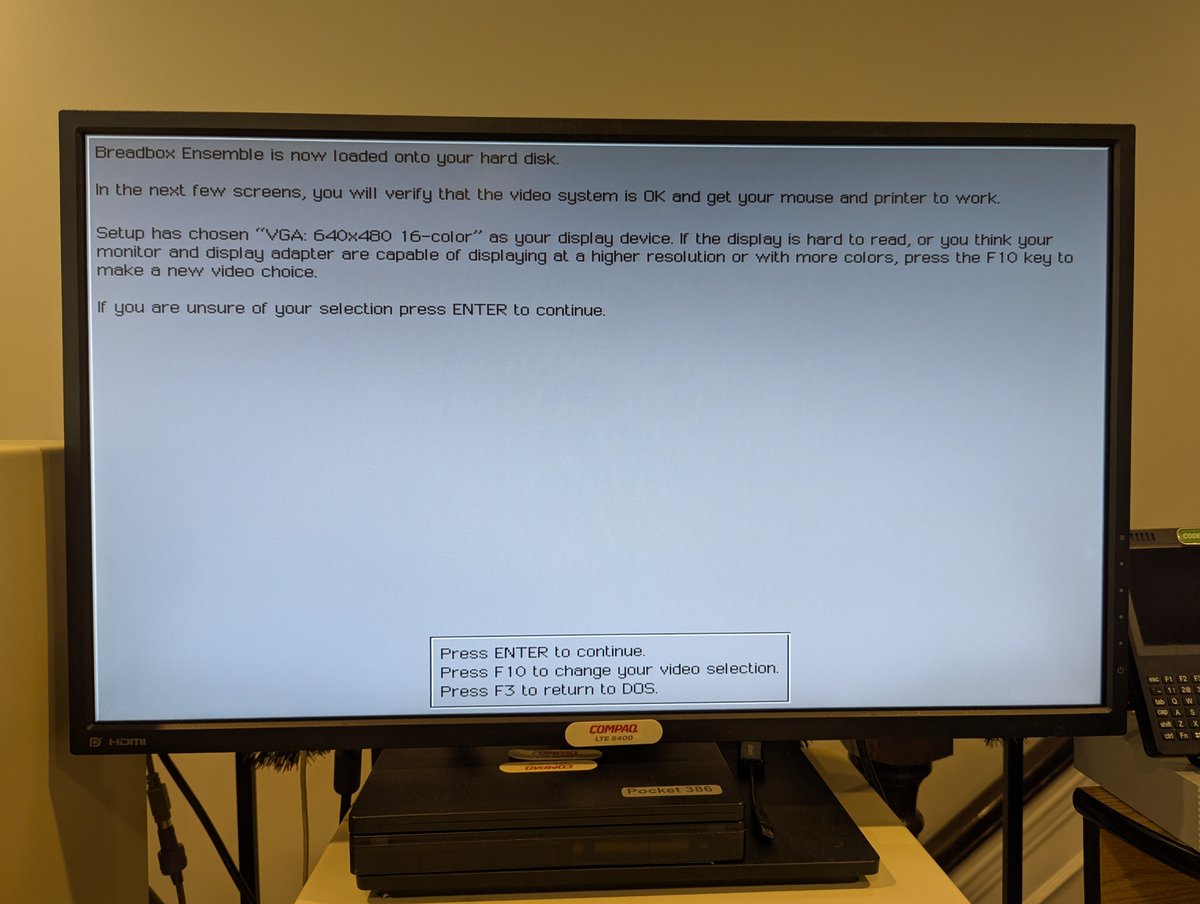
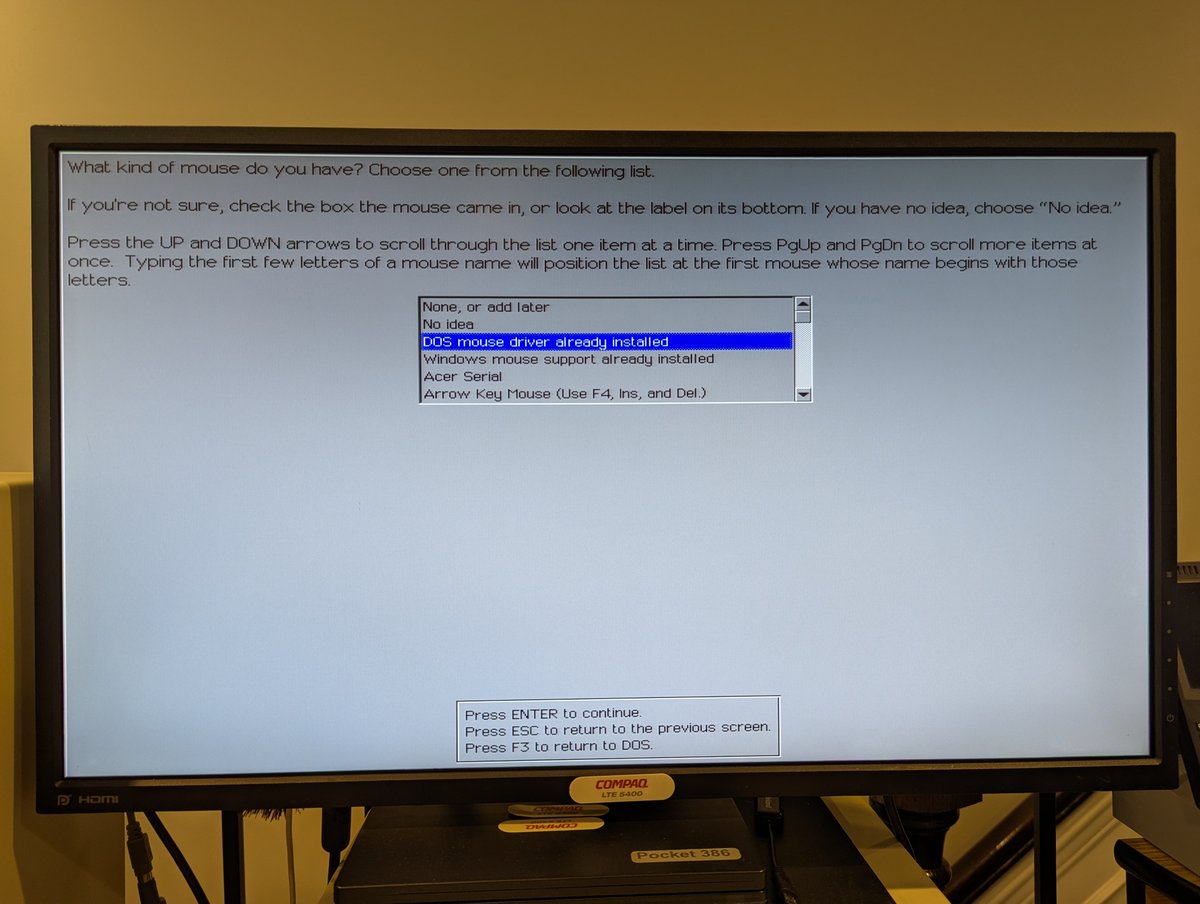
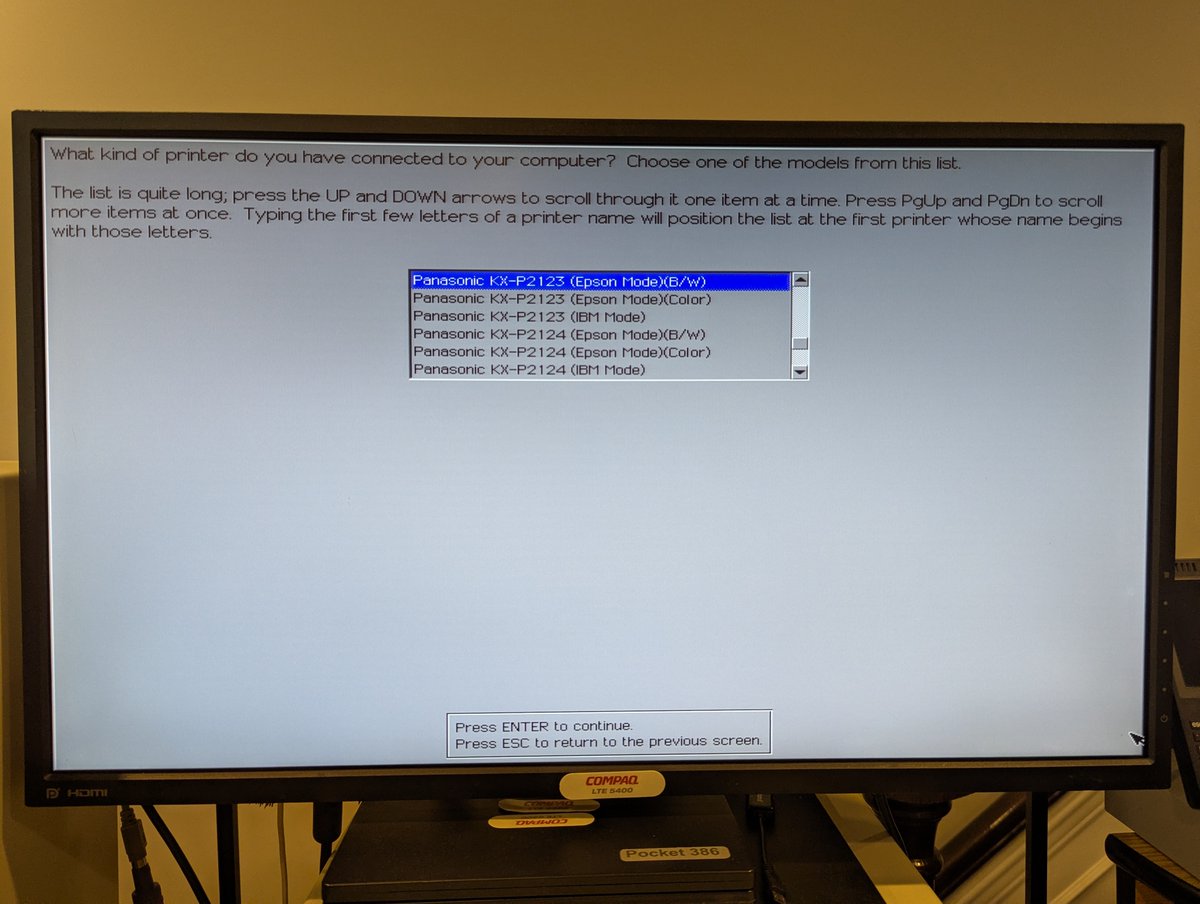
After installation, we get to configure a bit. I bumped up the video to 800x600x256, configured use of a DOS mouse driver, and set up my Panasonic dot matrix printer.
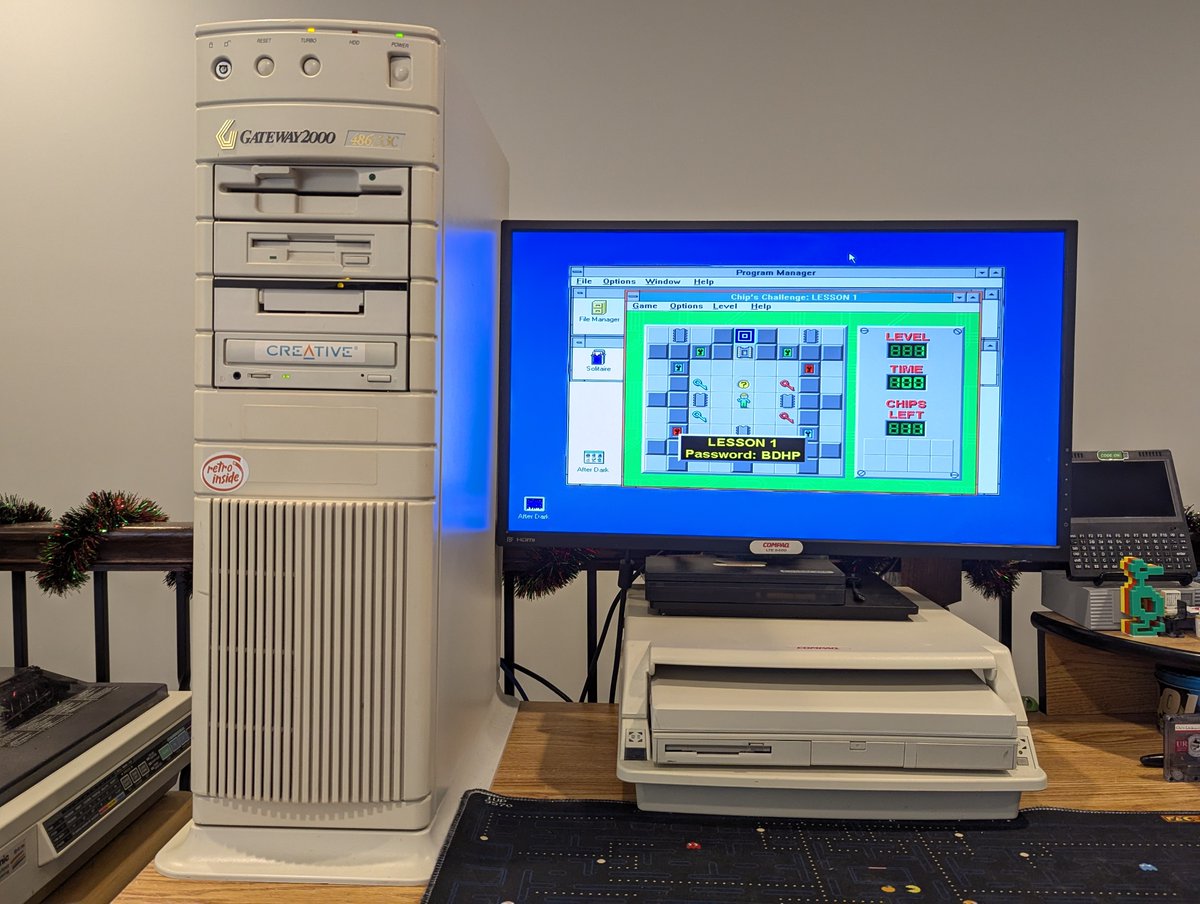
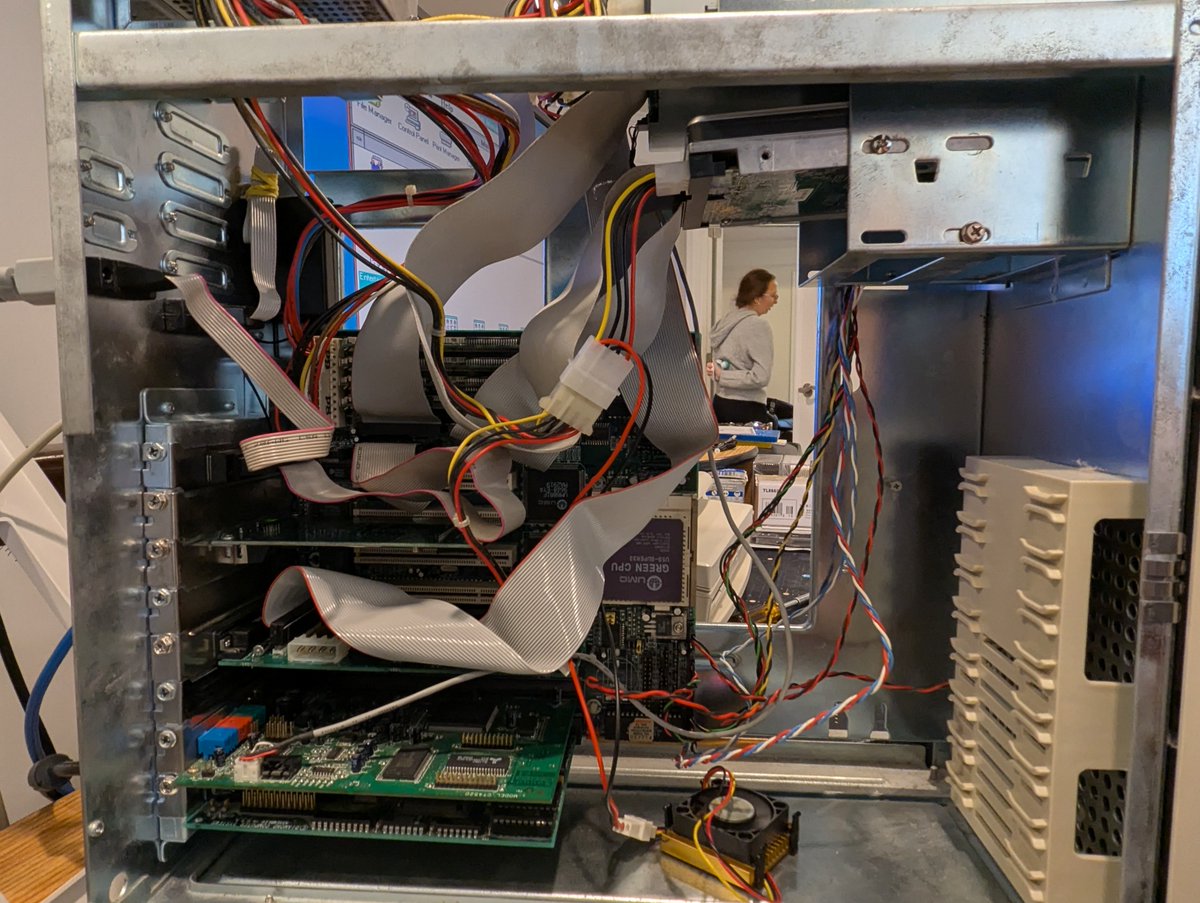
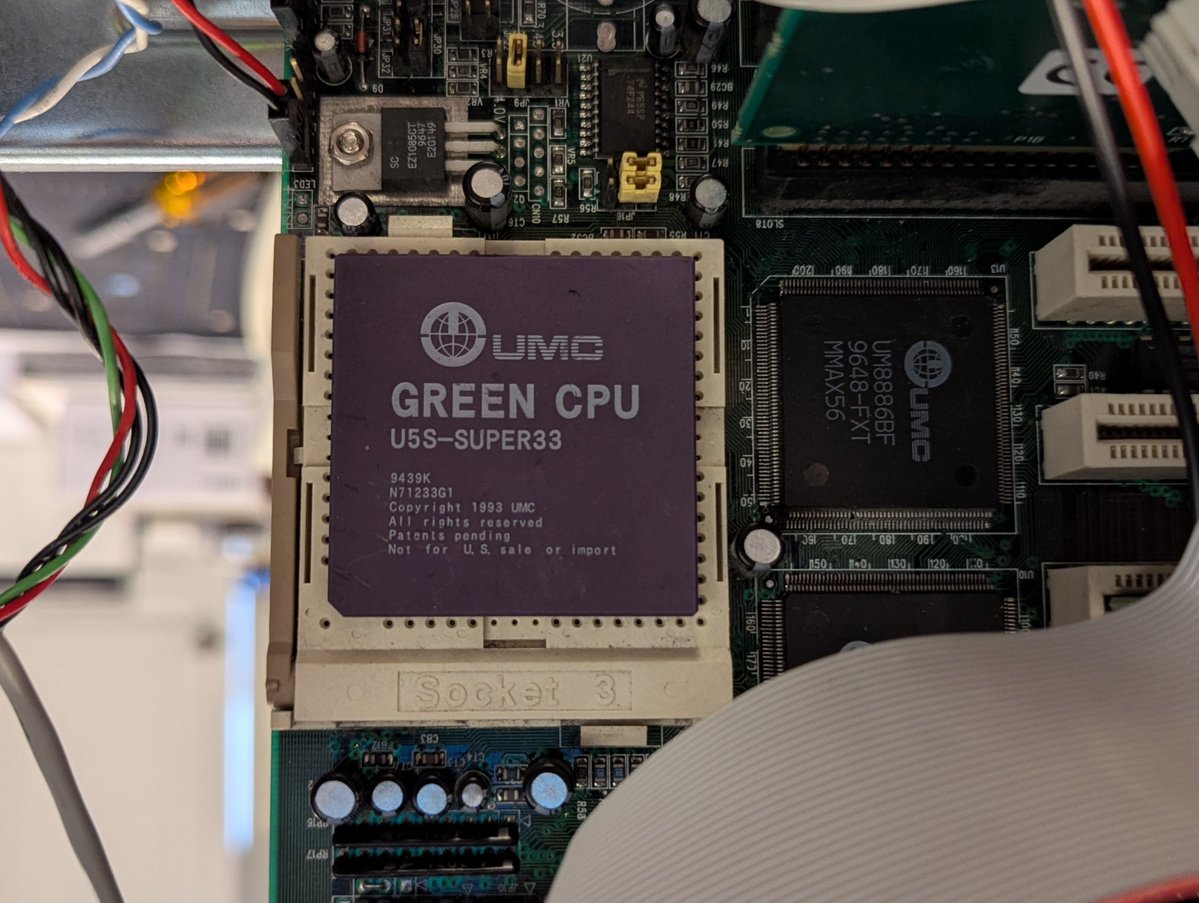
Yesterday, I talked about a few systems I had that were not Intel/AMD/Cyrix based. Well, here's another one: my Gateway 2000 tower has a UMC processor in it! I haven't powered it on in a hot minute, so let's talk about it briefly in a 🧵 here!
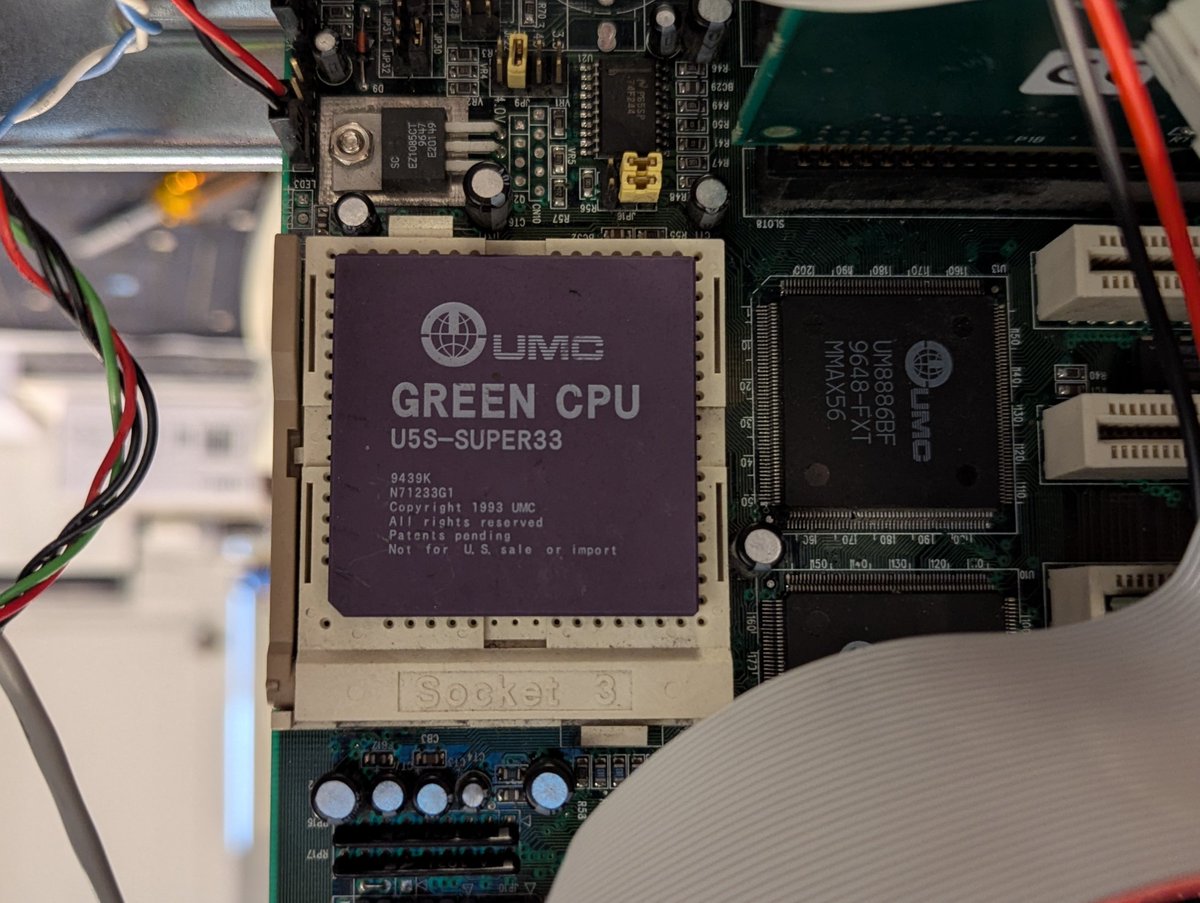
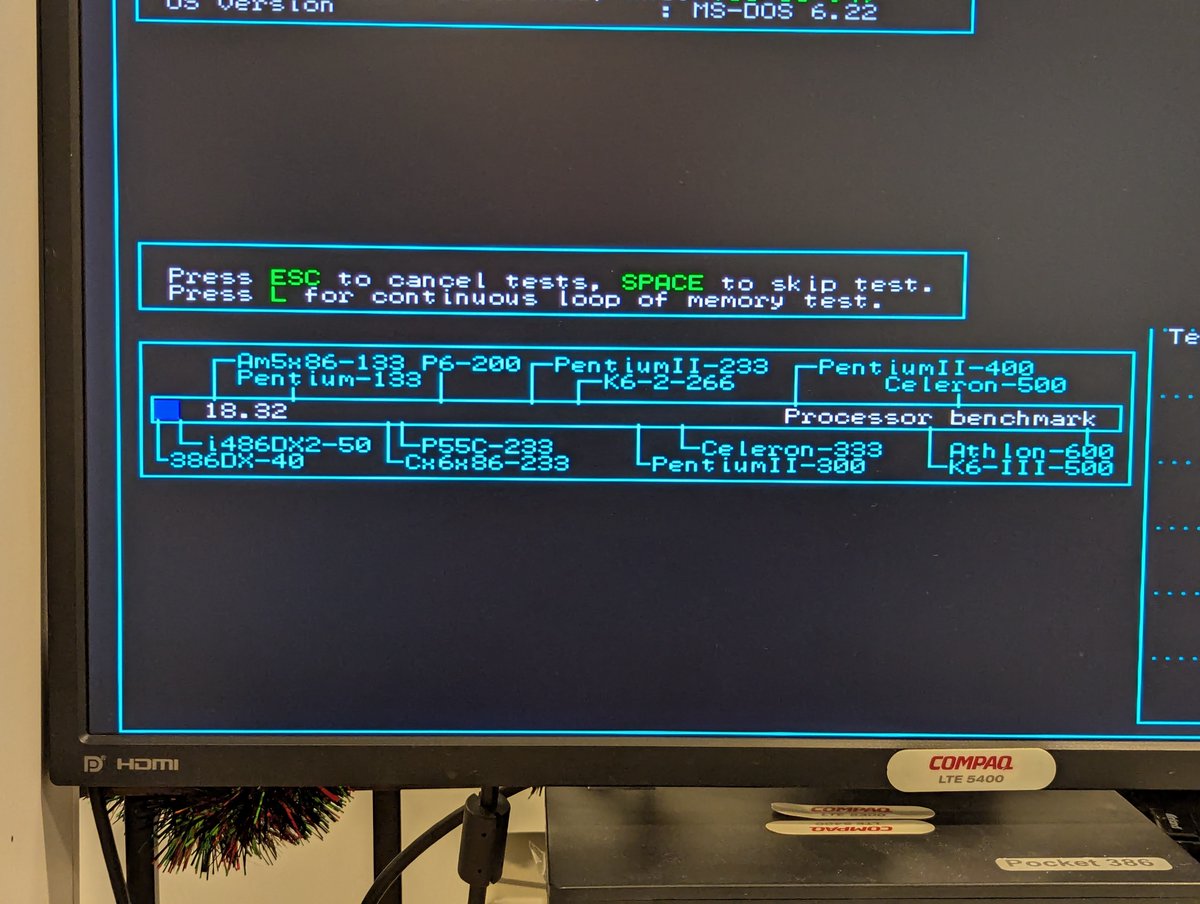
As we saw from the intro photo, this system has a UMC Green CPU US5-SUPER33 in it. And, indeed, it is super! It's almost as fast as a 486 DX2/50! These CPUs were subject to a legal dispute, and thus were not sold in the USA
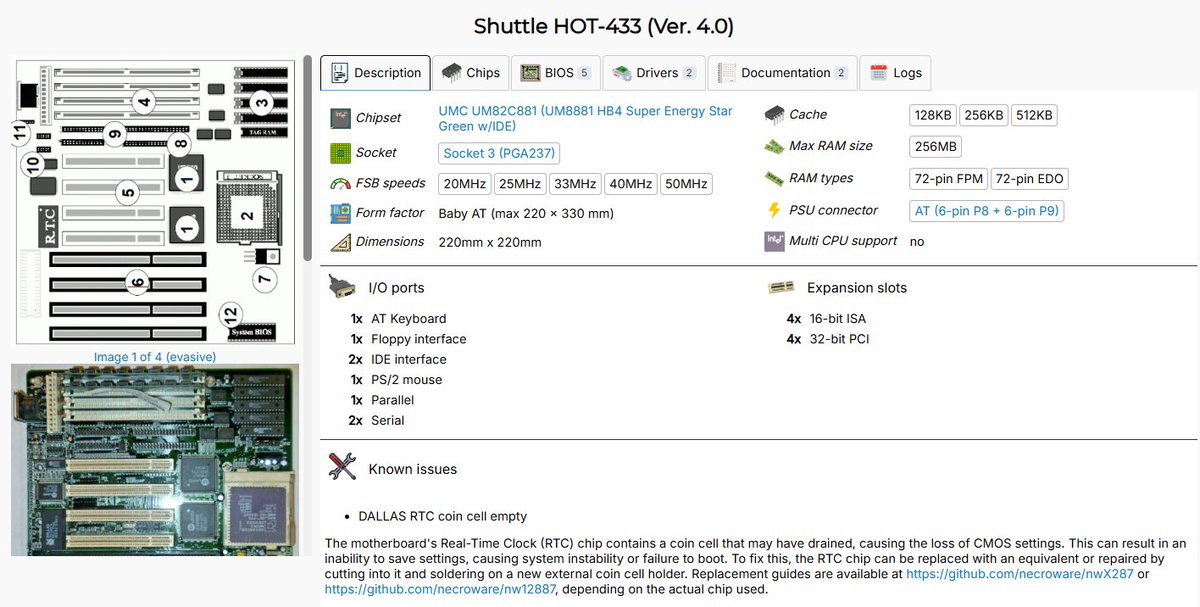
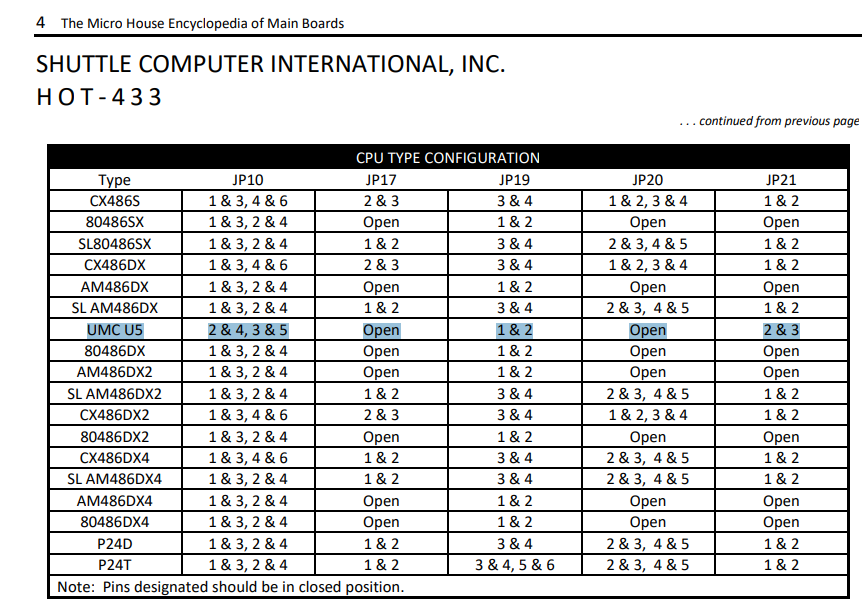
On power up, we can see that this processor is detected as a U486SX by AMI BIOS. Not all motherboards supported this CPU. But my Shuttle-HOT-433 board does!