1/
Do you know where the last phone call Epstein had in prison came from before he was found dead in his cell? The call was from Belarus. I may even know the exact address from which the call was made.
Do you know where the last phone call Epstein had in prison came from before he was found dead in his cell? The call was from Belarus. I may even know the exact address from which the call was made.
2/
At the moment, this is exclusive information. Unfortunately, there are no independent journalists left in Belarus who could investigate this matter more deeply on the ground. But perhaps someone, using OSINT tools, will be able to uncover more.
At the moment, this is exclusive information. Unfortunately, there are no independent journalists left in Belarus who could investigate this matter more deeply on the ground. But perhaps someone, using OSINT tools, will be able to uncover more.
3/
The importance of Karina Shulyak in Epstein’s life—beyond the fact that she was the person he had his last conversation with—is evidenced by the fact that he planned to leave her 50 million dollars, ten times more than he intended for Ghislaine Maxwell.
The importance of Karina Shulyak in Epstein’s life—beyond the fact that she was the person he had his last conversation with—is evidenced by the fact that he planned to leave her 50 million dollars, ten times more than he intended for Ghislaine Maxwell.
4/
As well as a 32.73-carat diamond ring. Regarding this ring, Epstein wrote that he had given it “with the intention of marriage.”
As well as a 32.73-carat diamond ring. Regarding this ring, Epstein wrote that he had given it “with the intention of marriage.”
5/
Moreover, in his will and trust documents, he expressed his intention to transfer to her his real estate portfolio, including the Zorro Ranch, an apartment in Paris, a mansion in Palm Beach, and even the infamous Little Saint James Island.
Moreover, in his will and trust documents, he expressed his intention to transfer to her his real estate portfolio, including the Zorro Ranch, an apartment in Paris, a mansion in Palm Beach, and even the infamous Little Saint James Island.
6/
Epstein visited Belarus several times and sent money to Karina’s parents
Karina Shulyak was a key link in Epstein’s Eastern European / post-Soviet network. It was she who handled the girls who were later used to establish contacts or to blackmail members of the American elite
Epstein visited Belarus several times and sent money to Karina’s parents
Karina Shulyak was a key link in Epstein’s Eastern European / post-Soviet network. It was she who handled the girls who were later used to establish contacts or to blackmail members of the American elite
7/
Documents indicate that Shulyak was one of nine employees of Southern Trust—a company used as a channel for making payments to foreign women and for managing the logistics of the Epstein Enterprise.
Documents indicate that Shulyak was one of nine employees of Southern Trust—a company used as a channel for making payments to foreign women and for managing the logistics of the Epstein Enterprise.
8/
Connected to this same network was a certain Sergey Belyakov, a man who made a staggering career in Russia: almost immediately after graduating from the FSB Academy in the late 1990s, he became a deputy minister of economic development,
Connected to this same network was a certain Sergey Belyakov, a man who made a staggering career in Russia: almost immediately after graduating from the FSB Academy in the late 1990s, he became a deputy minister of economic development,
9/
and later one of the organizers of the St. Petersburg International Economic Forum, often called “Putin’s Davos.” He later held a senior position at OZON.
and later one of the organizers of the St. Petersburg International Economic Forum, often called “Putin’s Davos.” He later held a senior position at OZON.
10/
This Belyakov used Epstein as a bridge to look for ways to circumvent U.S. sanctions, including through cryptocurrency, after the annexation of Crimea. He also handled problems that arose involving Russian girls.
This Belyakov used Epstein as a bridge to look for ways to circumvent U.S. sanctions, including through cryptocurrency, after the annexation of Crimea. He also handled problems that arose involving Russian girls.
11/
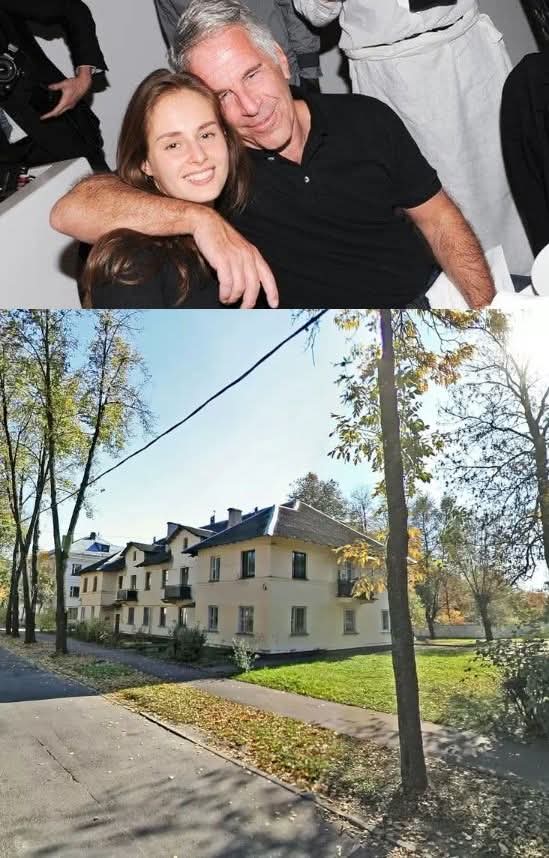
So, I have established the exact address where Karina Shulyak’s parents lived or may still live, and where she herself lived: Minsk, Korytskogo Street, building 8, apartment 5.
So, I have established the exact address where Karina Shulyak’s parents lived or may still live, and where she herself lived: Minsk, Korytskogo Street, building 8, apartment 5.
12/
If by any chance you live or have lived in this building, please get in touch. The probability is not very high, since it is a two-story Stalin-era building with only eight apartments, but still—just in case.
If by any chance you live or have lived in this building, please get in touch. The probability is not very high, since it is a two-story Stalin-era building with only eight apartments, but still—just in case.
13/
In Belarus, there are at least two high-ranking officials in the security services with the surname Shulyak, but the surname itself is quite common. We do not yet know Karina’s patronymic, so establishing a connection is difficult.
In Belarus, there are at least two high-ranking officials in the security services with the surname Shulyak, but the surname itself is quite common. We do not yet know Karina’s patronymic, so establishing a connection is difficult.
14/
The landline phone number is registered to T. A. Shulyak. These are rather rare initials for a man, so it is likely registered to a woman—Karina’s mother, Tetyana Andriivna Shulyak.
The landline phone number is registered to T. A. Shulyak. These are rather rare initials for a man, so it is likely registered to a woman—Karina’s mother, Tetyana Andriivna Shulyak.
15/
I found a doctor with these initials who works at a Minsk polyclinic. Interestingly, she appears on the blacklist of the portal, which collected data on individuals involved in political repression in Belarus and in supporting the war in Ukraine.luka.zone
I found a doctor with these initials who works at a Minsk polyclinic. Interestingly, she appears on the blacklist of the portal, which collected data on individuals involved in political repression in Belarus and in supporting the war in Ukraine.luka.zone
16/
The following is written about Tetyana Shulyak:
“An accomplice in crimes against the rights and freedoms of Belarusian citizens. Shulyak Tetyana Andriivna supports the Lukashenko regime and politically motivated repression.
The following is written about Tetyana Shulyak:
“An accomplice in crimes against the rights and freedoms of Belarusian citizens. Shulyak Tetyana Andriivna supports the Lukashenko regime and politically motivated repression.
17/
She facilitated the imprisonment of peaceful citizens. She refused to issue sick leave if a patient expressed opposition to the Lukashenko regime.”
She facilitated the imprisonment of peaceful citizens. She refused to issue sick leave if a patient expressed opposition to the Lukashenko regime.”
18/
Karina Shulyak received a medical education in Belarus. According to available biographical data, she graduated from the Belarusian State Medical University (BSMU) in Minsk.
Karina Shulyak received a medical education in Belarus. According to available biographical data, she graduated from the Belarusian State Medical University (BSMU) in Minsk.
19/
Therefore, the probability that T. A. Shulyak is her mother is very high.
Therefore, the probability that T. A. Shulyak is her mother is very high.
20/END
Low-apartment Stalin-era buildings were never typical housing for workers. In the 1950s, this was considered “elite” housing. They were home to the management of large factories, officials, and employees of the security age
facebook.com/share/p/1BPa55…
Low-apartment Stalin-era buildings were never typical housing for workers. In the 1950s, this was considered “elite” housing. They were home to the management of large factories, officials, and employees of the security age
facebook.com/share/p/1BPa55…
@threadreaderapp please unroll
• • •
Missing some Tweet in this thread? You can try to
force a refresh