Lorwen C Nagle, PhD Profile picture
Feb 4 9 tweets 3 min read Read on X
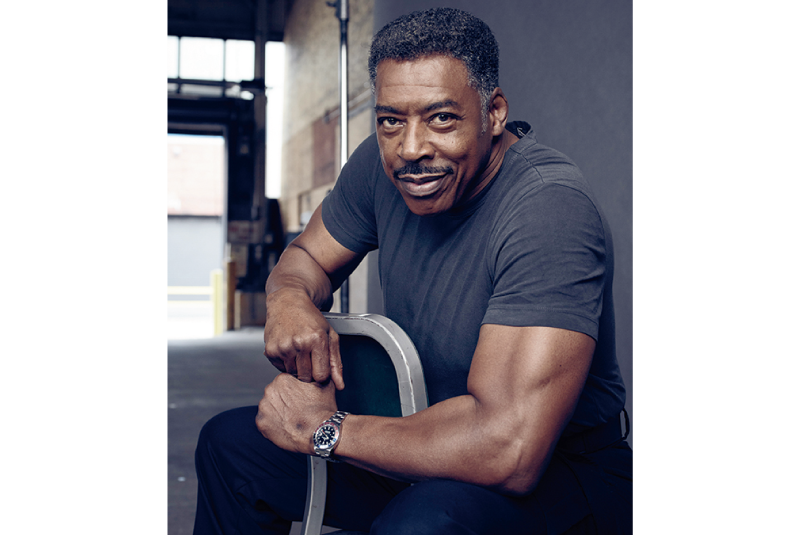
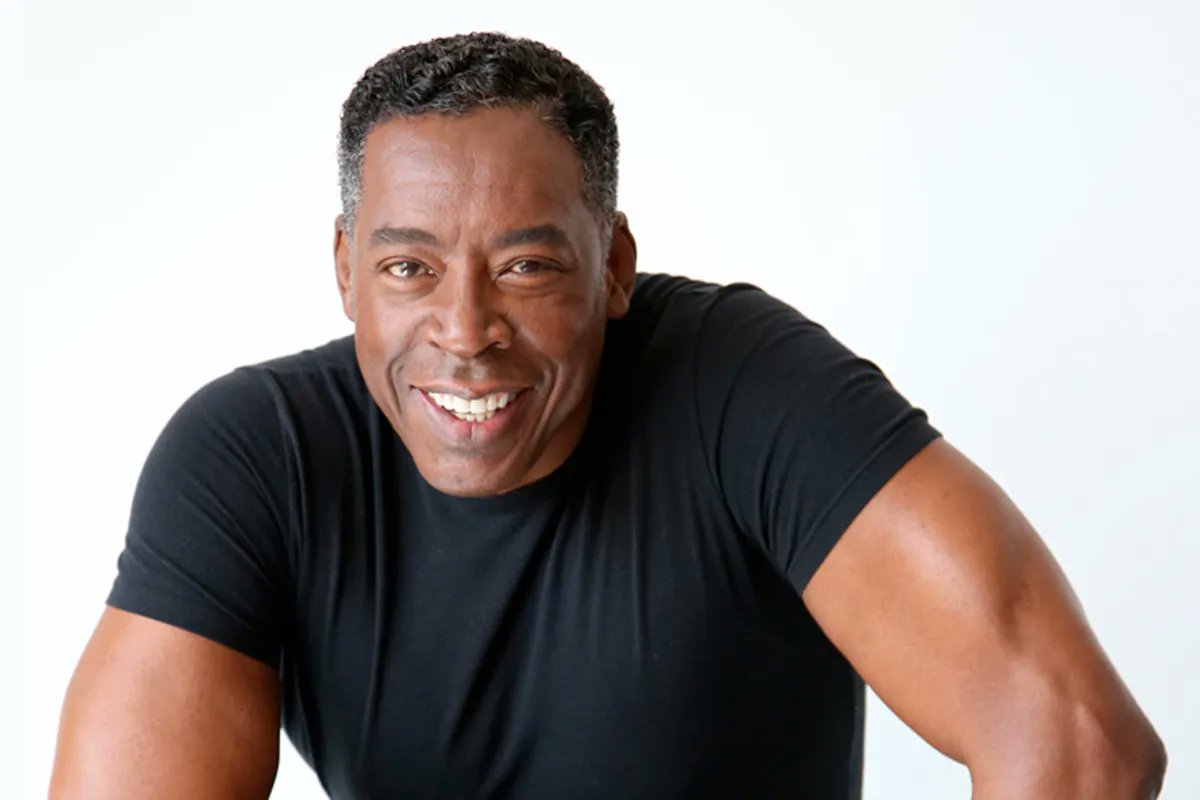
Ernie Hudson is 80 years old.

And he looks stronger than most men half his age.

His secret?

No “get shredded in 30 days"...

Just repeatable systems he’s followed for years: Image
Image
He basically treats physical fitness like mental fitness:

Small reps.
Daily repetition.
No drama.

And that’s why it lasts decades.

The lesson?
Consistency beats intensity.

A system you can run for 20 years beats a “transformation” you quit in 20 days.

Your body and mind are your responsibility.

Hudson says, "Build habits that compound."

At 30 you call it “fitness.”

At 80 you call it freedom.
Ernie Hudson’s real “secret” isn’t the push-ups.

It’s what they do to his mind:

Every set is a tiny vote for:
“I can rely on myself.”

That’s the opposite of anxiety.
His mental health hack is micro-wins.

When you keep promises to your body (even small ones), you stop negotiating with your mood.

Confidence becomes earned, not imagined.
Most people try to “get motivated.”

Hudson builds inevitability:

So easy you can’t talk yourself out of it.

So consistent your brain stops debating.

That’s nervous system safety.
He doesn’t train to punish stress.

He trains to discharge it.

A few minutes of strain + breath turns agitation into groundedness.

Your body becomes the off-switch.
The deepest part:

Daily movement gives you psychological posture.

1. You walk differently.
2. Speak differently.
3. Handle conflict differently.

Not because life got easier—

Because your system got stronger.
Here's the hard truth:

Knowing your blueprint is powerful.

But rewiring it alone is like performing surgery on yourself.

You need someone who understands both the neuroscience AND the somatic healing process.

If you want to understand your cognitive style and need a guide, book a discovery call with me.
calendly.com/lorwen_consult…Image

• • •

Missing some Tweet in this thread? You can try to force a refresh

 

Keep Current with Lorwen C Nagle, PhD

Lorwen C Nagle, PhD Profile picture

Stay in touch and get notified when new unrolls are available from this author!

Read all threads

This Thread may be Removed Anytime!

PDF

Twitter may remove this content at anytime! Save it as PDF for later use!

Try unrolling a thread yourself!

how to unroll video
  1. Follow @ThreadReaderApp to mention us!

  2. From a Twitter thread mention us with a keyword "unroll"
@threadreaderapp unroll

Practice here first or read more on our help page!

More from @LORWEN108

Feb 3
Anxiety isn’t overthinking.

It’s your brain reacting to uncertainty...
and your soul reaching for freedom.

I condensed Kierkegaard into 4 moves. Use this when anxiety spikes.🧵
At 21, Kierkegaard watched his 5th sibling die.

By 30, he was engaged, famous, and set for a conventional life—

Then he detonated it.
He broke off the engagement.

Rejected the “safe path.”

And wrote the line that explains modern anxiety better than most therapists:

“Anxiety is the dizziness of freedom.”
Read 13 tweets
Feb 1
David Sinclair is a longevity expert.

But his most underrated “longevity protocol” isn’t supplements.

It’s how he keeps anxiety low in a high-pressure life.

Here's Sinclair's 6-rule system. (you don't want to miss this) 🧵 Image
Image
1. Choose stressors that make you stronger.

Stop lumping all “stress” together.

There are 2 kinds:

1. Biological stress (hormesis) that builds resilience.

2. Psychological stress that grinds you down.

They shouldn’t even share the same word.
2. Schedule “quiet time” like it’s medicine.

Not “vibe” time.
A calendar rule.

Book quiet time daily—so problems don’t hijack your nervous system.
Read 14 tweets
Jan 31
Most people aren’t “burned out.”

They’re stuck in always-on stress.

Here are 7 ways to switch it off (without meds) 🧵

1. Stop putting your brain in scatterbrain mode. Image
When your attention is constantly yanked around, your body stays keyed up.
Even “rest” doesn’t feel restful.

Try this:
Check social 2x/day + 30 minutes phone-free quiet or device-free walking.
2. Get morning light—especially in winter.

Morning light sets your body clock, which stabilizes mood and sleep.

Try this:
10–20 minutes outside early (no sunglasses if you can).
Read 11 tweets
Jan 28
5 personality traits that predict how you handle stress.

Find yours in 30 seconds (and how to work with it) 🧵 Image
Image
First: the Big 5 are not “labels.”

They’re your nervous system’s default strategy.

When you're aware of your default strategy, you can build on it and let it empower you. Image
Let's dive in...

1. High Neuroticism = The Threat Sensor

When you're high on neuroticism, you feel everything early, before others. You're very sensitive.

The signs of Neuroticism are:

→ overthinking
→ health worries
→ tension & rumination
→ The inner feeling: “I can’t turn this off.”

Quick fixes:

Regulate first, analyze second.
One sure-fire way to regulate is to walk outdoors without devices.
You want to downshift your alarm system. Walking is primo.
Read 10 tweets
Jan 24
High-functioning anxiety isn’t overthinking.

It’s a nervous system that won’t shut off.

Here are 7 ways to shut it down today (for real) 🧵

1. Stop treating your thoughts like truth.
1. Thoughts aren’t facts. They’re weather.

An anxious mind doesn’t “think.”

It scans like a radar system.

1. It predicts.
2. It rehearses.
3. It builds catastrophes.

So your next move is this:

Set a timer, "chimes", that ring random times of the day.
Check in with your body.

This helps you notice if you're calm or in the fight-or-flight response.
2. Put worry in its place. (Yes, schedule it.)

High performers don’t “worry less.”

They worry all day while pretending they’re fine.

Try this:

→ 15 minutes of structured worry time.
→ When the timer ends, stop worrying.

You interrupt the unconscious worry loop.

And your day stops becoming one long internal emergency.
Read 12 tweets
Jan 22
High performers don’t fail at psychotherapy.

Psychotherapy fails them.

Here’s why (7 reasons) and what actually works...🧵 Image
Image
1/ High-achievers learned to survive, not feel.

As children, we learn what brings success.

• Being impressive
• Being useful
• Being controlled

These personality performances work and we double down on them.
They kept us safe and allowed us to thrive.

Yet, later in life, we outgrow these performances.

But we don't know how to act any other way.
2/ Overthinking became their main coping strategy.

When feelings feel dangerous, your analytical mind takes over.

You begin ruminating and overthinking a decision.
You try to optimize the outcome by reviewing all potential outcomes.
You reframe the future over and over again endlessly.
It's exhausting.

But emotions don’t respond to logic.
They respond to felt experiences. Whole-body experiences.
Read 11 tweets

Did Thread Reader help you today?

Support us! We are indie developers!


This site is made by just two indie developers on a laptop doing marketing, support and development! Read more about the story.

Become a Premium Member ($3/month or $30/year) and get exclusive features!

Become Premium

Don't want to be a Premium member but still want to support us?

Make a small donation by buying us coffee ($5) or help with server cost ($10)

Donate via Paypal

Or Donate anonymously using crypto!

Ethereum

0xfe58350B80634f60Fa6Dc149a72b4DFbc17D341E copy

Bitcoin

3ATGMxNzCUFzxpMCHL5sWSt4DVtS8UqXpi copy

Thank you for your support!

Follow Us!

:(