🧵What if our history was never a myth, just waiting to be unearthed?
For decades, India’s ancient epics were mocked as “Kapol Kalpana”, disconnected from reality. Chariots flying across battlefields? Women warriors wielding swords?
“Pure imagination,” critics said.
Then 2018 happened.
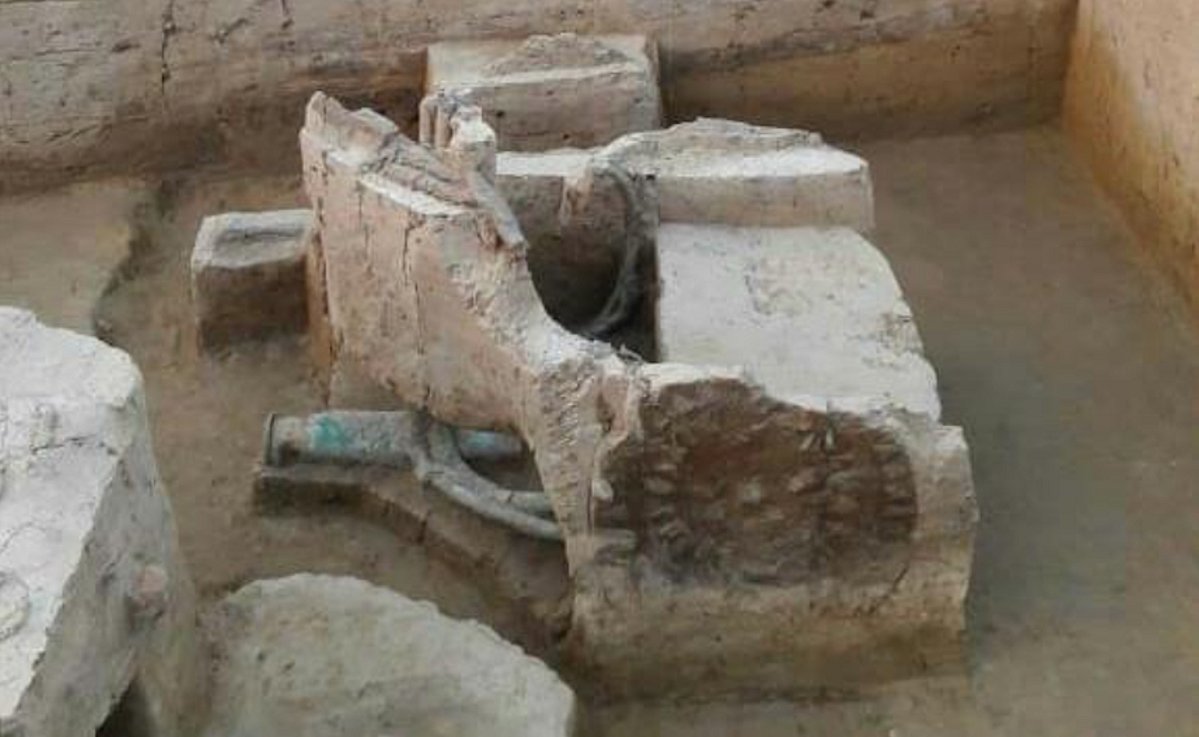
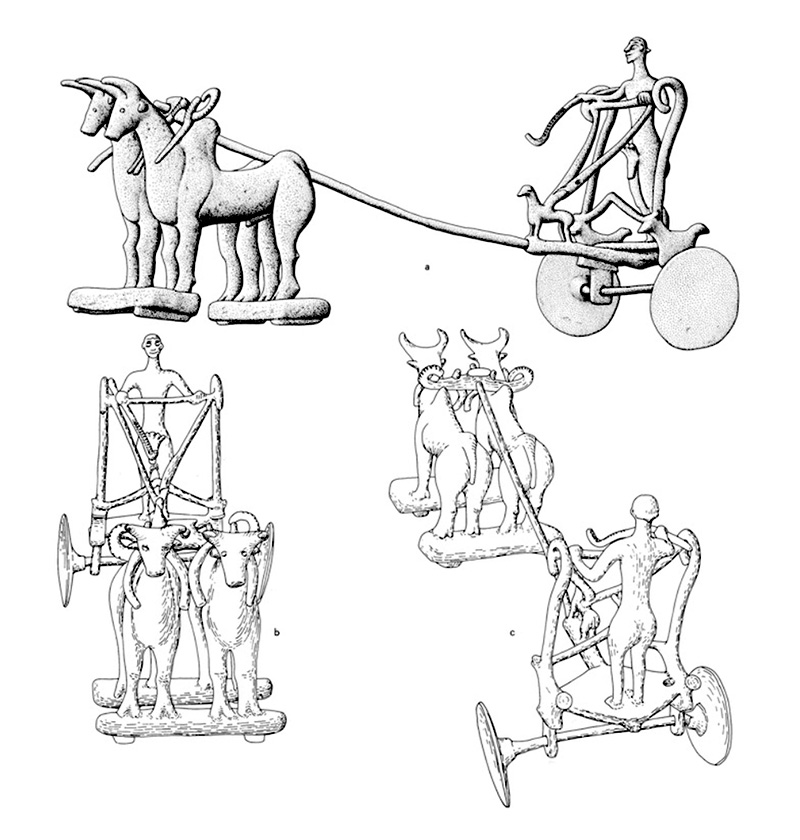
In texts like the Ramayana, Mahabharata, and the Puranas, the Rath (chariot) is everywhere - war, travel, royalty, strategy.
But from the 1920s onward, excavations across India found no physical chariots.
So historians concluded:
“No evidence = no chariots = mythology.”
India’s civilizational memory was quietly dismissed.
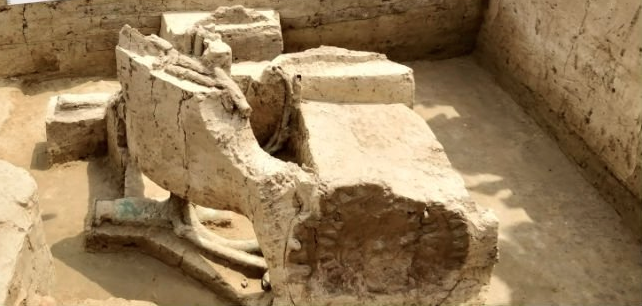
2018: Sanauli Changes Everything
Sanauli, a small village in western Uttar Pradesh, delivered the missing link.
Three full-sized chariots
Made of copper and wood
Dated to nearly 4,000 years ago
The same chariots described in our epics now stood in copper and timber, undeniable.
The narrative that “ancient India never had chariots” collapsed overnight.
The Even Bigger Shock: Women Warriors
But Sanauli wasn’t done rewriting history.
Female burials were found, with weapons.
Among them was the remarkable Copper Antenna Sword, popularly called “Shrangi ki Talwar.”
This sword was buried with women.
4,000 Years Ago, Indian Women Fought Wars.
This discovery directly challenges the long-held Western narrative that:
Ancient Indian society was regressive
Women were excluded from power and warfare
Sanauli tells a different story:
Women trained for combat
Women went to battle
Women stood shoulder to shoulder with men
Equality was not a modern import.
It was a lived reality.
🔥 What Sanauli Really Proves
Ancient India mastered metallurgy
Built chariots before many civilizations
Recognized women as warriors, not spectators
Preserved history through oral epics that remembered accurately
The epics didn’t exaggerate history. They preserved it.
Archaeology didn’t create new history in Sanauli.
It simply caught up with what India had been saying for thousands of years. The real myth was believing our ancestors were incapable.
Share this if you believe Indian history deserves to be proud of.
• • •
Missing some Tweet in this thread? You can try to
force a refresh

🧵In the hills of Hatimura lies not a temple, but the untold saga of strength, resistance, and Divine 🌿⛰️
⚠️ Pause. Breathe. Read till the end.
What you’re about to discover is not just a temple, not just a carving in stone, but a living memory of our civilization hidden in the folds of Assam. A story where the river, the hills, and the goddess herself stand as silent witnesses to centuries of devotion, power, and resistance.
The Forgotten Rock of the Goddess
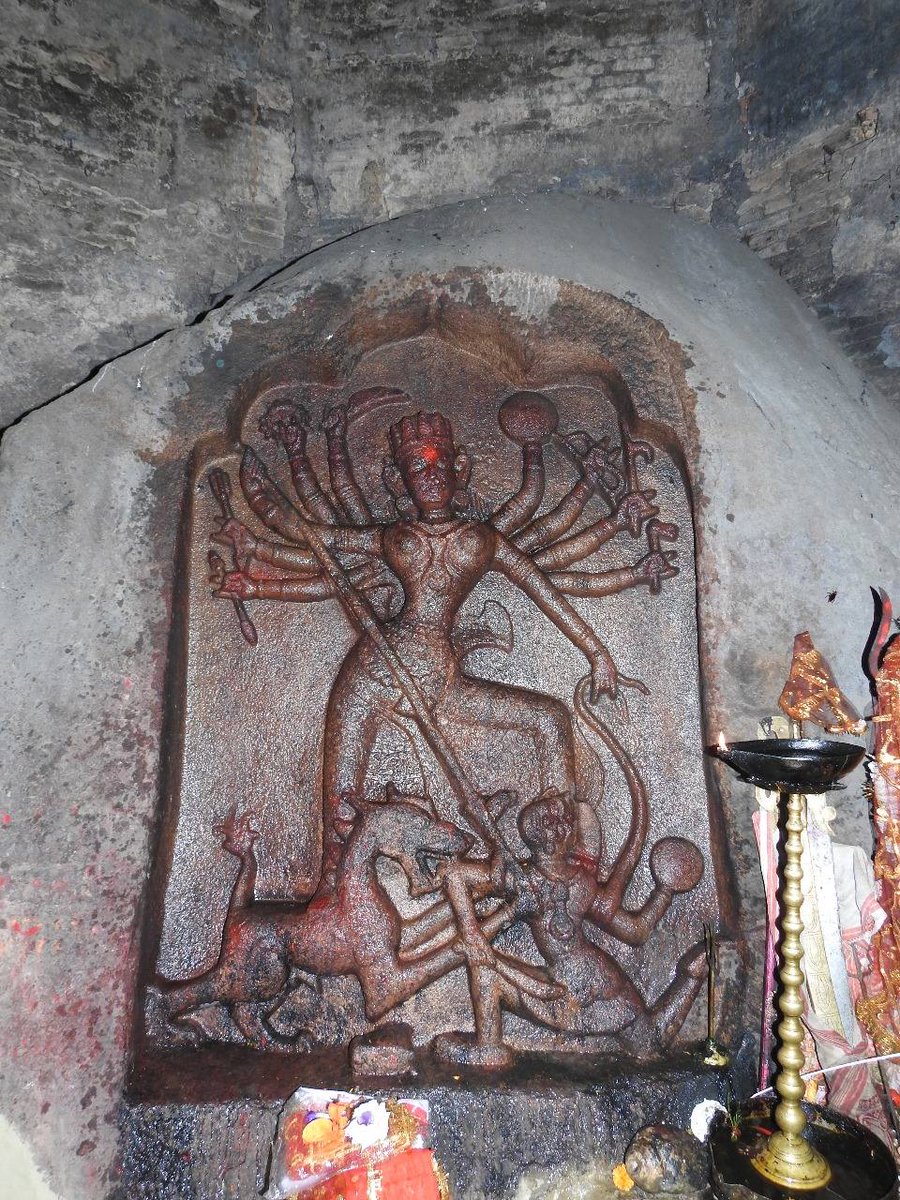
On the southern bank of the Brahmaputra River, near the town of Jakhalabandha in Assam’s Nagaon district, stands a lonely hill called Hatimura. Its name, “Hati” (elephant) and “Mura” (head) comes from legends of elephant-shaped rocks once found here. But what gives this hill its true sanctity is not its shape, but what lies carved into its very heart:
A colossal image of Maa Durga, sculpted directly into the rock face, fierce and eternal.
Unlike ordinary idols placed inside temples, the Devi here is the hill itself. Her image rises out of the living mountain, as if Mother Earth herself wanted to reveal her form to her children. Local villagers say, “Hatimura is not man-made. It is Devi’s own will.”
🧵Shah-i-Hamadan and the Forced Transformation of Kashmir
Read this till the end, for this is not just history; it is the story of how an entire civilization in Kashmir was shackled, humiliated, and slowly suffocated. A story buried under lies of "Sufi peace," a story every Hindu must know.
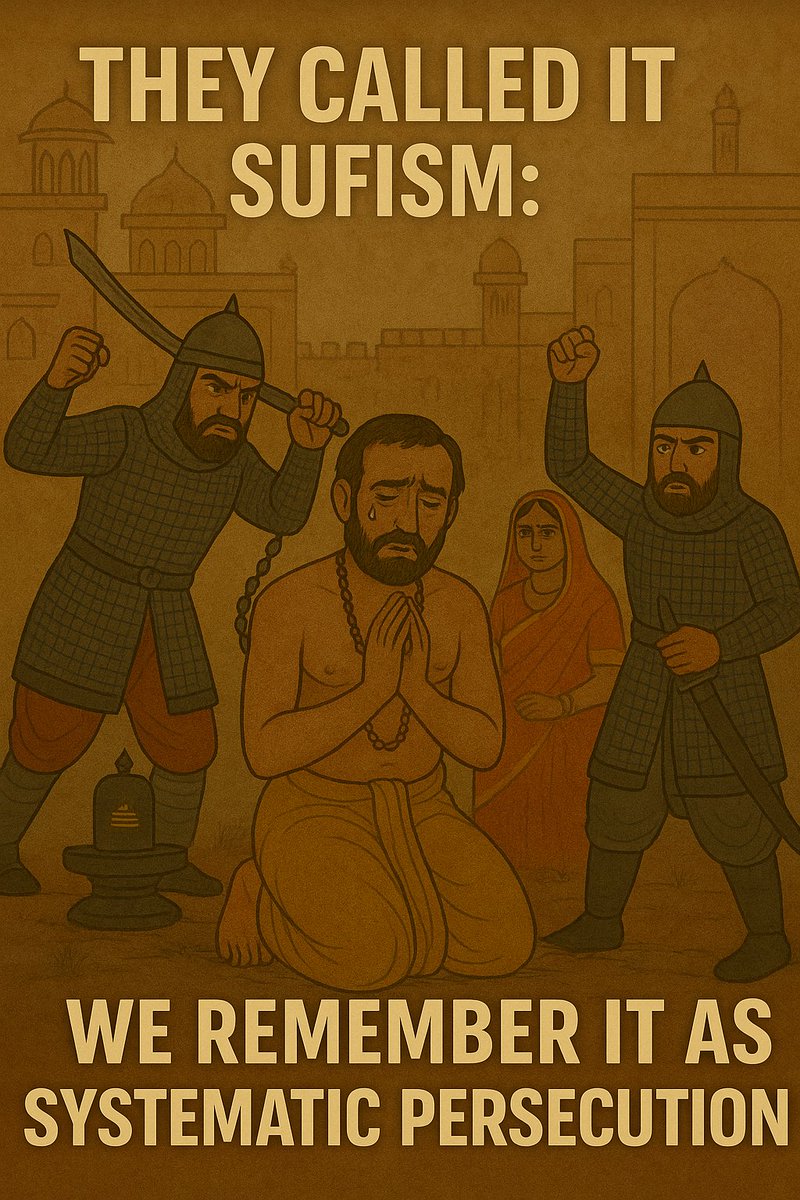
For generations, we have been told that Sufis came to India as saints of love, harmony, and spiritual inclusiveness. Their shrines are celebrated, their poetry is quoted, and their names are glorified in popular narratives. But beneath the soft glow of this romanticized image lies a harsher truth: many Sufis, far from being neutral mystics, were deeply political actors,active agents in religious expansion and Islamization.
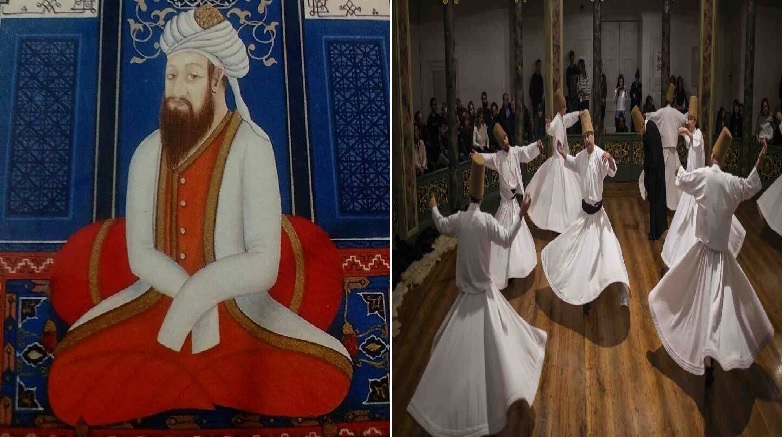
One of the most striking examples is Mir Sayyid Ali Hamadani (Shah-i-Hamadan), revered even today as a Sufi saint in Kashmir. Yet, history reveals a darker reality, he was not merely a mystic preacher but a strategist who laid down the framework of Hindu subjugation and mass conversion in Kashmir.
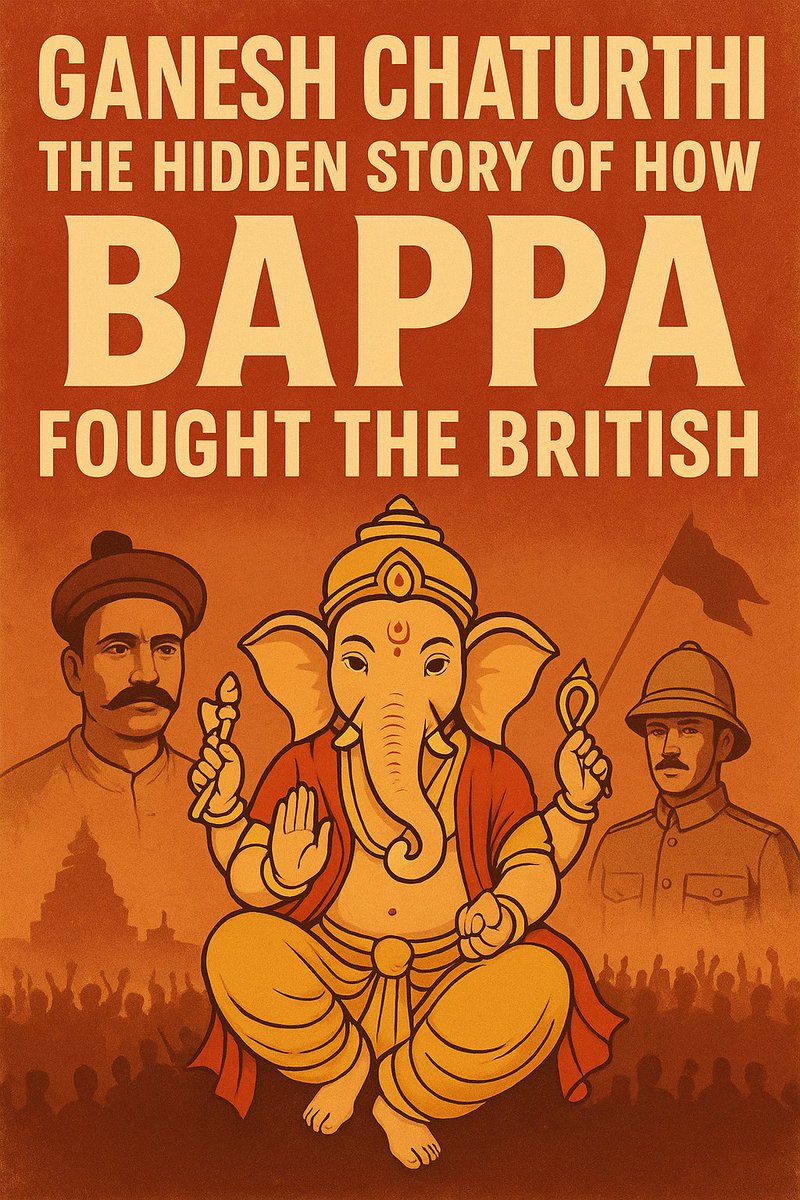
🧵 When you chant “Ganpati Bappa Morya” this year, pause for a moment. Did you know that Ganesh Utsav was once a weapon of freedom?
Yes, the same festival of modaks, aartis, and visarjan once shook the mighty British Empire. Sounds unbelievable? Stay with me till the end of this story and you’ll never look at Ganesh Chaturthi the same way again.
The Festival Before the Revolution
It is the late 1800s. Pune’s narrow lanes echo with the faint sounds of bells and mantras. Families gather around their household shrines, offering modaks to Ganesha. But outside, the streets remain silent.
Ganesh Chaturthi, back then, was a private occasion, not on bustling roads or grand stages. Devotion was personal, quiet, and confined. Little did anyone know, this quiet festival was about to explode into a national movement.
It was 1893. A storm brews in the mind of Lokmanya Bal Gangadhar Tilak. The British had choked the nation. They had banned large gatherings. They watched every meeting with suspicion. They fear Indians will unite and revolt.
But Tilak notices a loophole: religious gatherings are untouched. And among all gods, there is one who unites every Indian, from Brahmins to farmers, merchants to laborers Ganesha, the Vighnaharta, the remover of obstacles.
Tilak smiles. The plan is clear: turn devotion into revolution.
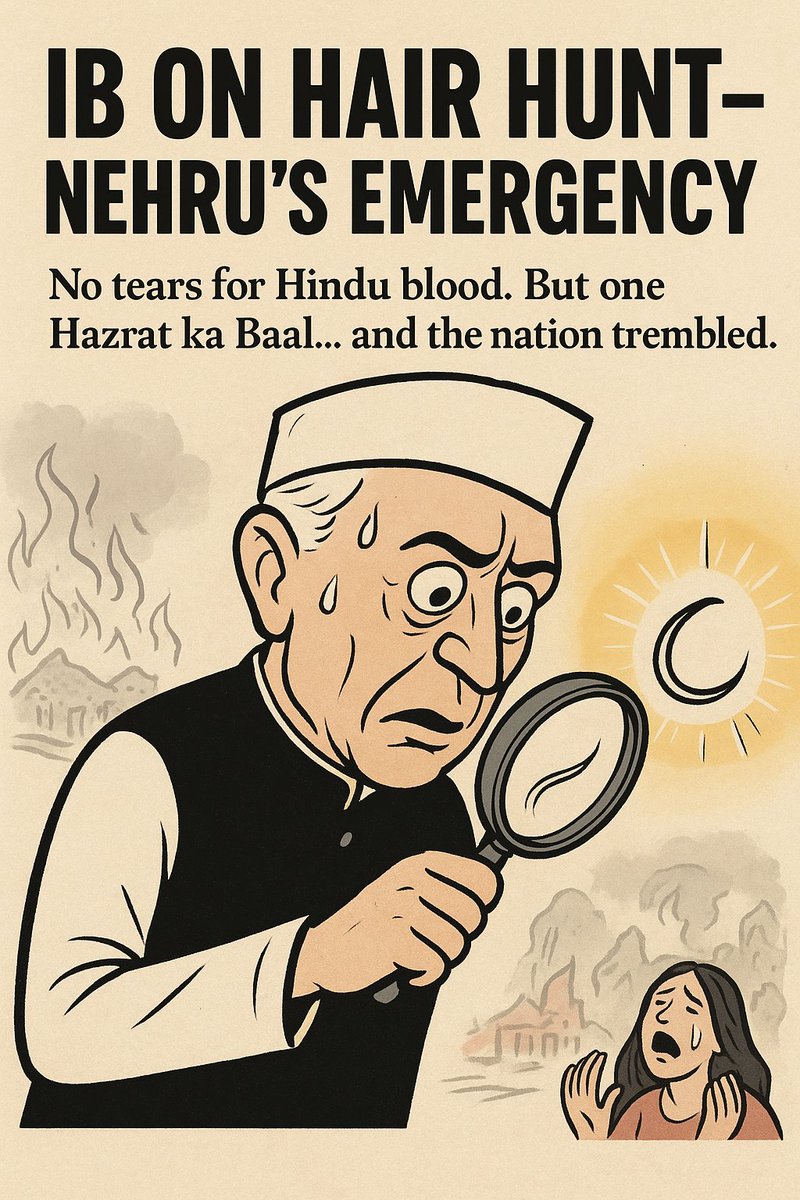
🧵 When Nehru Deployed the Entire Intelligence Bureau… to Find a Single Strand of Hair.
Sounds like a satire? No, it was Nehru’s India.
Read this story till the last, because the truth is more absurd than any joke.
When Nehru Deployed the Entire Intelligence Bureau… to Find a Single Hazrat ka Baal
It was the winter of December 1963. The Valley was silent under snow, when suddenly the cry went out, “The Moi-e-Muqqadas is gone” The sacred hair of Prophet Muhammad, preserved for centuries in the Hazratbal shrine of Srinagar, had vanished.
The reaction was instant. Mosques wailed with sorrow, men and women poured onto the streets, shutters came crashing down.
And in Delhi, Jawaharlal Nehru nearly collapsed too. The “secular” statesman, who never let his heart flutter when Hindus were slaughtered in Bengal, when trains full of mutilated corpses arrived from Pakistan, suddenly found himself weak, pale, and shaken for a single strand of hair.
⚠️Some stories aren’t told, they’re felt.
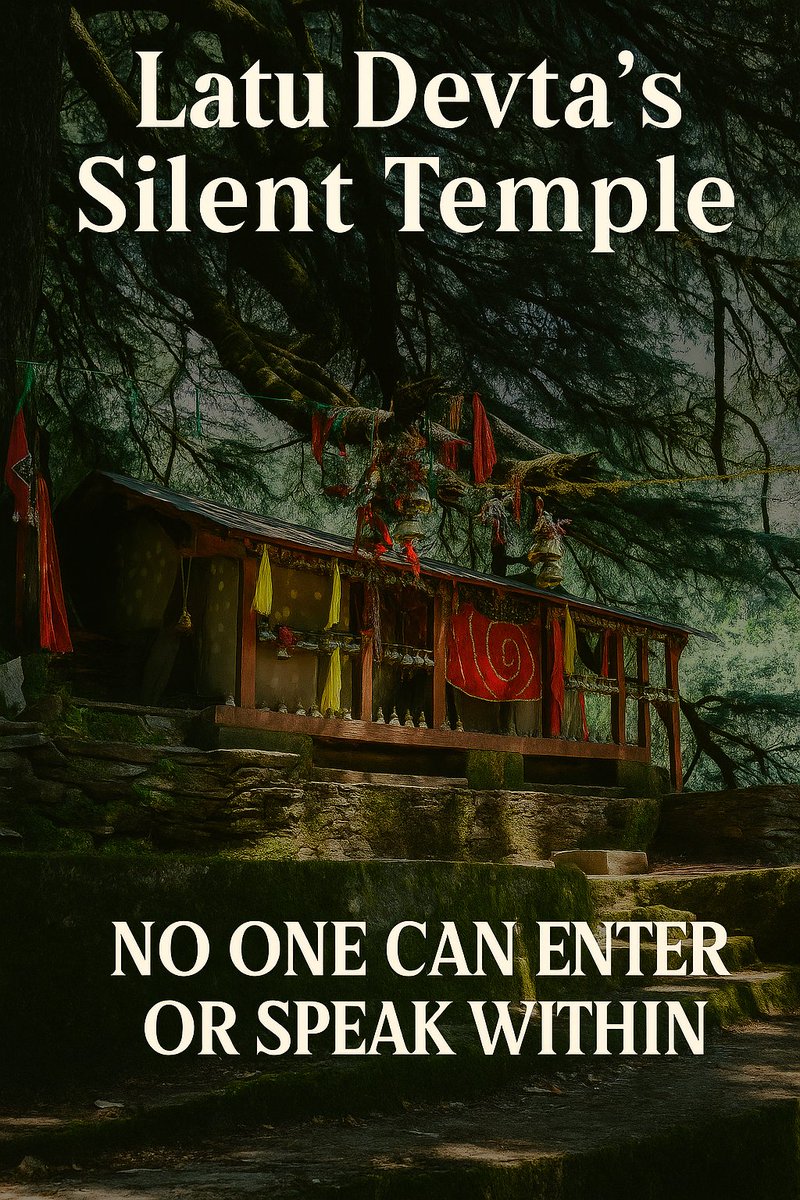
In the Himalayas stands a temple so sacred that no one dares step inside, where even the priest prays blindfolded. What mystery lies behind those locked doors? What faith breathes in silence?
🧵Read till the last line, because this legend will leave you with more questions than answers.
Lean in close and listen carefully…
Between the whispering pines and misty hills of Chamoli lies a sanctuary of silence so powerful, not even the keeper of the flame may see its light. What you’re about to read is more than a story, it’s a living legend.
Read on, because once you cross these sacred threshold lines, you’ll never hear silence the same way again.
Echoes of a Silent Shrine
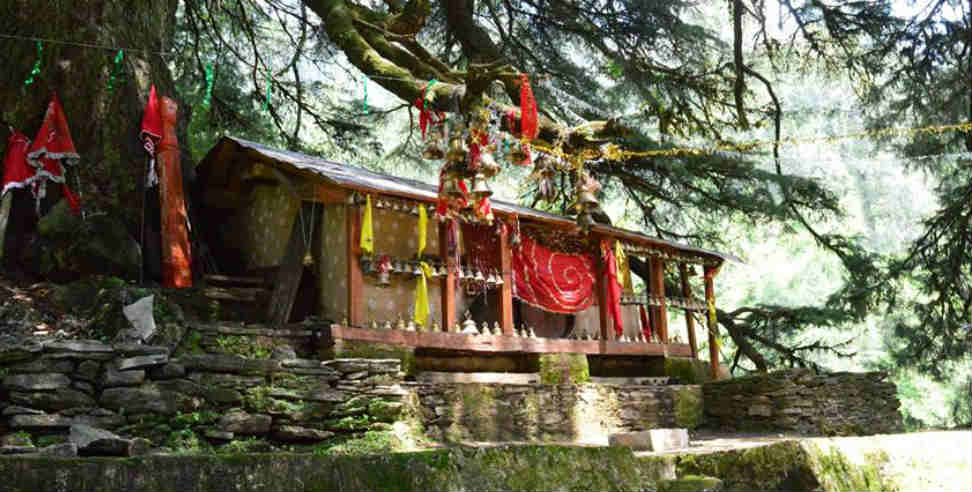
High above the valley floor, in the remote village of Wan in Chamoli district, stands a temple unlike any other in India: the Latu Devta Temple. Here, no devotee, neither man nor woman may step inside. All worshippers stand back at least 75 feet, voicing their prayers from that respectful distance.
⚠️ Read This With Caution
What you’re about to enter is not just another story about a temple; it is a journey into a place where caves breathe secrets and where reality itself blurs with the unseen.
🧵Read till the very end, because only then will you understand why Kamakhya is not just a temple but a living riddle of the Goddess herself.
The Tantric Capital of India: Secrets of the Hidden Kamakhya Caves
In the shadows of Nilachal Hill, where the Brahmaputra hums with ancient chants, stands a temple older than memory. A place where the Maa is not worshipped as an idol, but as energy itself and where, beneath the stone steps, a labyrinth of secret caves hides the untold history of Tantra…
Where the Goddess Breathes
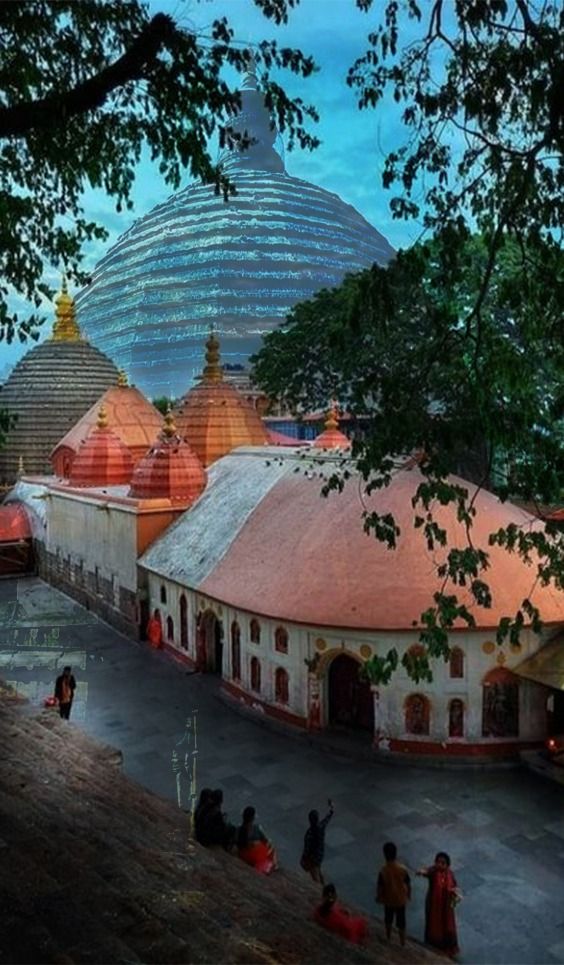
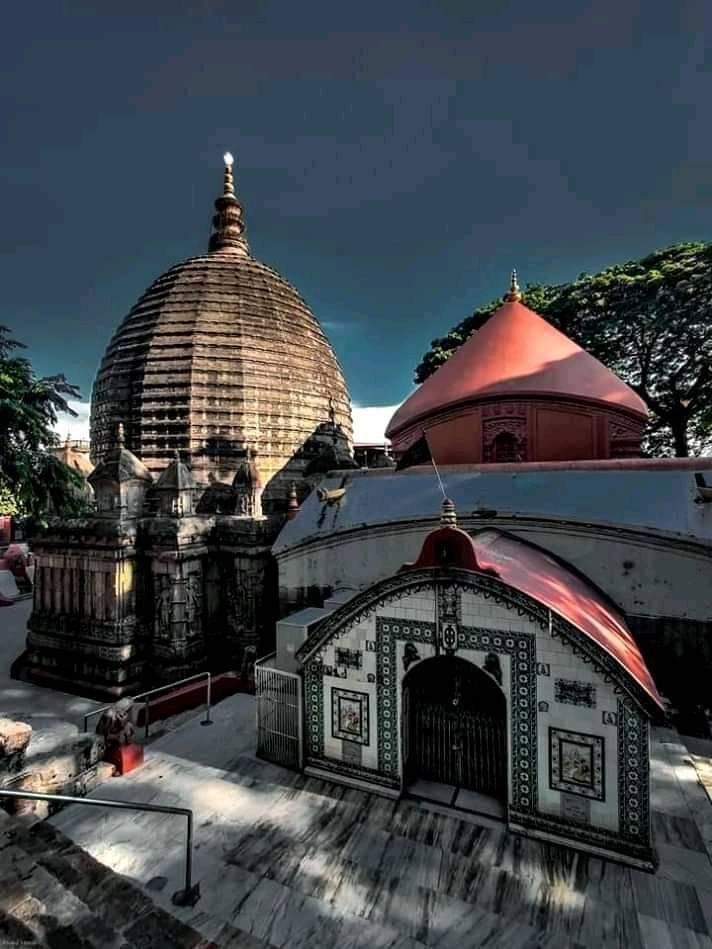
Far from the chaos of modern Guwahati, atop the quiet Nilachal Hill, rests the Kamakhya Temple one of the most revered Shakti Peethas in the world.
At its heart lies the “Yoni Peetha”, a sacred stone, constantly bathed by a natural underground spring. To the faithful, this represents Maa Kamakhya’s womb, the source of creation, fertility, and divine feminine power. But what makes this temple unlike any other is what lies beneath it…