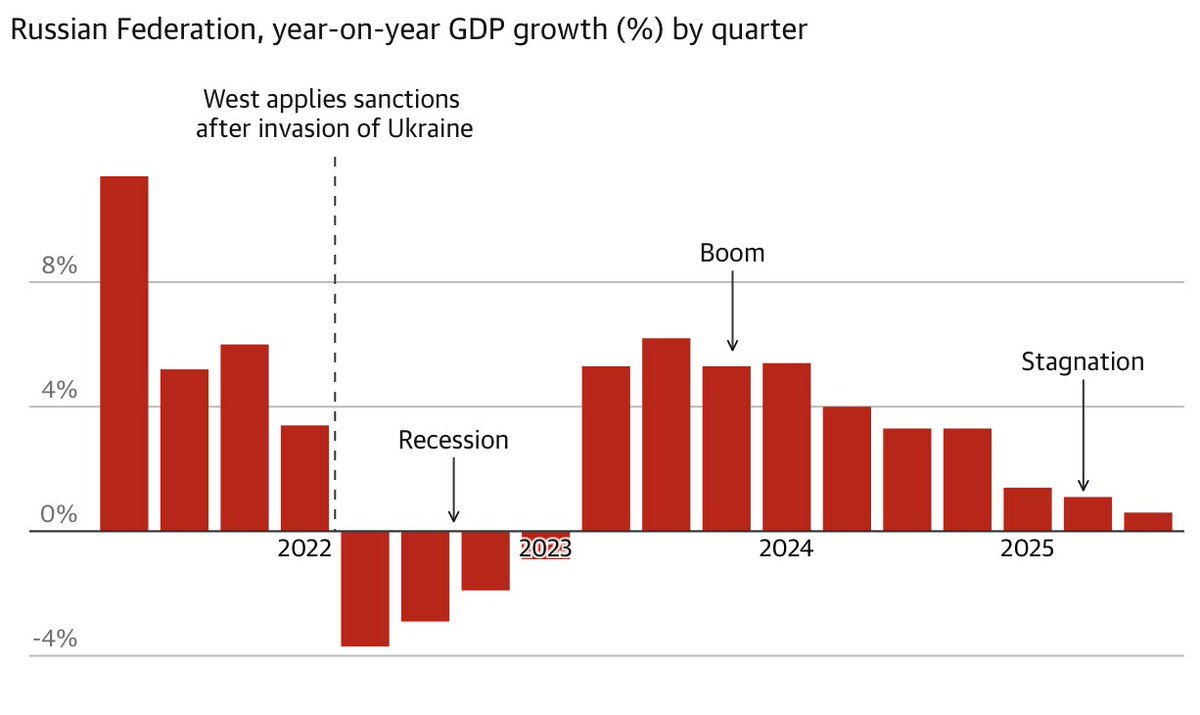
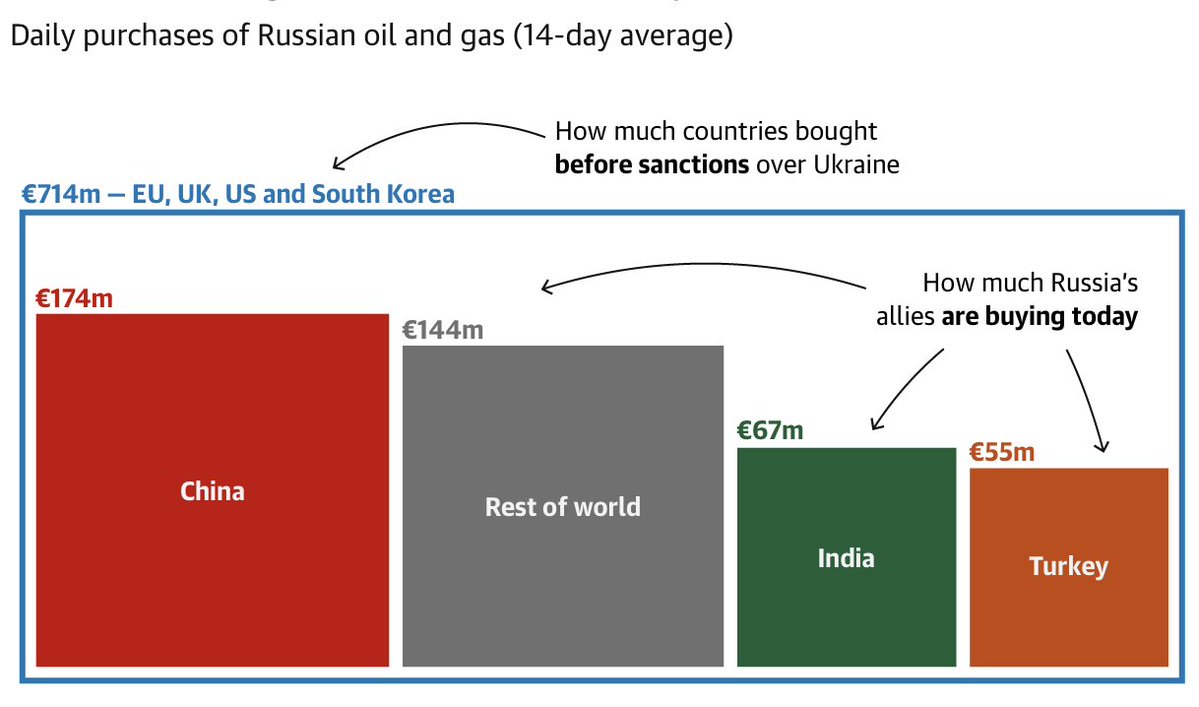
In 2026, GDP growth fell below 1% after oil revenues dropped, taxes rose, and labor shortages intensified. Russia can finance the war in 2026-27 through higher taxes, money printing, asset sales, and nationalization — The Guardian. 1/
Oil revenues fell. Fossil fuels funded 40% of Russia’s federal budget in 2022.
By 2025, the share dropped to 25%. Ural oil prices fell from $90 per barrel in early 2022 to $50 by late 2025. 2/
Defense spending has increased since 2021. Funding for welfare, infrastructure, education, and healthcare declined.
To compensate, Russia raised corporate tax, expanded income tax bands, and increased VAT to 22% in 2026. 3/
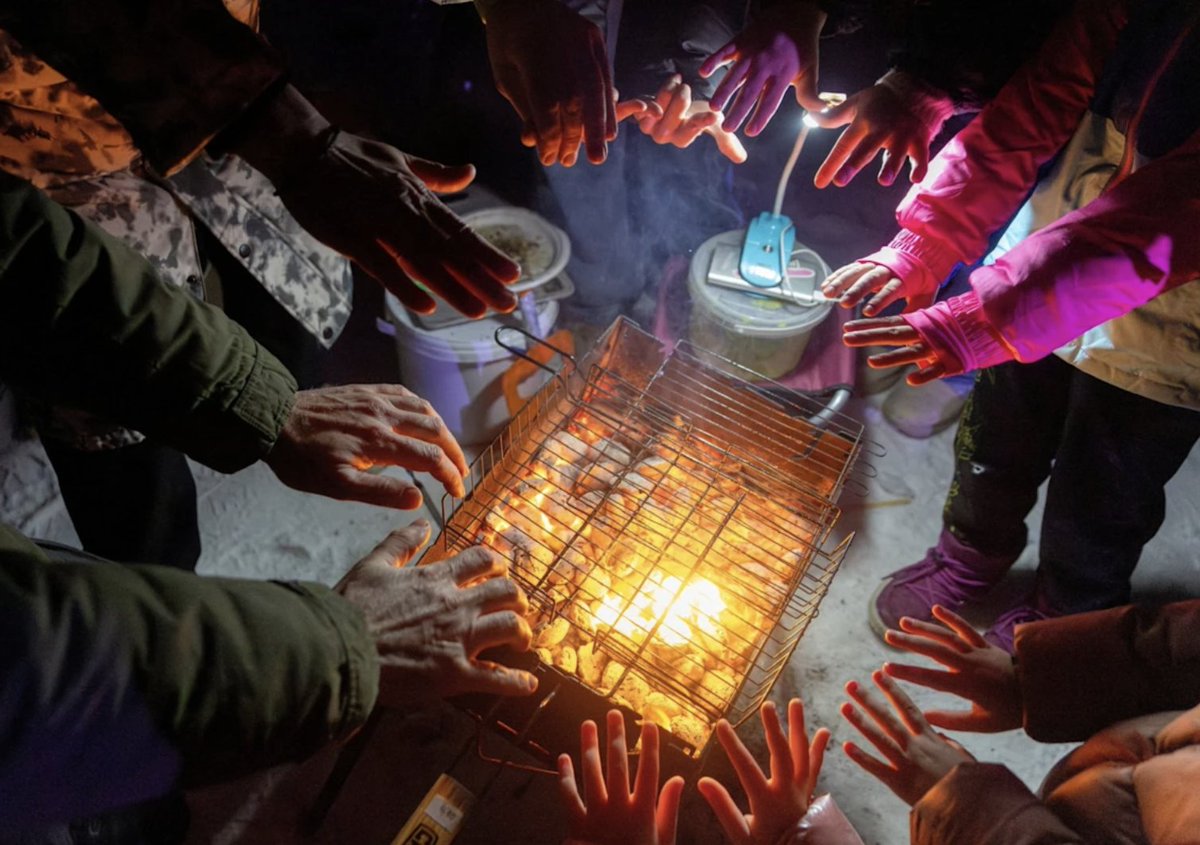
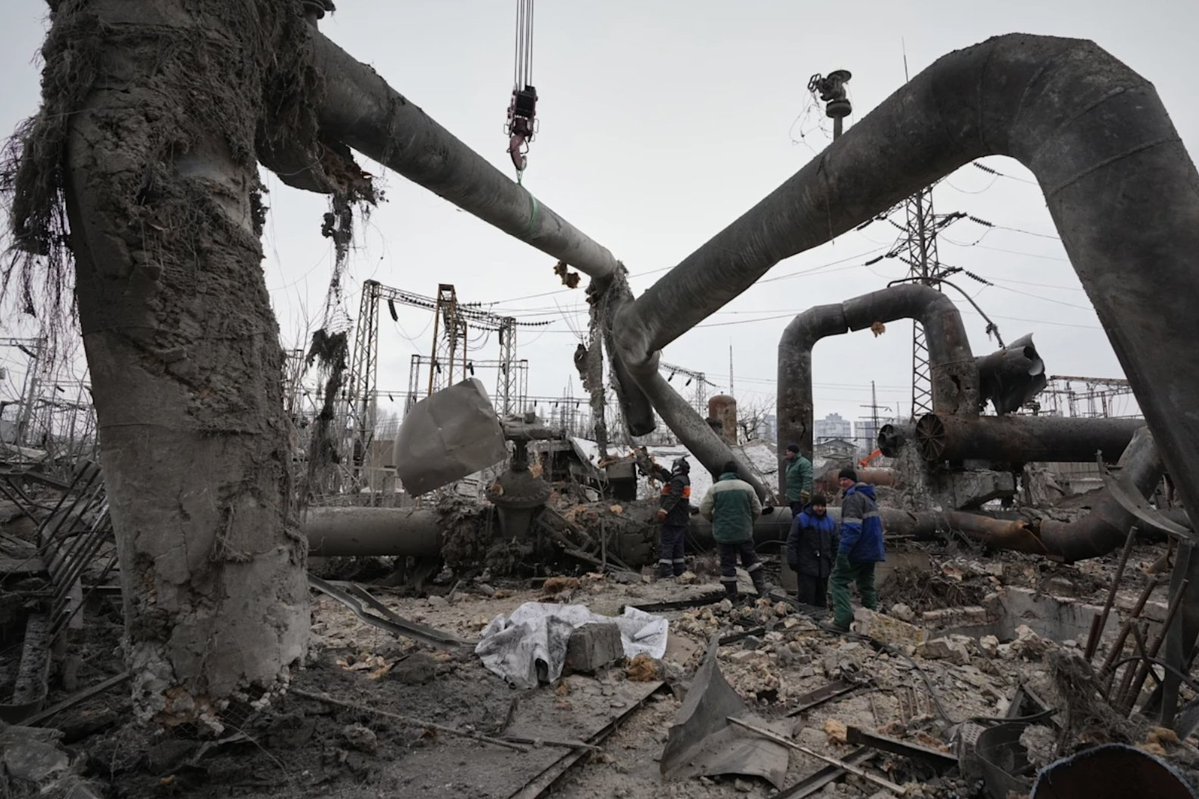
In a bar without electricity, a chalkboard reads: “Days until spring: 24.” Candles replace lights as Russian strikes leave neighborhoods without heat and power, FT. 1/
PM Yulia Svyrydenko: This is Ukraine’s hardest winter of the war.
Nightly missile and drone attacks have left millions without heat or electricity for days or weeks. Since Jan 1, Russia has hit Ukraine’s energy sector 217 times. 2/
Last month, Kyiv’s Patriot launchers ran out of PAC-3 interceptors.
Ballistic missiles hit power plants with no response. Zelenskyy: “Delays in Western air defense deliveries are prolonging the freeze.” 3/
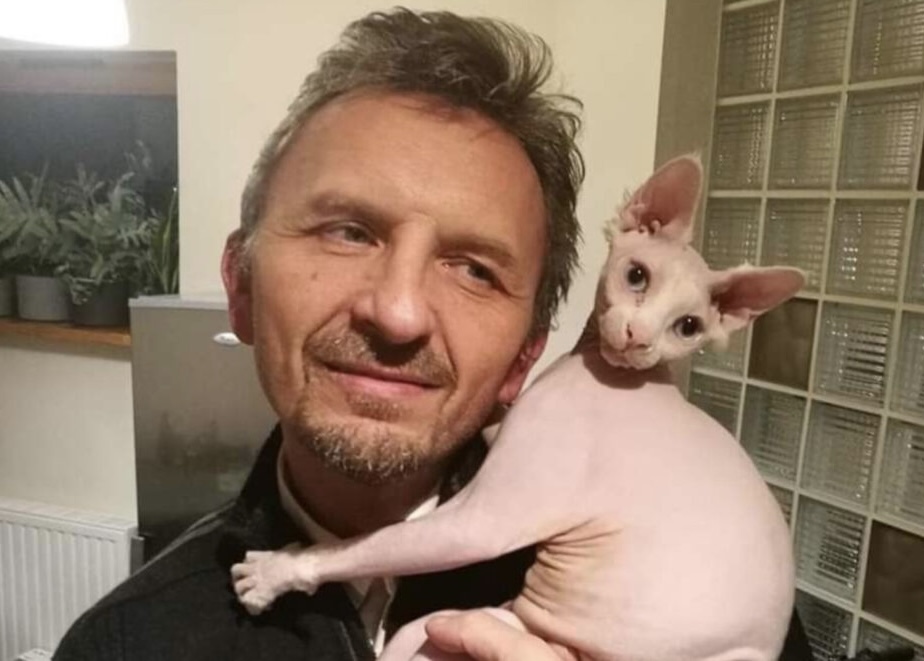
He was beaten with batons, his legs were broken, he was assaulted during so-called “medical treatment,” abused for speaking Polish, denied care, and held until he lost consciousness and died.
Russian guards laughed that they had caught a Pole, reports Slidstvo Info 1/
His name was Krzysztof Galos, a 55-year-old Polish citizen. He was a civilian. He had no ties to the military. Poland is not at war with Russia. He was tortured to death in Russia’s SIZO-2 detention center in Taganrog. 2/
Russia has never returned his body. His family never received a death certificate.
For years, Moscow did not even inform Poland that it had detained its citizen. This case remained hidden until journalists reconstructed what happened. 3/
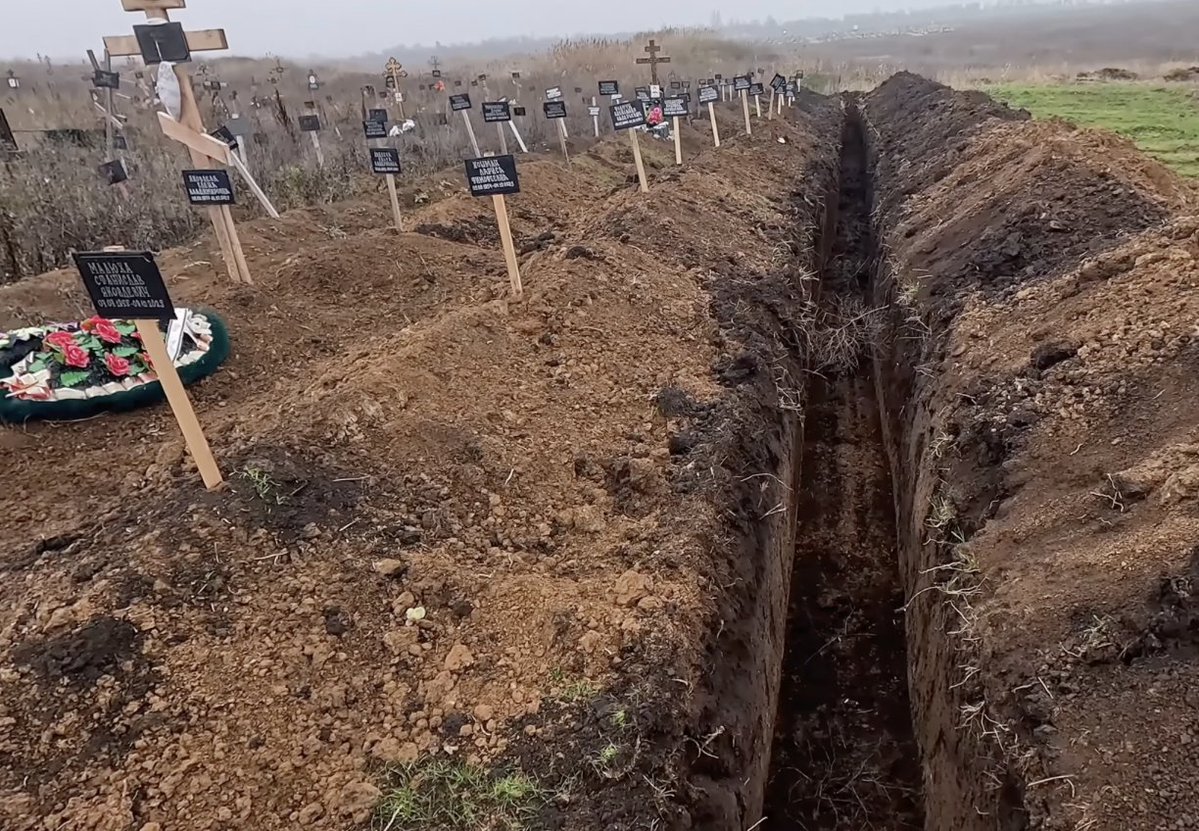
Ukrainian POWs were forced to exhume civilians killed by Russia in Mariupol.
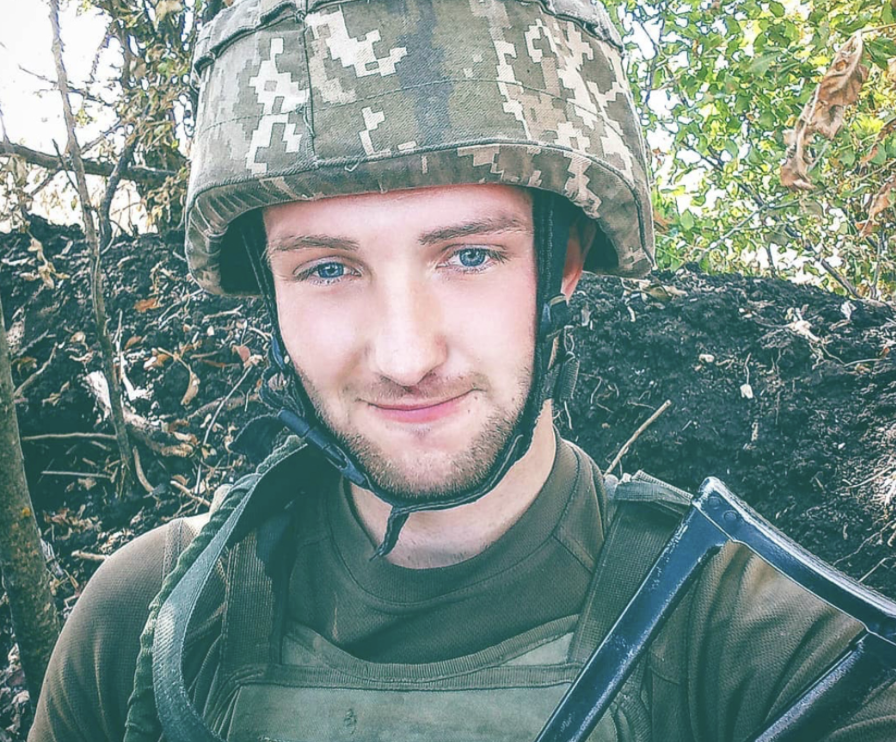
Marine Serhii Hrytsiv: “Over four weeks, we dug up around 800 civilian bodies.” Russia made prisoners clean up the crime scene — then blamed them for it, reports. 1/ Slidstvo.Info
Every morning at 4 am, POWs were taken from Olenivka colony to ruined Mariupol.
Serhii Hrytsiv: “They divided us into groups of 5 and drove us into the city.” They dug in courtyards, gardens, mass graves, under collapsed homes. 2/
The dead included children and elderly people.
Serhii Hrytsiv: “Many died from shelling, hunger, cold, no medical care.” Some bodies were torn apart. Often they could reach only one victim while entire families remained buried under concrete. 3/
Plan A for Ukraine: foreign troops on the ground, air patrols, and naval presence, with the United States as a backstop.
Plan B: an 800,000-strong Ukrainian army.
Politico argues that with a neighbor like Russia, Ukraine must rely primarily on itself to preserve peace. 1/
Ukraine no longer treats political security guarantees as a sufficient foundation for survival.
Decades of broken promises—from the 1994 nuclear disarmament pledges onward—have taught Kyiv that written assurances can fail at the decisive moment. 2/
Ursula von der Leyen described Ukraine’s future model as a “steel porcupine,” a country so heavily armed and resilient that any aggressor would find it impossible to digest.