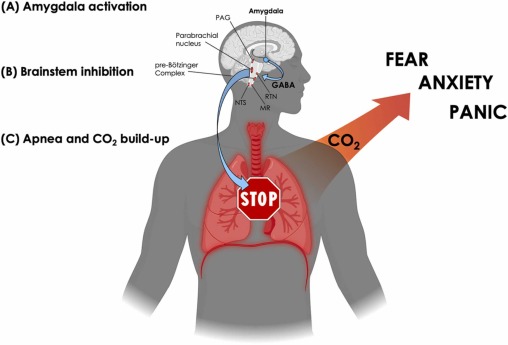
CO₂ sensitivity is one of the most powerful (and ignored) nervous-system interventions.
But, most people don’t know this system exists.
Here are 7 ways to calm your CO₂ alarm + lower your anxiety (in seconds).🧵
1. Stop “silent overbreathing.”
But, most people don’t know this system exists.
Here are 7 ways to calm your CO₂ alarm + lower your anxiety (in seconds).🧵
1. Stop “silent overbreathing.”

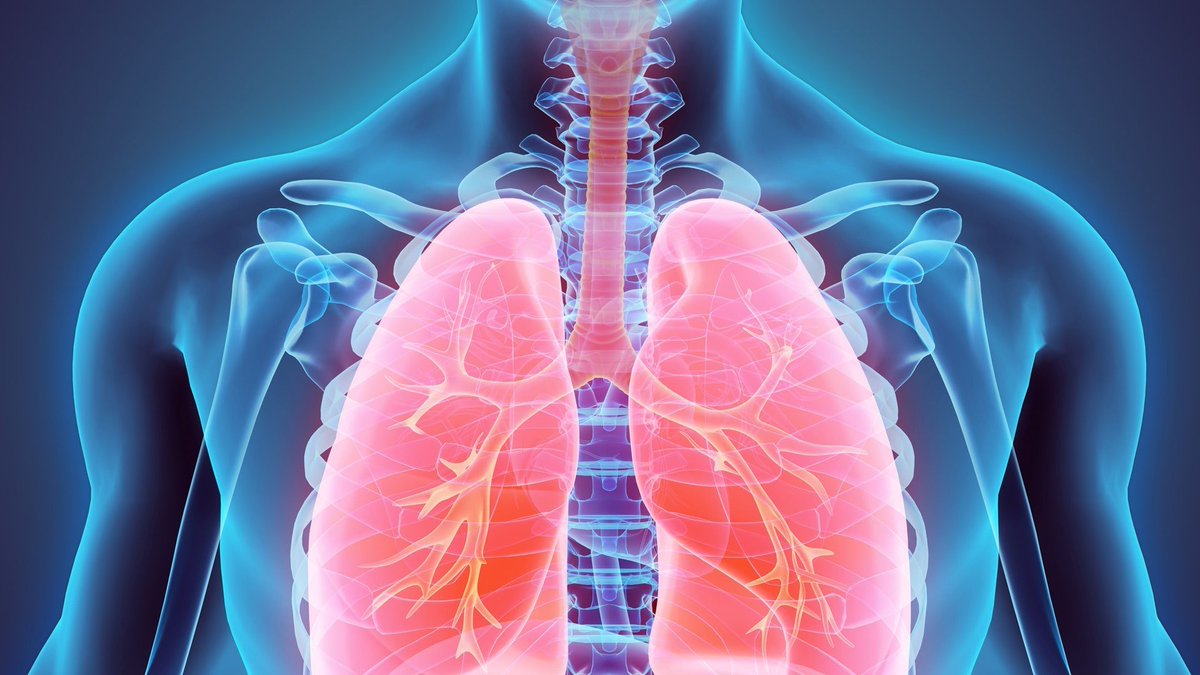
Most anxious people aren’t breathing too little.
They’re breathing TOO MUCH (fast, shallow, chest-only breathing).
That keeps your chemoreflex on a hair trigger.
Instead:
breathe quieter
breathe lower (belly/ribs)
slow your pace
They’re breathing TOO MUCH (fast, shallow, chest-only breathing).
That keeps your chemoreflex on a hair trigger.
Instead:
breathe quieter
breathe lower (belly/ribs)
slow your pace
2. Lengthen your exhale.
This instantly downshifts your nervous system's thread detector.
Slow breathing with longer exhales reduces nervous system anxiety and shift body stress within minutes.
Try:
Inhale 4 seconds → Exhale 6–8 seconds
Do 6 cycles at first.
This instantly downshifts your nervous system's thread detector.
Slow breathing with longer exhales reduces nervous system anxiety and shift body stress within minutes.
Try:
Inhale 4 seconds → Exhale 6–8 seconds
Do 6 cycles at first.
3. Train CO₂ tolerance gently (using micro-exposures).
Panic is often what's called a “false suffocation alarm.”
You retrain your breath with safe, tiny exposures—NOT force.
Try after a normal exhale:
Holding your breath for 2–5 seconds.
Then, exhale slowly...focusing on the outer part of the nostrils and upper lip.
Notice the touch of the breath there.
Repeat this 3 times.
(Stop if you feel dizzy or unwell.)
Panic is often what's called a “false suffocation alarm.”
You retrain your breath with safe, tiny exposures—NOT force.
Try after a normal exhale:
Holding your breath for 2–5 seconds.
Then, exhale slowly...focusing on the outer part of the nostrils and upper lip.
Notice the touch of the breath there.
Repeat this 3 times.
(Stop if you feel dizzy or unwell.)
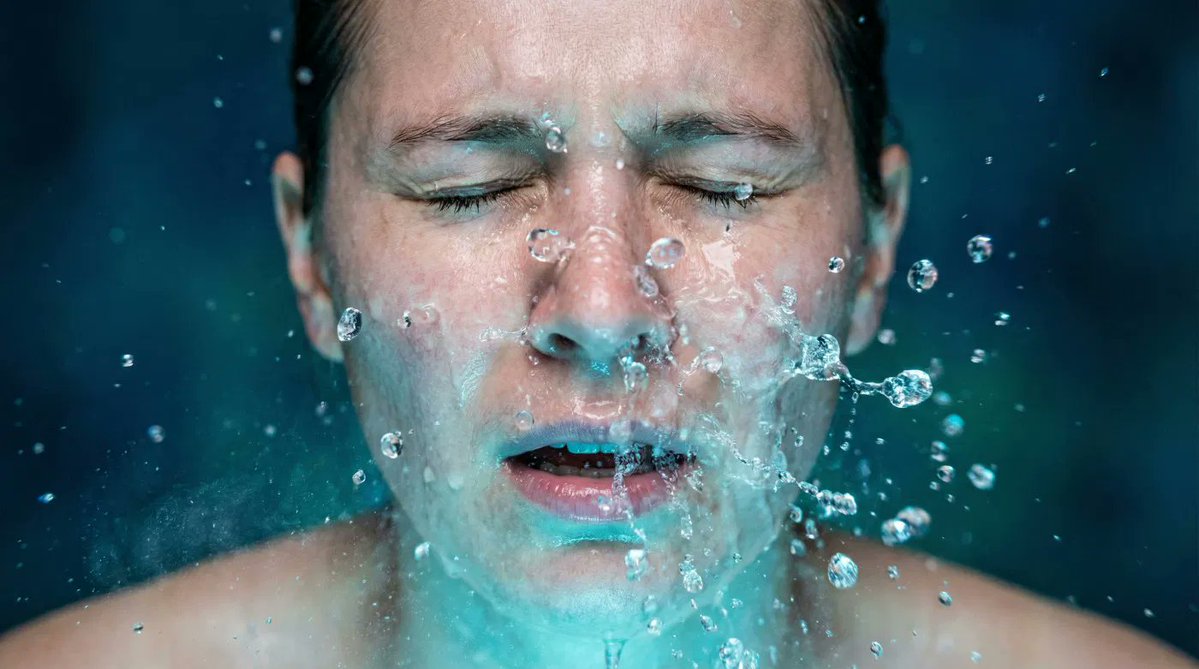
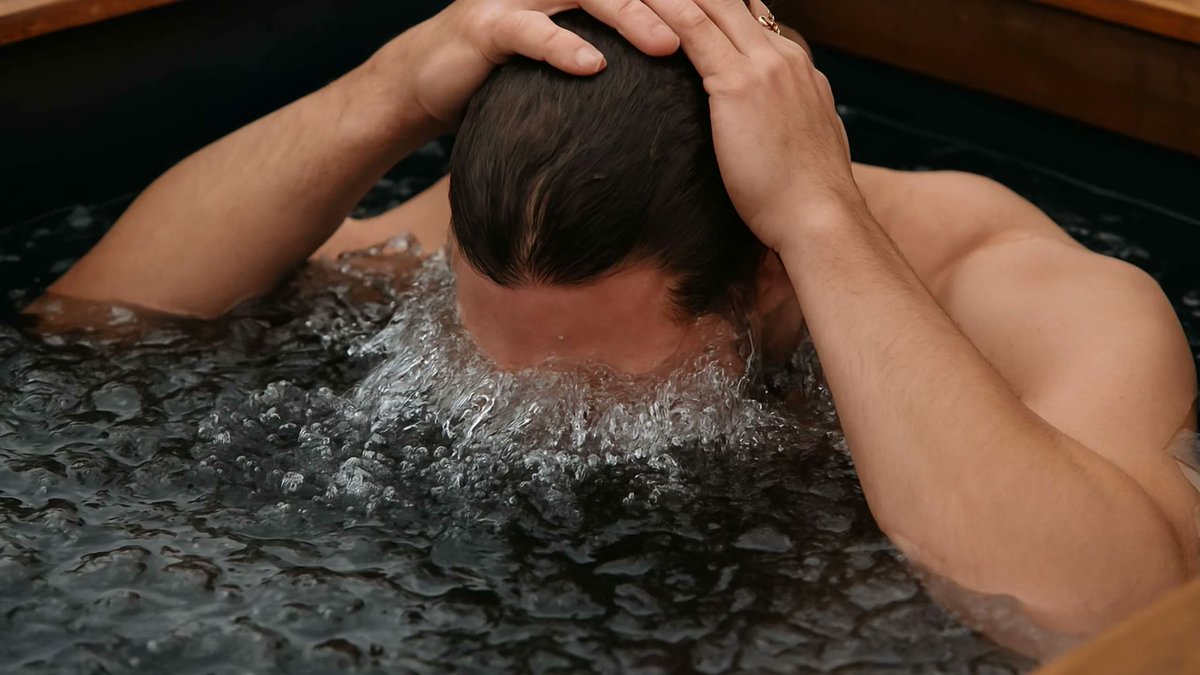
4. Cold water on your face (diving reflex).
Cold facial immersion triggers the diving response, which can slow heart rate and shift you out of panic physiology.
Do:
cold water on face 20–40 seconds
or a cold pack over cheeks/eyes
Best for: sudden spikes when you feel you "can't catch your breath."
Cold facial immersion triggers the diving response, which can slow heart rate and shift you out of panic physiology.
Do:
cold water on face 20–40 seconds
or a cold pack over cheeks/eyes
Best for: sudden spikes when you feel you "can't catch your breath."
5. Nasal breathing only (especially during walks).
Nasal breathing naturally slows airflow and reduces “air hunger” spirals.
Start with:
10-minute device-free walks outdoors.
1. mouth closed
2. slow pace
If you can’t nasal-breathe yet, that’s information—not failure.
Nasal breathing naturally slows airflow and reduces “air hunger” spirals.
Start with:
10-minute device-free walks outdoors.
1. mouth closed
2. slow pace
If you can’t nasal-breathe yet, that’s information—not failure.
6. Still struggling to get a full breath?
Find the tender spot 3 fingers down on your arm.
Massage it for 30-40 seconds and your lungs will relax and open up.
Find the tender spot 3 fingers down on your arm.
Massage it for 30-40 seconds and your lungs will relax and open up.
7. Attentional Blink (AB) is your brain’s “processing gap"--you blank out.
CO₂ sensitivity can worsen in these moments because your attention is hijacked.
An internal alarm (“air hunger”) immediately sends you into panic mode.
Try this simple technique called panoramic gazing.
It brings you out of panic and into your body.
CO₂ sensitivity can worsen in these moments because your attention is hijacked.
An internal alarm (“air hunger”) immediately sends you into panic mode.
Try this simple technique called panoramic gazing.
It brings you out of panic and into your body.
What are your thoughts on this list?
Have you ever noticed “air hunger,” chest tightness, or panic that felt like suffocation?
Drop a comment and tell me your experience. I'd love to know.
And, if you want guidance lowering your anxiety, book a call. calendly.com/lorwen_consult…
Have you ever noticed “air hunger,” chest tightness, or panic that felt like suffocation?
Drop a comment and tell me your experience. I'd love to know.
And, if you want guidance lowering your anxiety, book a call. calendly.com/lorwen_consult…
If this thread resonated with you, I explore psychology, philosophy, and personal transformation in my ART community.
Follow @Lorwen108 for more insights on the journey to authenticity.
Repost if this helped you. 🙏
Follow @Lorwen108 for more insights on the journey to authenticity.
Repost if this helped you. 🙏
https://twitter.com/3065974983/status/2020481666431742189
• • •
Missing some Tweet in this thread? You can try to
force a refresh