The world's most dangerous ingredient isn't high-fructose corn syrup, sugar, or seed oils.
This one is considered a class A carcinogen.
It's in 40% of our foods.
And you won't find it on a food label.
Here is what it is (and how to avoid it): 🧵
This one is considered a class A carcinogen.
It's in 40% of our foods.
And you won't find it on a food label.
Here is what it is (and how to avoid it): 🧵

Acrylamide.
What's scary is that you won't find acrylamide listed on any food label.
Why? Because it's not an ingredient.
It's a byproduct created AFTER processing, especially when heat is involved.
40% of our foods contain this poison.
What's scary is that you won't find acrylamide listed on any food label.
Why? Because it's not an ingredient.
It's a byproduct created AFTER processing, especially when heat is involved.
40% of our foods contain this poison.
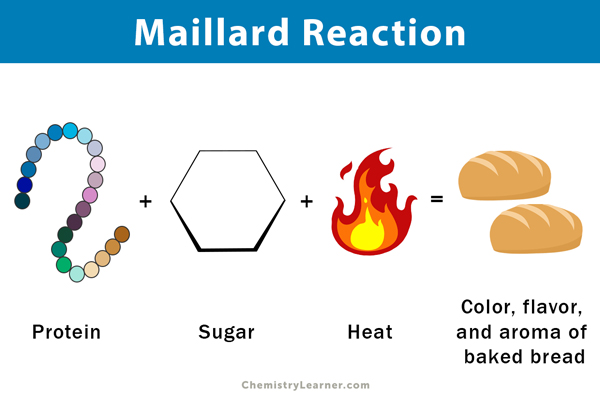
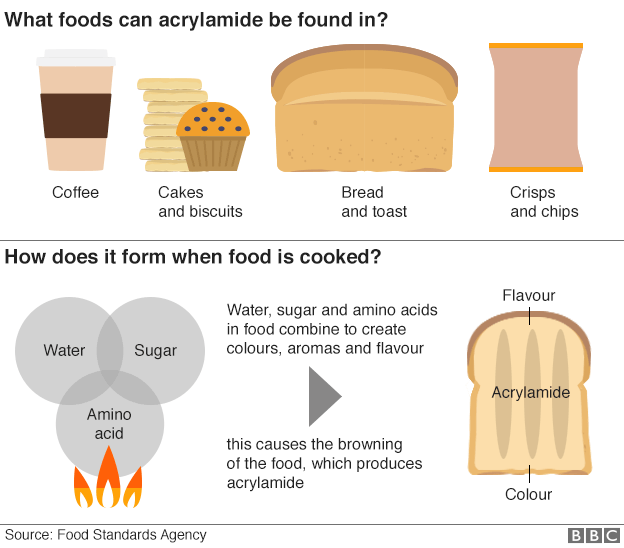
Acrylamide forms when you combine certain proteins (specifically the amino acid asparagine) with refined sugars under high heat (above 285°F/140°C).
This creates what's called the Maillard reaction, producing this deadly compound.
This creates what's called the Maillard reaction, producing this deadly compound.
Apart from being a carcinogen, acrylamide is also a potent neurotoxin that damages your brain and nerves.
It even disrupts reproductive organs.
And it gets worse: acrylamide creates another byproduct called glycinamide, which is even more deadly.
It even disrupts reproductive organs.
And it gets worse: acrylamide creates another byproduct called glycinamide, which is even more deadly.
Which foods contain the highest levels of acrylamide?
• French fries
• Potato chips
• Corn chips
• Baked goods
• Crackers
• Cookies
• Breakfast cereals
• Bread crust
• Roasted coffee
Basically, the standard American diet.
• French fries
• Potato chips
• Corn chips
• Baked goods
• Crackers
• Cookies
• Breakfast cereals
• Bread crust
• Roasted coffee
Basically, the standard American diet.
Before you panic about your morning coffee, there's good news.
Organic dark roasted or espresso coffee has 10 TIMES LESS acrylamide than light roast.
The high roasting temperature (400°F) makes acrylamide unstable and it breaks down.
Organic dark roasted or espresso coffee has 10 TIMES LESS acrylamide than light roast.
The high roasting temperature (400°F) makes acrylamide unstable and it breaks down.
Want to know something interesting? Before the 1990s, McDonald's fried their fries in tallow (beef fat), and acrylamide levels were much lower.
When they switched to seed oils, acrylamide levels in the food skyrocketed.
Saturated fats protect against its formation.
When they switched to seed oils, acrylamide levels in the food skyrocketed.
Saturated fats protect against its formation.
The modern American diet is a perfect storm for acrylamide exposure:
• 67% of teenagers' calories come from ultra-processed foods
• Adults get over 50% of calories from ultra-processed foods
• Even toddlers get 46-47% from these sources
• 67% of teenagers' calories come from ultra-processed foods
• Adults get over 50% of calories from ultra-processed foods
• Even toddlers get 46-47% from these sources
Now for the good news. Here's how to reduce acrylamide exposure:
• Cook with saturated fats (coconut oil, butter, tallow) instead of seed oils
• Use natural sugars (cane sugar, honey) instead of refined sugars
• Slow cook foods at lower temperatures
• Cook with saturated fats (coconut oil, butter, tallow) instead of seed oils
• Use natural sugars (cane sugar, honey) instead of refined sugars
• Slow cook foods at lower temperatures
When cooking at home, keep temperatures below 285°F whenever possible.
I slow cook pork at around 260°F. It never reaches the acrylamide-forming temperature.
Lower heat = safer food, even if it takes longer to prepare.
I slow cook pork at around 260°F. It never reaches the acrylamide-forming temperature.
Lower heat = safer food, even if it takes longer to prepare.
If you do consume foods potentially containing acrylamide, pair them with protective foods:
• Cruciferous vegetables (broccoli, kale, brussels sprouts)
• Garlic
• Vitamin C-rich foods (citrus, bell peppers)
• Green tea
• Spirulina
• Sauerkraut
• Cruciferous vegetables (broccoli, kale, brussels sprouts)
• Garlic
• Vitamin C-rich foods (citrus, bell peppers)
• Green tea
• Spirulina
• Sauerkraut
The second most common cause of death worldwide is cancer.
People are dying from cancer all around us, especially as they age.
Acrylamide is one of the potent, hidden triggers that few people know about.
Knowledge is your best protection.
People are dying from cancer all around us, especially as they age.
Acrylamide is one of the potent, hidden triggers that few people know about.
Knowledge is your best protection.
Now you're aware of acrylamide, what it is, where it lurks, and how to protect yourself.
Focus on whole, unprocessed foods. Cook at lower temperatures. Use saturated fats and natural sugars.
Your body will thank you for it.
Focus on whole, unprocessed foods. Cook at lower temperatures. Use saturated fats and natural sugars.
Your body will thank you for it.
A bit about me:
I’m the creator of Healthy Keto® and Intermittent Fasting protocols, helping over 100M people make healthier choices.
Follow me @dr_ericberg for more evidence-based insights to improve your health and longevity.
I’m the creator of Healthy Keto® and Intermittent Fasting protocols, helping over 100M people make healthier choices.
Follow me @dr_ericberg for more evidence-based insights to improve your health and longevity.
Get my full daily routine that helps me feel 18 at age 60: drbrg.co/4qxatTn
What is one key takeaway you gained from this thread? Share it in the comments below.
I read every comment and often use them to create future content that matters to you.
I read every comment and often use them to create future content that matters to you.
• • •
Missing some Tweet in this thread? You can try to
force a refresh