Pediatric Long COVID is reported to affect nearly 6 million children in the U.S (1).
These surprising new Long COVID symptoms were recently identified in kids...🧵
These surprising new Long COVID symptoms were recently identified in kids...🧵
Between March 2020 and August 2024, 3 out of 151 prescreened pediatric COVID-19 patients developed obsessive-compulsive disorder (OCD) after infection.
No other infections were detected.
No other infections were detected.
All patients underwent a full rheumatology evaluation, including joint ultrasound imaging, regardless of joint complaints.
The results were surprising.
Read more here:
karger.com/dne/article/47…
The results were surprising.
Read more here:
karger.com/dne/article/47…
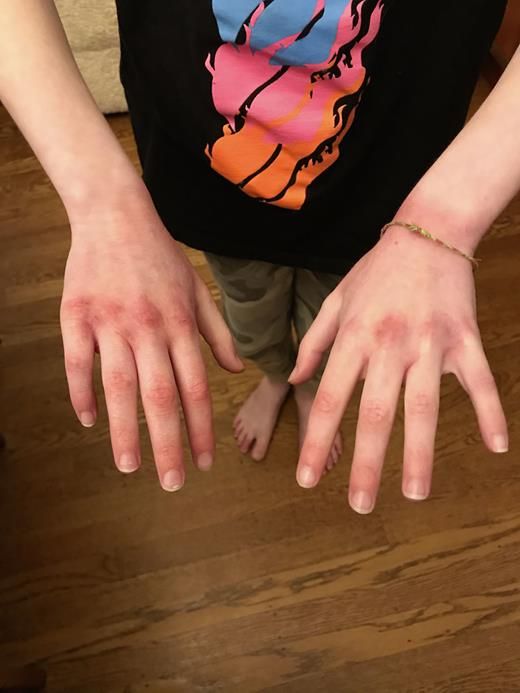
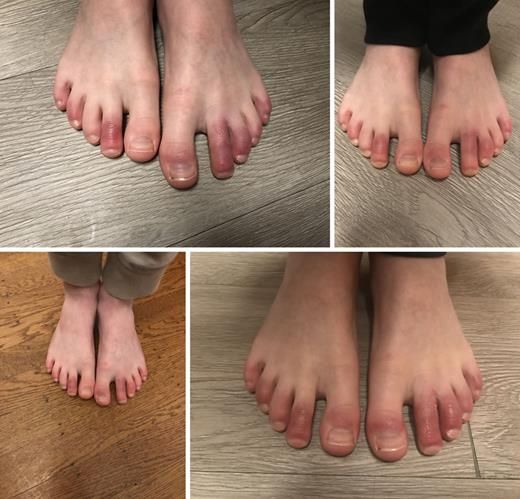
All had ultrasound evidence of joint effusions, with or without synovitis or capsulitis, despite minimal initial joint pain complaints (arthritis).
Joint pain complaints often emerged later, after psychiatric symptoms improved and patients could better articulate discomfort.
Joint pain complaints often emerged later, after psychiatric symptoms improved and patients could better articulate discomfort.
Treatment started with NSAIDs and escalated to DMARDs in cases with synovitis or capsulitis.
All three patients returned to baseline neuropsychiatric health (minimal to no OCD, resolved intense anxiety, and mood instability).
Arthritic findings also improved with treatment.
All three patients returned to baseline neuropsychiatric health (minimal to no OCD, resolved intense anxiety, and mood instability).
Arthritic findings also improved with treatment.
Infections can trigger systemic immune activation and inflammation.
Acute neuropsychiatric deterioration after infection may warrant checking more accessible sites, such as joints, for signs of inflammation.
This is useful because brain inflammation (a driver of autoimmune OCD) is difficult to detect directly (clinical imaging lacks sensitivity, and brain biopsy carries a high risk).
In these cases, early joint imaging confirmed systemic inflammation and enabled prompt immunomodulatory treatment.
Acute neuropsychiatric deterioration after infection may warrant checking more accessible sites, such as joints, for signs of inflammation.
This is useful because brain inflammation (a driver of autoimmune OCD) is difficult to detect directly (clinical imaging lacks sensitivity, and brain biopsy carries a high risk).
In these cases, early joint imaging confirmed systemic inflammation and enabled prompt immunomodulatory treatment.
As a side note, we are now accepting participants ages 2+ in our digital health platform, unhide!
This includes participants with:
- pediatric Long COVID
- PANDAS/PANS
- Chronic Lyme
Learn more 👇️
This includes participants with:
- pediatric Long COVID
- PANDAS/PANS
- Chronic Lyme
Learn more 👇️

Literature Cited:
1. Gross, R. et al. JAMA Pediatrics. 2005. PMID 40423990
1. Gross, R. et al. JAMA Pediatrics. 2005. PMID 40423990
• • •
Missing some Tweet in this thread? You can try to
force a refresh