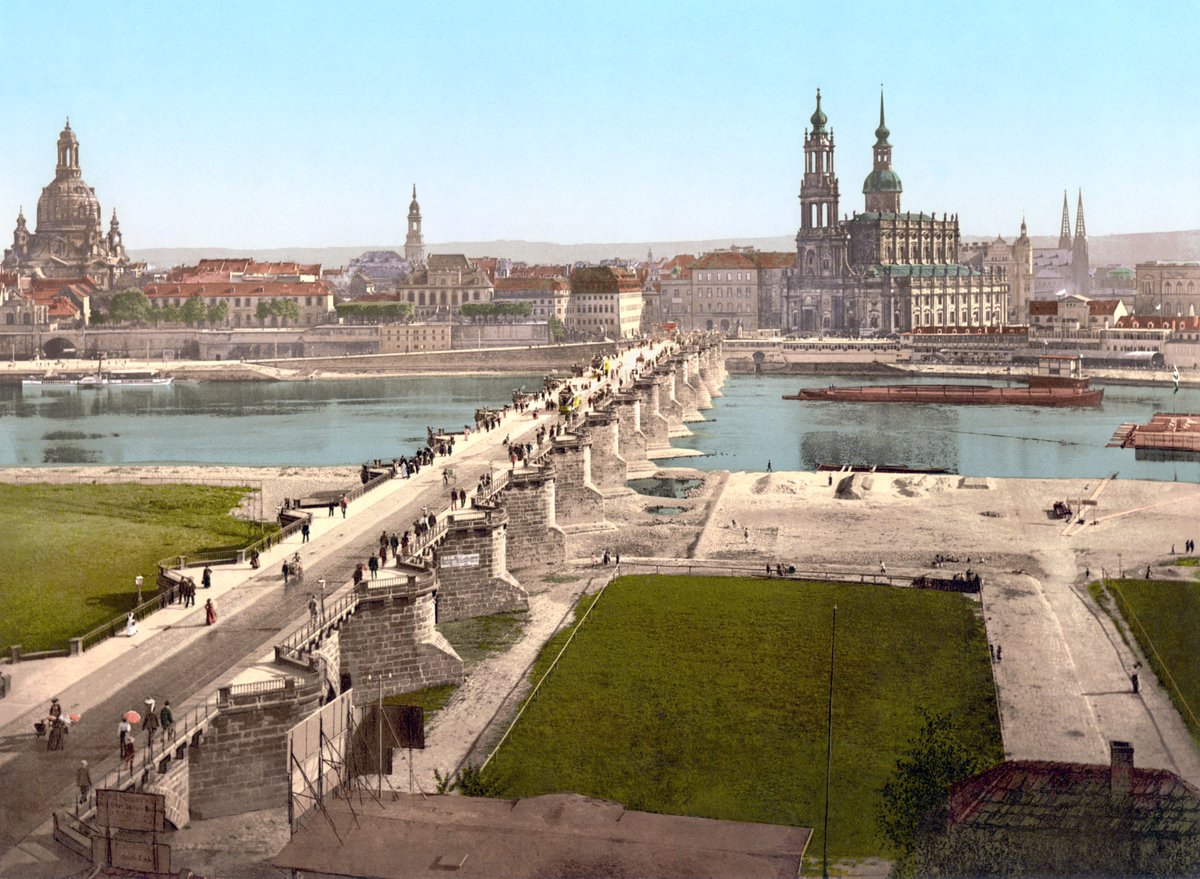
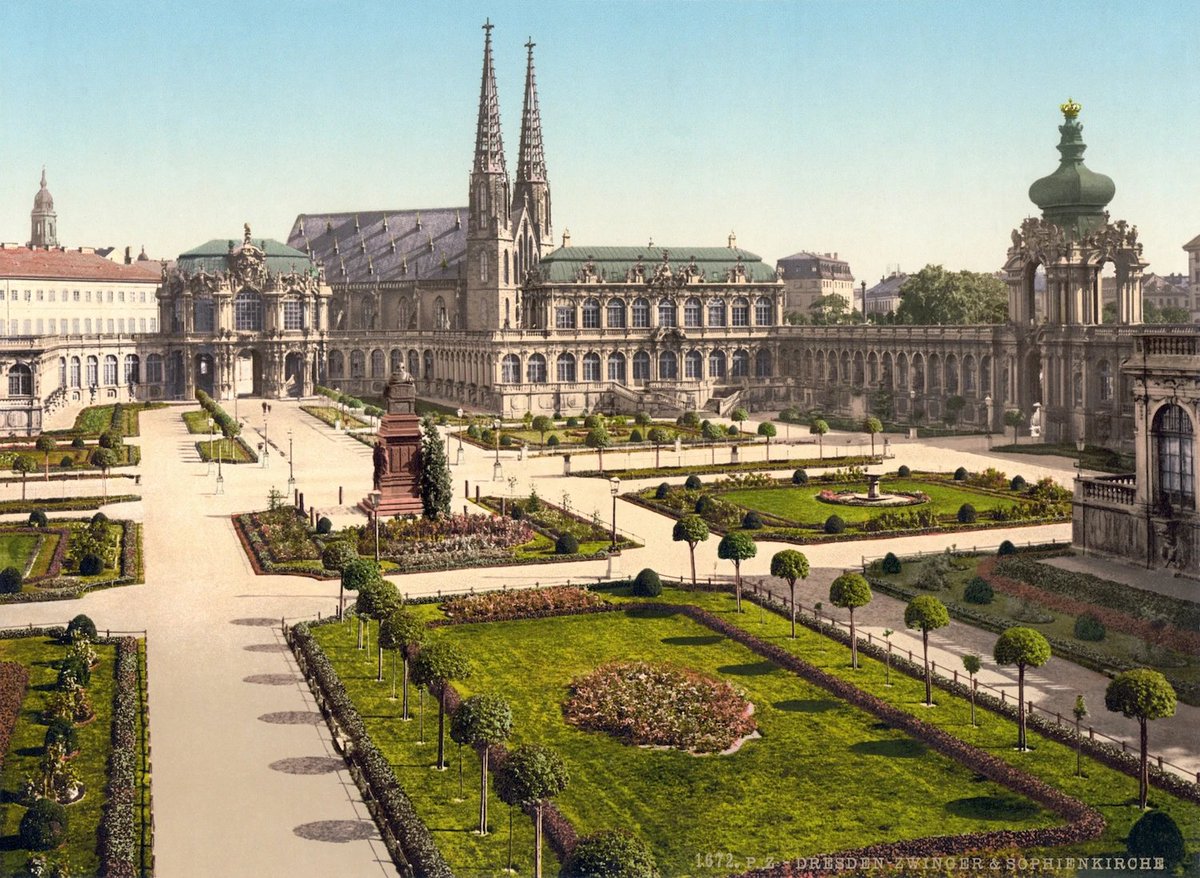
In 1945, Ash Wednesday fell on the 14th of February.
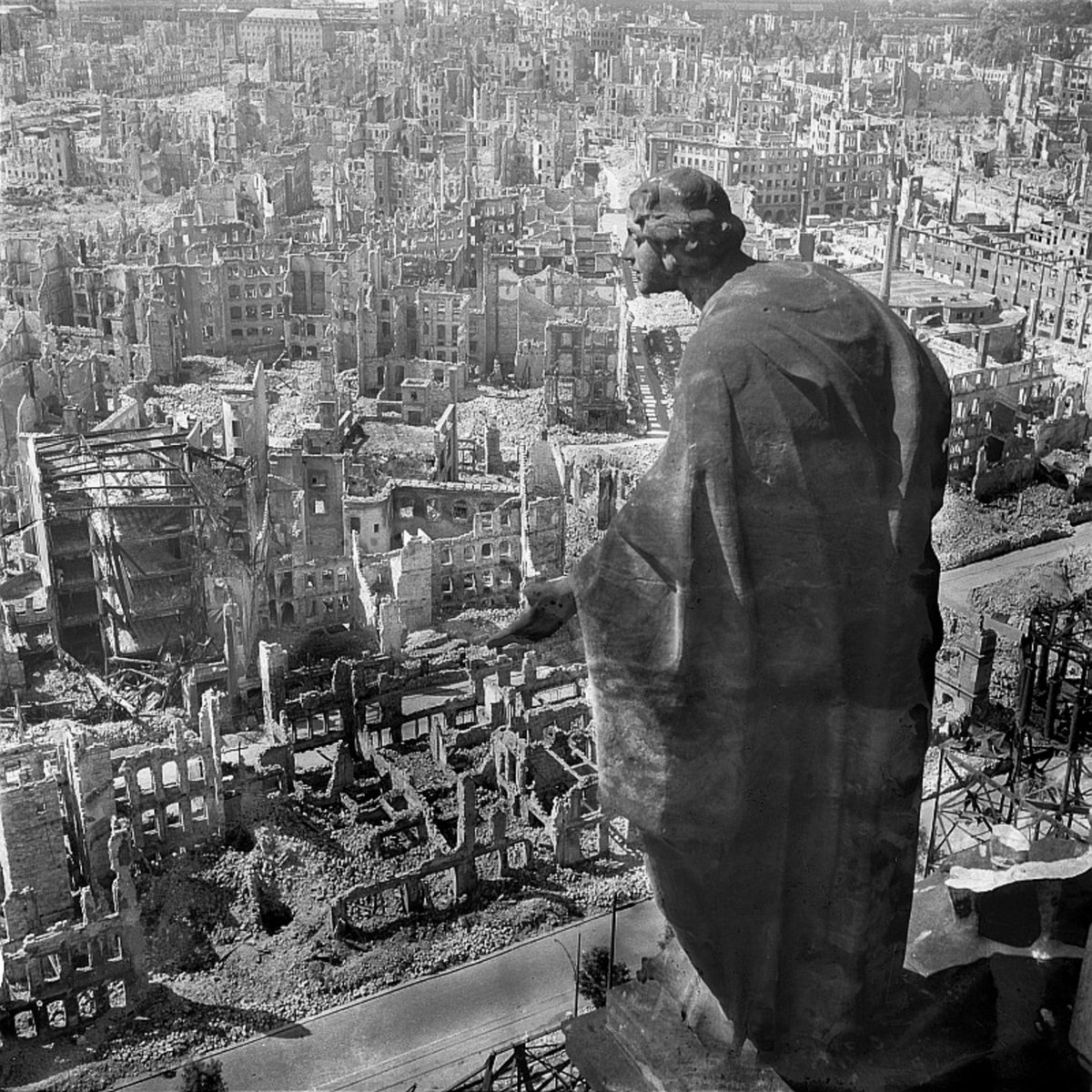
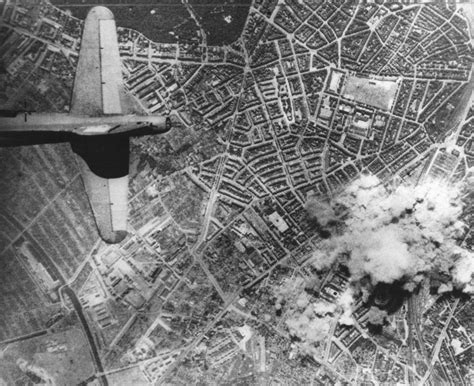
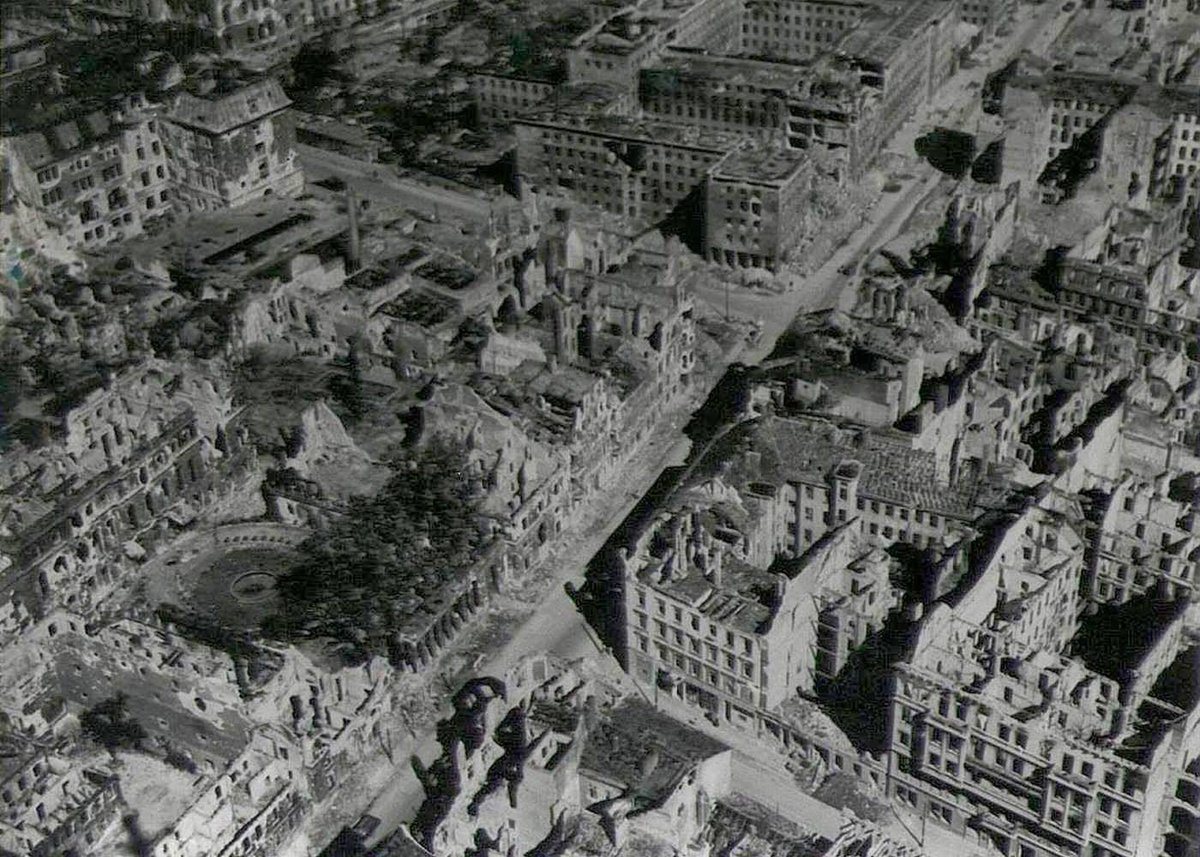
Between 13 and 15 February, British and American bombers engaged in one of history’s most notorious war crimes — the firebombing of Dresden.
The height of the bombing campaign was Ash Wednesday.
Between 13 and 15 February, British and American bombers engaged in one of history’s most notorious war crimes — the firebombing of Dresden.
The height of the bombing campaign was Ash Wednesday.
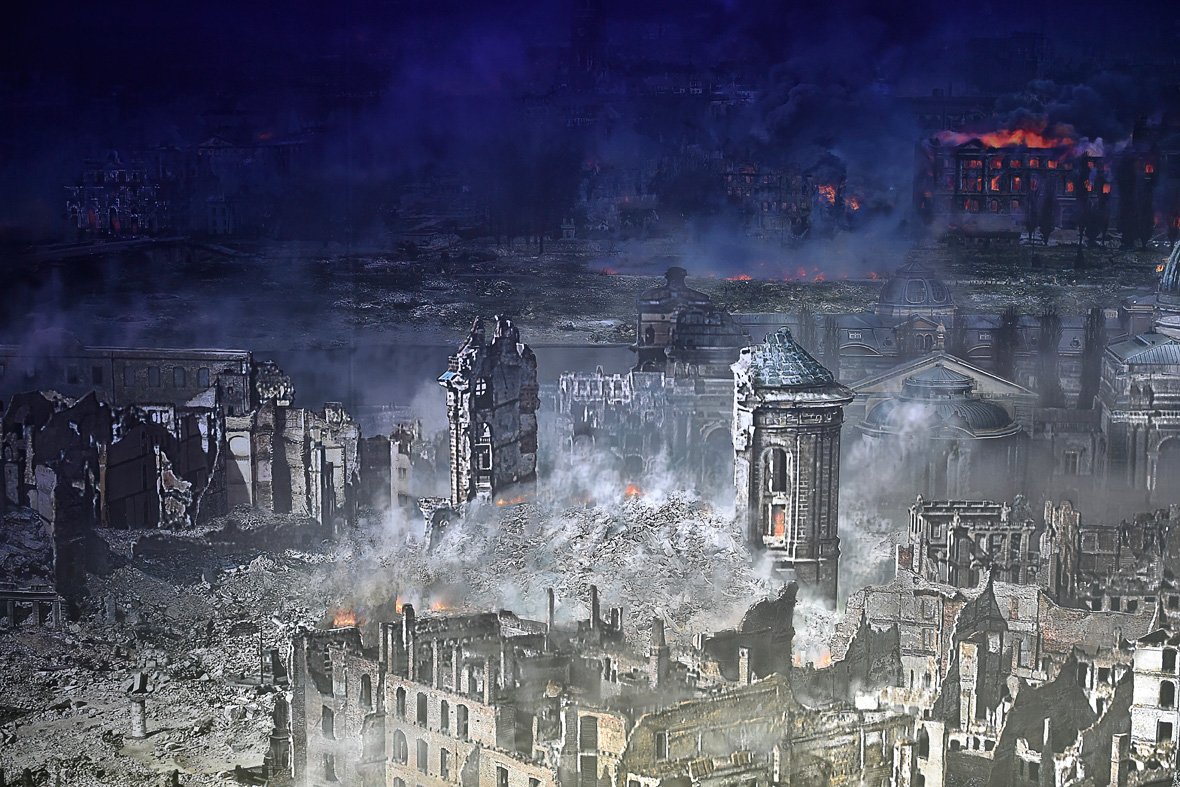
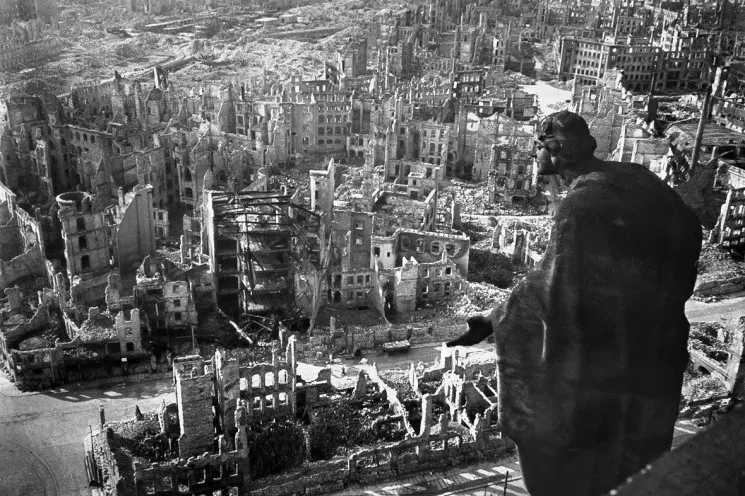
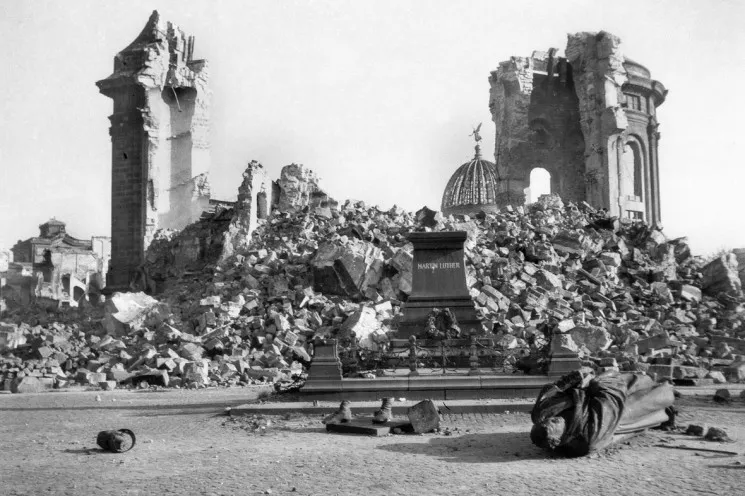
By February of 1945, World War II, in the European theatre, was essentially over. The Allies had won — the Axis lay in ruins. For the Allies, however, it was never about winning the war — their goals were greater, more expansive.
And so the campaigns continued. The bombing of Berlin was, by this time, already underway for weeks.
And so the campaigns continued. The bombing of Berlin was, by this time, already underway for weeks.
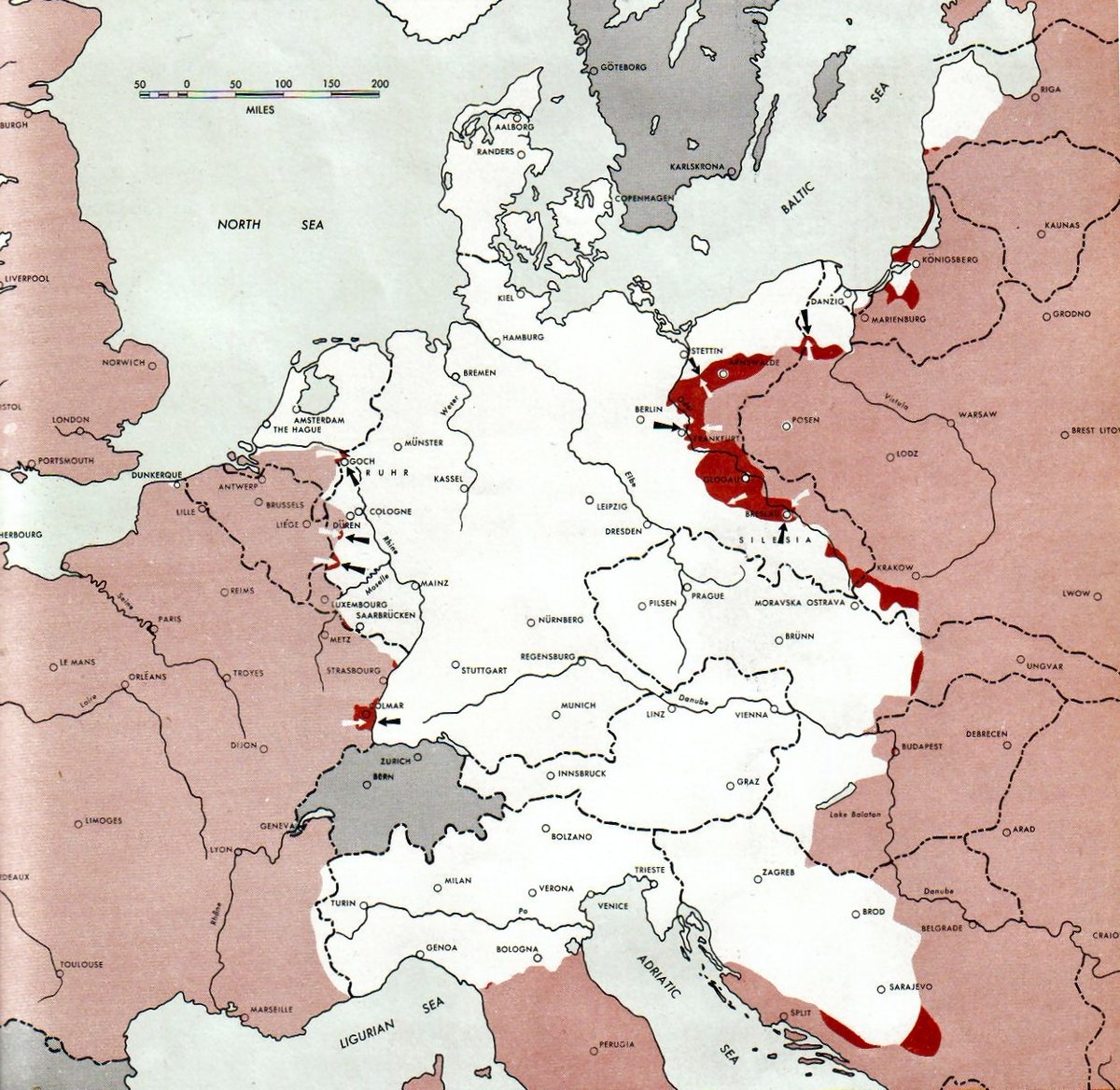
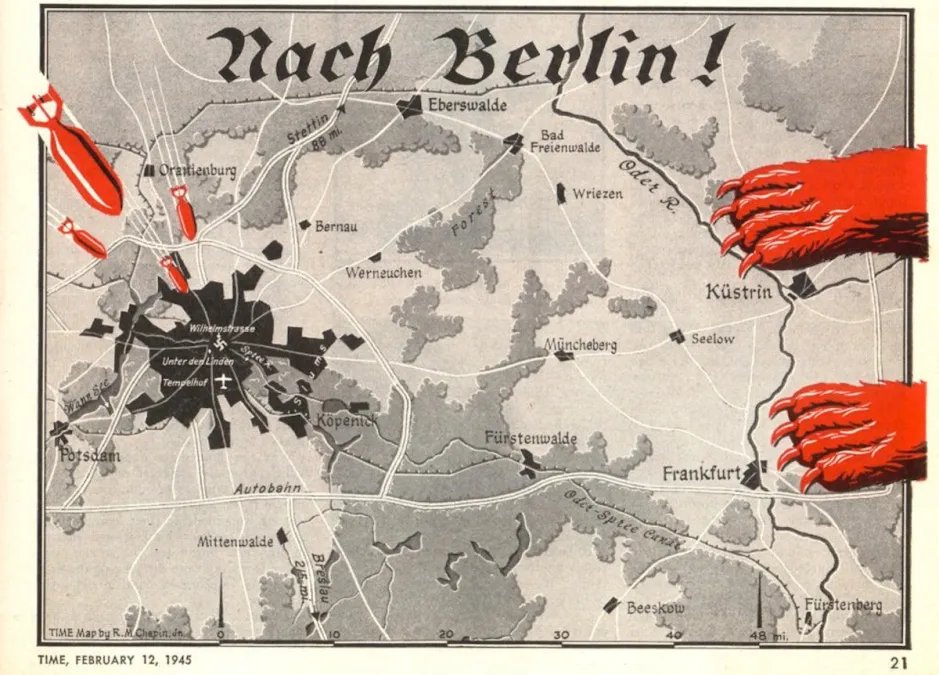
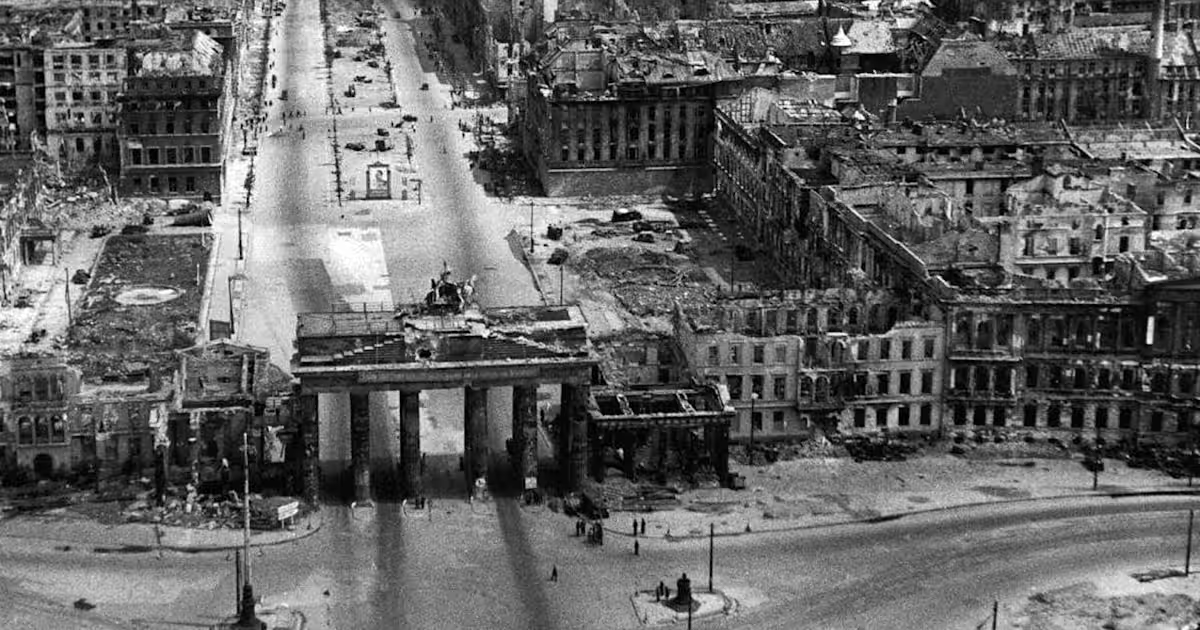
Dresden, a city with no military importance and a cultural gem of Europe, was chosen as a target for psychological and punitive purposes. By this point in the war, Dresden housed primarily women, children, the injured, and refugees. The Allied goal was to destroy the German spirit and slaughter the German people.
But this was not all.
But this was not all.
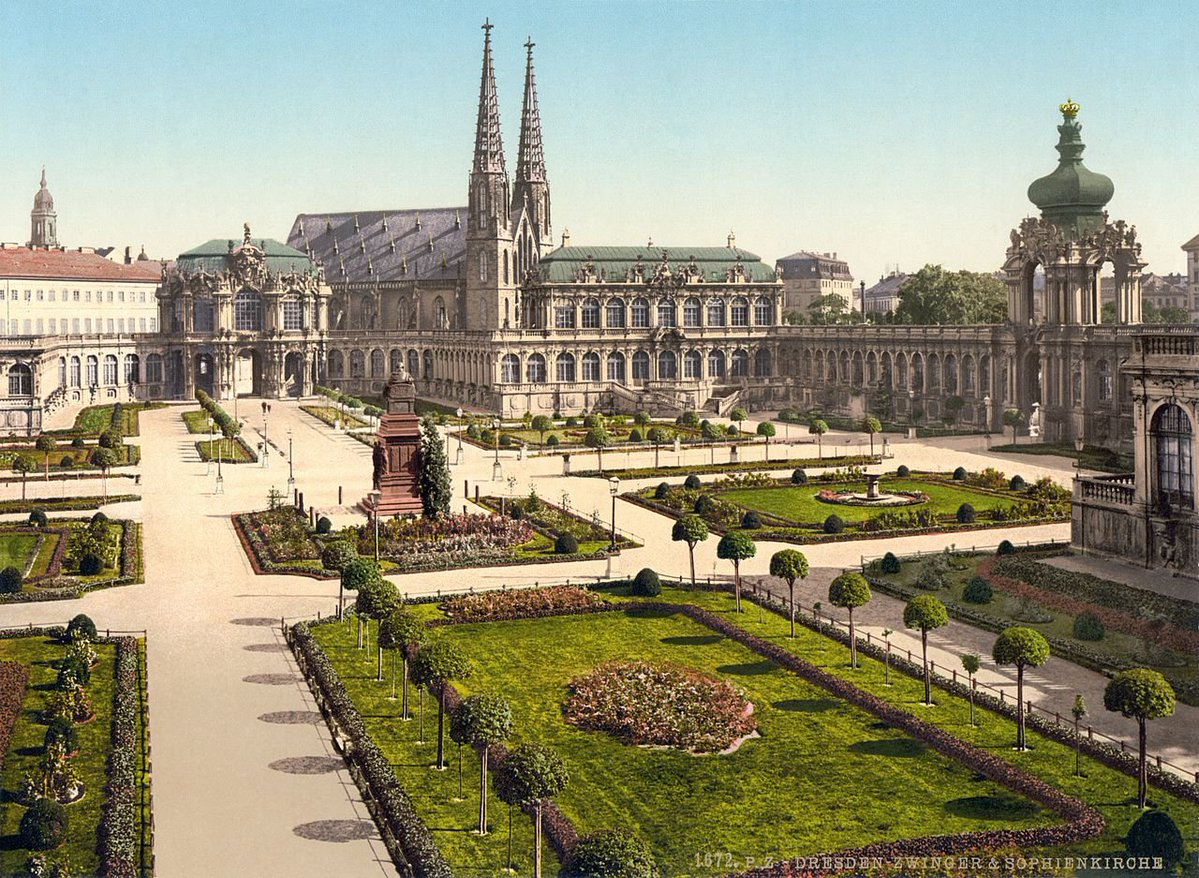
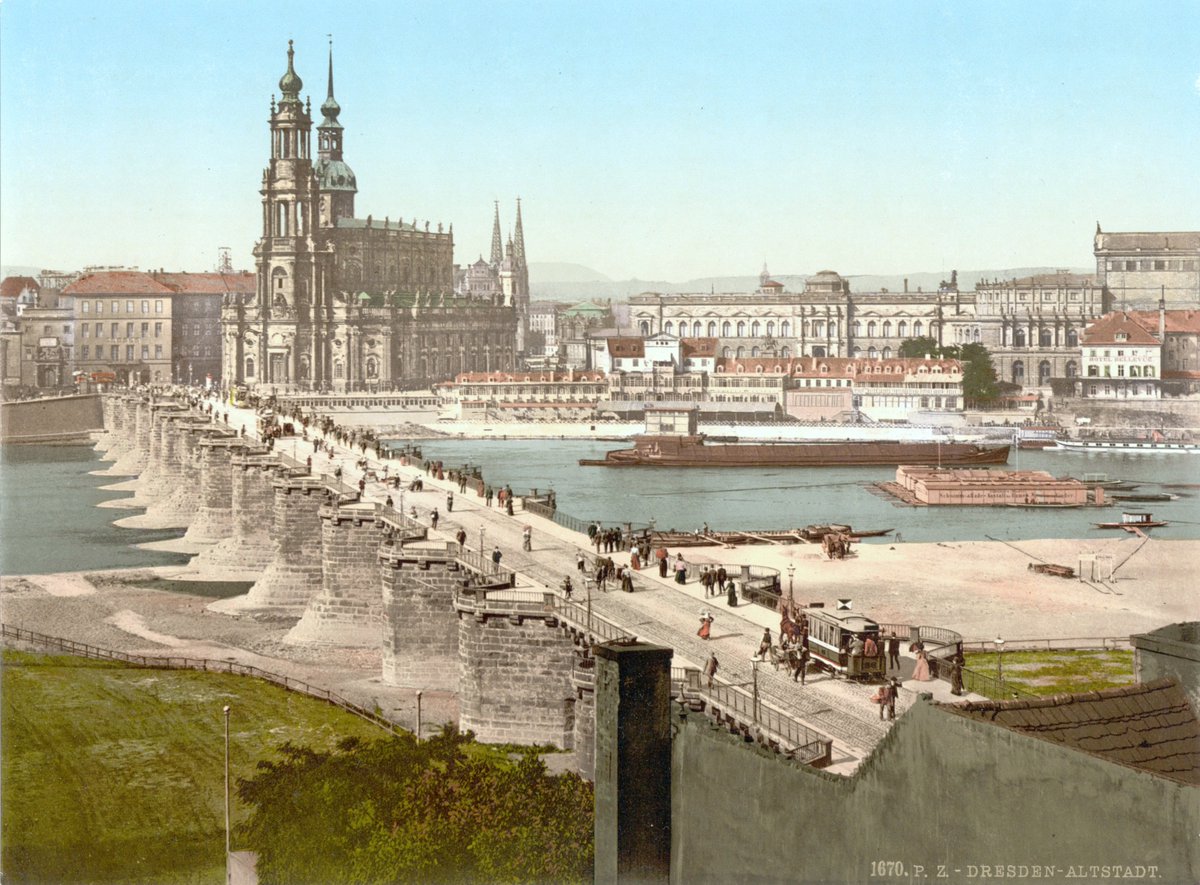
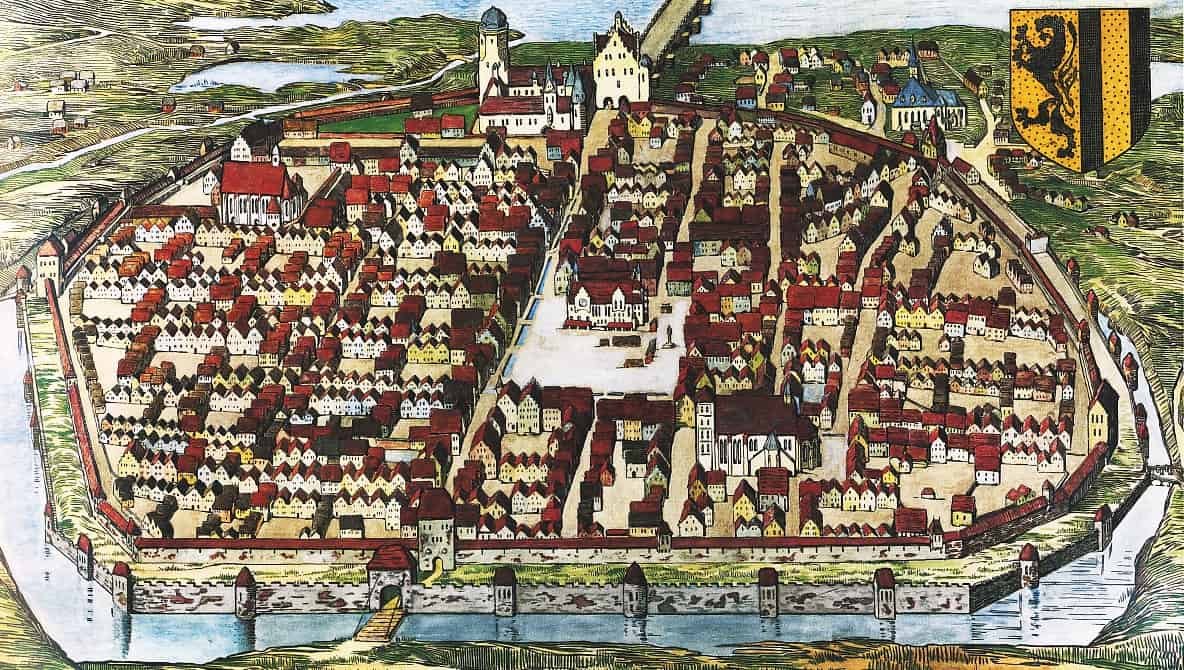
From the time of the Reformation until the post-war period — wherein Communism destroyed the Christian heart of Europe — Saxony, with Dresden as its capital, was the heart of Lutheranism in Europe.
The founding stock of the LCMS, for instance (back when she was faithful), came from Saxony.
The founding stock of the LCMS, for instance (back when she was faithful), came from Saxony.

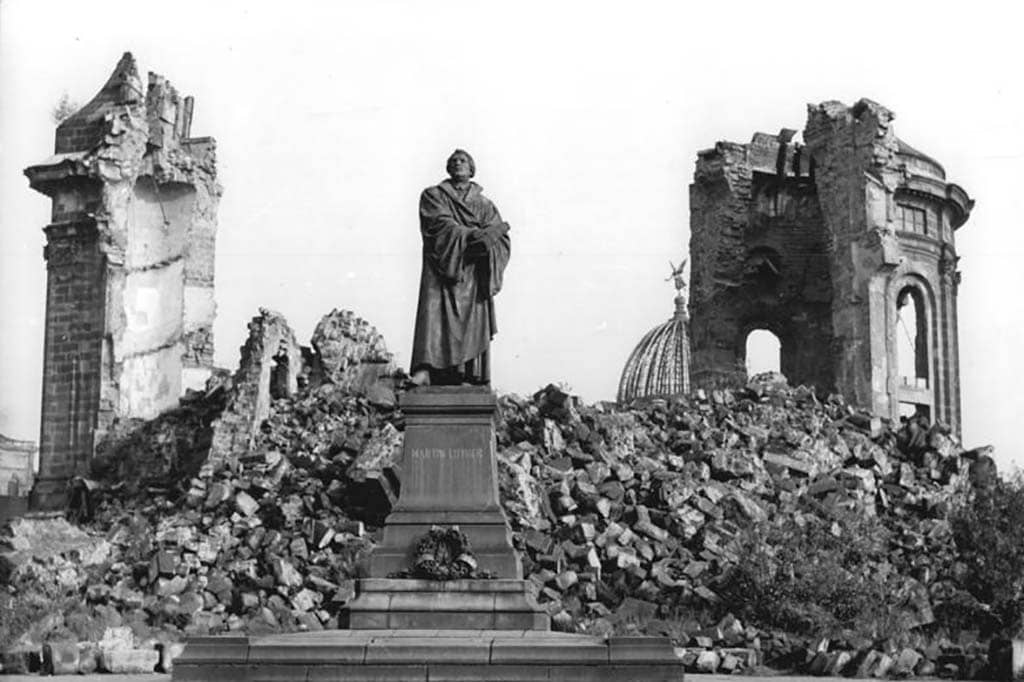
Further, the Book of Concord — the Confession of the Lutheran Church — was first published at Dresden in 1580. It was no coincidence that Dresden was chosen as a target by the Allies. Christianity was just as much under siege as the German people.
And so churches were prime targets.
And so churches were prime targets.
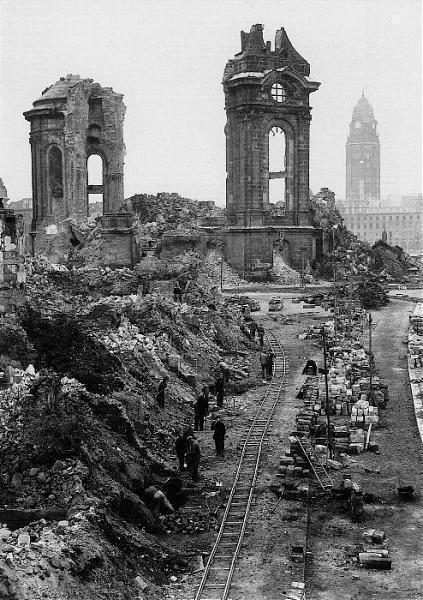
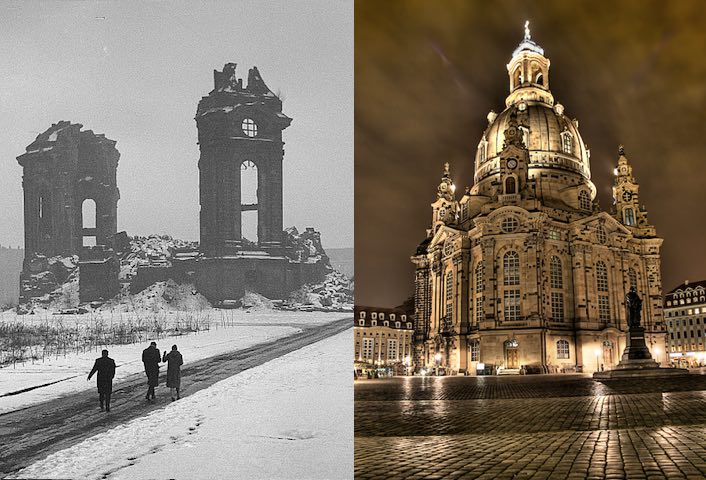
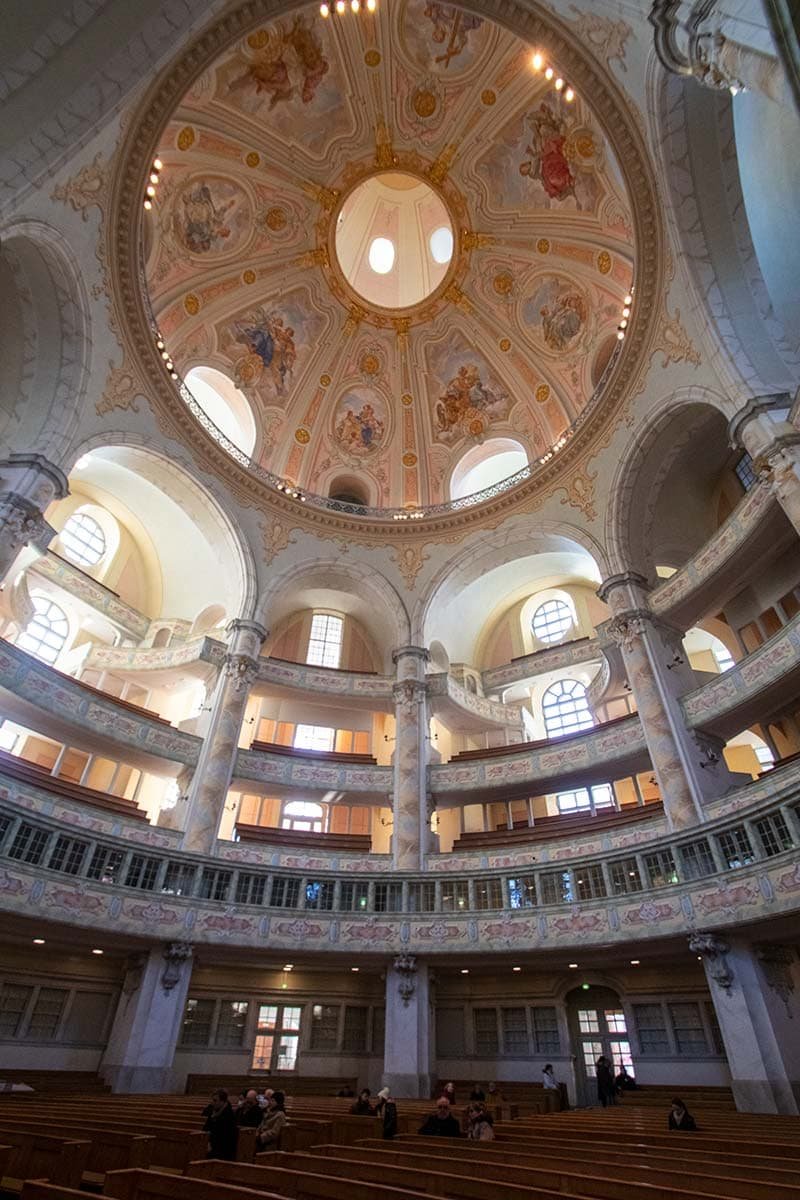
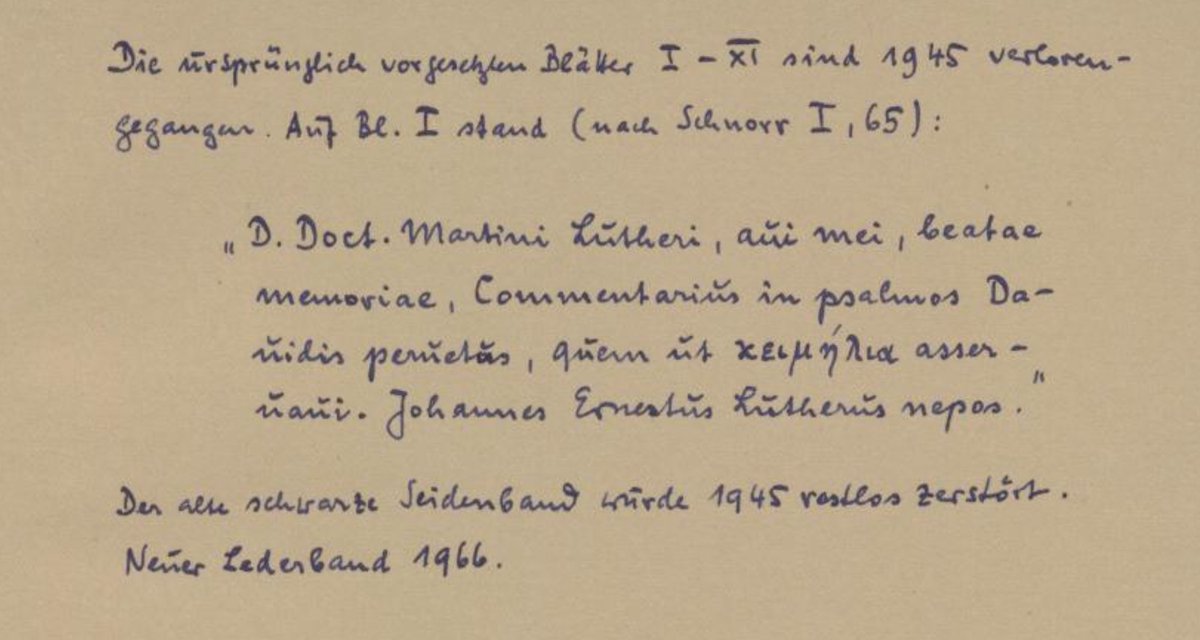
In fact, original copies of the Book of Concord — from 1580 — were destroyed or stolen during or subsequent to the bombing of Dresden. Some of these copies still remain in Russian hands. These were but some of the hundreds of thousands of volumes — many irreplaceable — lost to Allied bombs. Among the losses were Martin Luther’s original handwritten notes on the Psalms, and a handwritten note from his nephew (who had preserved them).
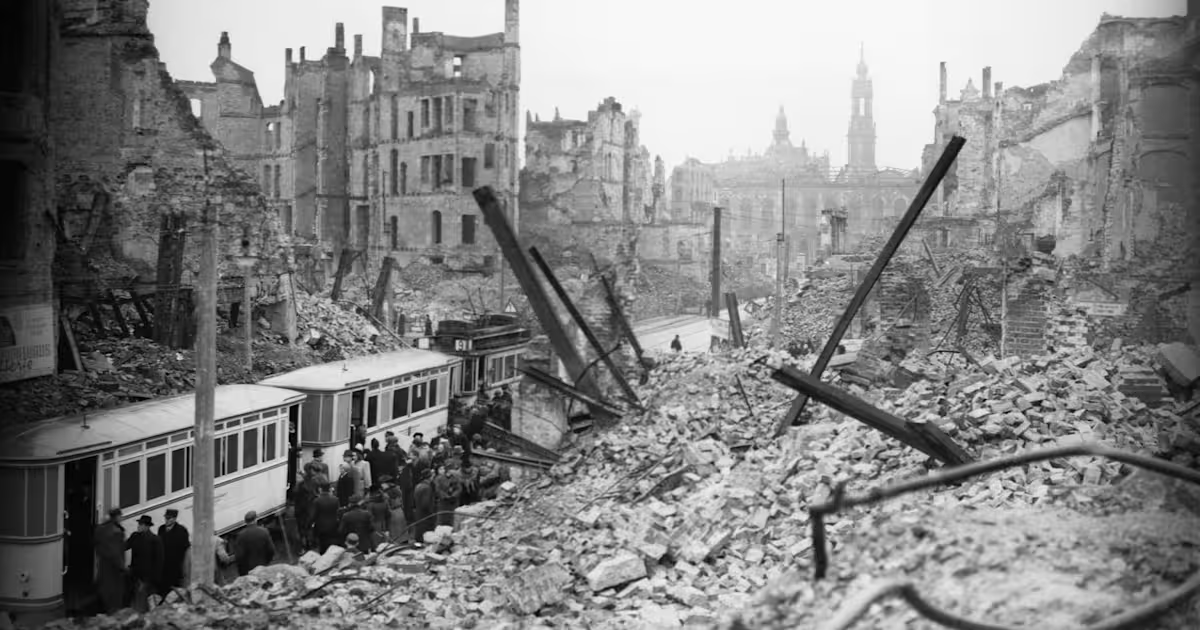
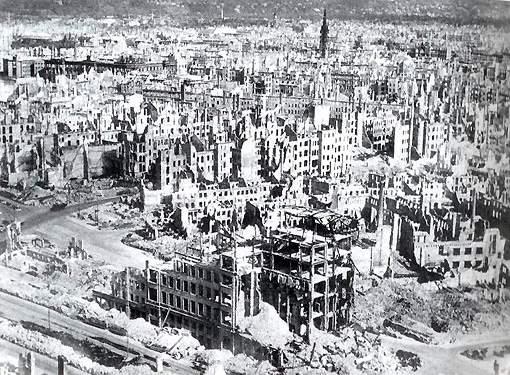
Tens of thousands of Germans — virtually all Christians — were murdered in their homes. The incendiary devices employed in the raids were designed to inflict not only damage upon infrastructure, but as much human suffering as possible.
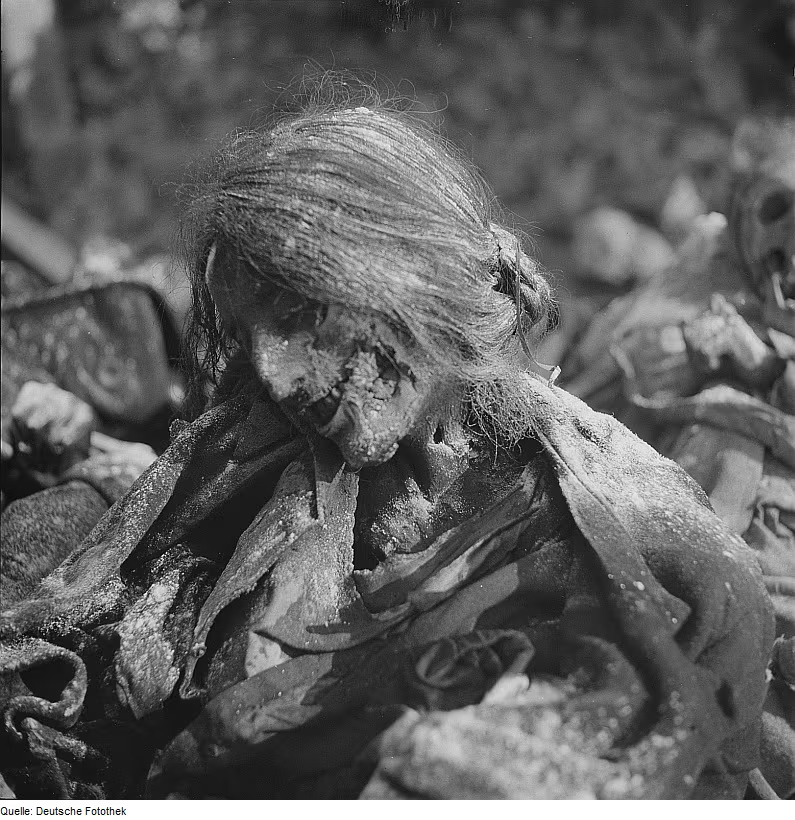
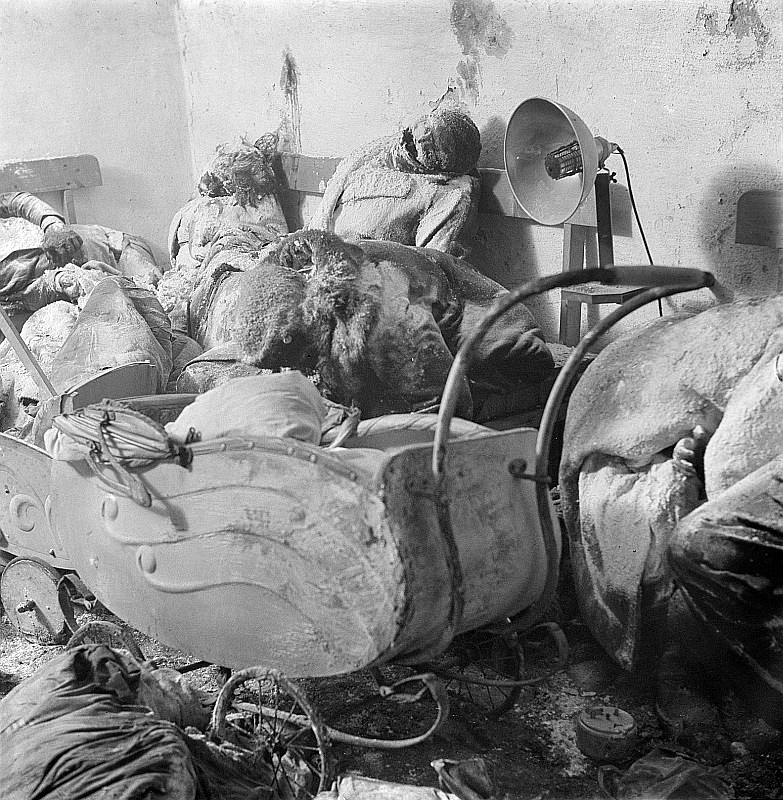
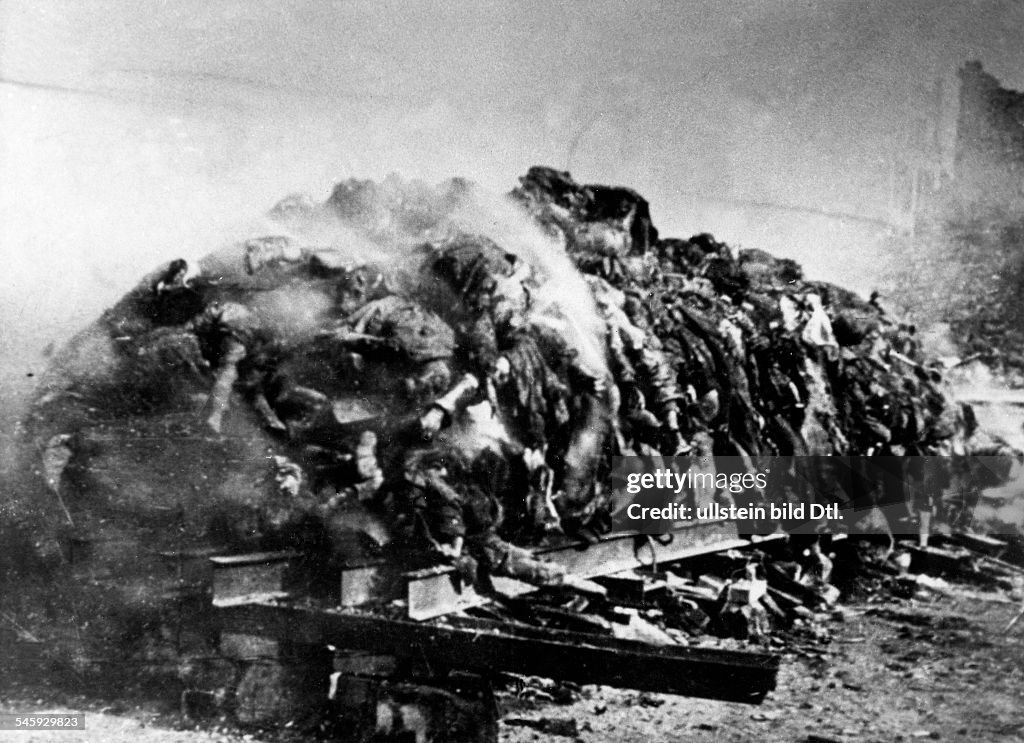
The Allied commanders chose to employ phosphorous munitions — weapons banned (in this application) by the Geneva Conventions — to target civilians and cause a maximum of suffering — also a violation of the Geneva Conventions.
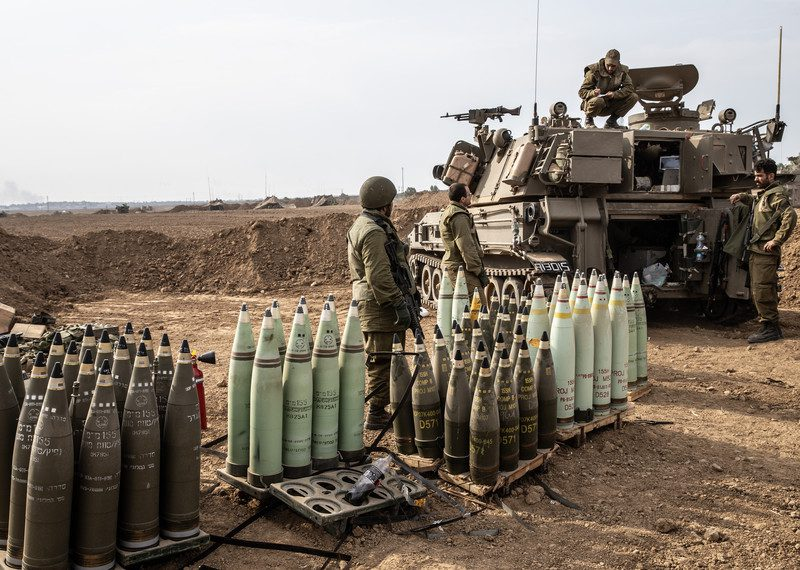
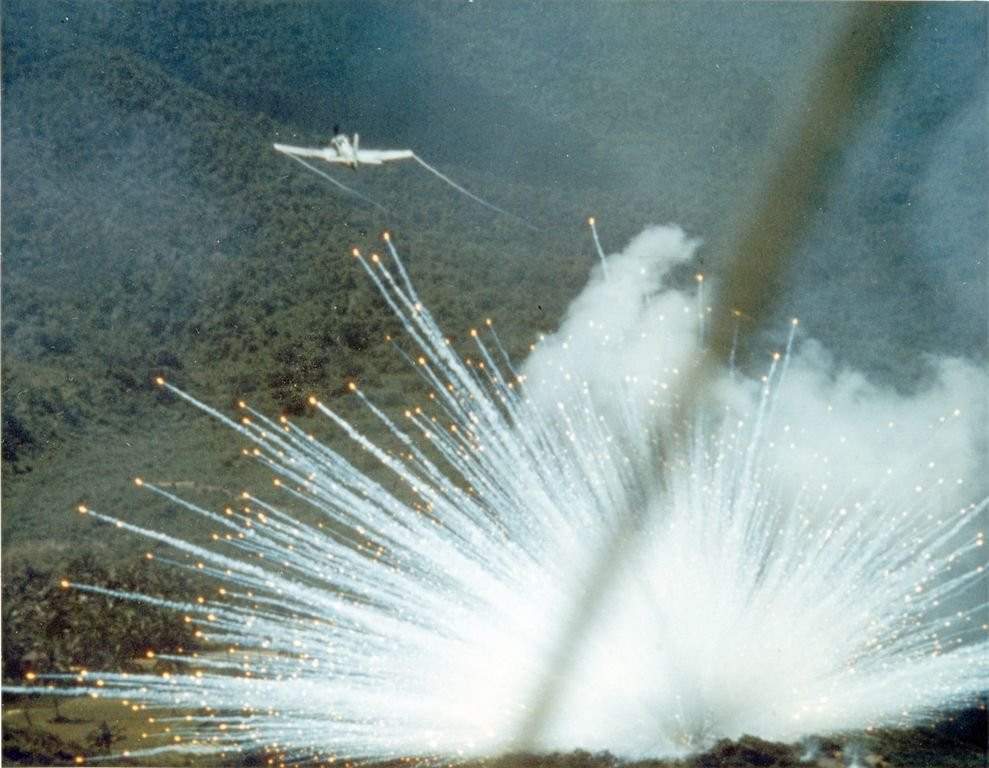
Such weapons are banned for good reason, and it is only pariah states (e.g., ‘Israel’) that employ them today. Phosphorus munitions, when employed against civilians, are intended only to cause suffering and pain.


Dresden, Hamburg, Berlin, Tokyo, Nagasaki, Hiroshima, and many others were the real holocaust of World War II.
For what does “holocaust” mean?
It is Greek for ‘whole burnt offering’.
The Allies offered these cities to their gods, and even to this day many supposed Christians defend such wickedness.
For what does “holocaust” mean?
It is Greek for ‘whole burnt offering’.
The Allies offered these cities to their gods, and even to this day many supposed Christians defend such wickedness.
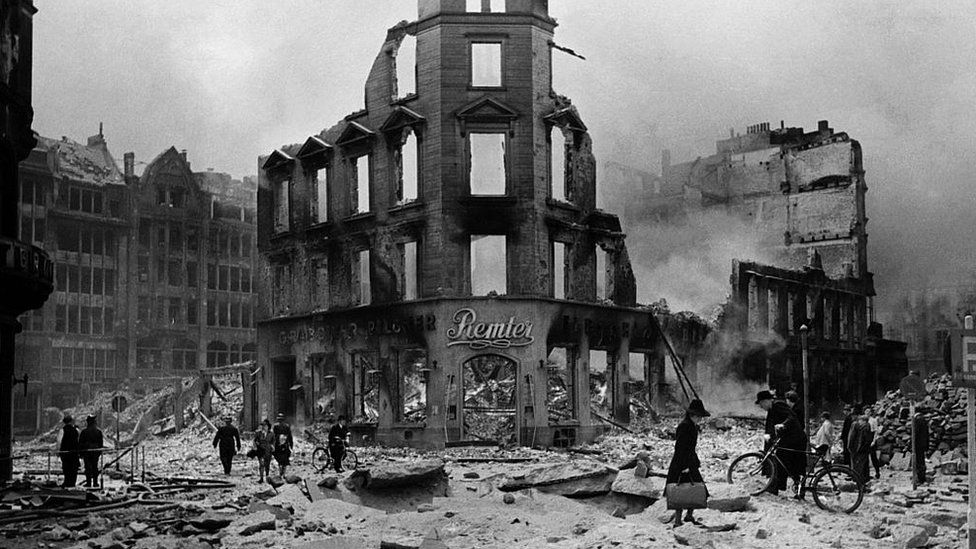

The evil of the Allies cannot be overstated and must not be defended, particularly by those who would claim to be Christians. Whereas the German Reich constructed and re-opened churches (particularly those closed by the Bolsheviks), the Allies burned churches and those in them to ash.
It was not only the ‘red night’ of Communism that silenced church bells, for the British and the Americans destroyed churches as indiscriminately as the Russians.
It was not only the ‘red night’ of Communism that silenced church bells, for the British and the Americans destroyed churches as indiscriminately as the Russians.
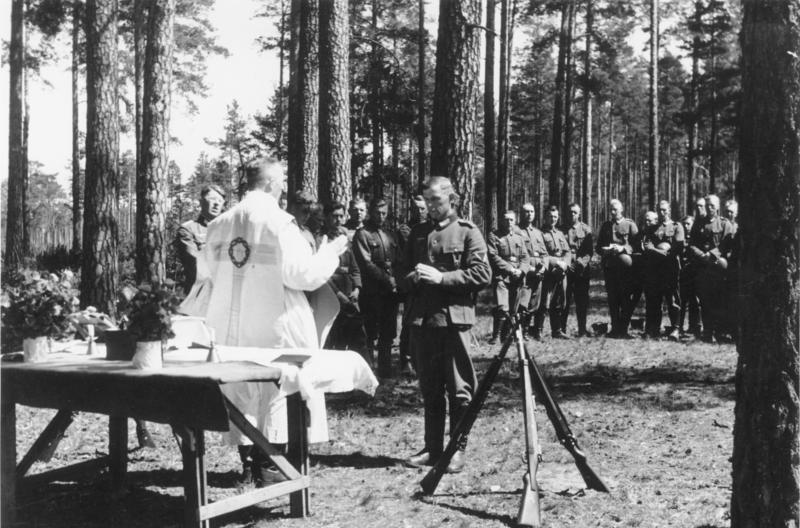
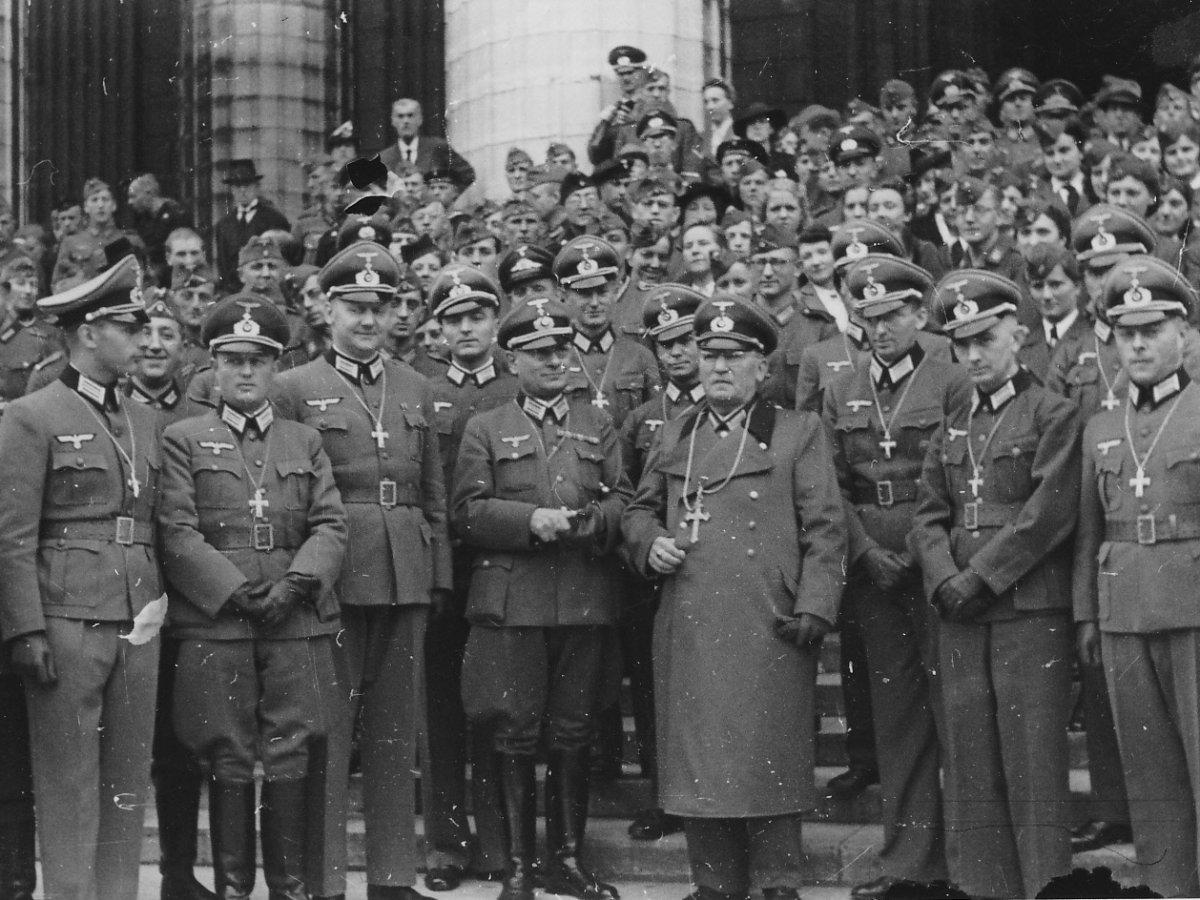
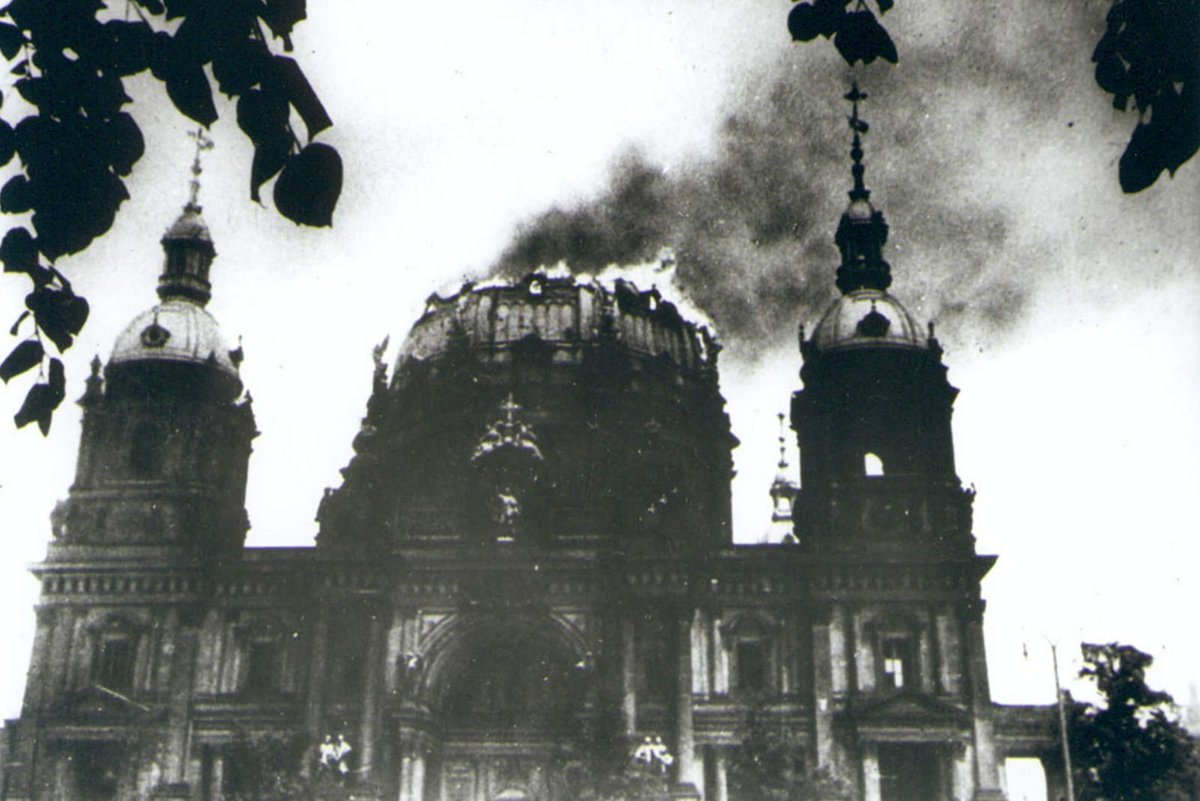
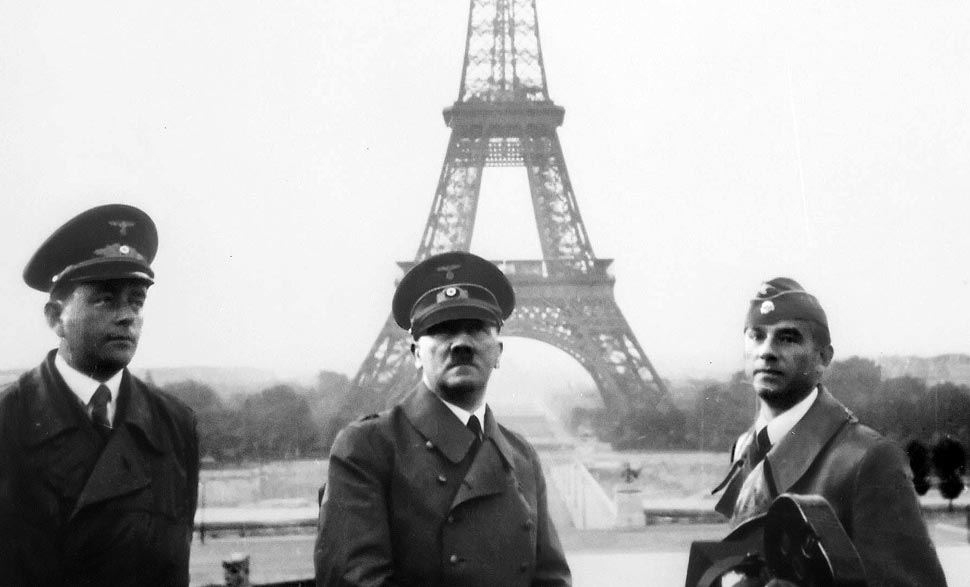
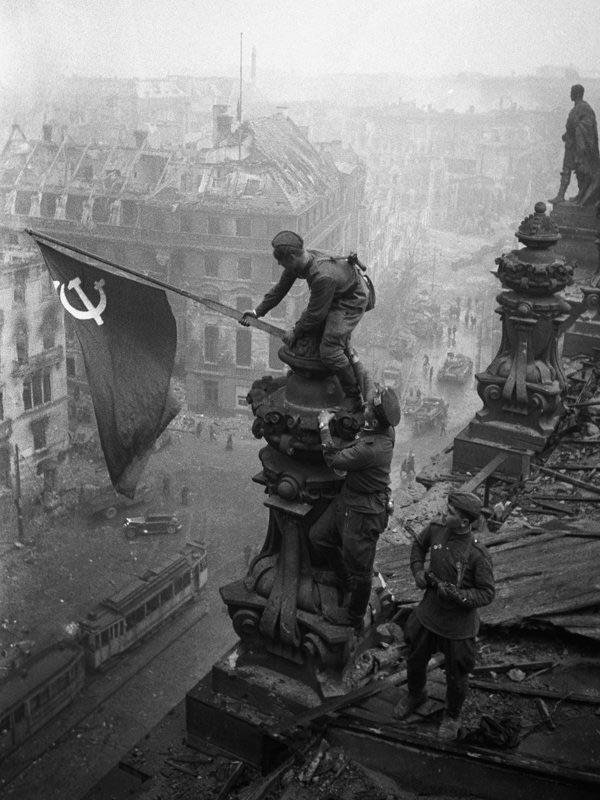
Undoubtedly your history books did not tell you that the Germans had specific officers tasked with preserving cultural, religious, and other items of importance. This is part of why France suffered minimal damage to her cultural treasures during German occupation. I invite you to compare this to the Allied occupation of Germany.
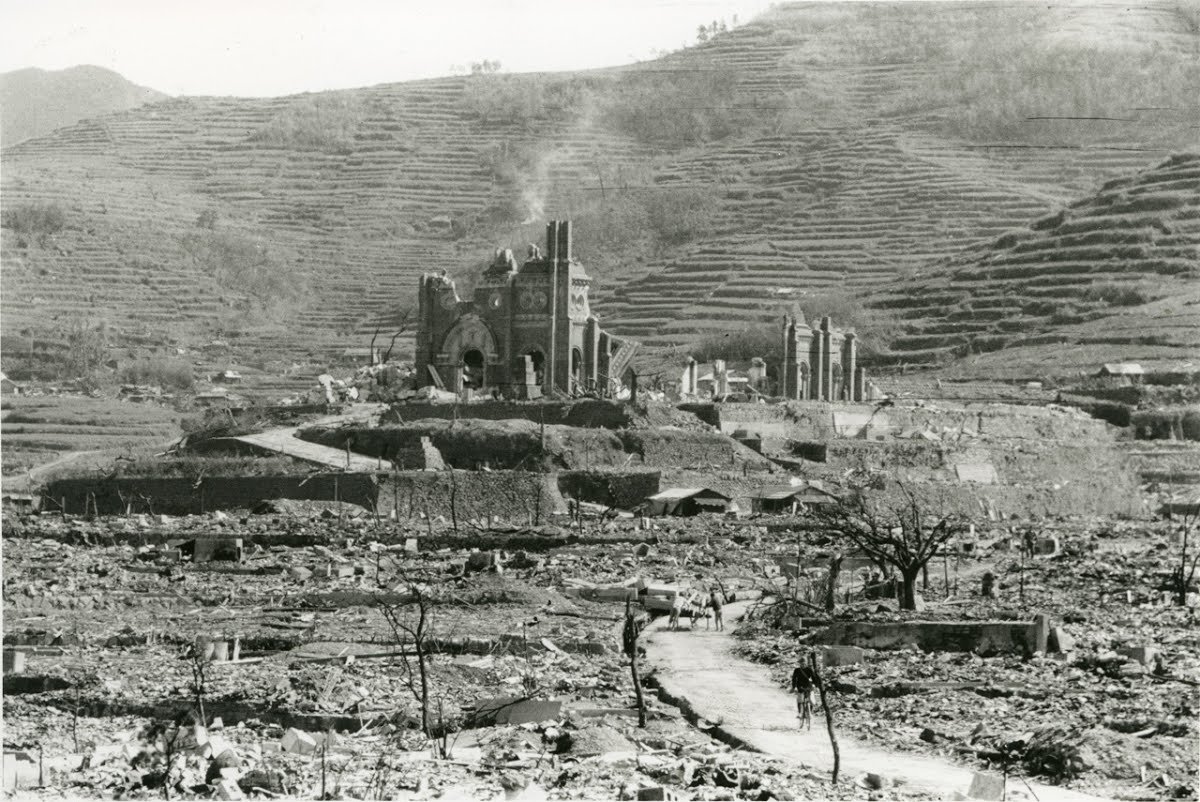
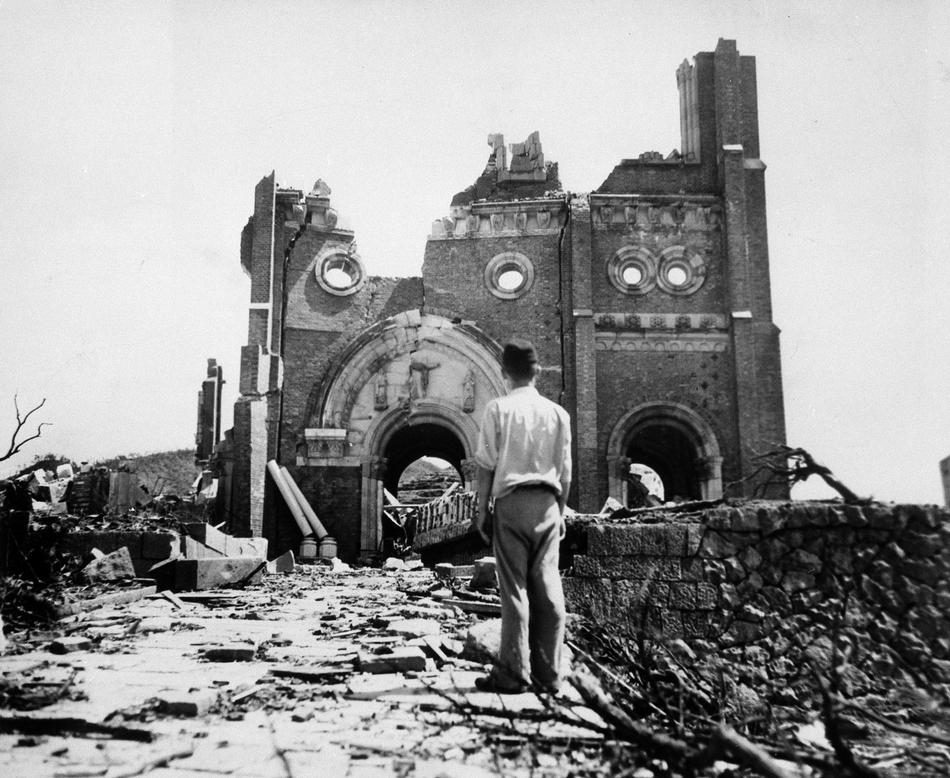
Did your history books tell you that Nagasaki was the heart of Christianity in Japan (and virtually in all of East Asia)? It was.
Until the Allies all but exterminated Christianity in Japan with two atomic bombs. How many have died without Christ because of the wickedness of deploying those weapons?
Until the Allies all but exterminated Christianity in Japan with two atomic bombs. How many have died without Christ because of the wickedness of deploying those weapons?

And yet all of this was but a prelude to the real suffering that was about to begin in Europe. The Allies made a pact with the devil, and Continental Europe, particularly Eastern Europe and the eastern portions of Germany, paid a dear price.
[I will decline to share images for this one.]
[I will decline to share images for this one.]
The Allies, to include the Atheist (and Jewish) USSR, virtually annihilated Christianity in Eastern Europe, subjected generations to untold suffering, and burned European civilization to the ground.
Yet many supposed Christians — even to this day — praise the Allies.
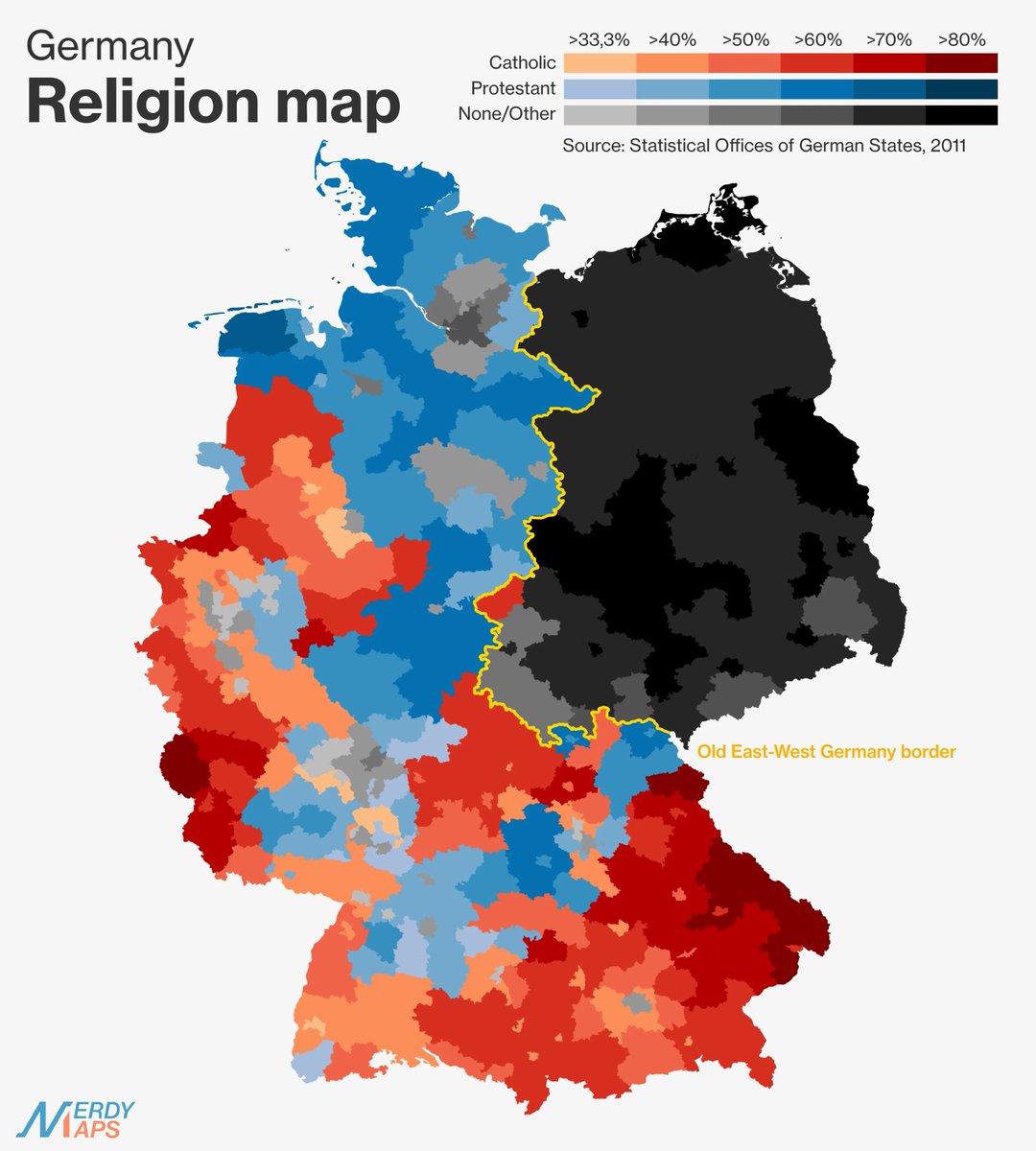
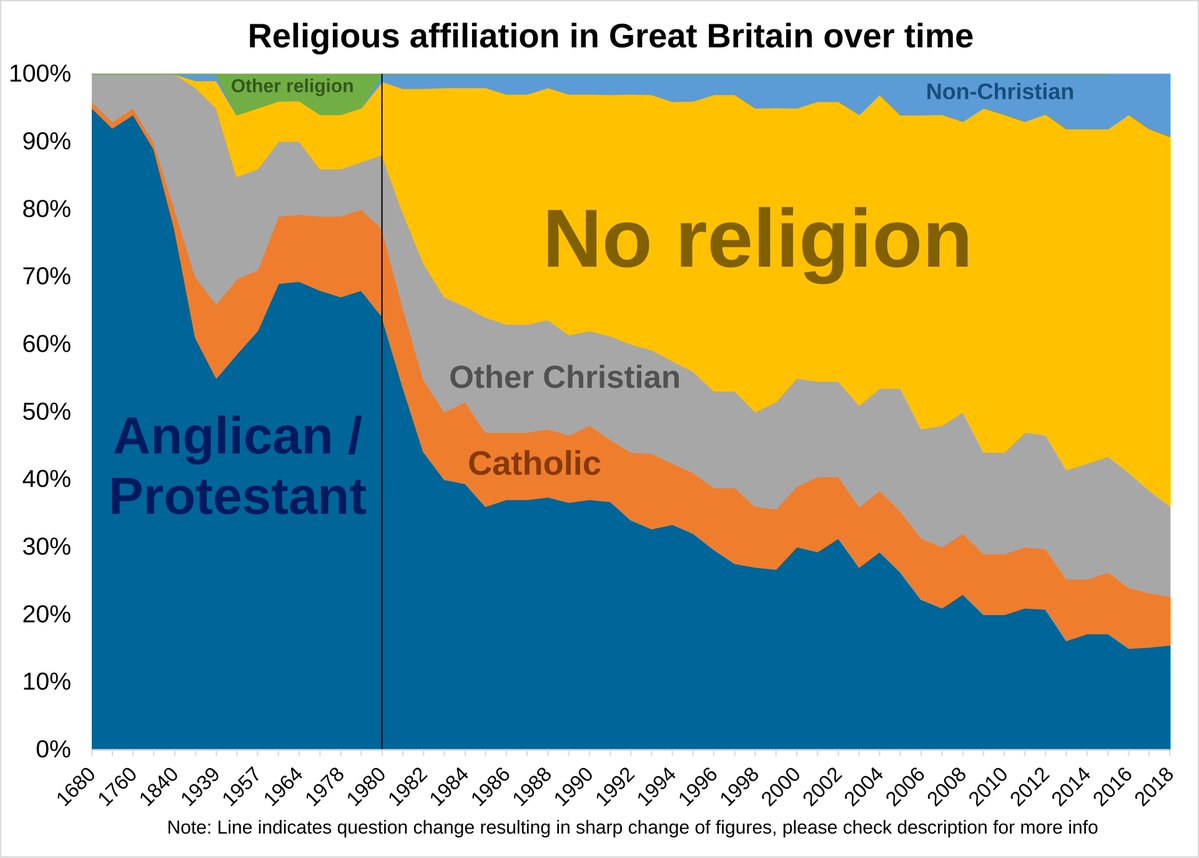
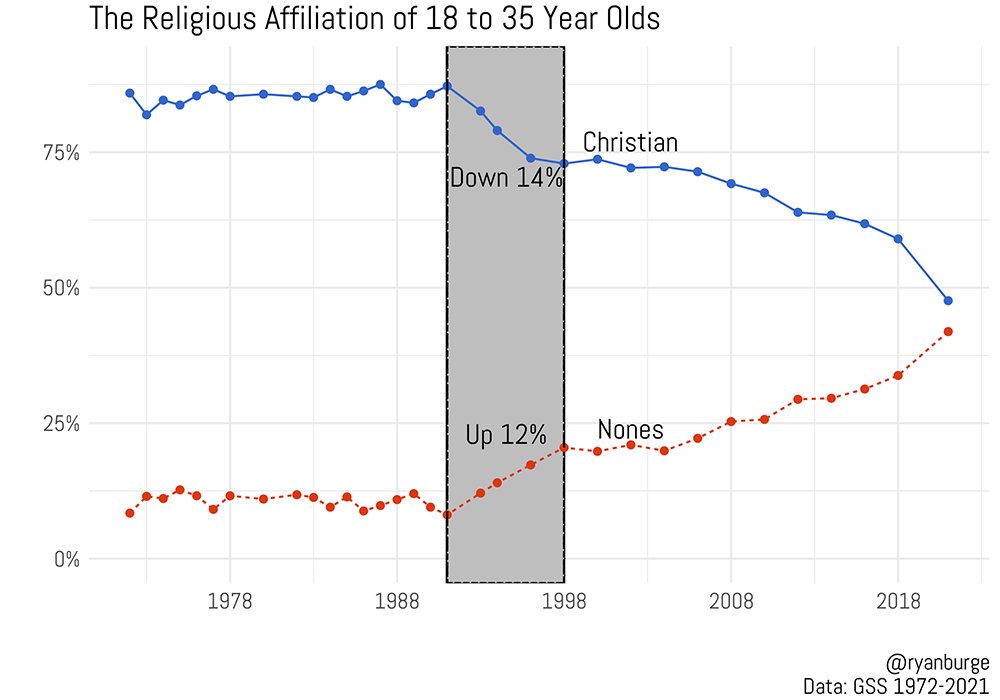
Under Adolf Hitler and the Third Reich, Germany went from ~94% Christian to ~95% Christian during World War II. Meanwhile, the Allied nations were already in terminal decline with regard to religion.
Yet many supposed Christians — even to this day — praise the Allies.
Under Adolf Hitler and the Third Reich, Germany went from ~94% Christian to ~95% Christian during World War II. Meanwhile, the Allied nations were already in terminal decline with regard to religion.
A Christian must confess not only his own sins, but also, at times, the sins of his fathers.
Psalm 106:6:
»We sinned together with our fathers;
we acted lawlessly; we committed injustice.«
May the God Who visits the sins of fathers unto the third and fourth generation of those who hate Him forgive us.
Lord, have mercy.
Psalm 106:6:
»We sinned together with our fathers;
we acted lawlessly; we committed injustice.«
May the God Who visits the sins of fathers unto the third and fourth generation of those who hate Him forgive us.
Lord, have mercy.
@threadreaderapp unroll
• • •
Missing some Tweet in this thread? You can try to
force a refresh