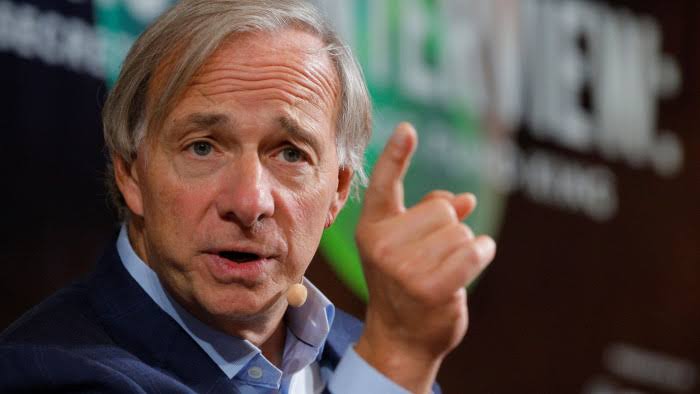
In 2013, Nassim Taleb gave a 1-hour masterclass on Antifragile and how the world really works.
He broke down how:
• Small failures save systems
• Big success hides fragility
• Forecasting is dangerous
• Time exposes lies
12 lessons from Taleb on surviving uncertainty:
He broke down how:
• Small failures save systems
• Big success hides fragility
• Forecasting is dangerous
• Time exposes lies
12 lessons from Taleb on surviving uncertainty:
1. Fragile is not the opposite of strong
Taleb starts with a linguistic trap
People assume “robust” is the opposite of fragile
It isn’t
Fragile things are harmed by volatility
Robust things resist it
But antifragile things improve because of it
That distinction changes everything
Taleb starts with a linguistic trap
People assume “robust” is the opposite of fragile
It isn’t
Fragile things are harmed by volatility
Robust things resist it
But antifragile things improve because of it
That distinction changes everything
2. Fragility is mathematical, not philosophical
Fragility isn’t an opinion
It’s measurable
If harm accelerates as stress increases, the system is fragile
If benefits accelerate with stress, it’s antifragile
Taleb reduces uncertainty to second-order effects, not forecasts
Fragility isn’t an opinion
It’s measurable
If harm accelerates as stress increases, the system is fragile
If benefits accelerate with stress, it’s antifragile
Taleb reduces uncertainty to second-order effects, not forecasts
3. Big shocks hurt more than many small ones
Jumping 10 meters kills you
Jumping 10 centimeters 100 times doesn’t
That asymmetry explains why large events destroy fragile systems
And why gradual stress often strengthens living ones
Fragility hides in nonlinear damage
Jumping 10 meters kills you
Jumping 10 centimeters 100 times doesn’t
That asymmetry explains why large events destroy fragile systems
And why gradual stress often strengthens living ones
Fragility hides in nonlinear damage
4. Stability is not safety
Governments and institutions chase smoothness
No volatility
No fluctuations
Taleb argues this is how systems store hidden risk
Like a forest without small fires
It looks safe
Until it burns everything
Governments and institutions chase smoothness
No volatility
No fluctuations
Taleb argues this is how systems store hidden risk
Like a forest without small fires
It looks safe
Until it burns everything
5. Time is the ultimate stress test
Taleb drops a quiet bomb here
Time is volatile
Anything fragile eventually breaks over time
What survives long without intervention gains credibility
What needs constant support is already failing
Longevity is evidence
Taleb drops a quiet bomb here
Time is volatile
Anything fragile eventually breaks over time
What survives long without intervention gains credibility
What needs constant support is already failing
Longevity is evidence
6. Risk can’t be measured, fragility can
Risk lives in the future
And the future is opaque
But fragility shows itself in the present
Through exposure to harm
Taleb’s move is radical:
Stop predicting outcomes
Start measuring sensitivity to error
Risk lives in the future
And the future is opaque
But fragility shows itself in the present
Through exposure to harm
Taleb’s move is radical:
Stop predicting outcomes
Start measuring sensitivity to error
7. Size creates fragility
Large systems fail differently than small ones
When a small bridge collapses, others become safer
When a big bank collapses, everything weakens
Scale magnifies harm
And concentrates failure
This is why decentralization survives chaos better than central control
Large systems fail differently than small ones
When a small bridge collapses, others become safer
When a big bank collapses, everything weakens
Scale magnifies harm
And concentrates failure
This is why decentralization survives chaos better than central control
8. What doesn’t kill you didn’t make you stronger
Taleb dismantles a popular myth
Survival is often selection, not improvement
Weak components die
The system looks stronger
But strength came from removal
Not stress itself
Understanding this prevents dangerous overconfidence
Taleb dismantles a popular myth
Survival is often selection, not improvement
Weak components die
The system looks stronger
But strength came from removal
Not stress itself
Understanding this prevents dangerous overconfidence
9. Trial and error only works when losses are capped
People romanticize experimentation
Taleb makes it precise
Trial and error works only when downside is limited
And upside is open-ended
That’s optionality
Without it, experimentation is just gambling
People romanticize experimentation
Taleb makes it precise
Trial and error works only when downside is limited
And upside is open-ended
That’s optionality
Without it, experimentation is just gambling
10. Top-down knowledge fails in complex systems
Many things we credit to theory
Actually came from tinkering
Rome was built without equations
Cooking improves without academic models
Taleb argues real knowledge often arrives after practice
Not before it
Many things we credit to theory
Actually came from tinkering
Rome was built without equations
Cooking improves without academic models
Taleb argues real knowledge often arrives after practice
Not before it
11. Less is more in complex systems
Adding interventions creates hidden side effects
Removing harmful inputs does not
Taleb calls this via negativa
Progress by subtraction
Stop doing what weakens the system
Before adding what you think will save it
Adding interventions creates hidden side effects
Removing harmful inputs does not
Taleb calls this via negativa
Progress by subtraction
Stop doing what weakens the system
Before adding what you think will save it
12. Ethics require skin in the game
The most dangerous errors are made by people who don’t pay for them
Bankers collect upside
Society absorbs the downside
Taleb’s ethical rule is simple:
Never let someone make decisions
When others bear the cost of failure
The most dangerous errors are made by people who don’t pay for them
Bankers collect upside
Society absorbs the downside
Taleb’s ethical rule is simple:
Never let someone make decisions
When others bear the cost of failure
I hope you've found this thread helpful.
Follow me @BradleyKellard for more.
Like/Repost the quote below if you can:
Follow me @BradleyKellard for more.
Like/Repost the quote below if you can:
https://x.com/BradleyKellard/status/2024477581261865239
• • •
Missing some Tweet in this thread? You can try to
force a refresh