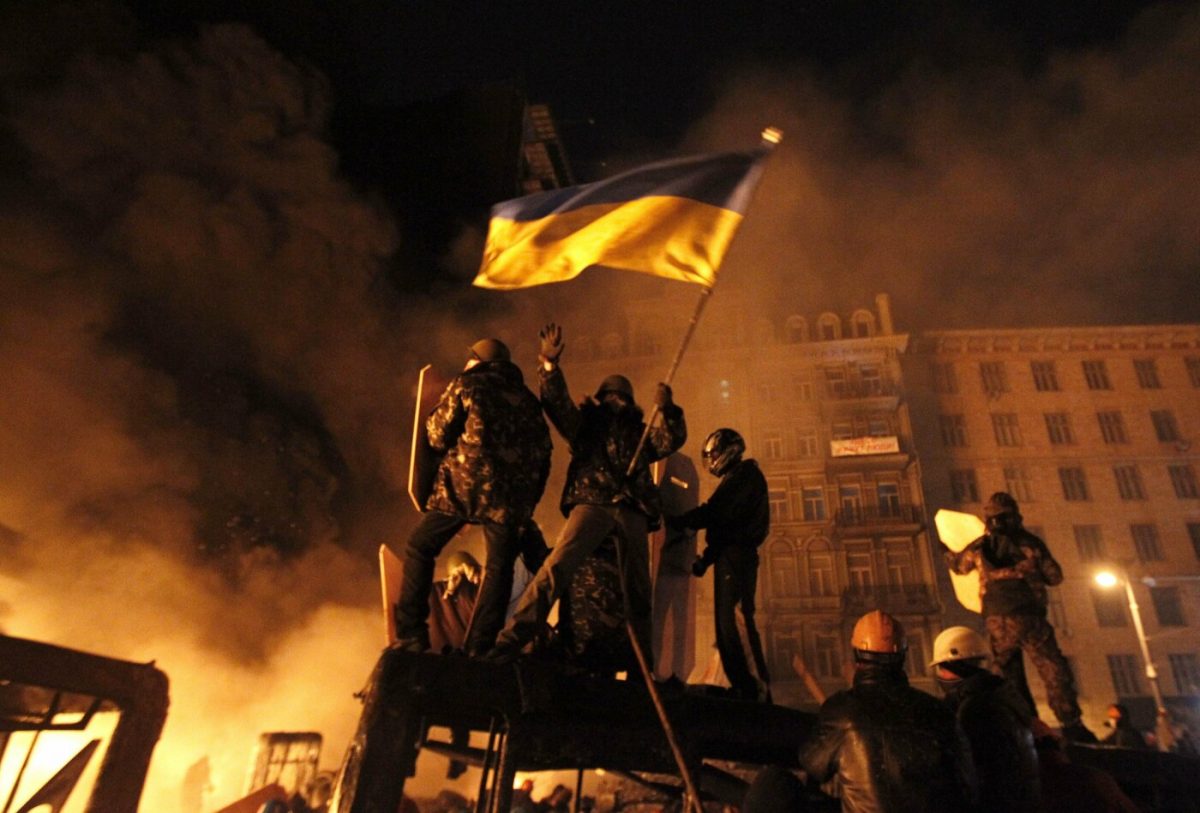
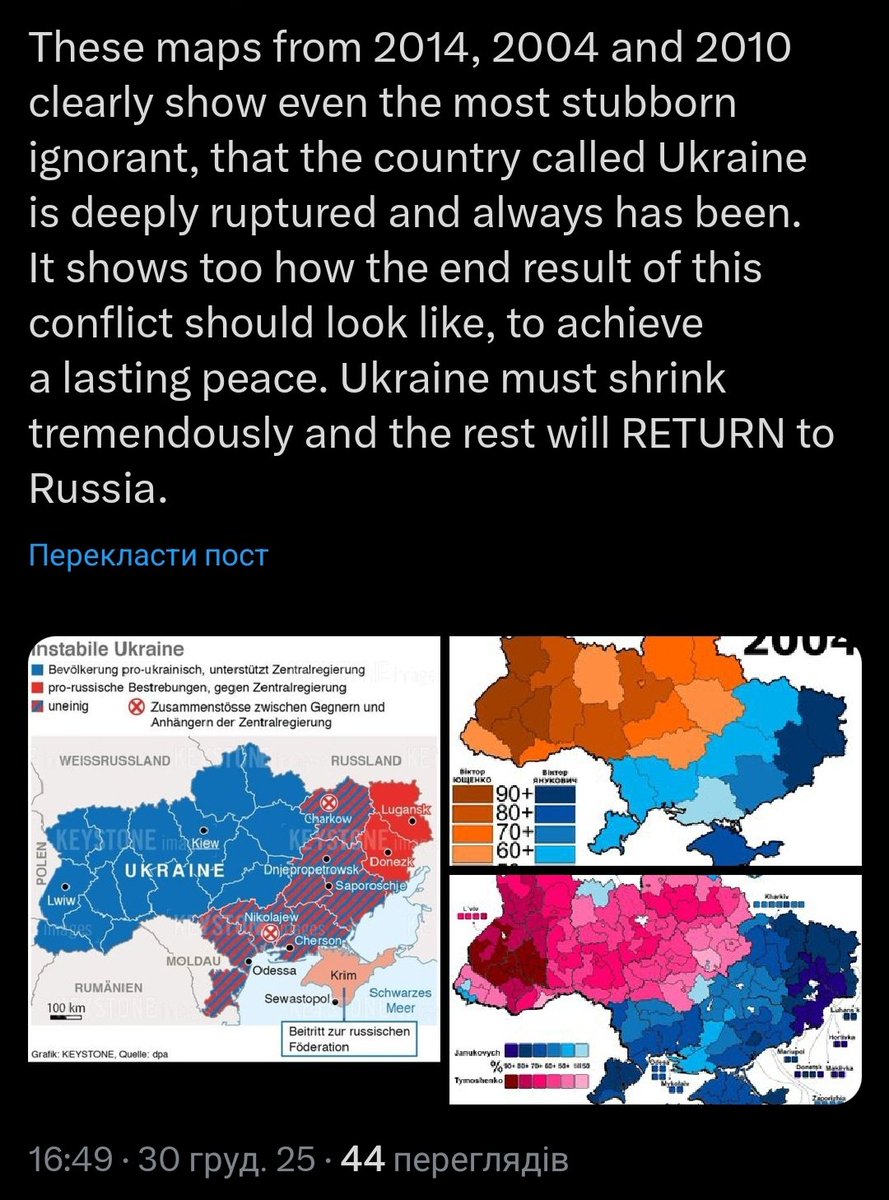
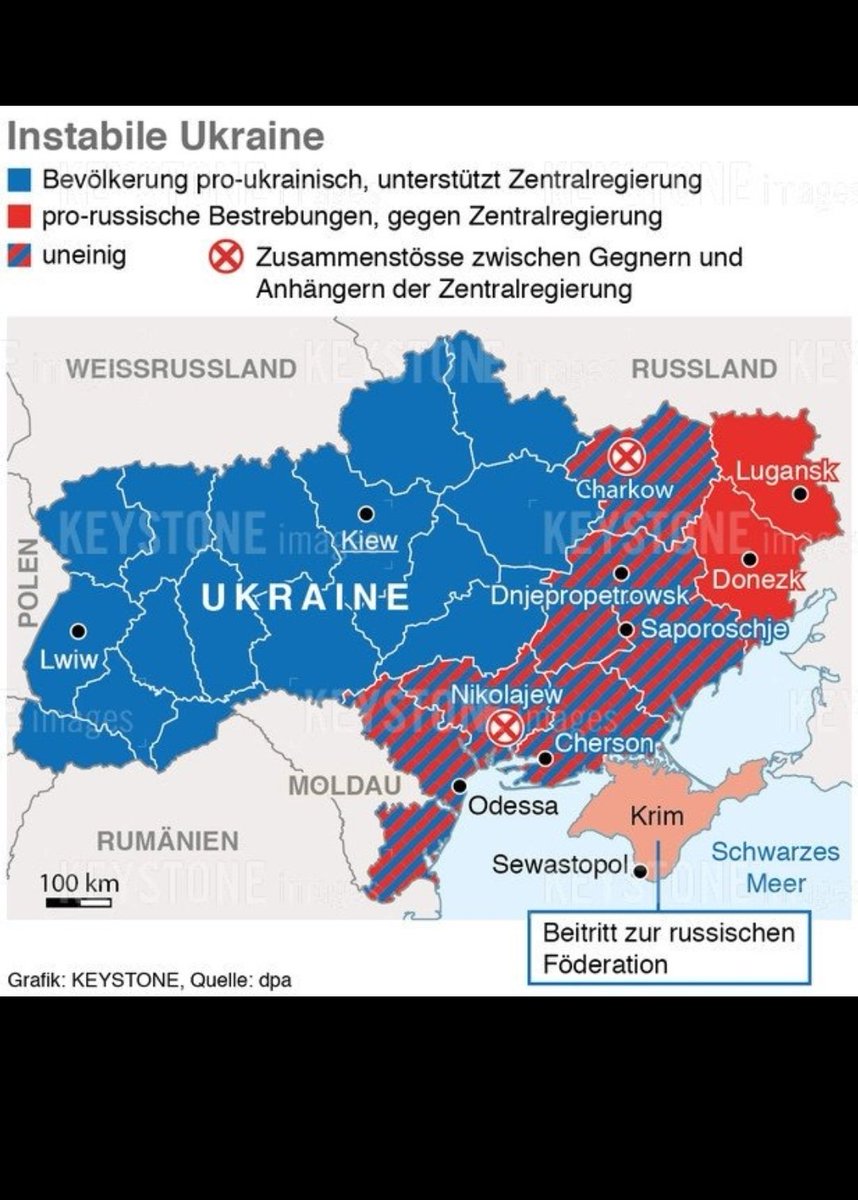
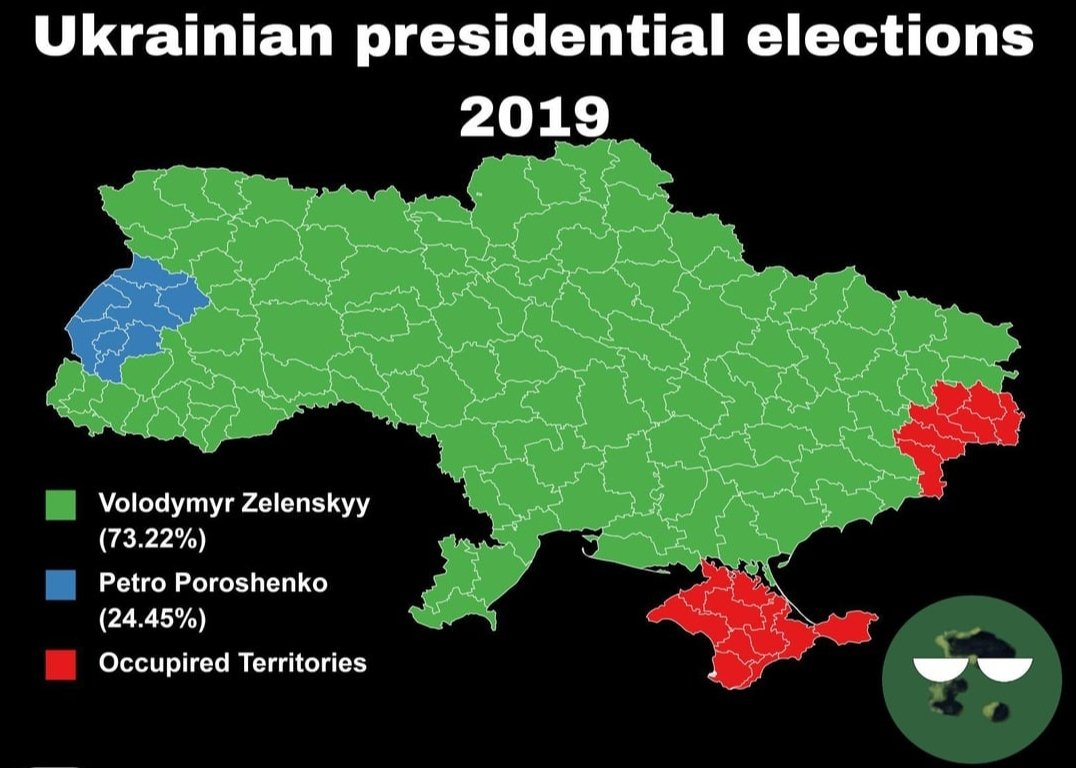
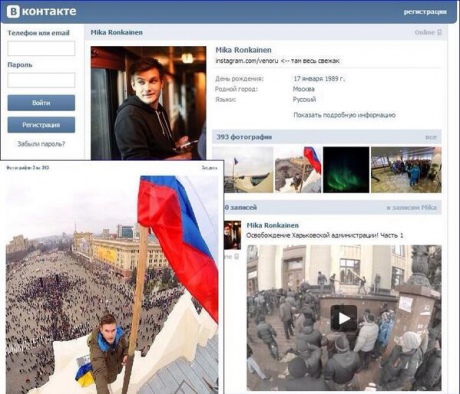
🧵Thread: Debunking Russian propaganda claiming that "Maidan" forced Russia to annex Crimea. In reality, preparations for this aggression had been underway long before the Revolution of Dignity.
1/8 Today marks 12 years since Russia began its military aggression against Ukraine and launched the active phase of the annexation of Crimea. This date is recognized not only by Ukraine - but by Russia itself.
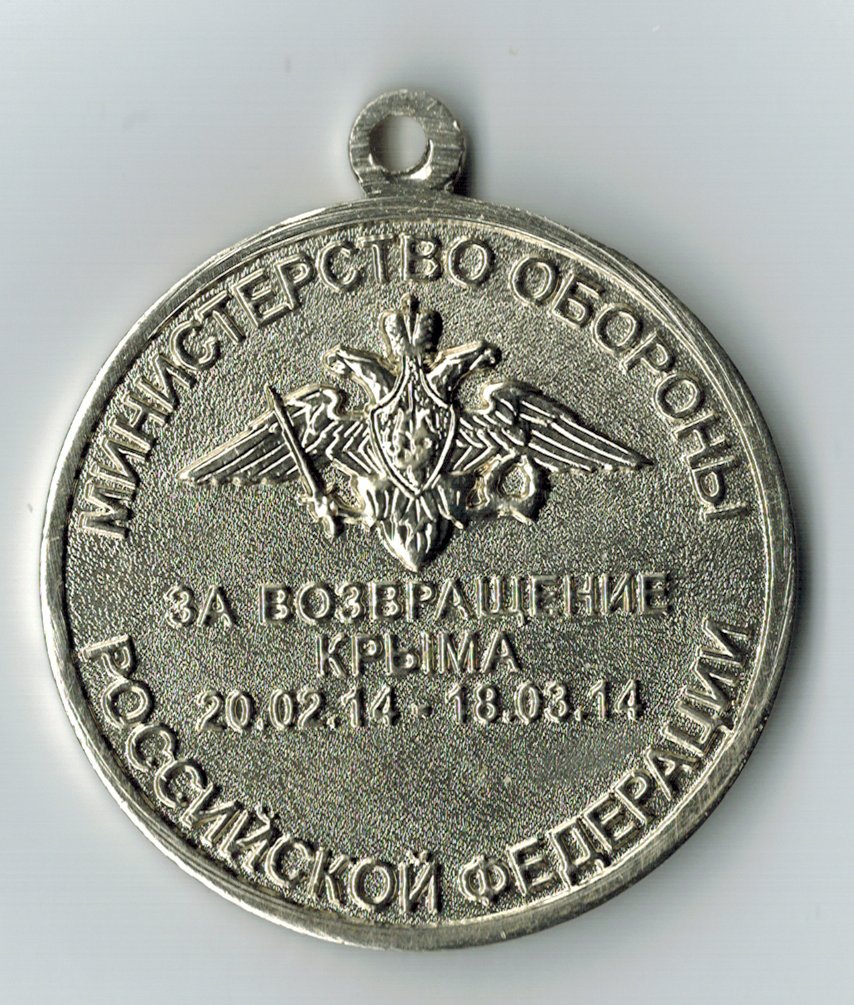
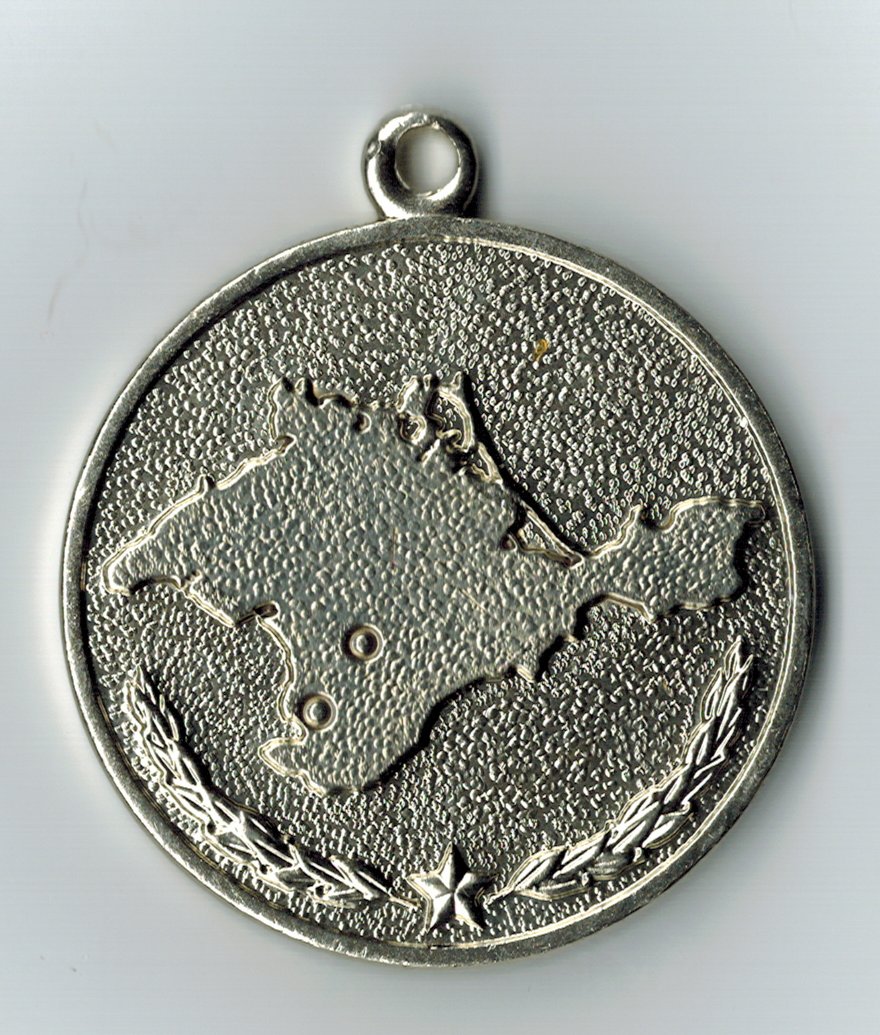
The Russian Ministry of Defence medal "For the Return of Crimea" is officially dated 20 February 2014 - 18 March 2014.
On that very day Viktor Yanukovych was still President. He gave the order to crush the protests "by any means necessary". February 20 became the bloodiest day of the Revolution of Dignity.
Obviously, an operation to seize part of a sovereign country cannot be prepared in a day or even a week. The active phase began in the summer of 2013, while the strategic planning had been in motion for many years.
Let’s walk through the facts that prove this 👇
1/8 Today marks 12 years since Russia began its military aggression against Ukraine and launched the active phase of the annexation of Crimea. This date is recognized not only by Ukraine - but by Russia itself.
The Russian Ministry of Defence medal "For the Return of Crimea" is officially dated 20 February 2014 - 18 March 2014.
On that very day Viktor Yanukovych was still President. He gave the order to crush the protests "by any means necessary". February 20 became the bloodiest day of the Revolution of Dignity.
Obviously, an operation to seize part of a sovereign country cannot be prepared in a day or even a week. The active phase began in the summer of 2013, while the strategic planning had been in motion for many years.
Let’s walk through the facts that prove this 👇
2/8
Let’s start with 2008 - the year Russia waged war against Georgia.
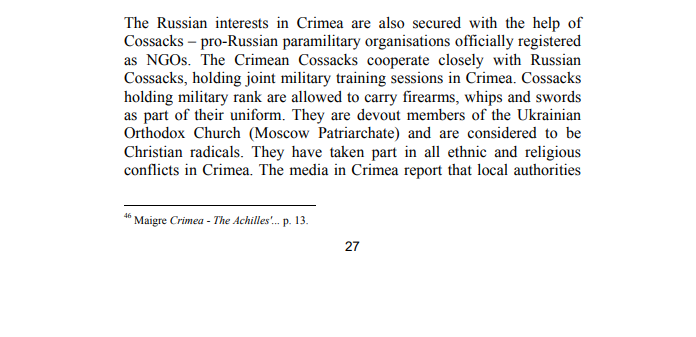
Although the signs of Moscow’s desire to annex Crimea had been visible long before: the Tuzla Island conflict, funding of pro-Russian organizations (including the so-called "Crimean Cossacks"), aggressive promotion of Russian citizenship, and the fast-track issuance of Russian passports.
It appears that the weak and toothless reaction of world leaders to Russia’s aggression against Georgia and the occupation of Georgian territories gave Putin the green light for something far more ambitious - a future war against Ukraine.
Immediately after the Georgian war in 2008, Russia began reorganizing the 810th Separate Naval Infantry Regiment into a full brigade, dramatically increasing its manpower. This exact unit would play the central role in the 2014 annexation of Crimea.
From 2008 onward, this brigade conducted regular exercises that specifically practiced the creation and arming of illegal armed formations - "Cossack organizations", "people’s self-defense squads", and so on.
Russian servicemen were put in civilian clothes, issued weapons, and trained to act as supposed "local self-defense forces". In a stunning "coincidence", they were rehearsing exactly what would happen in 2014.
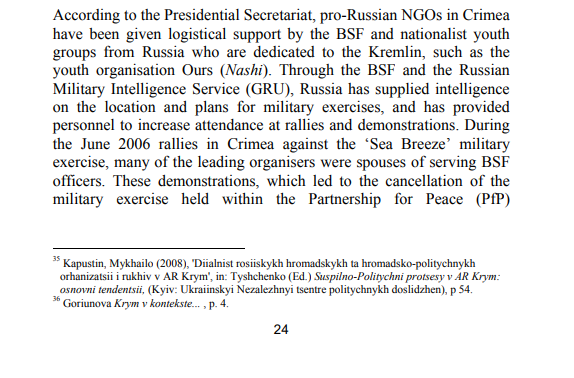
From that same period, close cooperation intensified between the 810th Brigade, the Black Sea Fleet as a whole, and the Crimean Cossacks - groups directly controlled by Russian intelligence and financed by the Kremlin.
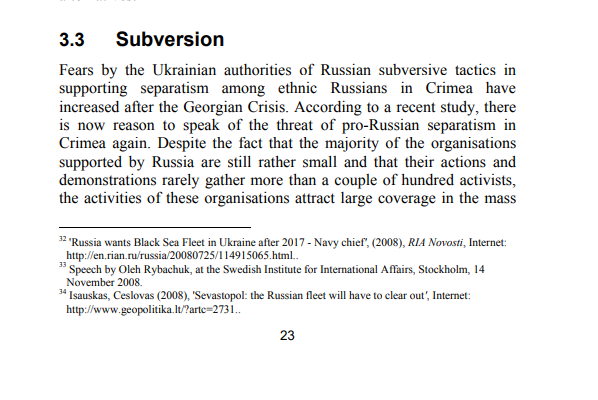
All of this was already documented in November 2008(!) in the report "Crimea after the Georgian Crisis" by the Swedish Defence Research Agency (FOI), as well as in reports from Ukraine’s Main Intelligence Directorate (GUR).
Let’s start with 2008 - the year Russia waged war against Georgia.
Although the signs of Moscow’s desire to annex Crimea had been visible long before: the Tuzla Island conflict, funding of pro-Russian organizations (including the so-called "Crimean Cossacks"), aggressive promotion of Russian citizenship, and the fast-track issuance of Russian passports.
It appears that the weak and toothless reaction of world leaders to Russia’s aggression against Georgia and the occupation of Georgian territories gave Putin the green light for something far more ambitious - a future war against Ukraine.
Immediately after the Georgian war in 2008, Russia began reorganizing the 810th Separate Naval Infantry Regiment into a full brigade, dramatically increasing its manpower. This exact unit would play the central role in the 2014 annexation of Crimea.
From 2008 onward, this brigade conducted regular exercises that specifically practiced the creation and arming of illegal armed formations - "Cossack organizations", "people’s self-defense squads", and so on.
Russian servicemen were put in civilian clothes, issued weapons, and trained to act as supposed "local self-defense forces". In a stunning "coincidence", they were rehearsing exactly what would happen in 2014.
From that same period, close cooperation intensified between the 810th Brigade, the Black Sea Fleet as a whole, and the Crimean Cossacks - groups directly controlled by Russian intelligence and financed by the Kremlin.
All of this was already documented in November 2008(!) in the report "Crimea after the Georgian Crisis" by the Swedish Defence Research Agency (FOI), as well as in reports from Ukraine’s Main Intelligence Directorate (GUR).
3/8
Here’s a very telling detail:
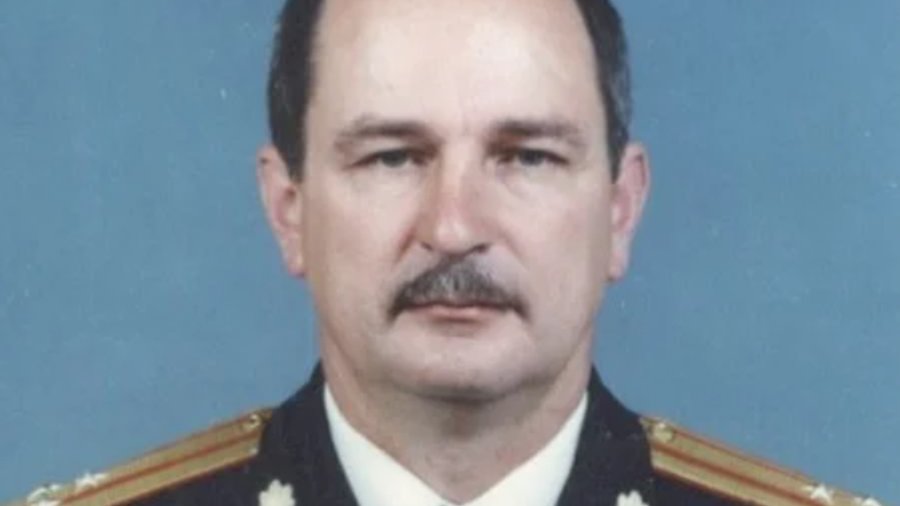
In 2014, the so-called "People’s Self-Defense of Sevastopol" was headed by a Russian citizen, Oleg Roslyakov - the man who had earlier commanded the very same 810th Separate Naval Infantry Regiment we mentioned in the previous post.
These "People’s Self-Defense" units were, in reality, illegal armed formations. They blocked Ukrainian military units, seized military bases, and attacked pro-Ukrainian activists and Crimean Tatars. Yet Moscow presented them as "spontaneous unions of local Crimeans".
Exactly the same "people’s self-defense" groups were created in Donbas - and were also directly run by the Kremlin.
The mask was off.
Here’s a very telling detail:
In 2014, the so-called "People’s Self-Defense of Sevastopol" was headed by a Russian citizen, Oleg Roslyakov - the man who had earlier commanded the very same 810th Separate Naval Infantry Regiment we mentioned in the previous post.
These "People’s Self-Defense" units were, in reality, illegal armed formations. They blocked Ukrainian military units, seized military bases, and attacked pro-Ukrainian activists and Crimean Tatars. Yet Moscow presented them as "spontaneous unions of local Crimeans".
Exactly the same "people’s self-defense" groups were created in Donbas - and were also directly run by the Kremlin.
The mask was off.
4/8
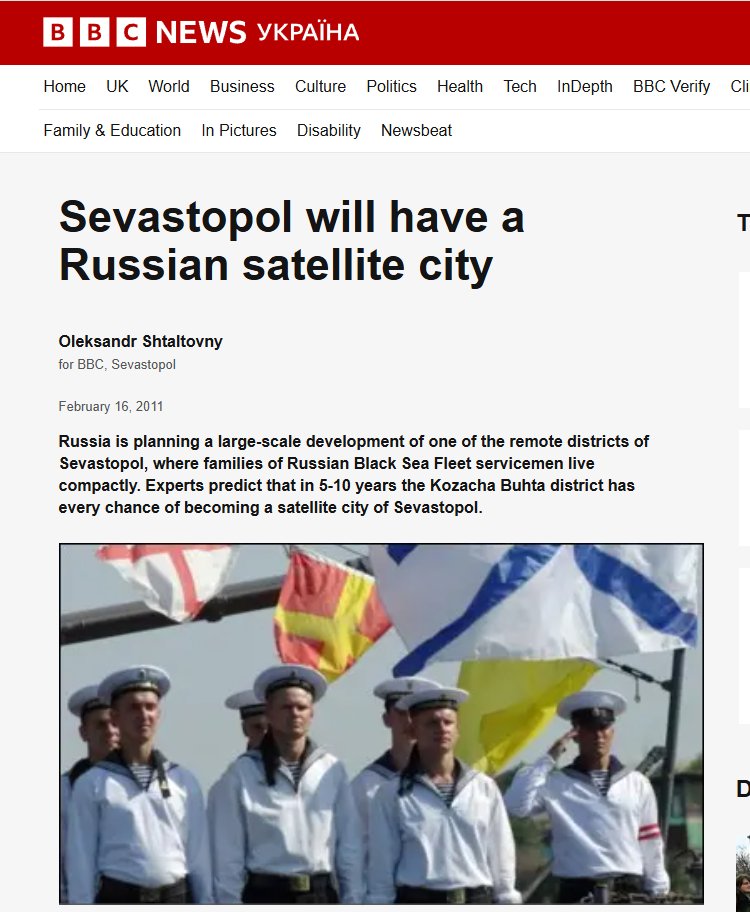
Russia actively encouraged Black Sea Fleet servicemen and their families to stay in Sevastopol and Crimea after completing their service.
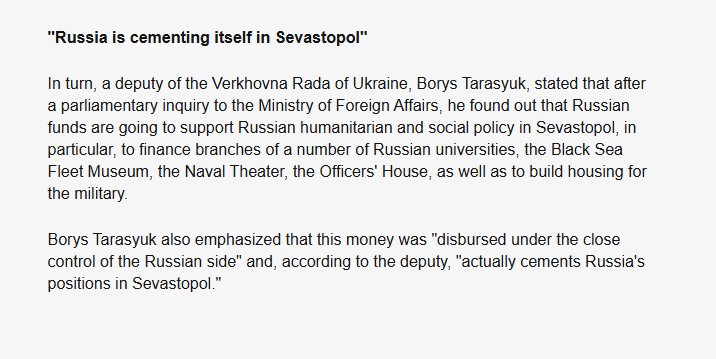
The Kremlin financed large-scale housing construction for both active-duty and retired personnel, while the Russian army offered preferential housing loans and generous subsidies.
This deliberate policy created a huge community of former Russian soldiers living in Crimea. Many easily obtained Ukrainian citizenship simply because they lived on Ukrainian territory.
The same pattern had existed since the collapse of the USSR, when tens of thousands of Soviet (mostly ethnic Russian) military families remained on the peninsula.
In reality, this was a long-term strategy of demographic engineering and creeping hybrid occupation.
The wives of these servicemen - who also received Ukrainian passports - regularly attended Kremlin-backed rallies: against NATO, for greater Crimean autonomy, and other pro-Moscow causes.
Predictably, in 2014 these former Russian military personnel and their networks formed the backbone of the illegal "People’s Self-Defense" units. They helped seize the peninsula and physically attacked pro-Ukrainian citizens and Crimean Tatars.
(Screenshots: quotes from Ukrainian and Russian media several years BEFORE the annexation)
Russia actively encouraged Black Sea Fleet servicemen and their families to stay in Sevastopol and Crimea after completing their service.
The Kremlin financed large-scale housing construction for both active-duty and retired personnel, while the Russian army offered preferential housing loans and generous subsidies.
This deliberate policy created a huge community of former Russian soldiers living in Crimea. Many easily obtained Ukrainian citizenship simply because they lived on Ukrainian territory.
The same pattern had existed since the collapse of the USSR, when tens of thousands of Soviet (mostly ethnic Russian) military families remained on the peninsula.
In reality, this was a long-term strategy of demographic engineering and creeping hybrid occupation.
The wives of these servicemen - who also received Ukrainian passports - regularly attended Kremlin-backed rallies: against NATO, for greater Crimean autonomy, and other pro-Moscow causes.
Predictably, in 2014 these former Russian military personnel and their networks formed the backbone of the illegal "People’s Self-Defense" units. They helped seize the peninsula and physically attacked pro-Ukrainian citizens and Crimean Tatars.
(Screenshots: quotes from Ukrainian and Russian media several years BEFORE the annexation)
5/8
In 2013 - long before the Revolution of Dignity even started - Russia entered the real active preparation phase for the annexation and possible military action.
From July 2013, there was a sharp spike in Russian reconnaissance flights along the Russo-Ukrainian border and over the Black Sea. There were even airspace violations.
In September 2013, Russia and Belarus held joint military drills (exactly the same pattern they repeated in 2022 right before the full-scale invasion).
The scenario of these exercises was chillingly precise:
-Political crisis in a neighboring country
-Creation of illegal armed groups
-Deployment of Russian troops to "restore order"
They were literally rehearsing the future annexation of Crimea.
After the drills, a significant part of the Russian forces did not return to their permanent bases. They stayed right on Ukraine’s borders.
These exact troops were later used to occupy Crimea and fuel the war in Donbas.
The plan was already in motion.
In 2013 - long before the Revolution of Dignity even started - Russia entered the real active preparation phase for the annexation and possible military action.
From July 2013, there was a sharp spike in Russian reconnaissance flights along the Russo-Ukrainian border and over the Black Sea. There were even airspace violations.
In September 2013, Russia and Belarus held joint military drills (exactly the same pattern they repeated in 2022 right before the full-scale invasion).
The scenario of these exercises was chillingly precise:
-Political crisis in a neighboring country
-Creation of illegal armed groups
-Deployment of Russian troops to "restore order"
They were literally rehearsing the future annexation of Crimea.
After the drills, a significant part of the Russian forces did not return to their permanent bases. They stayed right on Ukraine’s borders.
These exact troops were later used to occupy Crimea and fuel the war in Donbas.
The plan was already in motion.
6/8
In 2013, under the convenient pretext of "ensuring security for the Olympics", Russia carried out a major redeployment of troops to Krasnodar Krai - the region located right next to Crimea.
It was exactly from there that these units began entering Crimea starting on February 20, 2014.
Moscow perfectly used the Sochi Winter Olympics as a smokescreen to hide its military build-up for the aggression.
Russia has repeatedly launched its wars during or immediately after the Olympic Games:
2008 - Georgia (right after Beijing)
2014 - Crimea (during and right after Sochi)
2022 - full-scale invasion of Ukraine (right after Beijing again)
The Olympics have become Putin’s favourite cover for military adventures.
In 2013, under the convenient pretext of "ensuring security for the Olympics", Russia carried out a major redeployment of troops to Krasnodar Krai - the region located right next to Crimea.
It was exactly from there that these units began entering Crimea starting on February 20, 2014.
Moscow perfectly used the Sochi Winter Olympics as a smokescreen to hide its military build-up for the aggression.
Russia has repeatedly launched its wars during or immediately after the Olympic Games:
2008 - Georgia (right after Beijing)
2014 - Crimea (during and right after Sochi)
2022 - full-scale invasion of Ukraine (right after Beijing again)
The Olympics have become Putin’s favourite cover for military adventures.
7/8
In November 2013 - while the first protests were just beginning in Kyiv and no one yet imagined they would become a full-scale Revolution — Russia moved into the final active preparation phase.
The so-called "People’s Self-Defense" units were being rapidly formed. As we already covered, these groups were filled with former Russian military personnel and agents of Russian special services.
A striking detail: in November 2013, Russia delivered 45 tankers of aviation fuel to a Crimean airbase — instead of the usual 12. This was jet fuel for Il-76 transport aircraft, used for rapid airborne insertion of special forces.
On January 30, 2014, Igor Girkin (Strelkov) — the man who would later ignite the war in Donbas — arrived in Crimea together with several influential Russian figures: oligarchs, State Duma deputies, and individuals directly linked to the FSB and Russian intelligence.
Their mission: prepare the military scenario, coordinate pro-Russian forces, and negotiate the defection of local officials to the Russian side.
Later, one of Putin’s closest aides, Vladislav Surkov, also secretly visited Crimea.
From January 20, 2014, Ukrainian intelligence recorded a sharp increase in "Russian tourists". These "tourists" immediately joined the "self-defense" units, pro-Russian rallies, blocked Ukrainian military bases, and attacked pro-Ukrainian activists.
A month later, Russia would use the exact same "tourist" tactic to destabilize Donetsk, Luhansk, Kharkiv, and Odesa.
Meanwhile, the 810th Brigade intensified combat training: urban warfare, seizing infrastructure, and blocking Ukrainian units. On February 18, the brigade (and units in Novorossiysk) was placed on high combat alert.
In November 2013 - while the first protests were just beginning in Kyiv and no one yet imagined they would become a full-scale Revolution — Russia moved into the final active preparation phase.
The so-called "People’s Self-Defense" units were being rapidly formed. As we already covered, these groups were filled with former Russian military personnel and agents of Russian special services.
A striking detail: in November 2013, Russia delivered 45 tankers of aviation fuel to a Crimean airbase — instead of the usual 12. This was jet fuel for Il-76 transport aircraft, used for rapid airborne insertion of special forces.
On January 30, 2014, Igor Girkin (Strelkov) — the man who would later ignite the war in Donbas — arrived in Crimea together with several influential Russian figures: oligarchs, State Duma deputies, and individuals directly linked to the FSB and Russian intelligence.
Their mission: prepare the military scenario, coordinate pro-Russian forces, and negotiate the defection of local officials to the Russian side.
Later, one of Putin’s closest aides, Vladislav Surkov, also secretly visited Crimea.
From January 20, 2014, Ukrainian intelligence recorded a sharp increase in "Russian tourists". These "tourists" immediately joined the "self-defense" units, pro-Russian rallies, blocked Ukrainian military bases, and attacked pro-Ukrainian activists.
A month later, Russia would use the exact same "tourist" tactic to destabilize Donetsk, Luhansk, Kharkiv, and Odesa.
Meanwhile, the 810th Brigade intensified combat training: urban warfare, seizing infrastructure, and blocking Ukrainian units. On February 18, the brigade (and units in Novorossiysk) was placed on high combat alert.

8/8
I’ve presented only a portion of the facts proving that Russia’s annexation of Crimea was meticulously prepared long before the Revolution of Dignity. Otherwise this thread would have been far too long for X.
Interesting fact: the Ukrainian people’s demand for immediate new elections - against the advice of several European leaders - very likely saved Ukraine from a much worse fate.
If Yanukovych had remained in power for just one more year, Russia could have seized far more territory or turned Ukraine into a giant Belarus: de jure "independent", but de facto a Kremlin puppet state.
Russia later tried to replicate many Crimean tactics in Donbas: importing "Russian tourists", placing Russian military officers in charge of "people’s self-defense" units (Girkin being the most notorious example), intimidation, and elimination of pro-Ukrainian locals.
But Crimea was simply a far more convenient bridgehead because of the already stationed Black Sea Fleet.
Ukrainians and Crimean Tatars did try to resist. Yet with Russian forces deeply embedded on the peninsula, these protests were brutally crushed.
Russia didn’t annex Crimea because of Maidan.
Maidan happened, in part, because Russia had already decided to annex Crimea.
The plan was ready. The troops were in position. The clock was ticking.
(Video: clashes in Crimea between pro-Ukrainian and pro-Russian rallies, February 2014)
I’ve presented only a portion of the facts proving that Russia’s annexation of Crimea was meticulously prepared long before the Revolution of Dignity. Otherwise this thread would have been far too long for X.
Interesting fact: the Ukrainian people’s demand for immediate new elections - against the advice of several European leaders - very likely saved Ukraine from a much worse fate.
If Yanukovych had remained in power for just one more year, Russia could have seized far more territory or turned Ukraine into a giant Belarus: de jure "independent", but de facto a Kremlin puppet state.
Russia later tried to replicate many Crimean tactics in Donbas: importing "Russian tourists", placing Russian military officers in charge of "people’s self-defense" units (Girkin being the most notorious example), intimidation, and elimination of pro-Ukrainian locals.
But Crimea was simply a far more convenient bridgehead because of the already stationed Black Sea Fleet.
Ukrainians and Crimean Tatars did try to resist. Yet with Russian forces deeply embedded on the peninsula, these protests were brutally crushed.
Russia didn’t annex Crimea because of Maidan.
Maidan happened, in part, because Russia had already decided to annex Crimea.
The plan was ready. The troops were in position. The clock was ticking.
(Video: clashes in Crimea between pro-Ukrainian and pro-Russian rallies, February 2014)
• • •
Missing some Tweet in this thread? You can try to
force a refresh