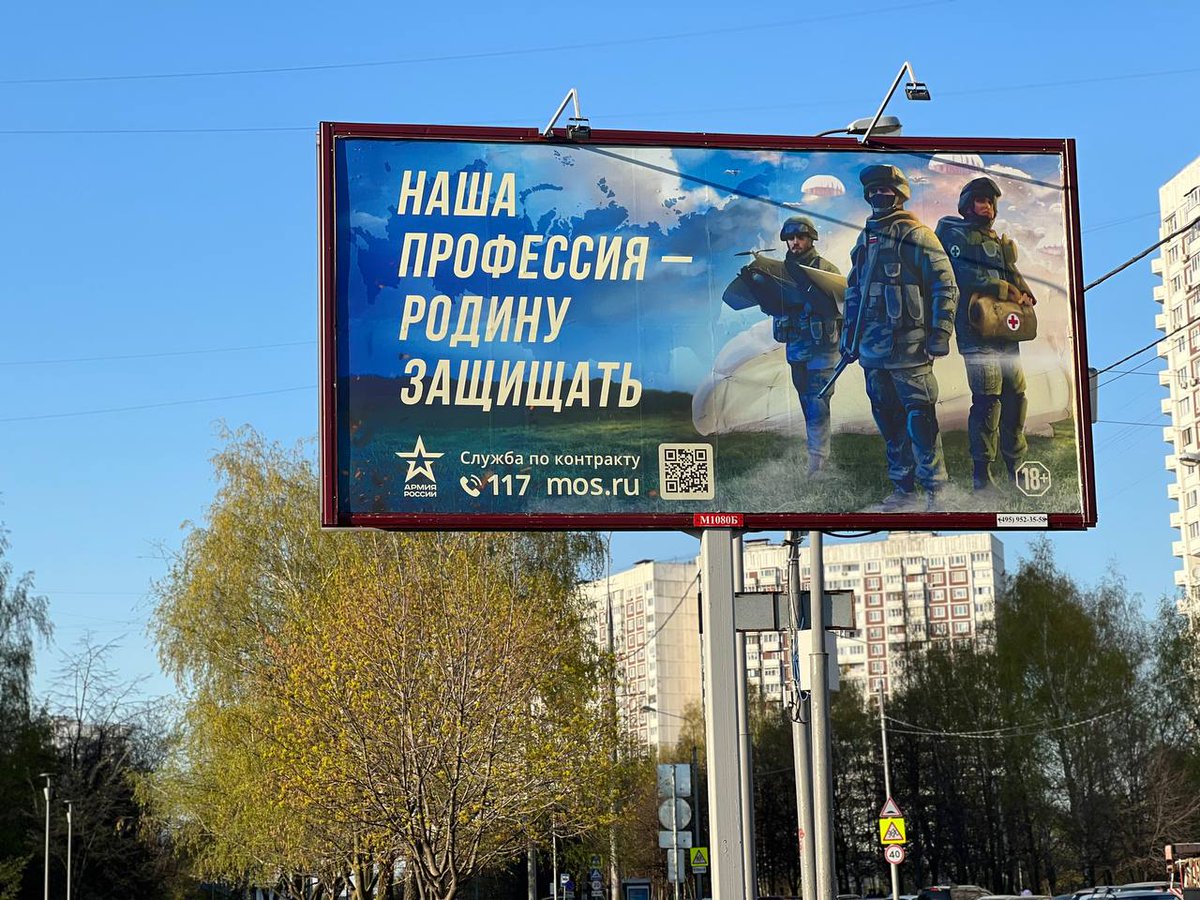
1/ It's generally been assumed that the Russian government wants to force its soldiers off Telegram and onto the government-approved MAX app. However, it seems that MAX may also be banned for military use, and an unnamed specialised military messenger may be imposed instead. ⬇️ 
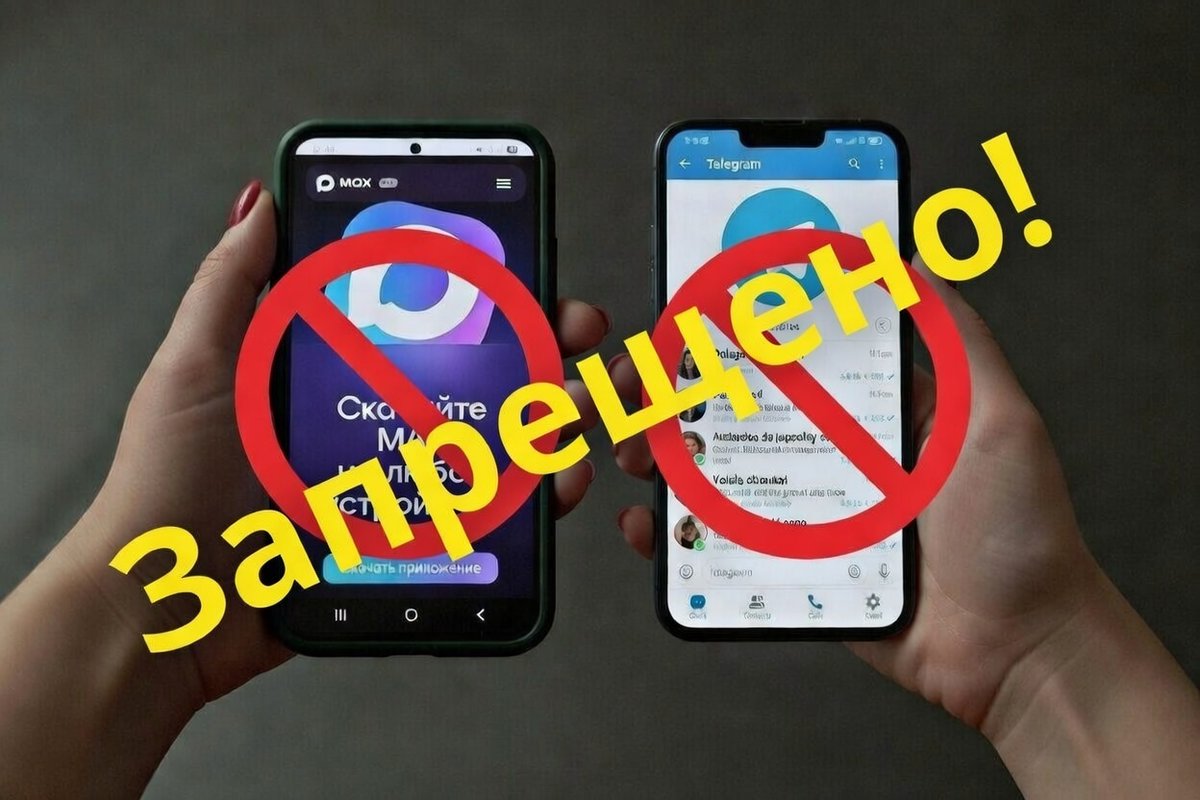
2/ The generally reliable Fighterbomber Telegram channel reports on a possible ban of both MAX and Telegram in the military (referring to "Laos" as a commonly-utilised euphemism for Russia, to evade the censors):
3/ "Sources within the Security Council suggest that, amid the suppression of Telegram by all available means, Lao troops have received orders banning the use and installation of the world's most secure national messenger on devices with advanced multimedia capabilities,…
4/ …which has been repeatedly banned by previous orders.
Very soon, a unique program will be introduced into Laos' arsenal, and it will be possible to send messages and documents using it.
But this is not certain."
Very soon, a unique program will be introduced into Laos' arsenal, and it will be possible to send messages and documents using it.
But this is not certain."
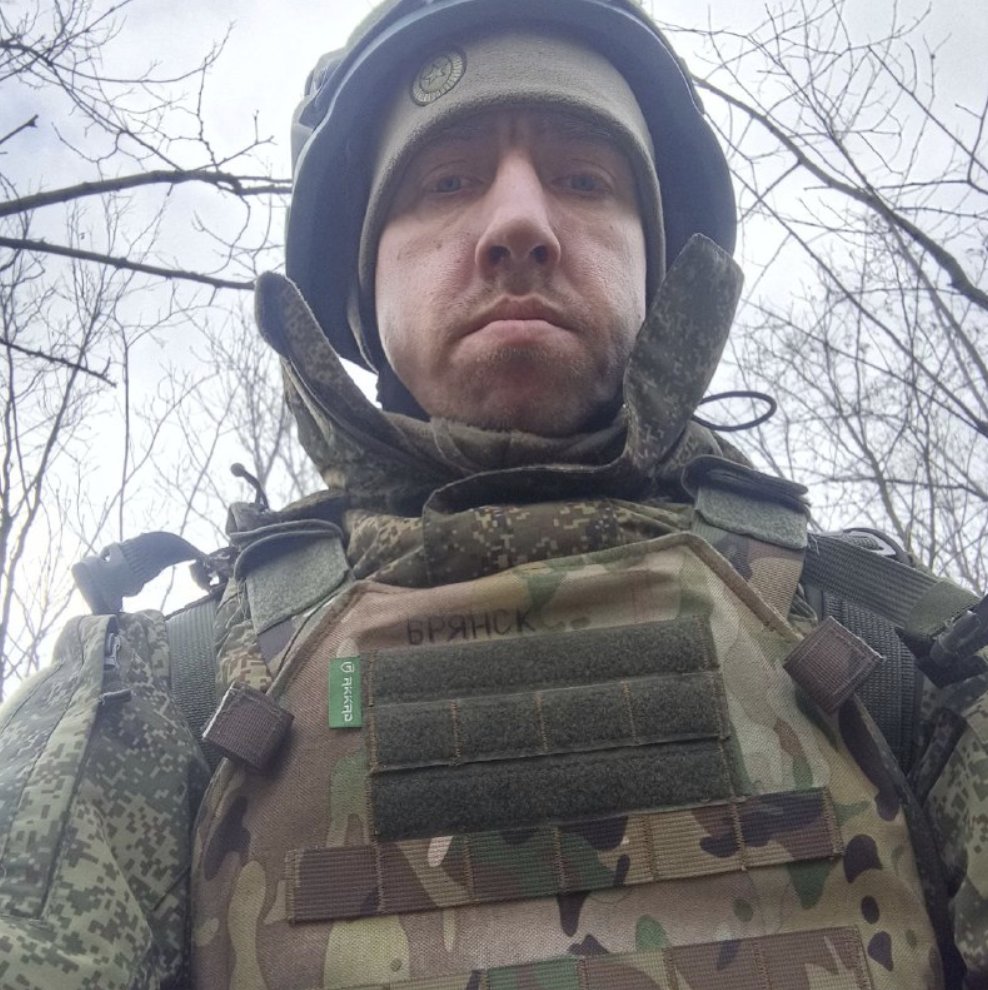
5/ This theory is given credence by a curious video published by the propagandist Vladimir Solovyov, showing "a serviceman with the unmanned systems forces in the Special Military Operation, call sign 'Sprut'," talking about his unnamed unit's communications systems.
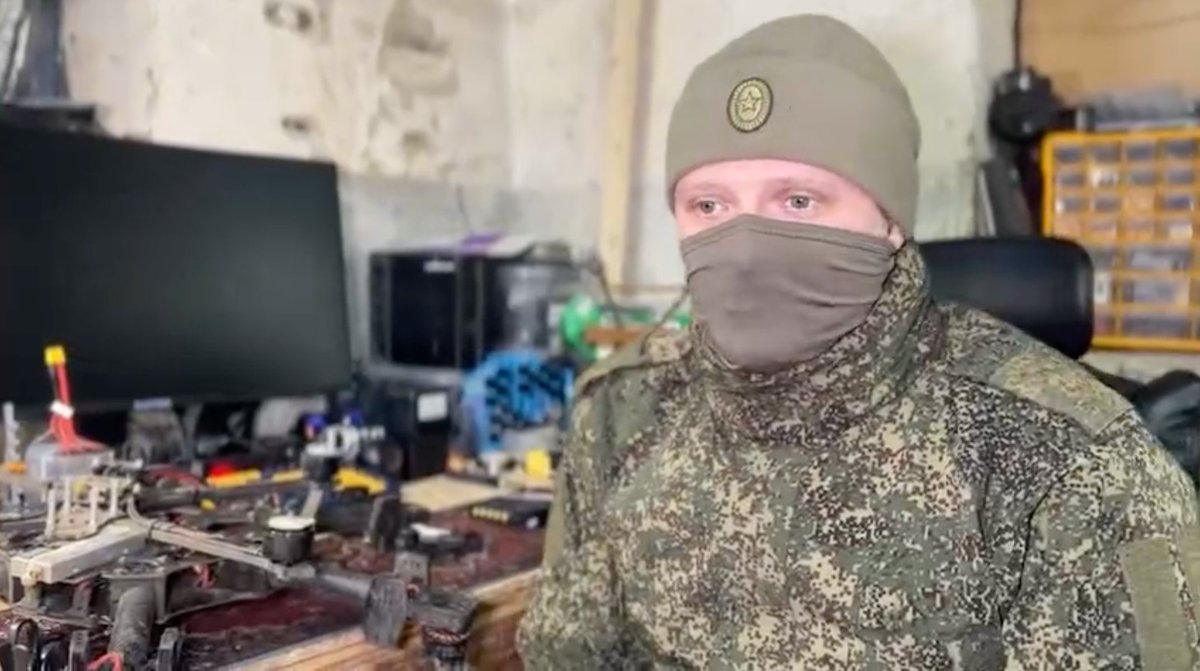
6/ The video is clearly intended to be a so-called 'anti-crisis' intervention by the Russian Ministry of Defence in an attempt to calm the many soldiers who have expressed alarm and frustration at the government's crippling of a vital communications system.
7/ 'Sprut' explains that his unit doesn't use Telegram, instead relying on a dedicated, secure military messenger:
"We didn't use Telegram; that messenger has foreign servers, so all our correspondence would have been leaked.
"We didn't use Telegram; that messenger has foreign servers, so all our correspondence would have been leaked.
8/ "Our homeland provided us with a Russian-developed messenger, a domestic messenger that basically covers all our needs. This includes voice chats, video conferencing, text messaging, file sharing, and file editing.
9/ "Basically, it covers all our needs, and we don't need any foreign stuff. Unit management is carried out exclusively through it, via additional military communications.
10/ "But for the most part, all command and control, as well as communication between service members, is handled through this messenger. It uses encrypted communication channels, the keys are impossible to crack, and it fully meets all our operational requirements."
11/ Other Russian warbloggers express scepticism. 'UAV Developer' comments that "now we're seeing a series of "we don't use Telegram" statements from a number of servicemen in their new, clean uniforms."
12/ "Notice how intimately this soldier knows who has which servers and encryption keys. These aren't some dumb Ukrainians!
We also have plenty of heavy drones, electronic warfare systems, excellent communications, and everyone has enough of everything...
We also have plenty of heavy drones, electronic warfare systems, excellent communications, and everyone has enough of everything...
13/ "Is it any wonder Kupyansk has already been captured seven times, and only the President has been informed of its capture twice?"
14/ 'Combat Reserve' asks:
"I have a question: do other military personnel know that we have a secret military messenger?
Who cares about the messenger, but how do you create the Internet around it?
Using fart-powered magic?"
"I have a question: do other military personnel know that we have a secret military messenger?
Who cares about the messenger, but how do you create the Internet around it?
Using fart-powered magic?"
15/ 'Mine Division' points out the problem with Russian 'military messengers':
"ONCE AGAIN. Specialised, highly secure messengers have been in use for over 10 years (I've used them myself), and rightly so!"
"ONCE AGAIN. Specialised, highly secure messengers have been in use for over 10 years (I've used them myself), and rightly so!"
16/ "The problem is that they create problems interacting with those who don't have them.
And this is precisely the key reason why even "long-time users of special messengers" use Telegram."
And this is precisely the key reason why even "long-time users of special messengers" use Telegram."
17/ 'When the cannons start singing' observes sarcastically: "While the old-timers, reading the internet from printed A4 sheets, are finishing off the cart and doing everything they can to roll back the IT industry by two decades (to the days of the Pentium 4) or more,…
18/ …I contacted a friend who's still devising ingenious methods to circumvent restrictions in the Special Military Operation zone where he resides, because thanks to our old-timers, everything went to hell for him and his unit-mates.
19/ "He's very grateful; at least he doesn't get calls from scammers anymore. That's more important." /end
Sources:
🔹 t.me/bomber_fighter…
🔹 t.me/SolovievLive/3…
🔹 t.me/UAVDEV/10471
🔹 t.me/rodinarussia27…
🔹 t.me/ASWman/52340
🔹 t.me/cs_association…
Sources:
🔹 t.me/bomber_fighter…
🔹 t.me/SolovievLive/3…
🔹 t.me/UAVDEV/10471
🔹 t.me/rodinarussia27…
🔹 t.me/ASWman/52340
🔹 t.me/cs_association…
• • •
Missing some Tweet in this thread? You can try to
force a refresh